From production wells to refineries, Mercer delivers engineered oil/water separation systems that keep operations efficient, compliant, and safe.
Talk to an Oil & Gas Specialist
INDUSTRY INSIGHT
For more than four decades, Mercer International has been the go-to engineering partner for E&P’s, oil field service companies,, refiners, and transport operators who need consistent performance from their oil/water separation systems. From offshore platforms to tank farms, Mercer’s enhanced-gravity separators automatically streamline oil and solids removal, helping clients protect or eliminate secondary and tertiary treatment steps downstream.
Built on field-proven designs like the Multi-Pack™ Coalescer System and Compliance Master™ Separator, Mercer systems deliver measurable uptime, reduced maintenance, and fast ROI in the harshest oilfield and refinery environments.
Request Consultation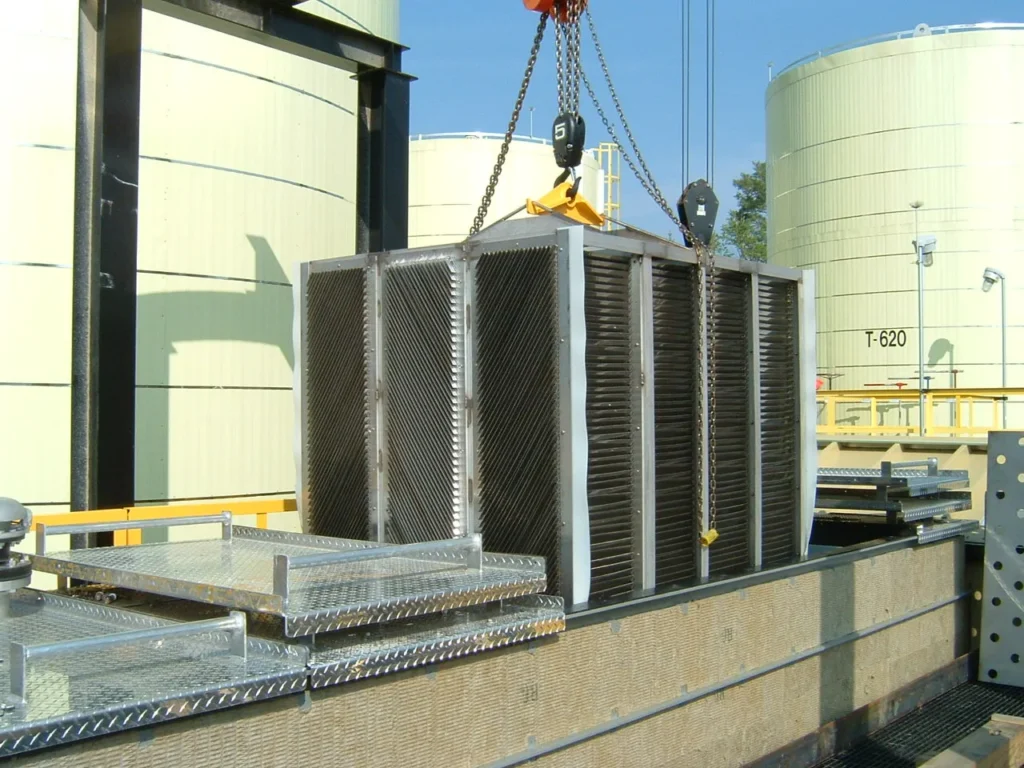
ENERGY INDUSTRIES
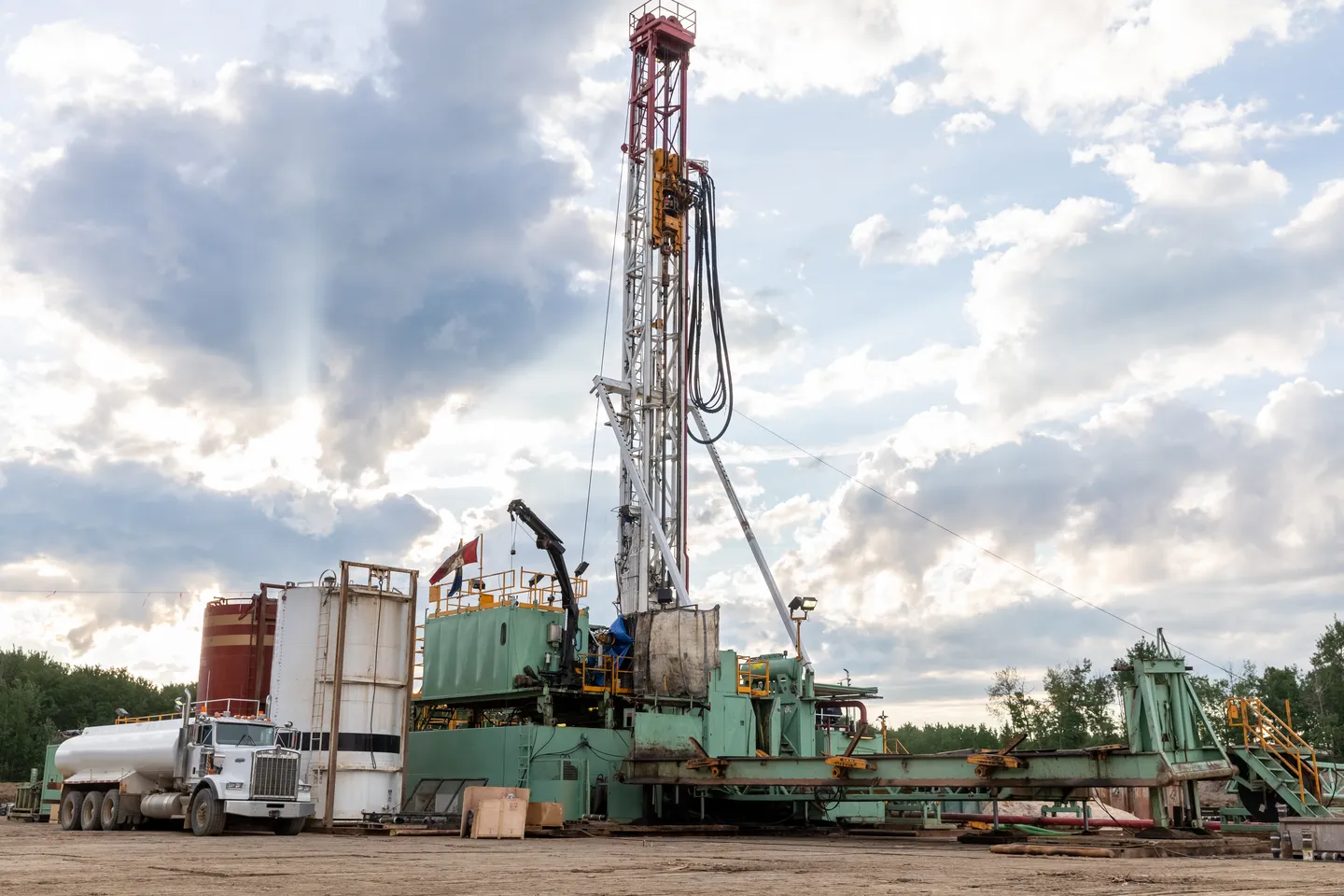
Treat produced water, well pad runoff, and flowback on the fly—without bulky gun-barrels, storage tanks or frequent cleanouts.
View Upstream Applications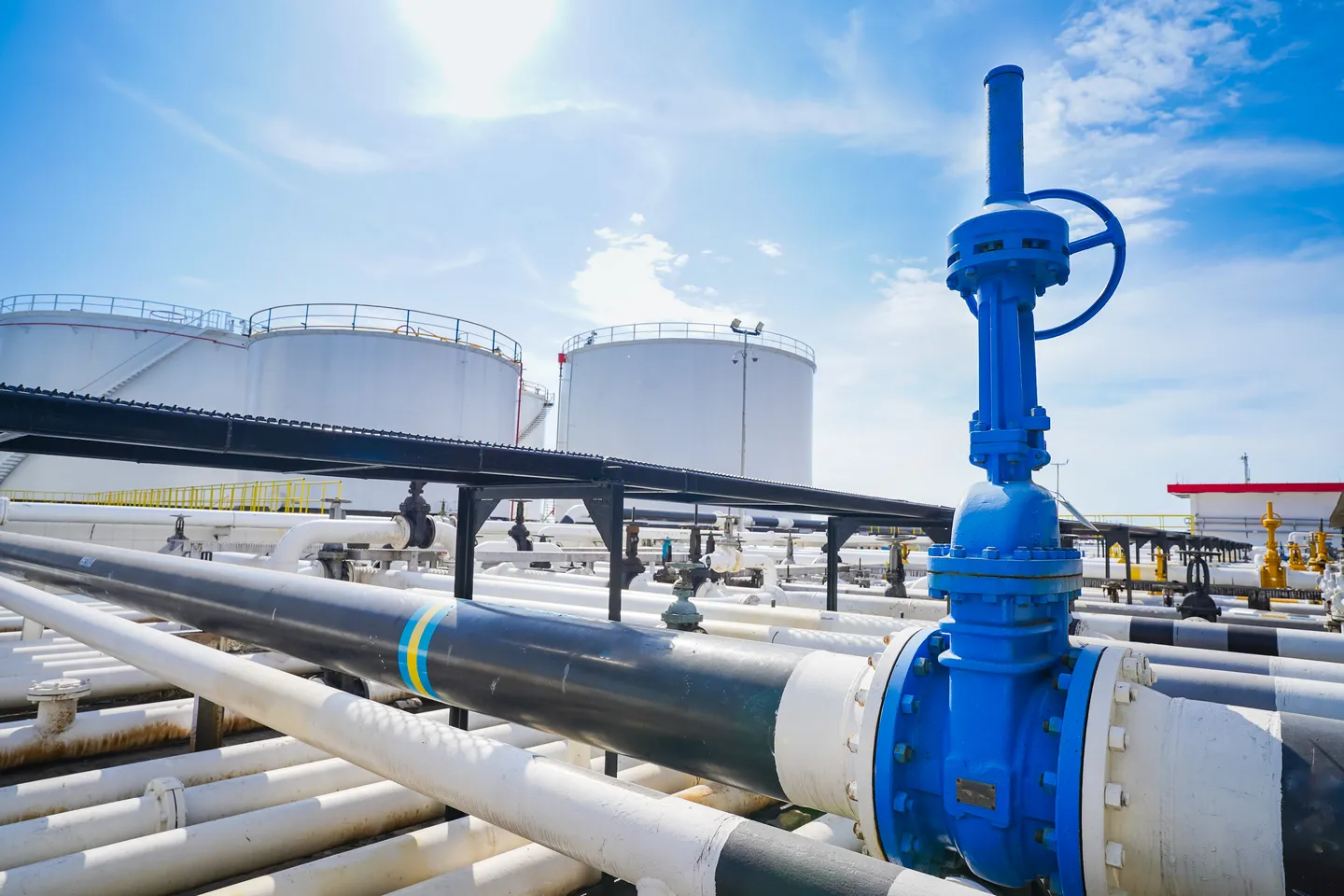
Handle terminal drainage, sump water, and compressor station leaks for regulatory-ready discharge.
View Midstream Applications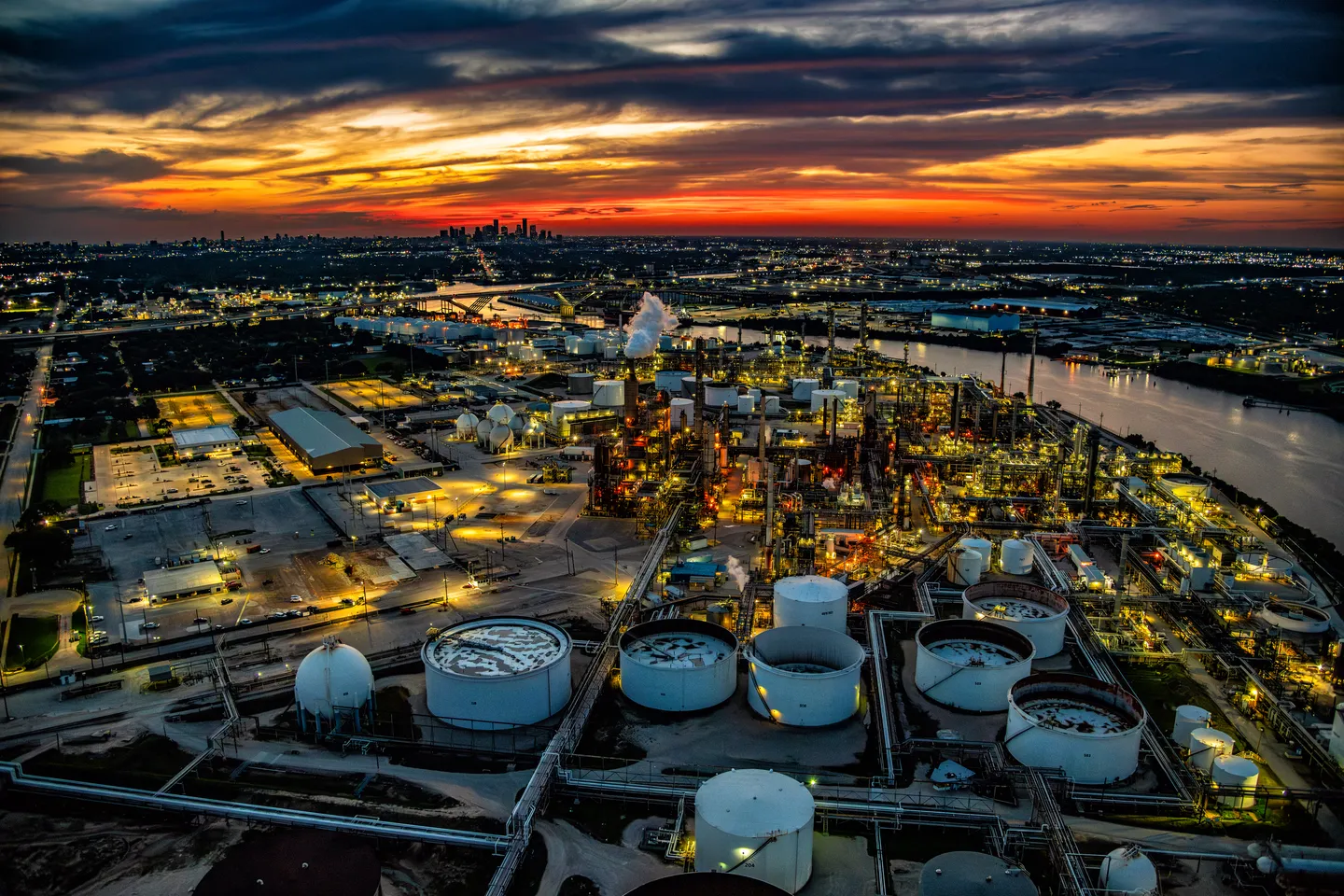
Replace aging concrete API tanks and automate oil and solids removal for modern refinery performance.
View Downstream Applications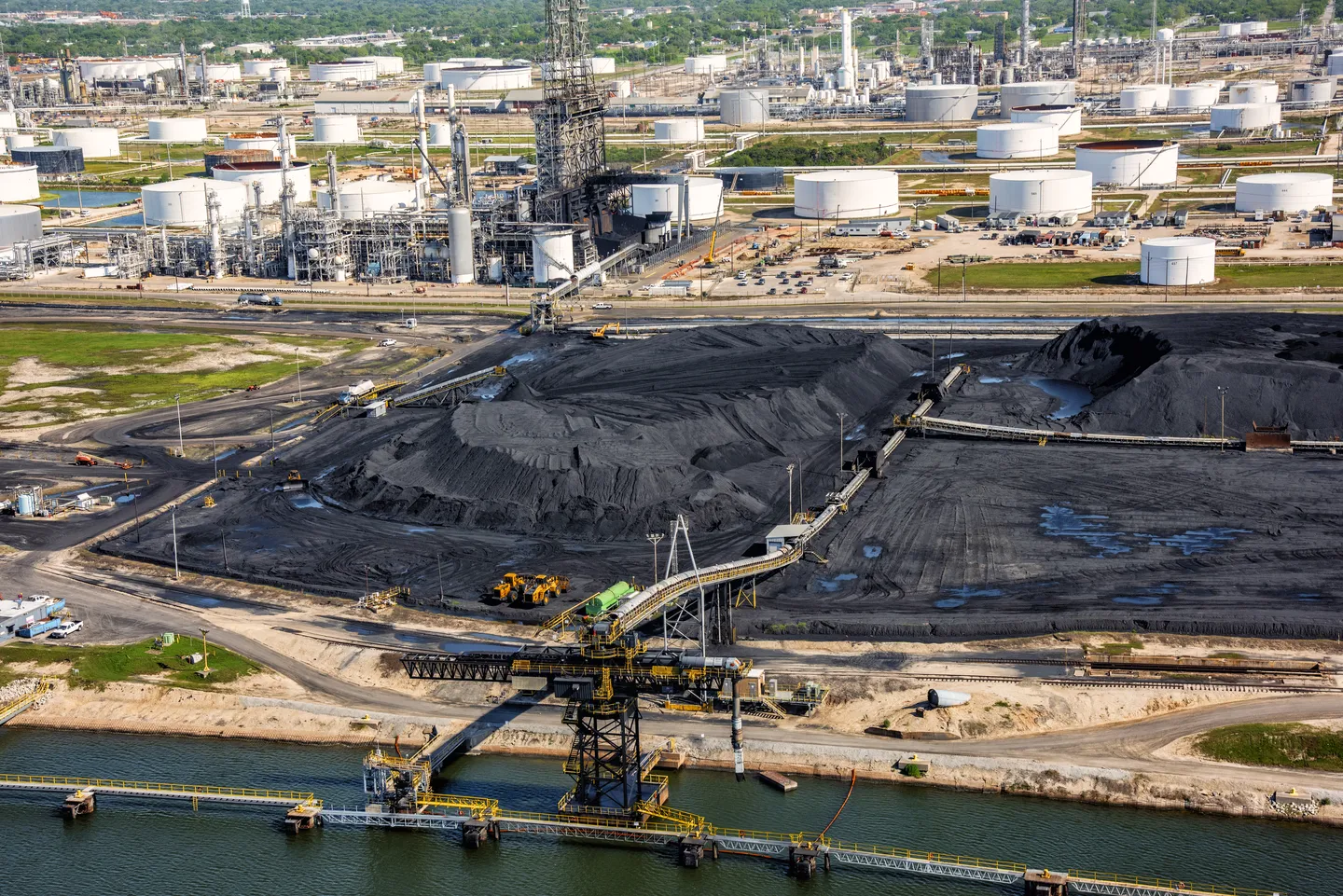
Manage oily wastewater from steam recovery and open-pit mining while reclaiming valuable hydrocarbons.
View Oil Sands & SAG-D Applications
Protect injection wells and recover saleable oil before disposal.
View Saltwater Disposal ApplicationsWhy Mercer
APPLICATION AREAS
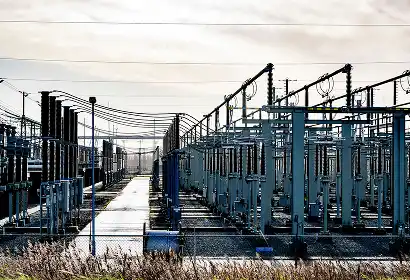
Capture dielectric oil leaks, rain-induced sheen, and containment drainage automatically.
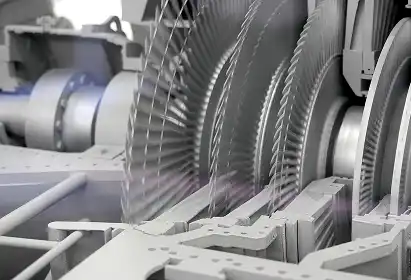
Remove free oils and particulates from turbine hall drainage, lube-oil sumps, and equipment washdowns.
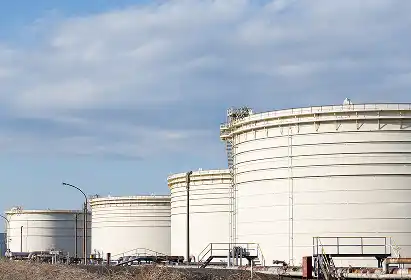
Treat oily runoff from diesel, fuel-oil, and turbine-fuel storage areas.
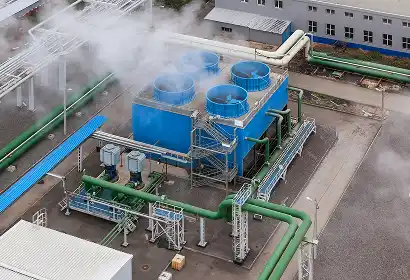
Eliminate oil carryover from cooling water, condenser areas, and auxiliary equipment.
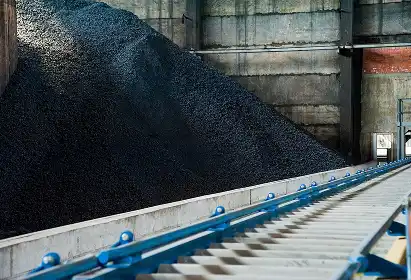
Manage oily solids, coal fines, and hydrocarbon sheens before discharge or reuse.
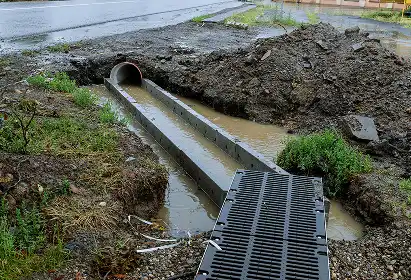
Handle first-flush loads and variable storm events with stable separation performance.
Featured Projects
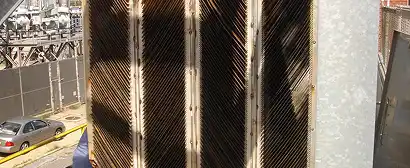
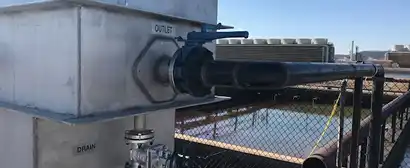


Mercer systems capture much smaller droplets, manage velocity per API 421, resist fouling, and automate oil/solids removal — performance API/CPI tanks cannot match.
Yes. Mercer units separate in real time, eliminating feet of sludge buildup, reducing storage needs, and recovering more sellable oil.
Engineered coalescers maintain rise paths, resist blinding, and control shear — keeping performance stable even with chemically aggressive O&G waters.
Yes. Removing oil and solids upstream protects injection wells, reduces formation plugging, and lowers disposal risk.
They meet or exceed API 421 for <3 ft/min velocity, <60-micron droplet capture, and outperform the 150-micron limit of open-weir designs.
Yes. Closed tops, vapor-capture options, and automated skimming minimize VOC release and operator exposure.
Automated oil recovery, timed solids purging, and SCADA integration reduce operator intervention and keep treatment predictable.
Yes. Optimized plate spacing and controlled flow prevent media fouling and maintain separation efficiency.
Yes. They tolerate high temperatures, abrasive fines, and refractory oils while maintaining consistent performance.
Yes. They handle high-shear droplets, solids, and fluctuating loads that overwhelm CPI tanks and chain-and-flight basins.
Less media fouling, fewer cleanouts, lower hauling costs, and reduced pump wear — typically 50–80% maintenance reduction.
Yes. Most systems use roughly ¼ the footprint of API or CPI designs.
Absolutely — improved removal of oils and solids stabilizes water for downstream polishing and reuse processes.
Modular designs install quickly, and retrofits can often be dropped into existing basins without major civil work.
