
Media, microns, and maintenance matter
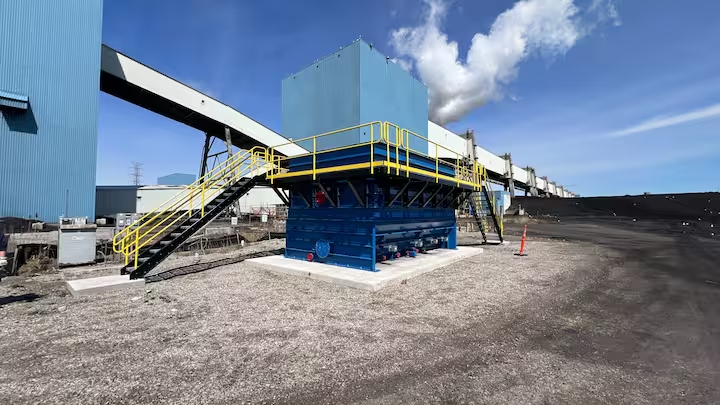
Mercer utilizes your application data and aligns it with our standard design criteria. The more info you provide the more thorough the solution becomes. Answer 5 worst case scenario wastewater questions and receive Mercer’s recommendation which includes:
From there we conduct a site visit, perform sample/data collection, and arrange for our Test For Free & Guarantee Piloting Program
We are asked to treat process flows with varying types of oils and oil concentrations. With this in mind, we design around Stoke’s Law so that All 60 micron droplets of oil at 0.90 specific gravity at 70F will be removed. In essence, we remove all rising settling particles traveling at nominally 1⁄2” per minute.
This document is referred to “API 421”. Monographs on Refinery Environmental Control Management of Water Discharges (Design and Operation of Oil-Water Separators). This is the guide that tells end users how to size and design enhanced gravity separators.
API 421 1.2 (page 2)-Tells us that the concrete configuration alone only removes down to 150 micron. API 421 2.1.4.1 (pg. 7)-Where you find <3ft/min maximum velocity stipulation. API 421 4.1.3 (pg. 25)- Where you find <60 micron oil droplet capture target.
We have certain criteria that will cause us to "derate" a unit and default to a higher flow rate design to achieve oil removal rates in that same range. For example a 0.95 specific gravity oil travels at about 1⁄2 the rise rate of 0.90 so the unit would nominally have to double. Another option unique to Mercer would be the addition of more adjustable smooth flat plates.
The same types of considerations are made when we see higher concentrations of oils and/or solids, and lower temperatures as well. Conversely if oils are lighter, or requirements less stringent, we can sometimes deviate from a standard design to offer a smaller unit with a higher flow rate.
As such, settling on the heaviest specific gravity oils to be removed at a max flow rate experienced at the coldest water temperatures (even theoretical numbers for the purposes of design), are essential for Mercer to offer a recommendation.
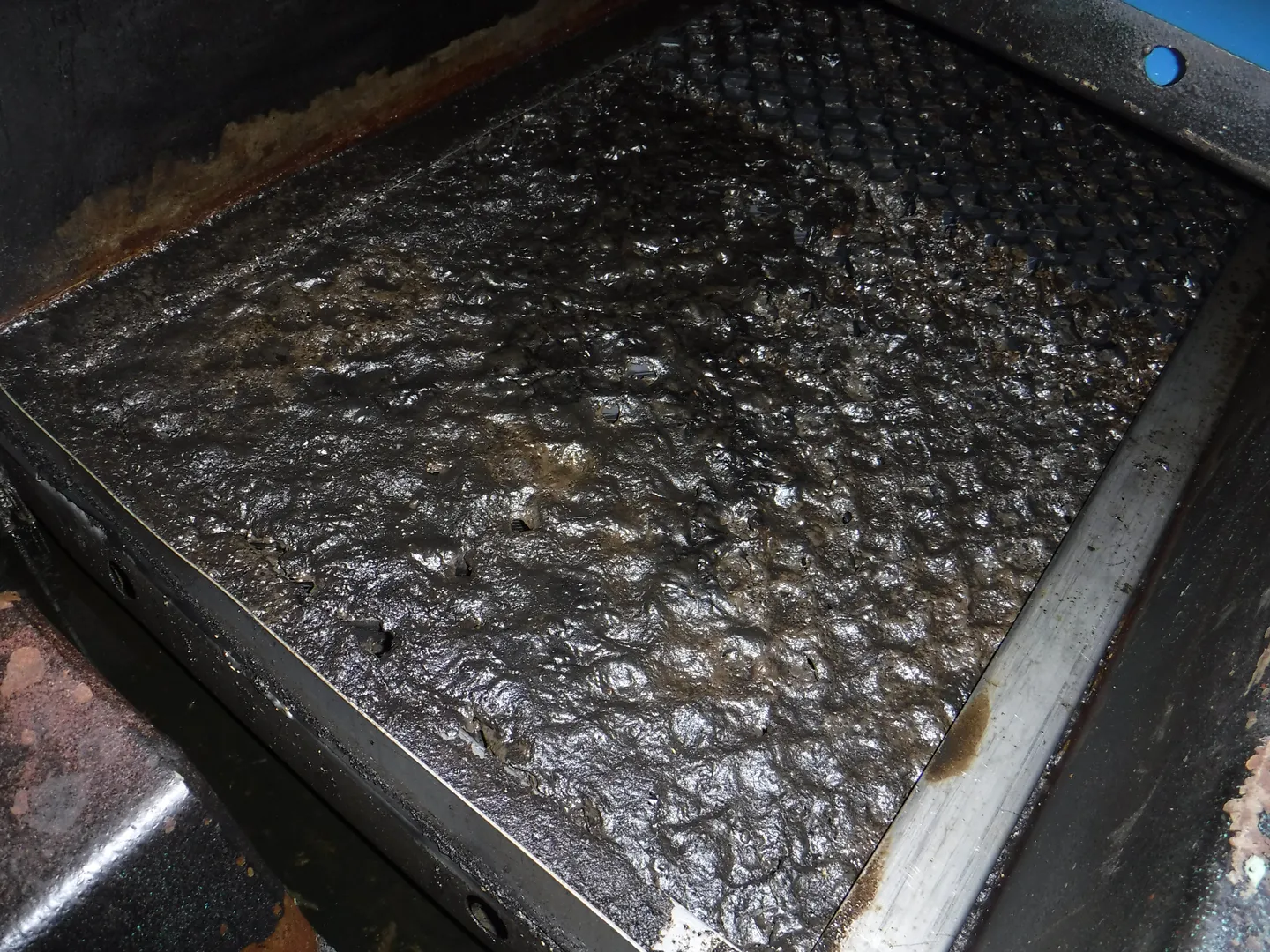
Other companies spend very little time reviewing these important factors and instead look to sell you something with a “catch/trap” mechanism inside that is a maintenance nightmare and an OPEX drain.
INFO
Video

PDF Guide
Tool
