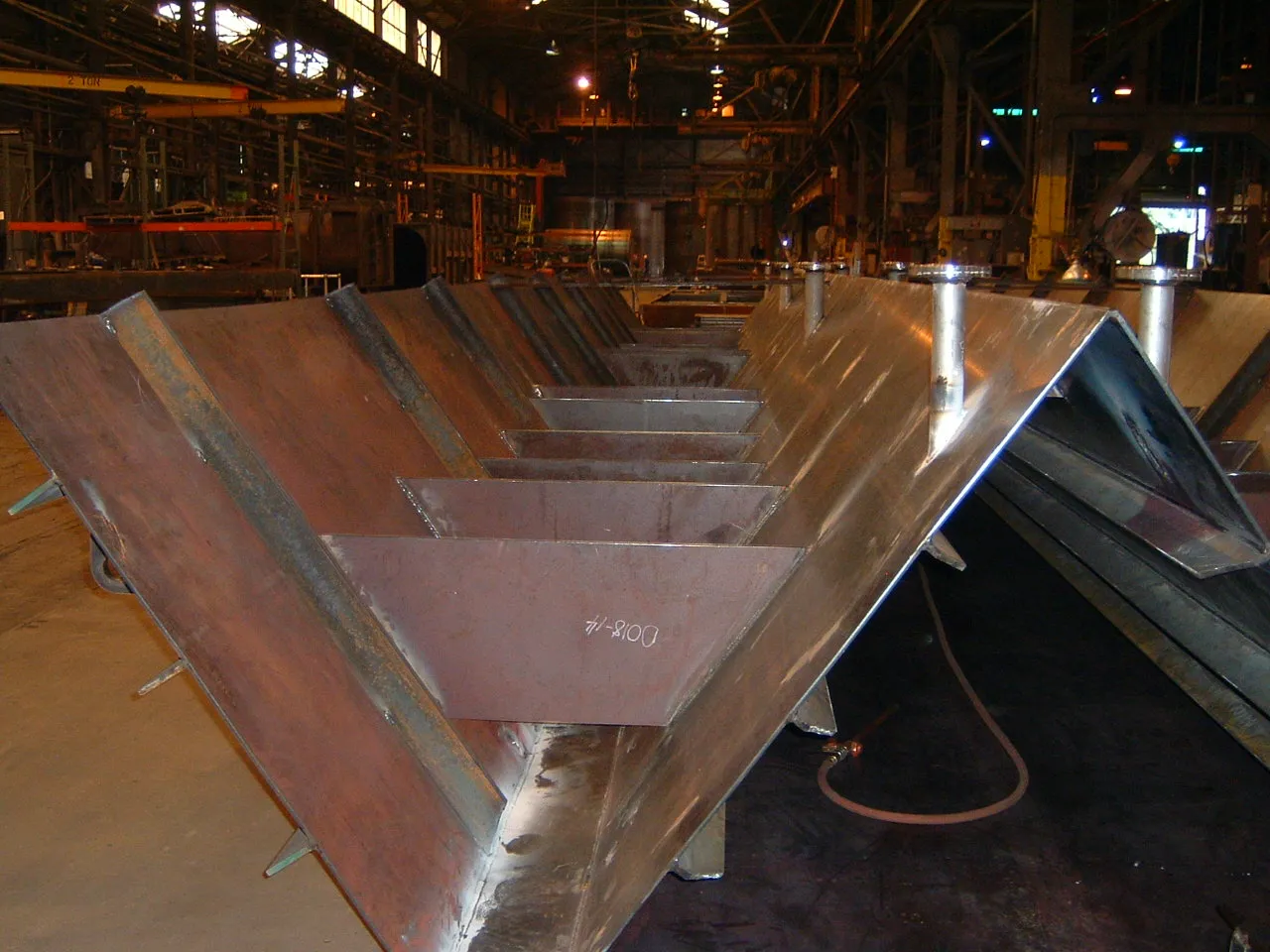
Hopper Bottom Design
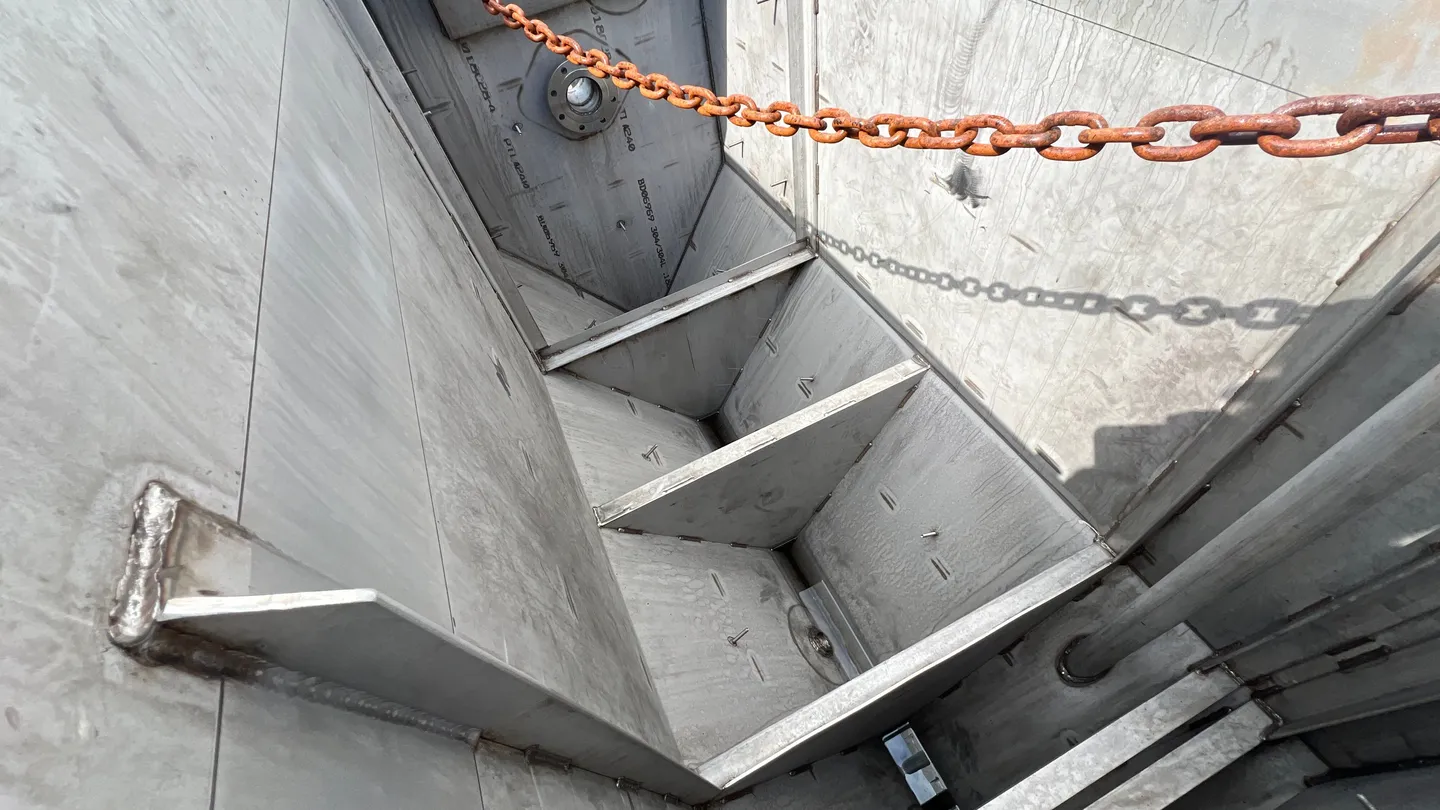
Flat and lightly sloped bottoms create:
Once solids accumulate on the floor, they interfere with rise lanes, reduce retention time, and drive inconsistent effluent quality.
A separator without active solids control is a separator on a countdown to failure.
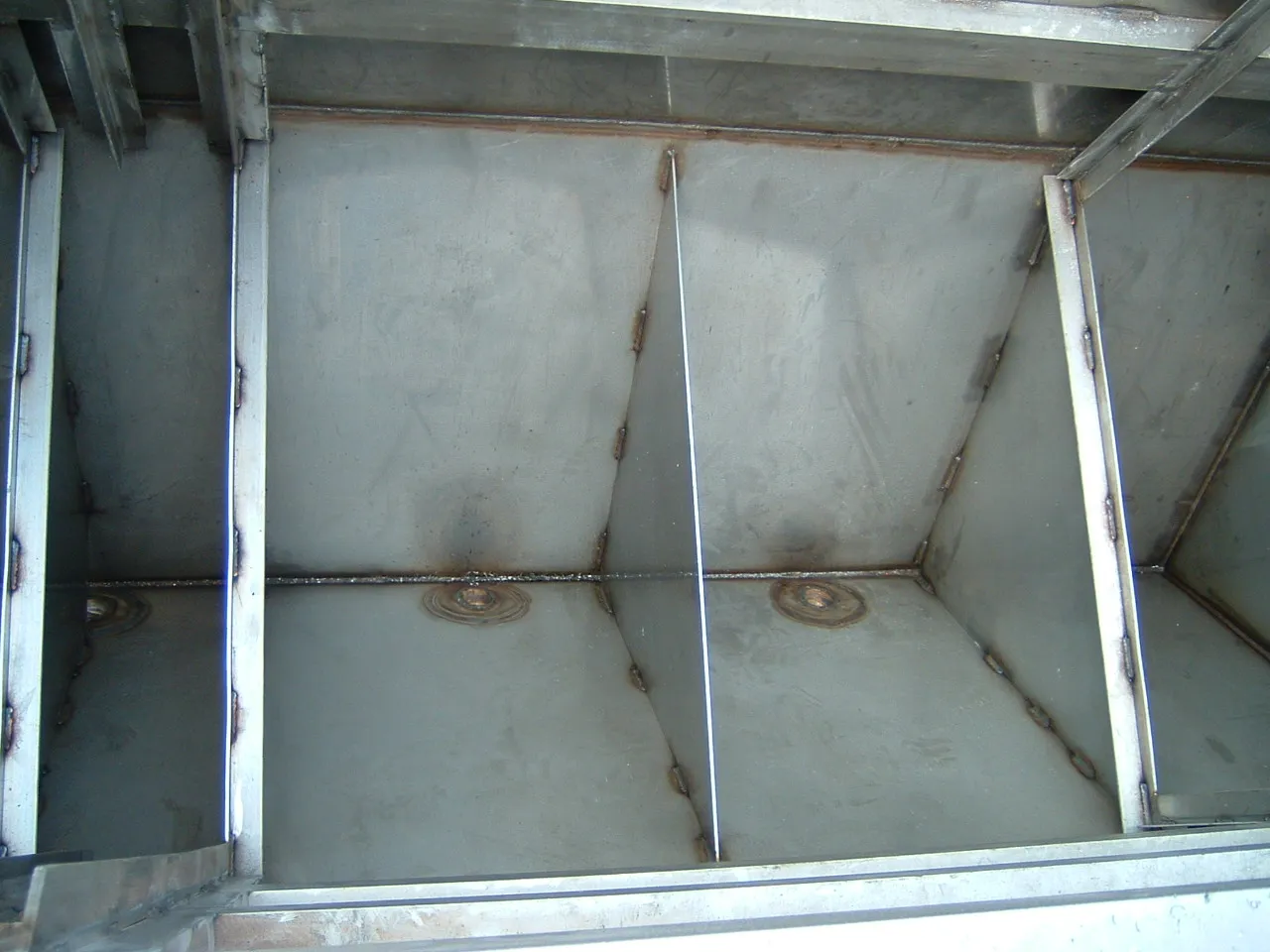
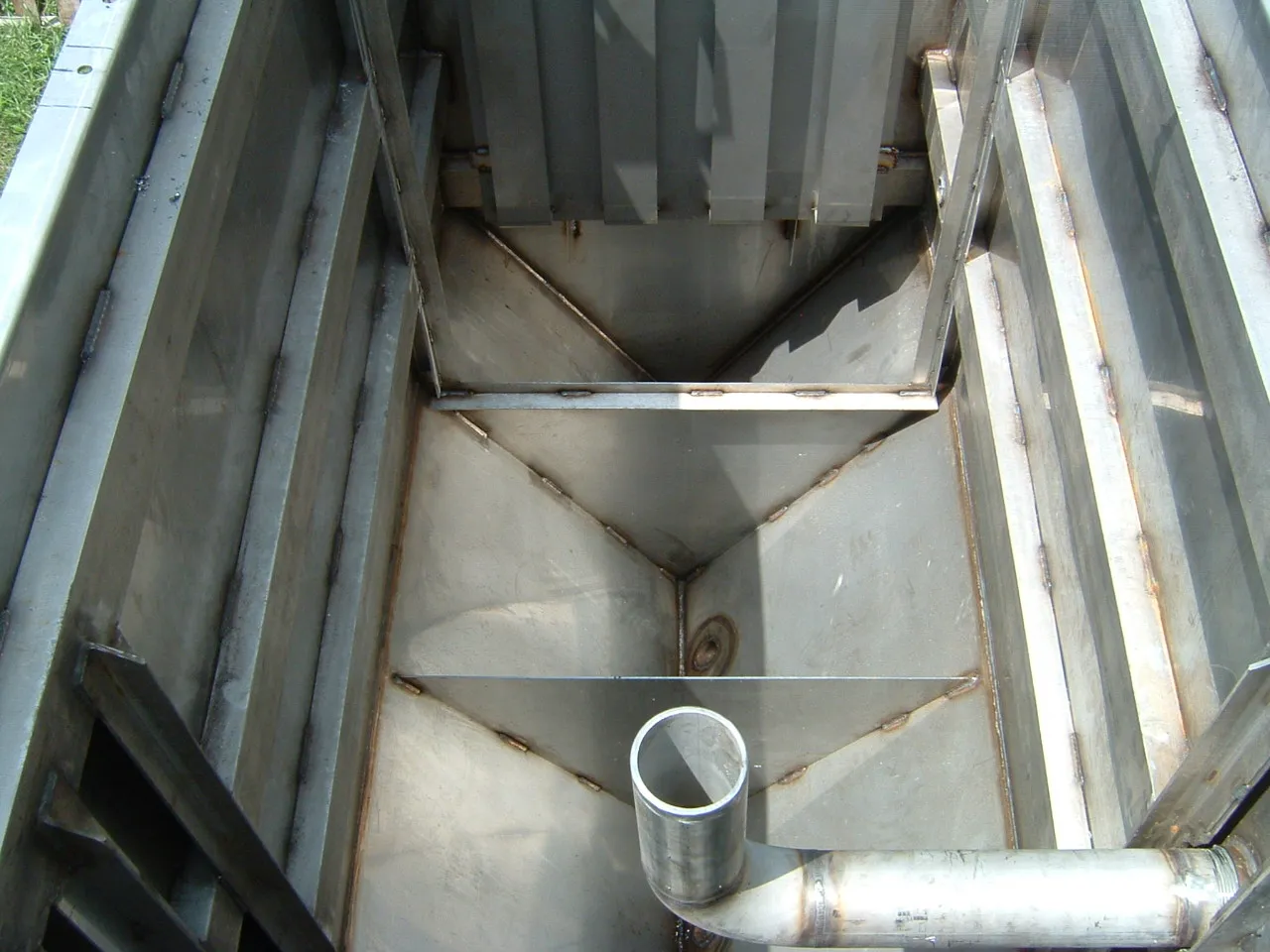
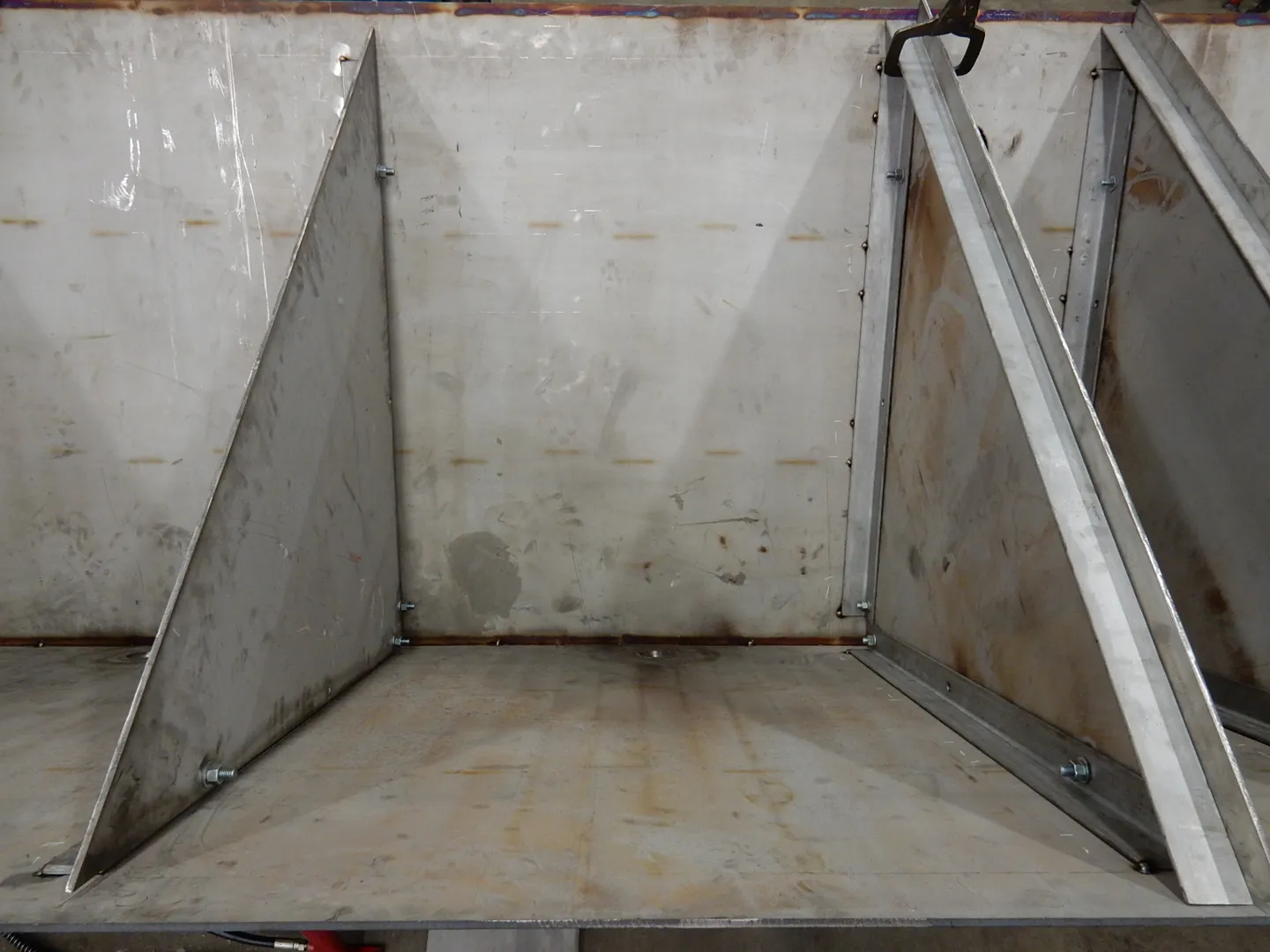
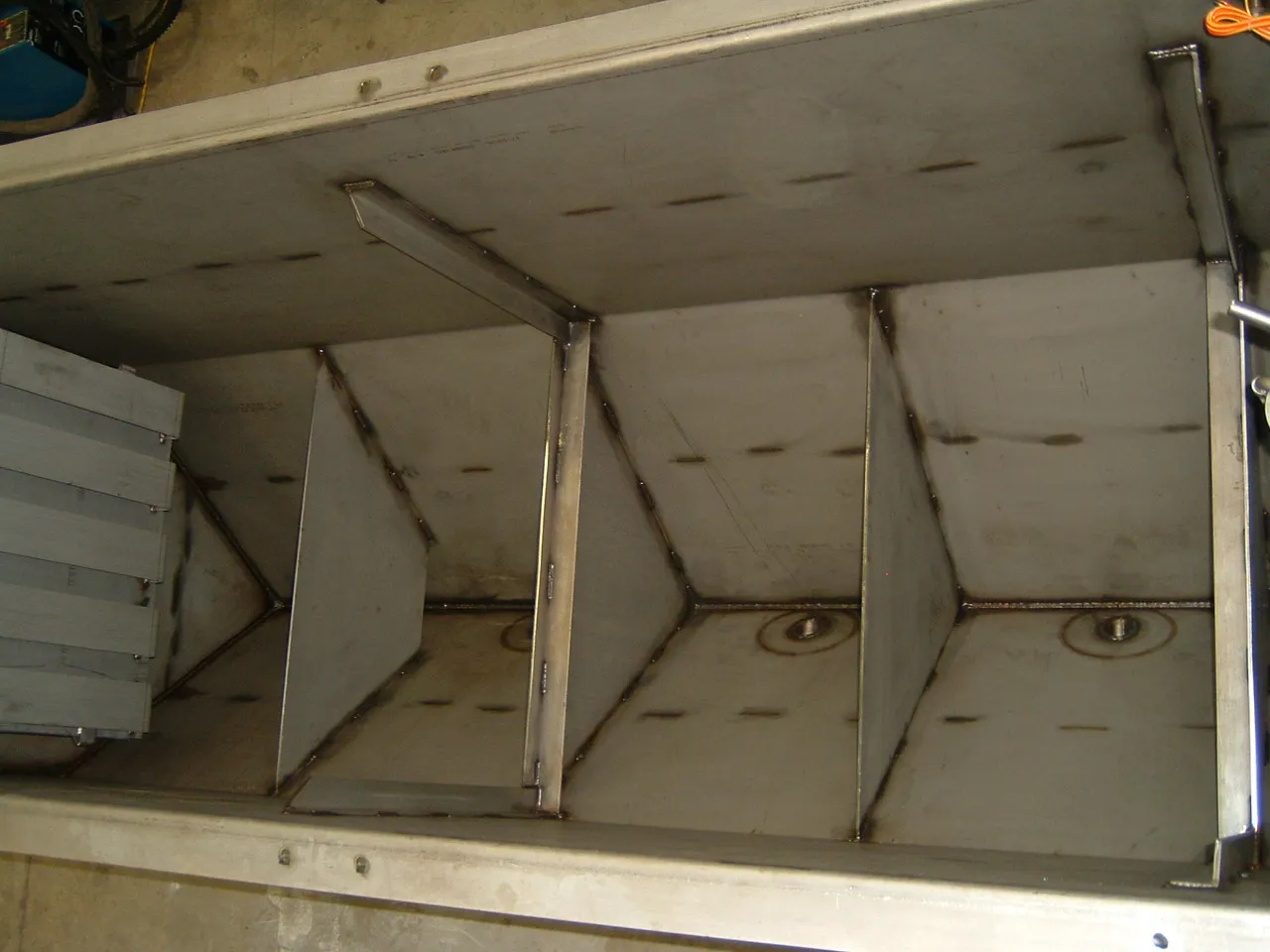
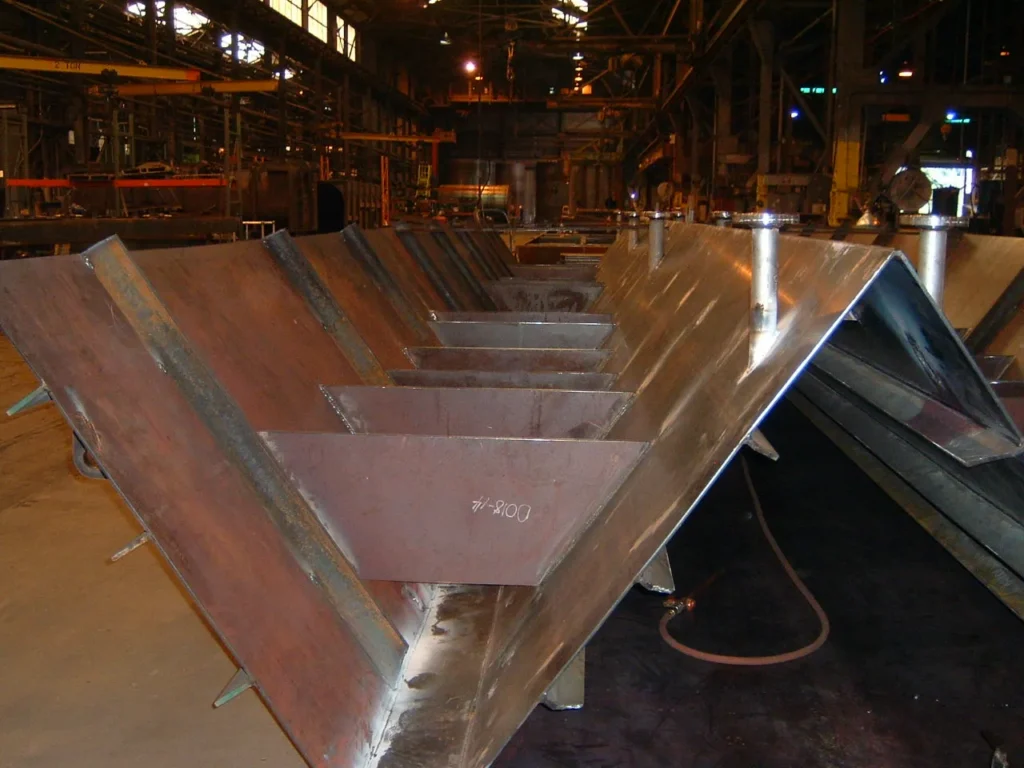
Here is how the hopper actually functions, based entirely on Mercer’s published technical content.
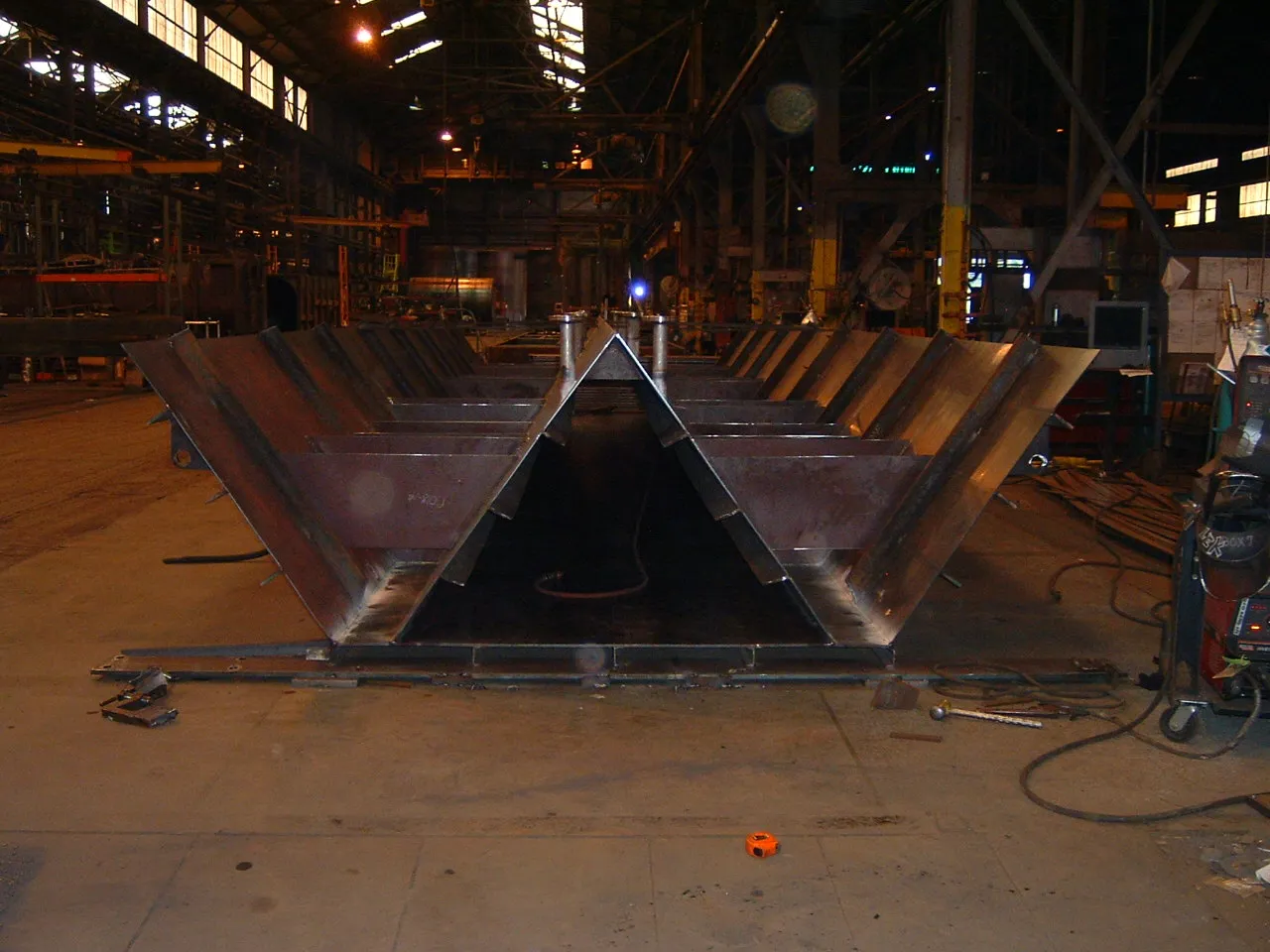
Operators report:
The hopper bottom is not a convenience feature — it is a core performance element that keeps the entire system functioning as designed.
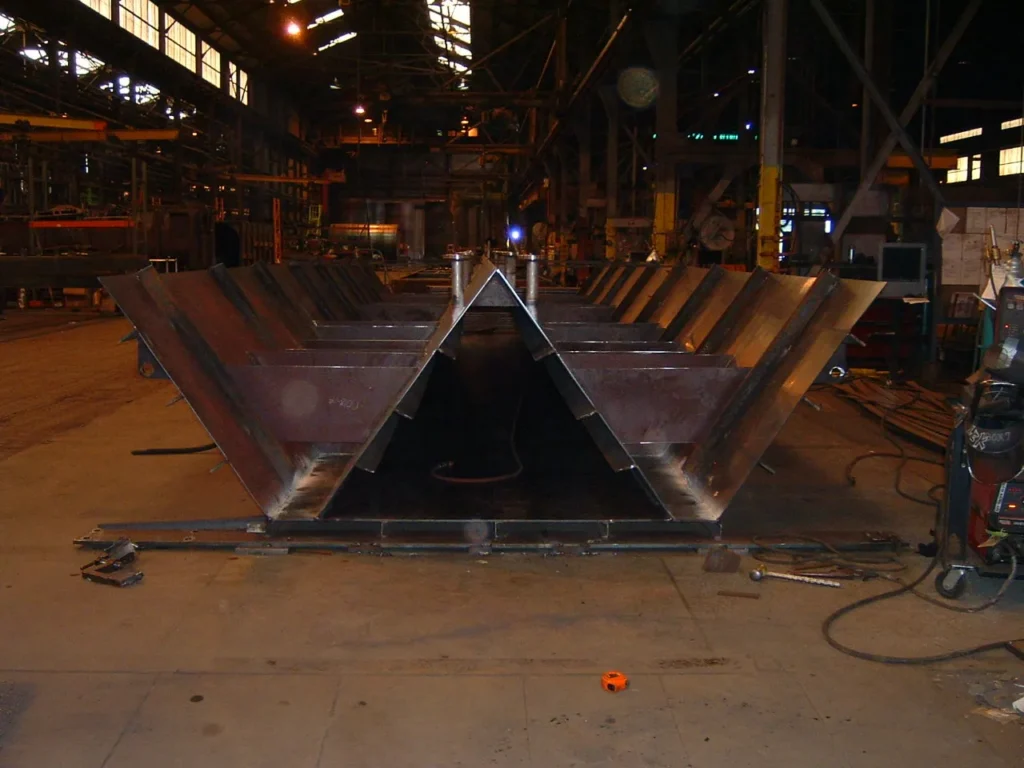
If solids are disrupting your separator’s performance, Mercer will test your wastewater and evaluate your current system at no cost.
If testing shows Mercer’s solution will not deliver meaningful improvement, you will know before you commit to anything. Free testing and evaluation are included.
Flat bottoms let solids spread across the tank and migrate into the coalescer. A hopper concentrates solids in one controlled location for predictable removal.
Yes. Because solids are continuously funneled toward the withdrawal point, operators avoid frequent shutdowns and manual under-pack cleaning.
Yes. The unobstructed downward path supports manual, timed, or automated sludge removal systems.
By preventing solids from settling under or rising into the plates, the hopper helps maintain separation efficiency and prevents inside-out fouling.
Yes. Mercer provides free testing and analysis. If a hopper-bottom design will not deliver meaningful improvement, Mercer will say so before you commit.
