Reliable Treatment for Manufacturing, Fabrication, Warehousing, and Industrial Facilities
Talk to an Expert
INDUSTRY INSIGHT
General industrial facilities generate complex wastewater and stormwater profiles that blend oils, suspended solids, surfactants, fines, and operational residues. These streams do not behave like textbook influent. They shift hour to hour, line to line, and season to season. When production is on the line, you need oil-water separation that stays predictable under variable loading and unpredictable flows.
Mercer International’s enhanced gravity oil-water separators are engineered for the full range of industrial operations found across manufacturing plants, machining centers, fabrication shops, warehouses, distribution hubs, and mixed-use industrial campuses. From indoor process wastewater to outdoor operational stormwater, Mercer units deliver consistent, verifiable performance and reduce the maintenance burden that slows operations and drives up lifecycle cost.
Build Your Design
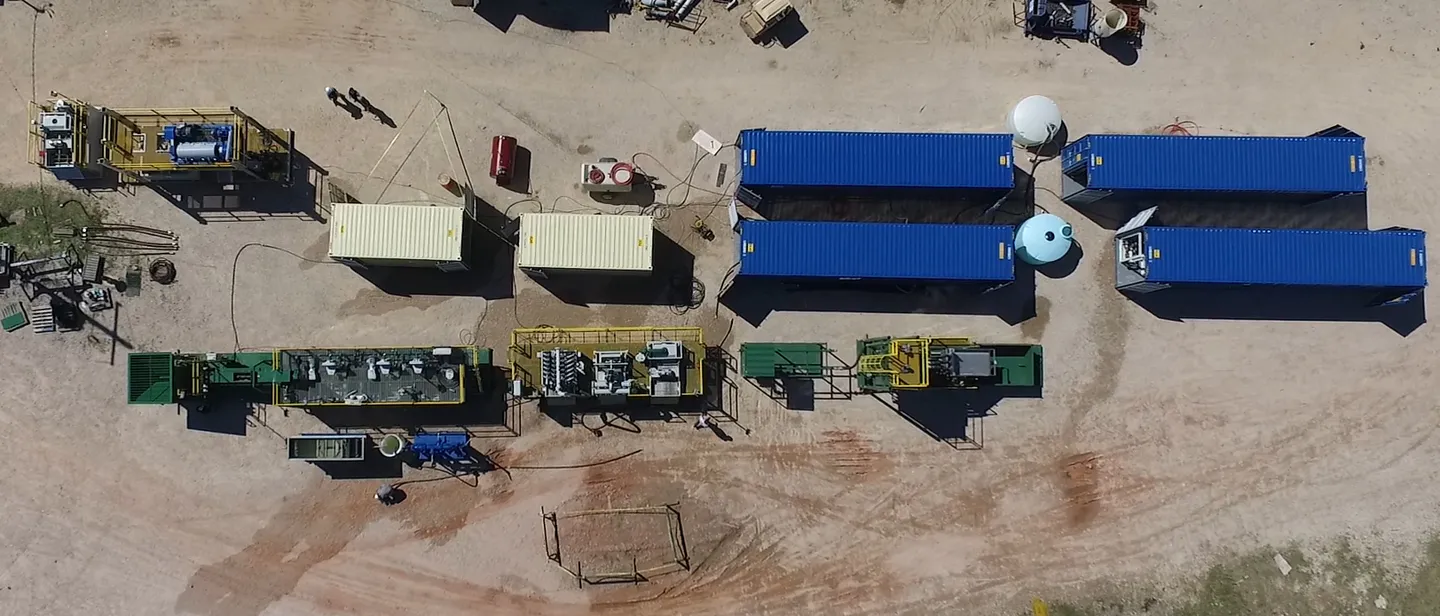
Industrial wastewater rarely arrives at the separator in a steady, uniform condition. You can see floating oils, tramp oils, metal fines, suspended solids, dust, cleaning residues, cutting fluids, hydraulic leaks, forklift drippage, yard runoff, and whatever else production throws at the system. Flows spike during cleanouts, slow during maintenance cycles, or surge during storm events.
Mercer systems are engineered to keep working through all of it. Flow distribution baffles stabilize hydraulics. Herringbone plate geometry prevents solids loading from blinding surfaces. Chimney zones allow oil to rise predictably even when solids concentrations fluctuate. Field-adjustable plates enhance tuning for facility-specific conditions.
Machining, stamping, forming, and general assembly create a mix of oils, fines, and lubricants that migrate into sumps, floor drains, and washdown areas. Cutting fluids and coolant carryover create additional emulsified layers that challenge conventional separators. Mercer separators maintain efficient separation even with mixed industrial influent. Predictable droplet capture and solids management reduce the likelihood of bypass, fouling, or performance drift that can lead to regulatory issues or line shutdowns.
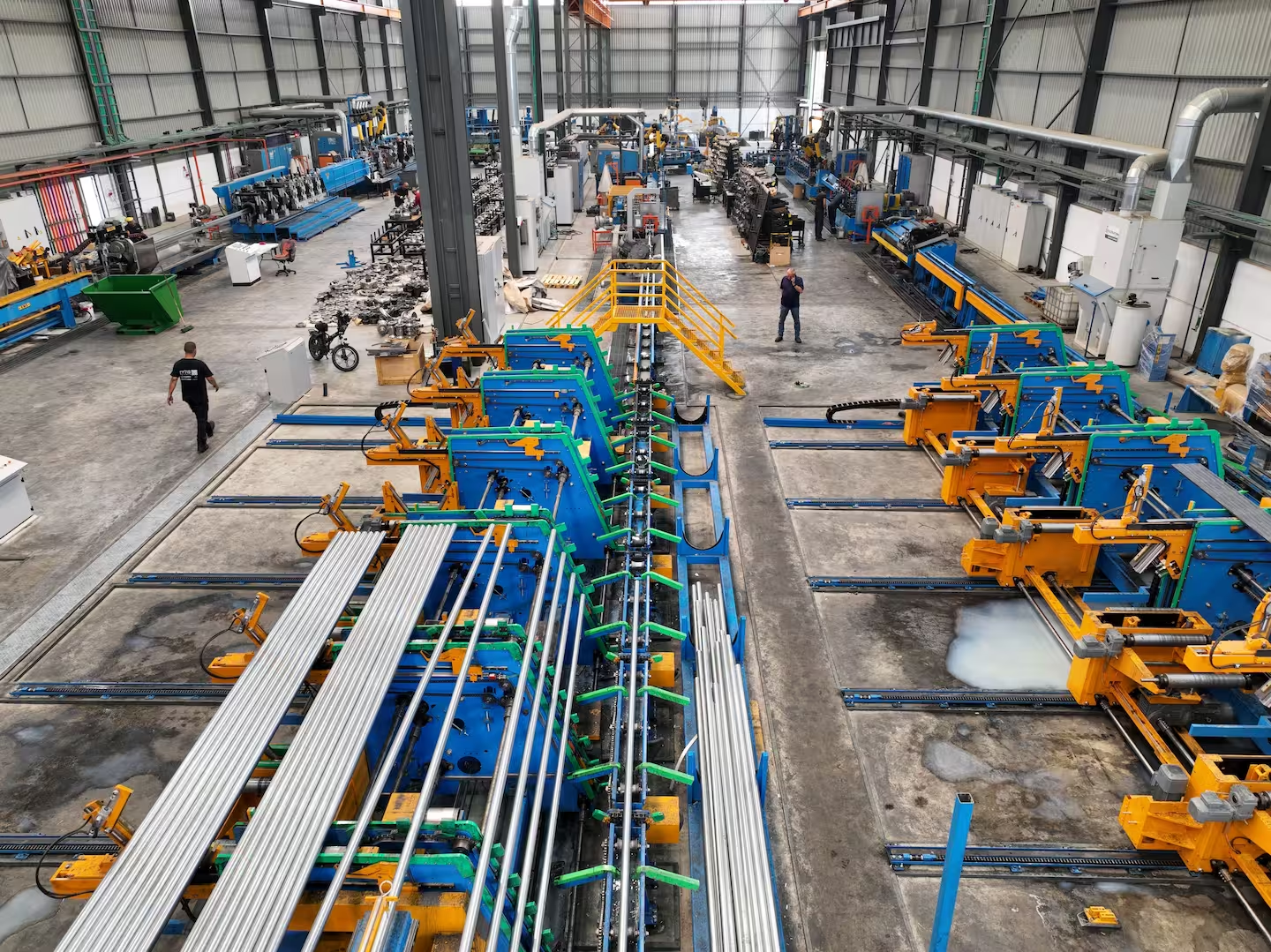
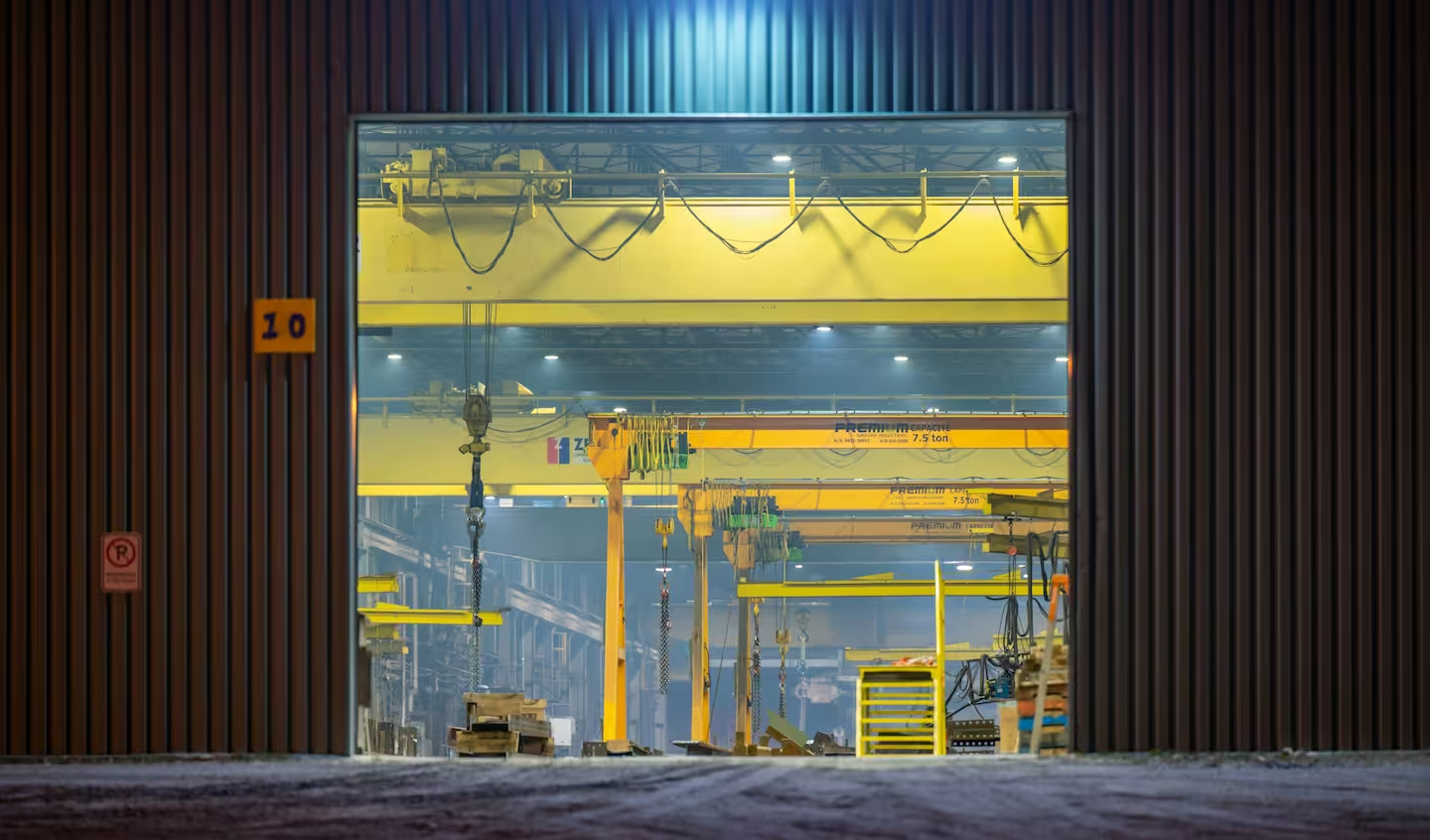
Fabrication environments produce metal fines, welding residues, scale, grease, and a range of hydrocarbons that enter wash pads, service bays, and drainage trenches. Legacy separators often become solids traps, locking in sludge and reducing coalescer performance.
Mercer systems are designed to let solids fall out instead of accumulating on coalescer surfaces. This reduces cleaning frequency and ensures separation remains steady throughout production cycles.
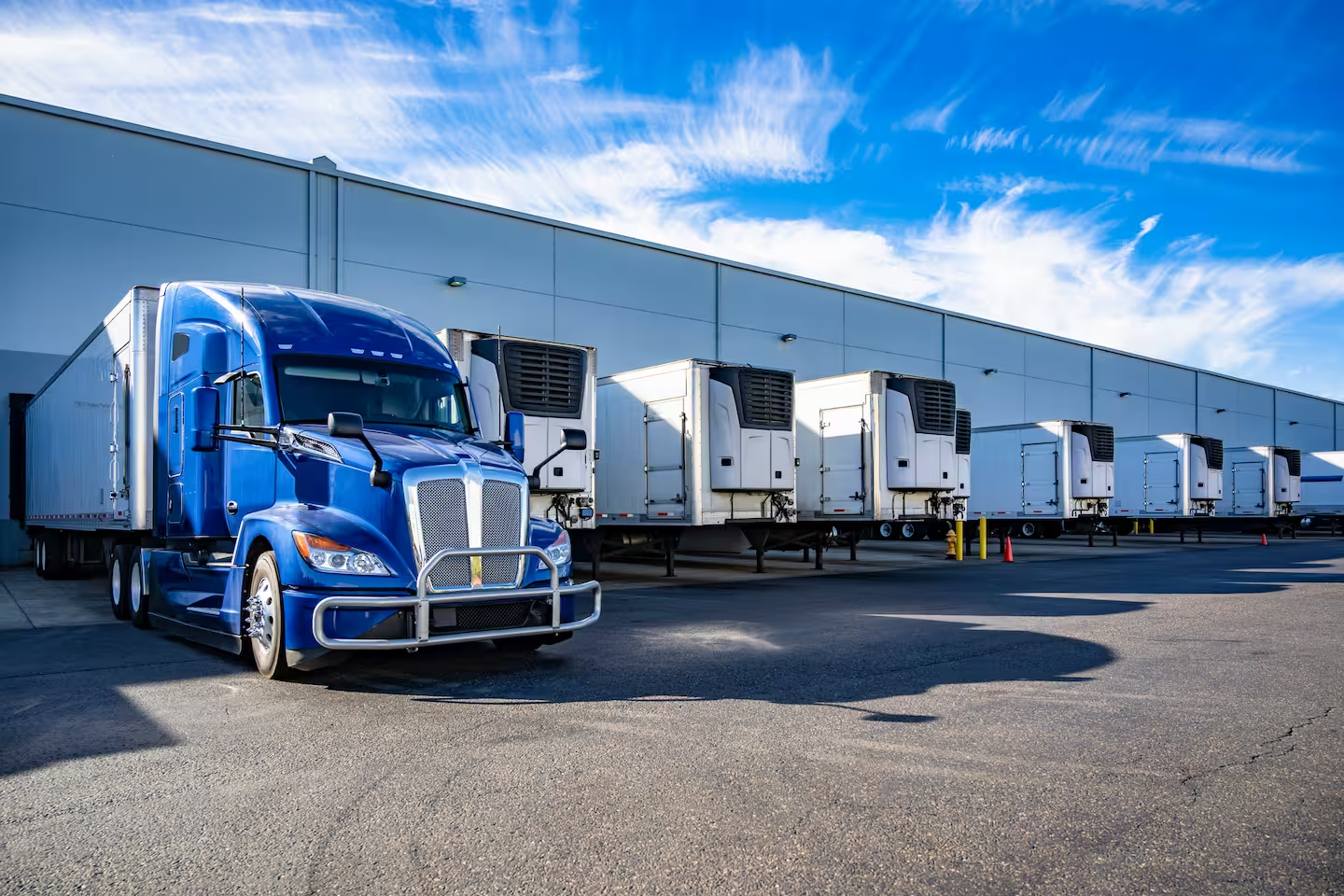
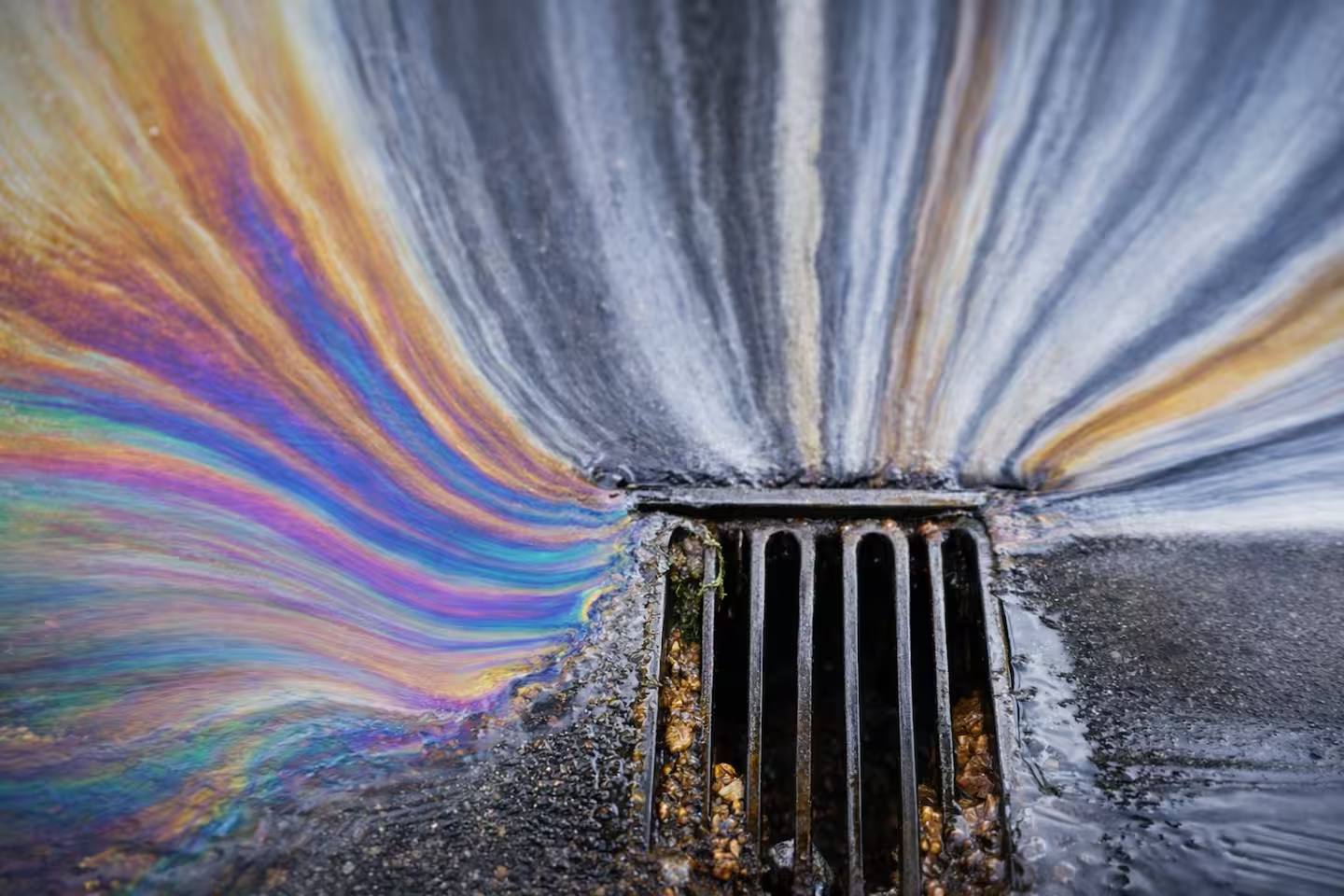
Forklifts, transport vehicles, loading equipment, and storage operations contribute oil drippage, hydraulic fluid leaks, tire dust, and general grime into stormwater systems. During wet weather, large paved areas can generate runoff with sheens and suspended solids, triggering compliance concerns.
Mercer separators stabilize these flows, capture free oils, and reduce solids carryover before discharge to stormwater networks or outfalls. This helps facilities maintain permit compliance without adding operational burden.
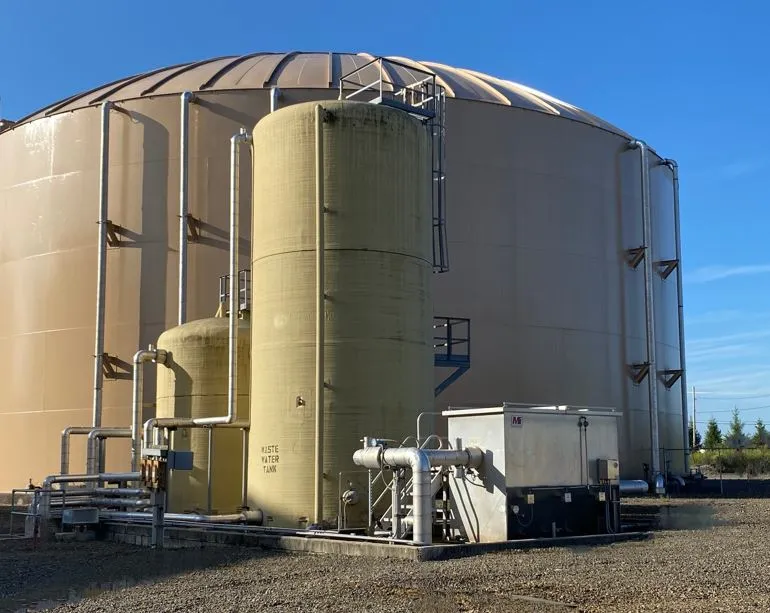
Industrial washdown events generate some of the highest solids and oil loads seen in general industry. Tramp oils, grease, sludge, and material residues can overwhelm undersized or outdated separators.
Mercer systems handle variable solids concentrations with less fouling. Hopper-bottom tanks reduce sludge bridging and make solids removal predictable. Removable coalescers simplify maintenance and bring the system back online faster.
Outdoor storage yards, equipment staging areas, rail siding, dock aprons, and paved loading zones all contribute to oily stormwater runoff.
Mercer separators are engineered to treat these flows before they enter onsite detention, infiltration, or discharge structures. This protects both environmental compliance and site operations from costly sheen events and corrective actions.
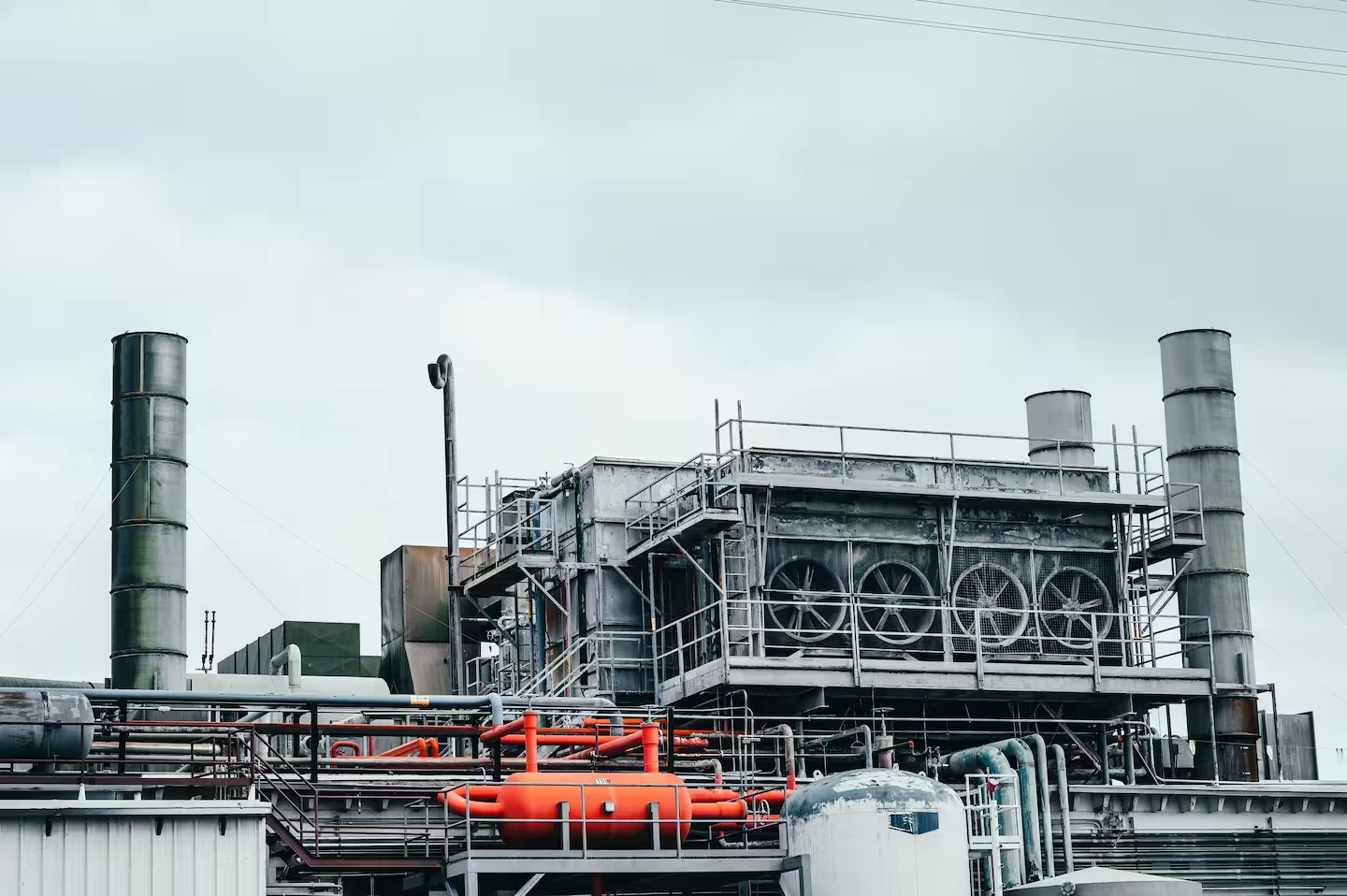
Whether it is a small fabrication shop with intermittent washdown or a multi-acre manufacturing campus with high-frequency storm events, Mercer systems can be scaled and configured to match the operating environment.
Performance does not drop when the flow profile changes. Cleaning does not require shutting down production for extended periods. Separation efficiency remains stable and verifiable.

Yes. Mercer systems are engineered for multi-contaminant industrial influent streams, including metalworking fluids, lubricants, suspended solids, and light hydrocarbons.
No. The plate geometry and chimney zone design allow solids to settle out instead of loading onto the coalescer surfaces, extending cleaning intervals.
Yes. The system stabilizes hydraulics and maintains separation efficiency even when flows include both stormwater and intermittent process discharges.
Yes. Mercer systems are frequently installed as upgrades where legacy units, undersized tanks, or simple baffle systems fail to meet current performance or discharge permits.
By reliably removing oils and solids under variable industrial loads, Mercer separators improve effluent clarity and reduce the risk of sheen releases, violations, or costly corrective actions.
