INDUSTRY INSIGHT
Managing Oils, Fats and Grease at the Source
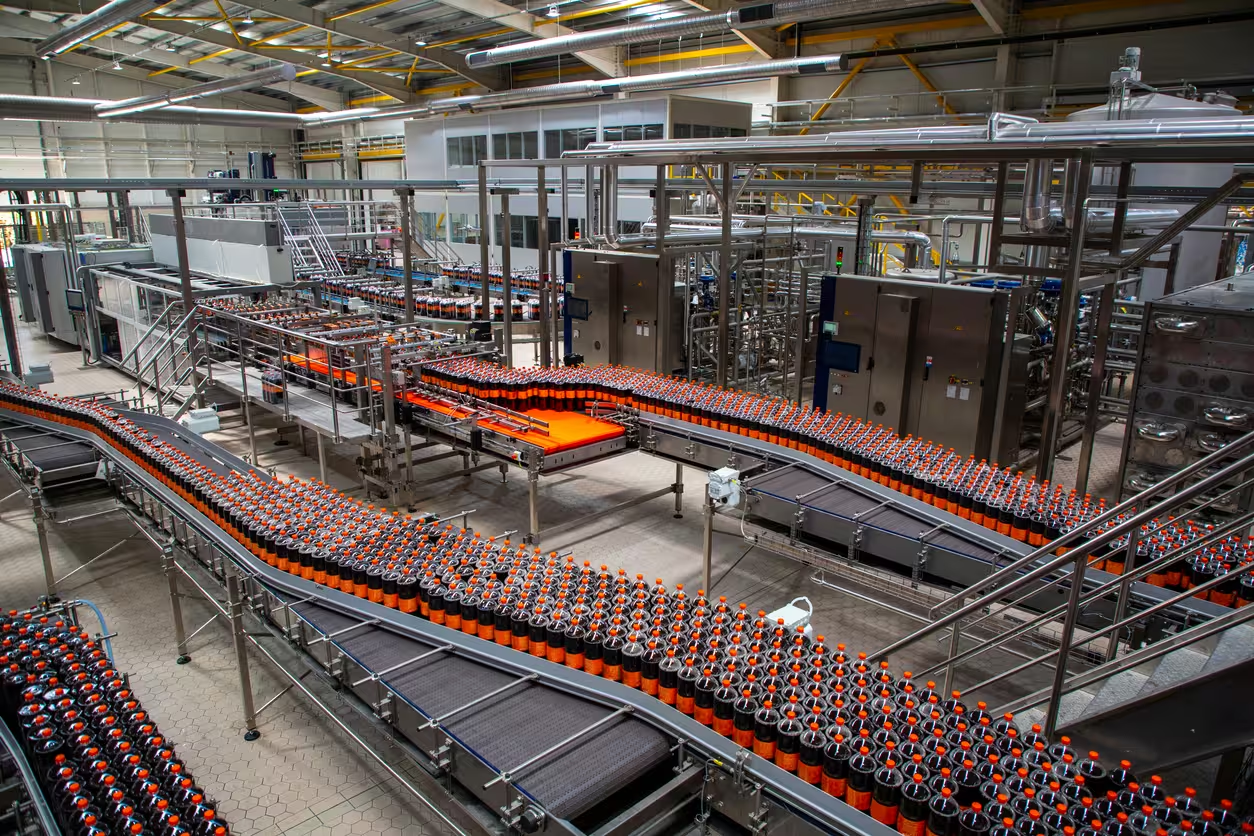
In food, beverage and pharmaceutical production, oily water is part of everyday operations. Fryer washdowns, CIP cycles, rendering byproducts and tank cleanouts all generate fats, oils and grease that need to be removed long before they reach sensitive downstream treatment. When this doesn’t happen, DAF systems run harder, chemical costs increase and sludge becomes expensive to handle.
Mercer’s enhanced gravity separators take on the first stage of separation, removing free oil and FOG early so the rest of the treatment chain runs more predictably.
Build Your Design
Why Mercer
Most facilities produce FOG through multiple routine processes, not just one. Common contributors include:
Each stream has its own characteristics, but all benefit from consistent primary separation upstream of the plant’s main treatment processes.
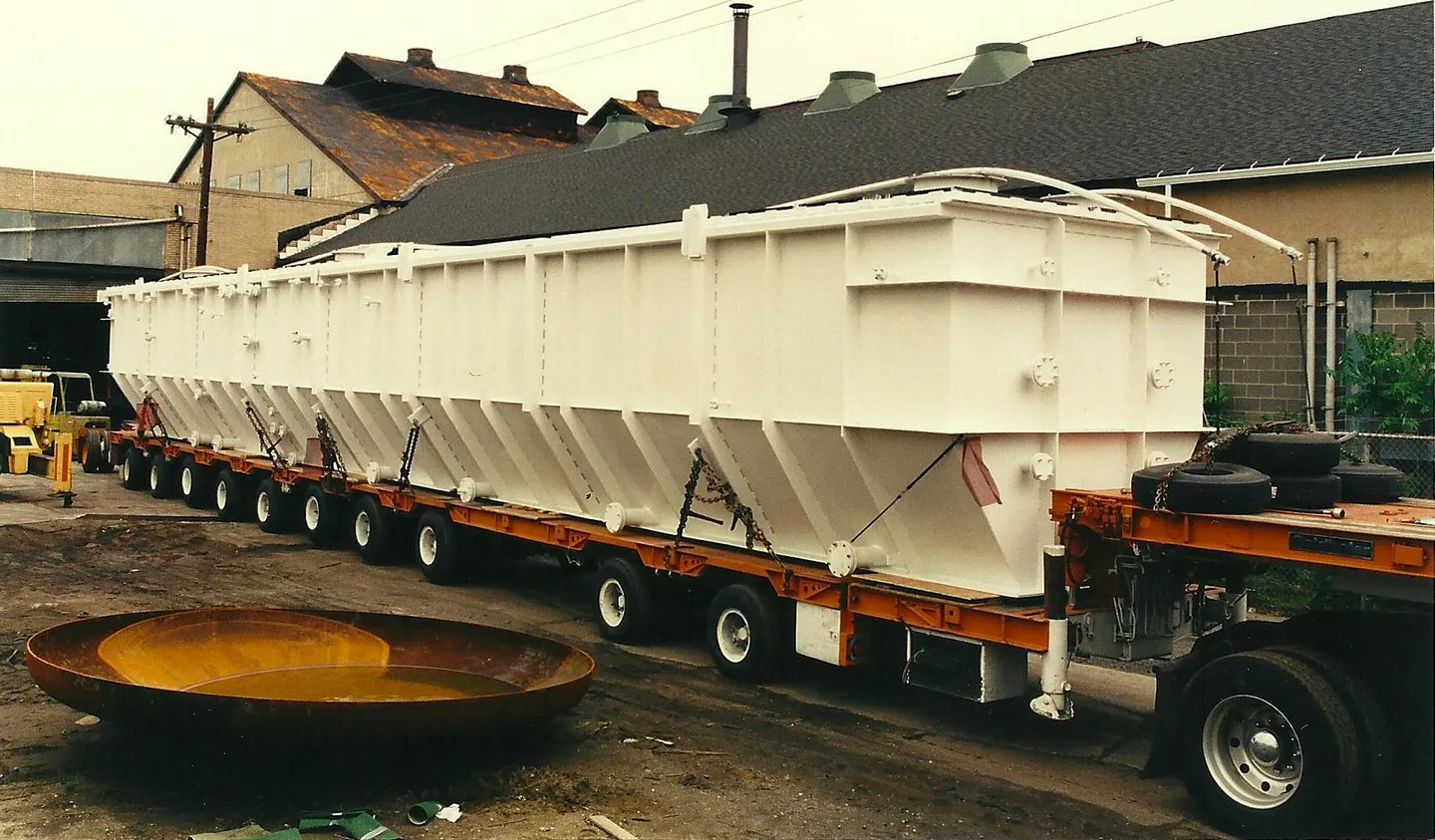
A large number of processors rely on commodity coalescers that are marketed as “enhanced gravity,” yet their internal plate media is tightly spaced and prone to blinding. Fats, starches and fibrous solids accumulate quickly, which narrows the passages, increases velocity through the plates and leads to sudden drops in performance. Cleaning is often difficult and disruptive.
DAF units are then left to compensate. Without upstream removal of free oil and FOG, chemical demand increases and operators face heavier, frothier sludge. DAFs become less predictable and more costly to operate because they are treating material that should have been removed earlier in the process.
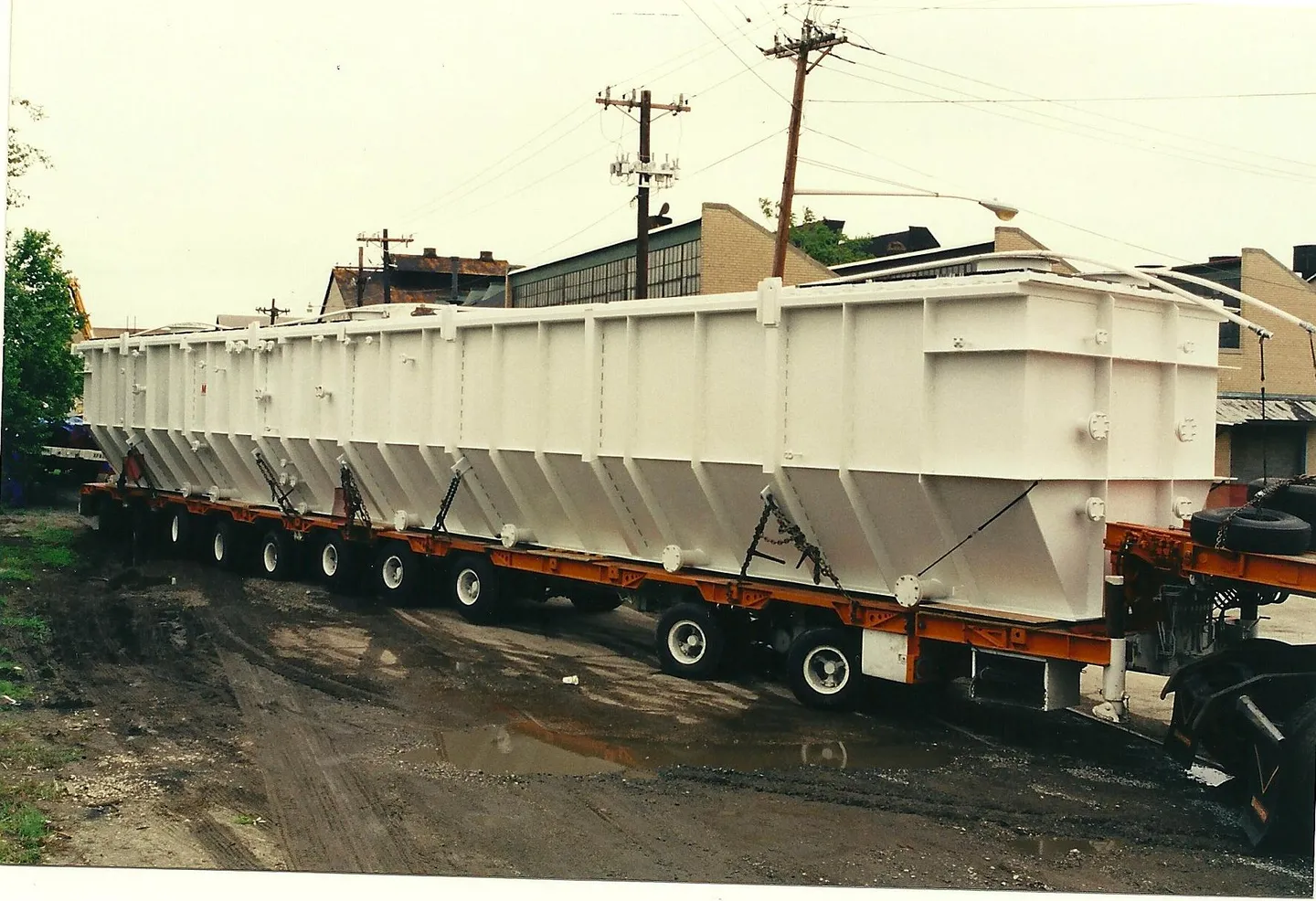
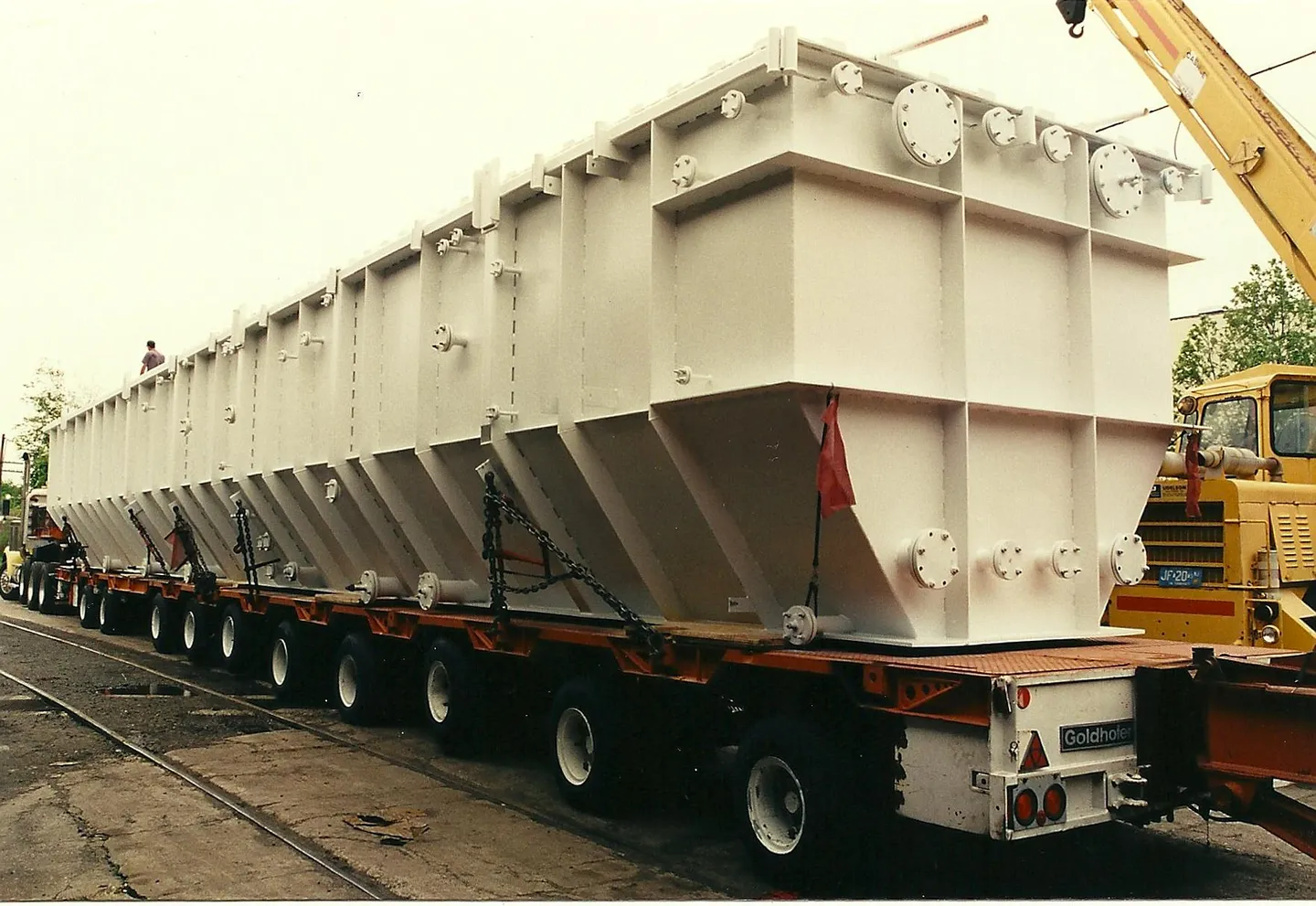
Mercer designs enhanced gravity systems specifically for oily, high-FOG wastewater streams. The Multi-Pack coalescer uses wide gap, open flow geometry that resists fouling and keeps rise paths clear. This allows the unit to maintain separation performance for longer periods between cleanings.
Cleanability and materials of construction are also key advantages. Stainless steel options and accessible internal layouts support hygienic environments and make inspection straightforward. When the process allows, Mercer systems create cleaner free oil streams that can be collected for reuse or resale instead of being wasted in sludge.
Mercer separators also help stabilize downstream operations by removing free oil, FOG and settleable solids before they reach the DAF. Reduced chemical usage, more consistent effluent quality and smoother operation are typical results.
Solids handling is built in. Defined collection areas and simple purge methods prevent solids from entering the coalescer pack, which is one of the primary reasons Mercer units maintain long-term reliability.
Mercer systems are commonly installed:
Placement depends on flow, layout and the nature of your FOG streams, but the goal is always the same: remove as much free oil and FOG as possible before downstream treatment.
No. It provides the primary separation step that allows the DAF to work more efficiently and with lower chemical demand.
Most CPI-style units use tightly packed media that blinds quickly with FOG. Mercer uses wide, open plate spacing that stays online longer and preserves separation efficiency.
In many applications, yes. By capturing free oil upfront, the material can often be collected cleanly instead of being wasted in sludge.
Yes. Stainless construction and internals are available for hygienic or corrosive environments.
Mercer units include solids collection areas and purge features that keep settled material out of the plate pack, improving long-term performance.
