Separating Oils, Solvents and Solids in One of the Toughest Wastewater Environments
Talk to an Expert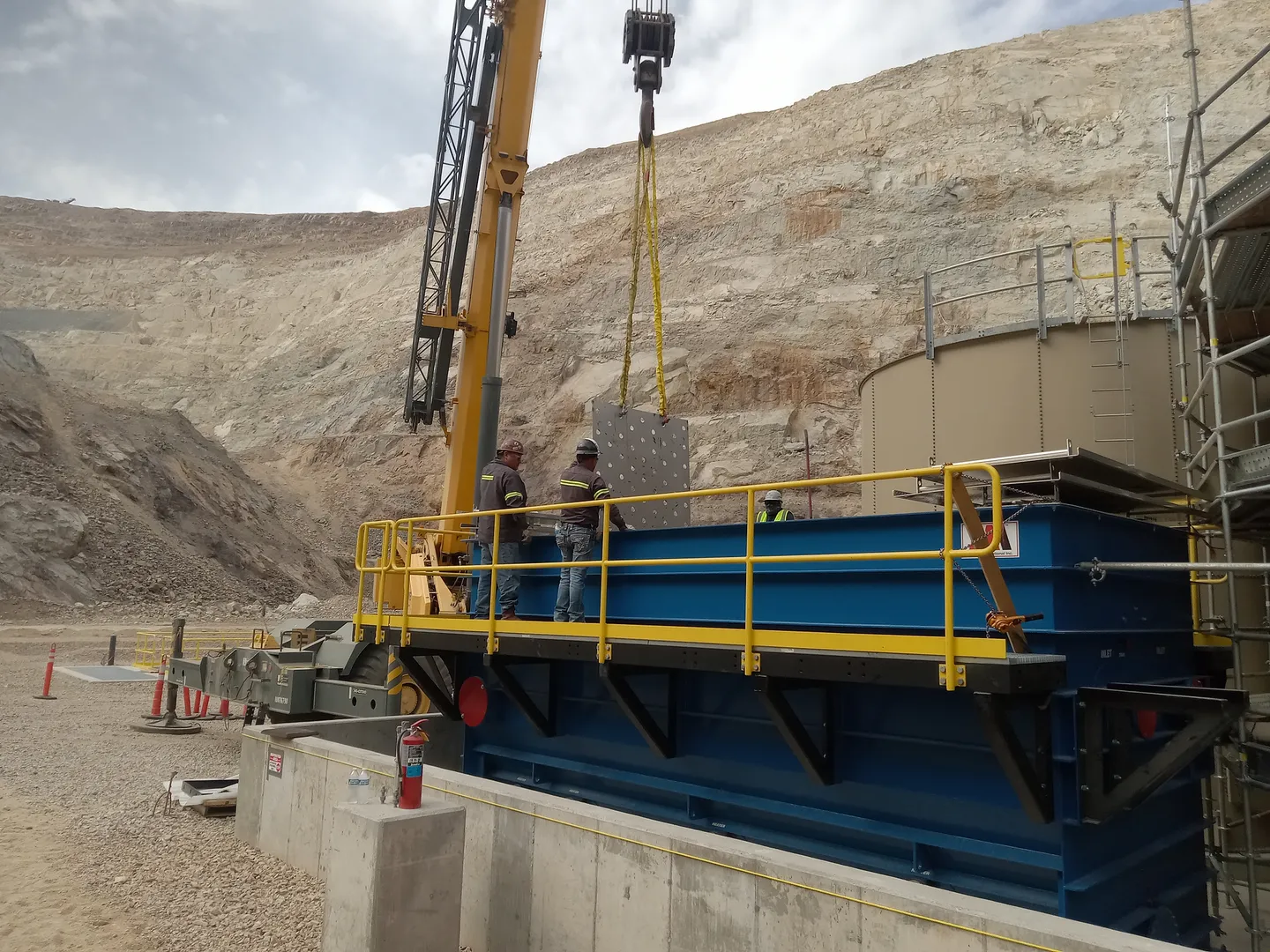
INDUSTRY INSIGHT
Mining operations generate oily and solids-heavy wastewater from nearly every part of the process. Equipment washdowns, hydraulic leaks, drilling fluids, haul road runoff and solvent extraction stages all introduce oils or light liquids that must be removed before the water can be recycled, treated or discharged. The challenge is consistency. Flows change, solids vary and wastewater chemistry shifts depending on what is being mined and how.
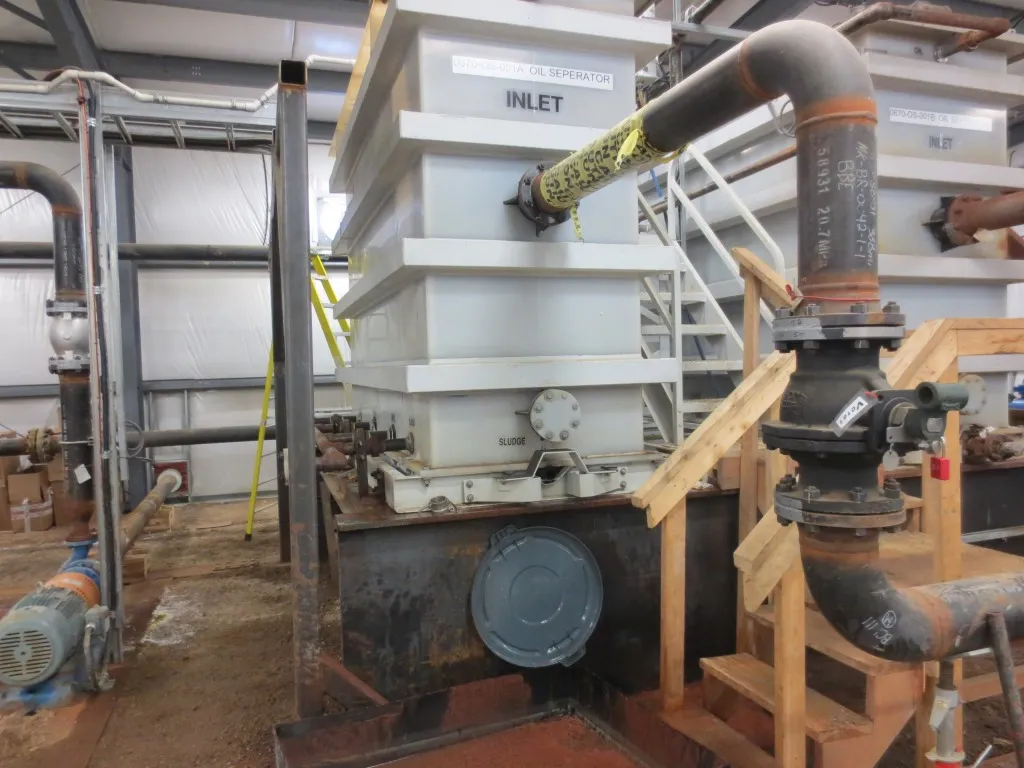
Mercer’s enhanced gravity separators provide stable primary removal in environments where other systems foul quickly or cannot keep up with the solids load. By capturing free oil, solvents and settleable material at the front end, downstream treatment becomes far more predictable.
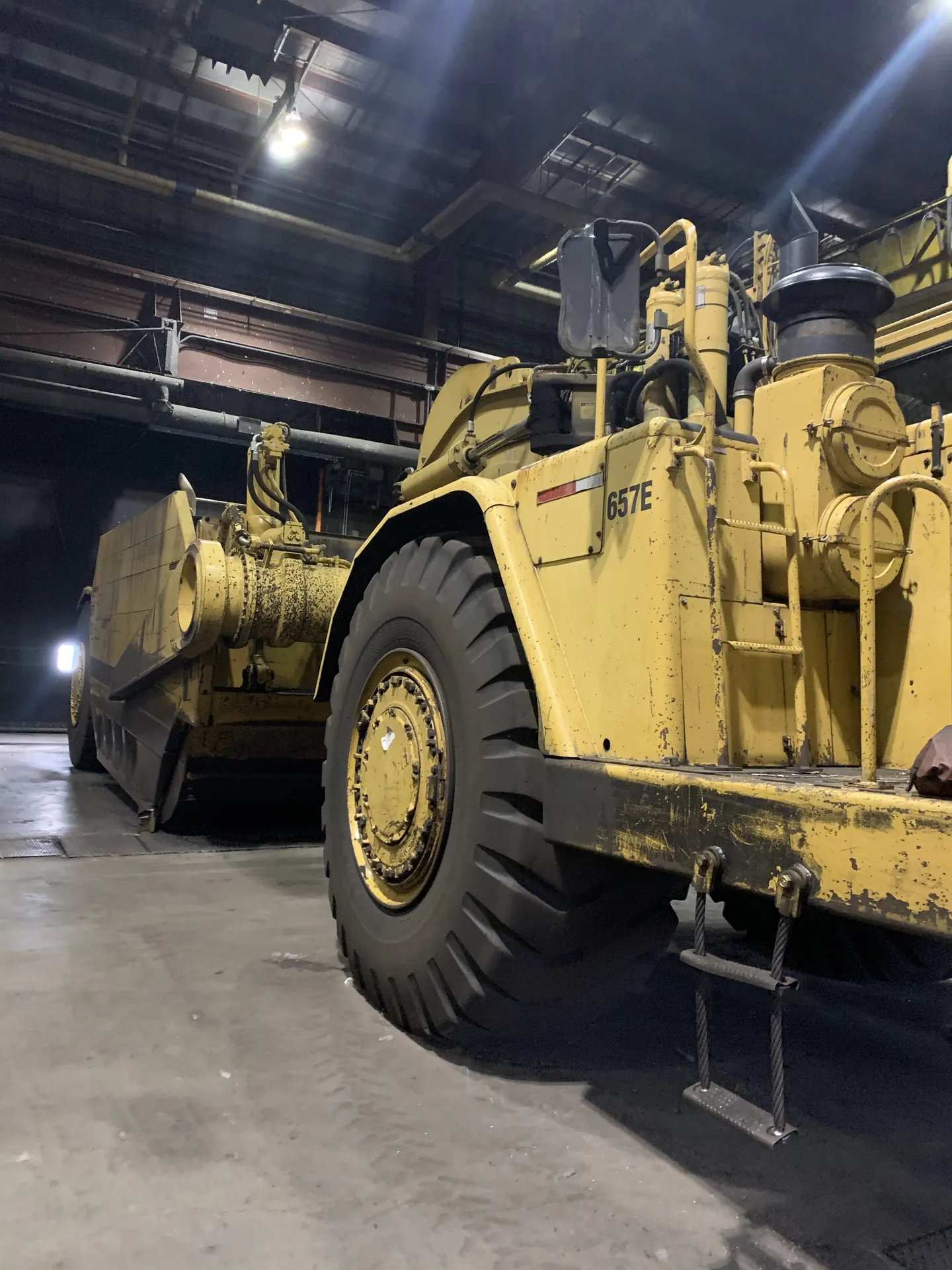
Mining wastewater is rarely simple. Most sites generate multiple oily streams at once, including:
Each of these sources brings a distinct mix of oils and solids that must be separated before the water enters clarifiers, filters or downstream polishing.
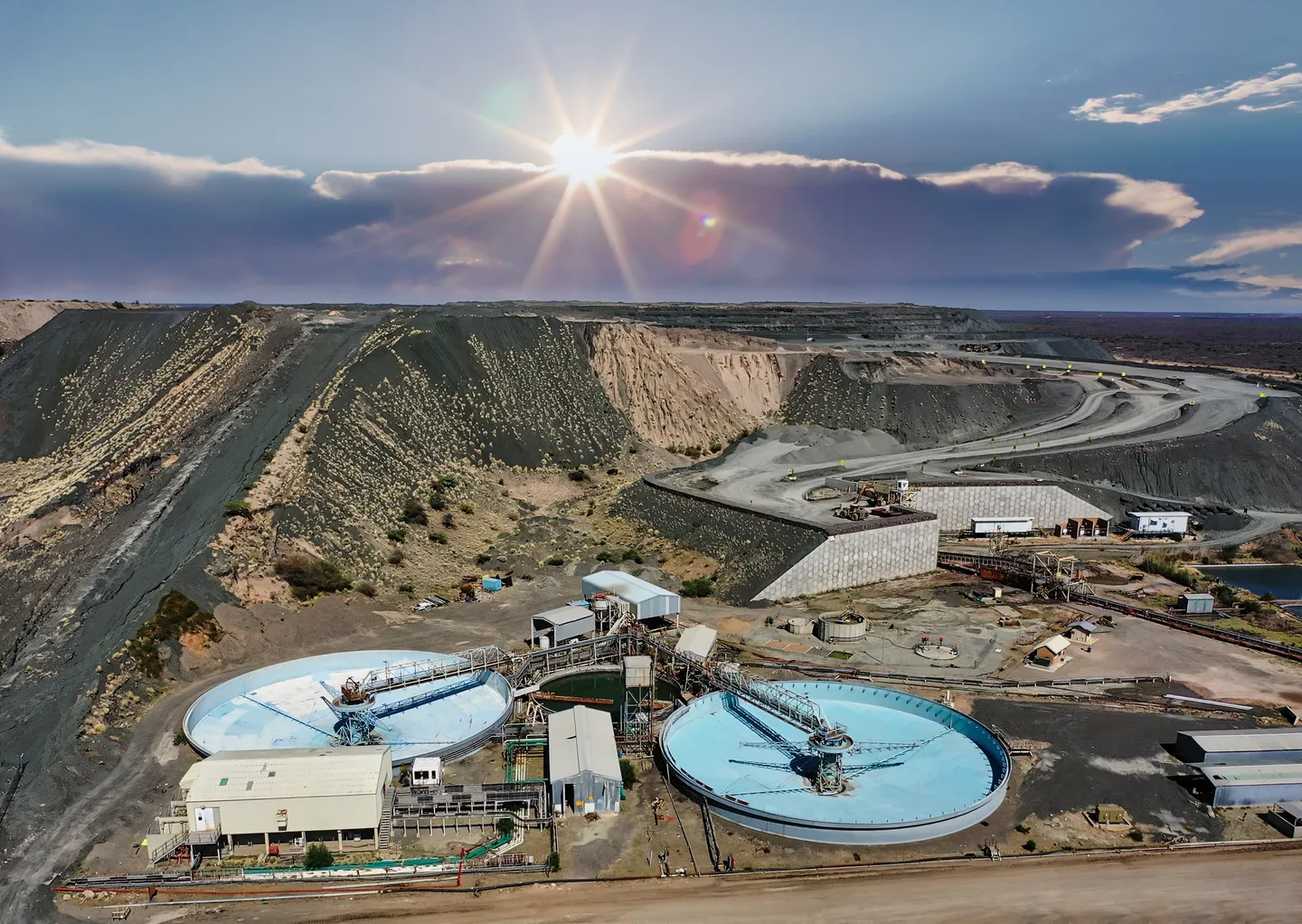
Commodity coalescers are not built for the abrasive, high-solids environment typical of mining operations. Narrow-plate media clogs quickly with grit, fines and viscous drilling residues. As fouling builds, flow paths constrict and velocity increases, which undermines separation performance and shortens the window between shutdowns.
Units that rely on tight passageways or delicate media often become a maintenance burden. Operators are forced to choose between constant cleaning or bypassing the system, neither of which is sustainable in a plant expected to run continuously.
Downstream systems feel the consequences. Filters plug faster, chemical treatment becomes inconsistent and solvent recovery steps lose efficiency when too much light-phase material gets past the primary stage.
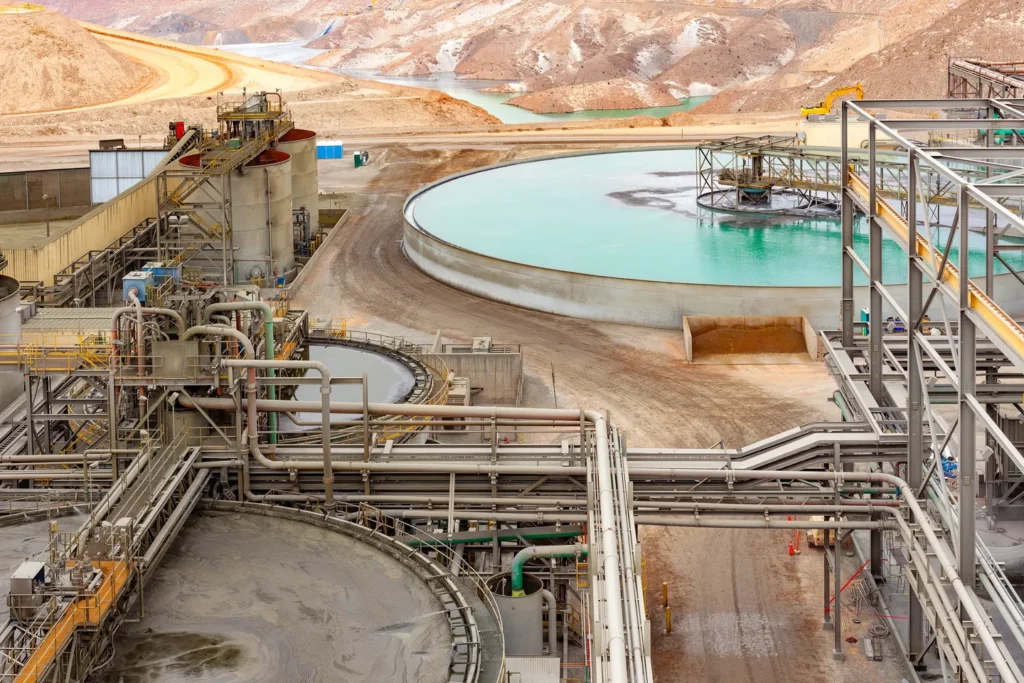
Mercer’s enhanced gravity design is built for the realities of mining wastewater. The Multi-Pack coalescer uses wide gap, open flow geometry that tolerates solids, grit and viscous residues that would blind other plate packs. Rise paths remain open longer, which preserves separation performance and reduces the frequency of intervention.
For mining operations that deal with solvents or light liquids used in extraction processes, Mercer systems help recover valuable product by separating the light phase before it becomes mixed with solids or absorbed into sludge. This improves both environmental compliance and process economics.
Solids management is a core strength. Defined settling zones and purge options prevent abrasive particulate from damaging the coalescer pack. This protects long-term performance and reduces downtime associated with cleaning or media replacement.
When free oil, solvents and solids are removed at the start, downstream clarifiers, filters and polishing systems operate with far more predictability and lower operating costs.
Why Mercer
Mercer separators are typically installed at:
Wherever oily water or light-phase solvents mix with solids, a Mercer unit provides primary separation and stabilizes downstream treatment.
Yes. The system includes solids settling zones and purge features designed to keep particulate away from the coalescer pack.
In many solvent extraction applications, yes. By separating the light phase early, more solvent can be recovered cleanly before it mixes with solids.
Many coalescers use tight plate spacing that plugs quickly with mining fines. Mercer uses wider, open flow geometry that supports longer run times and easier cleaning.
Yes. The design protects internals from direct abrasion and allows solids to settle where they can be drained without damaging the plate pack.
Most facilities see clearer influent to clarifiers, reduced filter fouling and fewer chemical adjustments once primary separation is brought under control.
