
Keeping Bases, Flightlines, Fuel Operations, and Tactical Infrastructure Compliant and Operational
Talk to an Expert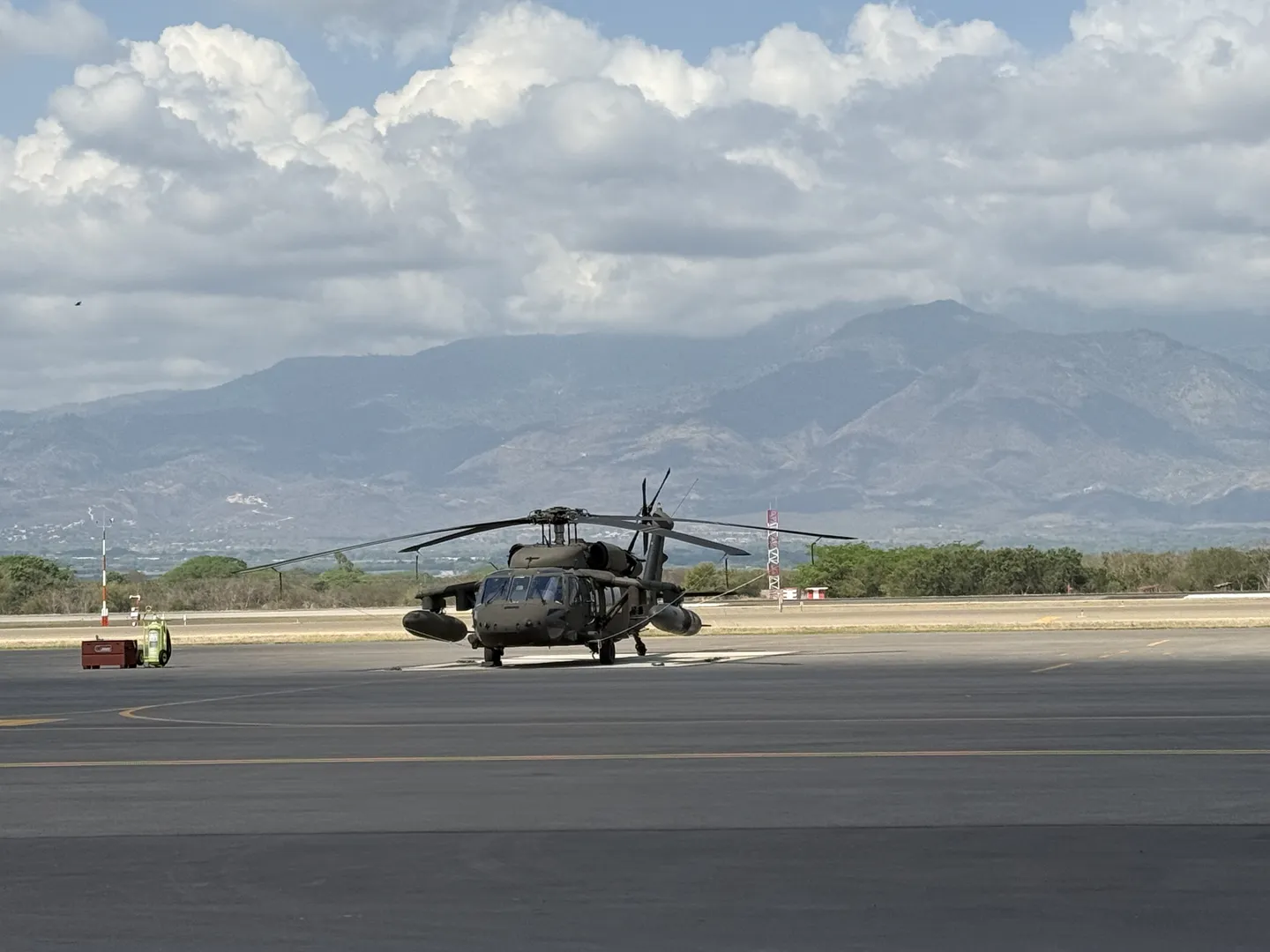
INDUSTRY INSIGHT
Military installations operate like small cities layered with industrial zones, high-risk fueling areas, maintenance shops, mobility logistics, and continuous heavy-equipment traffic. Where petroleum, oils, lubricants, washdown, and stormwater intersect, water quality compliance is not optional. It is mission-critical.
Mercer International’s enhanced gravity oil-water separators provide reliable, field-proven performance across the full spectrum of military operations. From airfields and refueling points to motor pools, wash racks, POL storage yards, vehicle maintenance centers, and large multi-acre operational drainage basins, Mercer systems separate efficiently, clean predictably, and protect both infrastructure and command readiness.
Request Consultation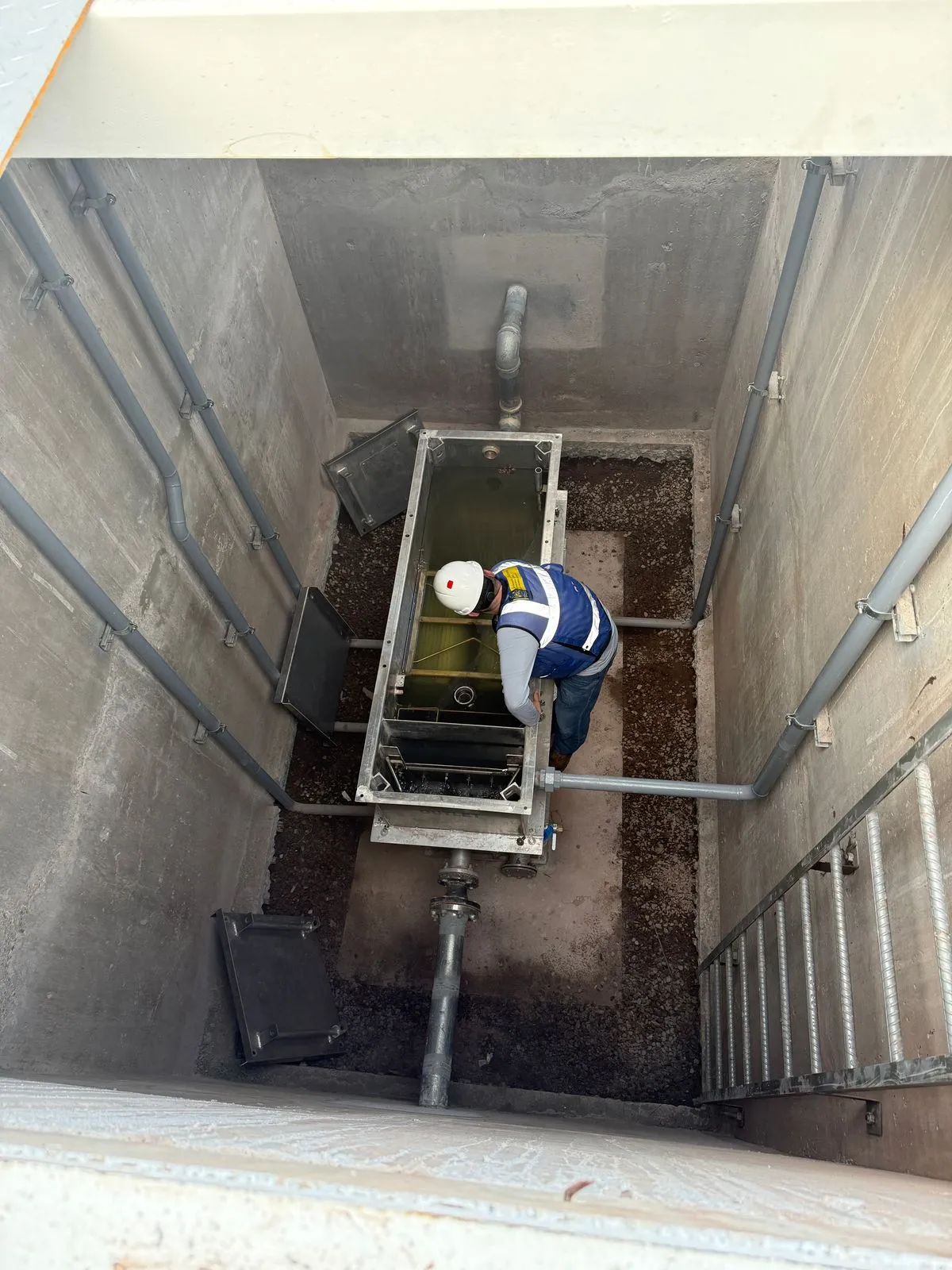
Uniform manuals assume steady flows, consistent influent, and textbook maintenance. Life on base rarely behaves that way.
You see variable loading, surges from wash rack operations, wide swings in contaminant types, grit and fines from tracked vehicles, and weather events that turn operational pavements into fuel-sheen stormwater conveyance.
Mercer separators are built for the reality, not the theory. Plate spacing, flow velocity, solids management, inlet distribution, and full-width weirs are engineered to stay stable when the operating window shifts. Whether it is a sudden rain-on-sheen event across a flightline or a high-solids slug from a mechanized fleet washdown, Mercer systems maintain separation efficiency without bypassing or blinding.
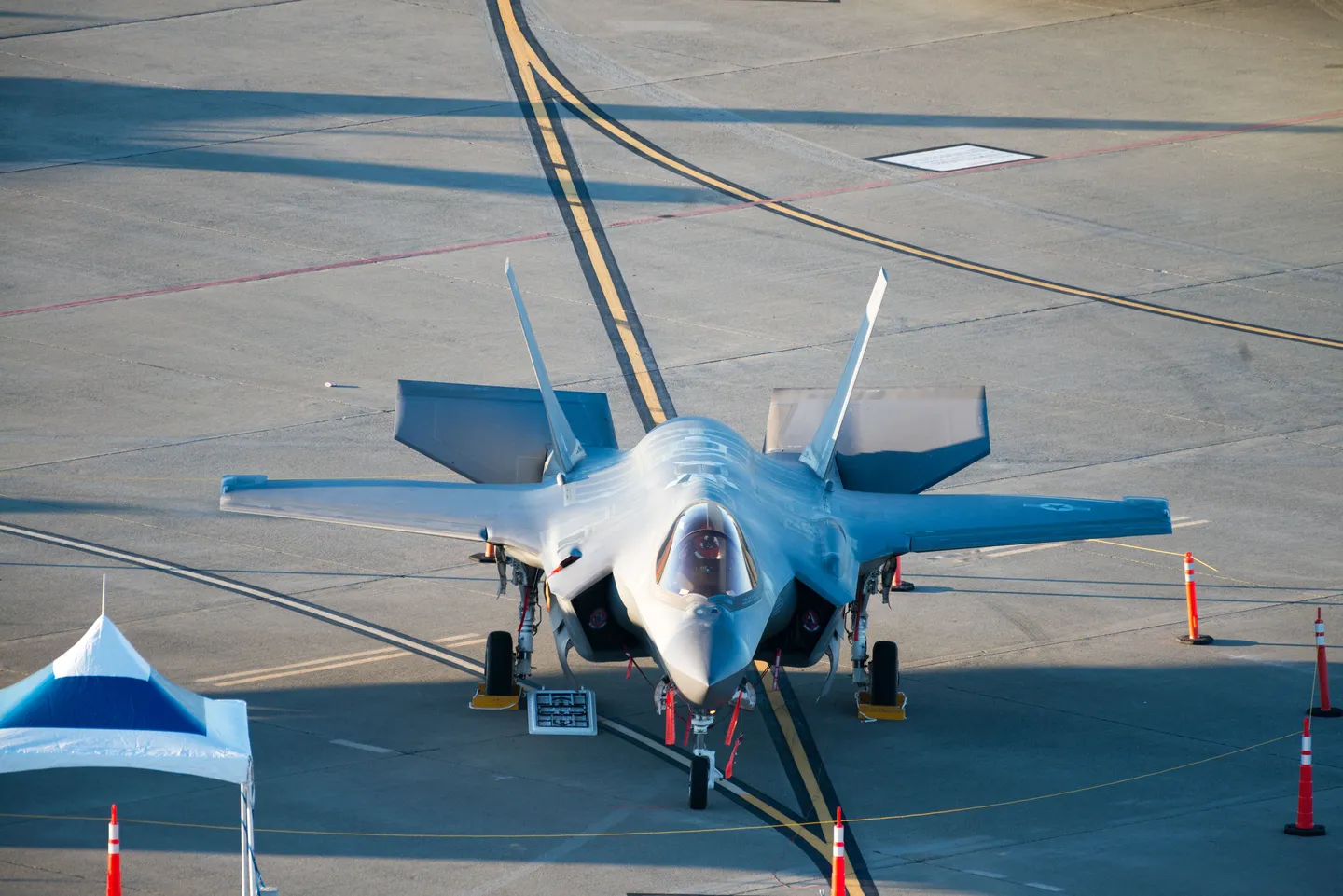
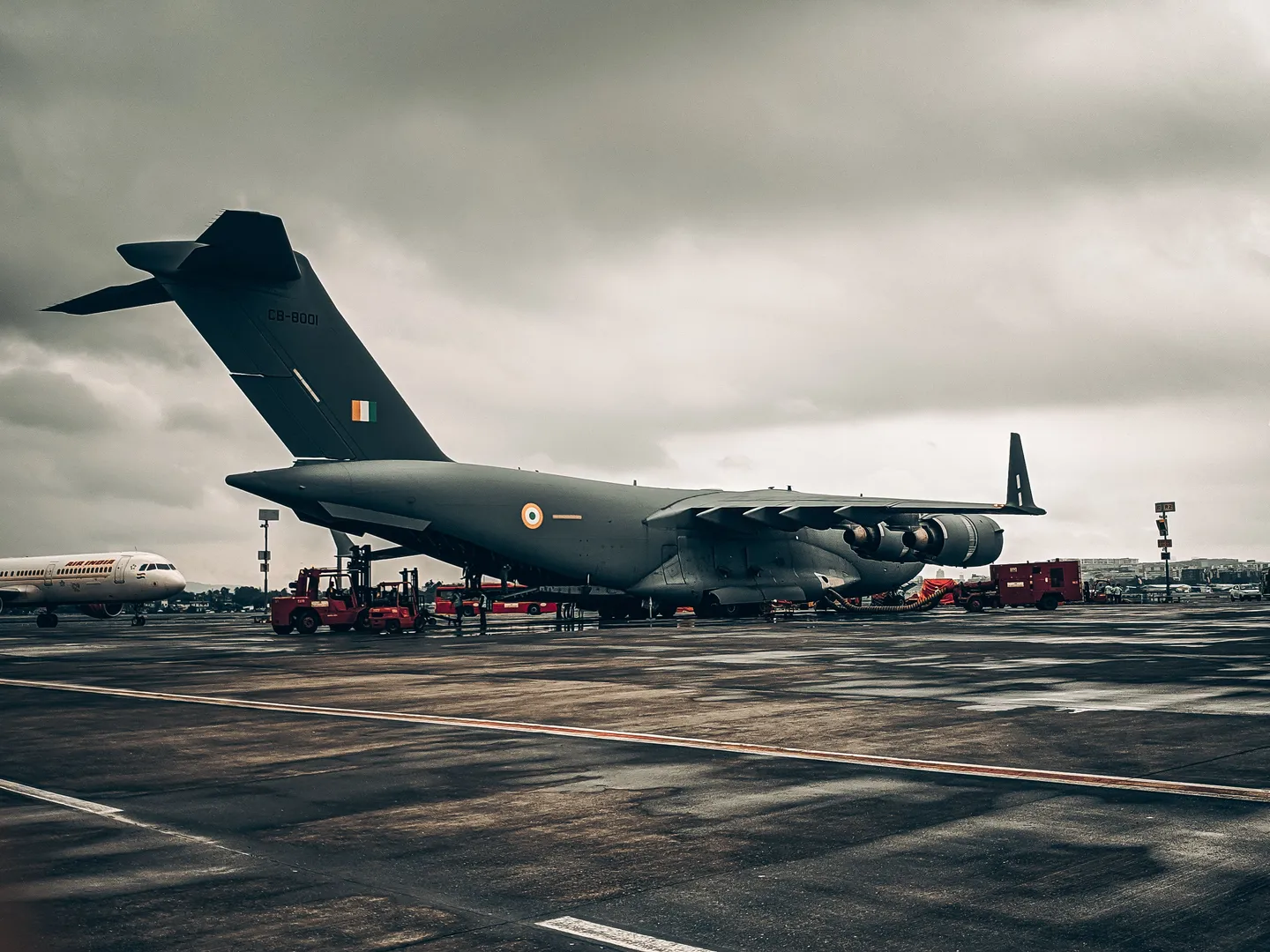
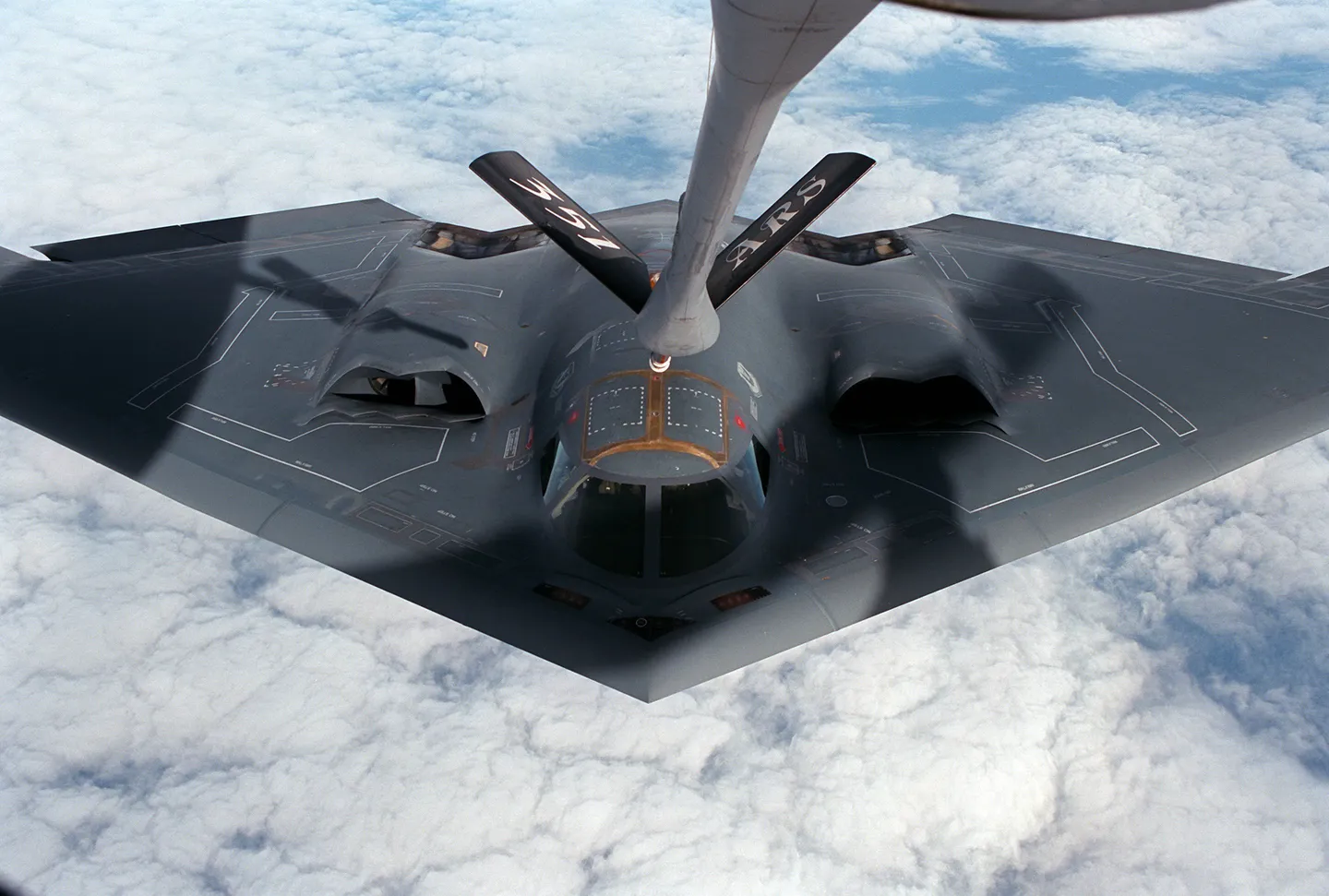
Airfields generate some of the most challenging water quality profiles in the military environment. Jet fuel, hydraulic fluid, lubricants, de-icer residuals, and vehicle drippage all end up in trench drains, catch basins, and stormwater channels.
Mercer systems capture and remove free oils and suspended solids before they migrate into retention structures or regulated receiving waters. The enhanced coalescer design manages large surface areas without becoming a solids trap, ensuring predictable performance during both everyday operations and weather-driven peak conditions.
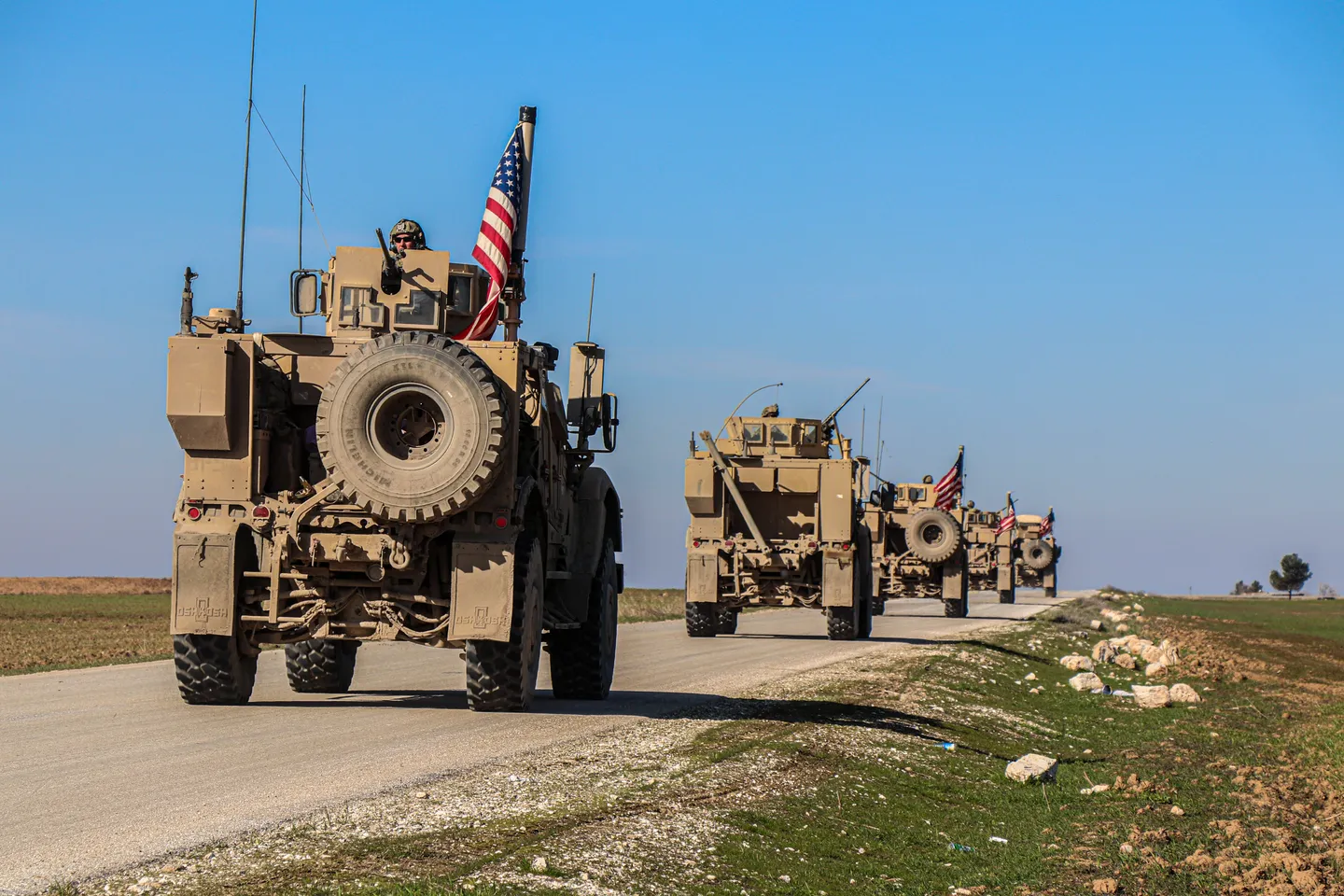
Ground fleets produce a different set of contaminants. Diesel, motor oil, transmission fluids, coolant residue, rust fines, brake dust, grease, and solvent carryover routinely enter wash pads, service bays, and drainage systems.
Mercer separators are designed to retain separation efficiency even with fluctuating solids loads and intermittent operation. Field-adjustable plates, removable coalescers, and hopper-bottom solids control simplify cleaning and reduce the downtime that can hamper readiness.
High-volume fueling areas need systems that do not clog, blind, or require constant mechanical intervention.
Mercer separators stabilize flow, prevent short-circuiting, and maintain laminar conditions even during irregular fueling cycles or spill response washdowns. The design captures low-density fuel fractions and fine droplets while keeping solids moving toward managed removal zones. This reduces the risk of under-performance, bypass, or sheen release to base stormwater systems.
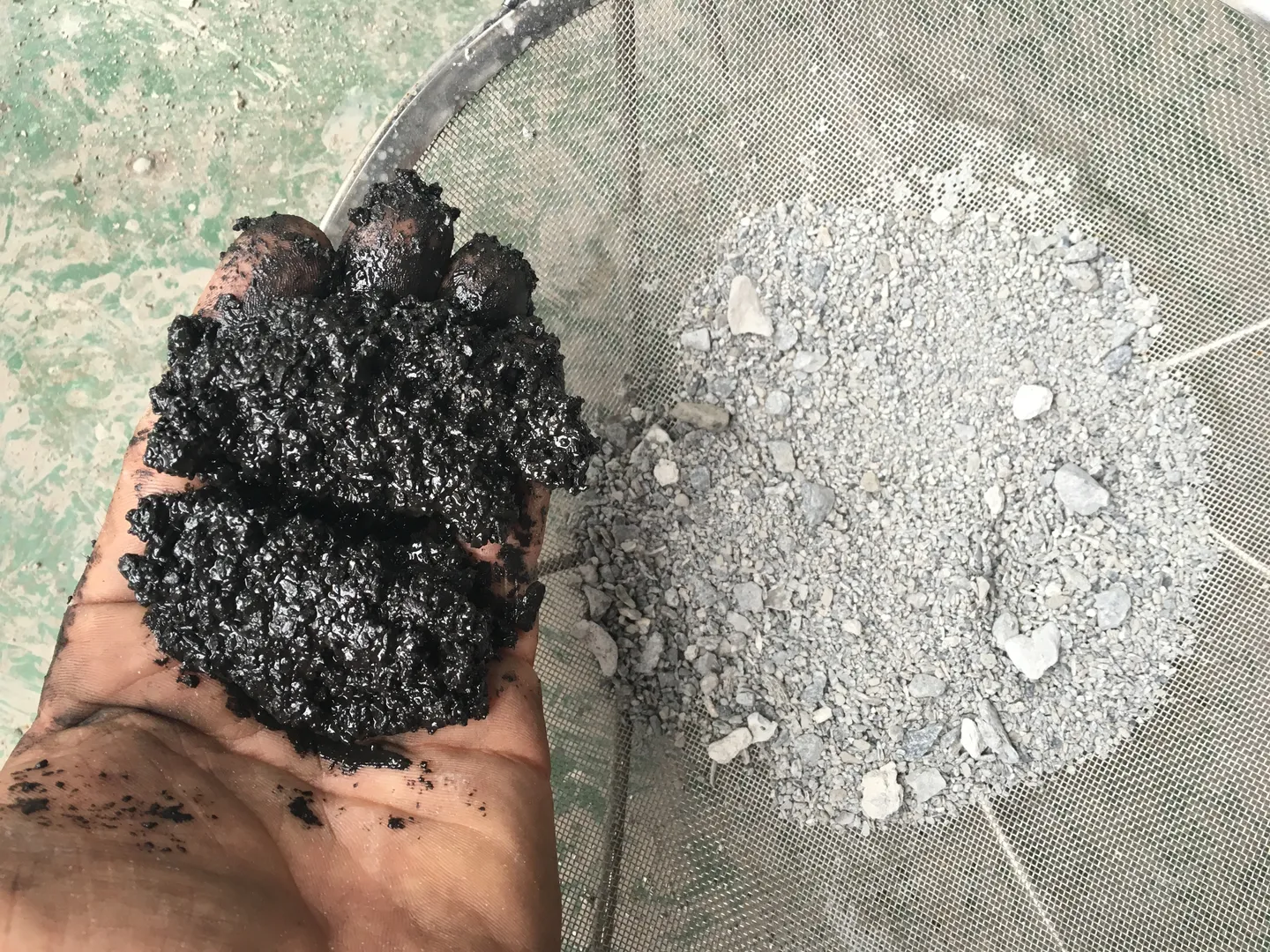
Tracked vehicles, heavy equipment, and tactical support units generate significant grit, fines, and sediment. Wash racks often suffer from separator fouling, plate blinding, or poor flow distribution.
Mercer’s herringbone plate geometry and chimney zone design allow solids to drop out instead of accumulating across the coalescer surfaces. Cleaning intervals are longer, maintenance is predictable, and separation remains consistent even when solids concentrations spike.
Operational pavement, airfield aprons, motor pool yards, and POL storage surfaces all produce stormwater that can carry sheen, drips, and residual contamination.
Mercer separators create a stable, predictable treatment step before stormwater enters permitted outfalls, infiltration areas, or retention structures. This reduces risk exposure for the installation, improves environmental compliance, and minimizes the chance of unexpected sheen events that trigger reporting and corrective action.


Whether it is a remote training range with limited infrastructure, a forward operating site requiring transportable systems, a large domestic base with extensive paved drainage networks, or a depot-scale maintenance operation with multiple washdown areas, Mercer systems adapt to the footprint and throughput required.
Performance does not degrade under changing loads, non-uniform flow, or unpredictable operations. The systems are built to handle the full spectrum of military contaminants while keeping maintenance low and uptime high.

Yes. Mercer systems maintain stable separation during high-intensity inflow events. Flow distribution baffles and full-width weirs prevent short-circuiting, while the coalescer maintains efficiency even under variable hydraulic loads.
Yes. Mercer designs support solids settling and controlled removal. Plates do not trap fines or blind quickly, allowing longer cleaning intervals and reducing downtime across maintenance operations.
Yes. The systems are engineered for multi-contaminant influent streams typical of aircraft, ground vehicles, and logistics equipment. The coalescer geometry captures a wide range of droplet sizes without clogging.
Yes. Mercer separators are frequently installed as retrofit upgrades to improve performance where legacy units, undersized tanks, or outdated baffle designs fail to meet current standards.
Yes. Separation performance is engineered to meet stringent water quality targets before discharge to stormwater systems, infiltration beds, retention areas, or receiving waters, helping installations avoid violations and operational disruptions.
