design center

Field Adjustable Removable Plates
A Built-In Process Advantage — Not a Maintenance Convenience

request a free audit

Field Adjustable Removable Plates

Overview

Wastewater is never static. Oil composition, solids content, upstream processes, and flow rates can — and do — change over time. Mercer’s field adjustable plate design was created for this reality.

This isn’t about simply pulling plates to clean them.
It’s about tuning the plate spacing to maintain hydraulic efficiency as wastewater characteristics evolve.

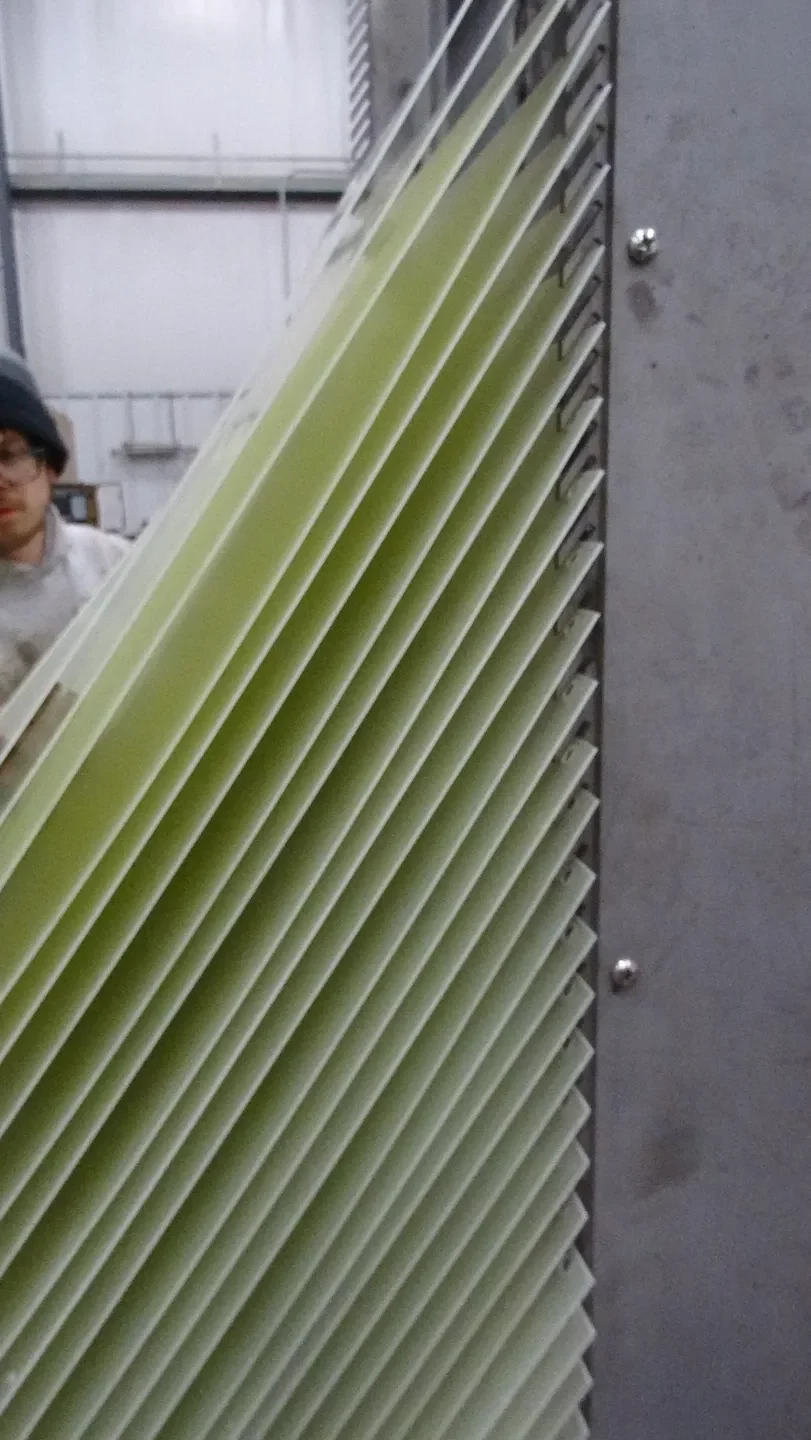
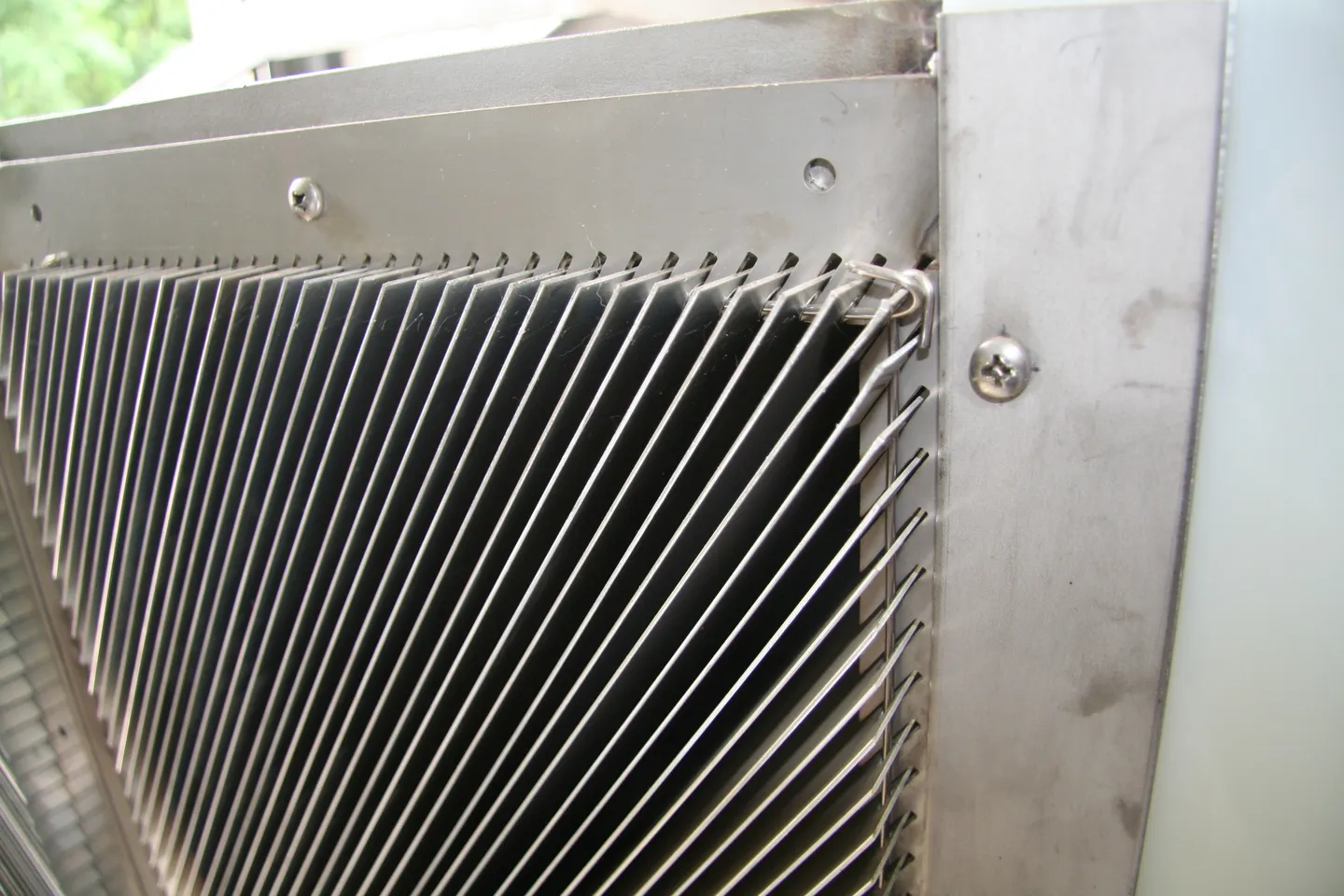
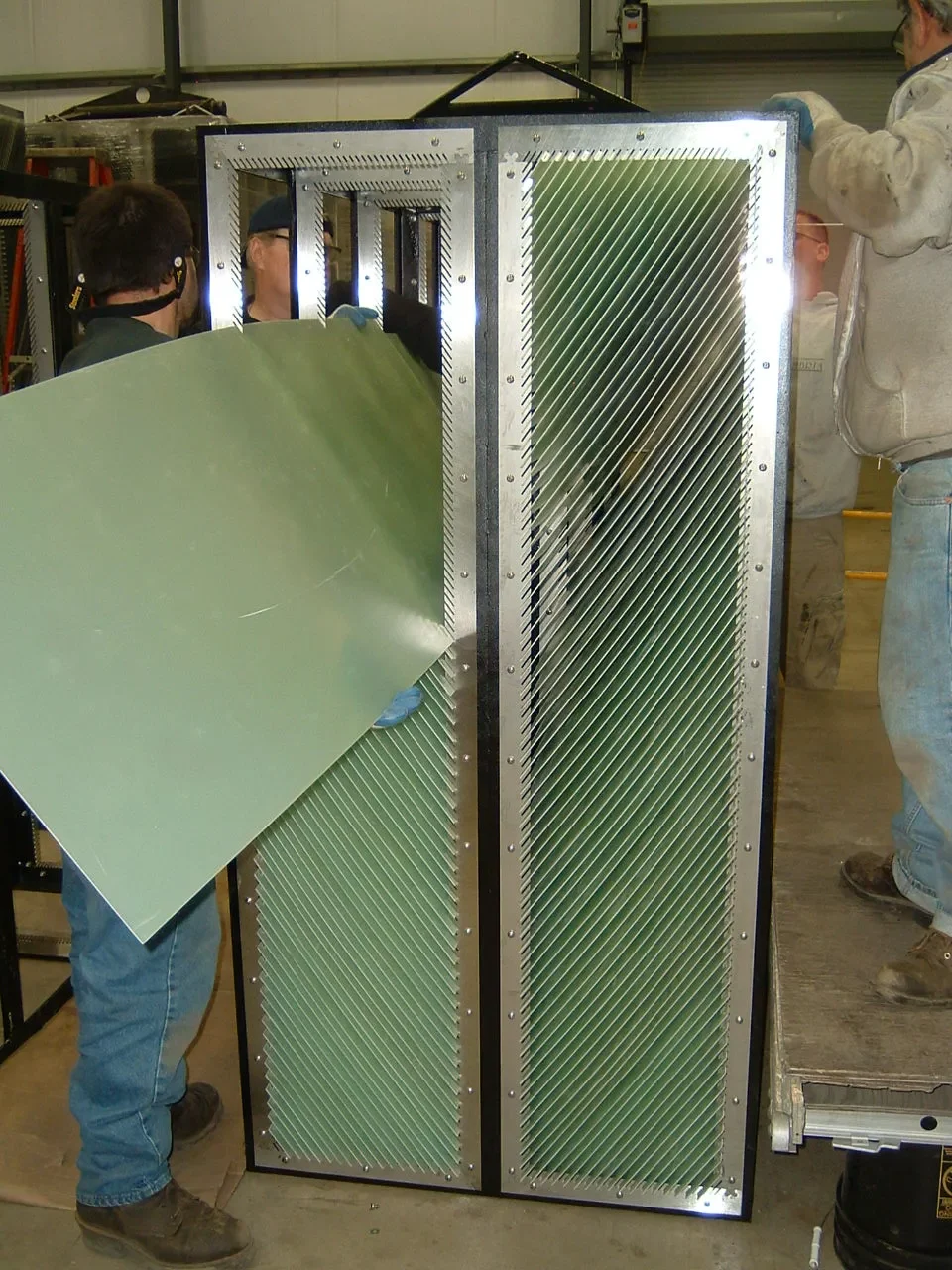
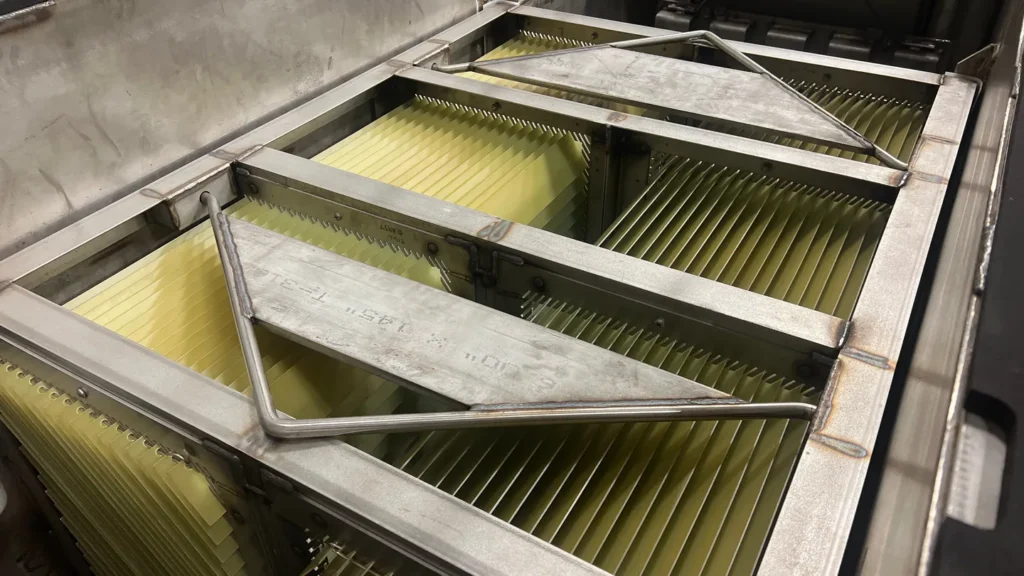
Mercer’s standard configuration uses a 1″ vertical gap (with every other plate installed). If future flows increase, oils become more complex, or the application demands tighter coalescence, the operator can place every plate in service and reduce the gap to ½” — effectively doubling the available surface area inside the coalescer. By reducing the length an oil droplet must travel for capture, this becomes a customer’s defense against heavier oils, colder temperatures, or even higher flow rates.

This adjustability is a process performance feature, engineered into the Multi-Pack™ coalescer so the separator can maintain optimal efficiency across decades of operation, not just on Day One.

Why Fixed-Geometry Systems Fail Over Time

Most enhanced gravity separators lock the operator into one plate spacing — and one performance curve — forever. When the wastewater changes, the equipment cannot.

This leads to:

A separator designed for yesterday’s conditions often cannot meet today’s requirements. Mercer solved this by making the coalescer field configurable.
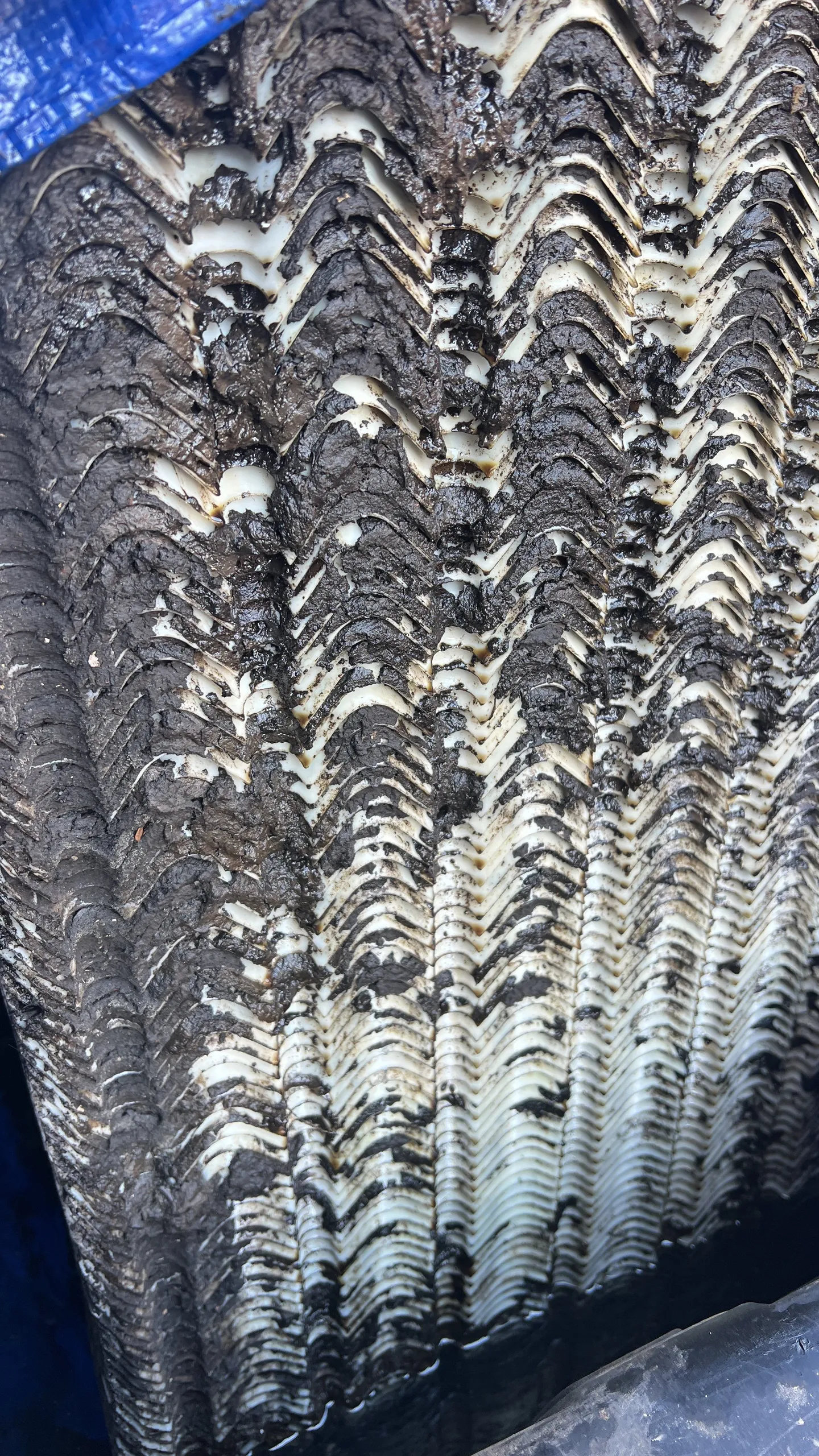
Mercer’s Field Adjustable Plate System

Here is how the Multi-Pack™ design works — exactly as documented on the existing Mercer site.
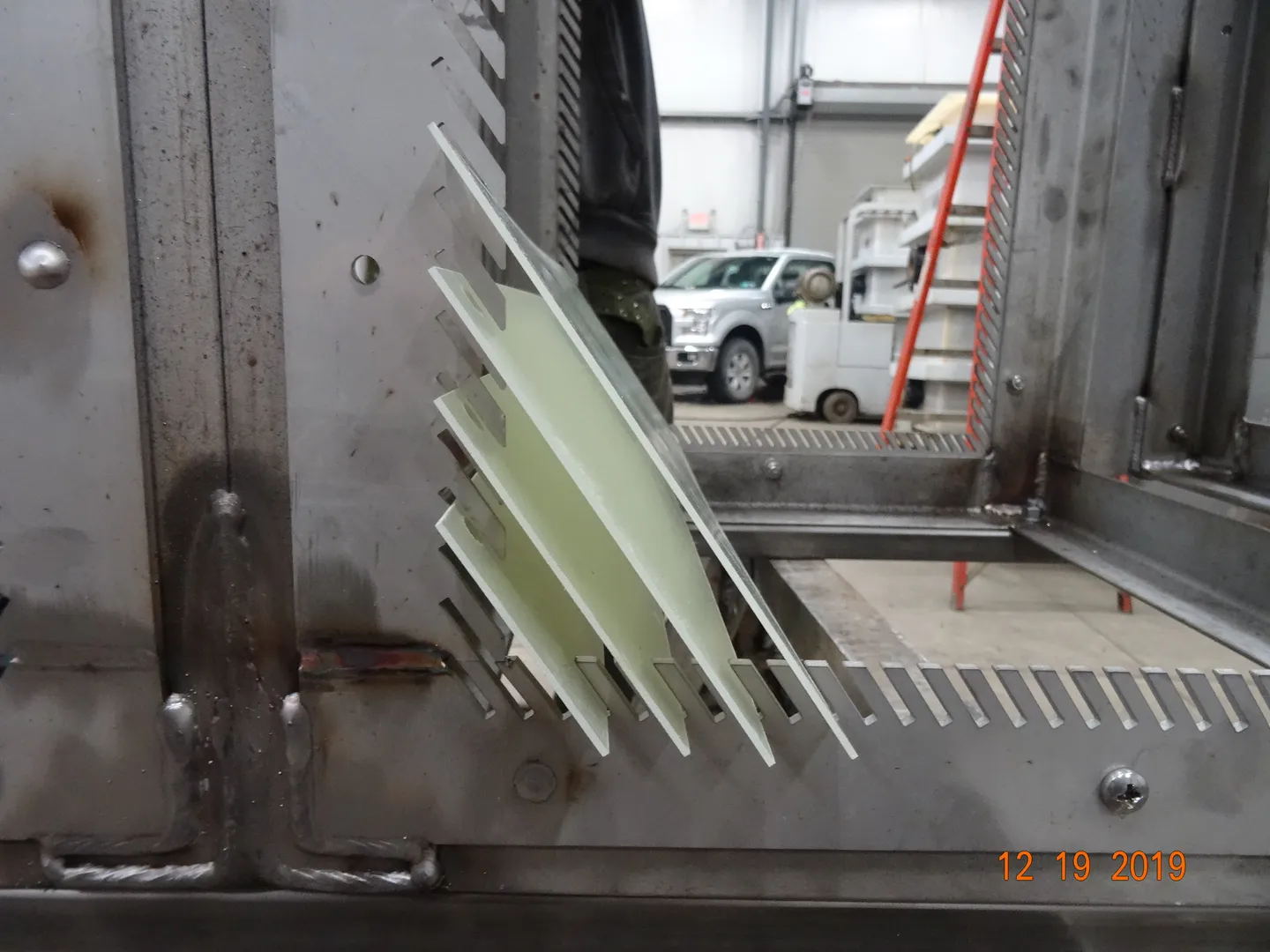
1. Standard 1" Vertical Gap (Every Other Plate Installed)

This is Mercer’s baseline design for industrial wastewater. It provides:

  • Adequate rise channels for oil
  • Reliable solids migration
  • Correct hydraulic geometry for typical industrial loads
  • Equivalent diameters appropriate for maintaining low Reynolds Numbers

It is the configuration used in the majority of installations.

2. Built-In Expandability: Increase Surface Area Later

If conditions change — and they often do — the operator can install every plate instead of every other plate, tightening spacing to ½”. This:

  • Doubles the effective surface area
  • Supports higher flow rates
  • Enhances capture of more challenging oils
  • Lowers rise distance and increases coalescence opportunity
  • Maintains laminar flow by controlling velocity and Reynolds Number
  • Restores performance without tank modification

This is a future-proofing design, not a maintenance gimmick.

3. Plates Are Removable for Access — But Adjustability Is the Value

Yes, the plates are removable. But this is not the design’s purpose.

The purpose is process control.
Operators can modify spacing as needed to meet changing treatment demands.

This is something molded, fixed, or welded-in plate packs simply cannot do.

What It Solves

Real-World Impact

Systems installed 10, 15, or even 20 years ago frequently see shifts in upstream chemistry or operations. Mercer’s adjustable plate spacing allows operators to re-optimize the coalescer without replacing the tank or the pack.

It’s a strategic design advantage that protects performance and minimizes lifecycle cost — because the separator can adapt as the plant’s processes evolve.
Put Mercer’s Engineering to Work

If you need a separator that can adapt to changing wastewater conditions, Mercer offers free testing and evaluation. They will identify whether plate spacing changes will deliver real improvement — and if not, they will tell you upfront.

If testing shows Mercer’s solution will not deliver meaningful improvement, you will know before you commit to anything. Free testing and evaluation are included.

Request Free Audit

FAQs: Field Adjustable Removable Plates

Q.

What is Mercer’s standard plate spacing?

A.

A 1-inch vertical gap, created by installing every other plate in the pack.

Q.

How does the field adjustment work?

A.

The plate gaps can be adjusted in increments of 5/16” (nominal right angle plate gaps) from the smallest possible plate gap of 5/16” to plate gaps of 5/8”, 15/16”, 1 1/4”, 1 9/16”, 1 7/8”, 2 3/16” and so on, to any desired plate gap.You can install every plate to reduce spacing to ½ inch, doubling the available surface area for higher flows or more complex oils.

Q.

Is the adjustability meant for cleaning?

A.

No. Cleaning may happen, but the primary purpose is process optimization — controlling rise rates, surface area, and hydraulic geometry.

Q.

Why does changing plate spacing matter?

A.

Because it directly influences equivalent diameter, Reynolds Number, surface area, and droplet capture efficiency.

Q.

Can Mercer test whether a tighter spacing would improve performance?

A.

Yes. Mercer provides free bench testing and honest evaluation. If adjusting spacing — or a new pack — will not provide meaningful improvement, you will know before committing to anything.