
We don’t rely on marketing claims. We rely on engineering.
Request A Free Site Audit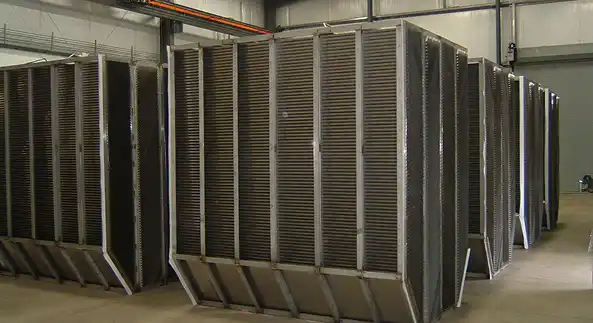
HOW WE EXCEL
Mercer oil-water separators are not built around marketing claims or generic “efficiency ratings.” They are built around physical design decisions that control hydraulics, solids loading, oil rise behavior, and long-term cleanability.
Every element of the Mercer Advantage exists for one reason:
to deliver predictable, provable separation performance — not just on Day One, but years into operation.
This page provides a high-level view of the design features that make Mercer systems different. Each advantage below links to a deeper technical explanation for engineers, operators, and specifiers who want to understand why these details matter.
ENGINEERED ADVANTAGES
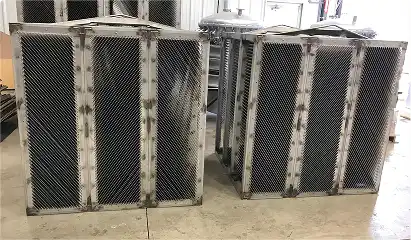
Mercer’s flat plate herring-bone coalescer geometry is engineered to control droplet rise velocity while shedding solids — not trapping them. The 55-degree angle balances separation efficiency with long-term reliability under real-world loading conditions.
Explore the Flat Plate Herring-Bone Design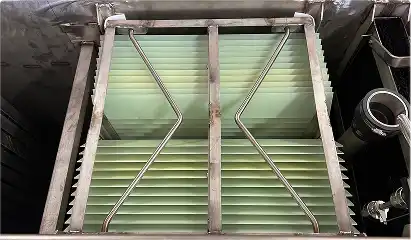
Chimney Zones™ provide dedicated vertical oil migration paths, reducing re-entrainment and improving oil capture consistency across a wide range of flow conditions. This design stabilizes separation even during surges.
Learn How Chimney Zones™ Improve Oil Capture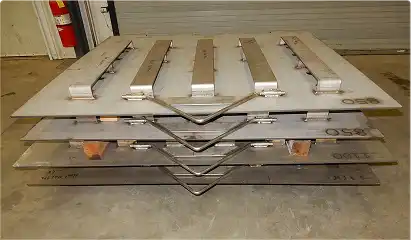
Hydraulic short-circuiting kills separator performance. Mercer inlet and outlet baffles distribute flow evenly across the treatment zone, protecting the plate pack and maintaining effective residence time.
See How Flow Distribution Is Controlled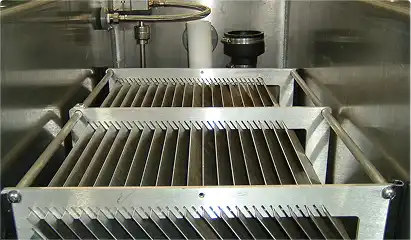
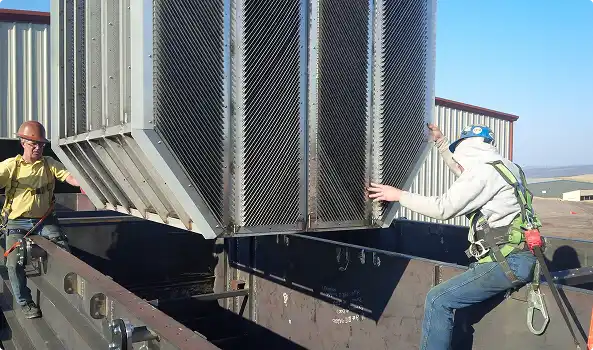
Mercer plate packs are designed to be removed, inspected, cleaned, and adjusted in the field — without cutting, grinding, or special tools. This ensures performance can be maintained rather than guessed at.
View Field-Serviceable Plate Design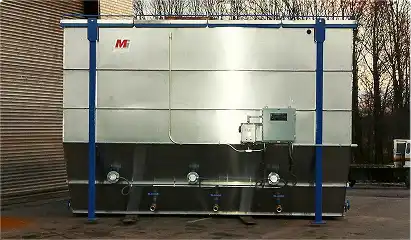
Solids happen. Mercer’s hopper bottom geometry isolates and concentrates settled solids for controlled removal instead of allowing sludge to accumulate where it degrades separation efficiency.
Understand Hopper Bottom Solids Management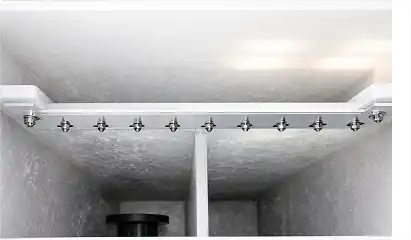
Mercer’s full-width weir design maintains stable water levels across the separator, preventing localized velocity spikes that reduce separation efficiency and increase carryover risk.
Learn Why Weir Design Matters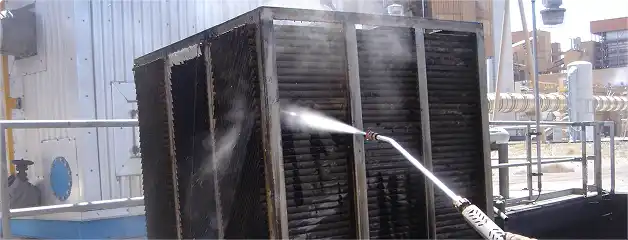
Systems that cannot be cleaned cannot perform. Mercer separators are designed with access, visibility, and serviceability in mind — reducing downtime, labor, and long-term operating cost.
See How Mercer Simplifies Cleaning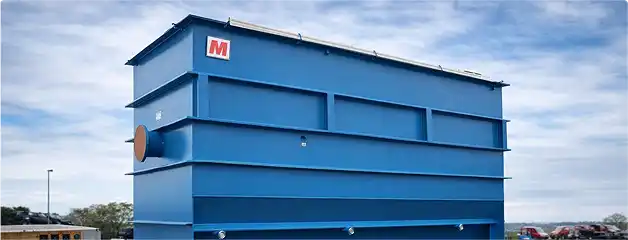
Separator performance means nothing if the tank fails. Mercer tanks are built for structural integrity, chemical resistance, and long service life — with coatings selected for the application, not convenience.
Review Tank Construction & Coating StandardsENGINEERED AS A SYSTEM
No single feature delivers compliance or reliability on its own. The Mercer Advantage is the sum of these design decisions working together — hydraulics, geometry, materials, and serviceability aligned for predictable outcomes.
This is why Mercer systems are trusted in applications where failure is not an option.

We take your worst-case flow, oil type, and solids loading and instantly build a custom separator specification around it. A preliminary drawing is generated immediately, and your quotation follows within hours — not days. Designed from your real numbers, not assumptions.
Design It NowBecause separators don’t operate in lab conditions. Solids loading, flow variation, maintenance access, and hydraulic control determine real-world performance — not brochure claims.
Yes. Mercer designs are supported by long-hand calculations, engineering review, and field validation — not generic micron ratings.
Design elements are applied based on application requirements. Mercer configures systems intentionally — not with one-size-fits-all internals.
We’ll tell you. Our site audits and application reviews are designed to determine fit before equipment is sold.
