Controlling Cutting Oils, Quench Fluids and Finishing Residues Before They Disrupt Production
Talk to an Expert
INDUSTRY INSIGHT
Metalworking operations generate oily wastewater through almost every stage of fabrication. Cutting fluids, lubricants, quench oils, mill scale washdowns and finishing baths all contribute to wastewater streams that contain oil and solids in varying concentrations. When these streams are not managed at the primary stage, downstream filtration, chemical treatment and recycling systems become overloaded, unstable or unnecessarily expensive to operate.
Mercer’s enhanced gravity separators remove the bulk of these oils and solids where they originate, reducing maintenance burdens, protecting downstream processes and helping facilities maintain consistent quality and throughput.
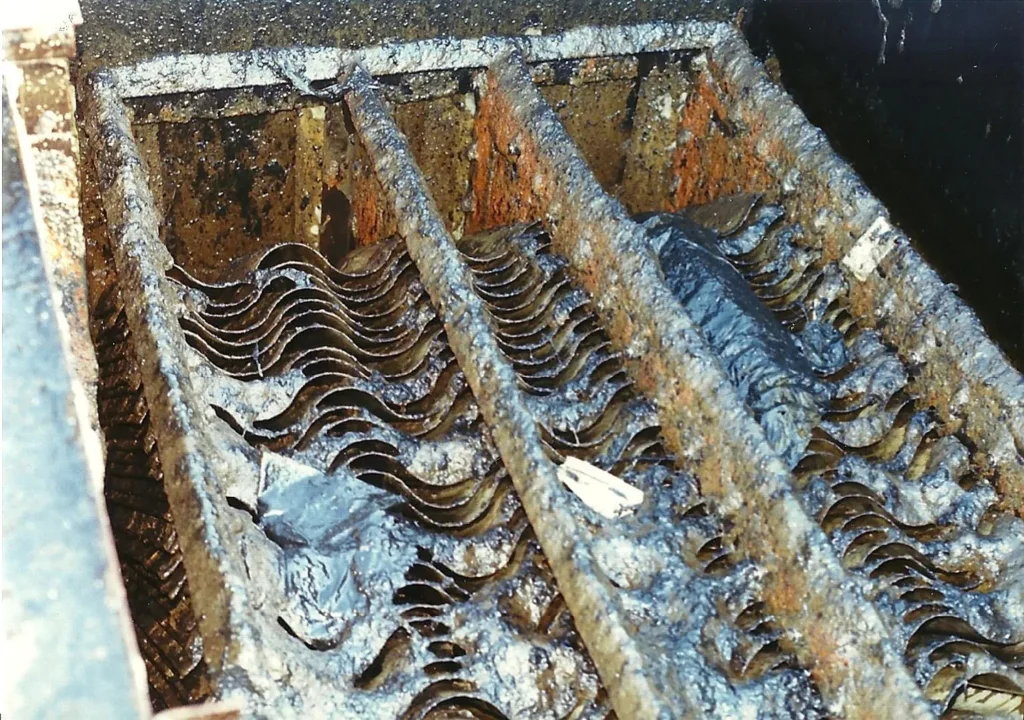
Most metalworking facilities rely on generic coalescers that are not built for the complexity of oils, fines and metal particulates present in these processes. The tightly spaced plastic media used in many enhanced gravity units blinds rapidly when exposed to viscous oils, metallic fines or polymer-based lubricants. As fouling increases, flow paths constrict and velocity rises, which undermines separation and creates unpredictable performance.
Operators end up dealing with units that were “effective on paper” but difficult to clean, maintain or keep online.
Downstream systems feel the impact. Filtration trains plug faster, heat-treating water clarity suffers and chemical treatment becomes more expensive because oil is still present. Even small amounts of residual oil can interfere with adhesion, plating, galvanizing and other surface-critical finishing steps.
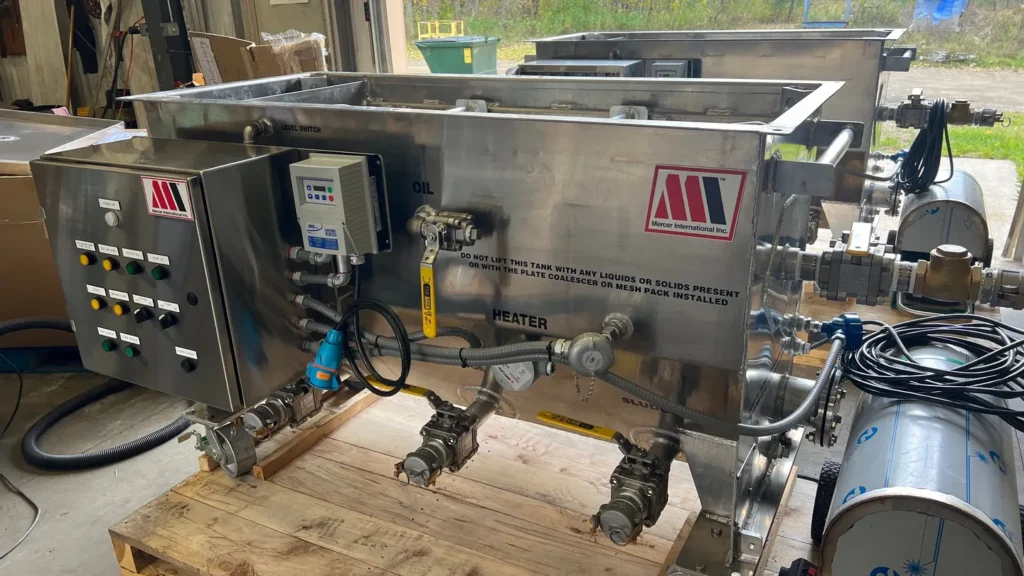
Mercer designs enhanced gravity systems specifically for oily, solids-bearing industrial wastewater. The Multi-Pack™ coalescer uses wide gap, open flow geometry that resists fouling from metal fines, cutting oils, quench residues and general shop contaminants. Rise paths stay clear, which allows the separator to maintain consistent performance between cleaning intervals.
Material flexibility is also a key advantage. When required, systems can be built in stainless steel or coated carbon steel, depending on chemical exposure, environmental conditions and plant requirements. Internal layouts are accessible, making inspection and cleaning practical, even in demanding environments.
Because significant volumes of free oil and solids are removed upstream, downstream filtration and chemical processes operate with far greater stability. Heat-treating baths maintain clarity, finishing lines see improved coating adhesion and coolant recovery systems extend their operational cycles.
Mercer units also include dedicated solids management features. Defined settling zones and purge options prevent abrasive particulate from entering or clogging the coalescer pack. This protects long-term performance and reduces maintenance frequency.
Mercer systems serve multiple roles in metalworking plants, including:
Wherever cutting oils, lubricants or metal-laden wash water enters the wastewater system, a Mercer separator provides predictable removal at the source.

Yes. By removing free oils, fines and settleable solids at the primary stage, coolant recovery and recycling systems operate more efficiently and with fewer changeouts.
Most commodity coalescers use narrow, tightly spaced plates that blind easily when exposed to metal fines or polymer-based lubricants. Mercer uses a wide gap, open flow design that maintains separation longer and is easier to clean.
Yes. These processes rely on oil-free surfaces. Removing free oil and solids upstream reduces contamination and improves downstream adhesion and consistency.
Yes. Mercer separators include dedicated solids settling zones and purge features to prevent fines and particulate from entering the coalescer pack.
Yes. Stainless construction and internals can be provided when required for corrosion resistance or process hygiene.
