design center

Engineering, Consulting and EPC Groups

Talk to an Expert

Engineering, Consulting and EPC Groups

Giving Specifiers the Tools, Math and Clarity to Protect Their Project

Engineers and EPC groups are responsible for ensuring that every system in a project performs as intended. When it comes to oily water separation, the design often lives or dies on the details: plate spacing, rise velocity, solids loading, access for cleaning, and whether a piece of equipment will still meet design performance ten years down the line.

Mercer supports engineers with the technical depth, documentation and transparency needed to make confident decisions. Whether the goal is to assess alternatives, confirm performance requirements or protect a client from low-quality substitutions, Mercer provides the math and engineering substance required to write a defensible specification.
Where Design Breaks Down

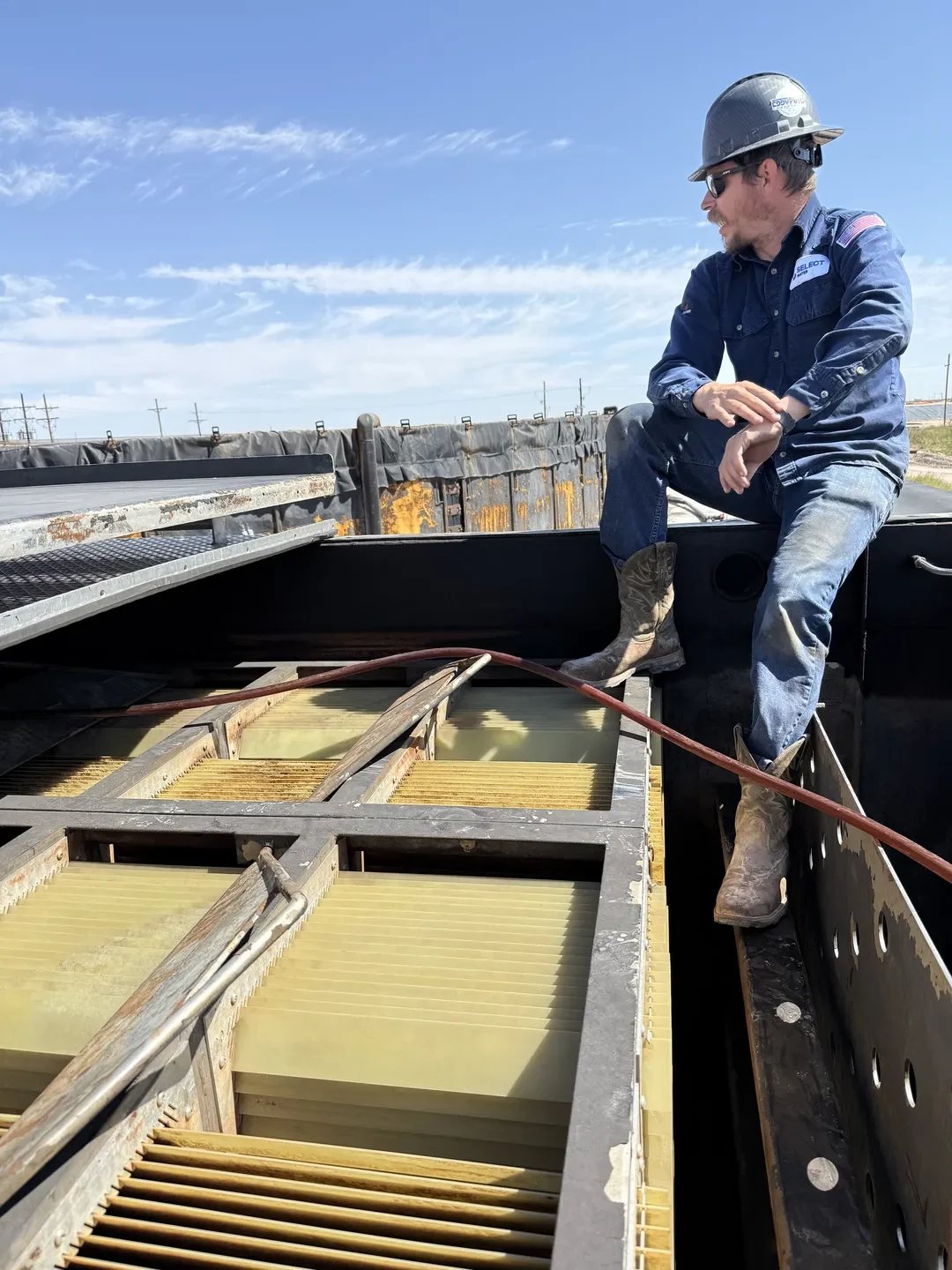
In too many projects, the oil-water separator becomes a checkbox item rather than an engineered process. The boilerplating and rubberstamping of poorly written specs fall back on vague language like “CPI separator with coalescing media,” without defining the geometry, plate spacing, approach velocity, rise rates, solids loading, maintenance access or any of the parameters that actually determine performance. If API 421 is even mentioned, coalescer performance requirements to support proof are typically absent.

When a spec lacks definition, procurement becomes a race to the bottom. Contractors are free to purchase the lowest-cost box that fits the bare description, and the owner inherits equipment that violates velocity limits, channels flow, clogs under real solids loading and produces nowhere near the separation efficiency assumed during design.

This is also where a quiet—but critical—failure happens. Many suppliers claim they “capture X-micron droplets,” but offer no math behind the promise. A true process specification must set the expectation that performance is proven, not declared. Vendors should be required to show long-hand calculations demonstrating Stokes rise rates, plate loading, effective rise distance, and actual droplet separation under design conditions. If the math isn’t there, the claim isn’t real—and the specification must make that requirement explicit so unproven claims cannot enter the bid cycle.

Engineers responsible for long-term outcomes cannot rely on generic descriptors or optimistic marketing. They need control of the variables that govern separation—hydraulics, geometry, solids management and verifiable droplet rise performance—or the system will fail long before project closeout.

How we support

How Mercer Supports Specifiers

Mercer works with engineers from early concept through bid phase to ensure the design intent is both enforceable and rooted in proven separation science. This is not marketing language; it is the mathematical and geometric framework required to protect project integrity.

For firms that incorporate Mercer’s specification language, we also provide FEED-stage drawings and early design-iteration layouts. These packages give engineers dimensional clarity, equipment footprints, hydraulic considerations, and geometry that reflects the actual performance math—not a placeholder box. Early drawings ensure that the design intent is locked in before downstream disciplines begin coordination, and before value engineering can erode critical separation criteria.

Mercer helps specifiers by providing:

Defined design parameters — plate spacing, effective rise distance, rise rates, hydraulic loading and flow distribution criteria that force apples-to-apples evaluation.

Solids management requirements — hopper geometry, accumulation zones and removal expectations that protect long-term performance.

Access and cleanability criteria — eliminating ambiguous maintenance assumptions and ensuring operators can actually maintain the equipment.

Wide-gap, open-flow plate geometry — clearly stated so tight-passage honeycomb, fibrous mesh packs or restrictive media cannot be substituted.

Performance proof requirements — specifications reinforce that vendors cannot simply state a droplet size “captured.” They must submit long-hand math demonstrating actual rise behavior, separation distance and plate loading consistent with enhanced gravity principles. Claims unsupported by calculations do not qualify.

This level of definition makes it possible to write a specification that cannot be undercut by low-cost, low-performance alternatives and ensures that what gets purchased matches the physics the engineer designed for—not the cheapest item that fits a vague description.

The Mercer Difference for Engineering and EPC Partners

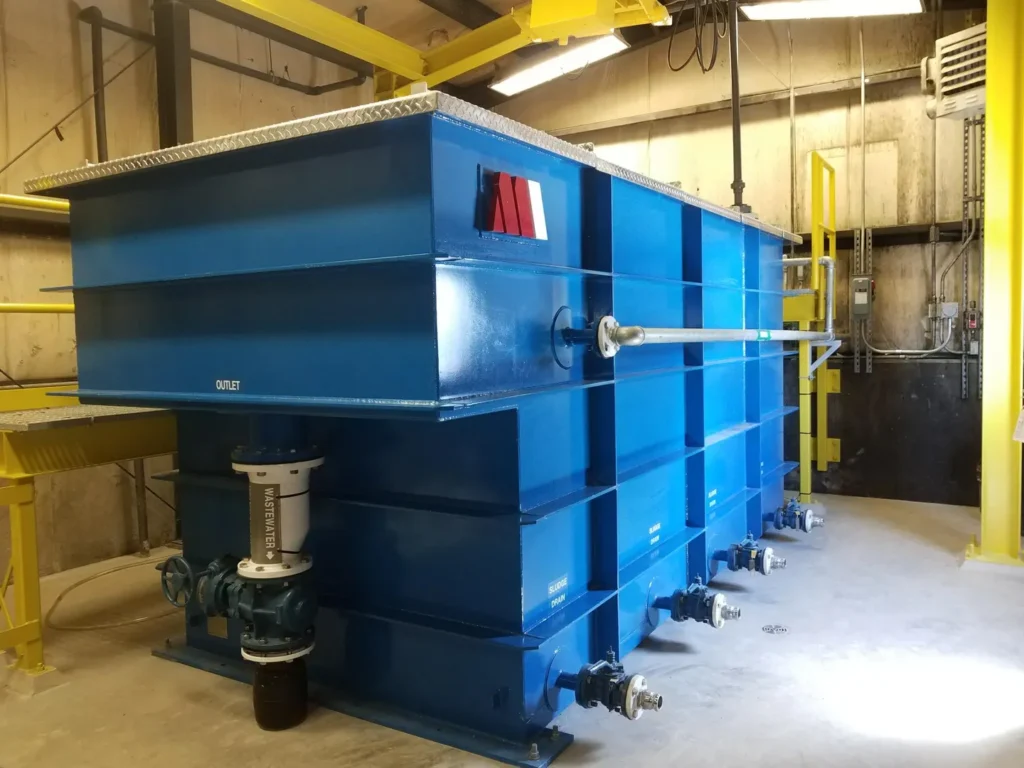
Mercer’s approach centers on helping engineers make informed decisions. The Multi-Pack™ coalescer is built around open-flow geometry that maintains design velocities and does not blind in the way narrow or tightly stacked media do. Because flow paths remain clear, performance holds up over time instead of degrading quietly.

Mercer also provides the documentation needed to justify the selection. This includes drawings, cut sheets, sample test data, internal geometry details and guidance on how to incorporate solids management into the design. Engineers get more than a product description. They get the parameters needed to protect the specification in a competitive bid environment.

For groups that want a deeper technical foundation, Mercer provides the math behind the design. Enhanced gravity systems only work when plate spacing, rise velocity and solids handling are aligned. Mercer helps engineers articulate these criteria so the specification is both defensible and grounded in recognized design principles.

When a project team wants to move forward, Mercer supports with pre-bid drawings, layout integration and guidance for installation and access planning. This avoids guesswork and ensures the contractor understands the design intent from day one.

Where Mercer Adds Value in the Design Process

Mercer supports engineering and EPC groups at multiple stages, including:

The goal is to help engineers deliver a system that performs as designed—not the cheapest version the market can offer.
We Test for Free, and We Stand Behind the Numbers

Engineers rely on data. Mercer provides no-cost sample testing, documented performance criteria and guaranteed results when the system is sized to the application. This ensures that recommendations are supported by real evidence, not conjecture.

 Learn About the We Test for Free Guarantee

Request Spec Support

Frequently Asked Questions

Q.

How does Mercer help ensure our specification cannot be value-engineered away?

A.

Mercer provides the design parameters, plate geometry, velocity limits and solids handling requirements that must be met. These prevent contractors from substituting low-performance equipment that cannot match the actual design intent.

Q.

Can Mercer supply basis-of-design documentation?

A.

Yes. Mercer offers detailed BOD materials, sample test data and engineering criteria that help specifiers articulate the exact performance requirements for enhanced gravity separation.

Q.

Will Mercer assist during the bid phase?

A.

Yes. Mercer reviews contractor submissions upon request and helps verify whether proposed “equals” meet the stated criteria. This protects the owner and supports the engineer’s design intent.

Q.

What drawings are available before award?

A.

Mercer provides FEED-stage, preliminary and final drawings for engineering review. These support layout, installation planning and coordination across project disciplines.

Q.

What if my client needs long-term operational stability?

A.

Mercer systems incorporate wide-gap plates and defined solids management that maintain performance, making them suitable for clients who expect predictable, low-maintenance operation over the lifetime of the plant.