design center

THE IMPLICATIONS OF API 421

Everyone Quotes It. Few Actually Follow It.

request a free audit

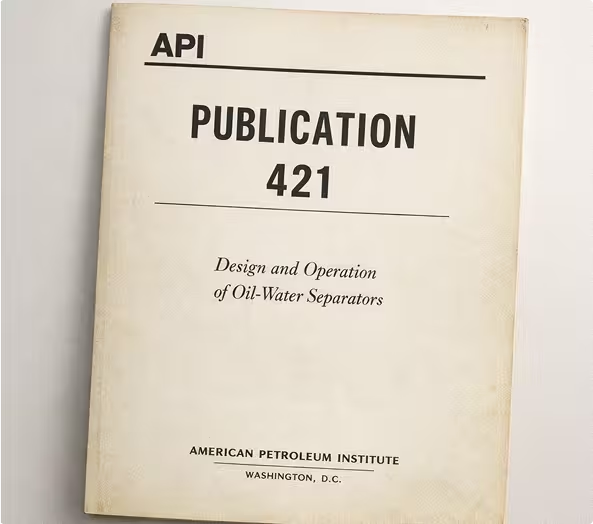
API 421

In the separation game, every supplier should be playing by the same rules.

API Publication 421 was created to set a clear, physics-based foundation for oil-water separator design. It defines the rise rates, velocities, and detention times required for predictable performance — ensuring free oil droplets have the time and conditions needed to rise and separate.

But somewhere between the pages of the standard and the products being sold under its name, the math got lost. “Micron” meaning manipulation has become the norm, with vendors leaning toward the filter definition of micron rather than the droplet rise-rate definition the standard actually relies on.

This page explains what API 421 actually says, how it’s been misinterpreted, and why that misunderstanding continues to cost facilities in downtime, chemical consumption, sludge removal, and replacement media.

See Why

1. What API 421 Really Says

API Publication 421, formally titled Monographs on Refinery Environmental Control: Management of Water Discharges (Design and Operation of Oil-Water Separators) — establishes the physics-based foundation for designing enhanced gravity separators for refinery wastewater. Its guidance applies to clean, low-solids streams containing free (non-emulsified) oil. It was never intended to address the high-solids, mixed industrial wastewater common in today’s OWS applications.

What the Standard Actually Specifies (with citations):

  • API 421 §1.2 (pg. 2):
    Traditional long, open-weir and baffle concrete “API separators” remove only down to ~150-micron droplets under ideal conditions.
  • API 421 §2.1.4.1 (pg. 7):
    Maximum horizontal velocity through any coalescer must remain below 3 ft/min to maintain laminar flow and prevent droplet shearing.
  • API 421 §4.1.3 (pg. 25):
    When coalescers are used, the design basis targets ~60-micron free-oil droplet capture.

Core Design Parameters (as defined):

  • Flow velocity: ≤ 3 ft/min (0.015 m/s)
  • Residence time: ≥ 5 minutes under quiescent conditions
  • Surface loading rate: ≤ 0.03 gpm/ft² for typical refinery wastewater
  • Design basis (Stokes’ Law):
    – ~150-micron rise for basic API separators
    – ~60-micron rise with coalescers

Important Clarification:

API 421 never defined robust solids-handling expectations. The efficiency targets were built around free oil removal, not managing solids-heavy wastewater typical in upstream, midstream, or industrial applications. Even the standard’s own illustrations depict fouling-prone geometry for solids.

API 421 is a math problem, not a marketing slogan.

2. How the Industry Misinterprets It

The “Checkbox Compliance” Era

Many separator suppliers advertise “API 421-compliant” designs while ignoring nearly every engineering requirement the standard spells out. Instead of designing around rise velocity, residence time, and flow control, they chase smaller footprints and lower CAPEX.

Common shortcuts include:

  • Simply matching flow rate to a model number
  • Failing to gather actual process data or consider worst-case operating conditions
  • Misinterpreting and misusing the term “micron”
  • Ignoring solids loading — designing as if all flows were clean condensate
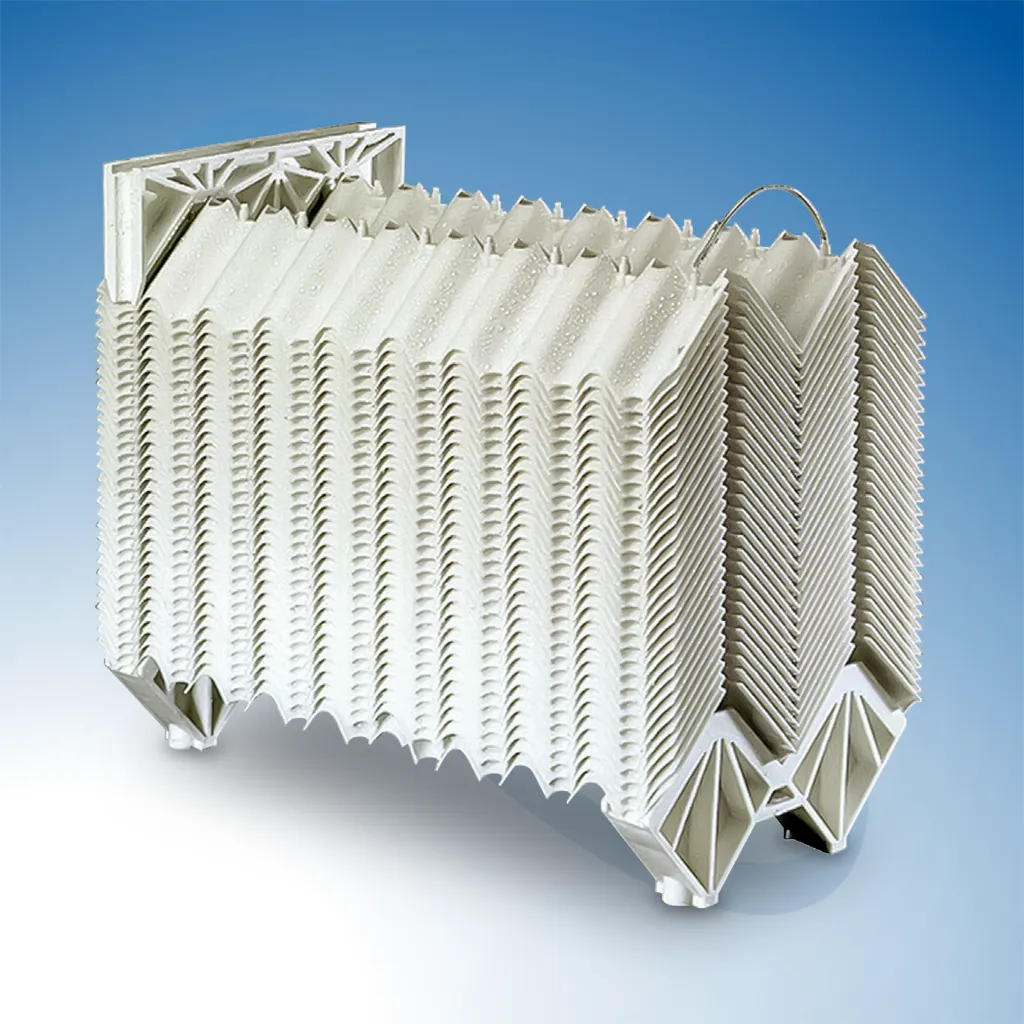
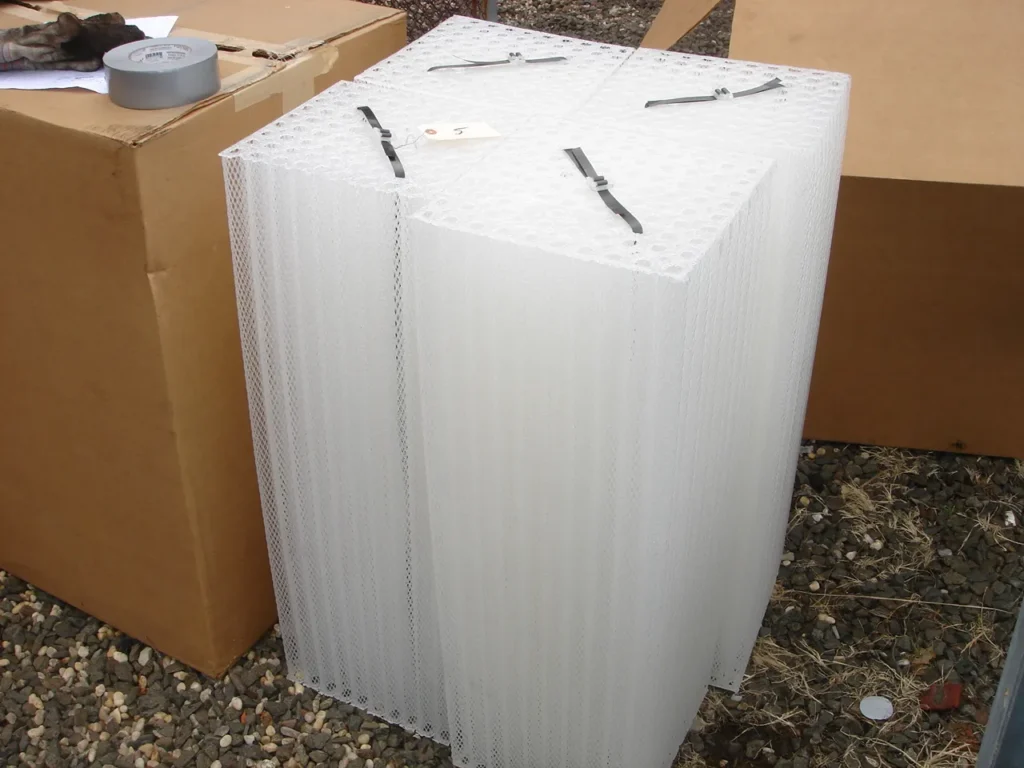
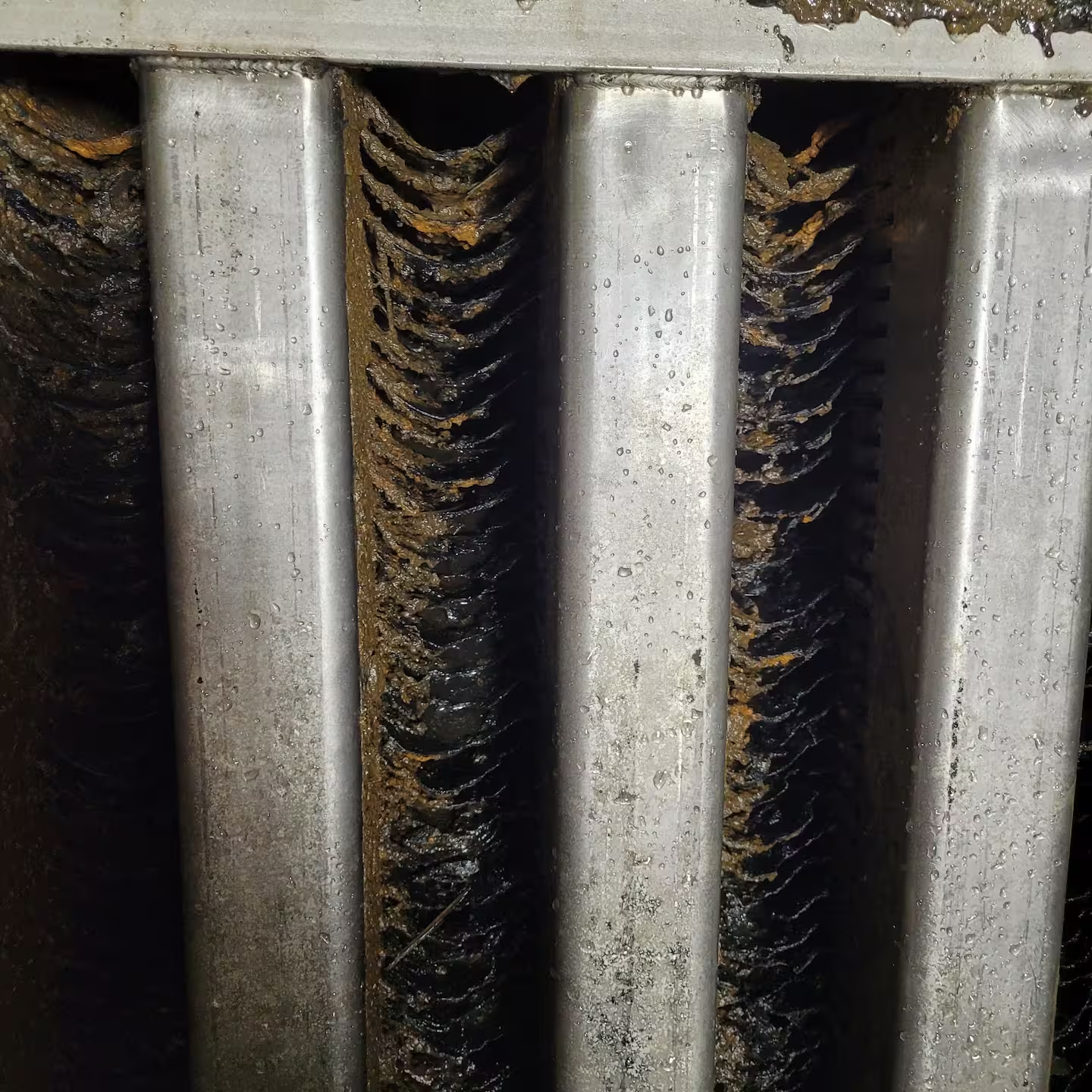
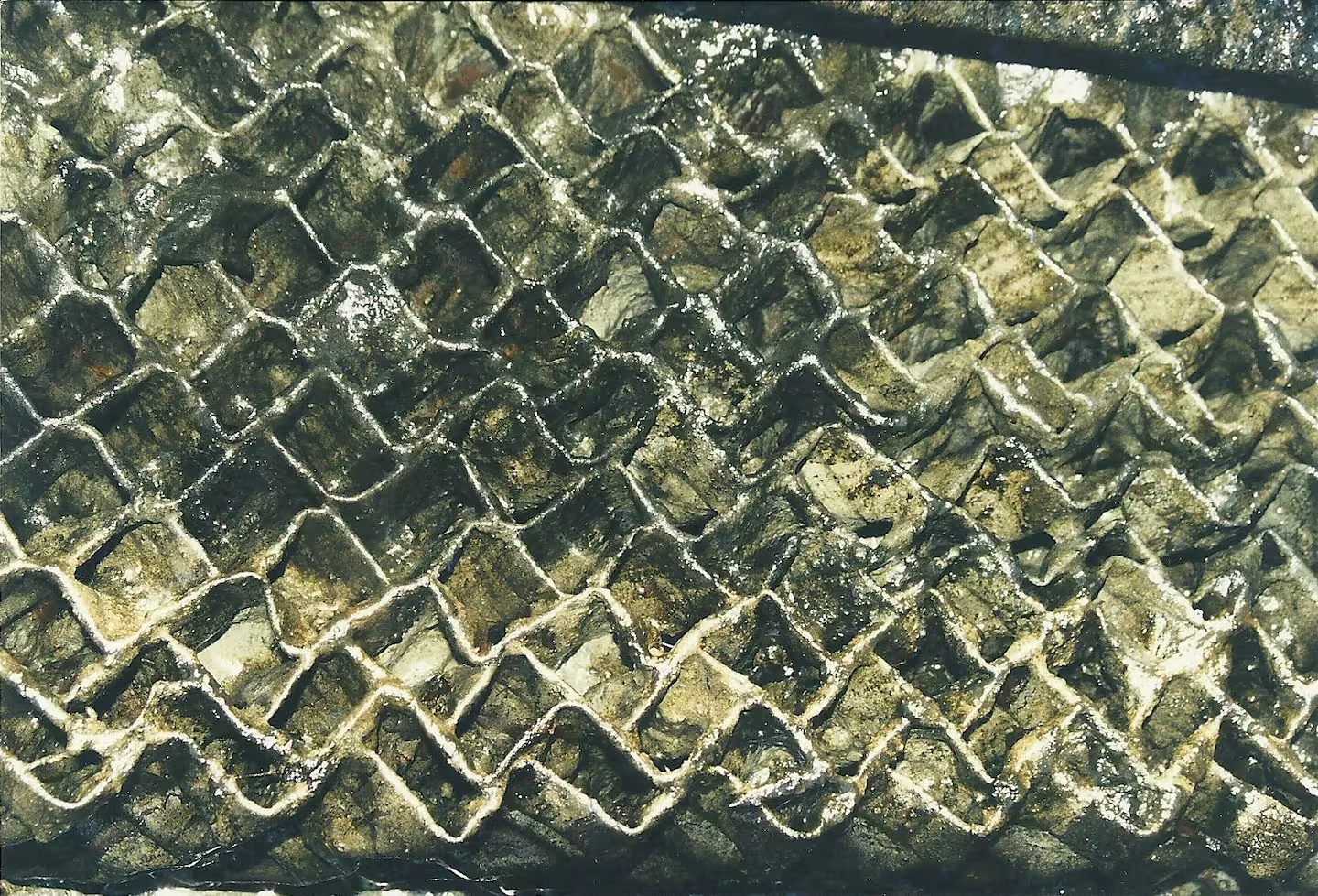
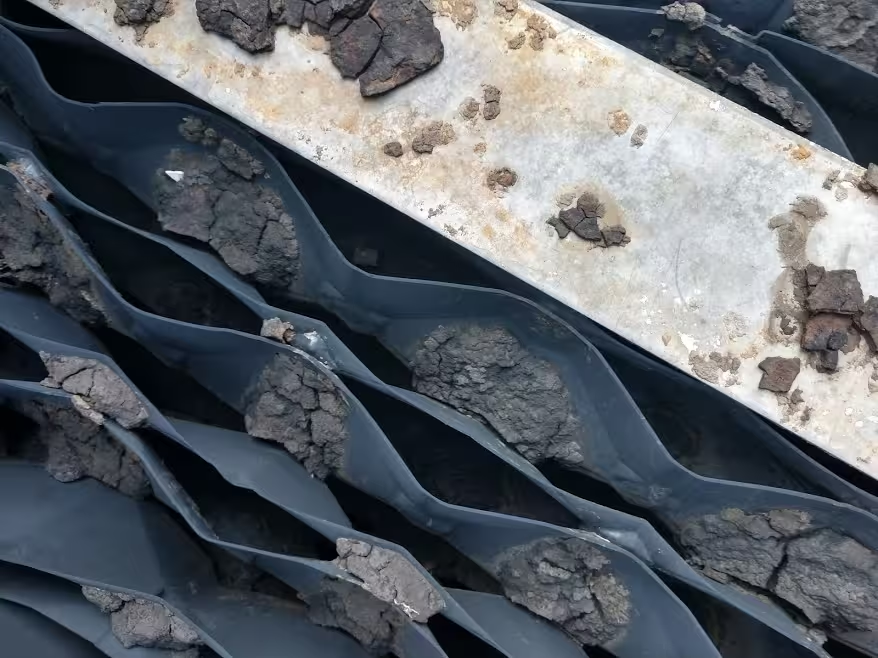
  • Packing tanks with corrugated plates, honeycomb blocks, or plastic mesh designed for gas-to-liquid service
  • Claiming “API-equivalent” performance while exceeding velocity limits and removing inspection access
Design Shortcut Immediate Impact Operational Consequence
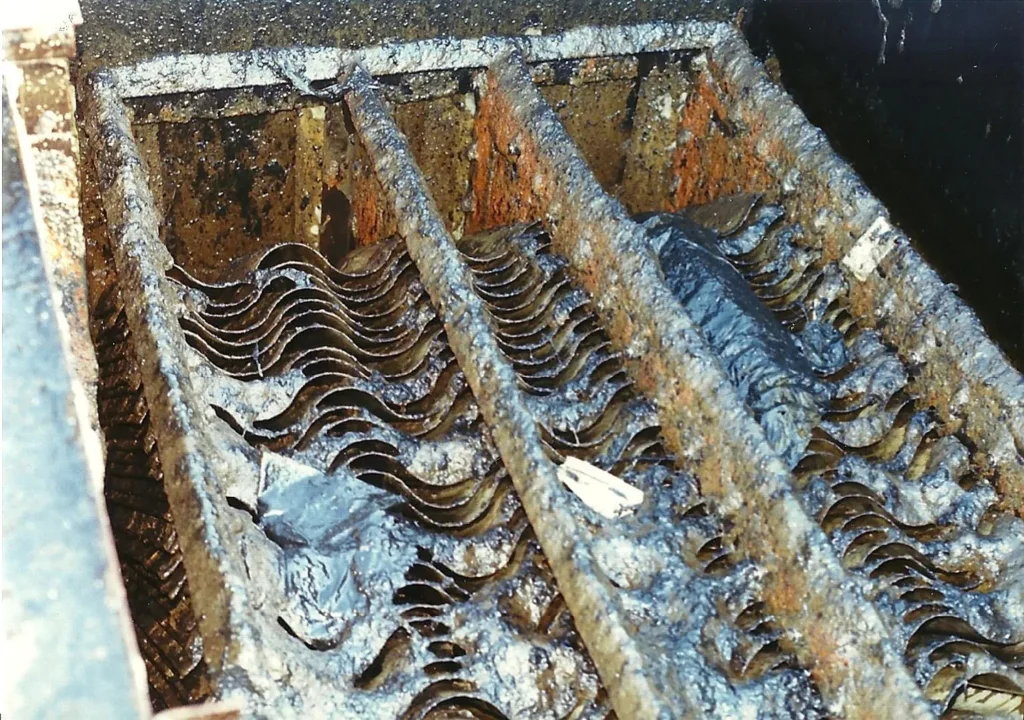
Parallel Corrugated (Sinusoidal) Oil SG, viscosity, and temperature ignored → droplets don’t rise Slower-rising oils pass through → oily effluent, recurring violations
Overstating surface area Internals overpacked or undersized Turbulence replaces laminar flow → sheared droplets, poor coalescence
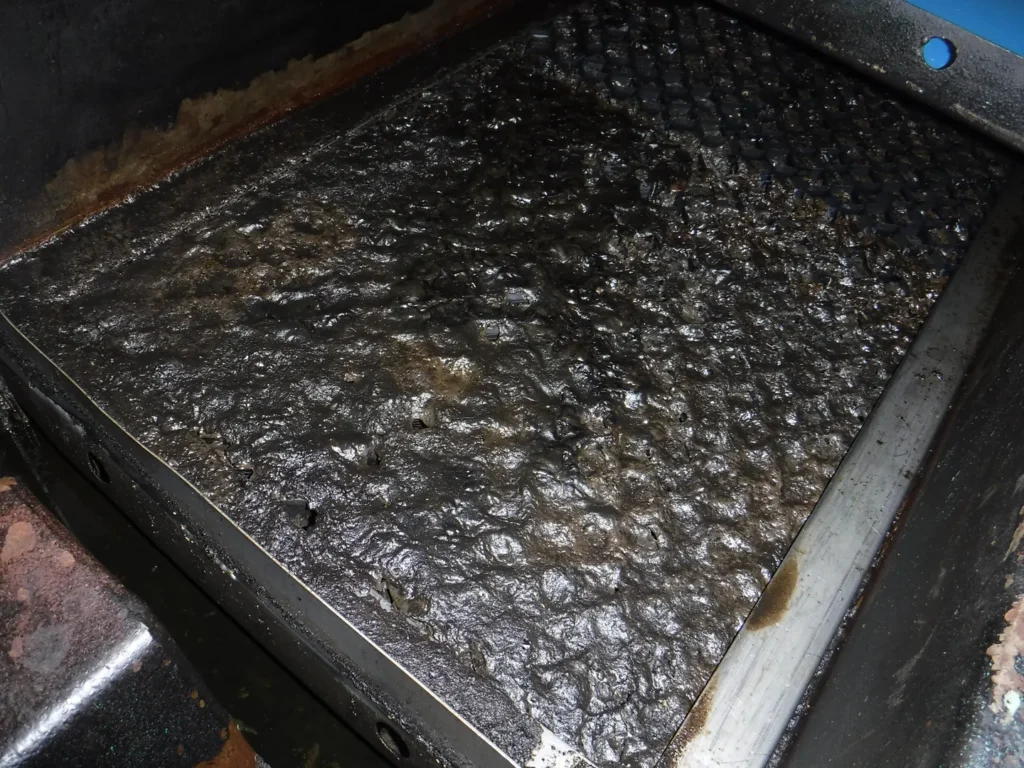
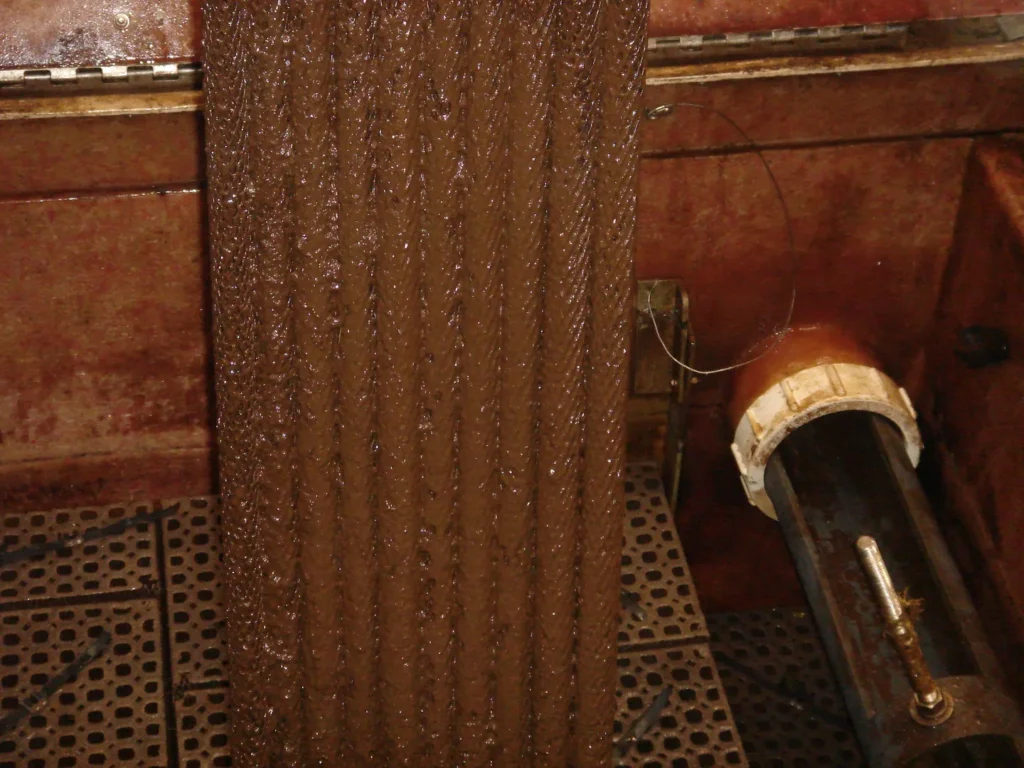
Using air-scrubber media Rapid fouling, solids entrapment Frequent cleaning, unpredictable performance, constant replacement
No service access Hidden fouling buildup System failure and unplanned shutdowns

A system can’t be API 421-compliant if it’s impossible to clean.
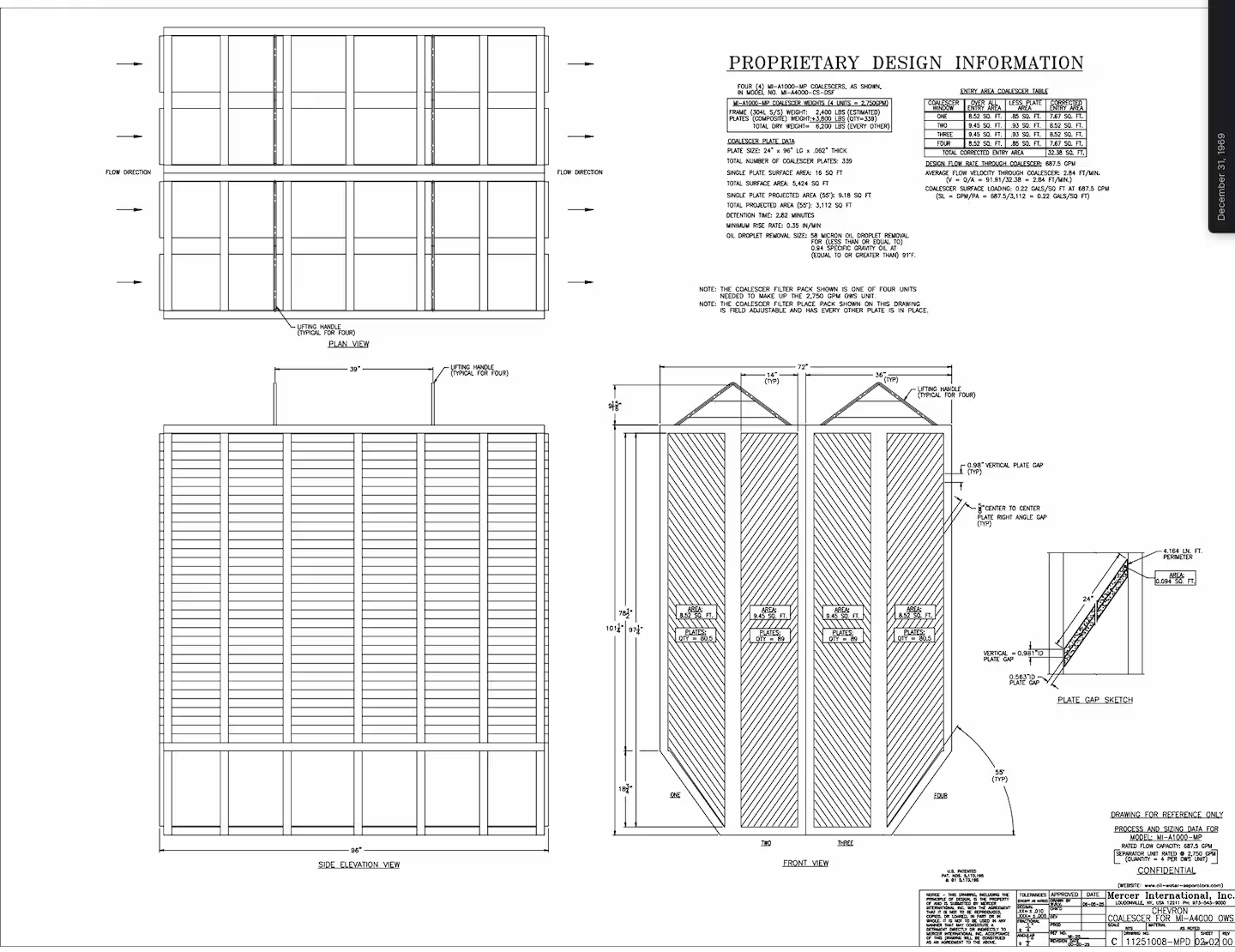
2a. How Mercer Sizes Equipment

If we can’t prove it on paper, we refuse to sell it into the field.

Mercer begins with Stokes’ Law, designing systems that remove 60-micron free-oil droplets at 0.90 SG at 70°F — roughly ½ inch of rise per minute. The same physics apply to unencumbered solids, making the Multi-Pack™ as much a lamella clarifier as it is an oil-water separator.

From there, we systematically derate:

  • Heavier oils (e.g., 0.95 SG) rise ~half as fast → the tank footprint must double
  • Higher oil concentration, higher solids, or lower temperature → a larger model is required
  • Lighter oils or lower-stringency requirements → a smaller unit may suffice

Other companies skip this analysis entirely and instead sell any tank they can install, relying on “catch/trap” mechanisms that become maintenance and OPEX liabilities.

Competitor:
“200 gpm? We have a 200-gpm model right here.”

Mercer:
“With your oil weight and lowest operating temps, the physics push us to the 400-gpm model — and we can show you why on paper.”

4. The Origin of CPI — and the Lost “C”

CPI originally stood for Coalescing Plate Interceptor — angled steel plates designed to promote droplet coalescence under slow, laminar flow.

But cost-cutting changed everything. When steel plates were replaced with plastic bundles, the design shifted from engineered coalescence to mass-produced convenience. The industry quietly reinterpreted the acronym as Corrugated Plate Interceptor, reflecting both a material change and a performance decline.

Today, “CPI” often means:

  • plastic bundles stuffed and stacked into a tank
  • no velocity control
  • no escape for settling solids
  • no serviceability
  • compromised coalescence

The ‘C’ in CPI was born as Coalescing. Somewhere along the way, it became Corrugated — every customer on the receiving end knows it stands for CLOGGING..

Why It Matters:

When physics and geometry diverge, separation collapses.
Velocity spikes → short-circuiting
Hidden pockets → solids accumulation
Distorted flow path → gravity separation becomes accidental filtration

5. The Physics That Still Matter

API 421 still holds up because physics still holds up.

  • Stokes’ Law: Governs droplet rise rate
  • Reynolds Number (<500): Maintains laminar flow
  • Surface Loading Rate: Sets coalescer performance envelope

These are not optional parameters — they are the mechanism of separation.

6. Mercer’s Reality-Based Design Philosophy

Mercer doesn’t just quote API 421 — we design to its intent, and then engineer for the solids, sludge, and serviceability the standard never accounted for.

Our systems include:

  • Real-world flow modeling built on API 421 and Stokes’ Law
  • Controlled-flow geometry that maintains laminar velocity under all load conditions
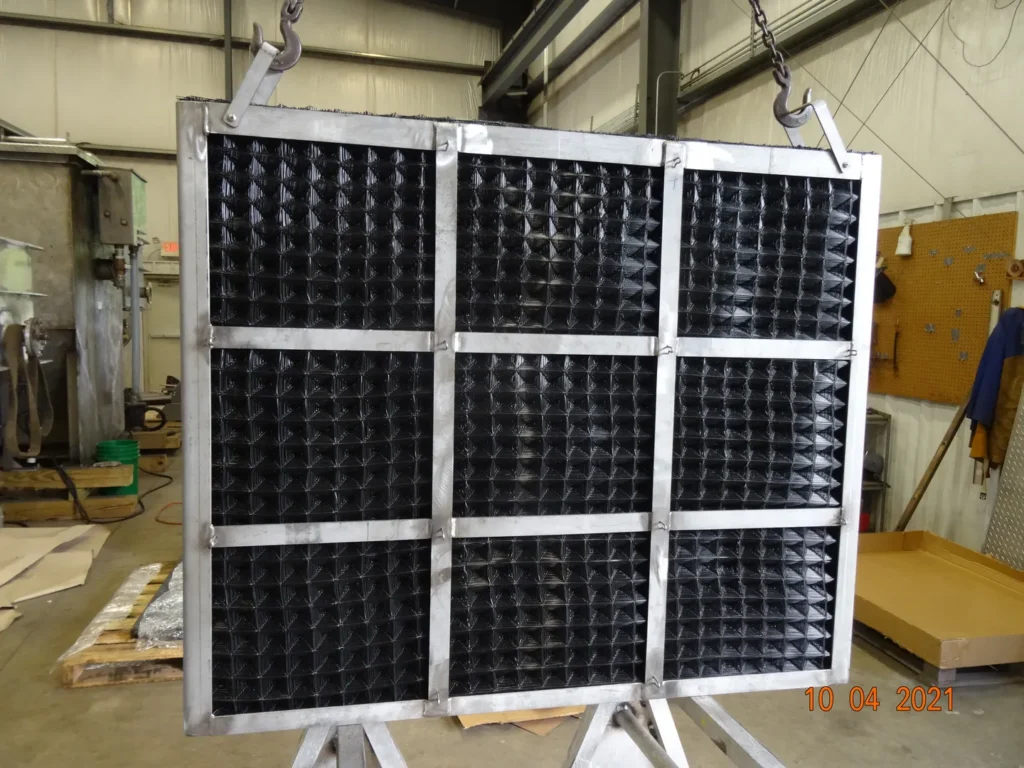
  • Patented configuration, engineered for solids evacuation and full accessibility
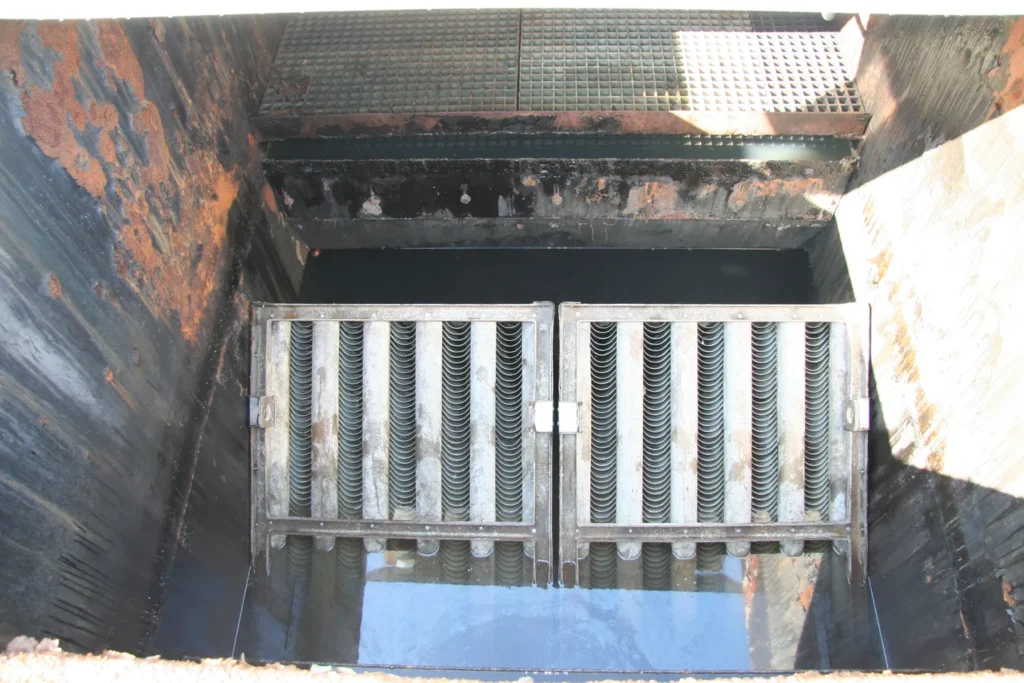
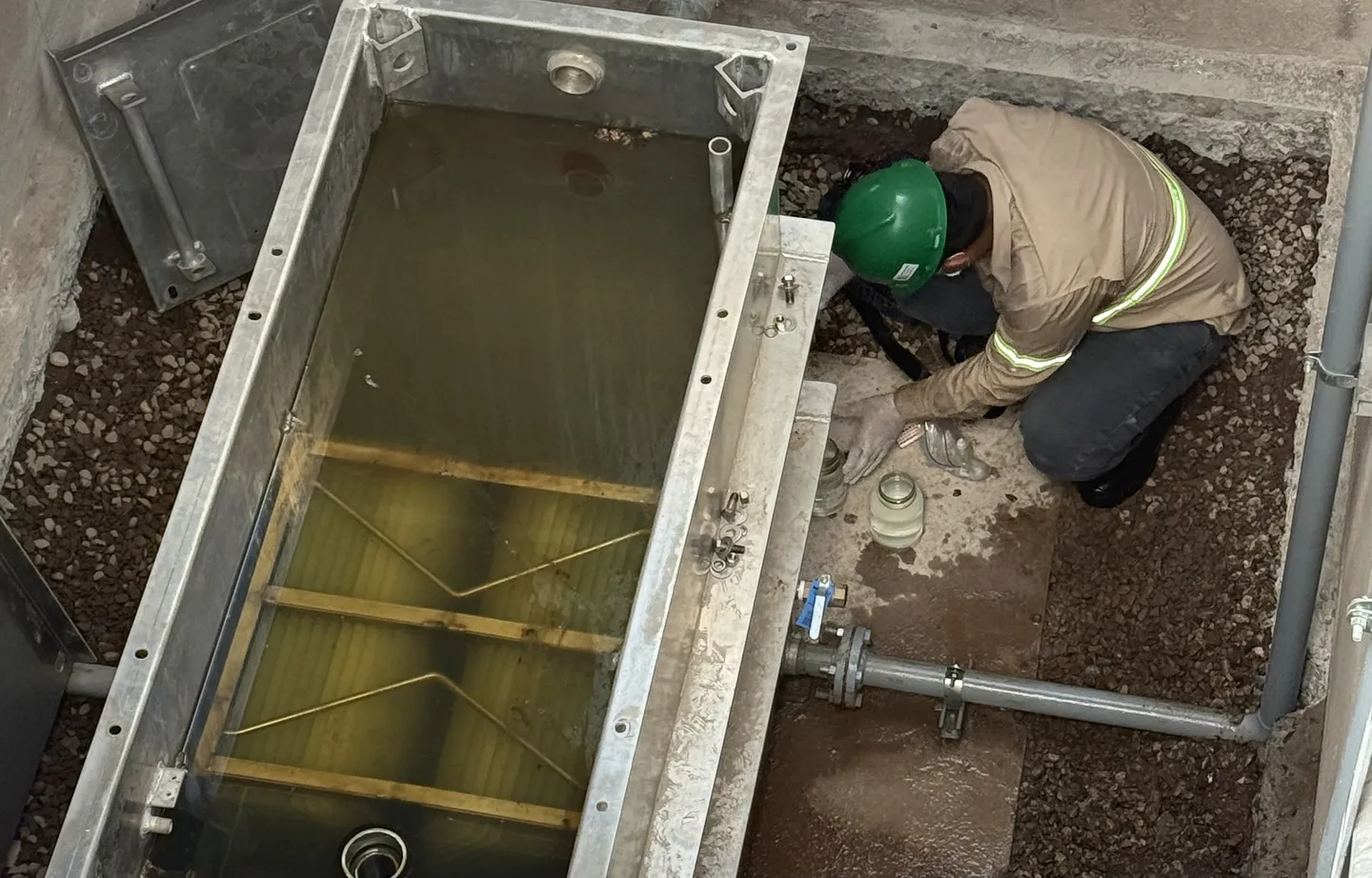
  • Removable, cleanable coalescers, because verifiable performance is part of compliance

If you can’t inspect it, you can’t prove it. And if you can’t prove it, it’s not compliant.

7. Questions That Separate Engineering from Excuses

Before approving any separator sold as “API 421-compliant,” ask:

  1. Have you seen the micron capture longhand math??
  2. What velocity does the system actually operate at under peak flow?
  3. How are solids handled — without disassembly?
  4. Can every internal surface be inspected and cleaned?
  5. What surface loading rate was used?

If these questions make a vendor uncomfortable, compliance was never real.
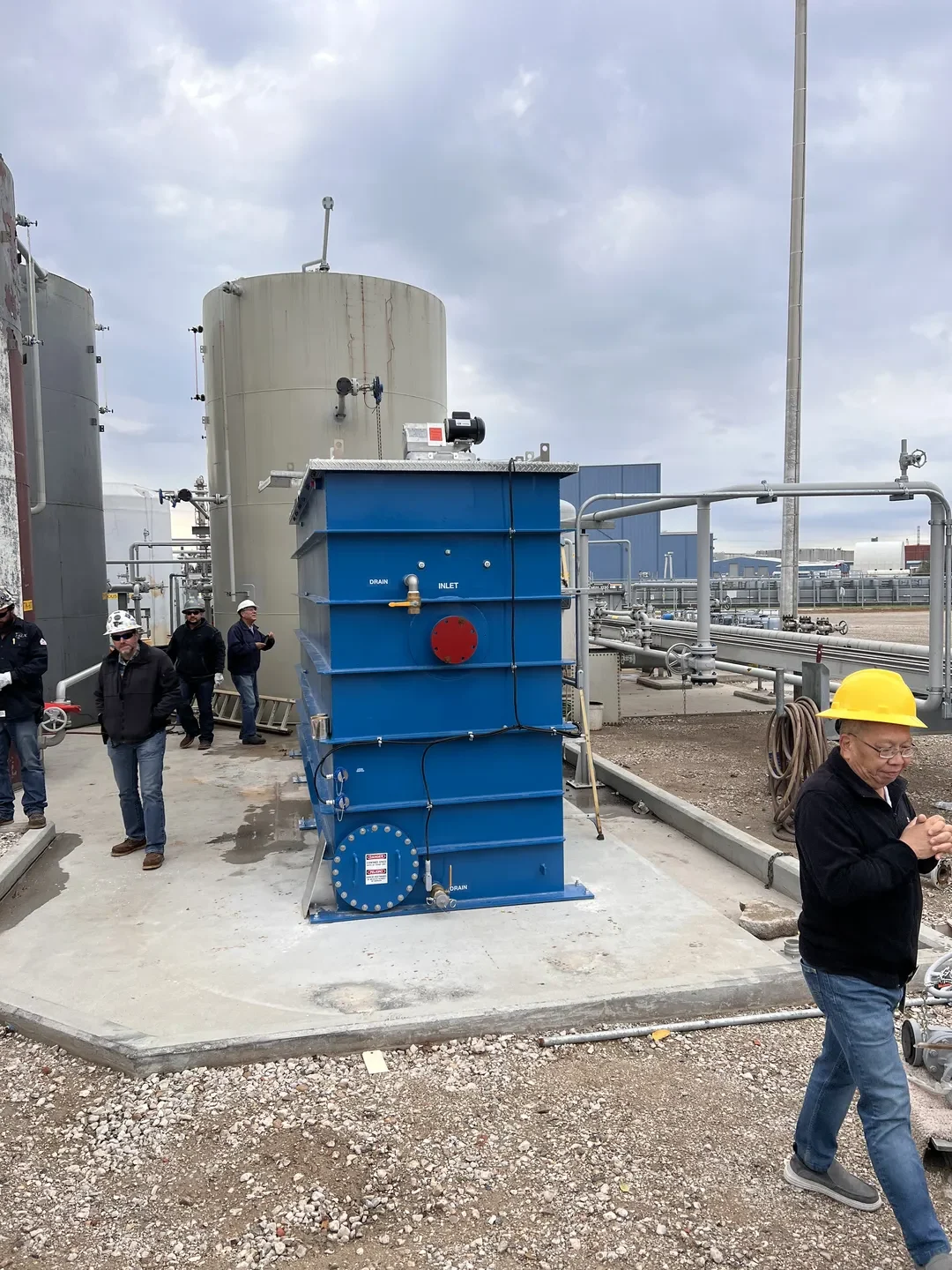
8. Compliance Isn’t a Sticker. It’s Physics You Can Prove.

API 421 isn’t outdated — it’s ignored.

The difference between claiming compliance and executing it comes down to geometry, access, and integrity. Mercer designs to the standard’s intent: systems built for inspection, cleaning, and decades of performance in the most demanding conditions.

API 421 doesn’t need rewriting. It needs remembering.