
INDUSTRY INSIGHT
Practical, Reliable Oil-Water Separation for Small Businesses and Light Industrial Operations
Commercial facilities face many of the same oily-water challenges as large industrial sites, but without the luxury of dedicated maintenance teams, excess floor space or high capital budgets. Car washes, mechanic shops, equipment rental yards, detailers, scrap handlers, small manufacturers and service companies all generate oily wash water that must be managed properly to stay compliant and avoid shutdowns.
The problem is that many small businesses buy the cheapest separator available, only to discover that routine plugging, and expensive cleanouts quickly erase the “savings.” Mercer offers commercial operators a different path: reliable enhanced-gravity separation built around open-flow design, simple maintenance and predictable performance.
Build Your Design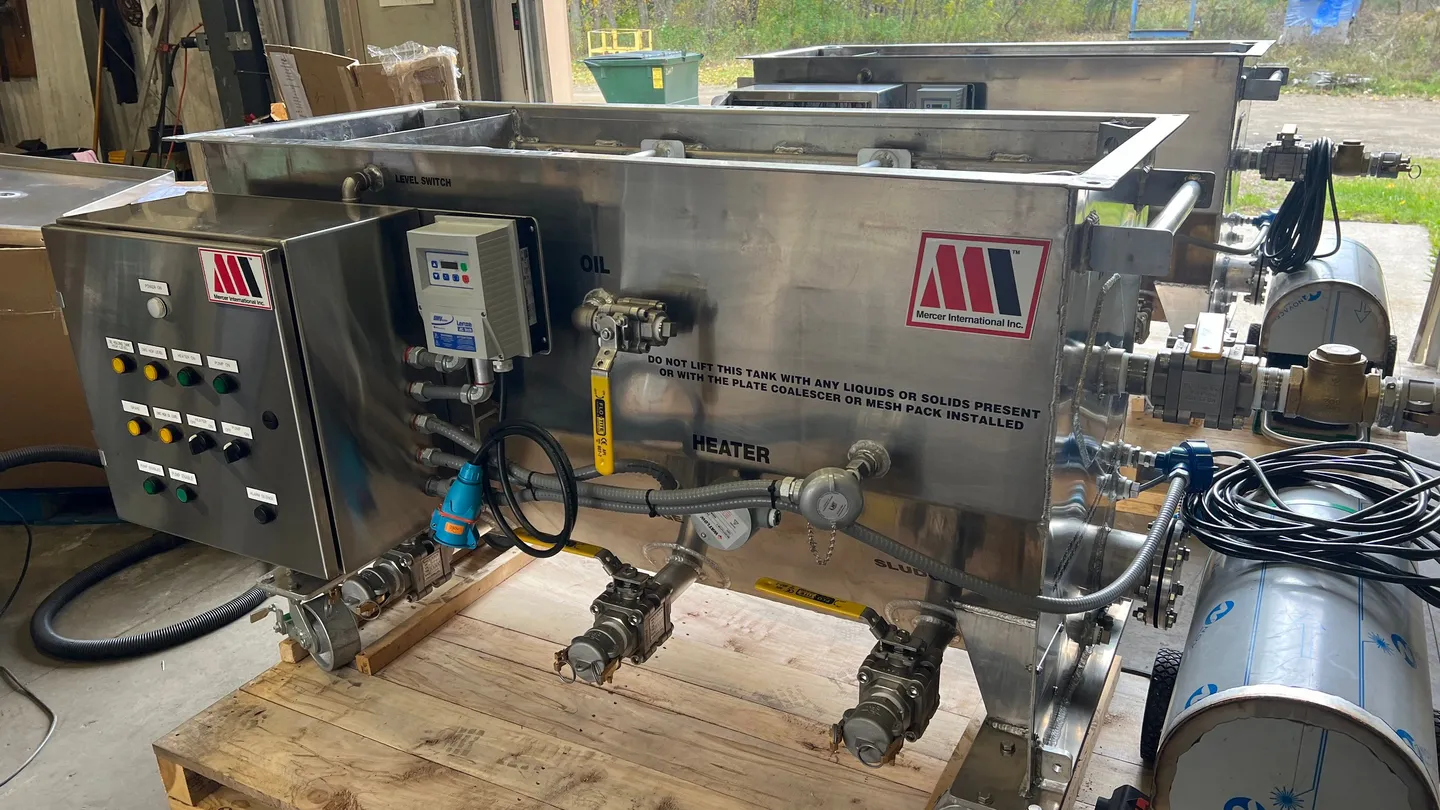
Commercial wastewater carries a mix of oils, greases and solids depending on the type of operation. Common sources include:
While each business is different, they all face the same requirement: control oily wastewater at the source to avoid violations, rising disposal costs and unexpected operational interruptions.
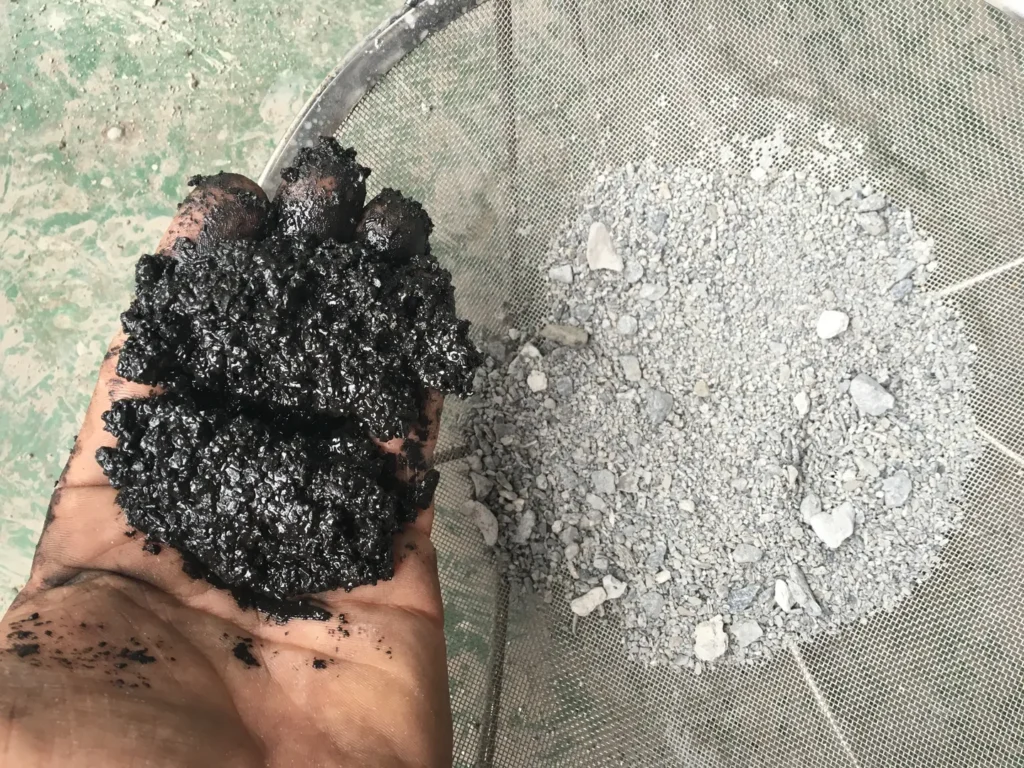
Most commercial-grade oil water separators are built around low-cost, tightly spaced plastic media. These designs may look appealing at the point of purchase, but they blind quickly under normal washdown solids and oils. As fouling increases, flow paths narrow, separation performance collapses and maintenance becomes a constant battle.
For small operators, the result is downtime, unplanned cleaning expenses and a system that never performs the way the brochure promised. Equipment that was meant to “solve a compliance issue” often becomes a new monthly cost center.
Commercial facilities need a separator that can handle real-world debris, variable flows and different oil types without constant intervention.
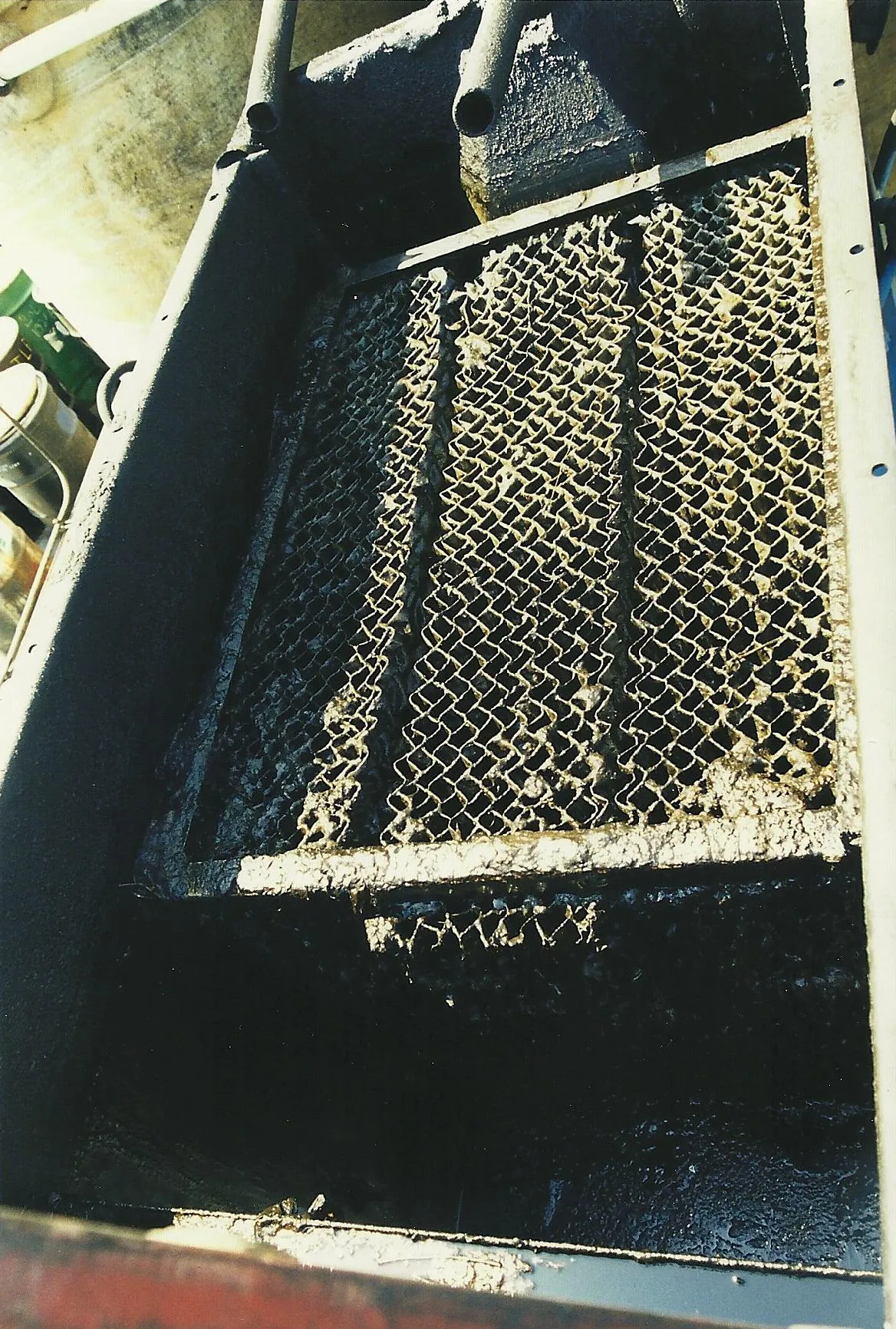
Mercer brings industrial-level design principles to the commercial market. The Multi-Pack coalescer uses wide gap, open flow geometry that tolerates solids from washdowns, fine debris from mechanical work and the heavier contaminants common in vehicle maintenance. Because the rise paths stay open, separation performance remains consistent instead of collapsing between cleanings.
Mercer systems also emphasize accessibility. Internals can be reached easily for inspection, cleaning or flushing, reducing both downtime and service costs. Many commercial operators choose Mercer specifically because the equipment does not require specialized crews or extensive shutdowns to keep it functioning.
Solids management is integrated into the design. Defined settling zones and simple purge features prevent grit and debris from entering the coalescer pack, which protects long-term performance and reduces the risk of sudden clogging.
For small operations under regulatory pressure, the result is a system that stays in compliance, stays online and eliminates the cycle of buying a low-cost separator only to replace it when it fails.
Why Mercer
Mercer separators are used across a wide range of commercial settings, including:
Wherever oily wash water is generated, a Mercer system provides dependable separation that protects both compliance and the bottom line.
Yes. Systems can be sized for compact footprints, while still providing the wide-gap plate geometry needed for reliable separation.
Most low-cost units use narrow plate spacing that blinds quickly. Mercer uses wider, open flow geometry that stays online longer and is easier to maintain.
Mercer includes defined solids settling zones and purge features that prevent debris from clogging the coalescer pack.
No. Systems are designed so operators can visually inspect, access and clean without major disassembly or specialized tools.
Yes. By managing oil and solids at the source, Mercer systems help commercial operators avoid disruptions and maintain environmental compliance.
