design center

Oil-Water Separator Inlet/Outlet Flow Distribution Baffles
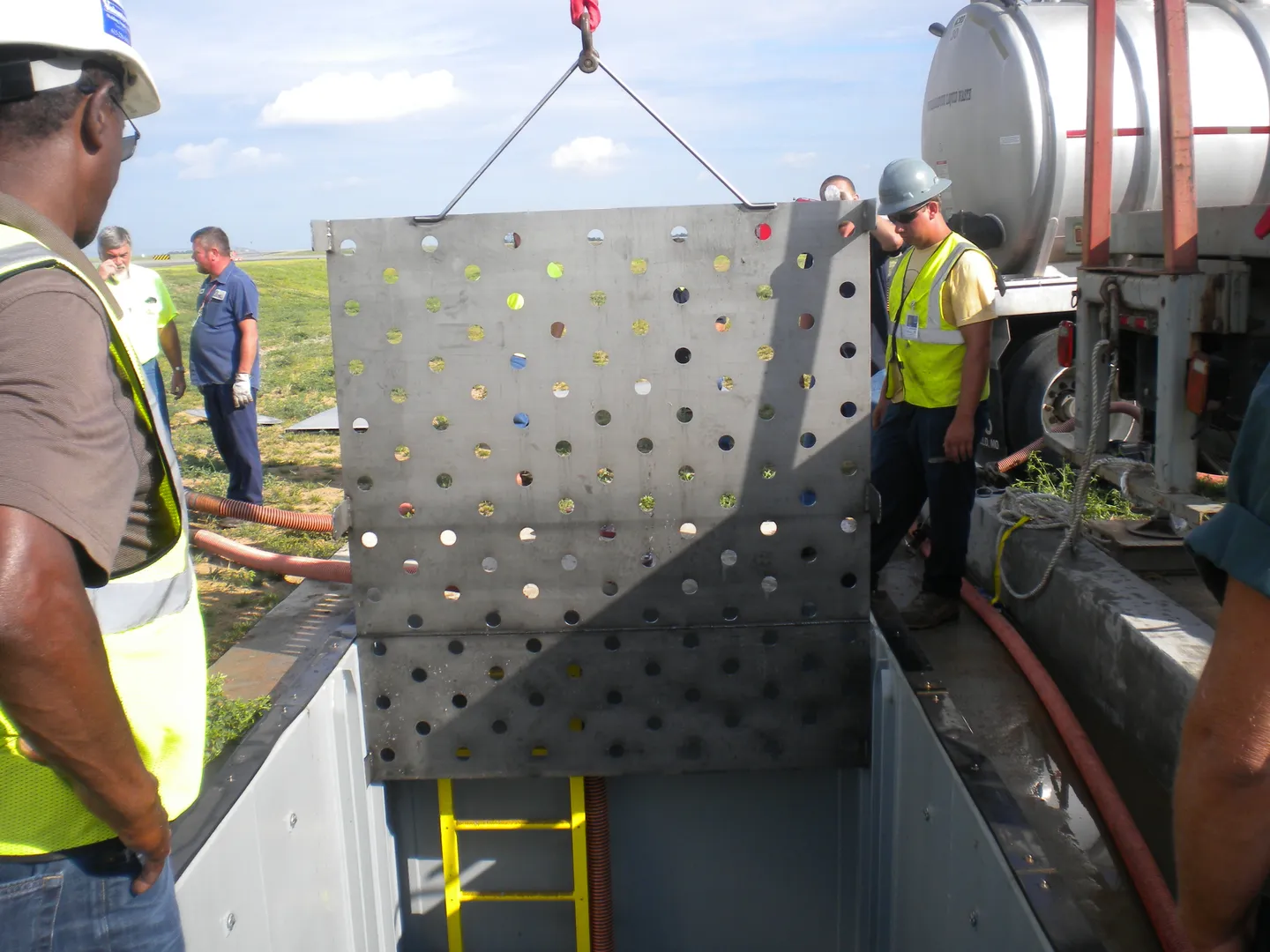
Controlled Hydraulics From Entry to Exit — Not Left to Chance

request a free audit

Oil-Water Separator Inlet/Outlet Flow Distribution Baffles

Overview

In an oil-water separator, good separation is only possible when the flow entering and exiting the plate pack is stable, evenly distributed, and hydraulically balanced. That is why Mercer designs its systems with a dedicated inlet and outlet flow-distribution architecture — not a simple deflector, splash plate, or open pipe discharge.

Most separators use unengineered inlets that push water into the tank unevenly, creating jetting, high-velocity pockets, dead zones, and inconsistent loading. This destabilizes the separation environment before the water even reaches the coalescer.

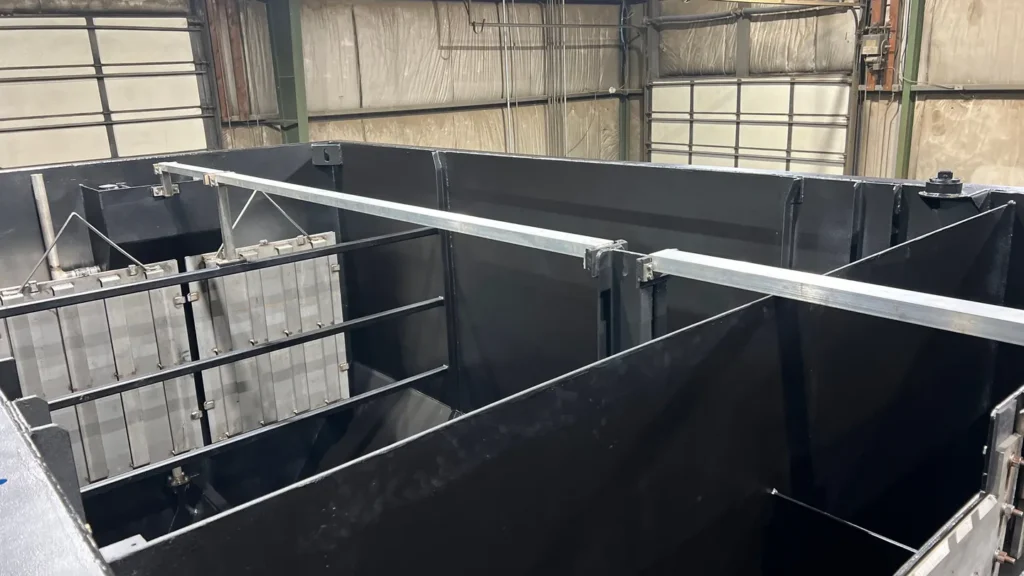
Mercer eliminates these issues by designing the entire internal flow path — from the moment wastewater enters the separator to the moment clarified water exits — as a controlled hydraulic system.

The result is a separator that loads the plate pack predictably, maintains consistent rise and settling conditions, and avoids the channeling, short-circuiting, and mixing that undermine most field-installed units.

Why Uncontrolled Flow Fails

Based on the engineering explained on Mercer’s existing site, uncontrolled inflow creates:

When the hydraulic profile is unstable, predictable separation is impossible.
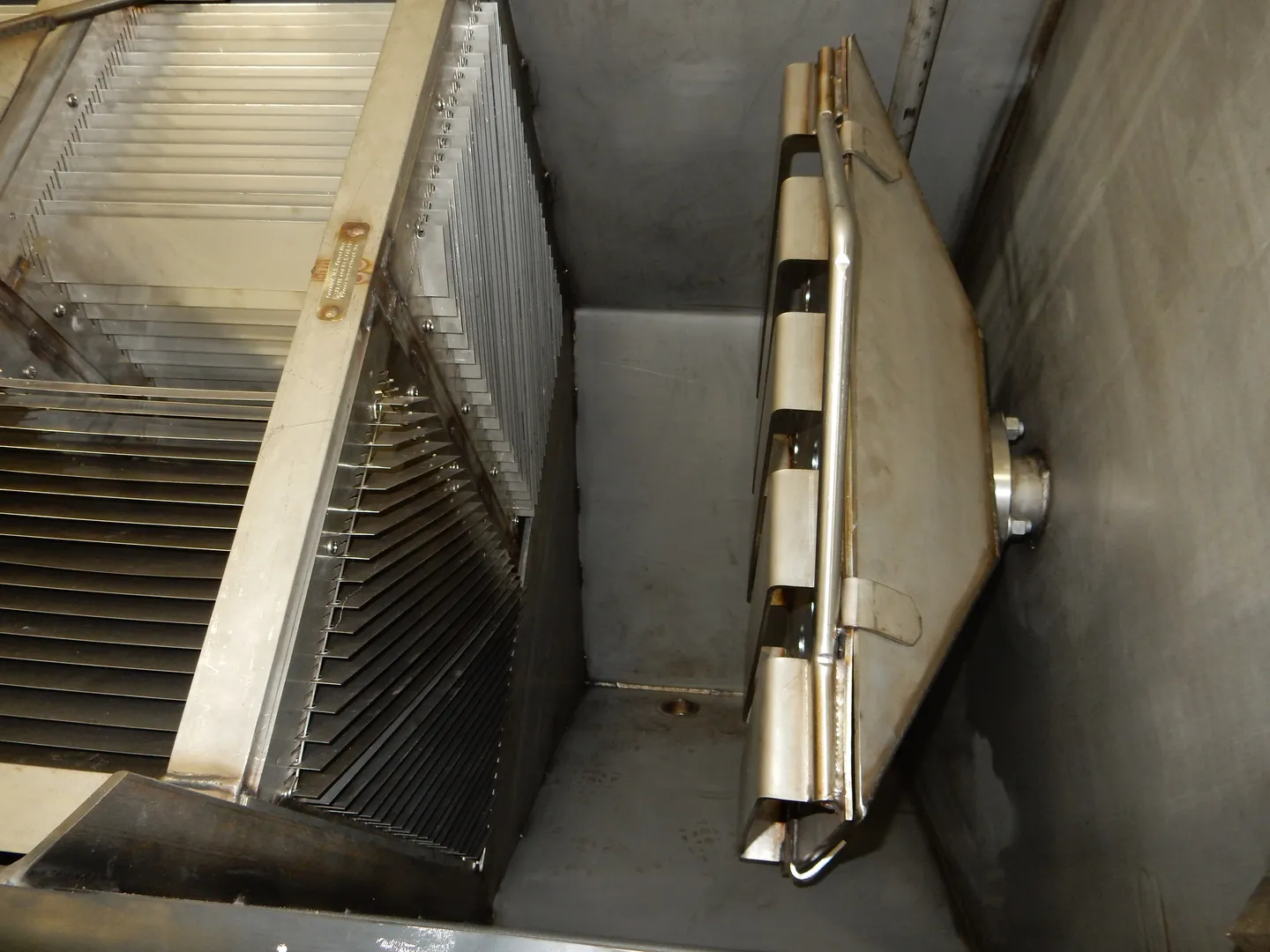
Mercer’s Inlet/Outlet Flow-Distribution System

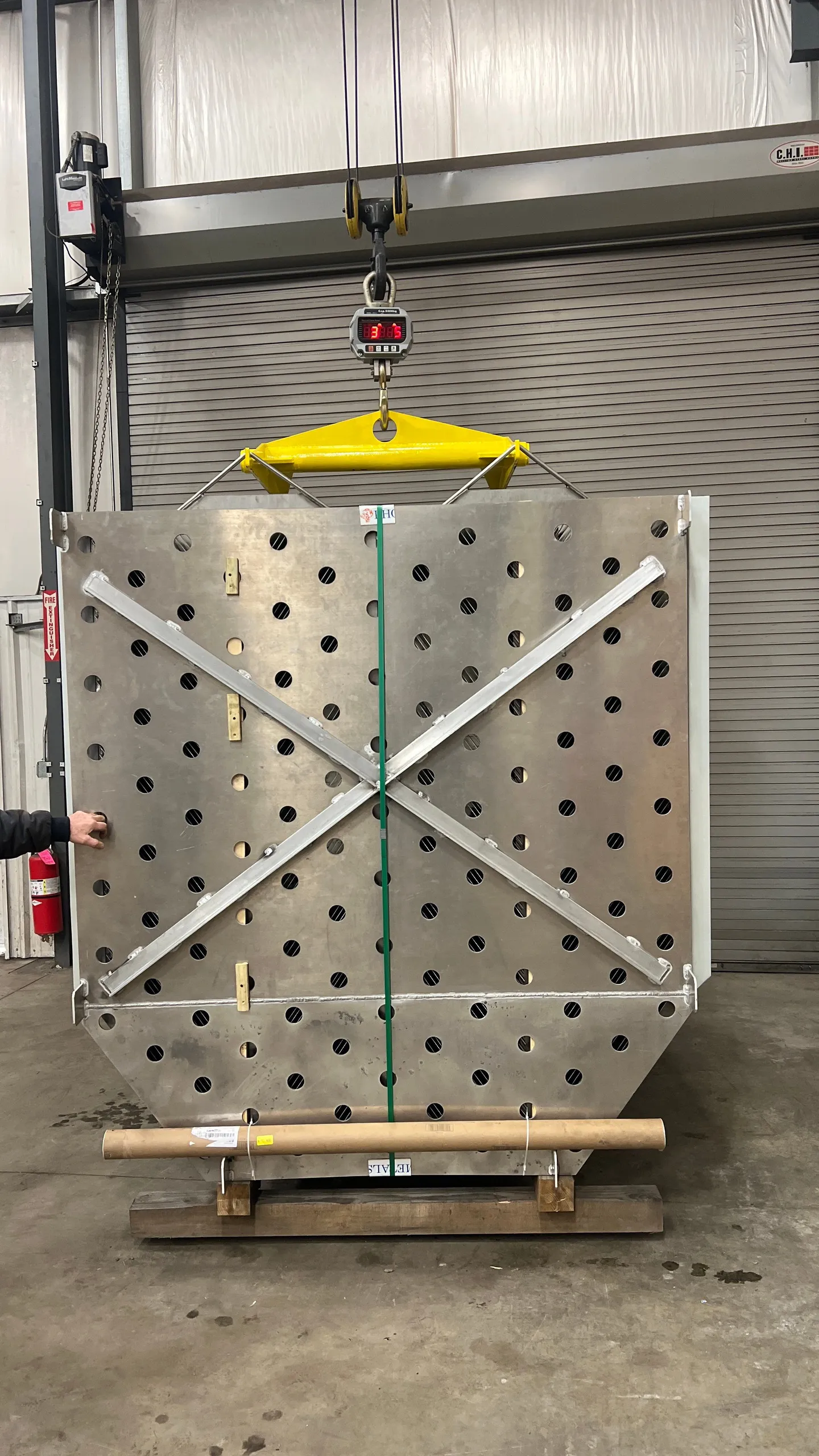
1. Inlet Energy-Breaking Baffle System

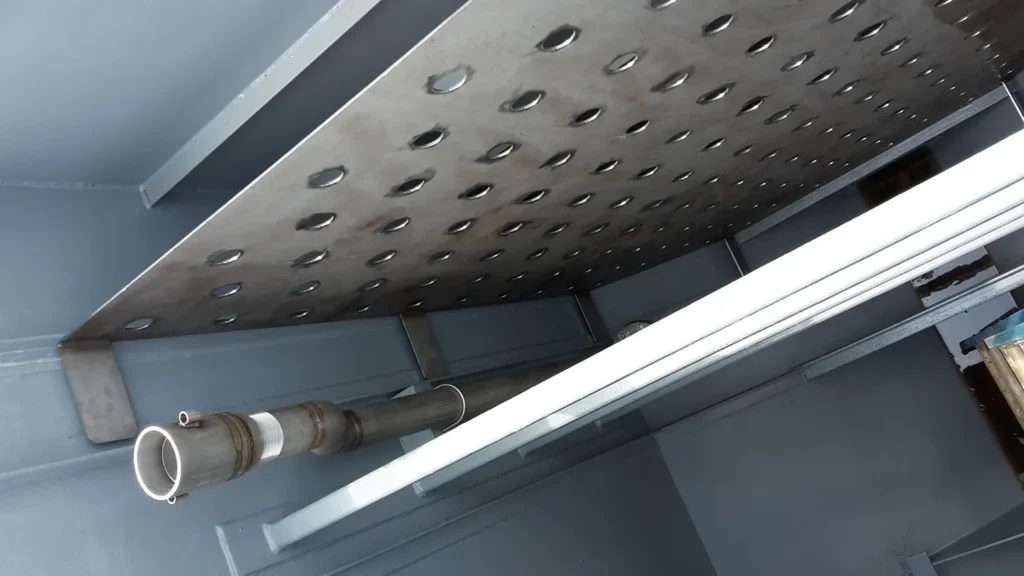
Mercer’s inlet baffle breaks incoming momentum and redistributes the flow laterally across the tank. This controlled entry zone:

  • Reduces inlet velocity
  • Eliminates jetting toward the tank floor
  • Guides water uniformly toward the plate pack
  • Prevents solids from being driven into unintended areas
  • Sets the hydraulic conditions needed for consistent coalescence
  • Places removal as close to the theoretical/mathematical as proven

The inlet baffle is the first stage of Mercer’s internal flow-conditioning system.

2. Even Flow Loading Across the Plate Pack

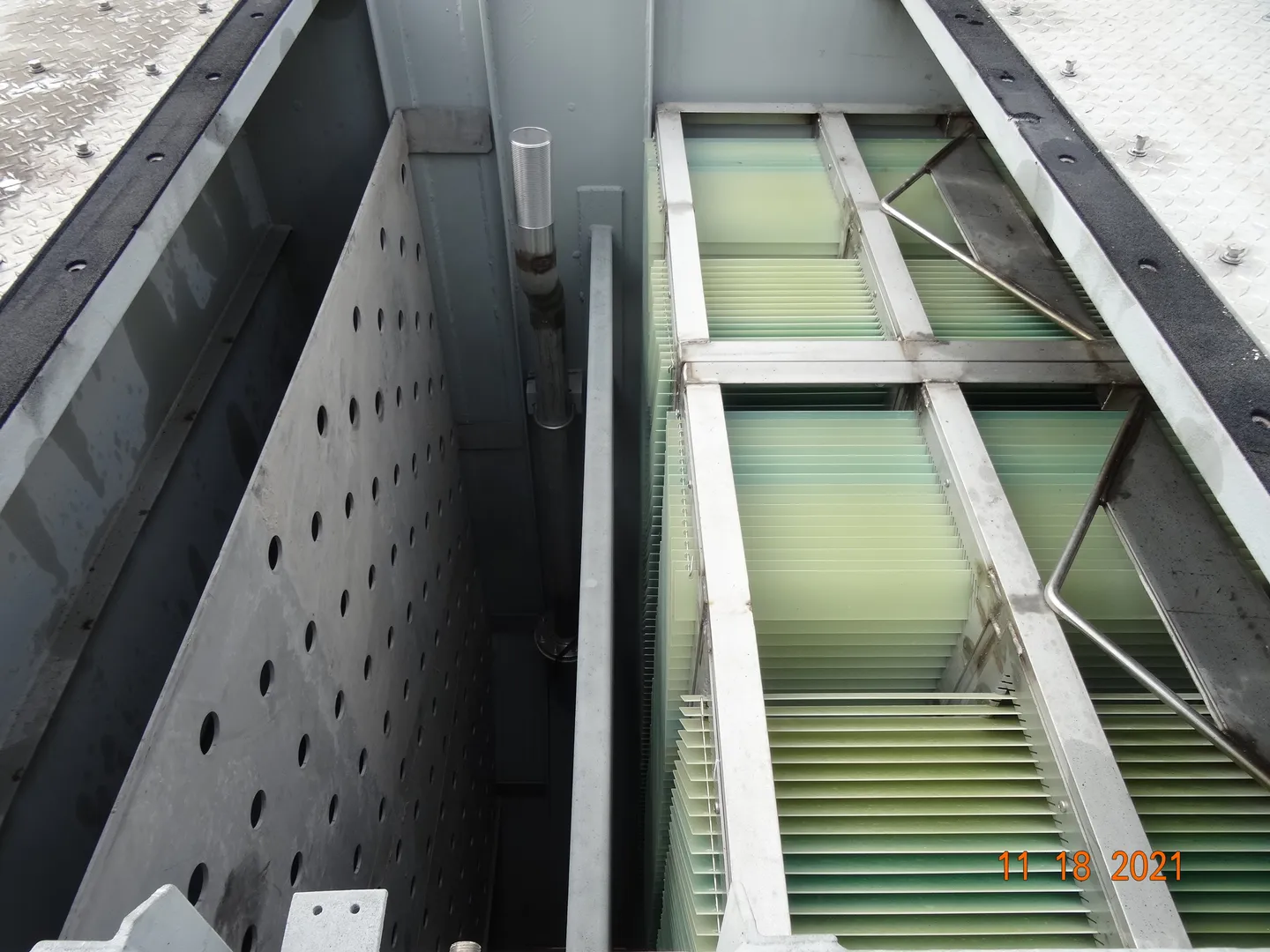
After the inlet zone, the flow-distribution baffle ensures the wastewater spreads evenly across the entire width of the Multi-Pack™ coalescer.

This prevents:

  • Overloading on one side
  • Under-utilization on the other
  • Crossflow through the plate pack
  • Performance decline due to uneven hydraulic lanes

Uniform loading is essential to maintaining the laminar environment the plates are designed to support.

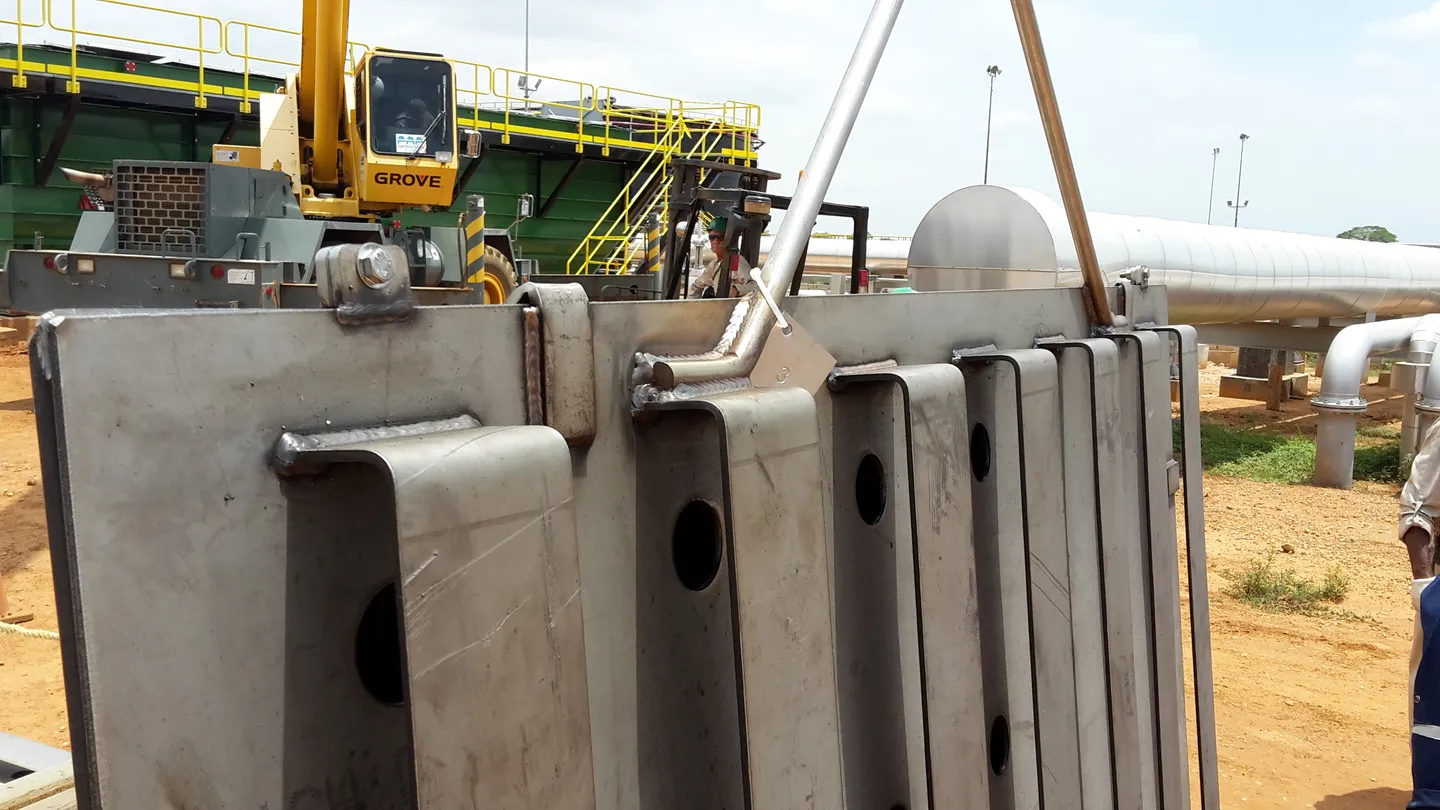
3. Outlet Baffle for Surface Stabilization and Controlled Discharge

At the exit, Mercer uses an engineered outlet baffle to stabilize the surface environment and ensure consistent draw-off of clarified water. This baffle:

  • Prevents surface oils from being pulled toward the outlet
  • Maintains a calm, uniform water level across the width of the separator
  • Reduces crosscurrents that can interfere with oil removal
  • Ensures the effluent leaves the tank in a smooth, controlled manner
  • Prevents the flow path from being pulled down and out of the coalescer

Together, the inlet and outlet baffles maintain the internal hydraulic balance required for predictable separation performance.

What It Solves

Real-World Impact

With controlled flow distribution, operators see:

Balanced hydraulics make the entire separator — not just the plate pack — work the way it was designed.
Put Mercer’s Engineering to Work

If uncontrolled flow is limiting your separator’s performance, Mercer will analyze your system and test your wastewater at no cost.

If testing shows Mercer’s solution will not deliver meaningful improvement, you will know before you commit to anything. Free testing and evaluation are included.

Request Free Audit

FAQs: Inlet/Outlet Flow Distribution Baffles

Q.

Why is proper flow distribution so important in oil-water separation?

A.

Because separation depends on steady, evenly distributed hydraulics. Without uniform flow, plate packs cannot perform as designed.

Q.

What does the inlet baffle actually do?

A.

It absorbs the energy of incoming flow, reduces velocity, and spreads the water laterally to prepare it for effective coalescence.

Q.

How does the outlet baffle protect effluent quality?

A.

It stabilizes surface conditions and prevents surface oils from being drawn toward the discharge point, ensuring clarified water exits under controlled conditions.

Q.

Can a well-designed flow-distribution system reduce fouling?

A.

Yes. Balanced hydraulics prevent solids and contaminants from being forced into areas that lead to bridging or internal clogging.

Q.

Will Mercer evaluate whether poor flow distribution is the cause of performance issues?

A.

Yes. Mercer provides free testing and hydraulic analysis. If poor flow distribution is the bottleneck — or if a Mercer system won’t make a meaningful improvement — you will know before committing.