
Flat Plate Herring-Bone Design

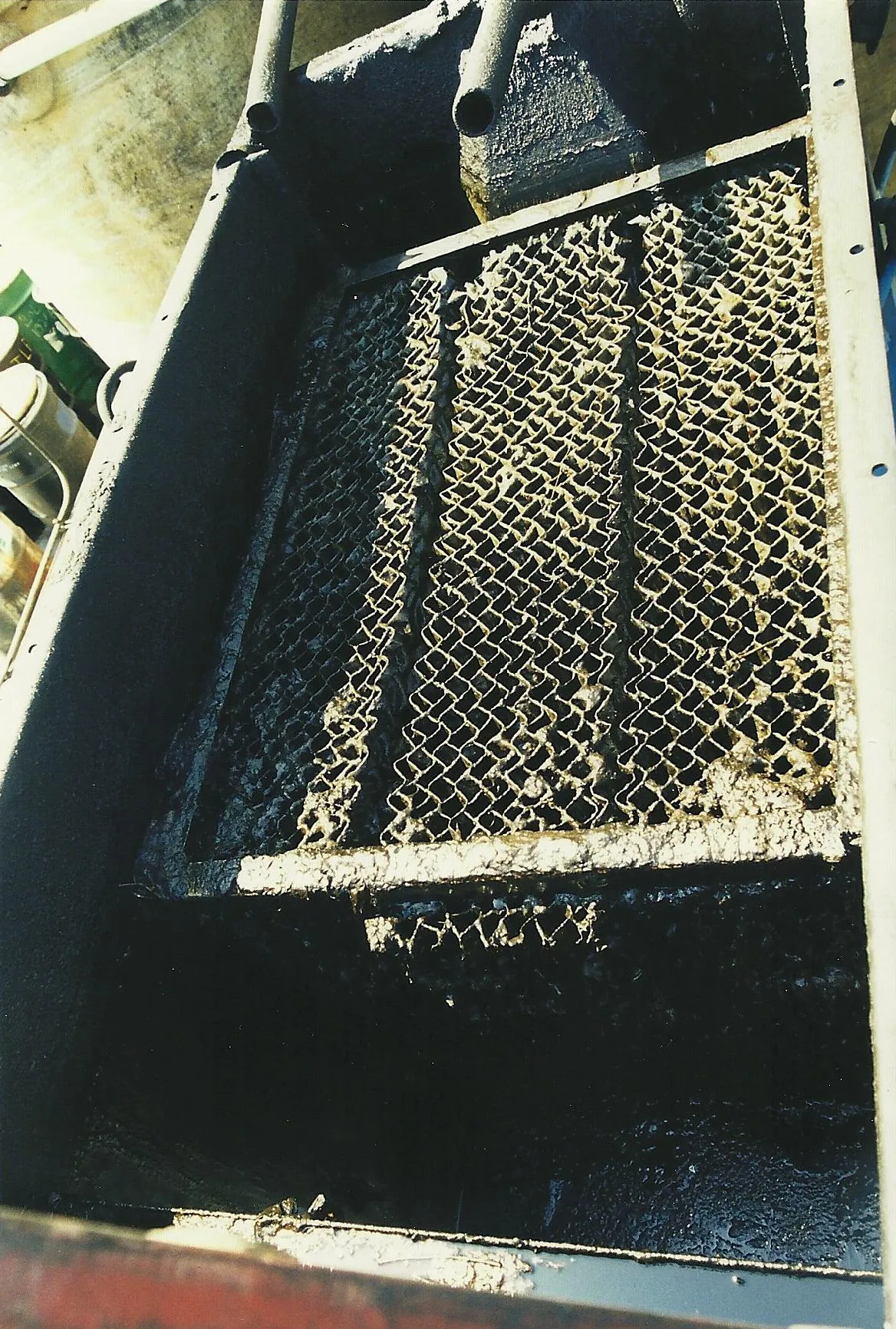
The industry is crowded with corrugated, sinusoidal, tube-style, and molded plastic packs that look efficient on paper. In reality, these designs collapse under real wastewater conditions due to:
Once the flow transitions out of laminar conditions, separation efficiency drops rapidly — and it typically happens long before anyone expects.
Mercer’s flat-plate pack avoids all of these failure modes by staying deliberately simple and physically appropriate for industrial loading.
Here are the actual engineering reasons Mercer uses this configuration — pulled directly from the company’s long-form technical basis.
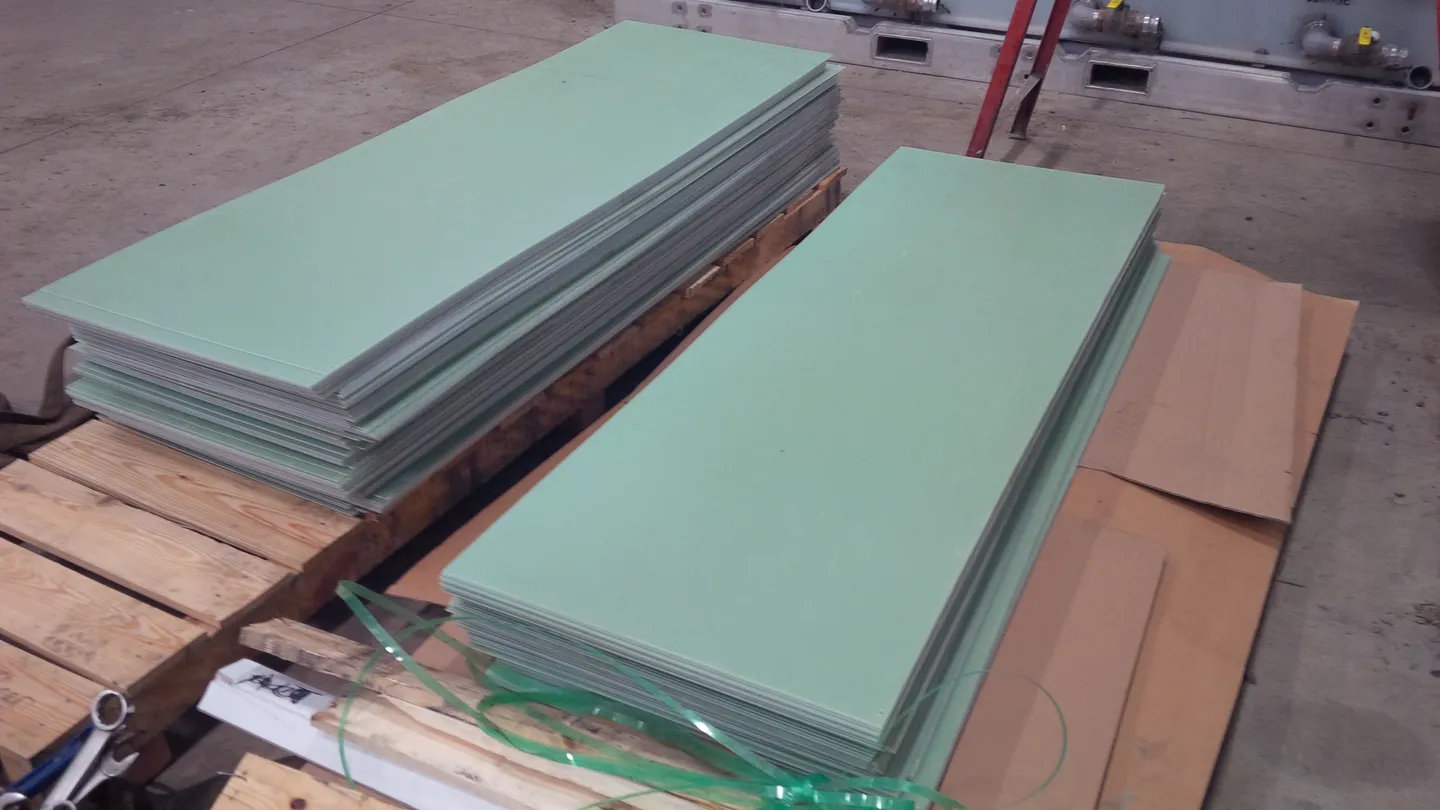
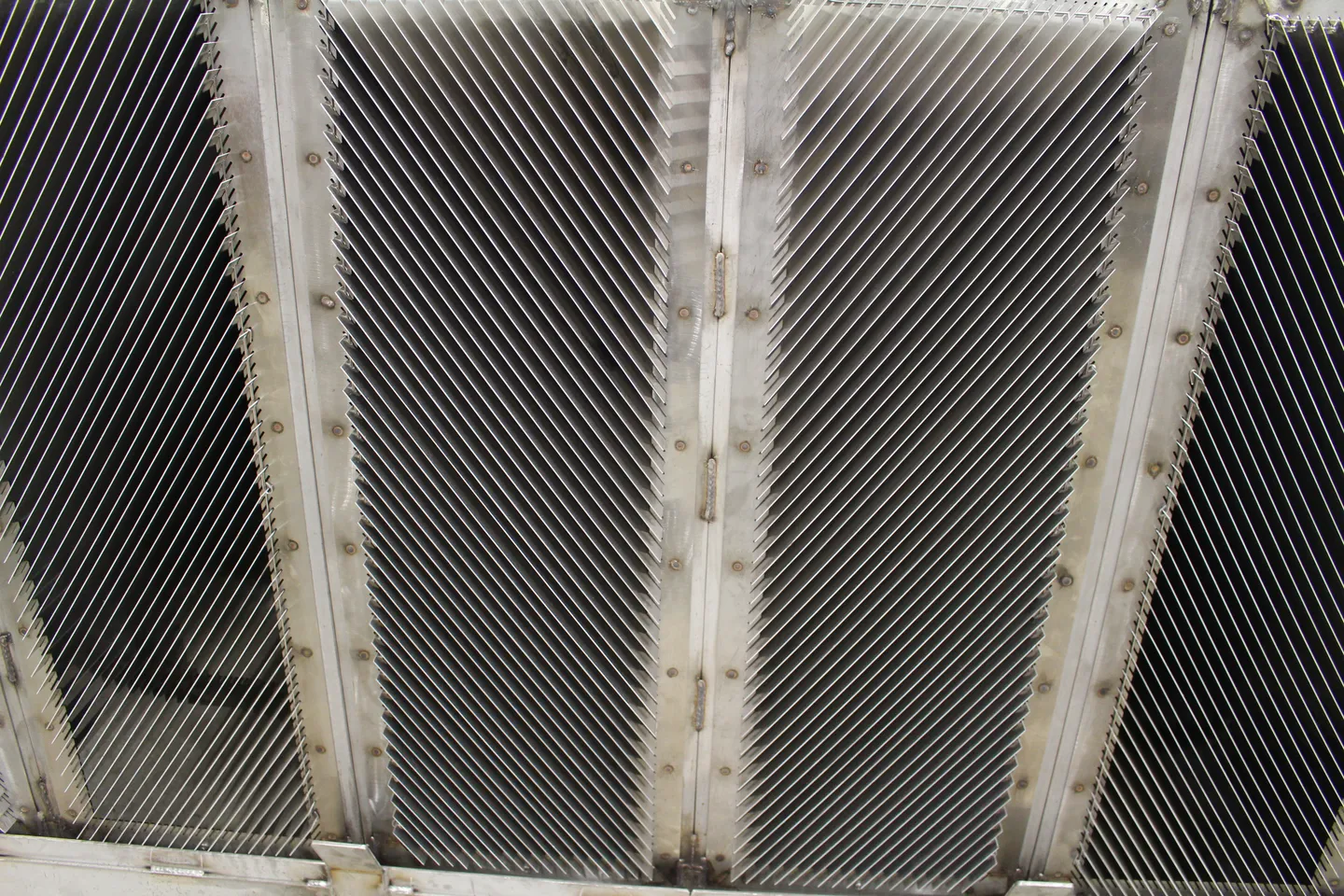

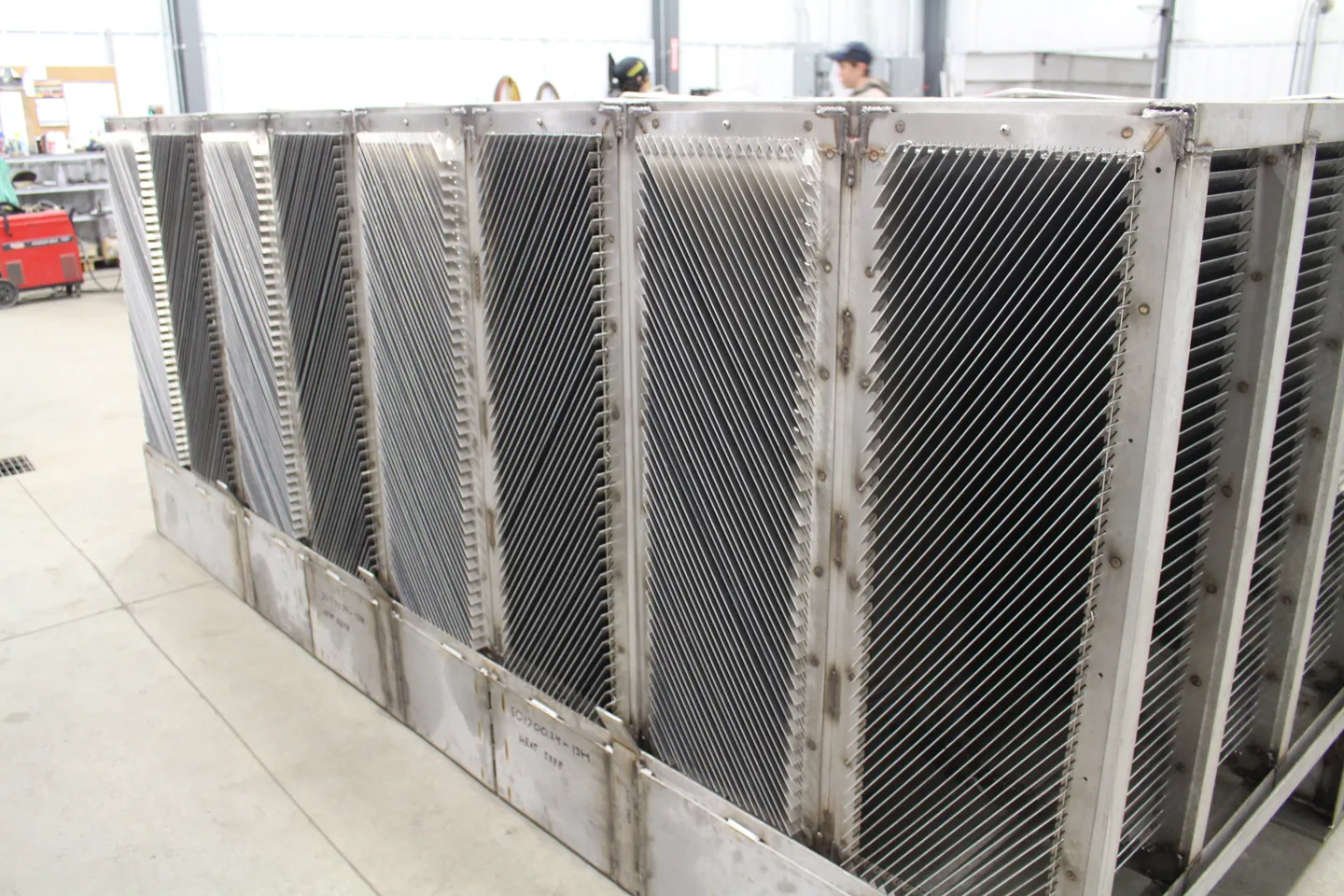
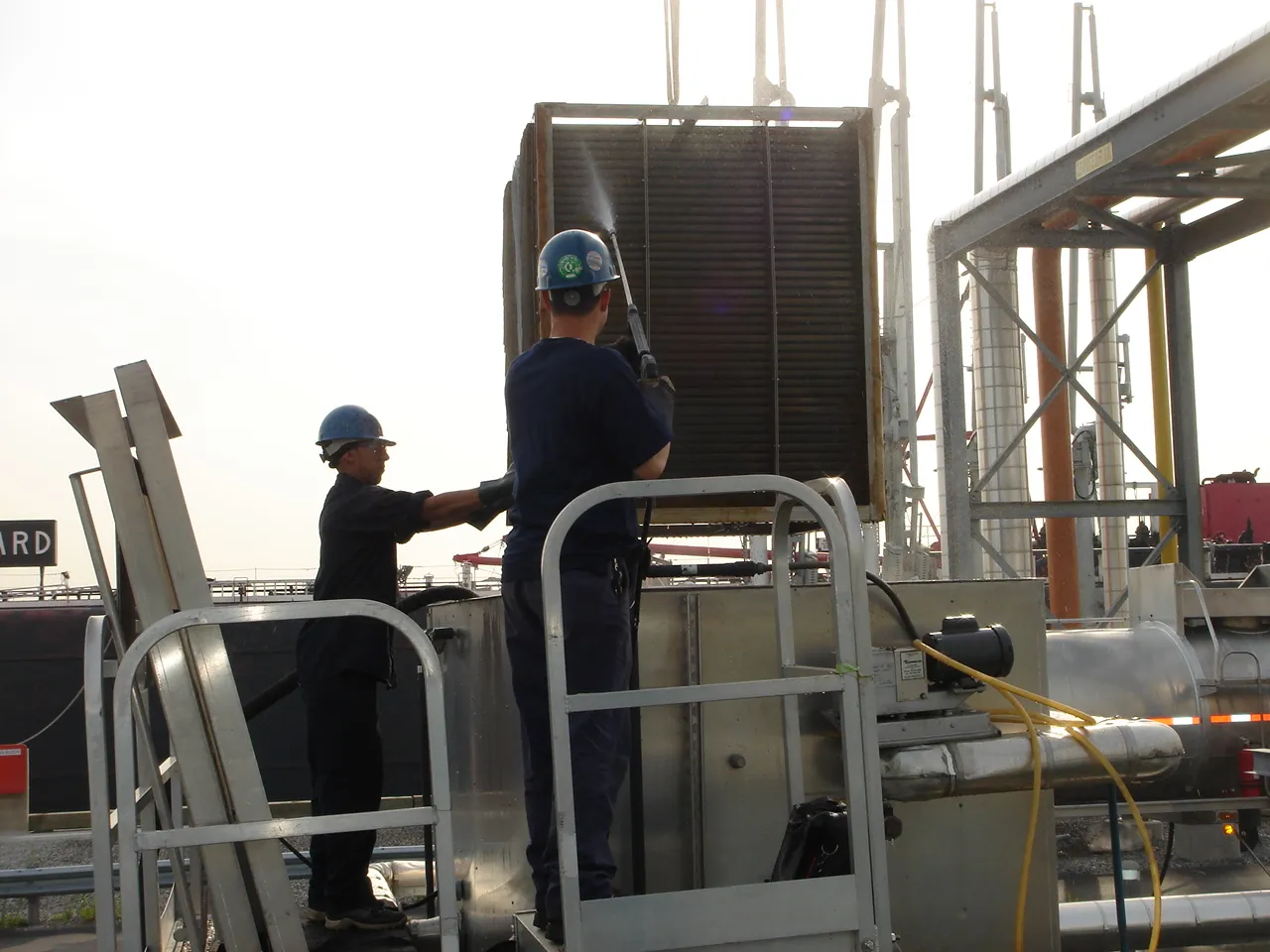
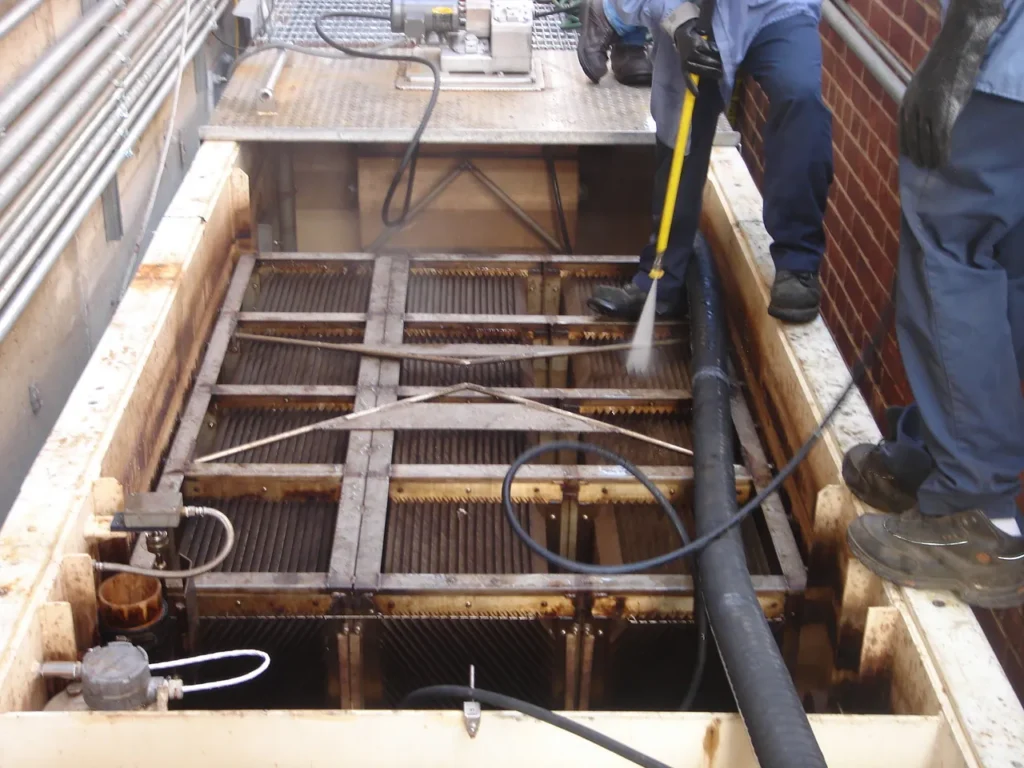
A Mercer plate pack behaves the same across its entire depth and over its entire life. Industrial operators consistently report:
Flat plates keep doing their job even when solids spike, flows surge, or upstream behavior changes — which is why Mercer still builds them this way decades later.
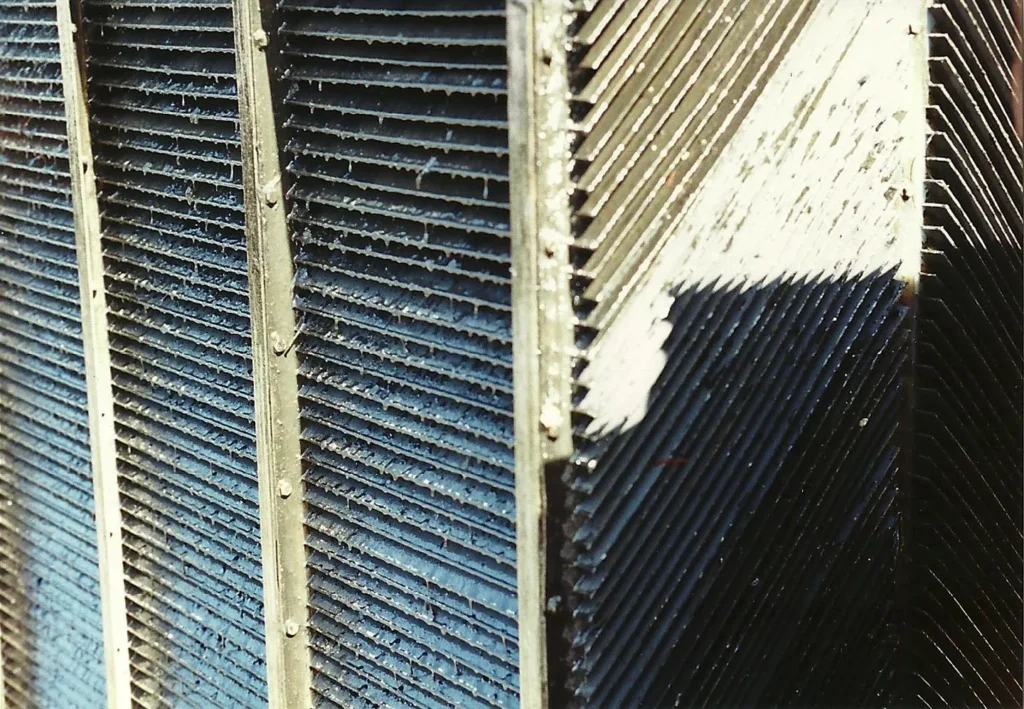
If you want real, measurable separation improvement — not theoretical performance — start with a free evaluation. Mercer will test your wastewater, analyze your current system, and tell you honestly whether the flat-plate pack will deliver the improvement you’re looking for.
If testing shows it will not provide meaningful improvement, you will know before you commit. Free testing and evaluation are included.
Flat plates maintain a large equivalent diameter, keeping the flow laminar and reducing sludge trapping — critical for industrial wastewater.
55° balances oil rise and solids fall, allowing both to move predictably without intersecting or lodging.
Typically 24 inches or less, improving separation speed and effectiveness — especially with small droplets.
Yes. The open geometry and flat surfaces shed solids naturally and resist clogging better than complex shapes.
Yes. Mercer provides free, honest testing. If the results don’t show meaningful improvement, Mercer will say so upfront.
