Mercer International logo representing oil water separator services and technology in Albany, NY. design center

Oil & Gas: Downstream

Smarter Separation for Refineries and Process Facilities

request a free site audit
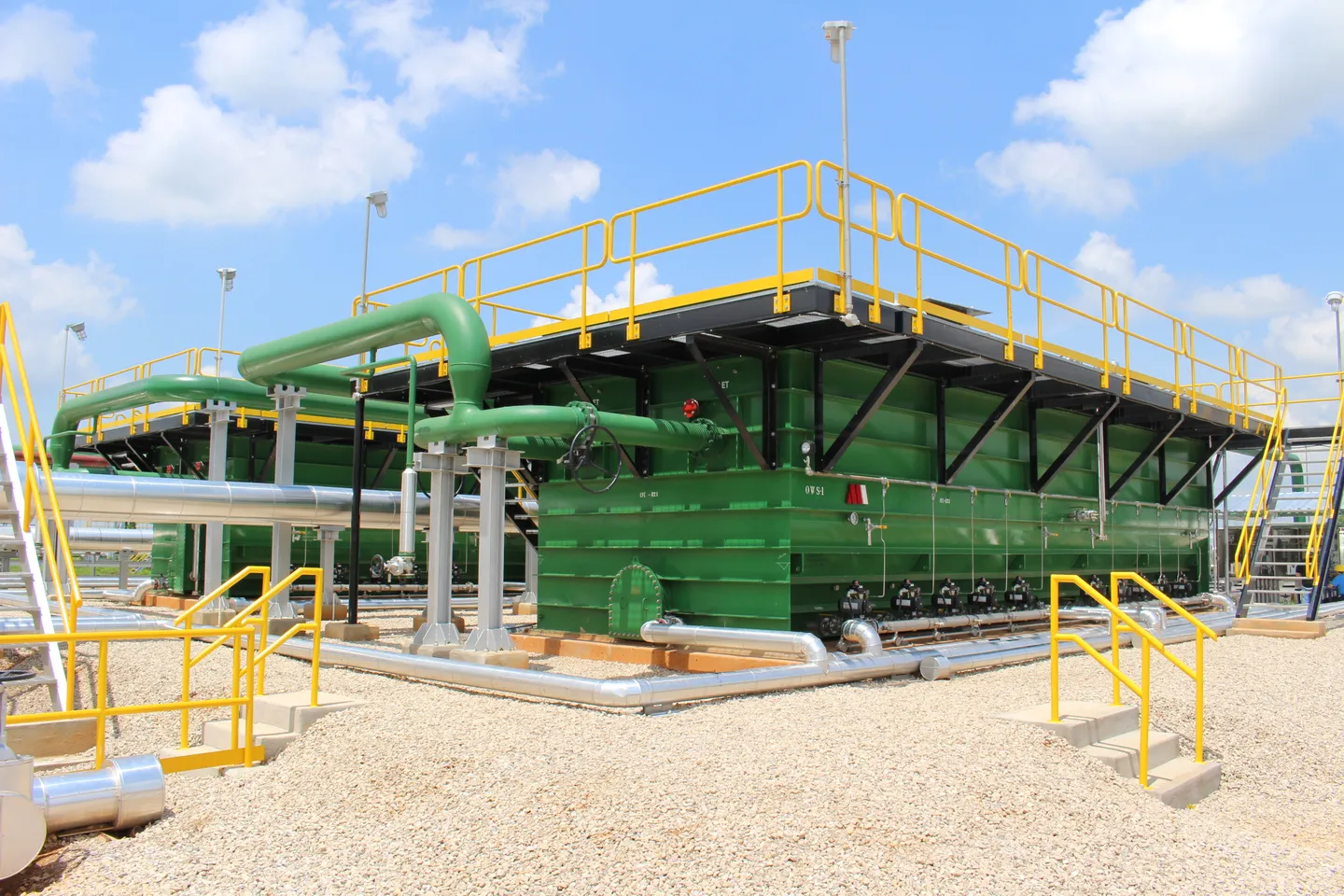
Green oil water separator with yellow handrails and platforms at a downstream oil and gas facility

INDUSTRY INSIGHT

Industry Overview

Mercer’s enhanced gravity separators replace outdated concrete API tanks and corrugated units with those that provide automated, compliance-ready solutions for refinery wastewater and process drainage.
In refinery and petrochemical operations, oily wastewater is a constant byproduct from desalters and washdowns to stormwater containment and equipment drainage. Many refineries still rely on concrete API separators where chain-and-flight skimmers never worked as intended, or were removed years ago. Without functional removal systems, these basins slowly choke with floating oil, sludge mats, and accumulated solids. Operators are left hand-cranking skimmers, dealing with collapsed water columns, and fighting constant TOG/TSS carryover into the WWTP.

Mercer replaces that entire failure cycle. Our systems deliver automatic oil recovery, timer-controlled solids purging, and stable, full-volume hydraulic performance. Vapor containment and odor reduction are built in, and the Multi-Pack™ coalescer captures oil droplets up to three times smaller than legacy technology can touch. The result: dependable, automated primary separation that finally gives downstream treatment a fighting chance — and restores the performance that refineries have been missing for decades.

Mercer International’s Compliance Master™ separator, equipped with the Multi-Pack™ coalescer system, is engineered for high-efficiency removal of free and dispersed hydrocarbons across all refinery drainage points. These systems deliver API 421-level performance in a smaller, automated, and low-maintenance footprint, giving operators confidence in compliance and reliability.

Mercer’s downstream solutions bridge the gap between environmental responsibility and process uptime, ensuring cleaner water discharge, recovered oil revenue, and longer downstream treatment system life.

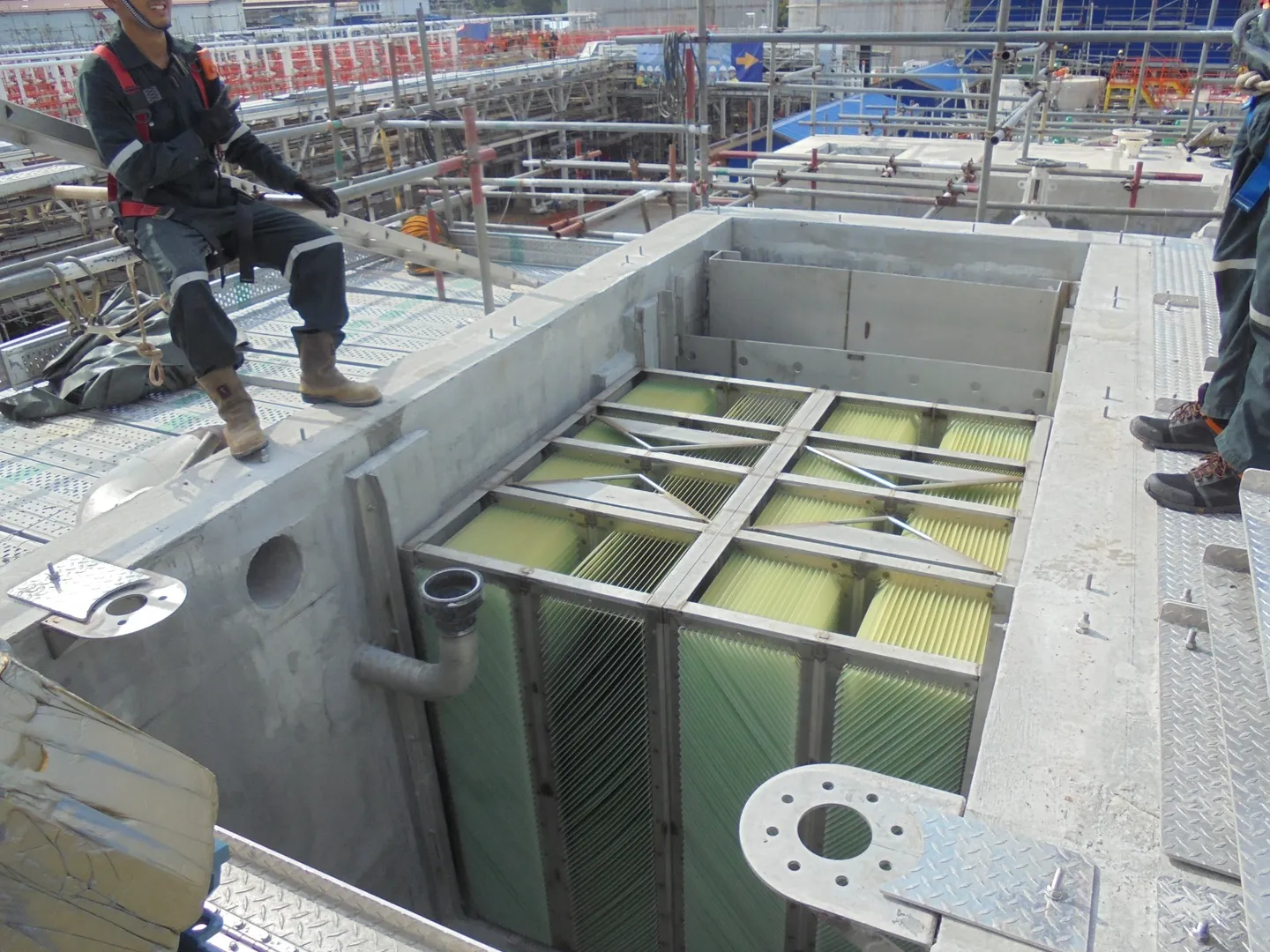
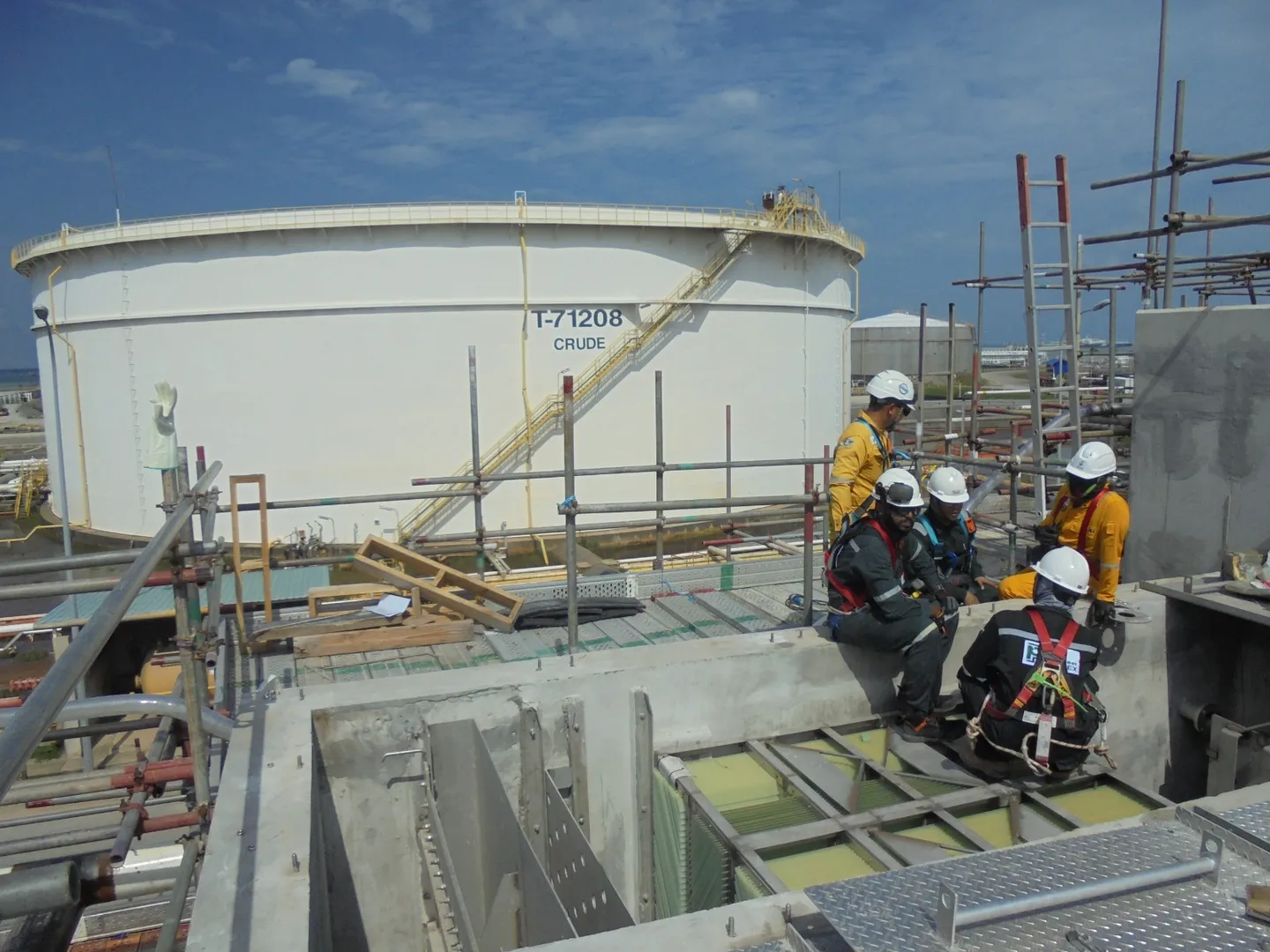
Workers beside a separator bay fitted with coalescing plate packs at a plant construction site

Challenges

Common Downstream Challenges

Aging Infrastructure

Many refineries still rely on oversized concrete API separators that occupy valuable real estate. With many units dating back to the 50s tank viability alone is a major issue.

Battling chain and flight systems

Most refineries turning to us have long since removed their aggravating merry go round removal systems. For those that are still keeping up the fight, this nightmare requires constant troubleshooting and replacement.


Insufficient oil removal capabilities

Slotted pipes and hand cranked manual skimmers? Good luck with that. With solids particulate creating a cottage cheese textured oil layers, the oil just sits and seeps. Getting oils to rise is only valuable if you can quickly remove it. The longer it sits, and the more time it has to comingle with solids, the quicker it will sink. Now you have weighted oily sludge at the bottom that likely doesn’t get cleaned until an outage. Little by little that oil will seep out and carry through the unit

A graveyard of oily sludge that only gets cleaned during an outage

Millions of dollars are thrown away calling in pumper trucks and men with shovels every 2 years to haul away oily solids that have no way out.


Emissions Sseepage

With many of these concrete tanks being open to the air, they have been difficult to bring into air quality compliance as regulators have pivoted. Floating covers or even concrete tops have been implemented, serving as the critical sealing point that preserves proper hydraulics and prevents the oil and solids carryover issues outlined above.

Mercer Multi-Pack™ plate pack configuration, engineered plate spacing and internal angles for optimized wastewater separation.

Solutions

Mercer’s Solution

Mercer’s Compliance Master™ and Multi-Pack™ coalescer technologies replace traditional API and CPI separators with true enhanced-gravity performance engineered for refinery conditions.
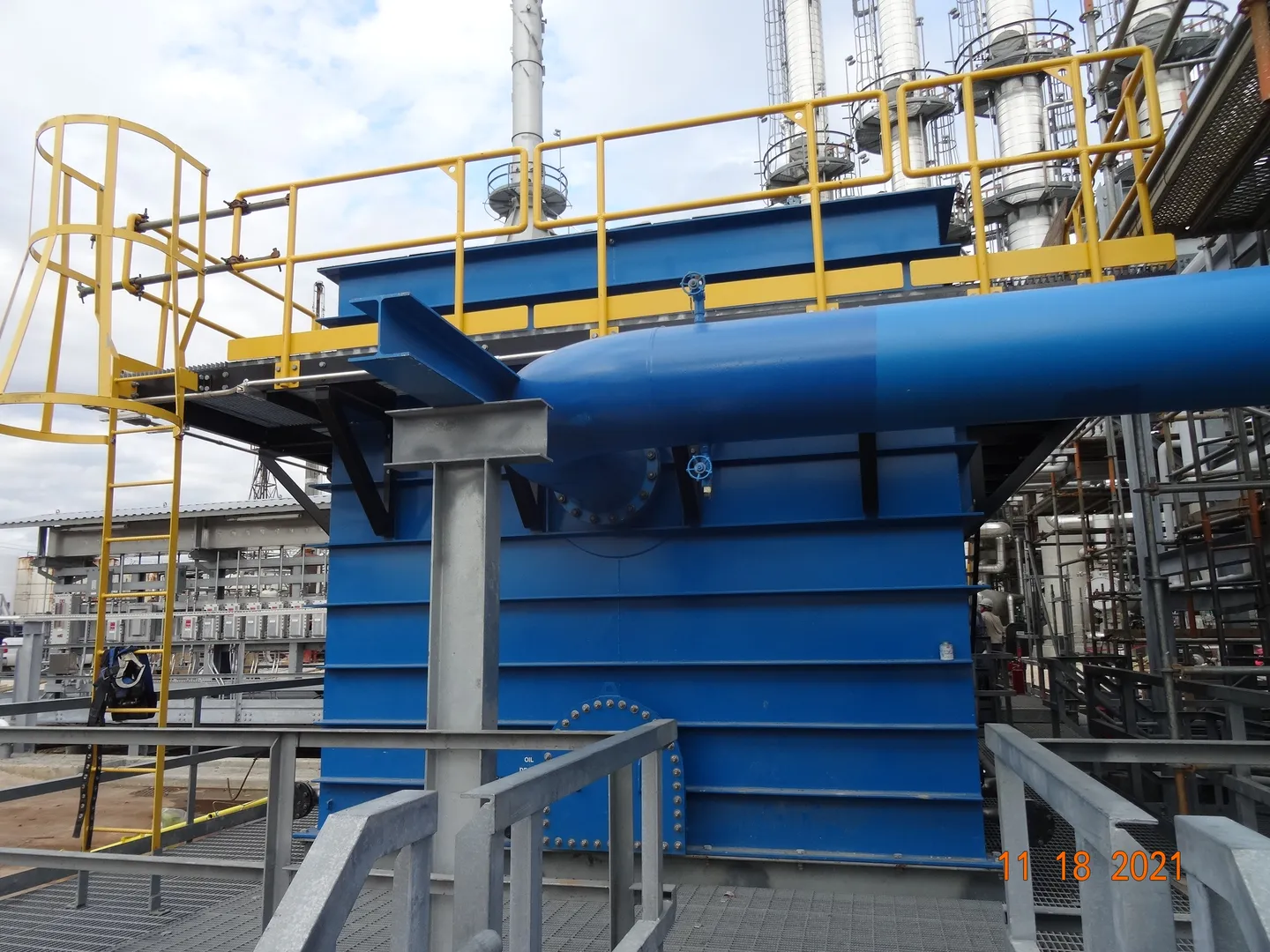
Large blue oil water separator with yellow access ladder and platforms at a refinery

Compact, High-Efficiency Design

Delivers the same or better separation in one-quarter of the footprint while capturing oil droplets three times smaller than legacy systems. The result: predictable, dependable uptime, even when process conditions shift.


Automatic Floating Oil Recovery

Mercer units can be equipped with electromechanical skimming to remove recovered product the moment it rises. We aren’t just coalescing the oil, we’re capturing it instantly. With a secondary decanting stage, recovered oils consistently test at <1% BS&W, reducing disposal hassles and improving product quality.

Oily water treatment basin with steel vessels and piping at a refinery

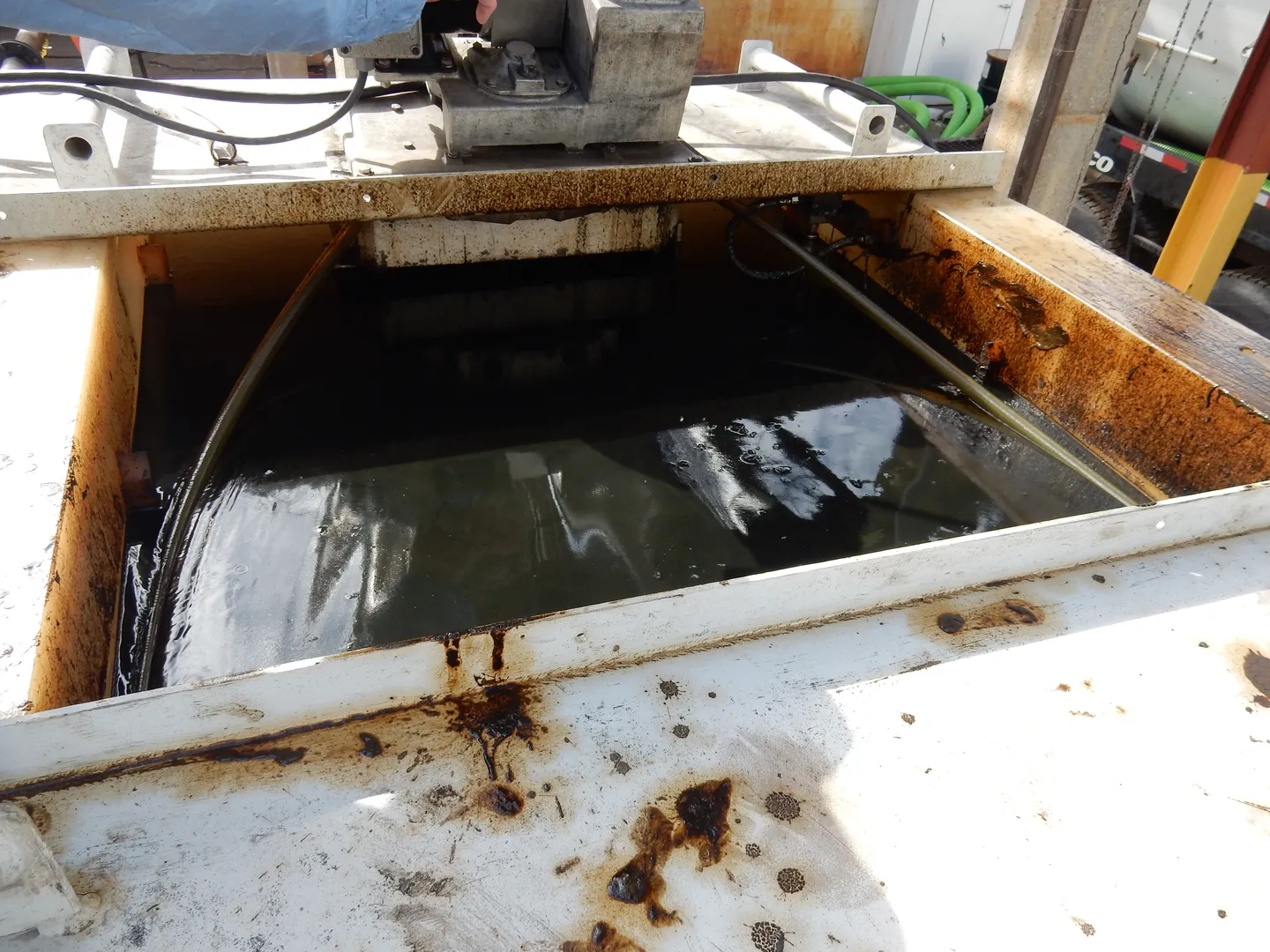
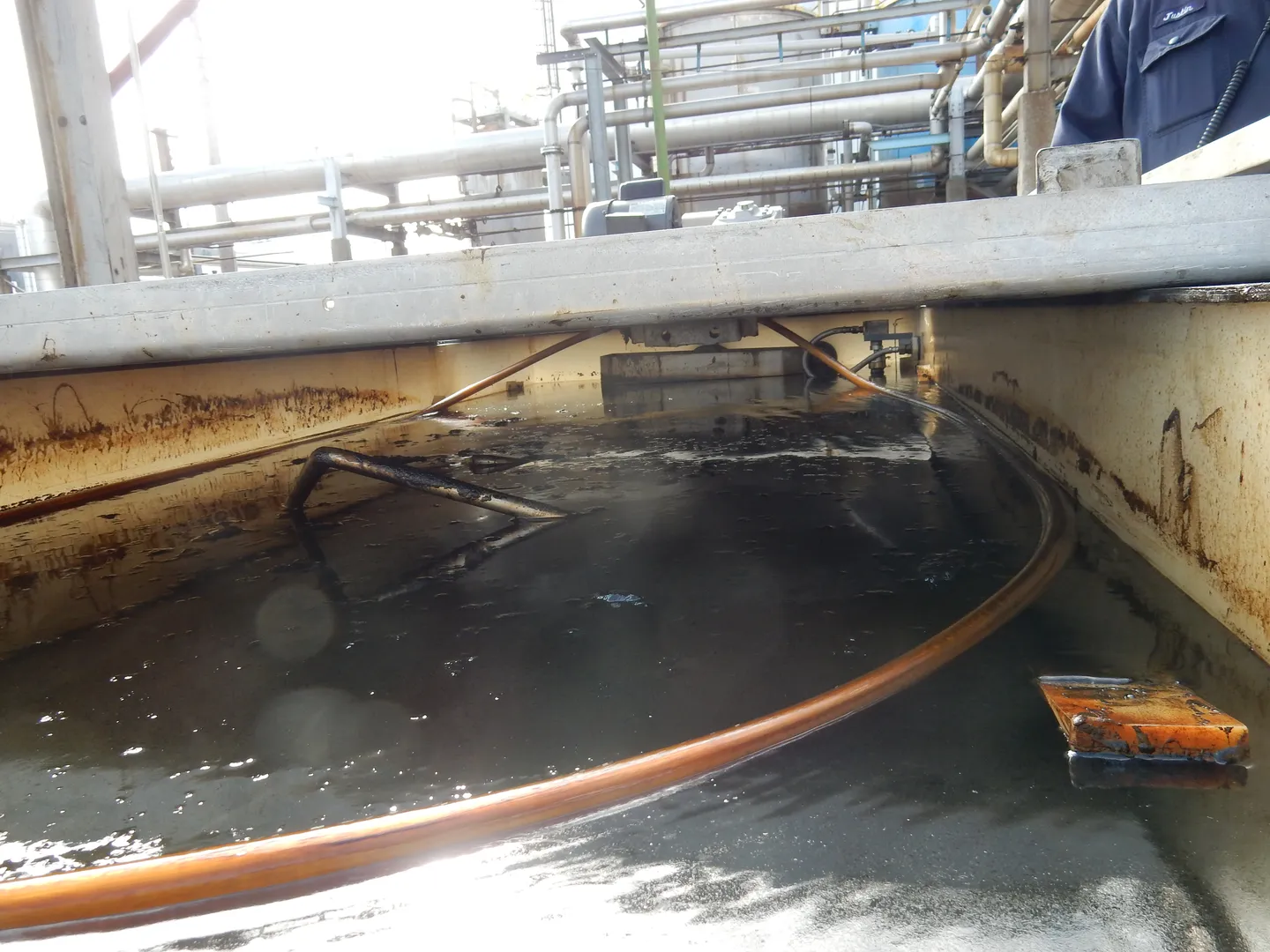
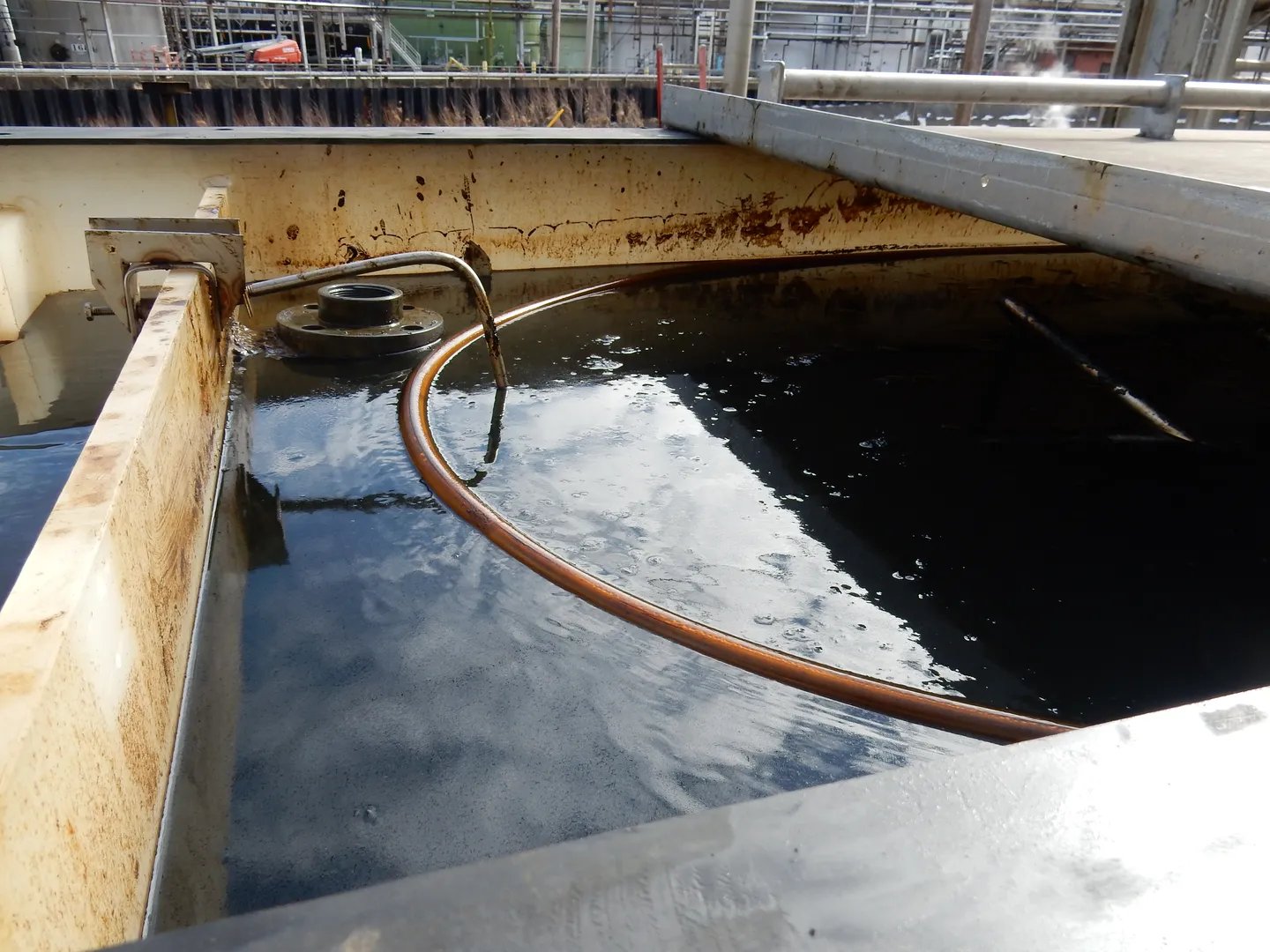
Oil sheen on water inside an open separator chamber with a surface skimmer

No Sludge Siloing

Mercer systems automatically evacuate solids using level-based monitoring and timed actuation of multiple sludge valves along the hopper bottom.  Imagine eliminating the recurring cost of cleaning out sludge from that API concrete tank, that savings alone pays for the upgrade ten times over.


Modular & Retrofit-Friendly

Multi-Pack™ modules easily tie into existing API basins, vaults, sumps, or process drains, upgrading performance without major civil modifications.

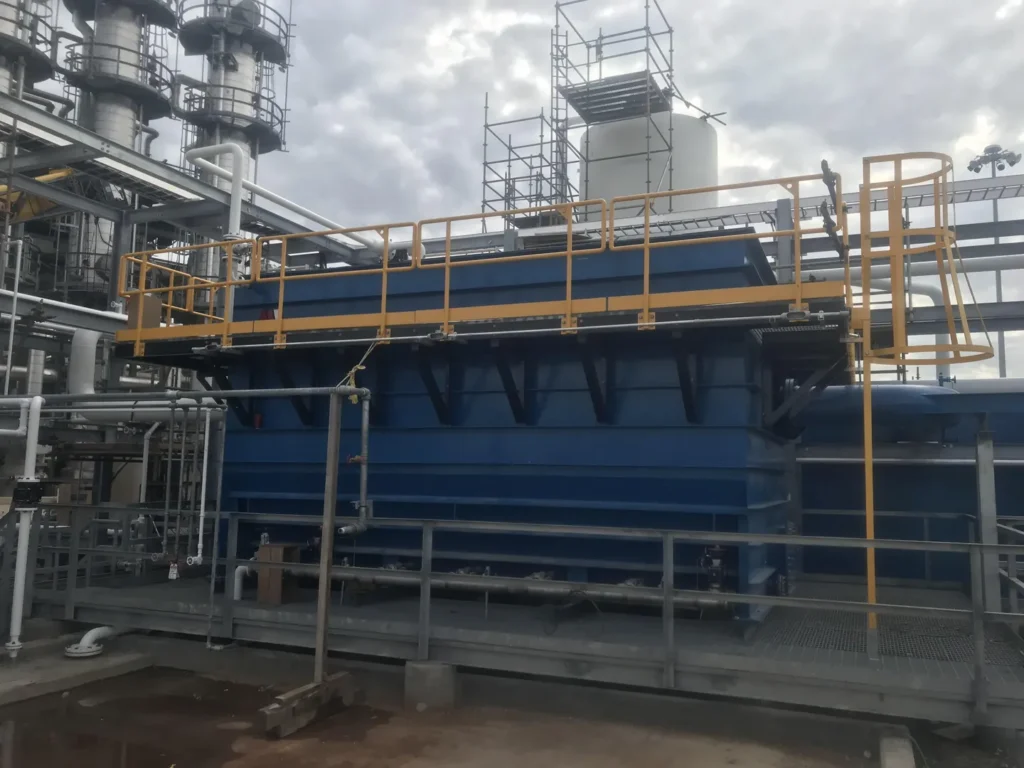
Blue API separator tank with access platforms and caged ladder at a refinery

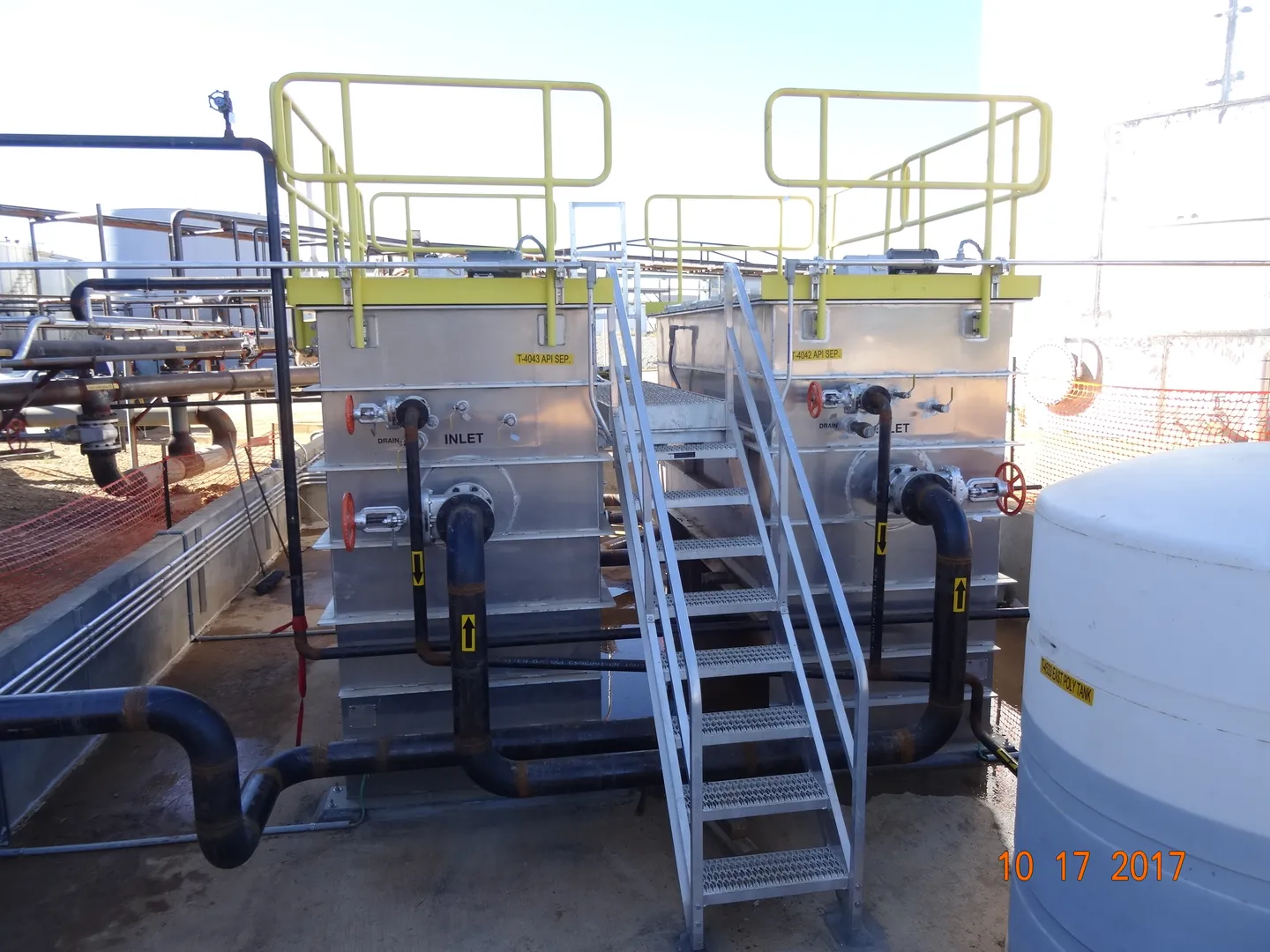
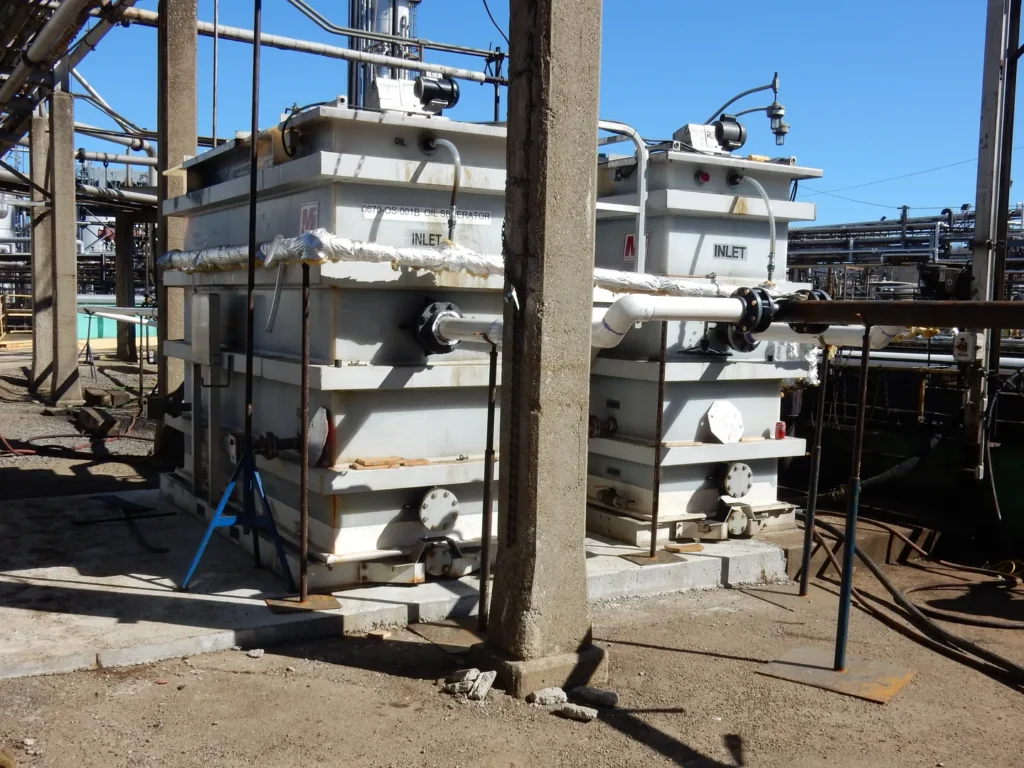
Two grey oil water separator units with inlet piping at a refinery

Corrosion-Resistant Coatings & Long Service Life

Purpose-built for refinery environments with durable fabrication and chemical-resistant linings that stand up to decades of service. Airtight covers with premium gasketing ensure VOC/BTEX constituents do not weep from the tank, protecting operators and maintaining compliance.

Applications

Typical Downstream Applications

Oily water inside an oil water separator at a petrochemical plant

Desalter Effluent & Slop Water Treatment

Recover oil and protect biological treatment systems downstream.
Aerial view of two blue separator basins with green piping at an industrial site

Tank Farm & Loading Rack Drainage

Capture oily runoff from secondary containment and stormwater events.
Rental separator unit on a yellow-railed platform at a refinery

Cooling Tower Blowdown & Washdown Water

Remove trace oils and particulates before discharge or reuse.
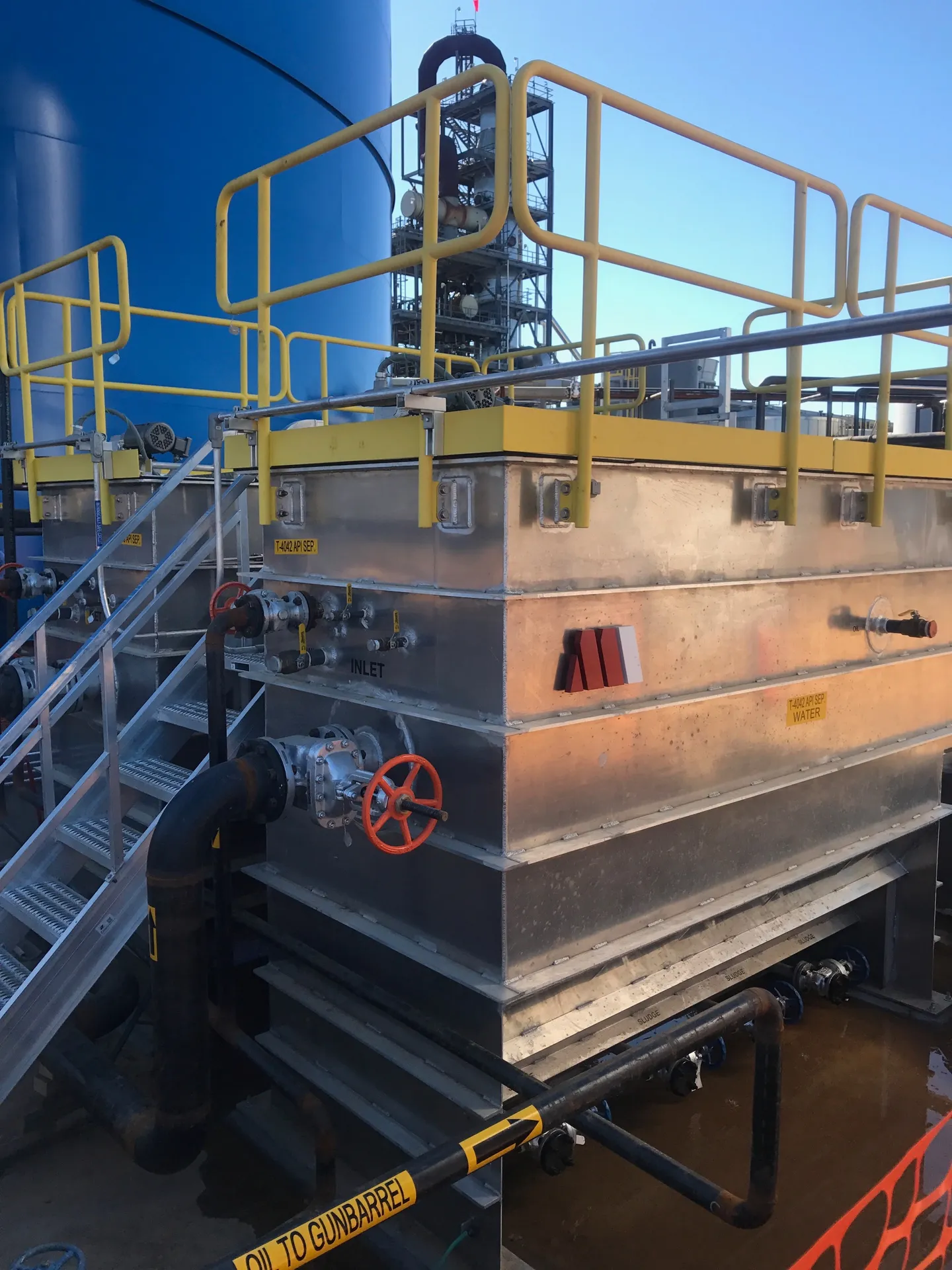
Stainless API separator with yellow handrails and inlet piping at an oil refinery

Process Unit Drainage & Equipment Washes

Treat oily wastewater at the source to reduce central system load.
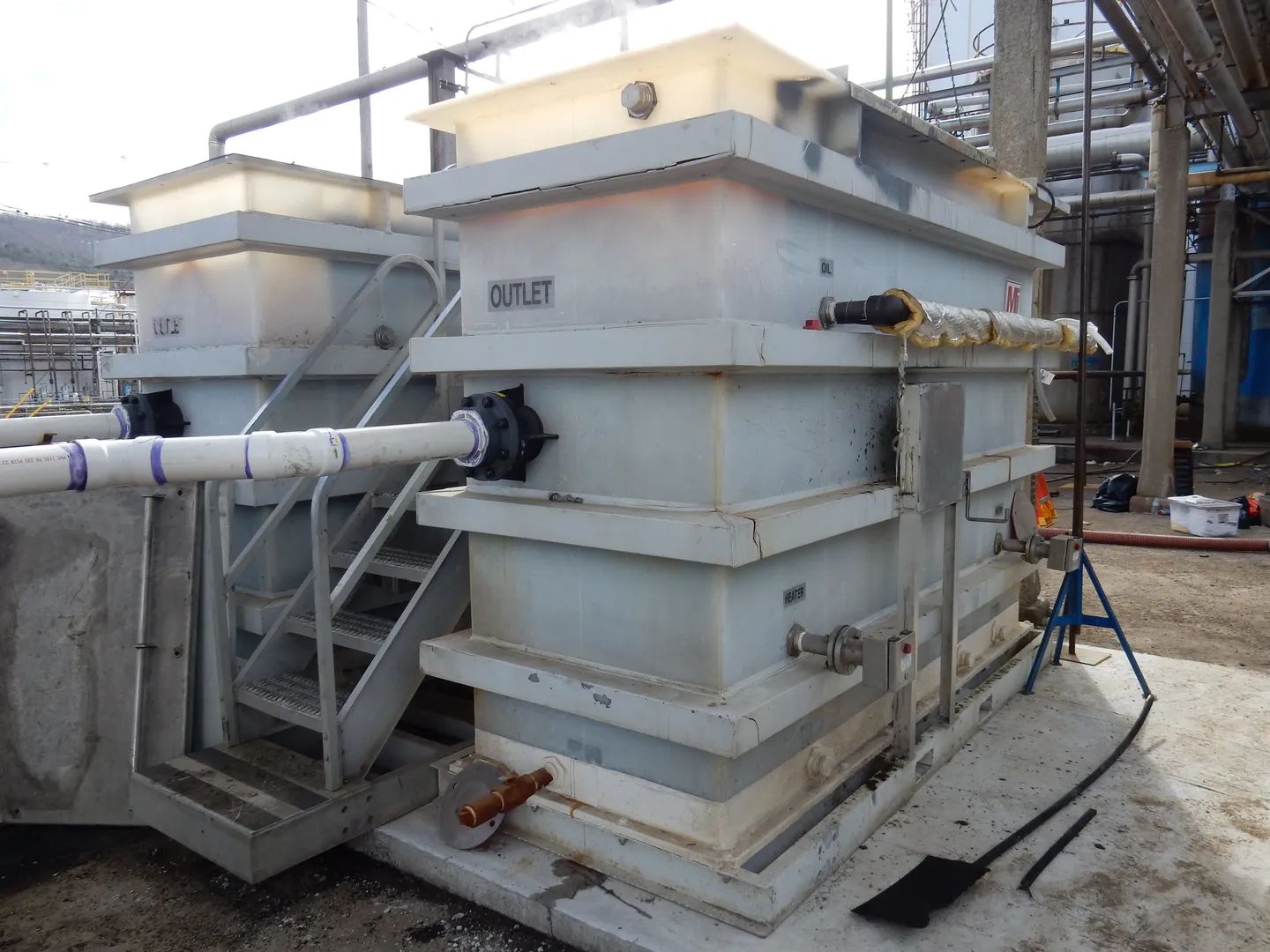
White fiberglass oil water separator units with outlet and oil compartments at a refinery

Rainwater & Containment Management

Automate treatment and discharge control for compliance with NPDES permits.

Talk to an Oil & Gas Specialist

MERCER ADVANTAGE

The Mercer Difference

Mercer designs every refinery solution with one core mandate: reliable oil and solids removal paired with airtight emissions control. In today’s O&G environment, emission collection, suppression, and elimination are no longer optional—they’re operational requirements. We build for that reality.

Oil water separator shield icon representing compliance and hydrocarbon control for rail operations.

Automated Oil/Solids Removal & Emissions Containment

Controls handle skimming, sludge purging, and vapor sealing—cutting labor, downtime, and VOC/BTEX escape.

High-efficiency oil capture gauge illustrating Mercer separator performance for rail operations

API Replacement Without the Footprint

Eliminate massive civil structures while achieving superior separation performance.

Rail separator protection and reliable performance for oily wastewater.

Automated, Safer Operations

Reduce labor, eliminate confined space entry, and integrate with plant control systems.

Automated oil and solids removal cycle for rail wastewater separation.

Low Lifecycle Cost

Durable construction, long cleaning intervals, and recoverable oil improve ROI.

Shield icon representing operational safety and emissions control for Mercer oil-water separators.

Regulatory Confidence

Built and tested to align with API 421 intent with proven real performance, not just paperwork.

Icon depicting oily wastewater separation and rail industry compliance.

Environmental Stewardship

Cleaner effluent, recovered oil, and reduced waste hauling support sustainability and ESG reporting.
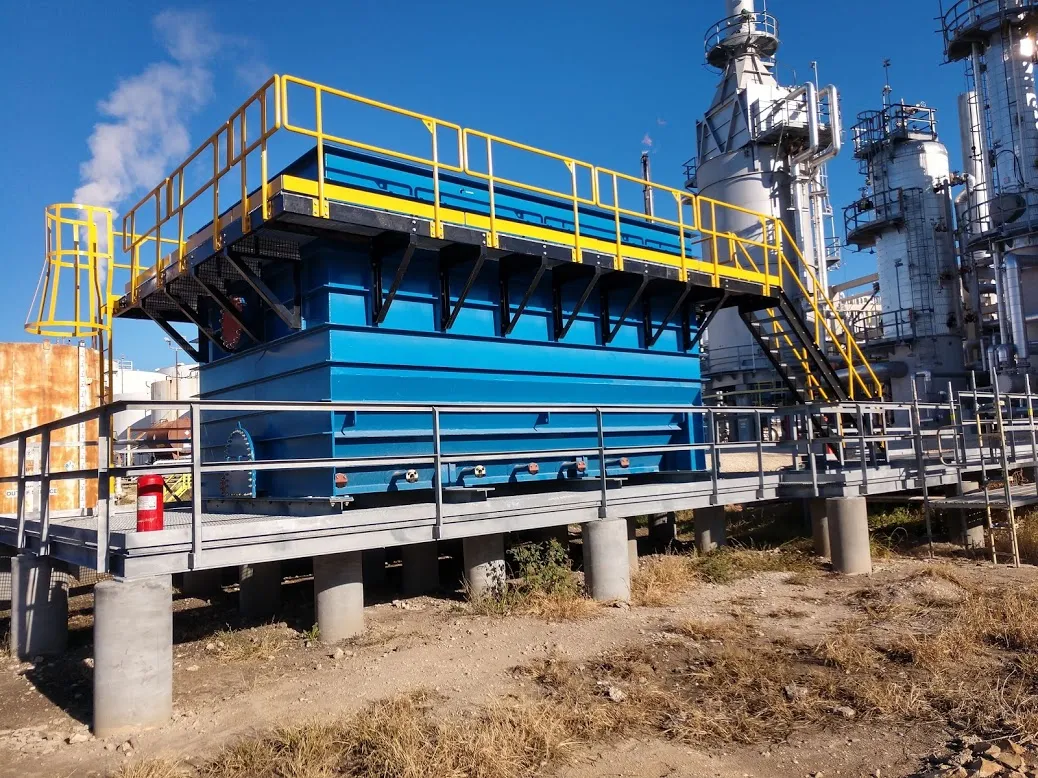
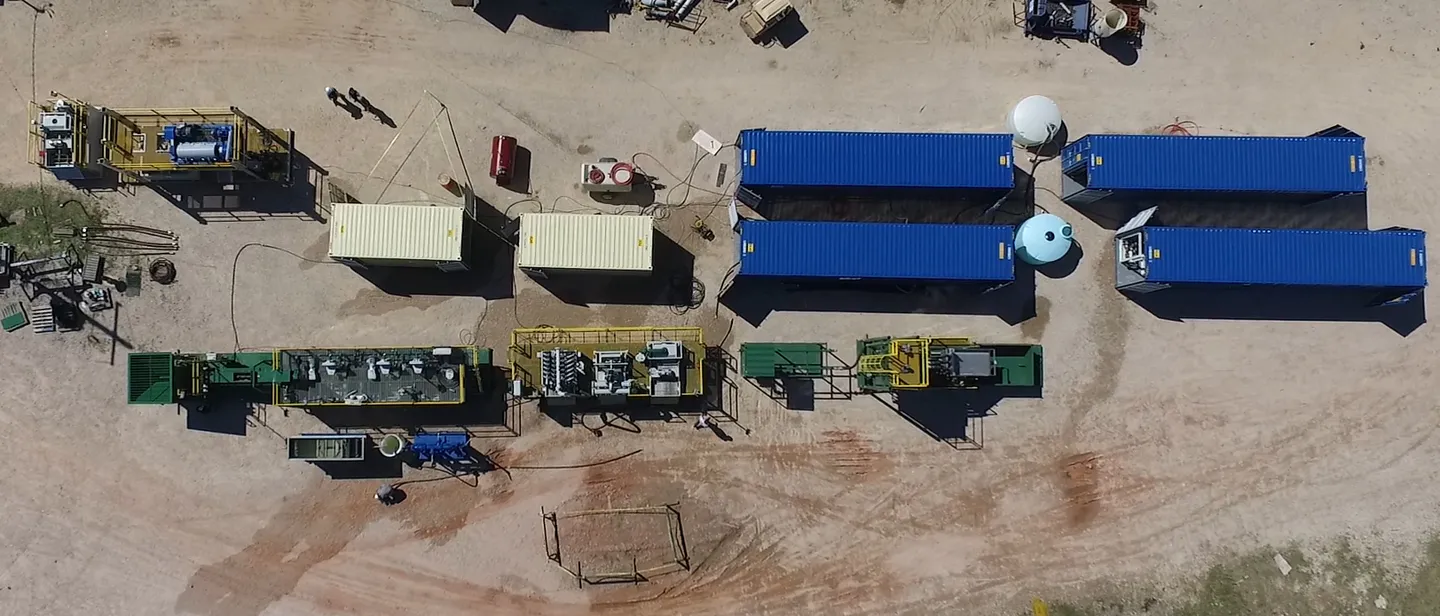
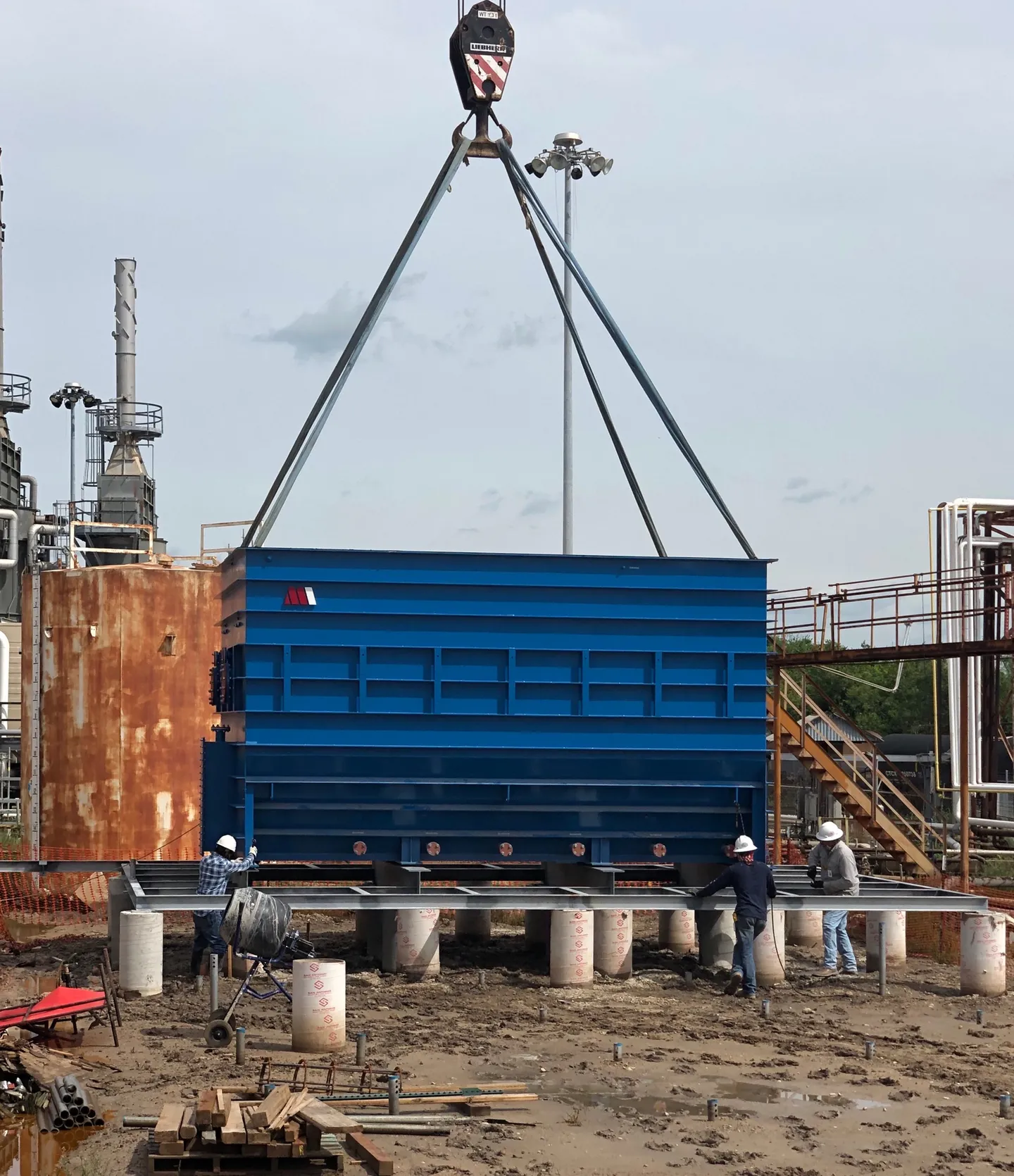
Blue rectangular oil water separator tank with a guardrailed walkway at a refinery Aerial view of industrial oil-water separator system and equipment handling variable wastewater flows. Crews setting a blue separator tank onto concrete piers with a crane
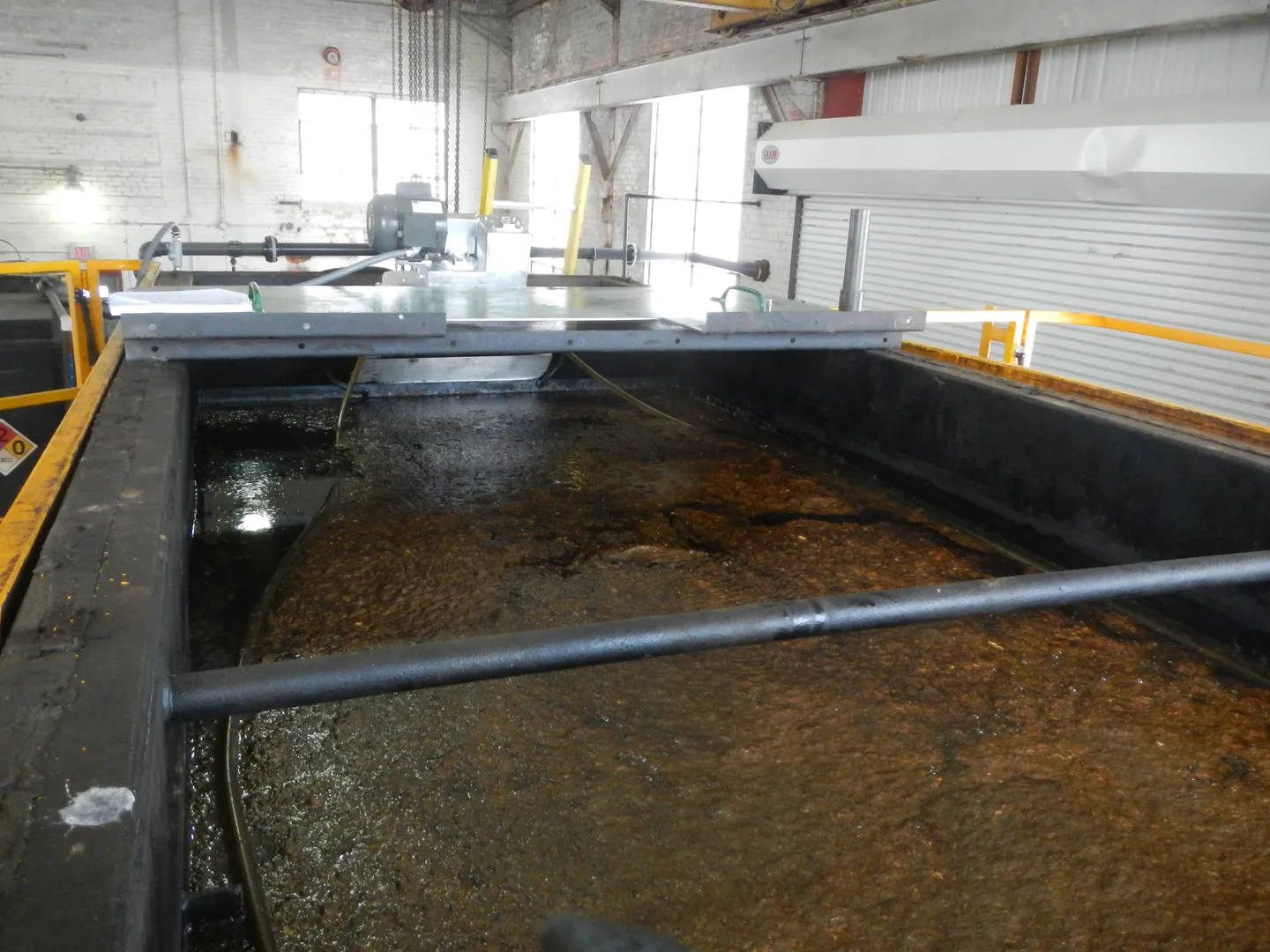
Oily water with collected sludge in an open separator pit during a plant visit

Performance Highlights

Transform Your Refinery Wastewater Management

Learn how Mercer can replace outdated API systems with compact, automated performance.

Request a Downstream Consultation

Frequently Asked Questions

Q.

Can Mercer systems replace existing API or CPI separators?

A.

Yes. Mercer’s systems are designed for retrofit or full replacement, offering equivalent or better performance in a smaller footprint.

Q.

Are they compatible with refinery chemical streams?

A.

Absolutely. Materials and coatings are selected based on exposure, including hydrocarbons, acids, and surfactants to prevent corrosion and fouling.

Q.

Do they require shutdown for maintenance?

A.

No. Mercer systems allow bypass operation or skid-mounted swap-out options for continuous uptime.

Q.

How is oil recovered and removed?

A.

Each unit includes automated oil skimming and discharge, minimizing operator involvement.

Q.

Can the system integrate with plant monitoring?

A.

Yes. Systems can include SCADA/PLC connectivity, oil-level alarms, and remote monitoring capabilities.