
OPERATING TIER
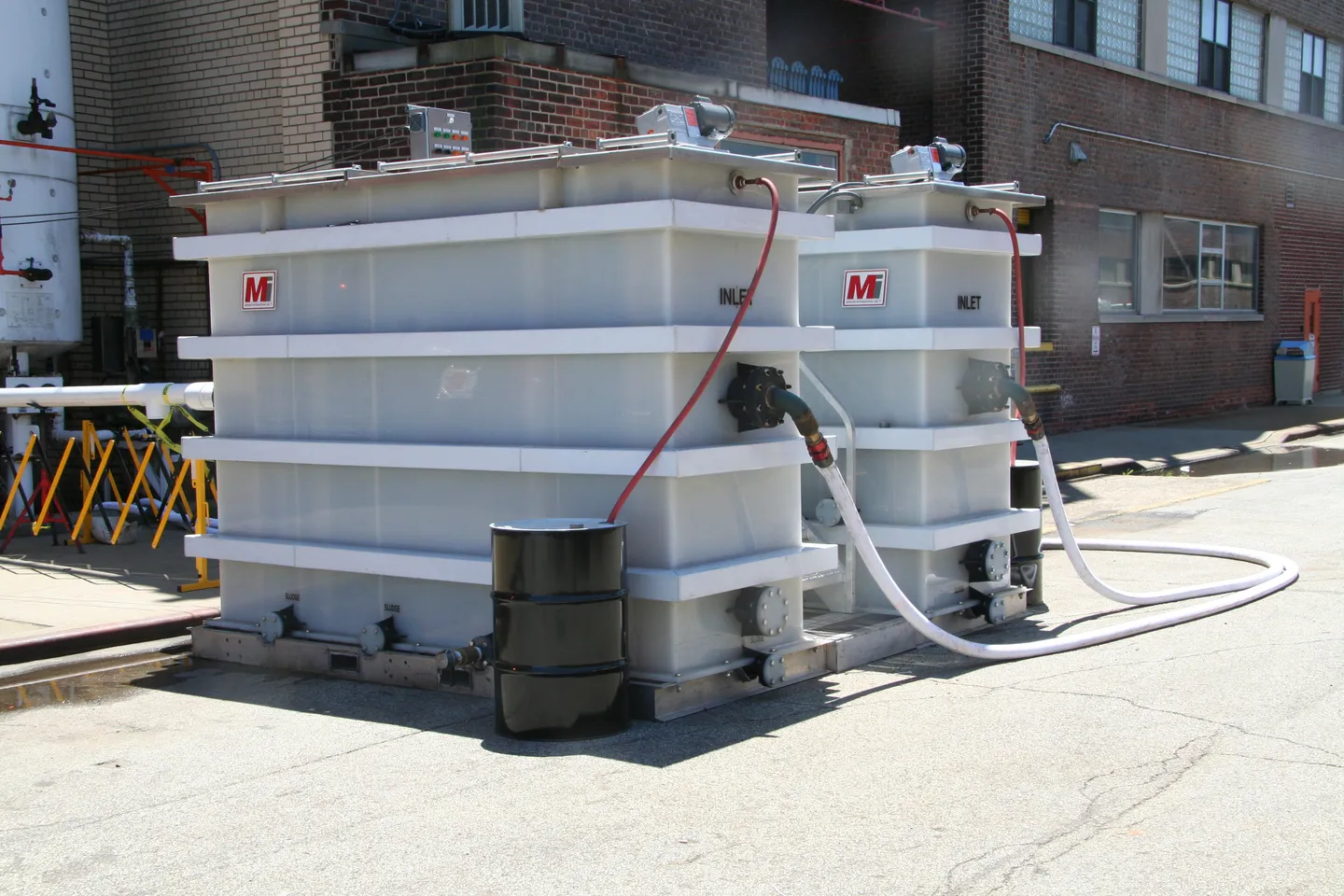
Plastic above-ground oil-water separators are selected when wastewater chemistry makes corrosion resistance a priority and the site does not require burial.
The usual driver is chemistry, not cost. Salt, chlorides, acids, caustics, and aggressive washdown chemistry can attack carbon steel from the inside out, while a coating system is only as effective as its condition and maintenance. Polyethylene and polypropylene do not corrode, do not require a paint system, and eliminate the associated recoating schedule.
Moving that corrosion-resistant tank above grade provides another advantage: access. There is no buried vault, traffic loading, confined-space entry, or buried access hatch. The separator remains visible and accessible for inspection, sampling, cleaning, and routine service.
Mercer builds this family two ways: welded plastic rectangular units fabricated from plate and capable of accepting either coalescing ball media or the Multi-Pack™ coalescer; and rotationally molded rectangular, oblong, and spherical tanks using coalescing ball media, configured above grade where site and operating conditions allow.
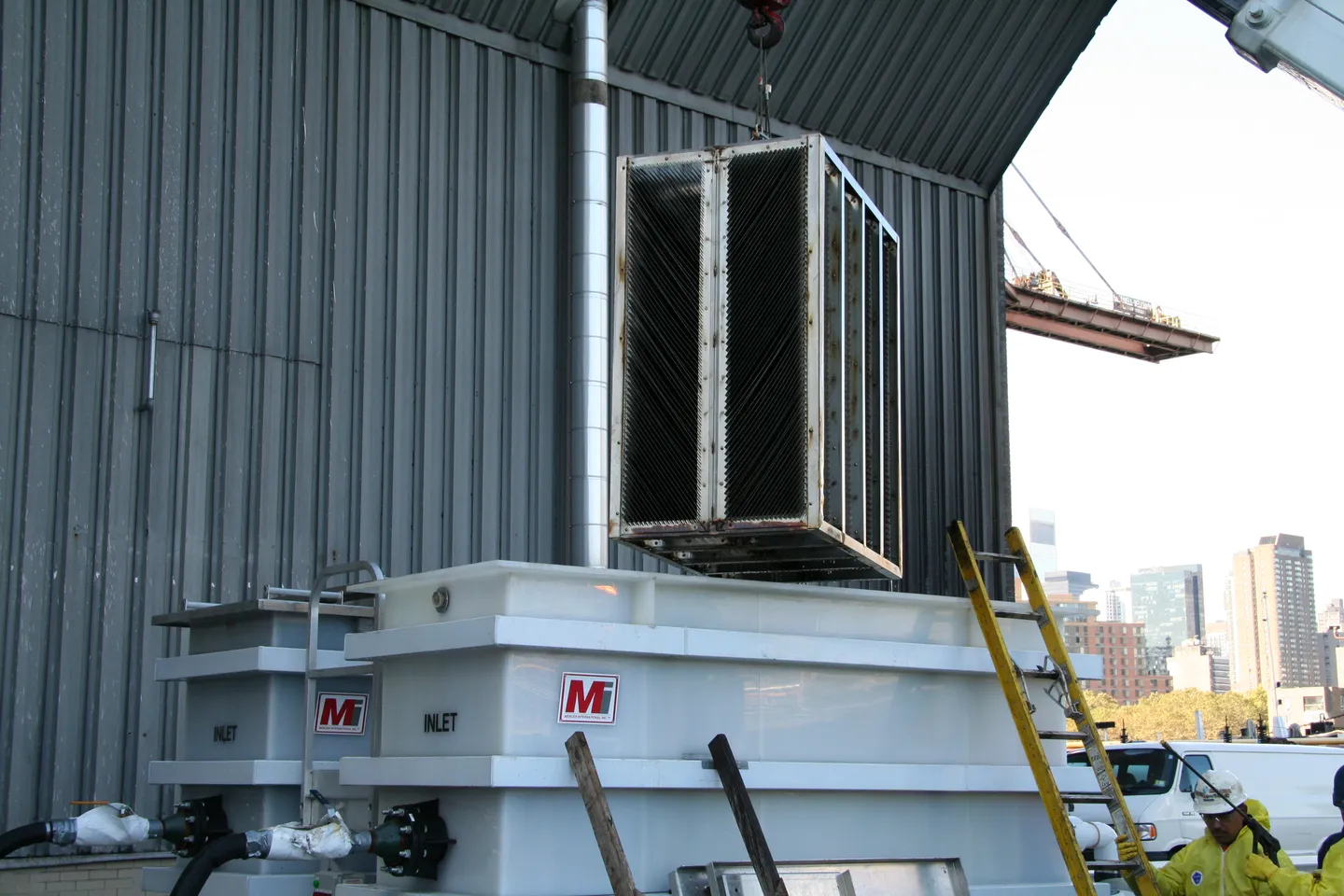
Built To Scale
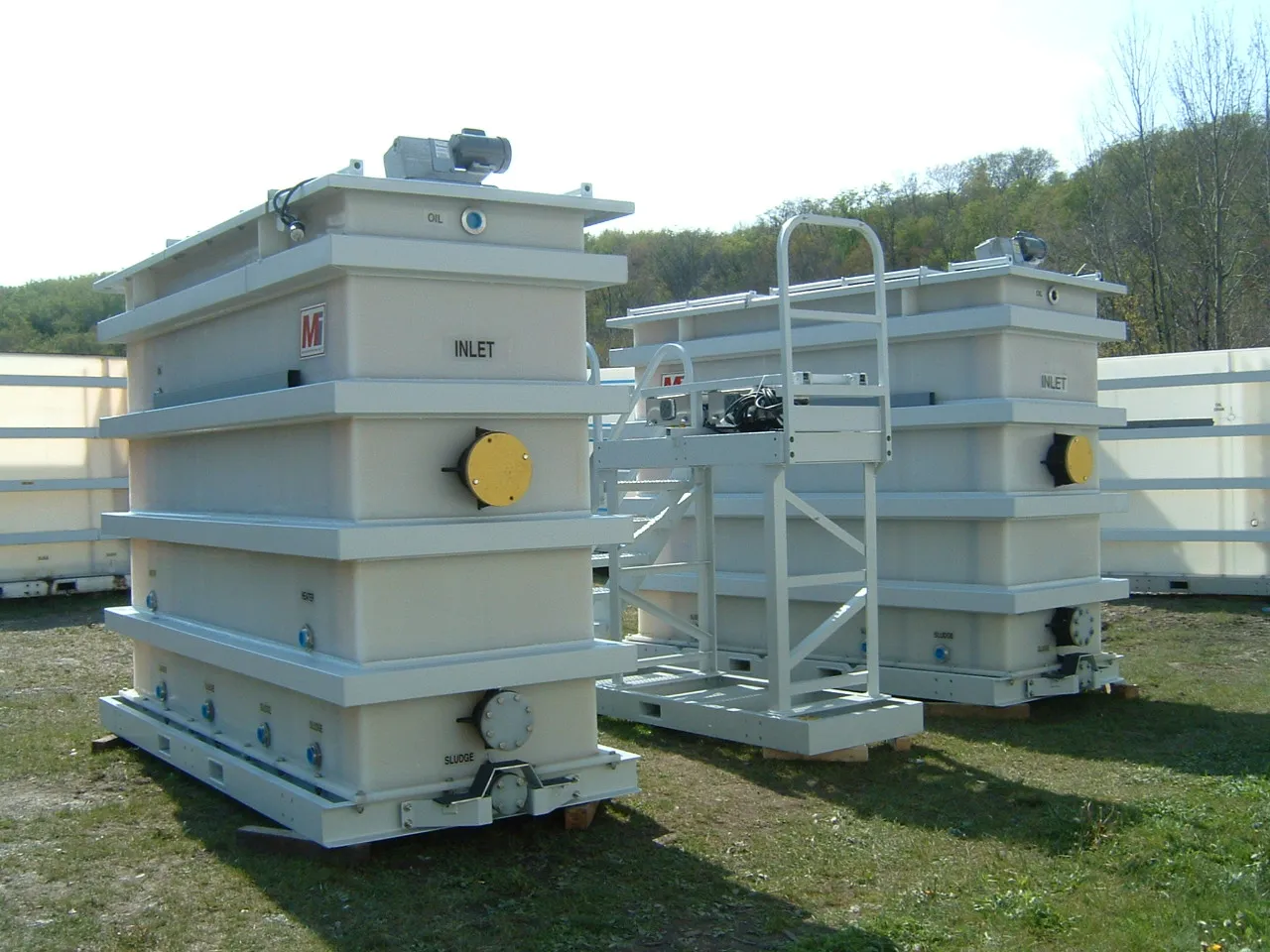
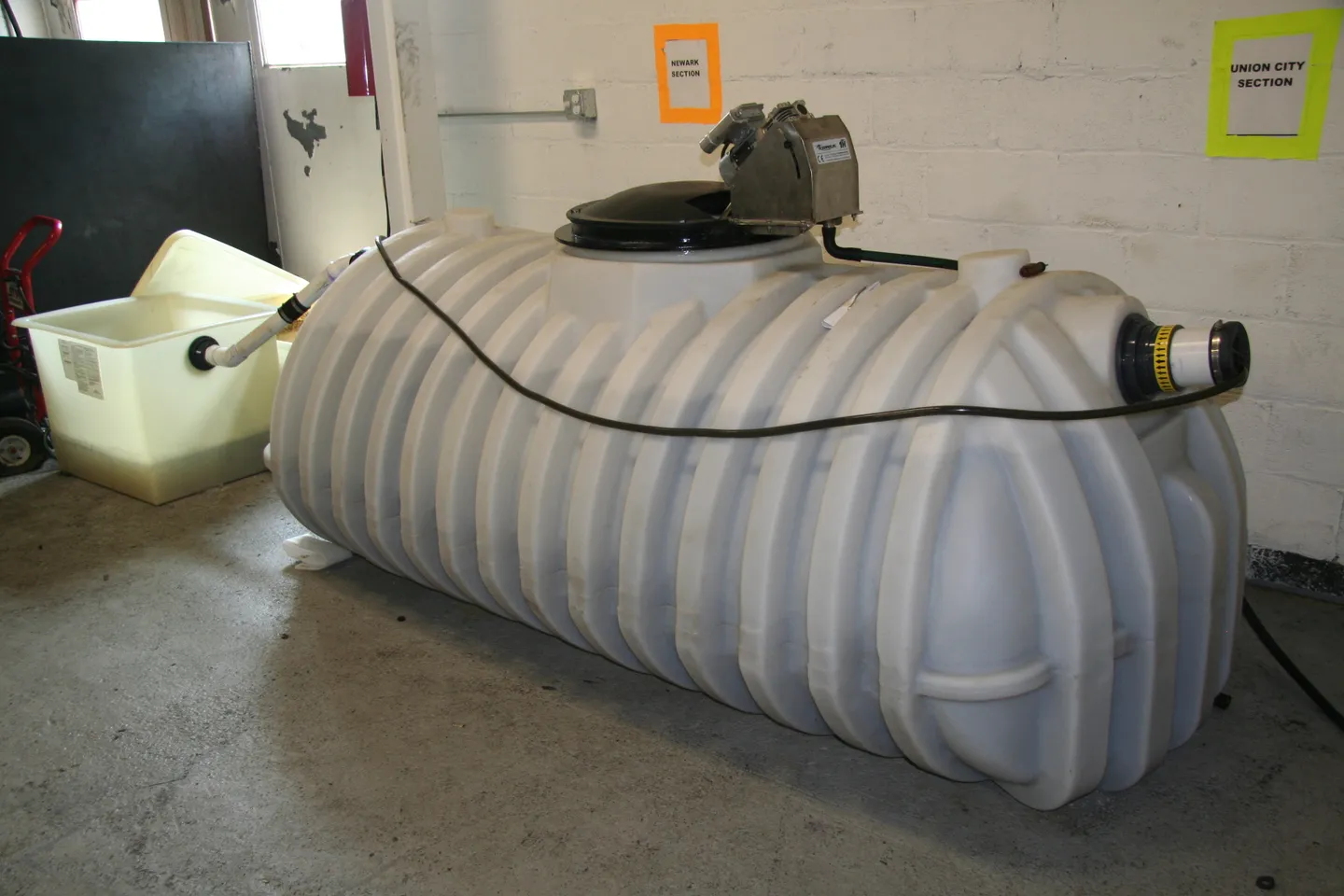
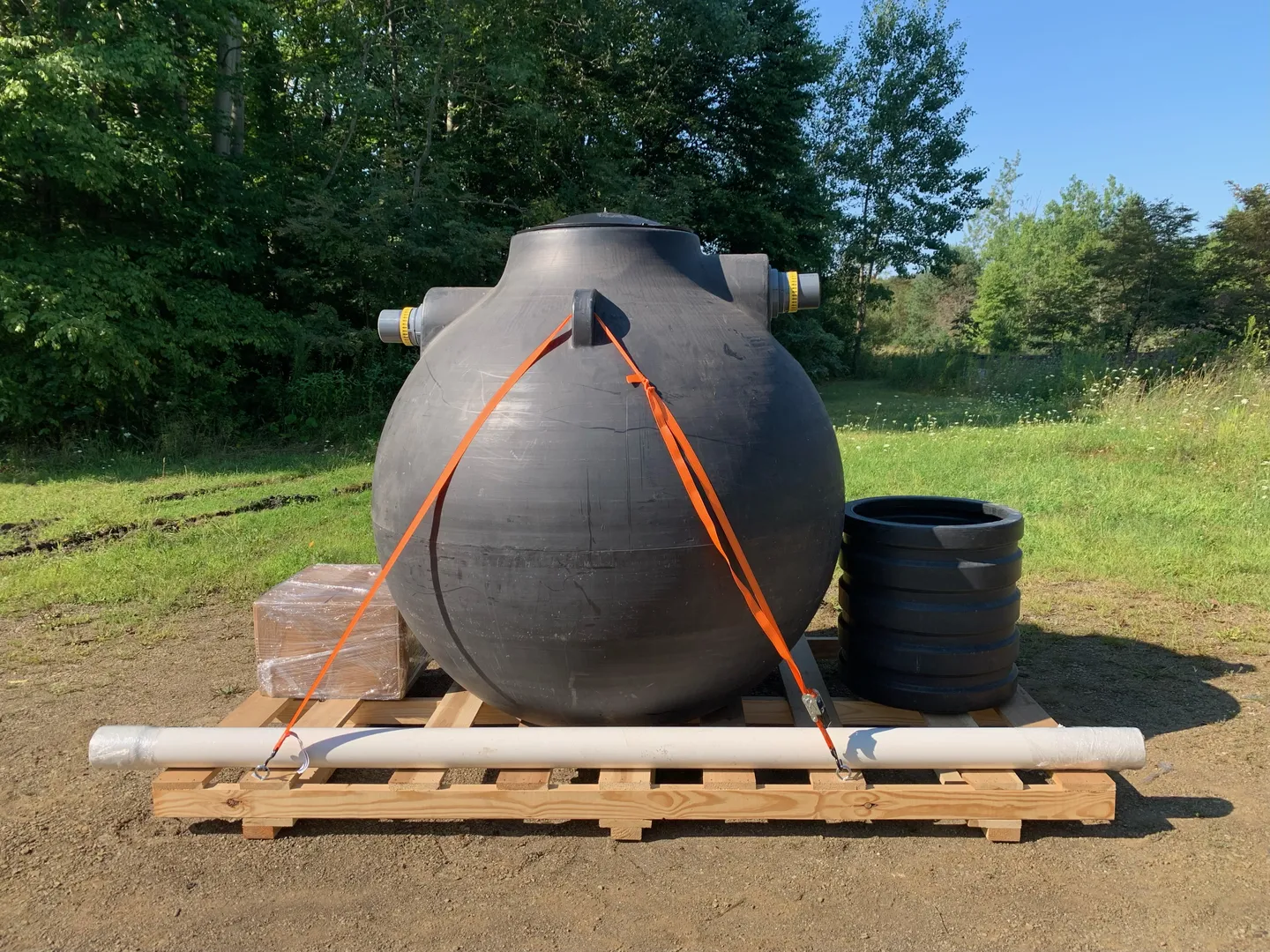
Please Note: Exact dimensions and configurations vary by application.
FIELD-PROVEN SYSTEMS
For plastic above-ground systems, experience means understanding more than separation performance. Wastewater chemistry, tank support, service access, piping, and environmental exposure all affect how the system performs in the field.The installations below represent actual Mercer plastic separators operating above grade in facilities where corrosion resistance, chemistry, and routine service access are part of the application.
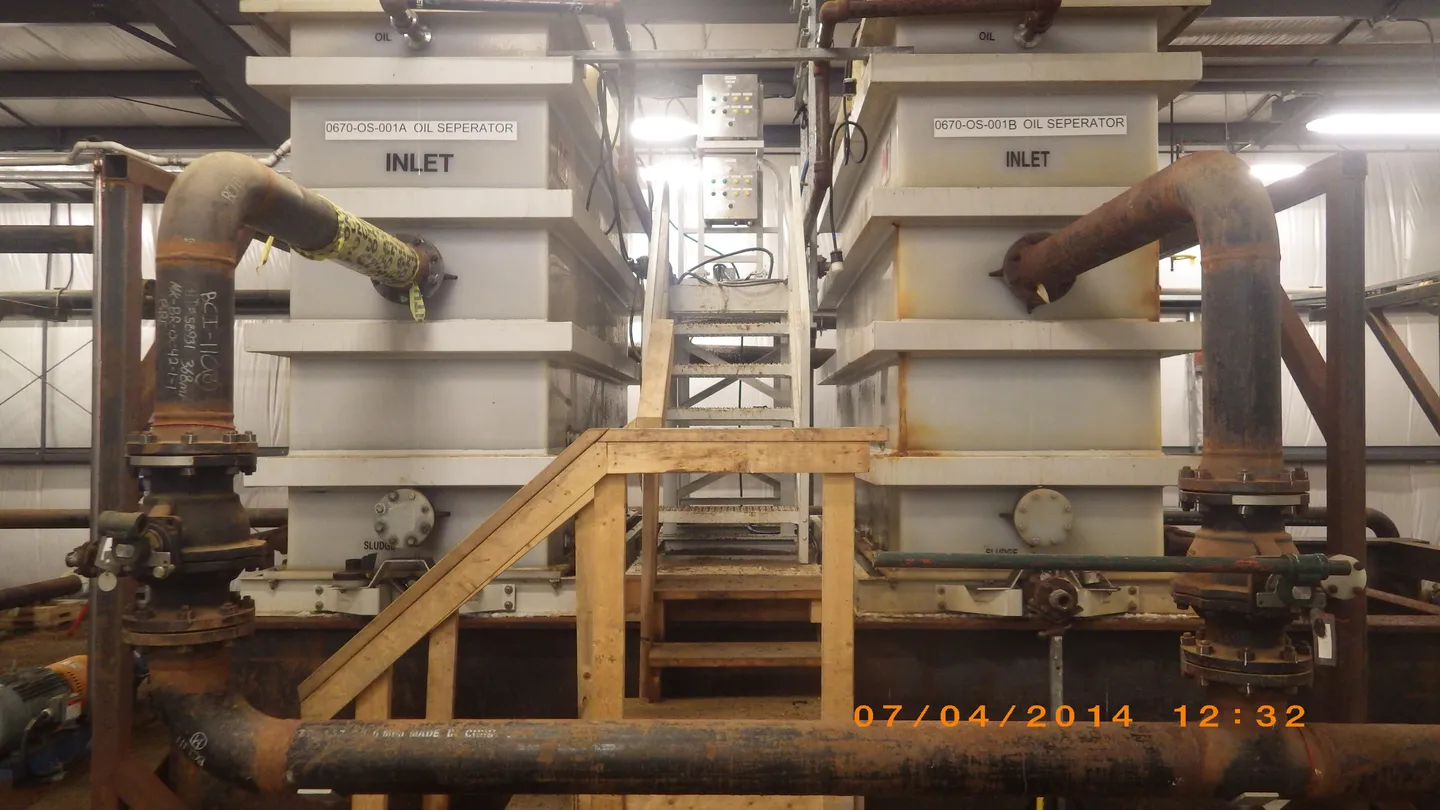
Above Ground
400 GPM
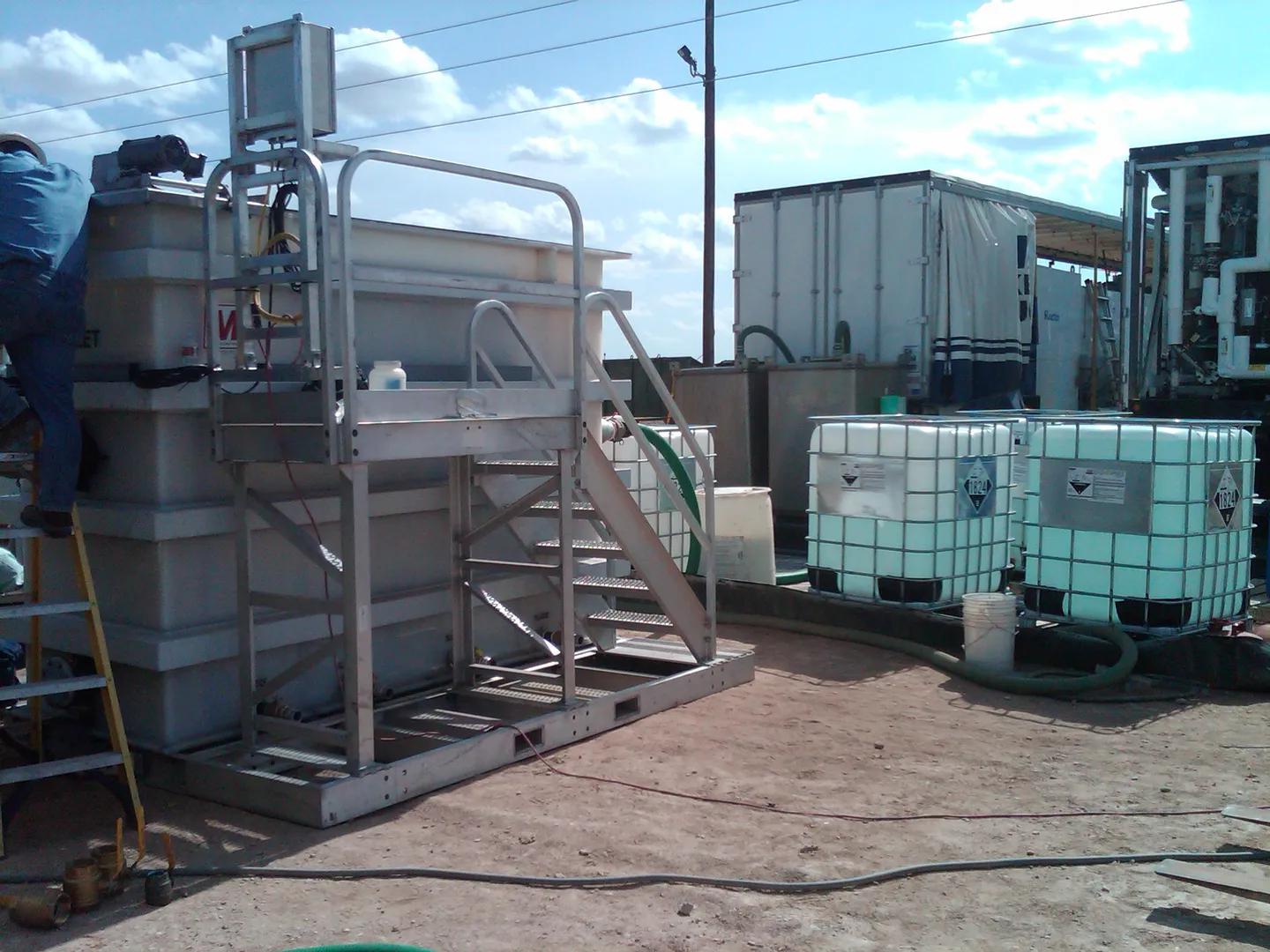
Above Ground
200 GPM
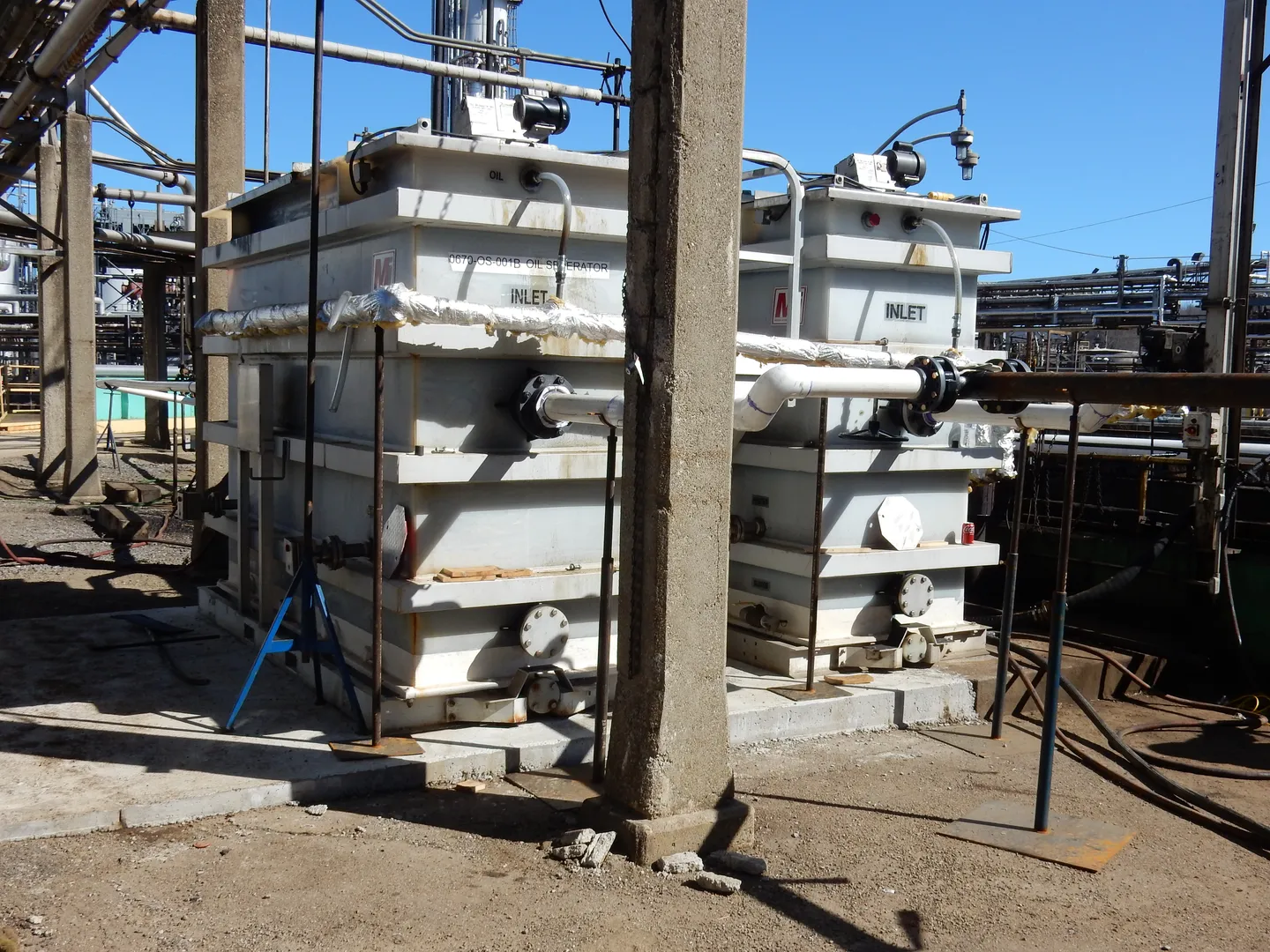
Above Ground
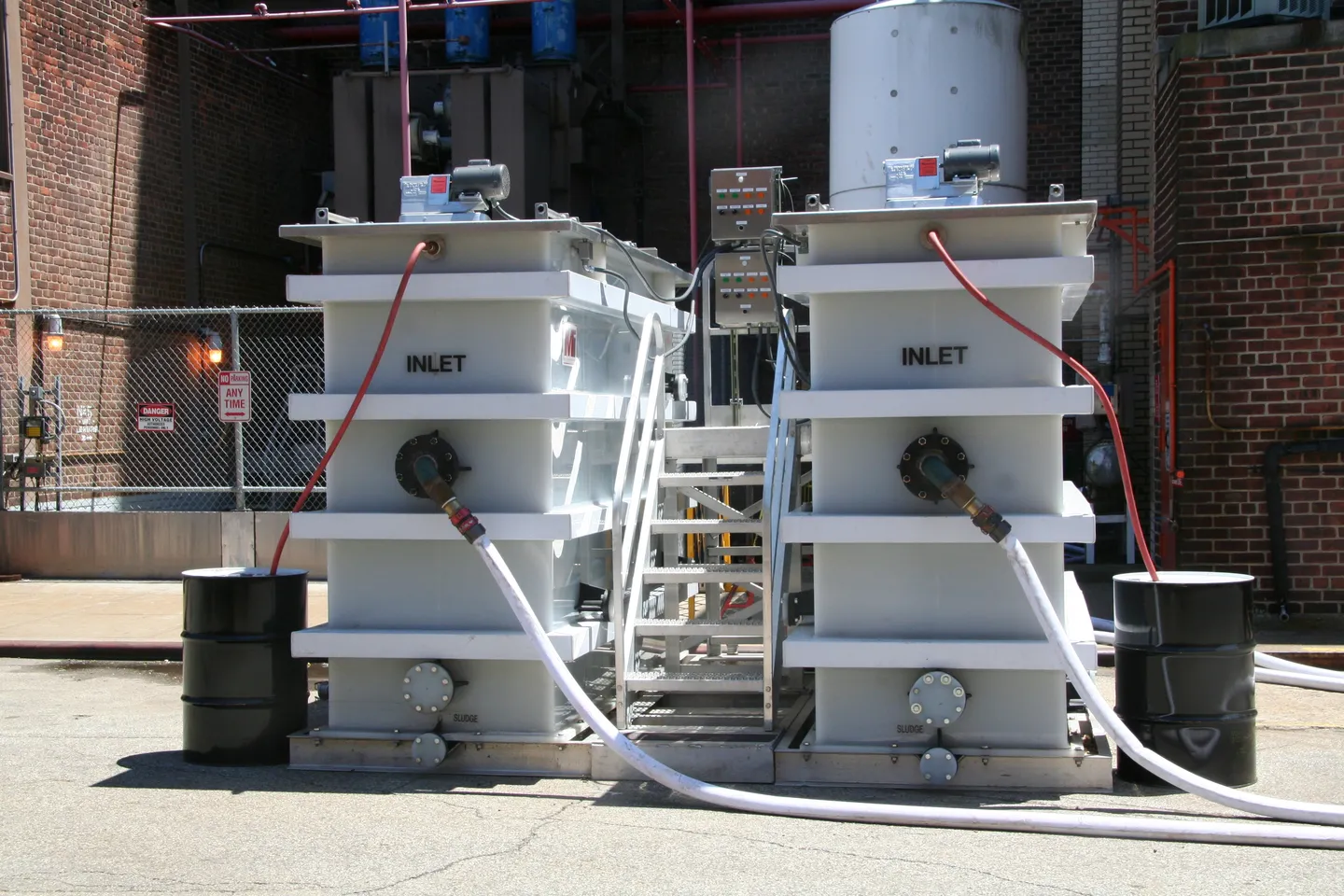
Above Ground
400 GPM
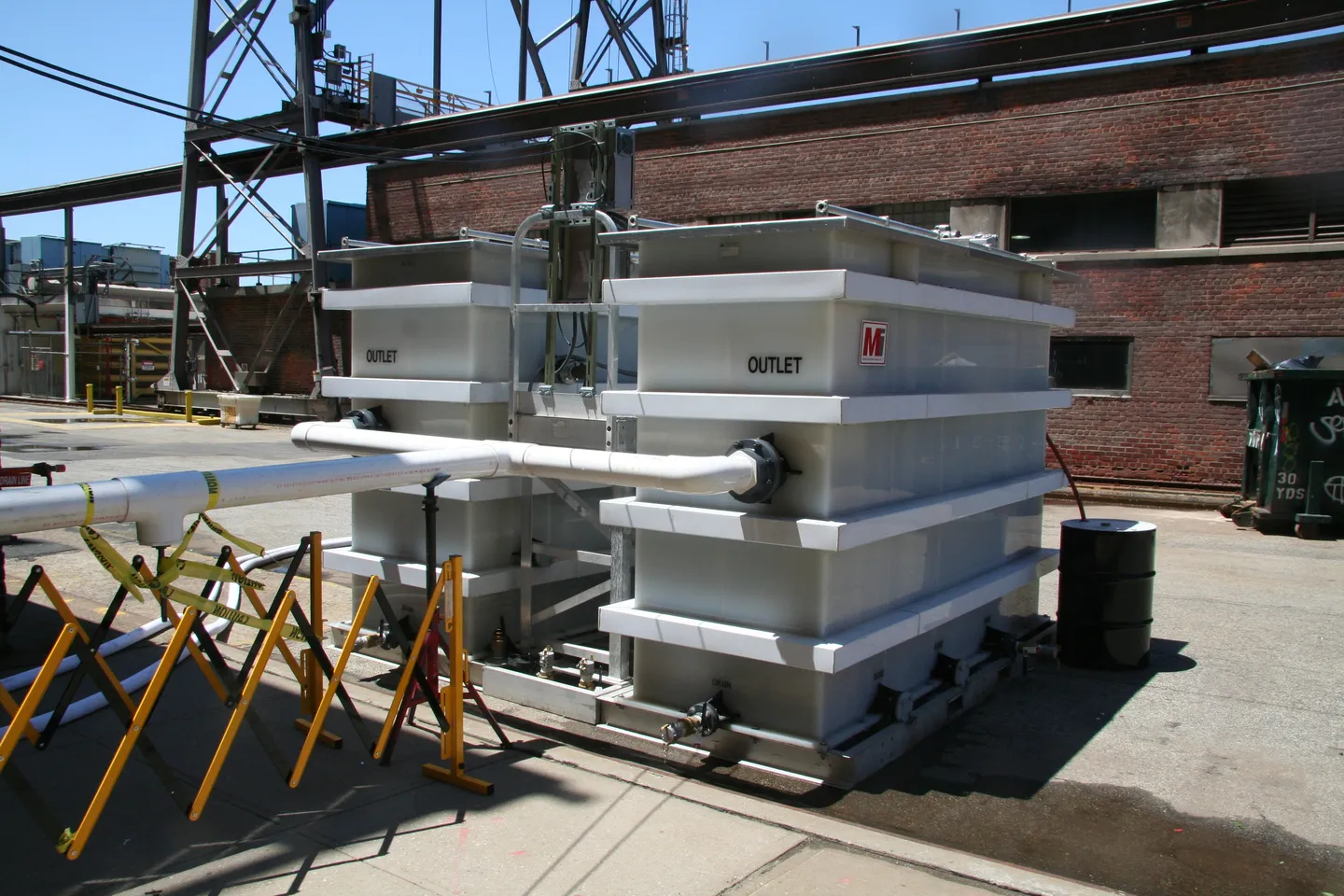
Above Ground
400 GPM
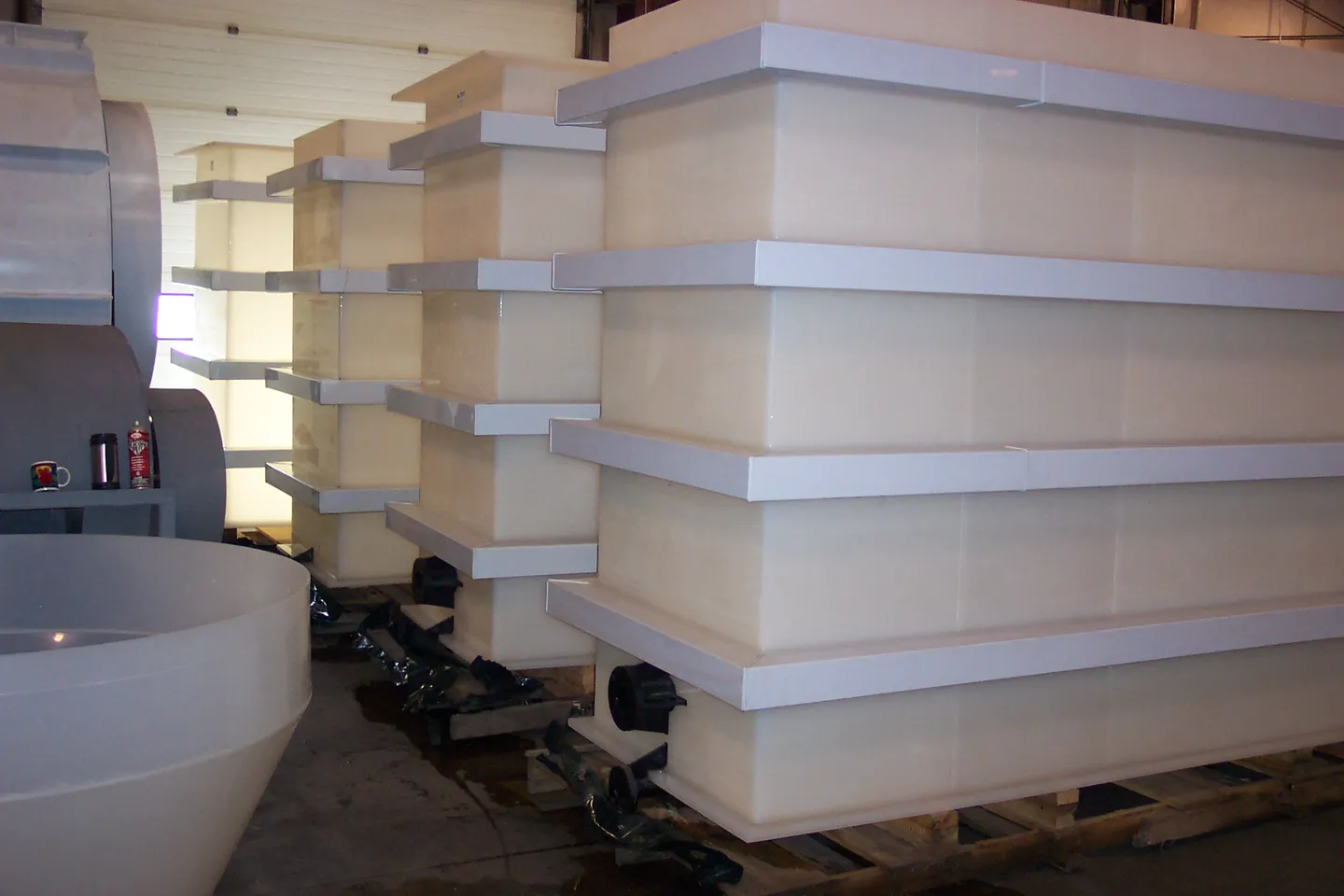
Above Ground
800 GPM
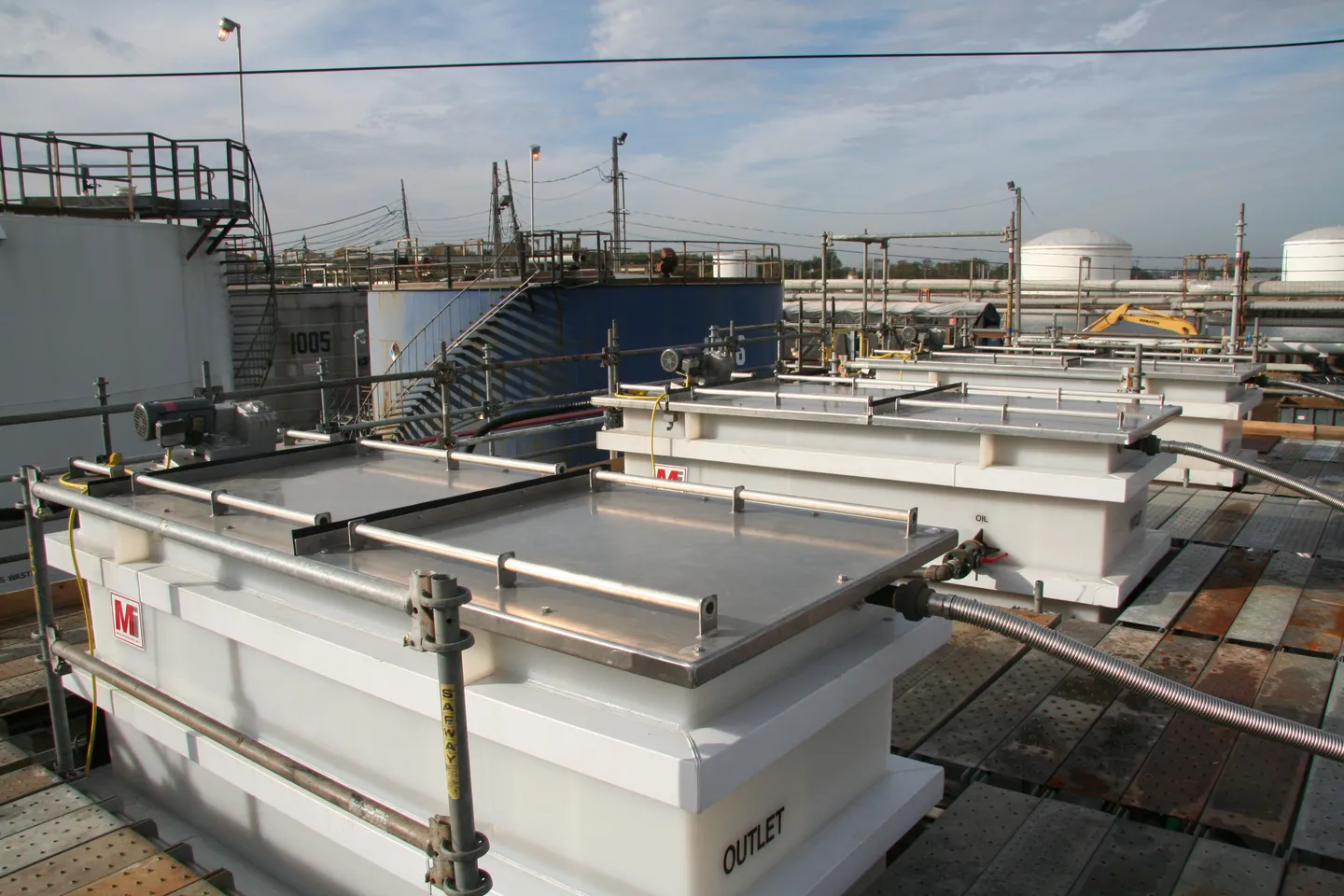
Above Ground
600 GPM
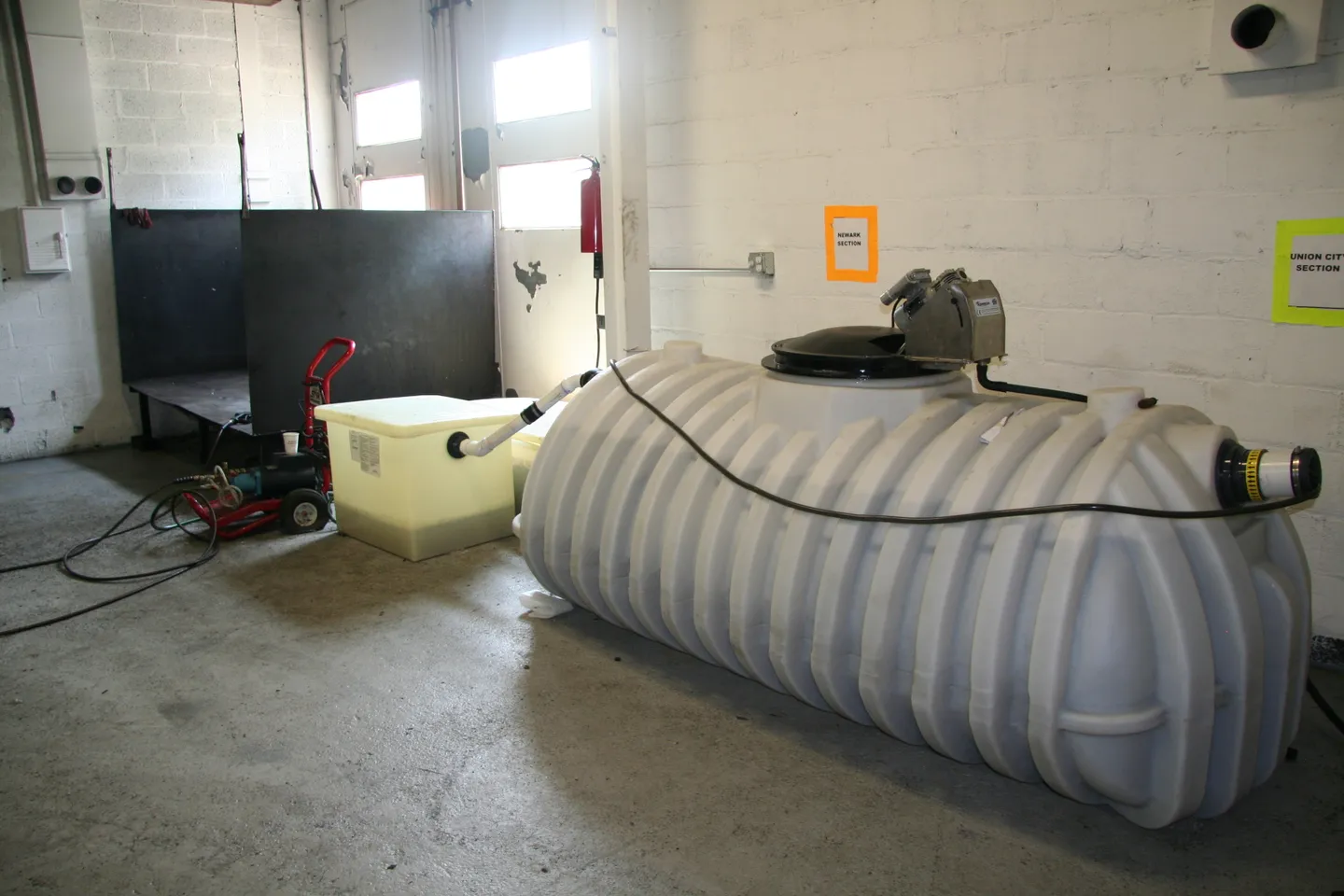
Above Ground
50 GPM
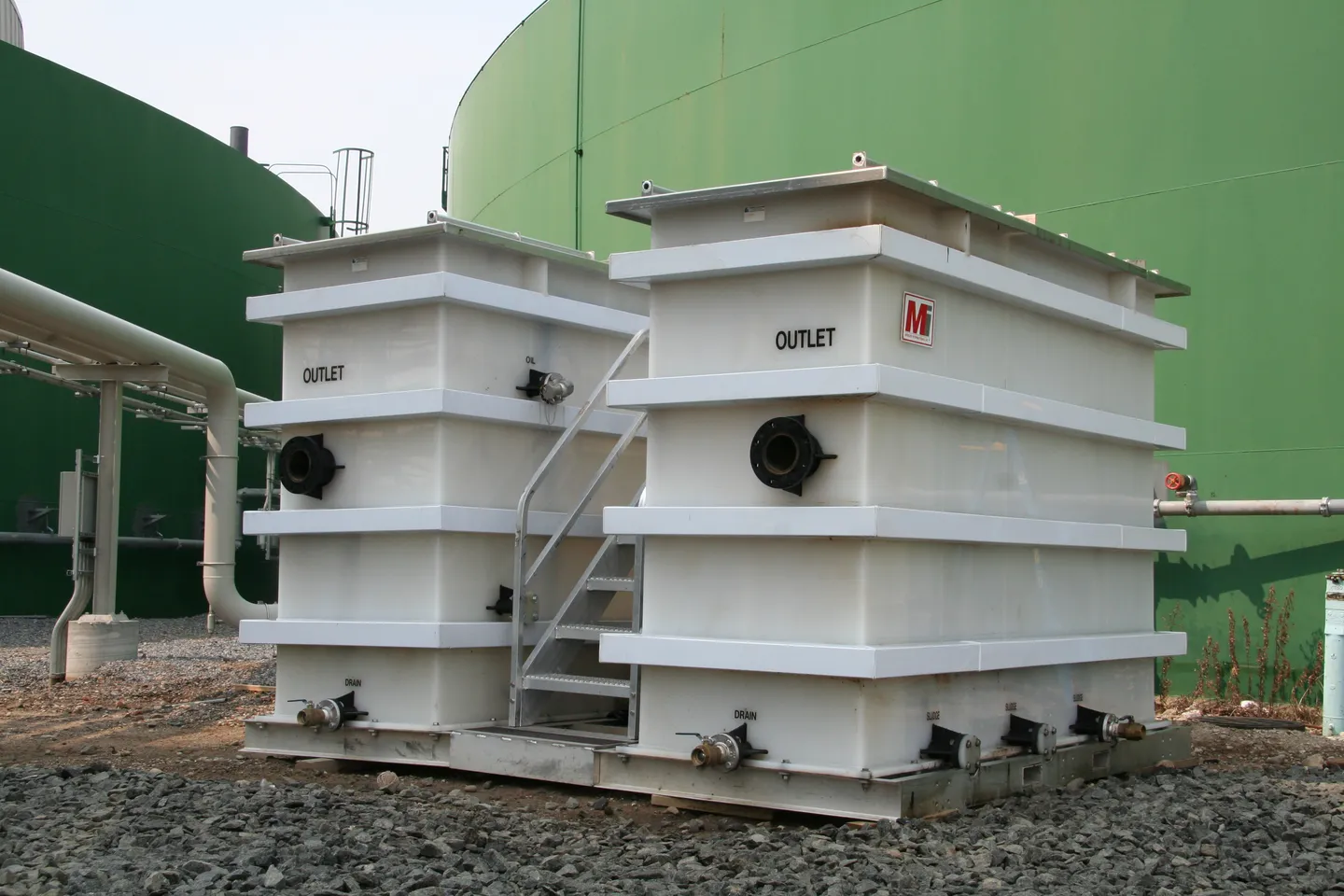
Above Ground
400 GPM
TRUSTED BY INDUSTRY LEADERS
A small sampling of companies with Mercer separators within the 400–600 GPM family range.































































ENGINEERED TO SOLVE
Chlorides, acids, caustics, and aggressive washdown chemistry can attack carbon steel from the inside. Polyethylene and polypropylene construction removes the corrosion mechanism from the tank itself—along with the paint system, coating inspections, and recoating schedule.
A below-ground separator is only maintained when operators can realistically access it. Above-grade installation eliminates buried access hatches, traffic control, pavement work, and confined-space entry associated with a vault, making routine inspection and coalescer service more accessible.
Coalescing ball media is suited to cleaner, more consistent wastewater streams. When solids loading or operating conditions demand greater control, a welded rectangular plastic unit can incorporate Mercer's Multi-Pack™ while retaining the corrosion resistance of the plastic tank.
For moderate, well-characterized duty in a corrosive wastewater stream, plastic can provide a lighter, corrosion-resistant alternative without a paint system. Where the operating envelope supports it, plastic delivers the material performance the application requires without specifying more structure than the duty demands.
CORE TECHNOLOGY
A tank provides residence time.
Separation performance is determined by what happens inside the coalescer.
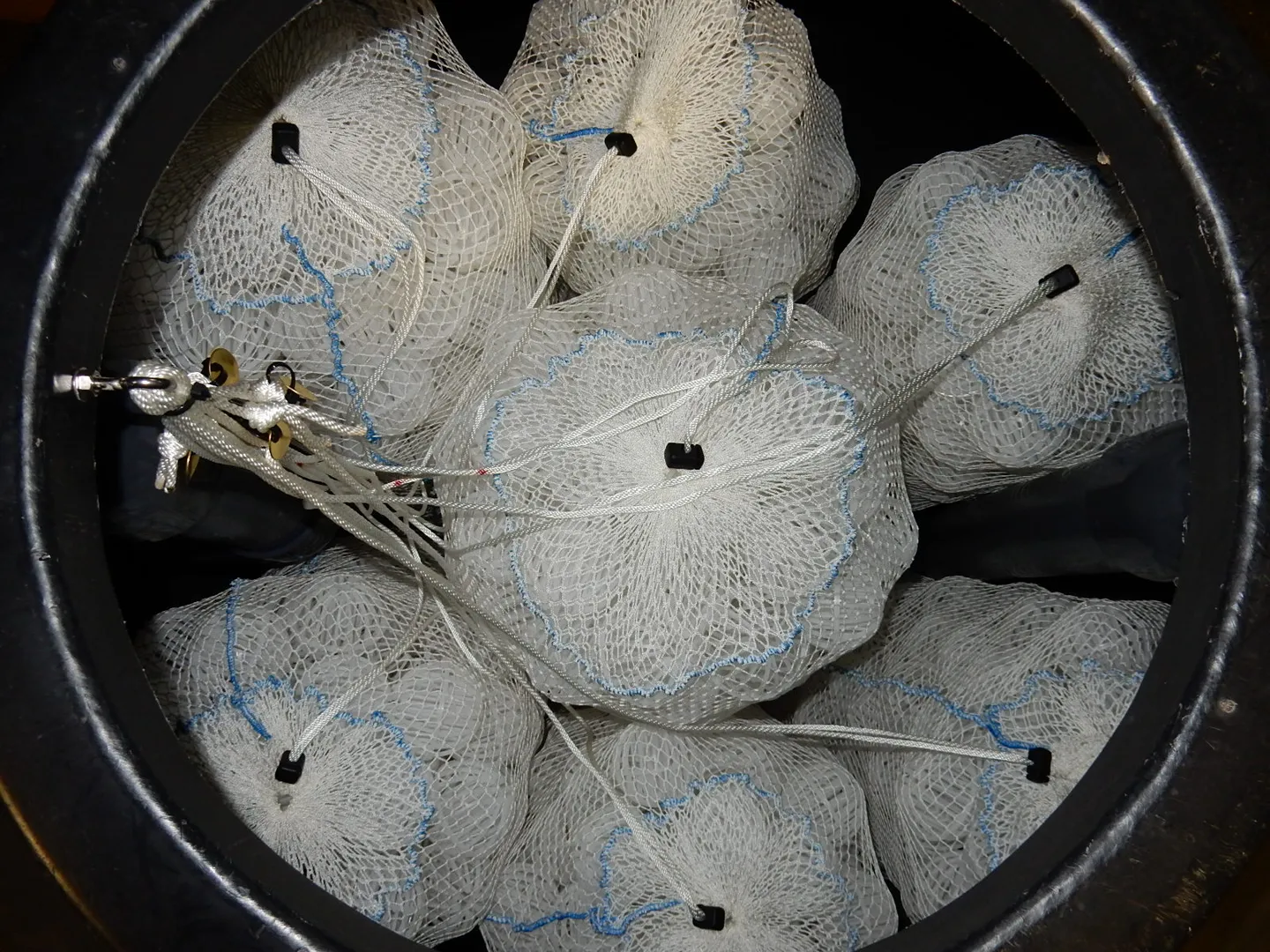
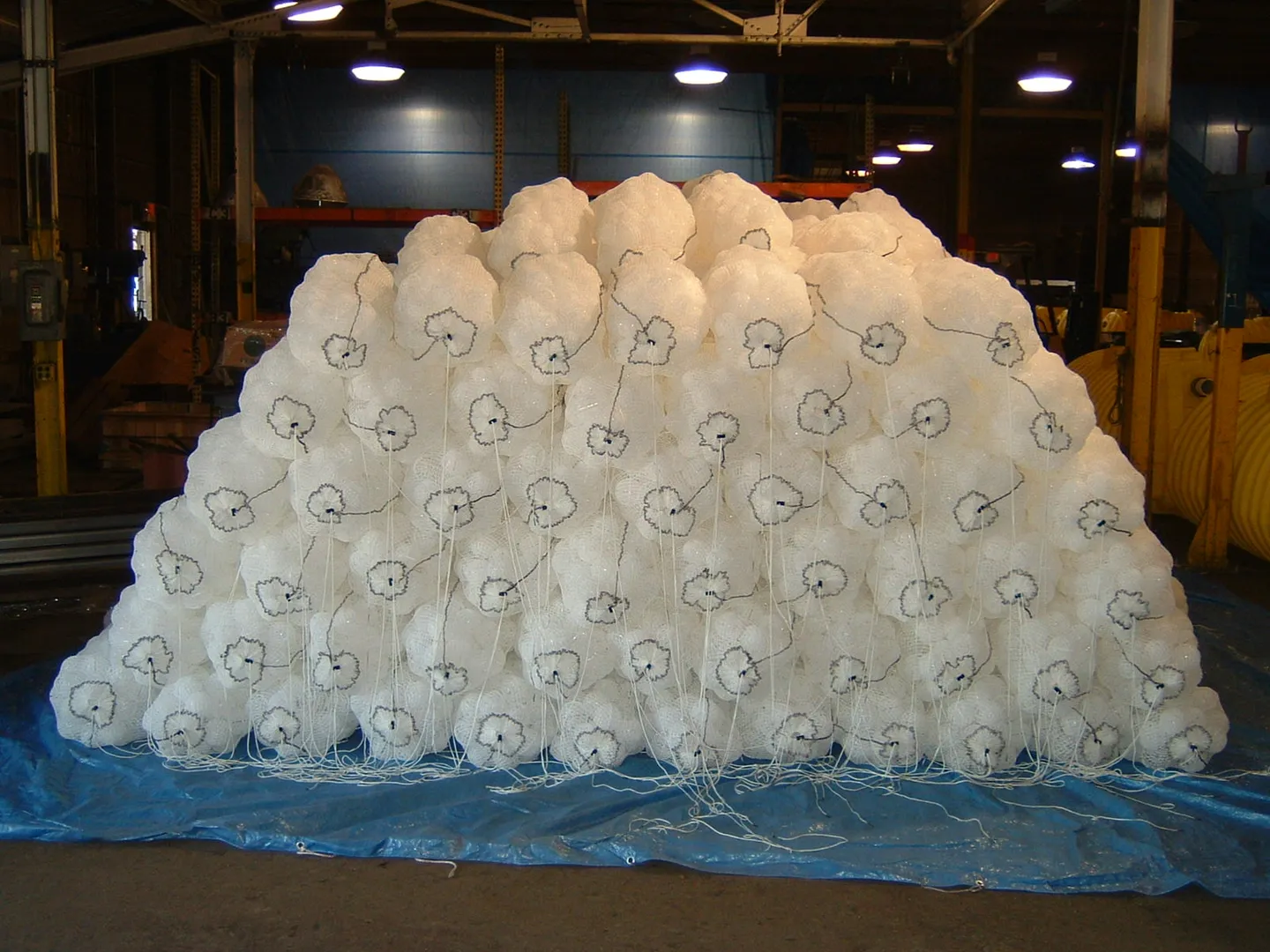
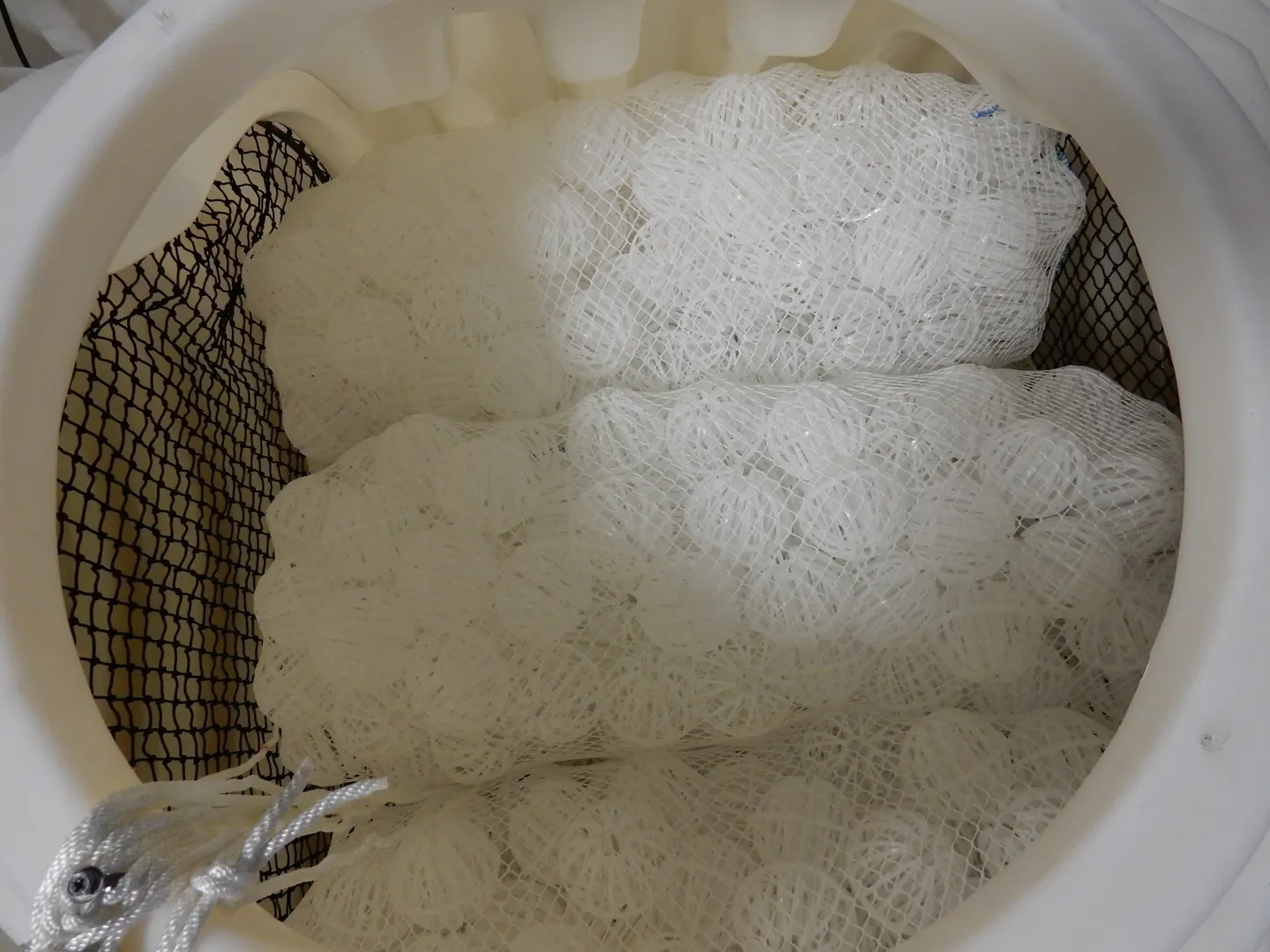
Plastic above-ground separators are different from Mercer's standard above-ground steel family because coalescer selection depends on both tank configuration and wastewater conditions. Welded rectangular plastic units can accept either coalescing ball media or the Multi-Pack™. Rotationally molded units use coalescing ball media.
The right selection starts with what the wastewater actually does—not simply which option costs less.
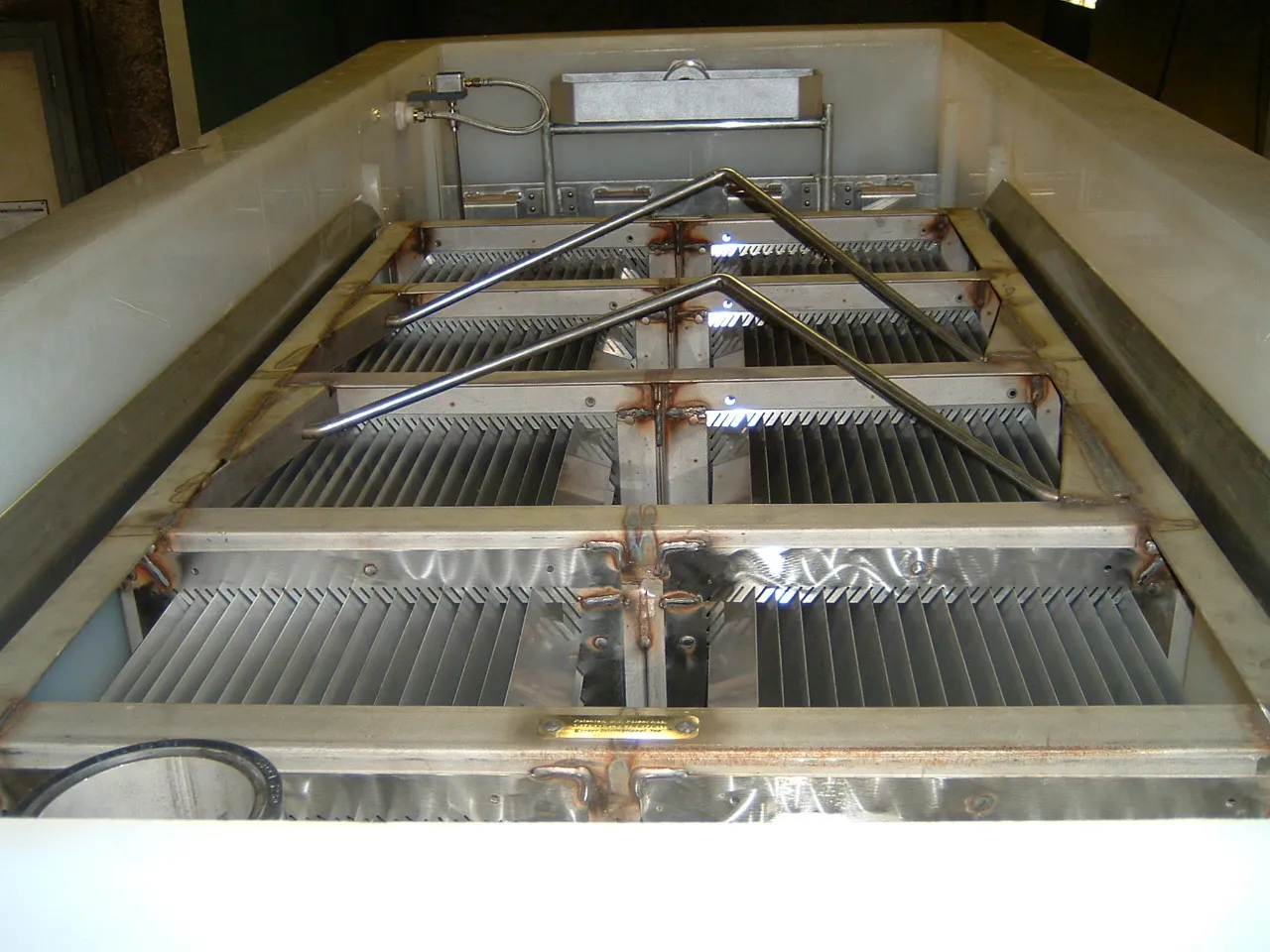
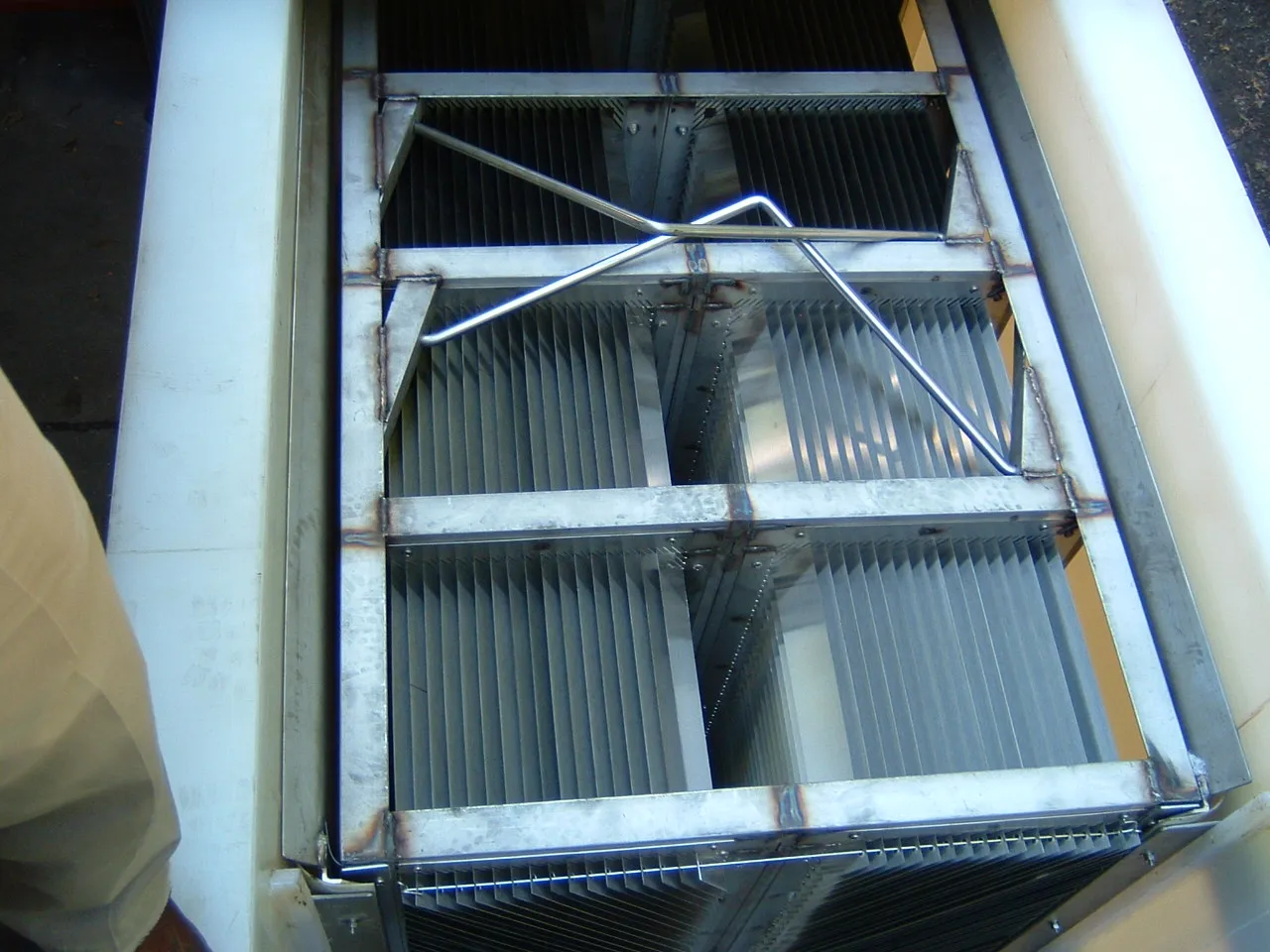
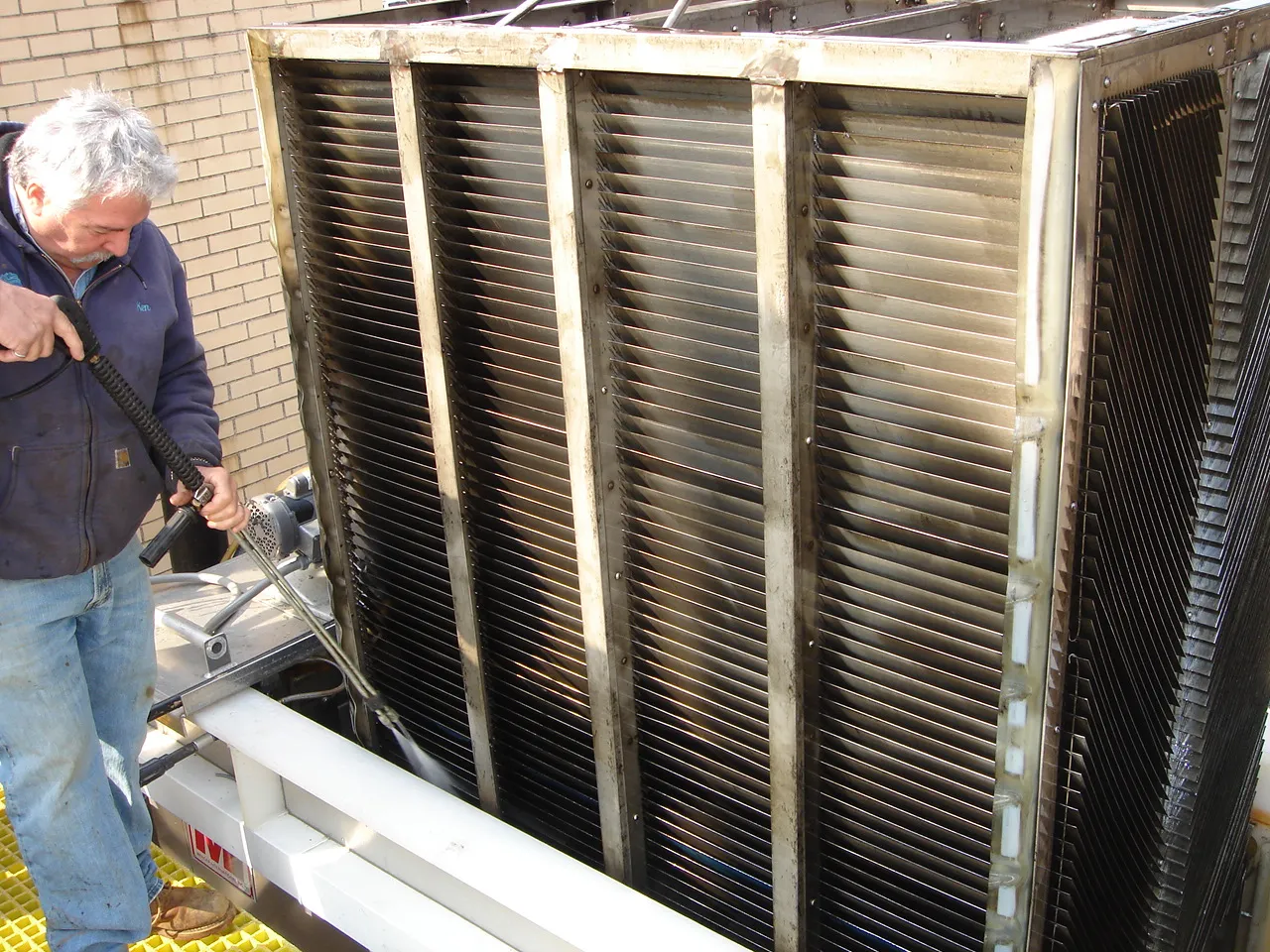
Flat, steep-angled plates promote predictable oil rise while allowing solids to shed from plate surfaces rather than accumulating in internal pockets.
Learn MorePlate spacing can be adjusted to match actual wastewater conditions, including oil type, temperature, viscosity, and solids behavior. Performance is tuned to the application rather than assumed.
Learn MorePlates are arranged in a herringbone configuration that separates areas where oil rises from areas where solids settle, helping stabilize internal hydraulics as operating conditions fluctuate.
Learn MoreAs oil droplets coalesce and solids shed from plate surfaces, they enter dedicated low-velocity Chimney Zones™ where oils rise and solids settle without unnecessary re-entrainment.
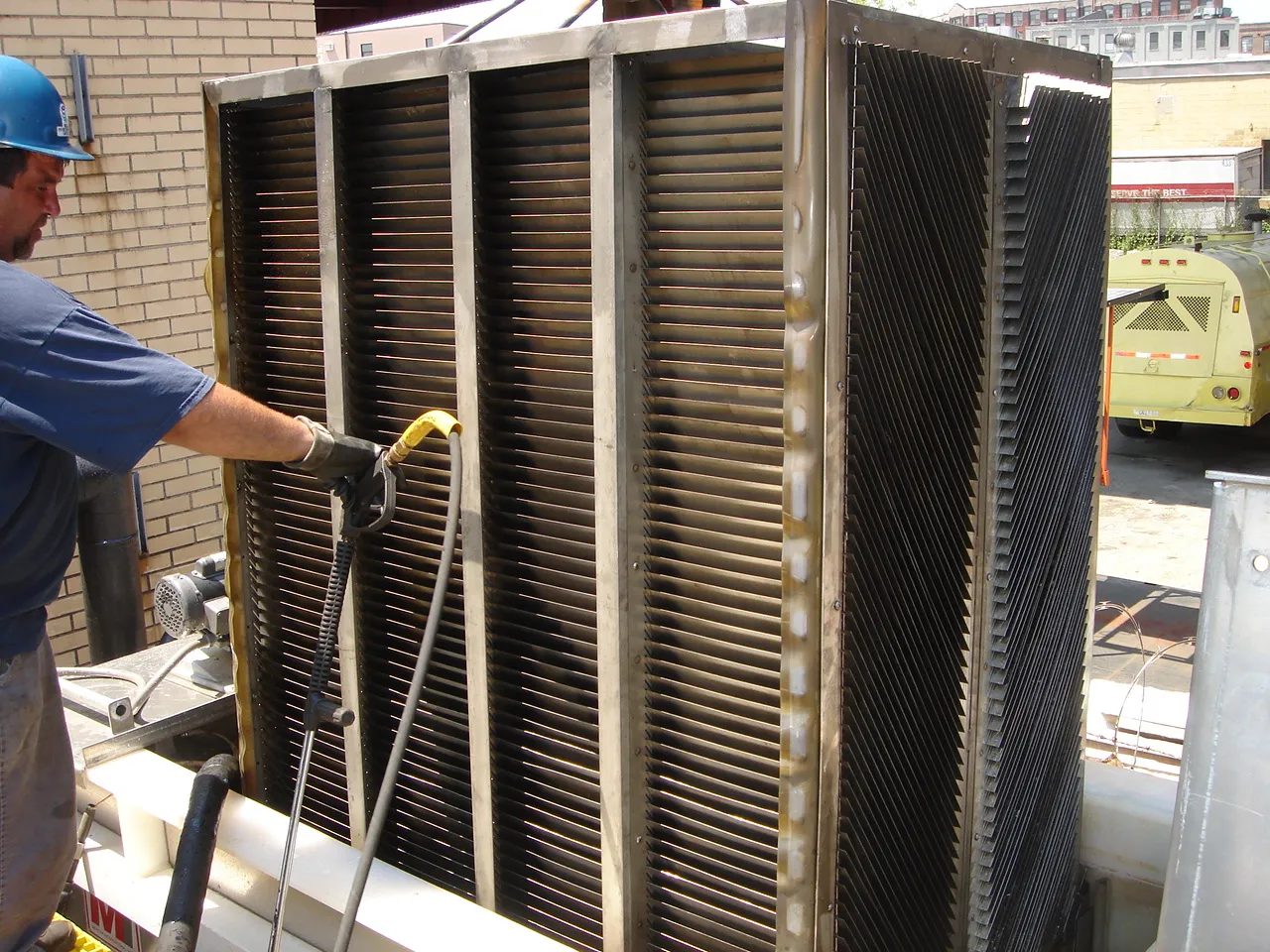
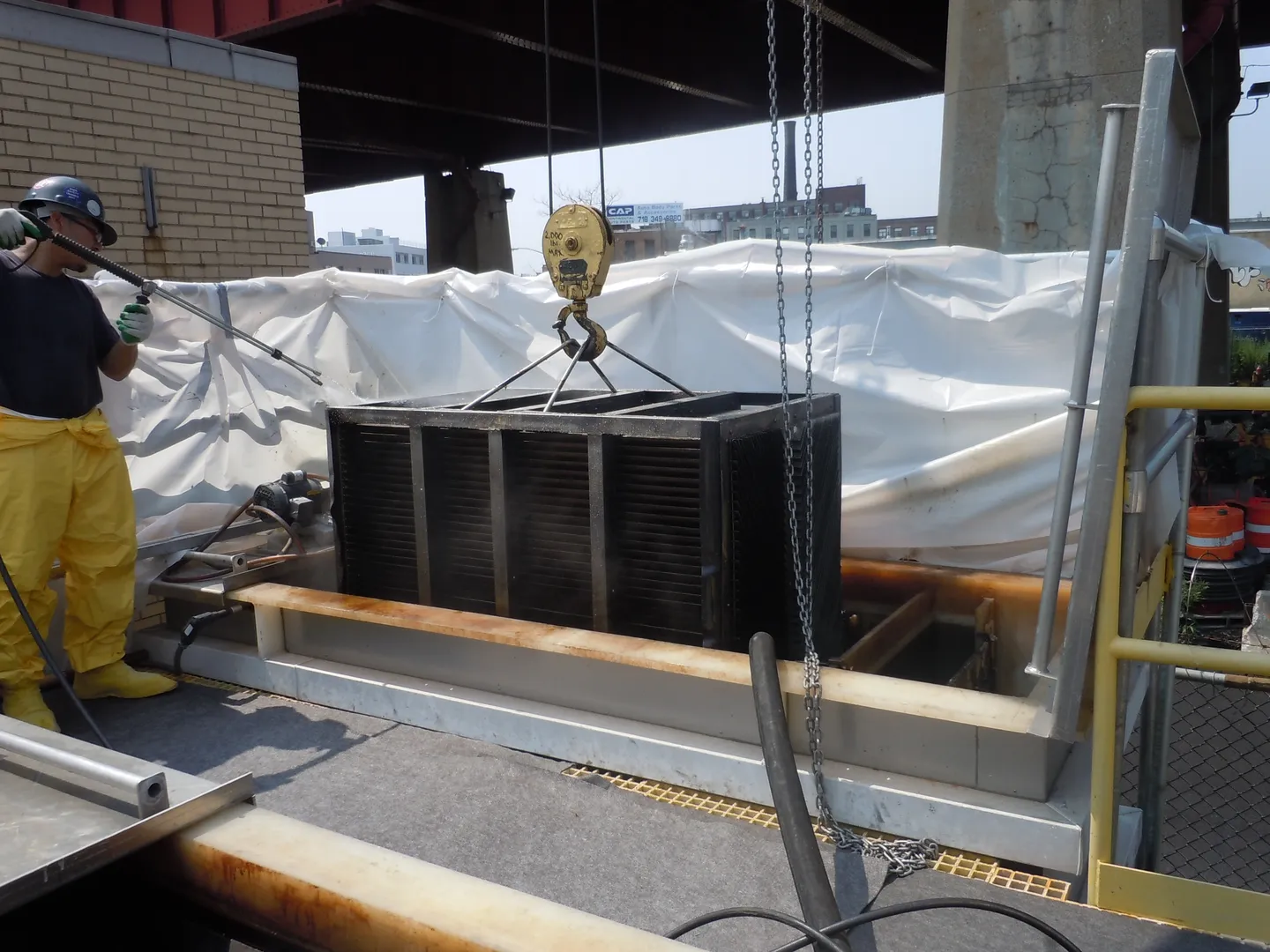
Learn MoreThe Multi-Pack™ is fully removable as a single assembly. Operators can visually inspect, clean, and return the coalescer to service without dismantling internal components or replacing disposable media.
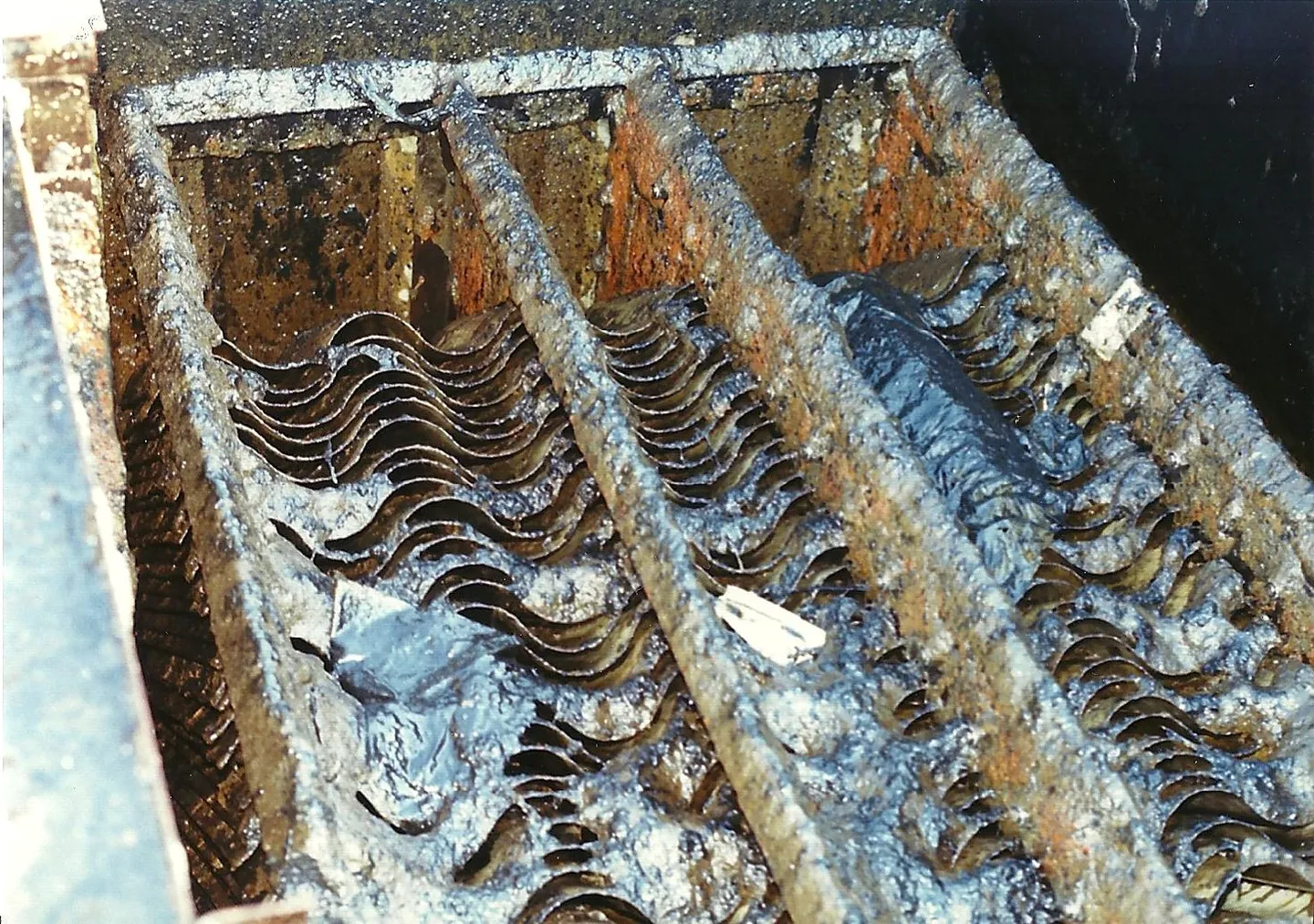
There has never been a Multi-Pack™ removed from a Mercer separator where operators could not see through to the opposite side before cleaning begins. Surface films may be present. Clogged pockets are not.
Learn MoreBall media is best suited to cleaner, lower-solids, and more predictable wastewater streams. The Multi-Pack™ is engineered for welded rectangular units where solids, temperature, oil characteristics, or operating variability demand greater control.The important distinction is not simply the media itself. It is whether the coalescer matches the wastewater the separator will actually receive.A process change, new washdown chemistry, increased solids loading, or added production line can change that answer over time.Mercer makes the selection from your worst-case wastewater condition, not the average one.
Learn more about the Mercer AdvantageINDUSTRY APPLICATIONS
Plastic above-ground separators are applied where wastewater chemistry and corrosion resistance influence material selection as much as nominal flow. The appropriate configuration depends on chemistry, temperature, solids behavior, hydraulic conditions, site exposure, and service requirements.
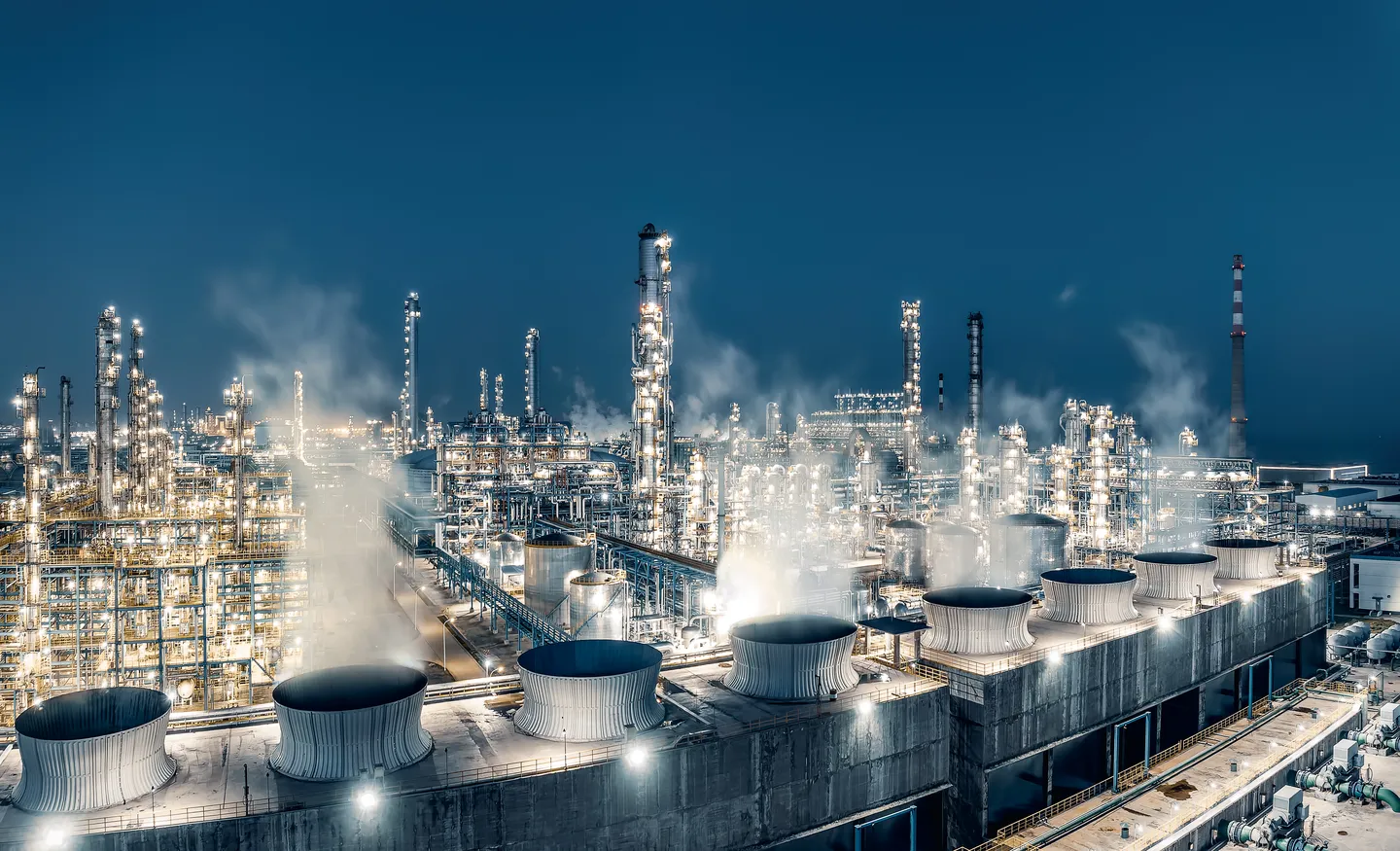
Streams carrying acids, caustics, chlorides, or aggressive process chemistry can make a carbon-steel coating system an ongoing maintenance consideration. Plastic construction removes tank corrosion from that equation where the operating conditions are appropriate for the material.
Learn more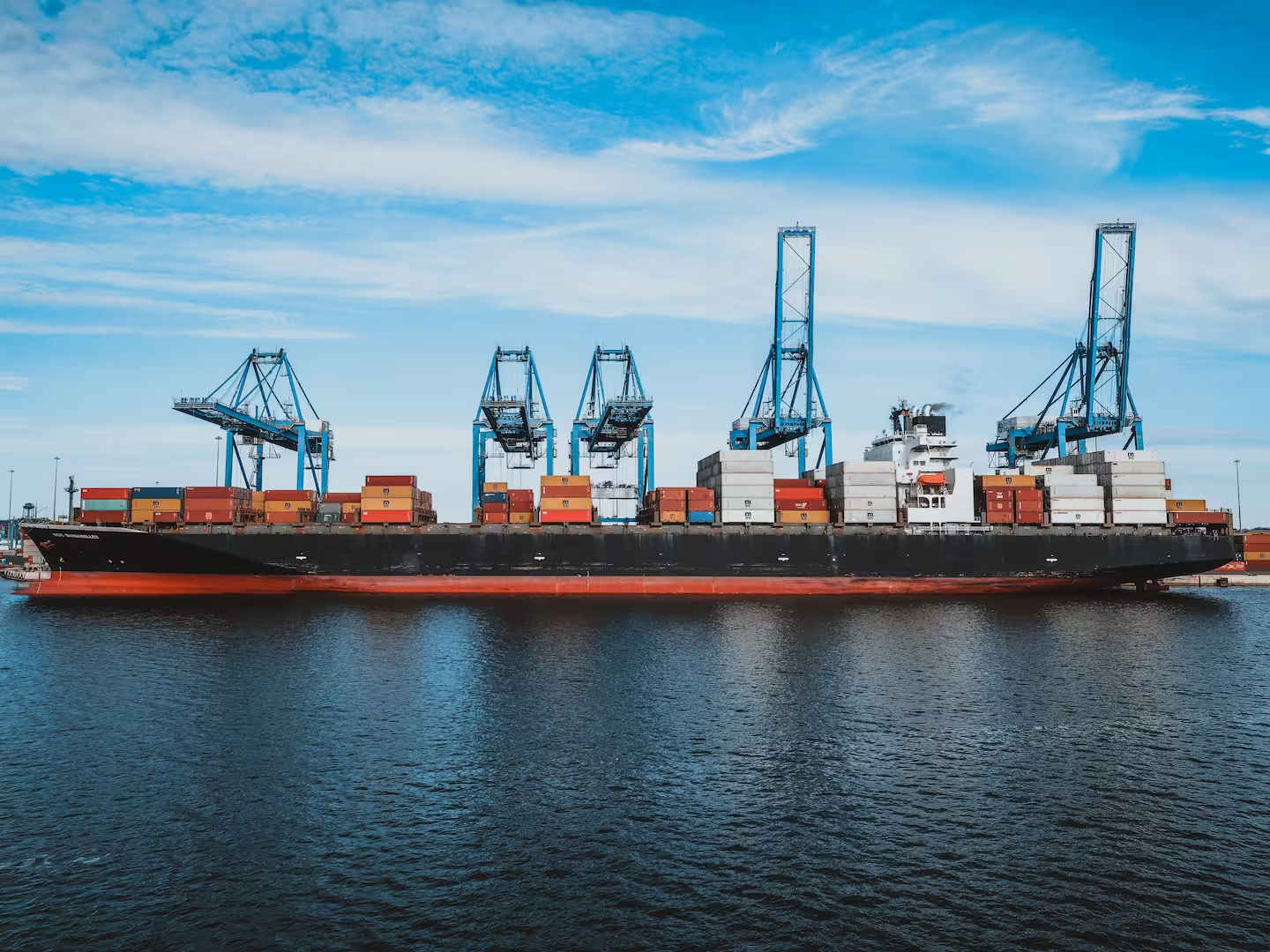
Port facilities, coastal terminals, and salt-exposed environments can subject equipment to aggressive conditions from both the wastewater stream and the surrounding atmosphere. Plastic provides a corrosion-resistant tank option where site and process requirements support its use.
Learn More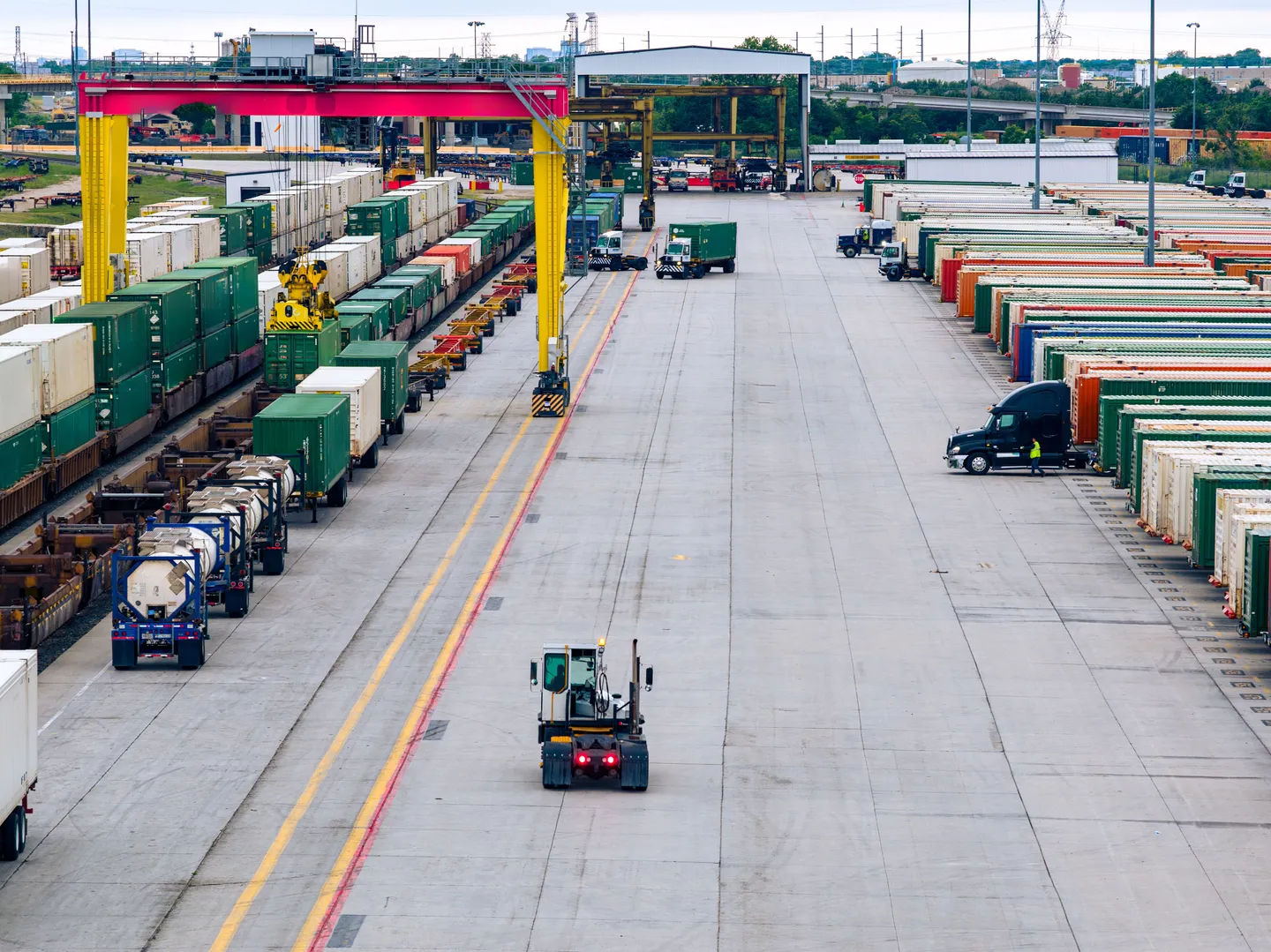
Wash bays and fleet facilities generate oil-bearing wastewater containing detergents under cycling flow conditions. Both wastewater chemistry and coalescer selection matter, requiring the tank material and internal separation technology to be evaluated together.
Learn More
Coolants, cutting fluids, finishing-line wastewater, solids, and aggressive chemistry can create demanding separation conditions. These applications may favor a welded rectangular plastic unit with the Multi-Pack™ when the wastewater conditions require more than ball media.
Learn More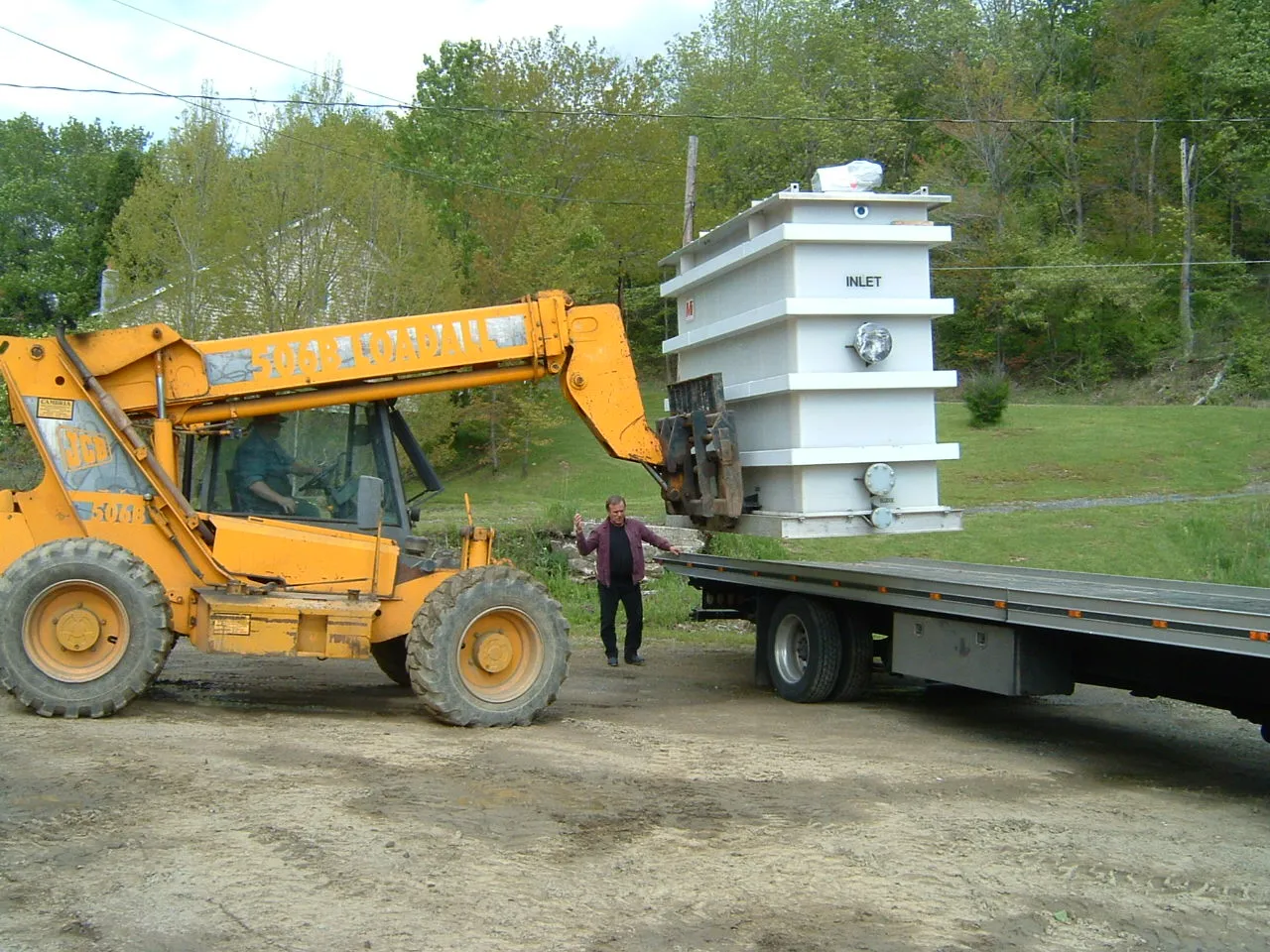
Where equipment must be installed and potentially relocated without an extensive foundation or coating program, plastic can offer a practical above-grade solution when flow, temperature, chemistry, and structural requirements remain within its operating envelope.
Learn More
Plastic separator selection depends on more than flow rate. Wastewater chemistry, temperature, solids loading, oil characteristics, flow variability, structural support, UV exposure, freeze conditions, and maintenance requirements all affect whether plastic is the right material—and which configuration and coalescer should be used.
Mercer evaluates these conditions against the worst-case operating scenario so the separator is engineered for the wastewater and environment it will actually encounter.
Yes, in welded rectangular plastic units. The squared internal envelope can accommodate Mercer's flat-plate Multi-Pack™. Rotationally molded rectangular, oblong, and spherical bodies use coalescing ball media in removable netted bags.
Chemistry is typically the primary reason. When the wastewater stream is corrosive to carbon steel, a plastic tank eliminates corrosion of the tank material and the associated coating maintenance program. Where chemistry does not require plastic, steel may provide advantages in structural capacity, temperature tolerance, and available flow range.
Plastic loses stiffness as temperature rises, so temperature is a real design constraint. Continuous service temperature must be evaluated against the specific resin, wastewater conditions, and application before the separator is selected.
Plastic tanks require continuous, level, full-bottom support. They are not saddle-mounted or point-supported. A support pad suitable for a steel skid should not automatically be assumed to be suitable for a plastic tank. Support requirements are evaluated as part of the system design.
Above-grade plastic is directly exposed to UV, temperature changes, and freezing conditions. Resin selection, UV stabilization, and freeze protection are evaluated based on site location, operating conditions, and duty cycle.
Yes. Above-grade placement keeps the system accessible for inspection and service. Coalescing ball media bags can be removed for cleaning, while the Multi-Pack™ in welded rectangular units removes as a single assembly for visual inspection, cleaning, and return to service.
Changes in process chemistry, temperature, flow, oil characteristics, or solids loading can affect separator performance and coalescer selection. In a welded rectangular plastic unit, a change in coalescer configuration may be possible. If conditions move outside the appropriate operating envelope for plastic, Mercer can evaluate whether a steel or custom-engineered alternative is the better solution.
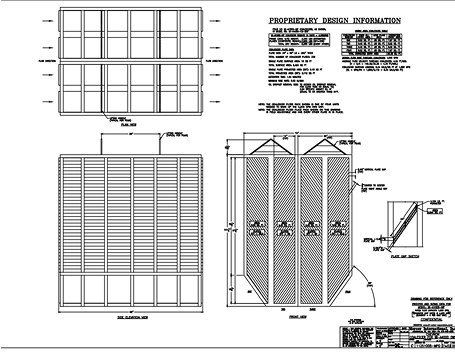
Tell us about your project and we’ll provide the right configuration drawings for your site and flow conditions.
Head to the design center
Provide your project details and we’ll share the full technical specs relevant to your operating conditions.
Head to the design center