Fueling docks, shipyards, bilge water, storm‐driven surges, saltwater, and debris. Mercer provides stable, predictable separation in the toughest marine environments.
Talk to an Expert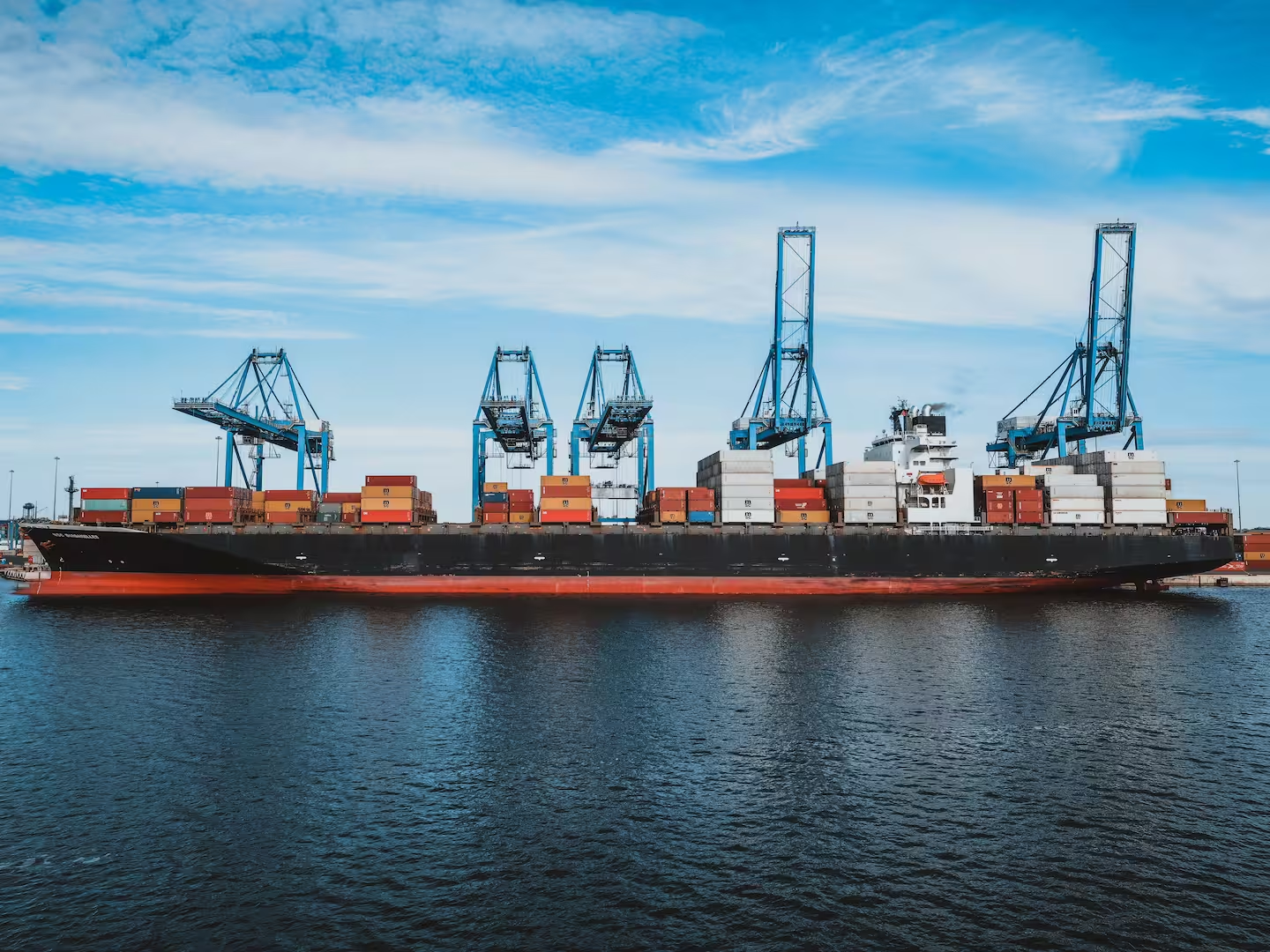
INDUSTRY INSIGHT
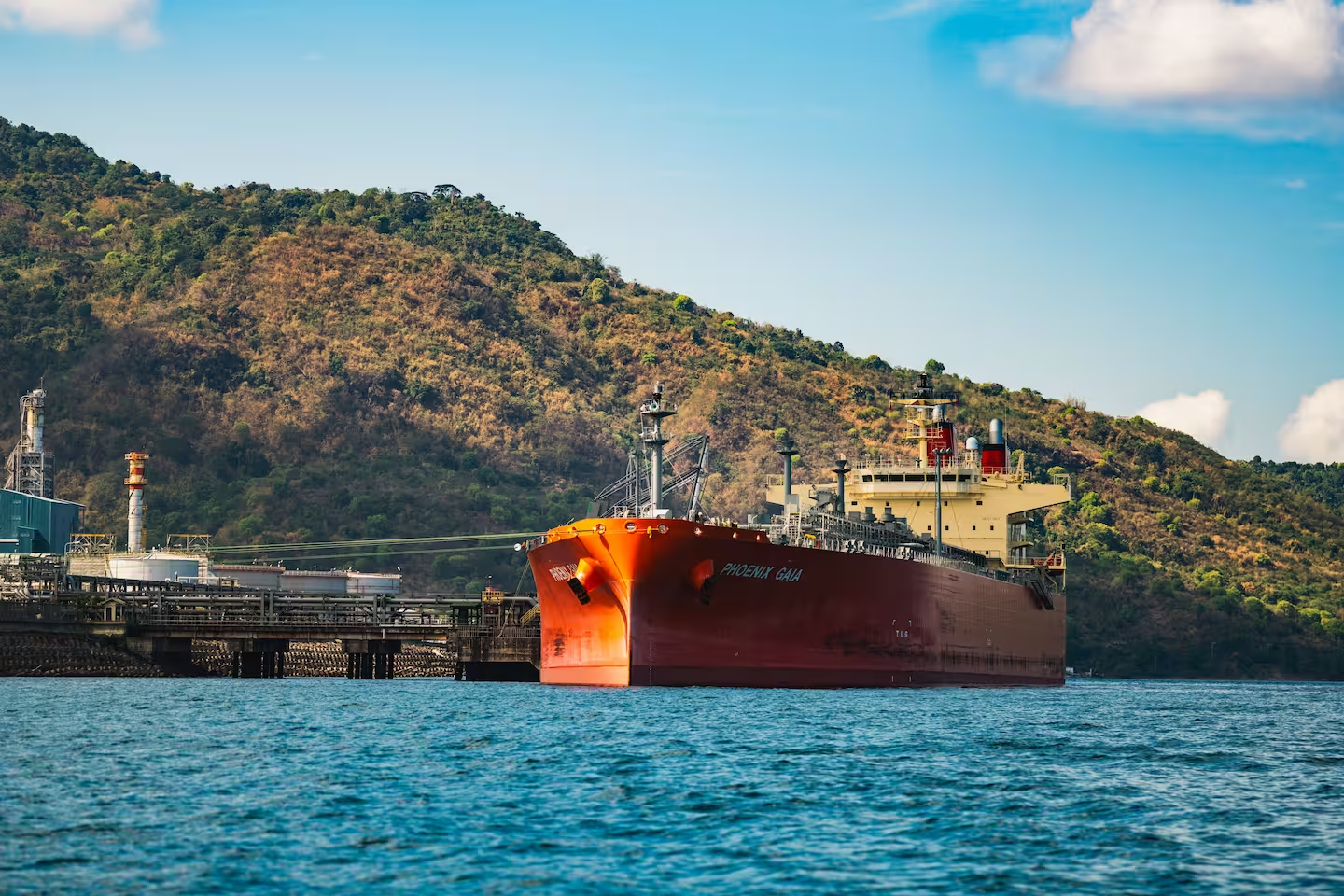
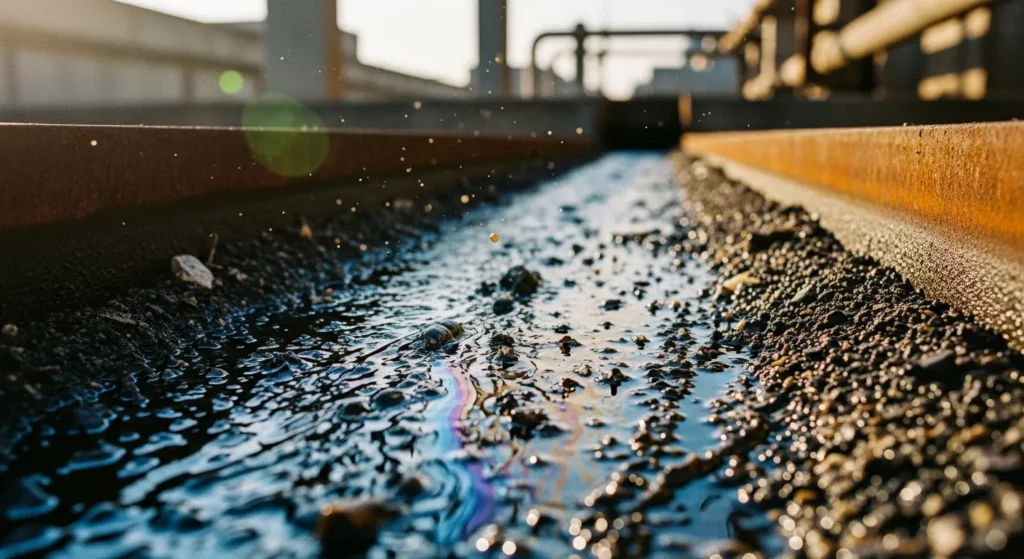
Ports, harbors, shipyards, and marine fueling operations operate under continuous environmental scrutiny. Dockside activity, vessel maintenance, cargo handling, fueling operations, and bilge water offloading all generate oily, solids-heavy wastewater that overwhelms traditional CPI separators, vault systems, and hydrodynamic units. Add saltwater, paint chips, blasting debris, and the result is a wastewater stream that changes by the hour.
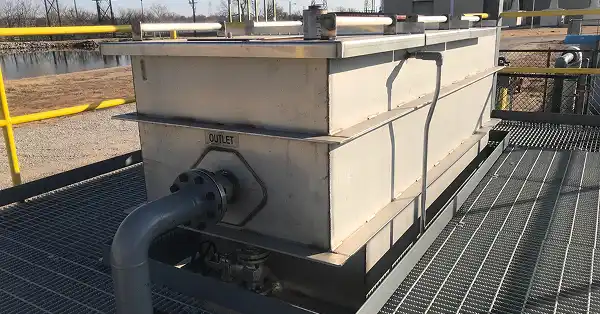
Mercer International delivers engineered enhanced-gravity separation designed for the real conditions of maritime work, highly variable flows, harsh chemistry, heavy solids, and the need for dependable hydrocarbon capture in sensitive coastal zones.
MERCER ADVANTAGE
Mercer systems integrate across nearly every marine and coastal industrial wastewater pathway.

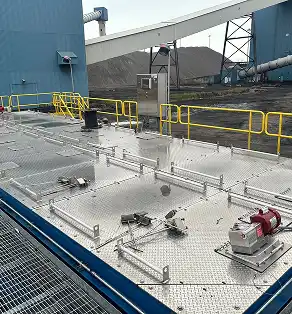
Marine wastewater is aggressive, variable, and unforgiving, conditions where Mercer’s engineered separators stand apart.
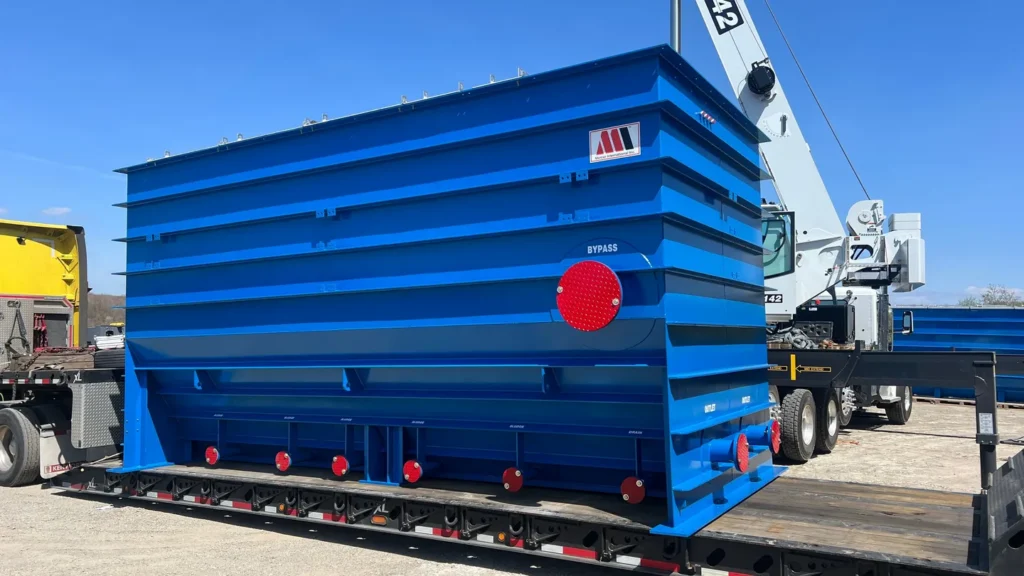
Yes. Mercer’s controlled-flow, enhanced-gravity design maintains droplet rise rates even in the presence of surfactants, sludge, and debris commonly found in bilge water, improving separation consistency.
Saltwater changes fluid density and can reduce separation efficiency in CPI packs. Mercer’s geometry and coalescer design maintain predictable rise velocities and resist salt-induced fouling.
Often yes. Many facilities upgrade performance by installing Mercer coalescer modules inside existing structures, improving oil capture and reducing solids buildup.
Built-in pre-settlement zones and non-blinding flow paths prevent clogging, allowing solids to settle predictably and reducing maintenance.
Absolutely. By capturing fine hydrocarbons and reducing solids before discharge, Mercer systems help facilities minimize sheen risk during coastal sampling and inspections.
