
INDUSTRY INSIGHT
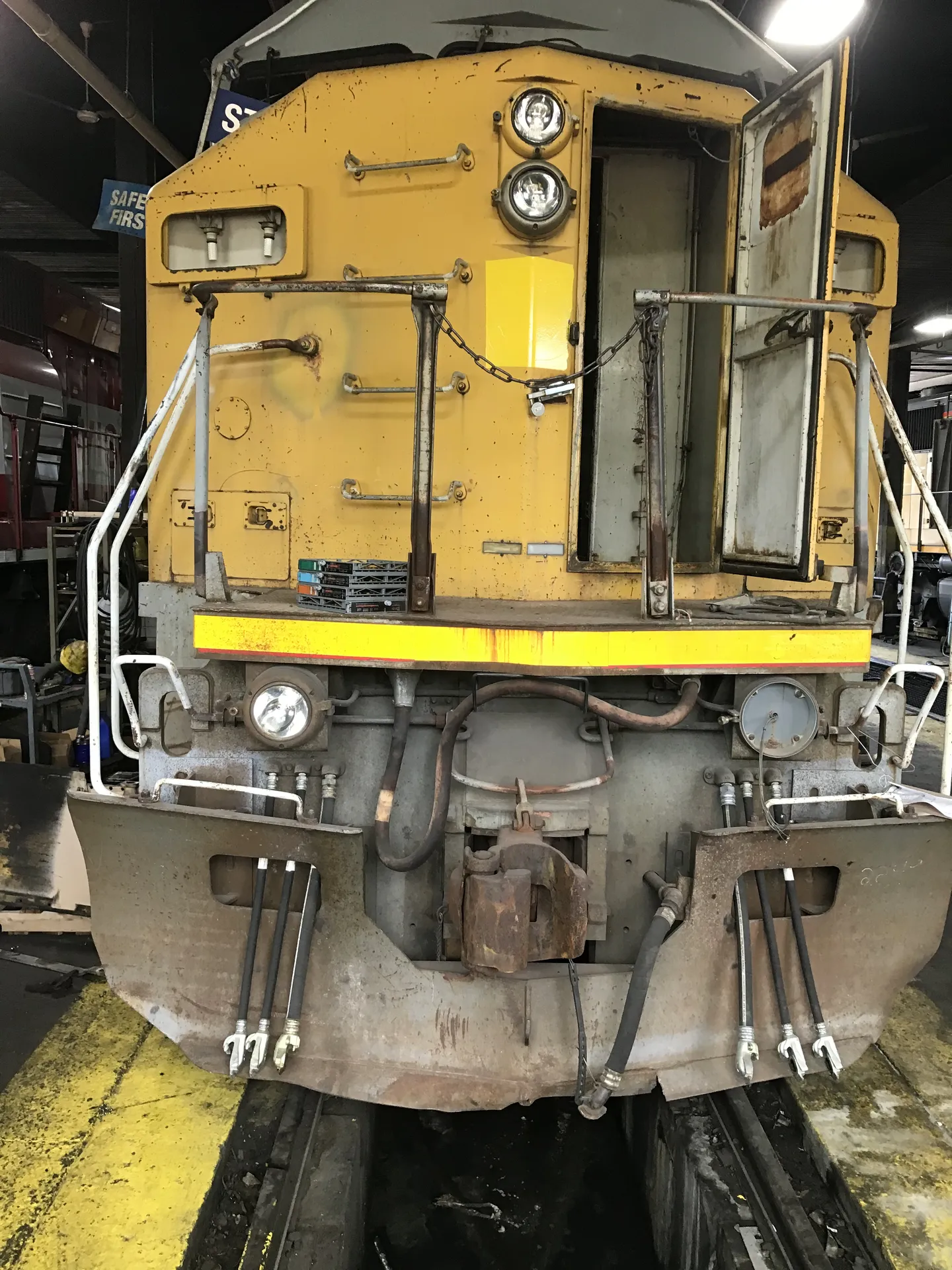
Heavy Locomotives. Harsh Washdown Water. Hydrocarbon-Loaded Stormwater.
Diesel, hydraulic oil, brake dust, ballast fines, surfactants, and constant heavy equipment movement. Mercer brings predictable, low-maintenance separation to rail yards and maintenance facilities.
Rail operations generate some of the harshest wastewater in the transportation sector. Locomotives leak fuel and lubricants, maintenance shops drain oily runoff, wash racks use aggressive detergents, and yards accumulate grit, metals, and debris that wash into drainage systems. Add in weather-driven stormwater surges, and the result is a highly variable stream that overwhelms legacy CPI units, open vaults, and swirl devices.
Mercer International provides engineered enhanced-gravity separation built for rail’s real-world conditions: heavy solids, surfactants, fluctuating flow, and the need for dependable hydrocarbon capture across high-traffic maintenance and fueling environments.
Request Consultation or Build Your Design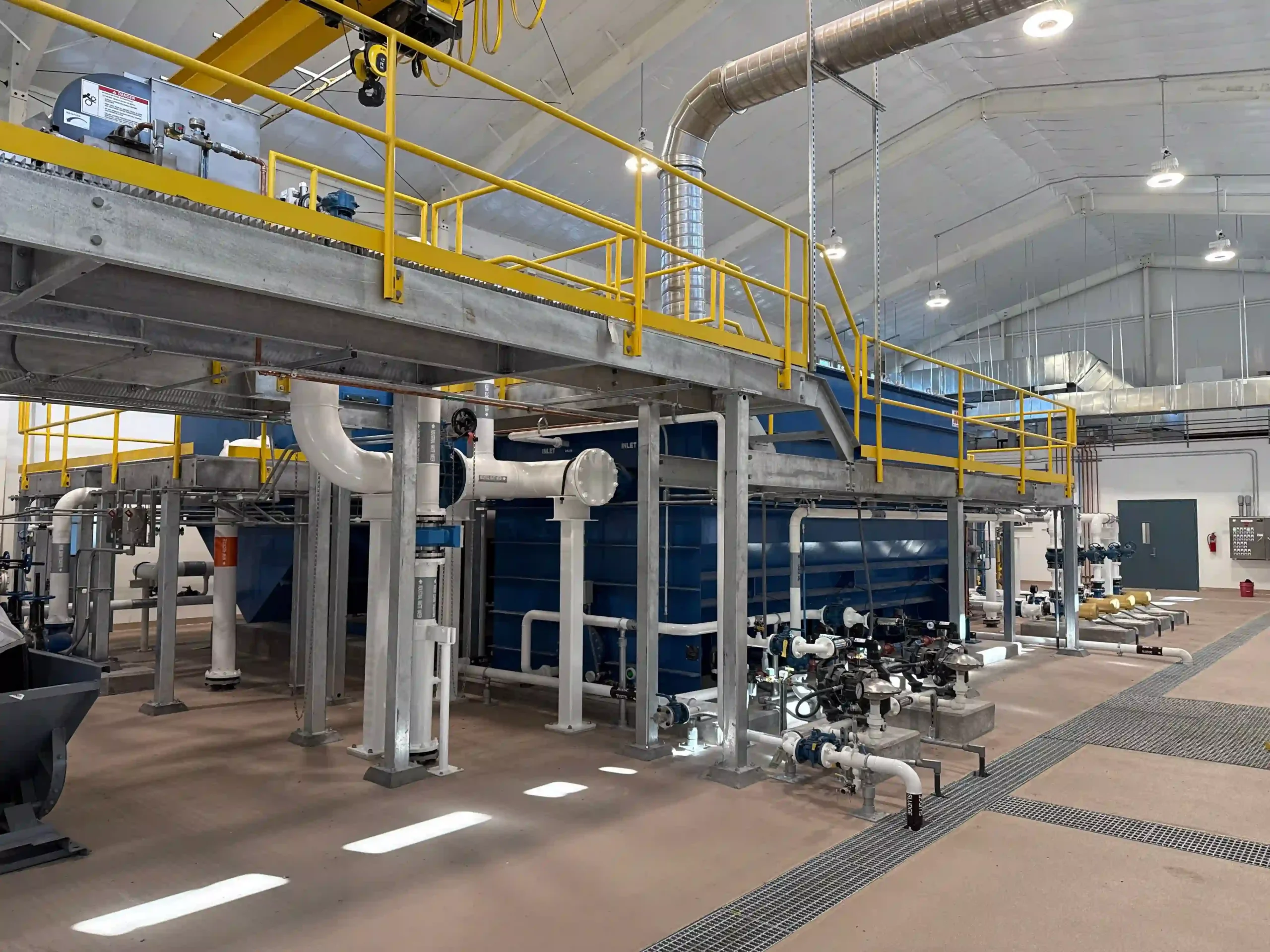
Mercer systems integrate across a wide spectrum of rail activities, providing stable separation performance where older technologies fail.
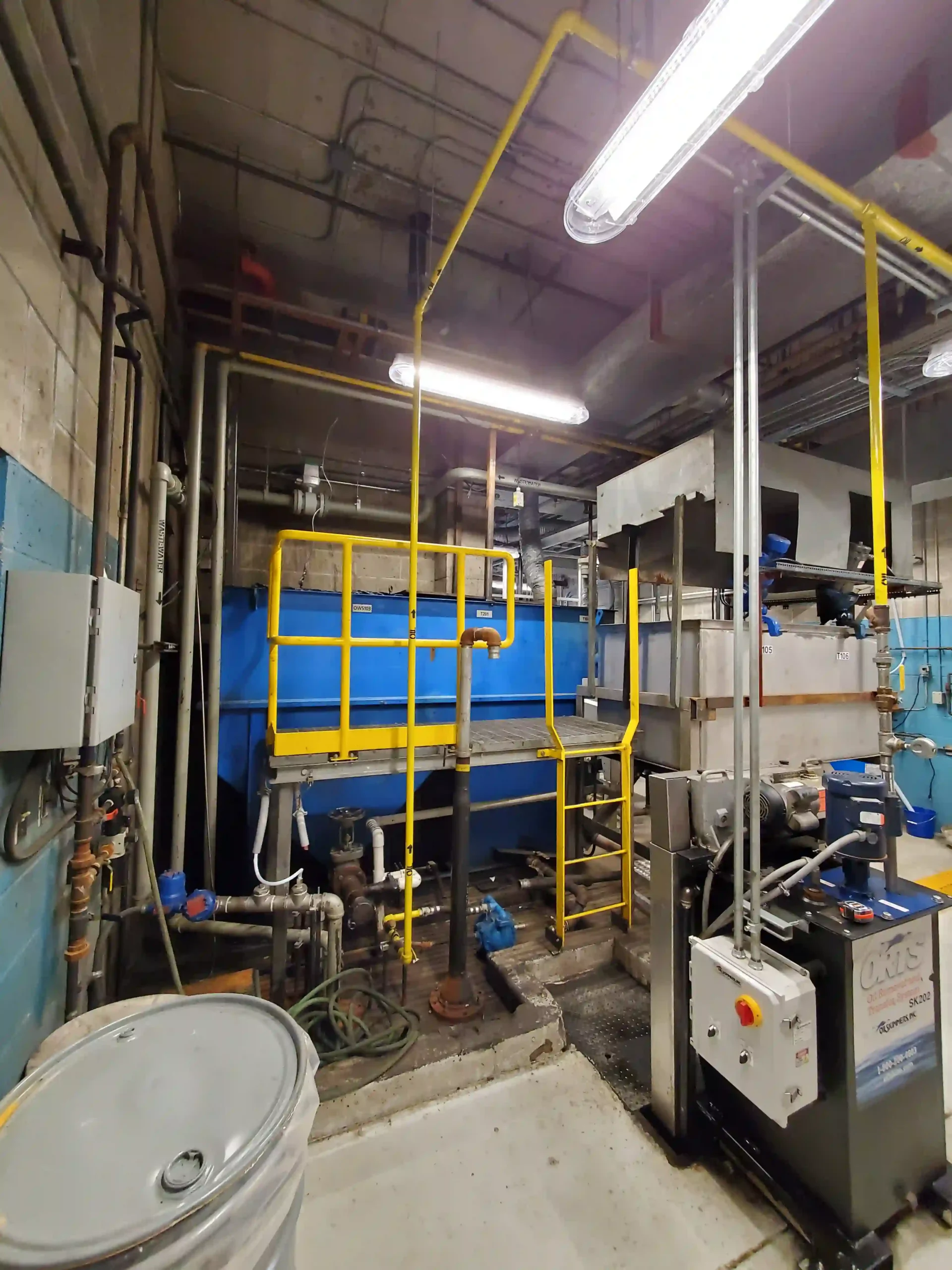
Rail wastewater is gritty, oily, detergent-laden, and highly variable, exactly the profile Mercer systems excel at handling.

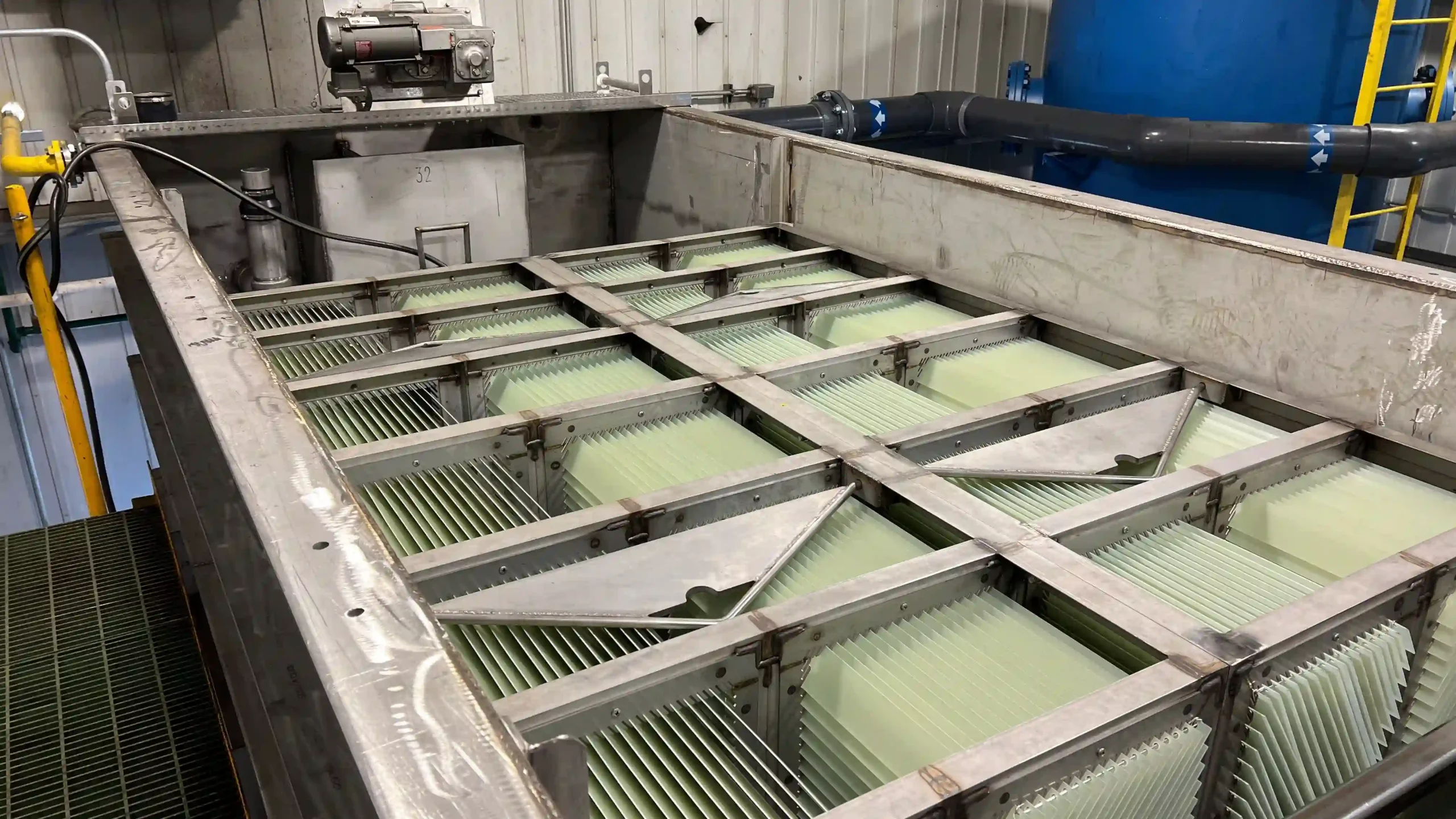
Yes. Pre-settlement zones and non-blinding coalescer pathways prevent clogging from ballast fines, brake dust, and track debris, significantly reducing maintenance.
Mercer designs maintain droplet rise rates even when wash chemistries contain degreasers and detergents that typically collapse CPI performance.
Often yes. Many rail facilities upgrade by retrofitting Mercer coalescer modules into existing structures, gaining better oil capture and reduced solids buildup without major civil projects
Mercer separators maintain predictable performance even as oils thicken in colder climates, thanks to controlled flow geometry and longer retention paths.
Significantly. Automated solids purging and predictable sludge settlement reduce the frequency of disruptive, costly cleanouts.
