

INDUSTRY INSIGHT
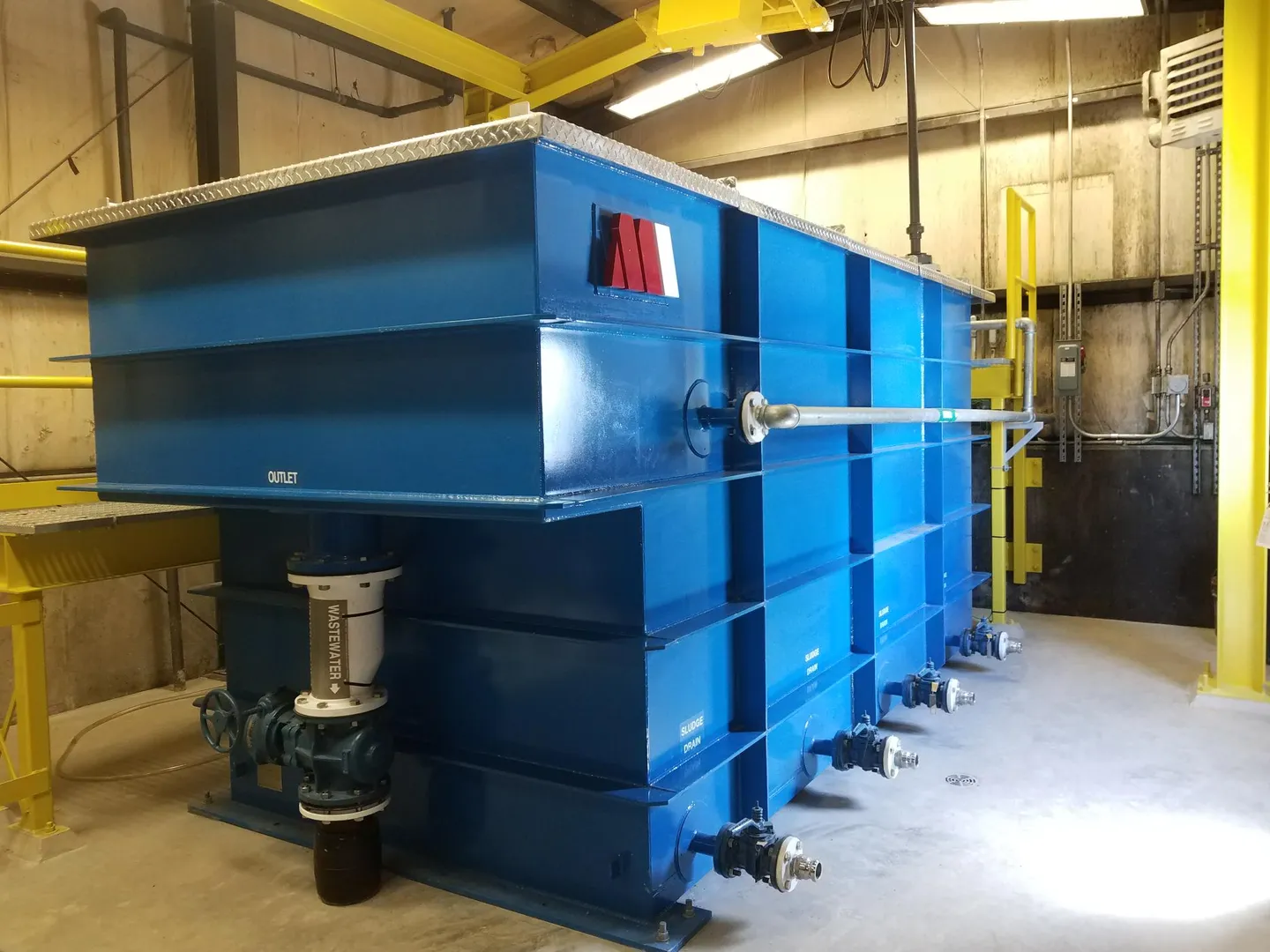
Mass transit systems move people in high-density environments where uptime, safety, and environmental compliance are nonnegotiable. Every bus depot, maintenance barn, refueling point, wash rack, and transit yard generates oily wastewater that cannot enter stormwater systems untreated. Mercer tackles these loading conditions with separators engineered for real-world contaminants, fluctuating flows, and the operational pressures of transit authorities.
We design mass transit solutions that survive the full operating range: heavy solids from wash racks, hydraulic fluid and lubricants from maintenance bays, and fuel residues from refueling operations. Most transit agencies inherit a mix of aging infrastructure, rapid pulsed flows, and cramped footprints. Mercer systems stabilize these swings, maintain performance at variable loads, and give operators a separator that works predictably for the long haul.
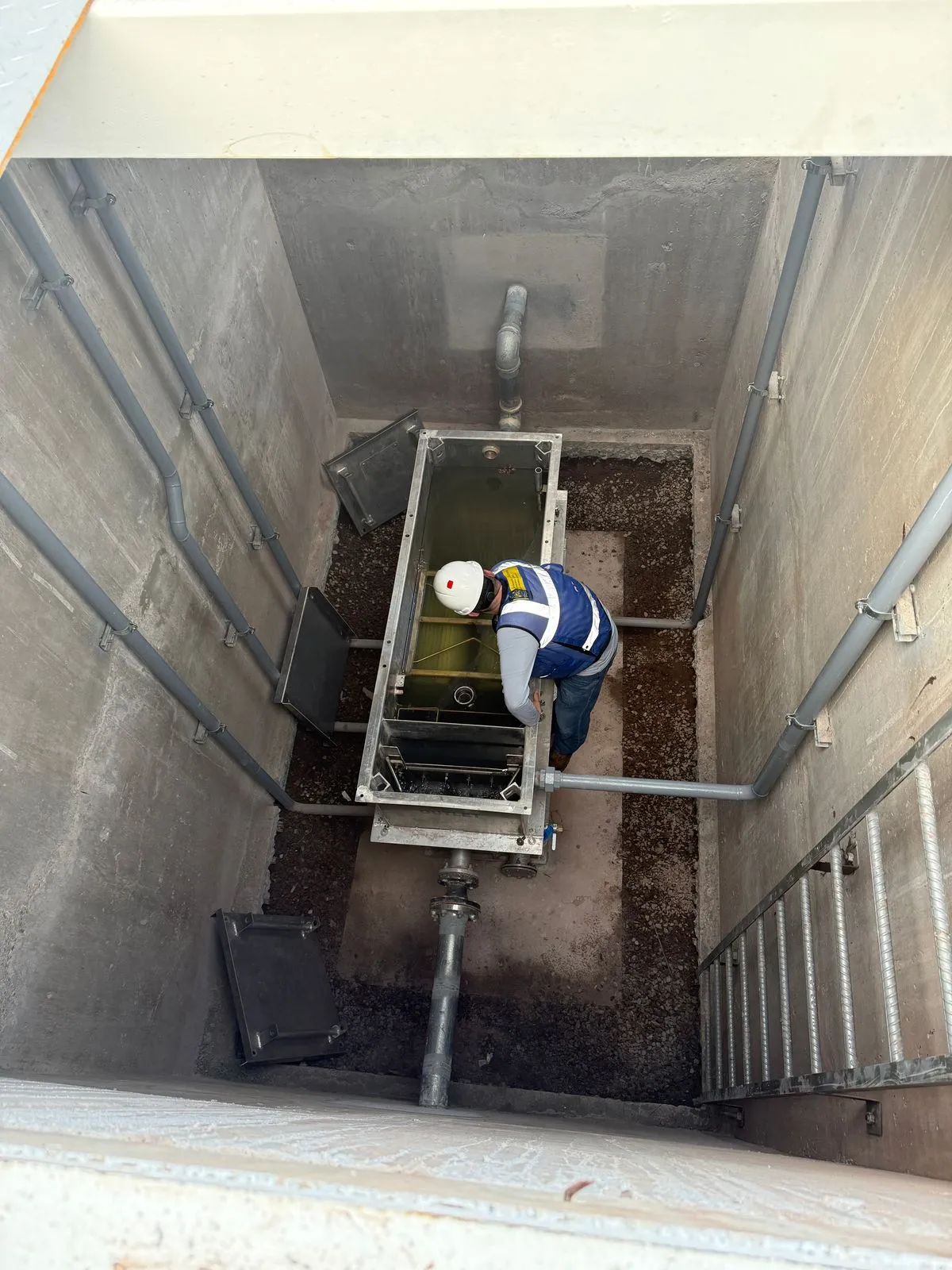
Transit facilities are rarely “clean environments.” Our plate pack designs prevent clogging, maintain separation even when solids spike, and can be fully inspected and cleaned without confined space entry. Authorities choose Mercer when they want predictable performance and equipment that does not need babysitting.
Transit wastewater is a complex mix that often includes:
Mercer systems are engineered to handle these contaminants without relying on optimistic lab assumptions or micron manipulation. Every performance claim is backed by longhand calculations.
MERCER ADVANTAGE

Other pack designs dissipate pressure washer force across corrugations and pockets. Once solids get into the center, they never come out. Mercer’s removable Multi-Pack system avoids this problem. After decades in the field, we have never pulled a pack from a tank where you cannot see from one side to the other.

Transit operations surge during shift changes and service cycles. Our plate geometry and flow distribution baffles create calm zones that reduce turbulence and prevent channeling.

If a separator needs daily babysitting, it will fail. Mercer systems are built to perform with minimal attention. When cleaning is needed, the full plate assembly slides out, washes down quickly, and is back in service within minutes.

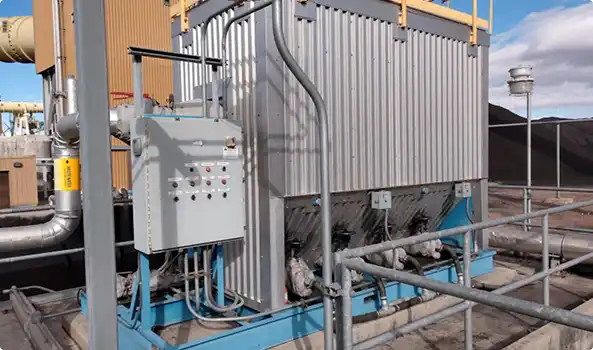
Many transit yards were never designed with modern environmental controls in mind. Mercer systems integrate cleanly into tight footprints, legacy drainage networks, and retrofit constraints.

Mercer systems help agencies stay ahead of stormwater and discharge limits. We test at no cost and provide performance guarantees based on real calculations for real operating conditions.
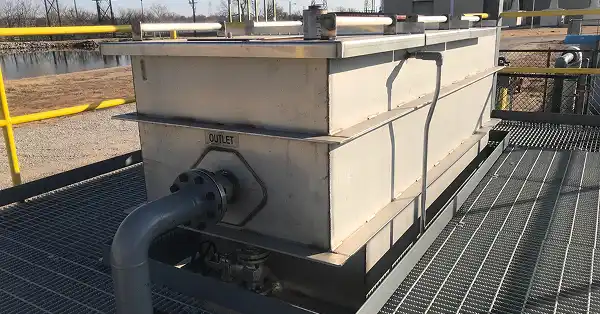

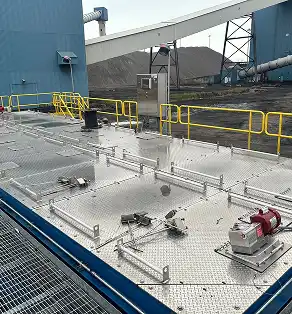
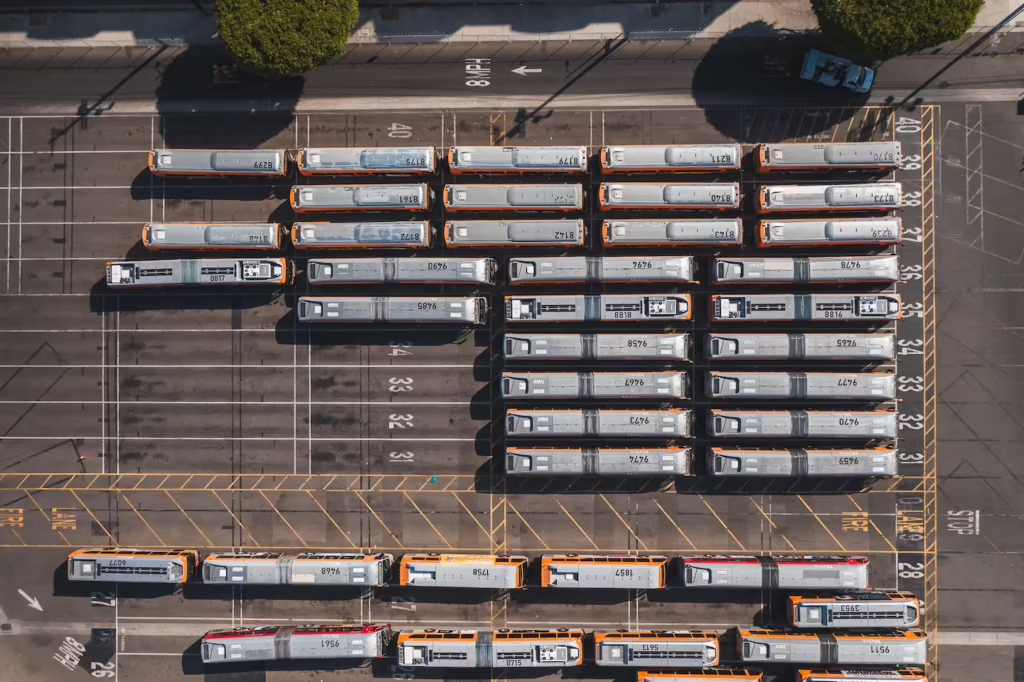

Bus depots, wash racks, maintenance bays, fueling points, transit yards, and any paved operational area where oily residues or wash water enter drains.
Yes. The plate pack geometry and baffle system maintain separation during rapid flow changes and prevent turbulence from degrading performance.
Most do not. Mercer evaluates your site chemistry during free testing to confirm compatibility and ensure the system is sized correctly.
Transit facilities vary, but most operators can visually inspect and rinse the pack at planned maintenance intervals. The design avoids the clogging issues of corrugated plastic media.
Yes. We frequently design systems for aging infrastructure and tight footprints without requiring complex construction.
