INDUSTRY INSIGHT
Jet fuel, hydraulic fluid, and grit… aviation wastewater is unpredictable and chemically aggressive. Mercer brings controlled, predictable separation to hangars, ramps, tarmacs, and fueling areas.
Airports, hangars, and aviation maintenance facilities deal with constant movement, strict environmental scrutiny, and some of the most chemically complex wastewater in the transportation sector. Washdowns, fueling operations, de-icing events, and GSE maintenance all generate oily, solids-heavy, surfactant-rich flows that overwhelm traditional CPI packs, vault systems, and hydrodynamic devices.
Mercer International’s enhanced gravity separators stabilize treatment performance across variable loading conditions, capturing fine hydrocarbons, managing solids, and reducing operator intervention in high-pressure aviation environments.
Request Consultation or Build Your Design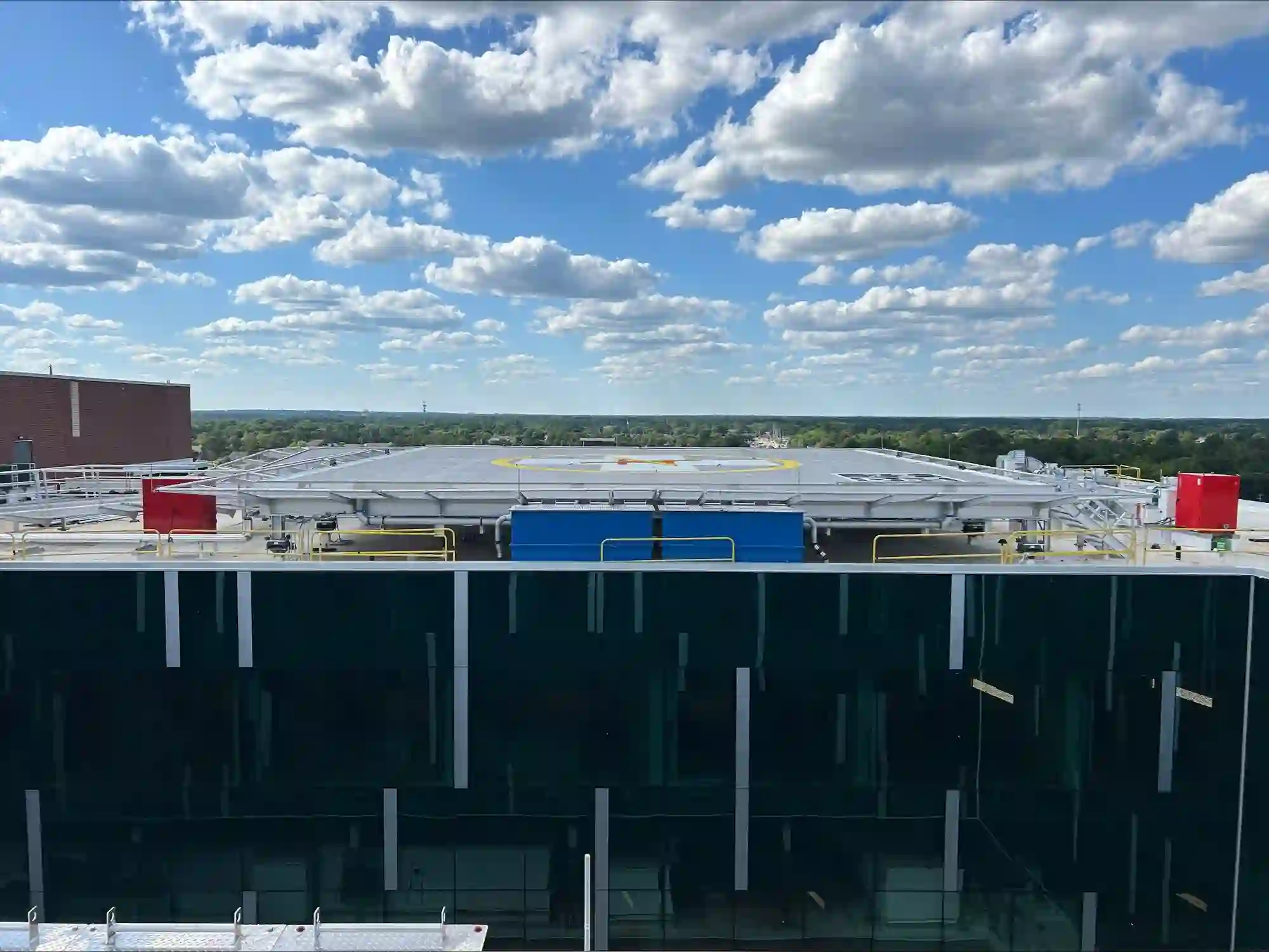
MERCER ADVANTAGE
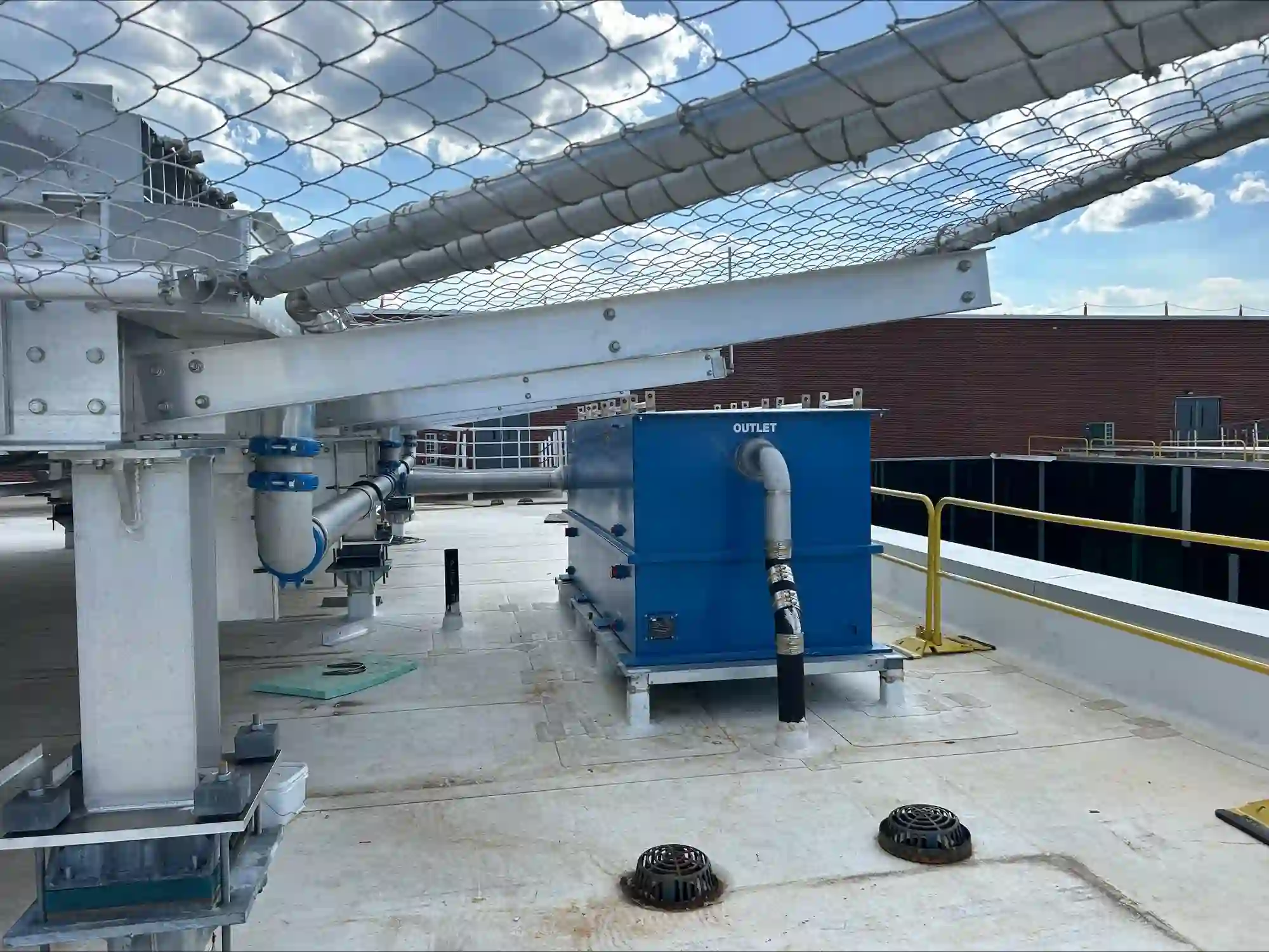
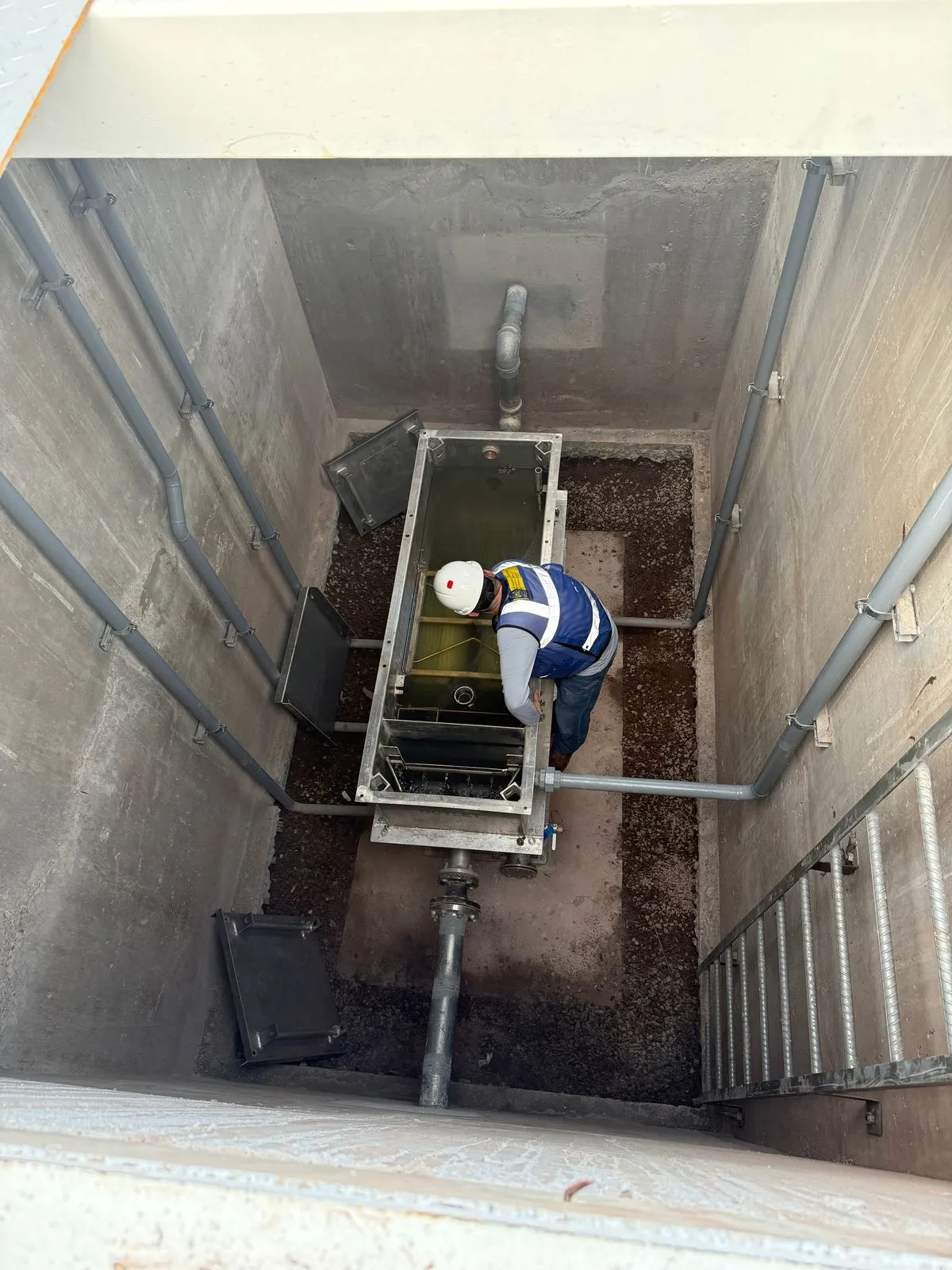
Mercer systems are deployed across a wide range of aviation operations where oil and solids challenge traditional separators.

Hangar floor drains, washing operations, component cleaning, and fuel/hydraulic service runoff.

Hydrant fueling stations, jet fuel drips, light-end hydrocarbons, and apron runoff.

Cargo ramps, taxiways, remote stands, and maintenance aprons requiring hydrocarbon and solids control.

Wash racks, mechanical service zones, and high-solid wet shops producing oily wastewater.
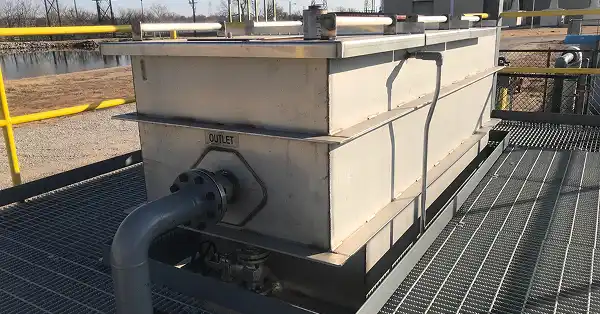

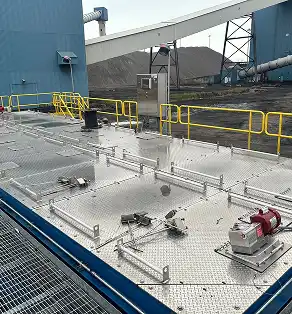
Mercer’s aviation solutions are engineered for the mix of oils, surfactants, solids, and seasonal variability found in modern airport environments.
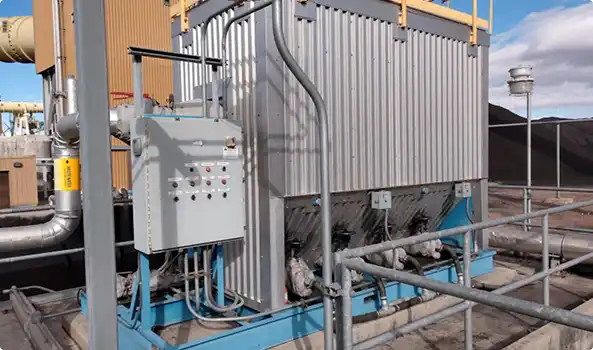
Airfields, hangars, refueling points, maintenance shops, de-icing areas, wash racks, and stormwater systems that drain from operational surfaces routinely generate oily wastewater and require reliable separation equipment to stay in compliance.
Yes. Mercer designs its systems for variable, stop-and-go operational flow patterns often seen in aviation maintenance and ramp operations. The internal hydraulics stabilize performance during shift changes, equipment cycles, and peak activity periods.
Aviation fuels, lubricants, and hydraulic fluids have different specific gravities and behaviors, so Mercer sizes and configures each system based on the fluids present at the facility. This ensures the separator aligns with the actual waste stream characteristics and regulatory discharge requirements.
Activities such as component servicing, hydraulic line maintenance, filter changes, and ramp vehicle operations can introduce higher-than-normal oil loads. Mercer accounts for these variations when determining plate spacing, surface area, and hydraulic retention parameters.
Yes. Systems can be configured with coatings, insulation, heat tracing, and design considerations appropriate for northern bases, high-altitude airports, and regions with extreme temperature swings.
Yes. Mercer routinely integrates separators with trench drains, slot drains, pump stations, and hydrodynamic devices commonly found on runways and aprons. Systems are designed to match site hydraulics rather than forcing facility modifications.
Because ramp and hangar operations can generate solids, grit, and debris, Mercer designs separators with easy access to plate packs, large quiescent settling zones, and cleanout points that streamline routine inspections and scheduled maintenance.
Mercer uses actual site data—flows, contaminants, fuels, maintenance activities, and operational patterns—to size the system.
Yes. Many aviation facilities have expanded, changed missions, or modernized equipment over time. Mercer provides free evaluations to determine whether the existing system is still correctly sized or configured for current conditions.
Yes. Systems are engineered to satisfy typical airfield discharge criteria, including local, state, federal, and military environmental requirements. Mercer can review the specific limits applicable to each base or airport.
