design center

Electrical Utilities: Nuclear

Predictable, Documented Separation for Controlled & Non-Controlled Nuclear Plant Drainage

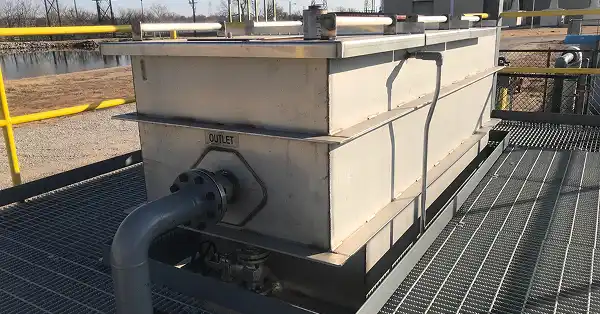
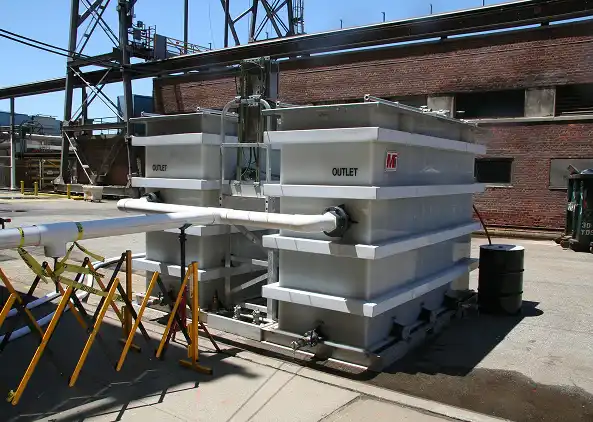
Mercer delivers enhanced-gravity oil/solids separation systems engineered for the extreme reliability, documentation, and safety requirements of nuclear generating stations, from turbine lube-oil systems to auxiliary building drainage and protected-area sumps.
Explore Applications Below

INDUSTRY INSIGHT

Overview

Nuclear power plants operate with some of the strictest requirements for wastewater handling, equipment reliability, and environmental protection. Oily wastewater flows originate from turbine and generator lube-oil systems, auxiliary building equipment, pump seals, fuel-handling areas, machinery drainage, maintenance washdowns, HVAC condensate, and outdoor containment structures.

Many facilities still rely on aging CPI units, corrugated packs, slotted-pipe skimmers, or improvised vaults built decades ago. These systems were never designed for today’s operating conditions, updated environmental standards, or the level of documentation nuclear facilities must maintain. When surfactants from decontamination processes, metal fines, chemical cleaners, or solids enter the system, legacy separators clog, short-circuit, or send sheens to monitored outfalls that can trigger investigations, documentation burdens, or unplanned corrective actions.

Mercer prevents these failures.
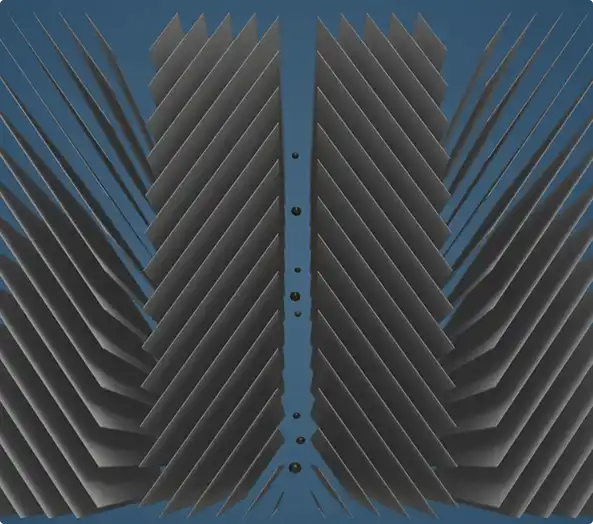
Our Compliance Master™ separators with Multi-Pack™ coalescer technology provide stable, repeatable performance that is easy to monitor, automate, and document. With sealed construction, automated oil removal, timed solids purging, and predictable droplet capture, Mercer ensures nuclear facilities maintain clean, compliant drainage systems with minimal operator intervention and maximum traceability.

Request Consultation or Build Your Design

Challenges

Common Nuclear Plant Challenges

Stringent Compliance & Documentation Requirements

Every discharge point, controlled-area sump, and auxiliary drain must meet measurable, auditable standards. Legacy CPI systems rarely deliver repeatable performance.

High Reliability Expectations

Nuclear stations cannot tolerate unexpected equipment failures, unplanned cleanouts, or emergent maintenance due to fouled media.

Metal Fines & Wear Particles

Turbine and generator systems produce fine particulate that sinks oil, clogs CPI plates, and forms difficult-to-remove sludge beds.

VOC/BTEX & Odor Control Requirements

Open pits and uncovered separators allow vapor release which is unacceptable in high-safety industrial environments.

Space & Retrofit Constraints

Auxiliary and turbine buildings often have limited room for new civil structures, requiring compact, drop-in solutions.

Solution

Mercer’s Solution

Mercer brings traceable, compliant, and highly predictable performance to nuclear wastewater systems by controlling velocity, stabilizing hydraulics, and automating removal processes.
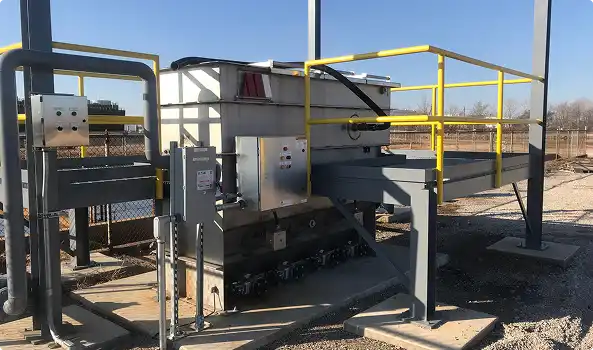
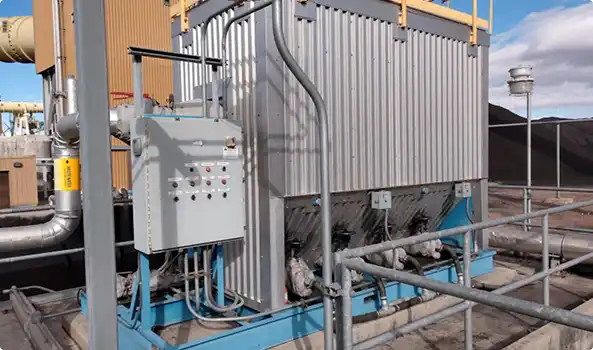
Mercer separators capture 3× smaller droplets than CPI units and do so consistently, something that is essential for nuclear QA/QC documentation.

Electromechanical skimming eliminates the need for manual steps, ensuring continuous, repeatable product removal without operator intervention.

Prevent sludge accumulation and maintain performance with automated hopper-bottom discharge control.

Airtight lids and vapor-containment packages reduce vaporseepage and eliminate exposure concerns inside controlled-area buildings.

Materials and coatings are selected to withstand detergents, solvents, cleaning chemicals, and warm lube-oil drainage.

Multi-Pack™ modules can be dropped into existing sumps or vaults, improving performance without breaking containment structures or interrupting plant operations.
APPLICATION AREAS
Typical Nuclear Applications

Turbine & Generator Lube-Oil Drainage

Capture and remove hydrocarbon leakage with high efficiency and stable oil-layer control.
Auxiliary Building & Equipment Drainage

Treat oily water from pumps, seals, mechanical equipment, and maintenance operations.
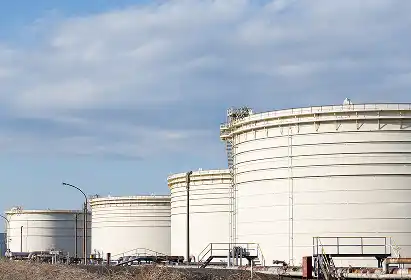
Fuel-Handling & Protected-Area Sumps

Manage sheen-forming oils and solids while supporting traceable compliance documentation.
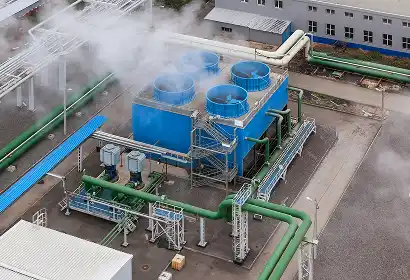
Maintenance & Decontamination Washdowns

Handle water containing detergents, cleaners, metal fines, and suspended solids.
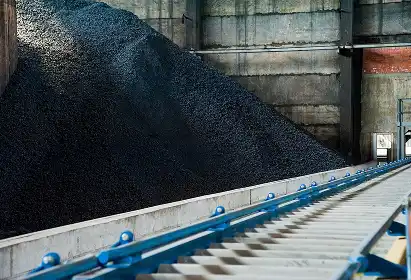
Cooling System Auxiliary Drainage

Treat mixed flows from condenser areas, HVAC systems, and associated equipment.
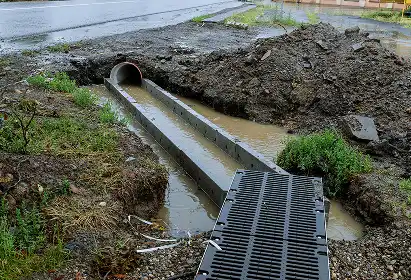
Outdoor Containment & Stormwater

Control hydrocarbons and suspended solids at regulated discharge points.

Performance Highlights

MERCER ADVANTAGE

The Mercer Difference

Separation You Can Trust — Documented, Repeatable, Defensible

Performance consistency matters more in nuclear than anywhere else. Mercer delivers separation that stands up to audits.

Engineered for Safety & Reliability

Sealed covers, reduced operator exposure, and automated functions align with nuclear operational standards.

Superior to CPI in Every Category

CPI systems collapse under chemical variability, solids loads, and aging infrastructure. Mercer maintains rise paths and stable hydraulics.

Automated Oily-Waste Management

No manual skimming, no hand-cleaning plates, and no emergency pit emptying.

Minimal Civil Modifications

Ideal for auxiliary buildings, turbine halls, and protected areas where access is limited.

Reduced Operating Cost & Burden

Longer intervals between maintenance, fewer corrective actions, and lower waste-handling requirements.

Modernize Your Nuclear Drainage Management

Predictable, documentable, and safe separation for regulated nuclear environments.

Request a Nuclear Applications Consultation

Frequently Asked Questions

Q.

Can Mercer systems meet nuclear documentation requirements?

A.

Yes, performance is stable and repeatable, supporting QA/QC logs, environmental reports, and regulatory audits.

Q.

Are these systems compatible with decontamination chemicals and detergents?

A.

Yes. Controlled flow geometry maintains performance where CPI plates would collapse.

Q.

Can separators be installed inside protected areas?

A.

Yes, sealed covers and controlled emissions make Mercer suitable for indoor, sensitive locations.

Q.

How do they handle fine particulate from turbines?

A.

Automated purge cycles and hopper-bottom geometry prevent sludge buildup and maintain separation efficiency.

Q.

Do operators need to manually skim?

A.

No. Automated floating oil recovery eliminates manual skimming entirely.

Q.

Can Mercer retrofit existing nuclear drainage structures?

A.

Often yes. Multi-Pack™ modules can drop into existing pits or vaults with minimal civil impact.