INDUSTRY INSIGHT
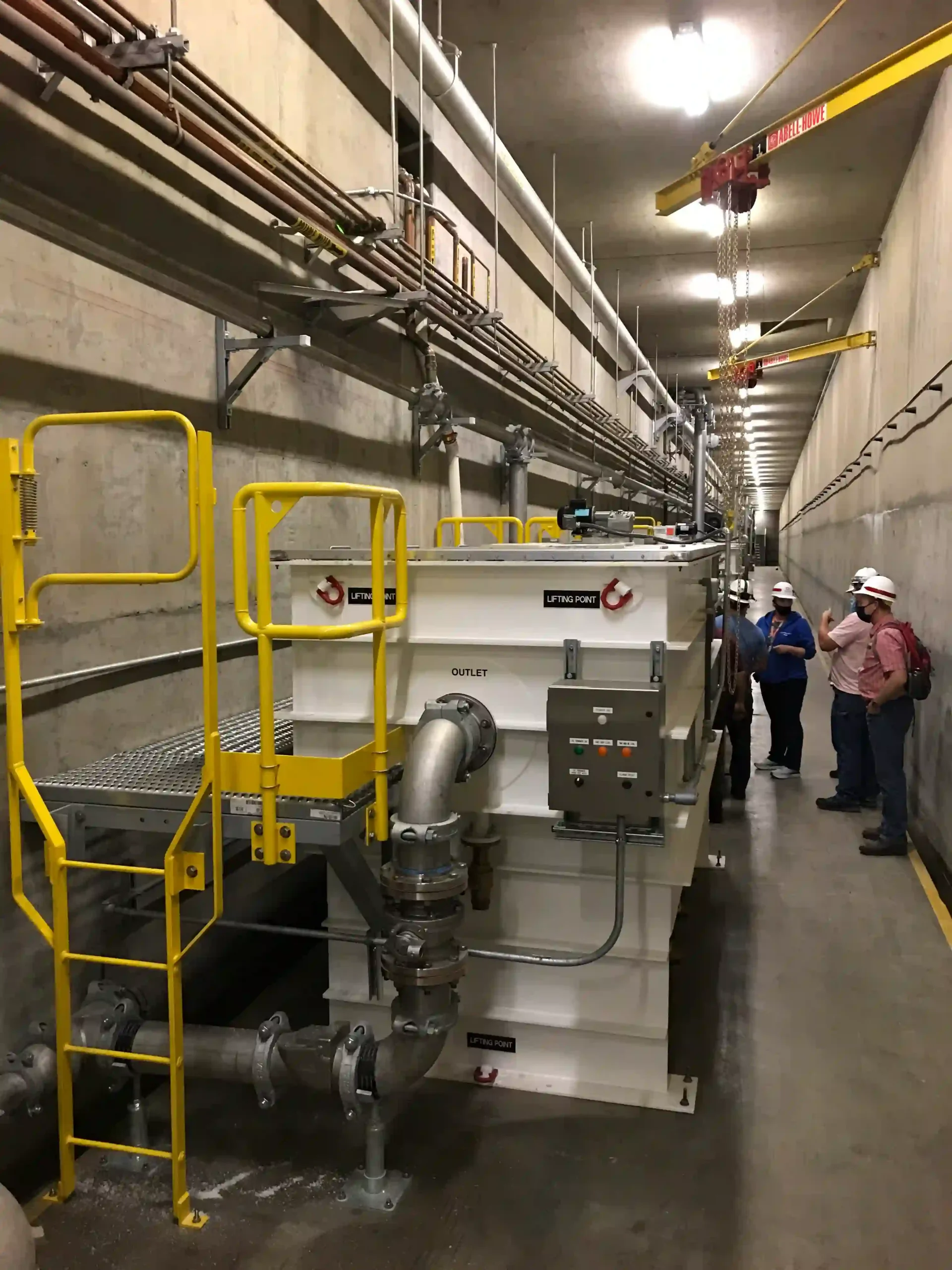
Mercer’s enhanced-gravity separators bring automated, compliance-ready performance to hydroelectric drainage systems, from turbine bays and draft tube sumps to gatehouse mechanical rooms and powerhouse floor drains.
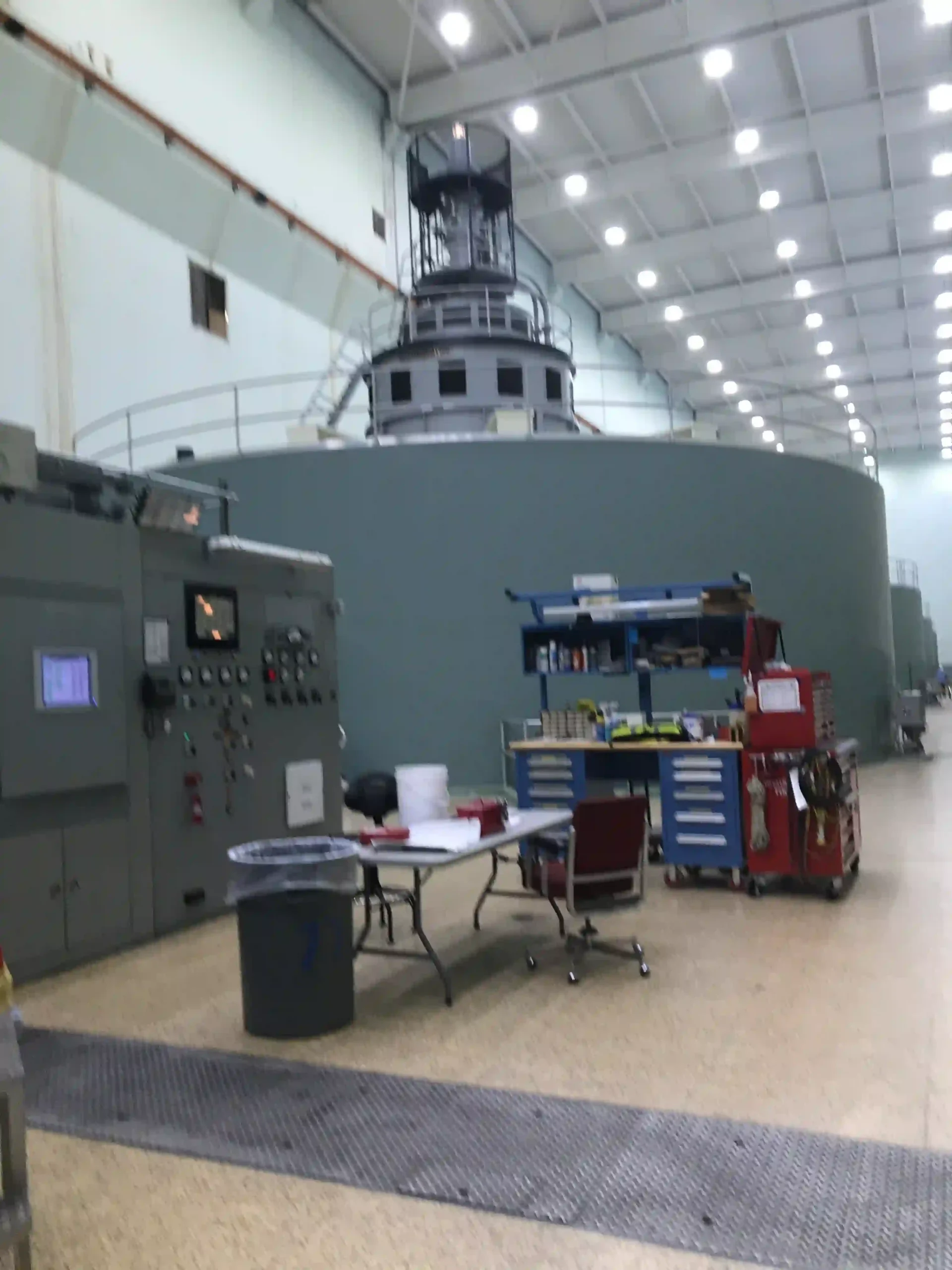
Hydroelectric facilities generate some of the most challenging oily-water streams in the utility sector. Turbine hall drainage, lube-oil leaks from bearings and governors, powerhouse washdowns, gate machinery lubrication, and runoff from spillway or intake structures all flow into sumps and pits that were often built decades ago.
Many plants still rely on original concrete pits, skimmer trenches, outdated poorly designed CPI units, or improvised oil-skim boxes that were never designed for today’s flow variability or solids loading. When grit, silt, vegetation, rust scale, or turbine fines enter the system, these old separators quickly foul. The result is unstable hydraulics, solids accumulation, sheens bypassing during high flows, and growing regulatory scrutiny at NPDES-regulated outfalls.
Mercer breaks that cycle.
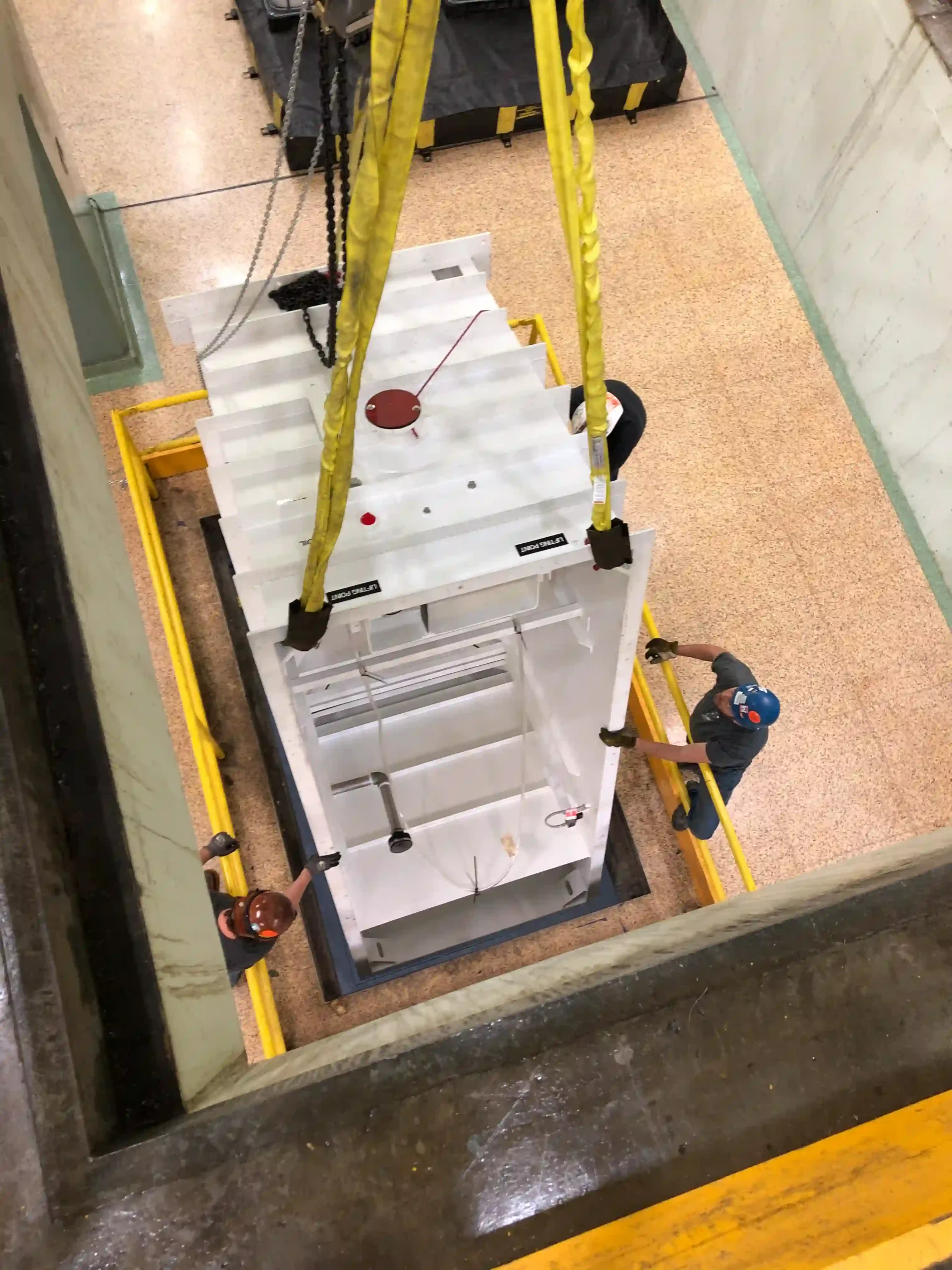
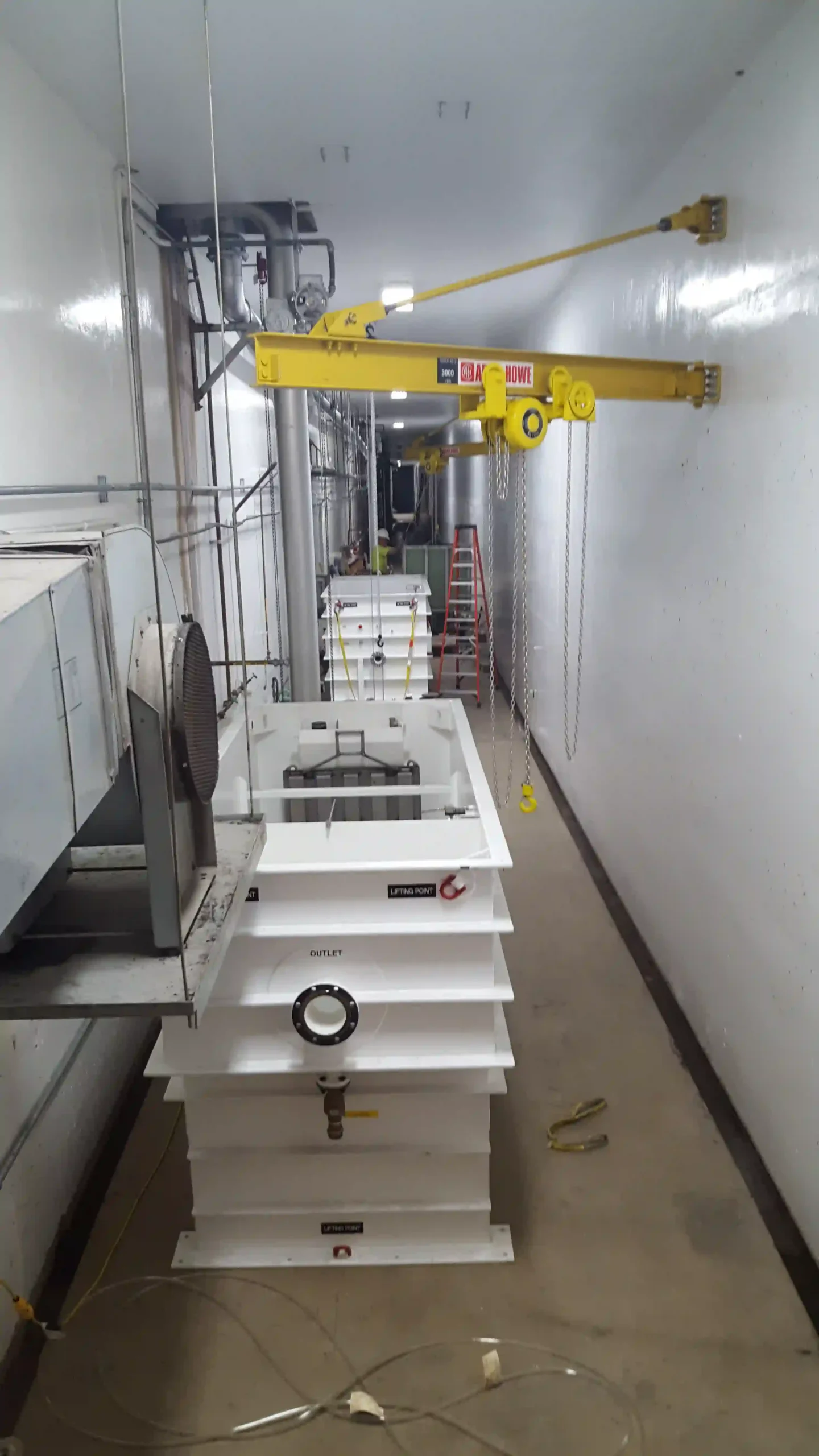
Our Multi-Pack™ coalescer and Compliance Master™ separator technology provide predictable oil capture, automated removal, and stable performance, even under the surge conditions common in hydro plants. With sealed covers, automated solids evacuation cycles, and corrosion-resistant construction, Mercer systems restore reliability to drainage handling and protect downstream waterways.
SYSTEM PERFORMANCE
Many hydro stations still operate with 40- to 80-year-old pits that were never designed for modern environmental requirements. Undersized weirs, plugged slots, and uneven floors disrupt separation and cause short-circuiting.
Unlike refinery or pipeline sites, hydro plants deal with riverborne debris — sand, silt, leaves, algae, and fines. These rapidly blind CPI media, clog slotted pipes, and bury skim trenches.
Turbine starts/stops, washdowns, or seasonal runoff create rapid surges that overwhelm old separators and send sheens to the outfall.
Lube-oil that sits too long mixes with fines and rapidly sinks, becoming bottom sludge that rarely gets removed until a full outage.
Regulators increasingly monitor sheen control and hydrocarbon discharge limits at hydro outfalls. Legacy systems can’t document or sustain performance.
Uncovered oily pits contribute to odor, aerosol, and operator-exposure concerns — now a rising priority in utilities.
Solution
Mercer systems replace skim pits, outdated CPI units, and failing vaults with predictable, automated, enhanced-gravity separation engineered specifically for variable-flow, solids-rich hydro environments
APPLICATION AREAS
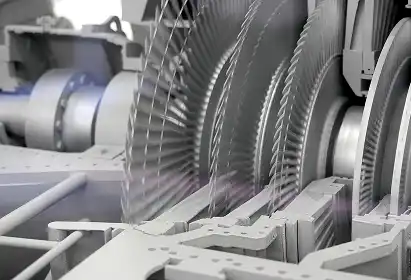
Capture bearing and governor oil, sheen, and particulate before they reach the sump or powerhouse outfall.
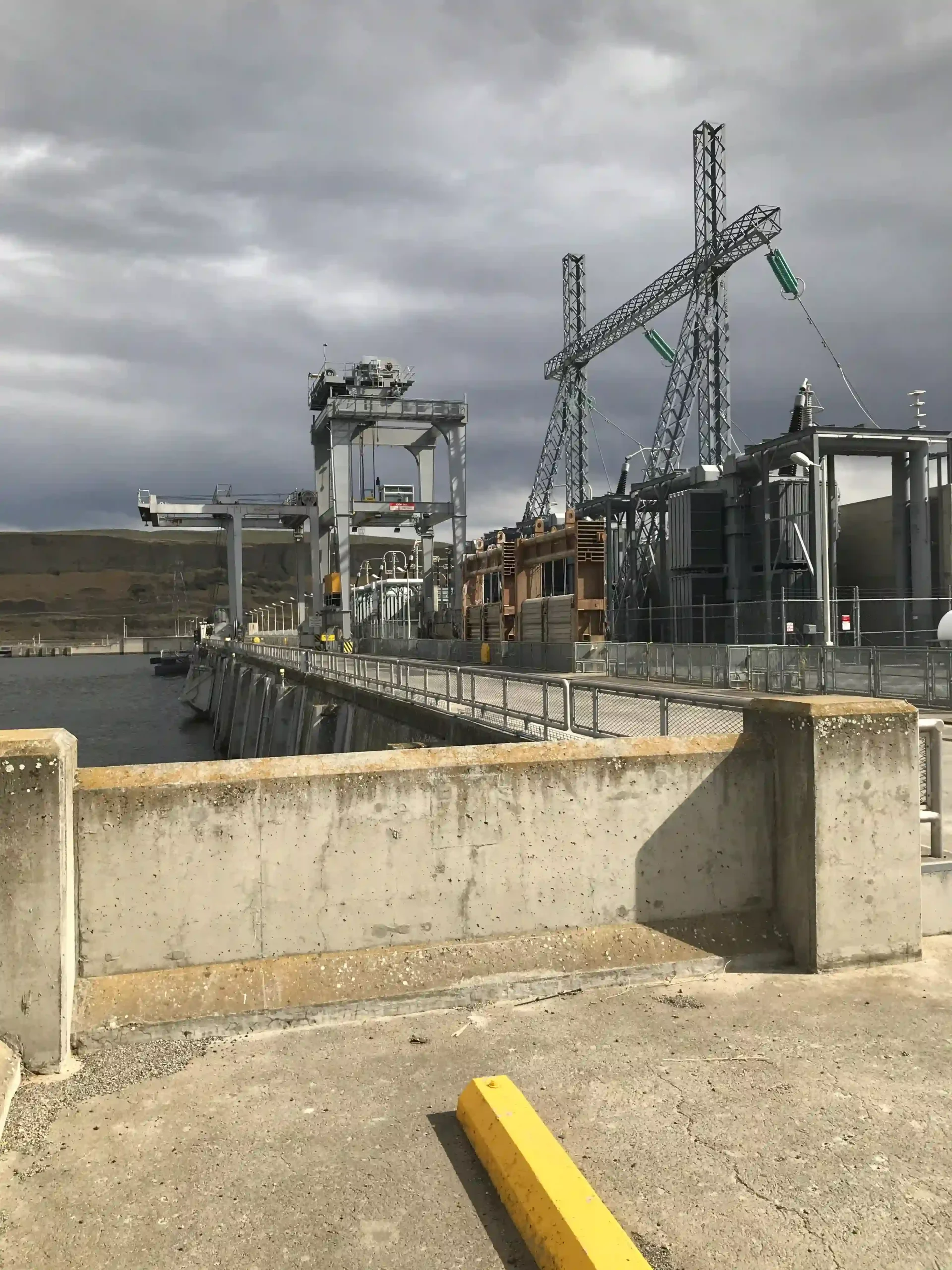
Stabilize performance even with high solids, silt, or algae loadings.
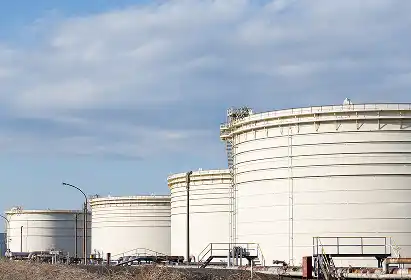
Treat lubricating oil drainage from hoists, mechanical equipment, and spillway gate actuators.
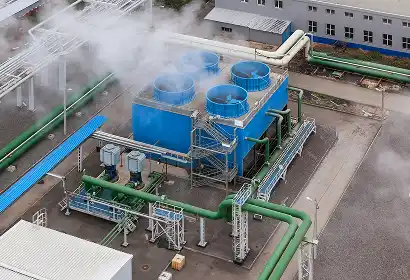
Prevent sheens from bypassing during cleaning or maintenance operations.
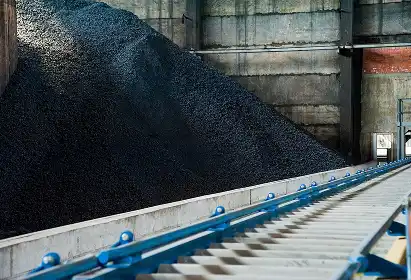
Manage hydrocarbon-laden runoff during spill events or seasonal high-flow periods.
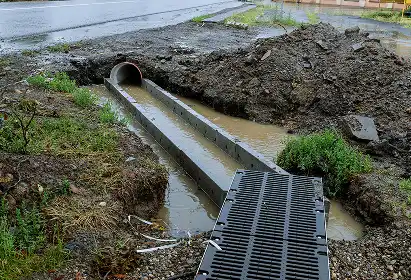
Handle intermittent flows with consistent oil removal and solids evacuation.
MERCER ADVANTAGE

Hydro plants demand robust designs that tolerate the grit and debris CPI systems can’t handle.

No manual skimming. No hand-digging sludge. No confined-space entry.

Stable separation for sheen control, NPDES outfalls, and environmental audits.

Sealed lids prevent vapor escape and protect operators, a growing requirement across utilities.

Reduced hauling, fewer shutdowns, and less maintenance deliver measurable ROI.
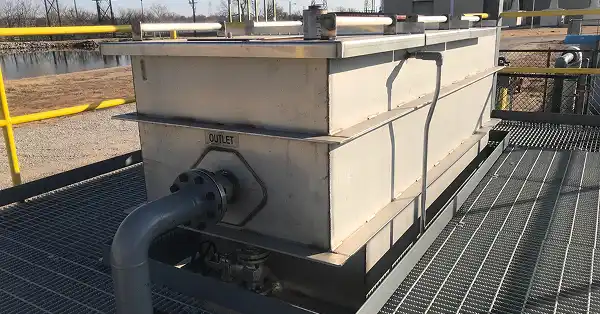

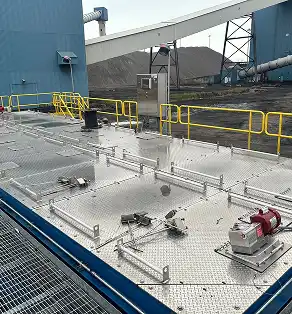
Yes — automated purge valves and controlled-flow geometry prevent blinding and maintain consistent rise paths.
Often yes. Multi-Pack™ modules can drop into many existing vaults, improving performance without major civil work.
Enhanced-gravity designs maintain performance during surges that overwhelm CPI and skim-pit systems.
Yes. Airtight lids prevent vapor seepage and keep debris and insects out of the separator.
No. Automated oil removal, timed purge cycles, and SCADA connectivity reduce operator workload dramatically.
Yes. Alarms, telemetry, and automation make them ideal for lightly staffed sites.
