Mercer delivers enhanced-gravity separation systems engineered for coal-fired power stations where oily runoff, coal fines, ash, and abrasive solids overwhelm traditional CPI tanks, pits, and slotted-pipe skimmers.
request a free site audit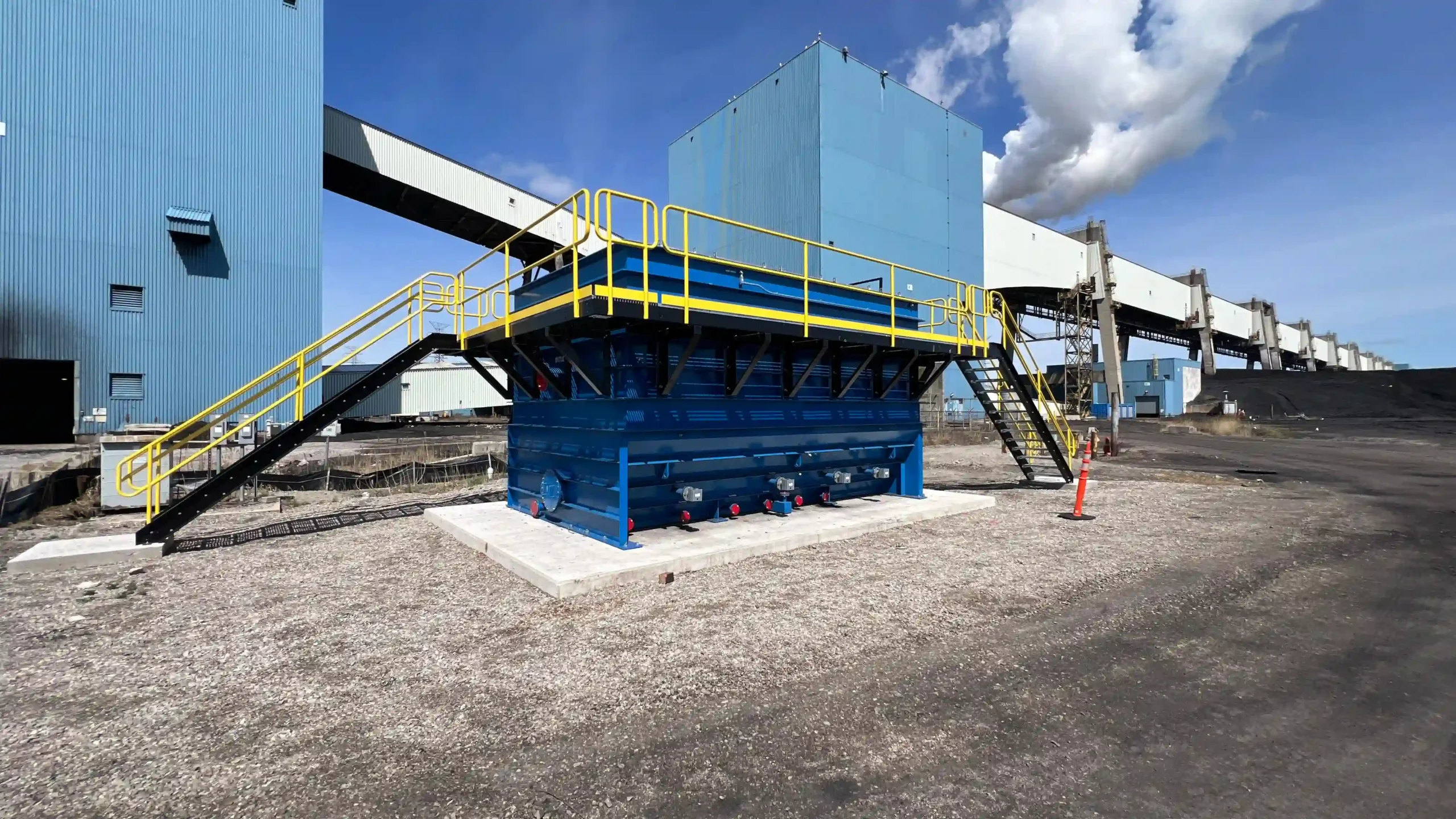
Challenges
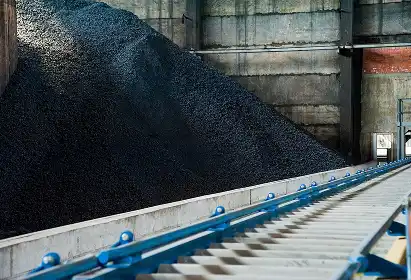
Coal dust, particulate, and bottom ash instantly blind CPI and plate packs, choke slotted pipes, and cause immediate media fouling in legacy units.
Oil contaminated with fines becomes dense and sinks quickly. Once sunken, it forms a compacted sludge layer that CPI systems cannot evacuate.
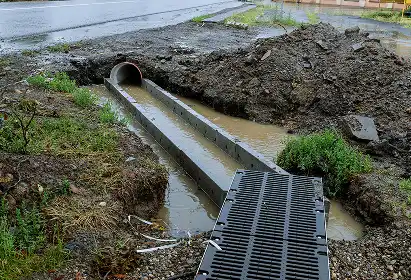
Coal pile runoff, containment drainage, and seasonal storms overwhelm old separators and drive hydrocarbon breakthrough.
#2 Fuel-oil and turbine/generator lube-oil introduce variable viscosity and solids contamination that outdated facilities cannot predictably separate.
Decades-old pits suffer from uneven floors, corroded weirs, broken skimmers, and chronic solids burial.
Decades-old pits suffer from uneven floors, corroded weirs, broken skimmers, and chronic solids burial.
Solution
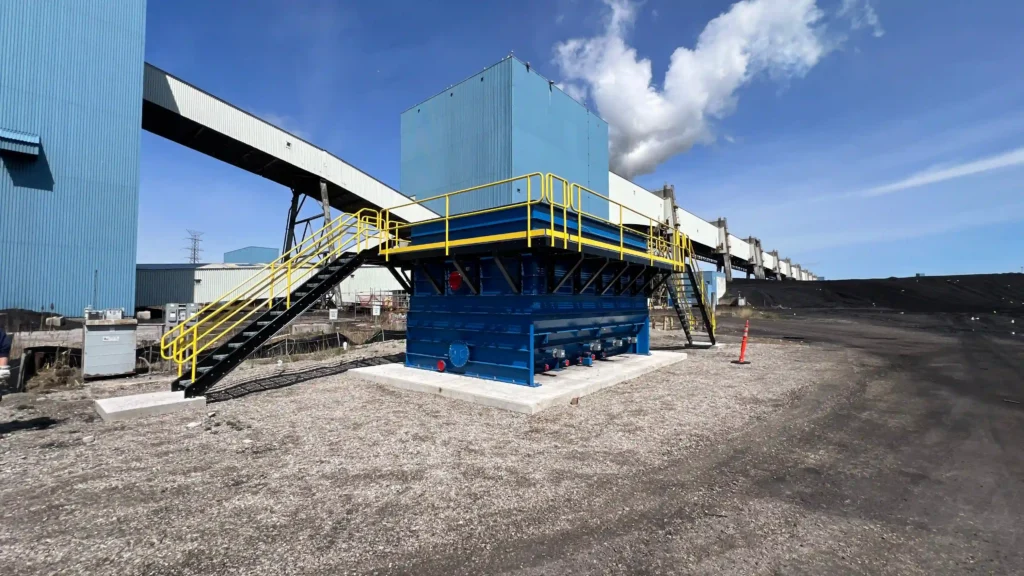
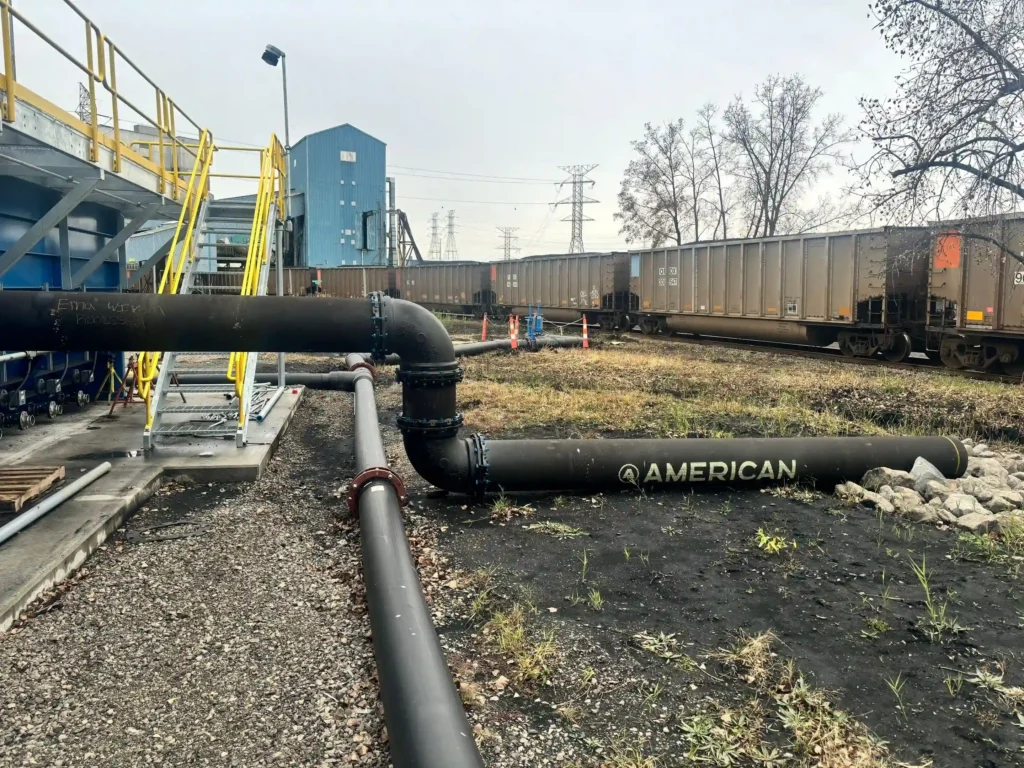
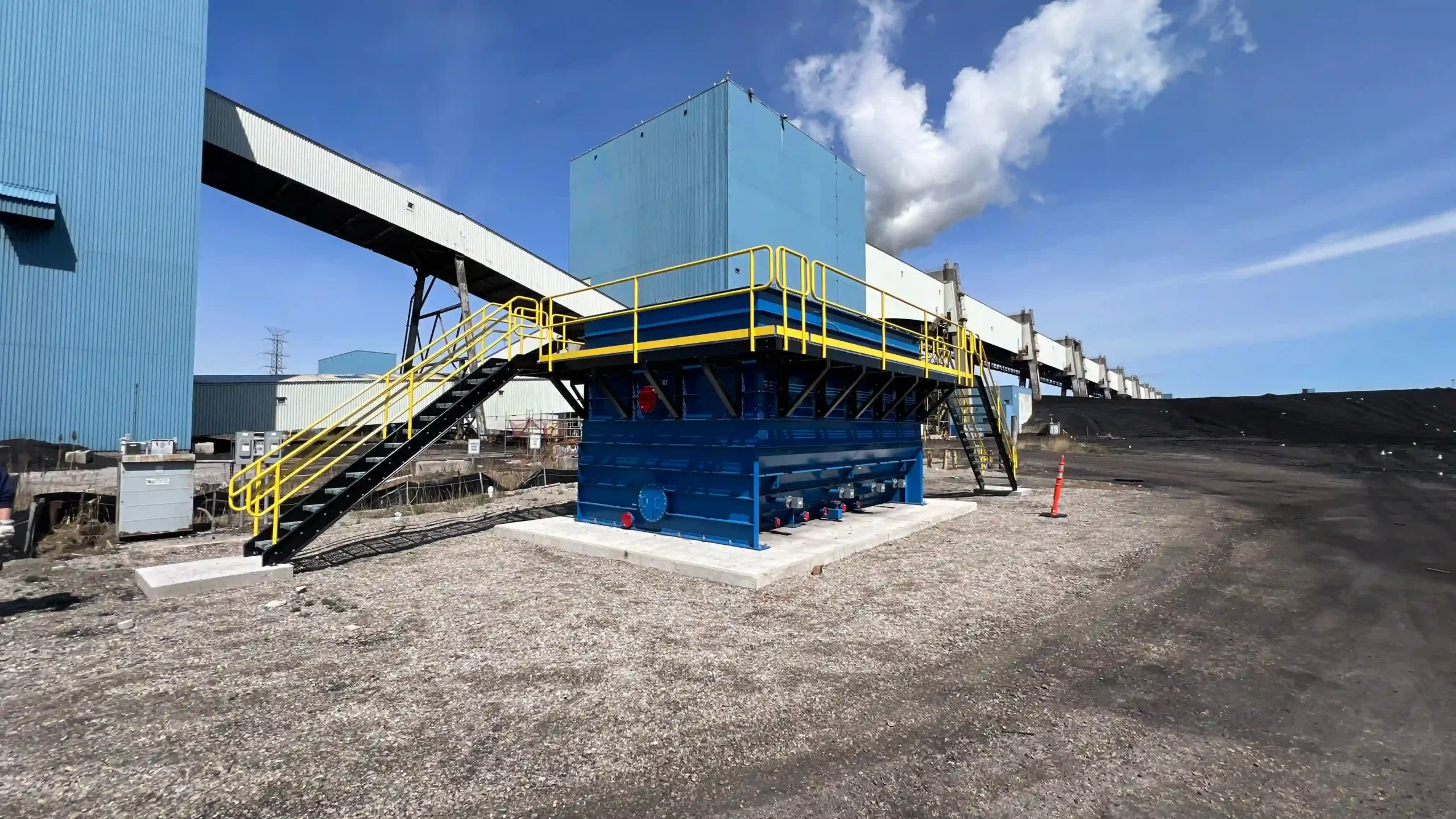
Mercer brings stable, repeatable, and automated separation performance to coal plants by controlling flow geometry, managing solids, and preventing the oil collapse that plagues traditional systems.
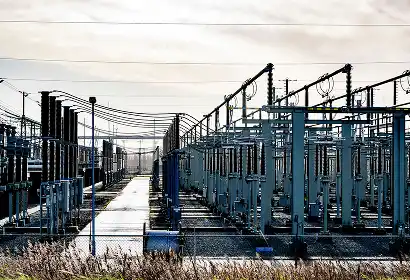
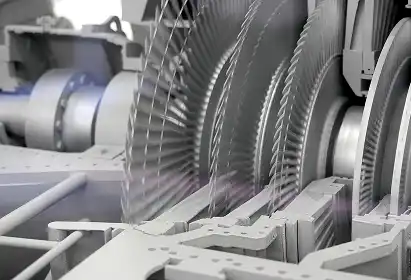
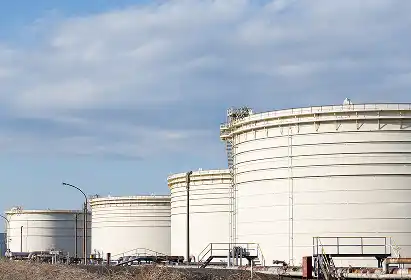
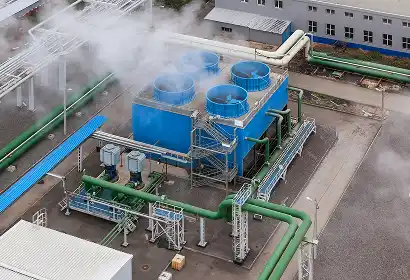
APPLICATION AREAS
MERCER ADVANTAGE
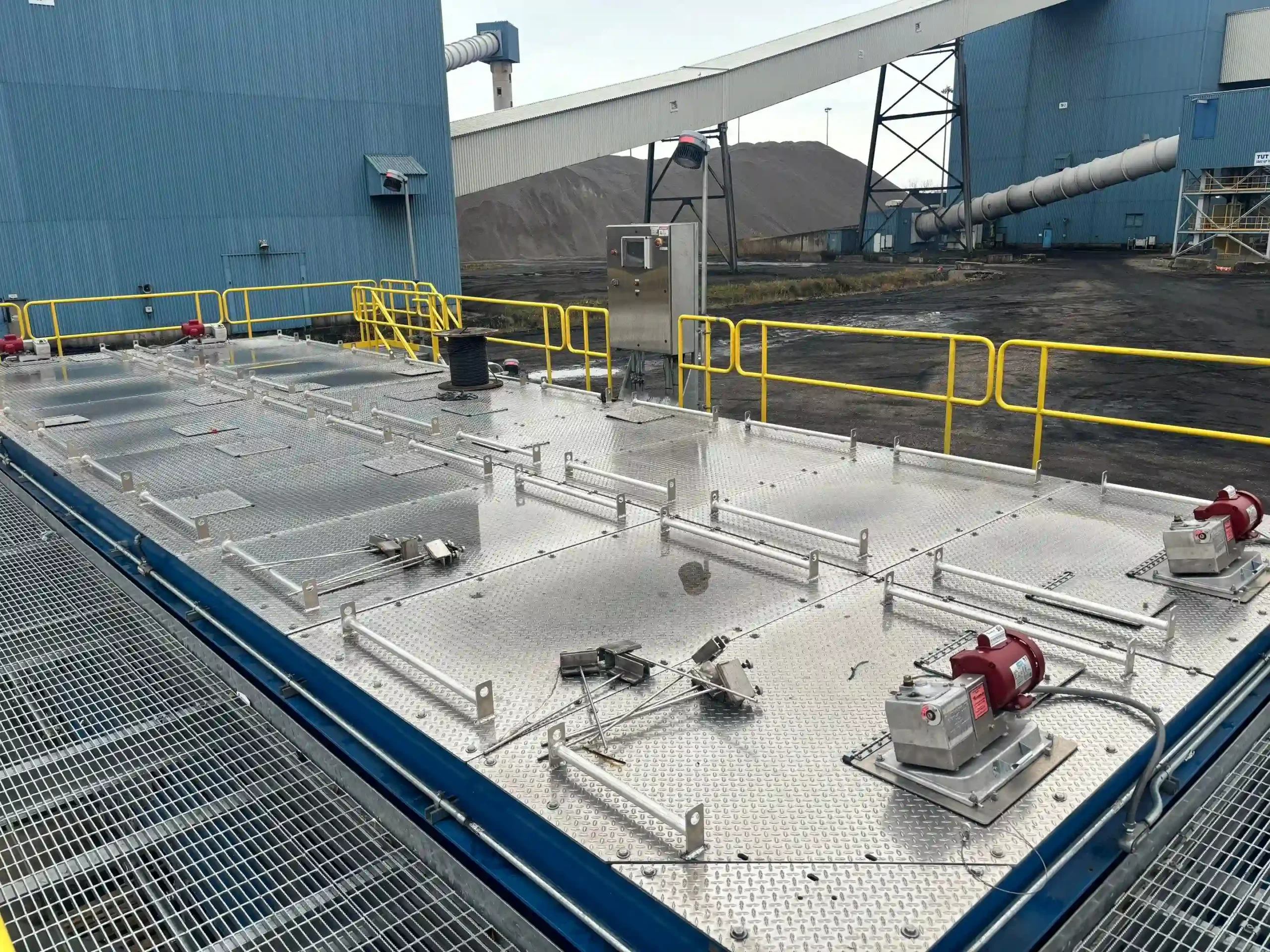
Yes. Controlled-flow geometry and purge systems prevent fouling and maintain upward rise paths.
Absolutely — abrasion-resistant coatings and hopper-bottom solids management are designed for these conditions.
Yes. SCADA/PLC integration, alarms, and automated valve actuation are standard options.
Usually every 6–12 months — significantly less than weekly CPI cleaning cycles.
Often yes. Multi-Pack™ modules can upgrade performance without major civil work.
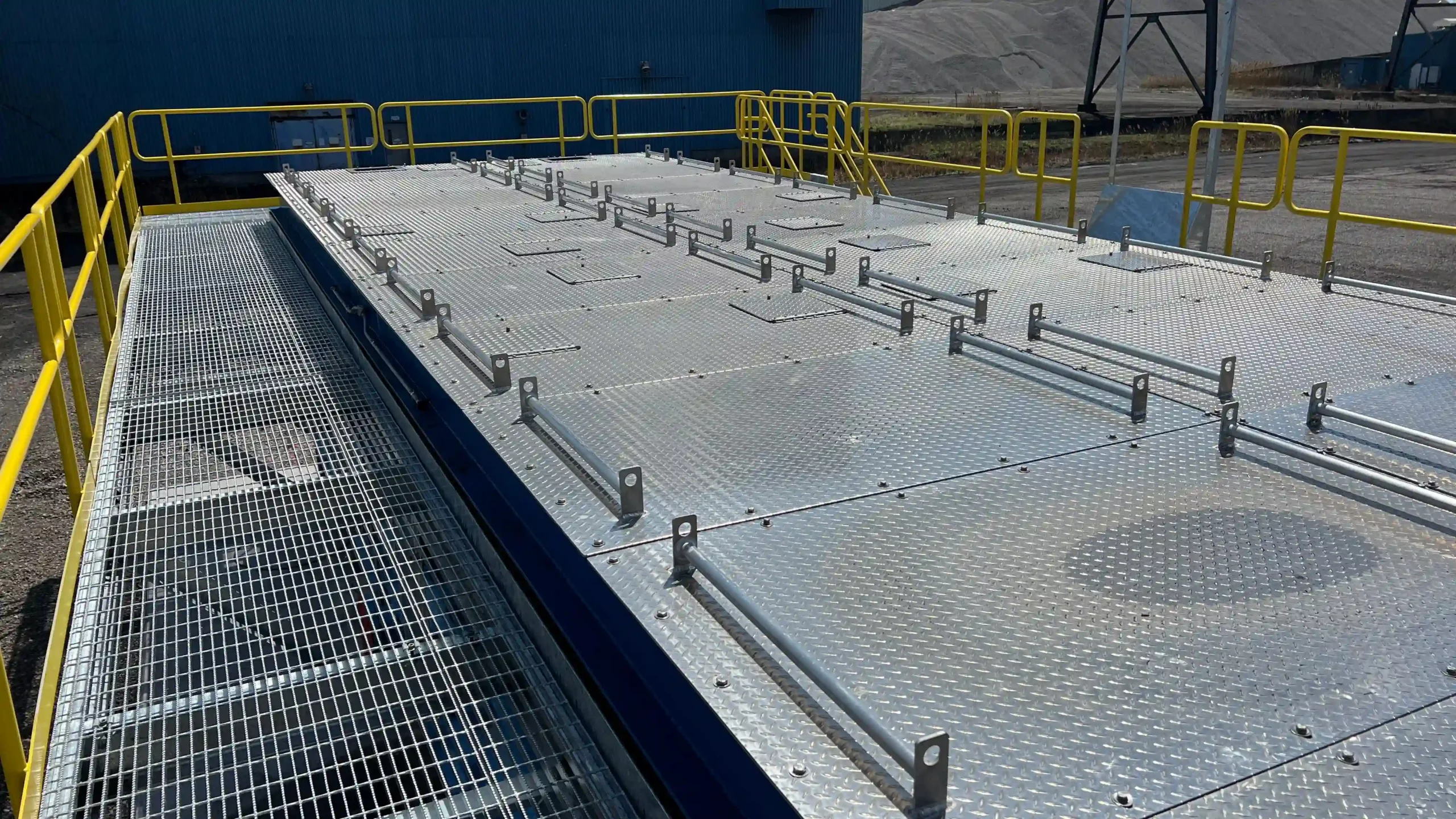
Yes — they prevent dust contamination, stabilize hydraulics, and reduce vapor and odor exposure.
