
OPERATING TIER
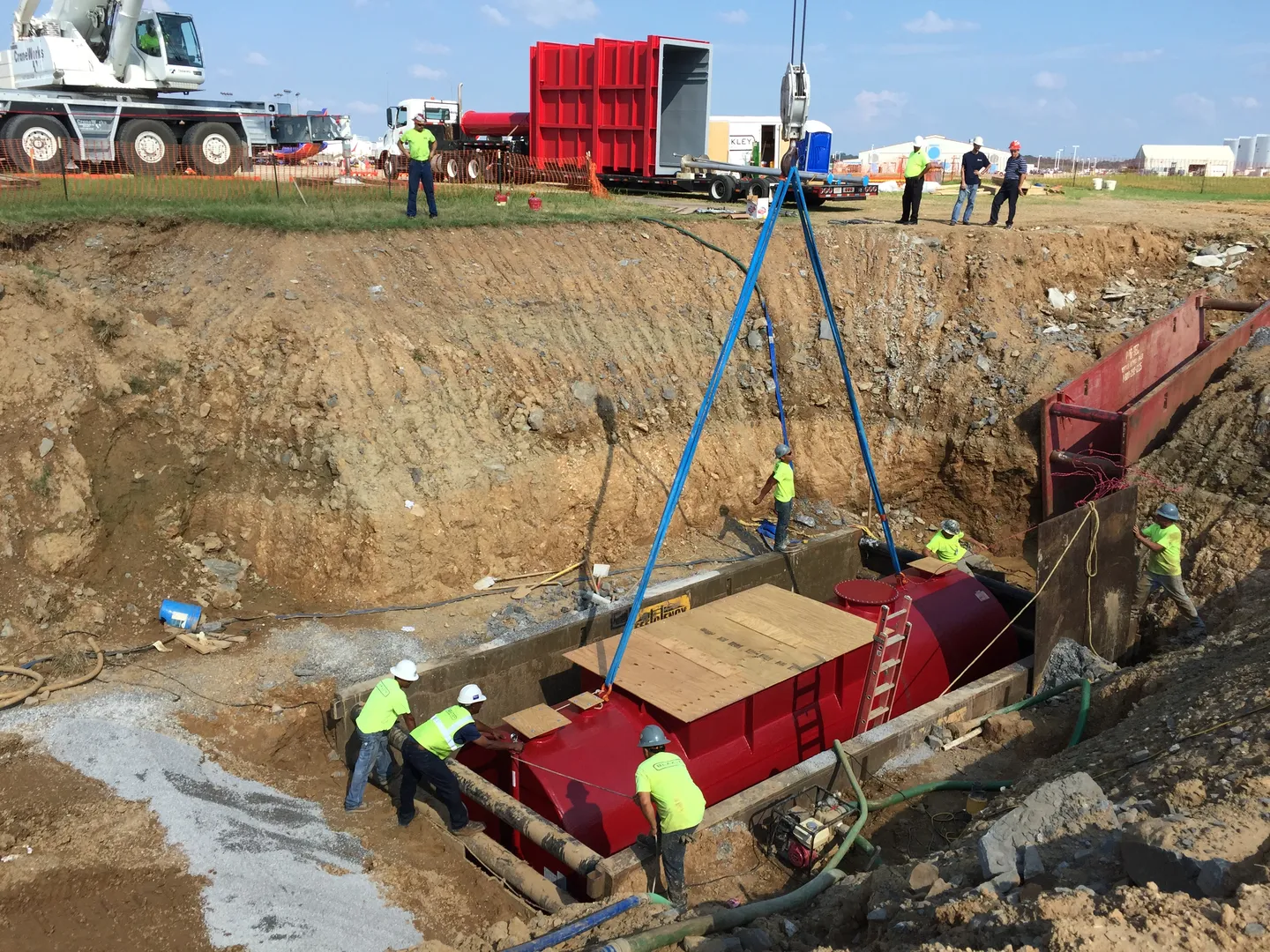
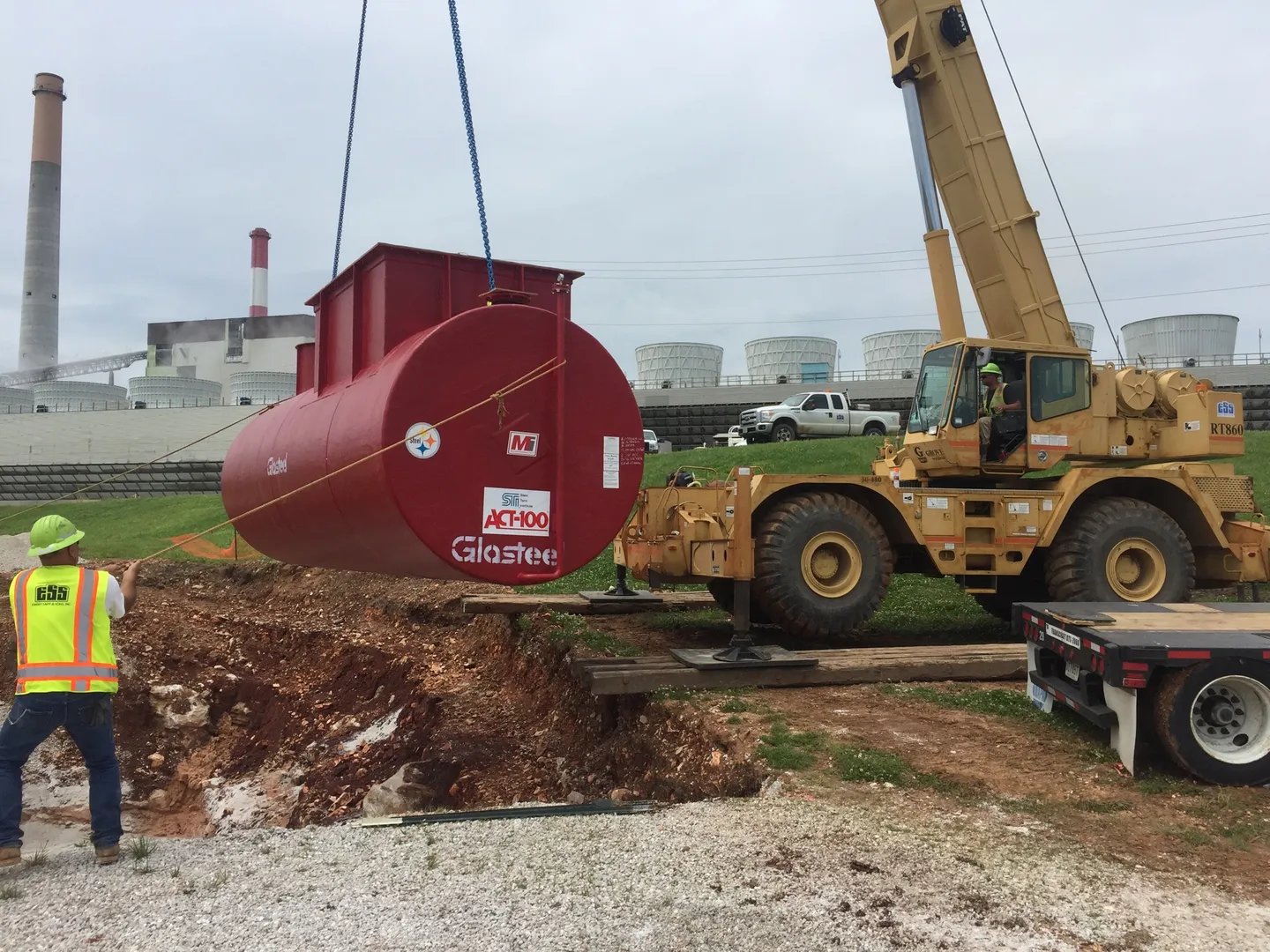
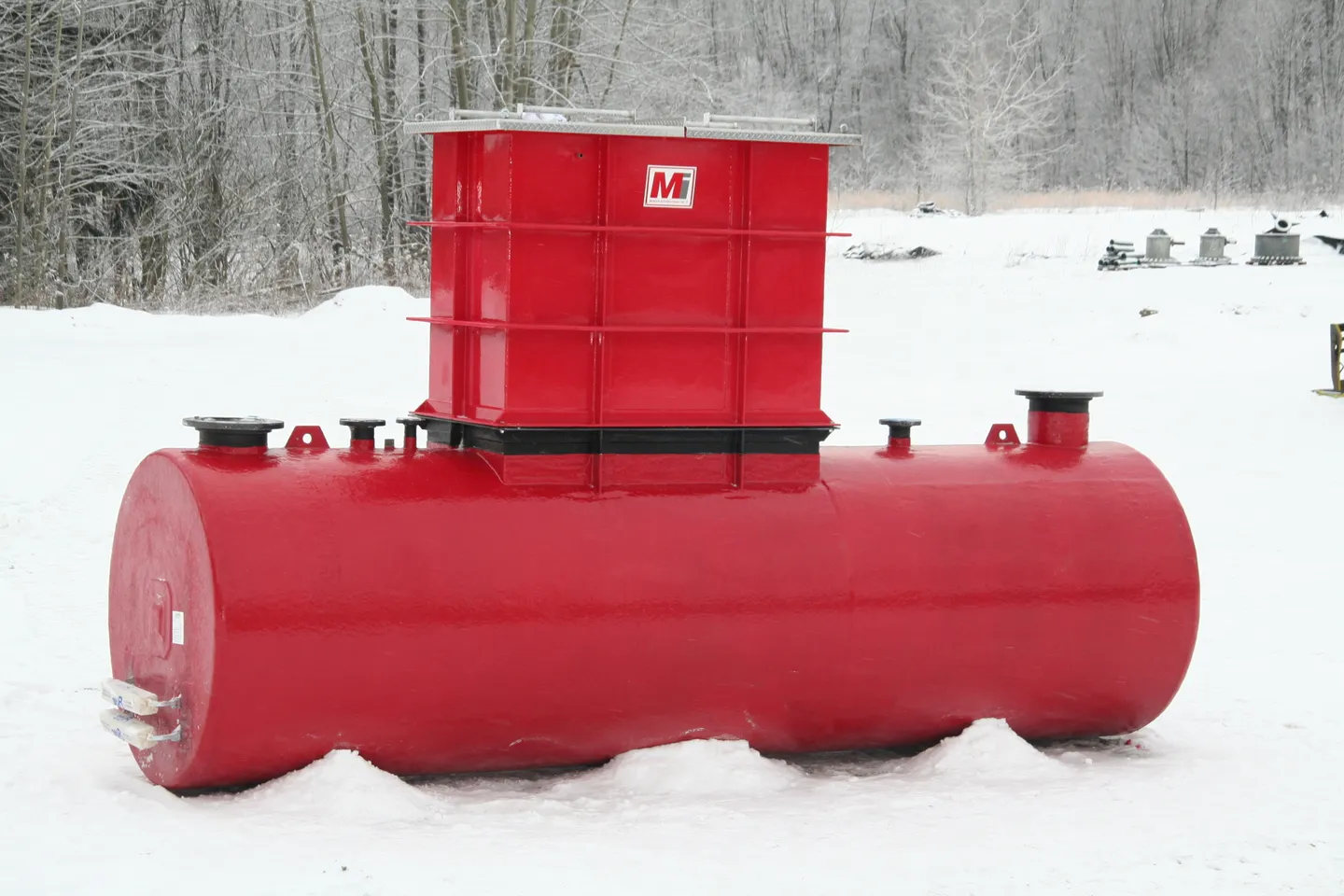
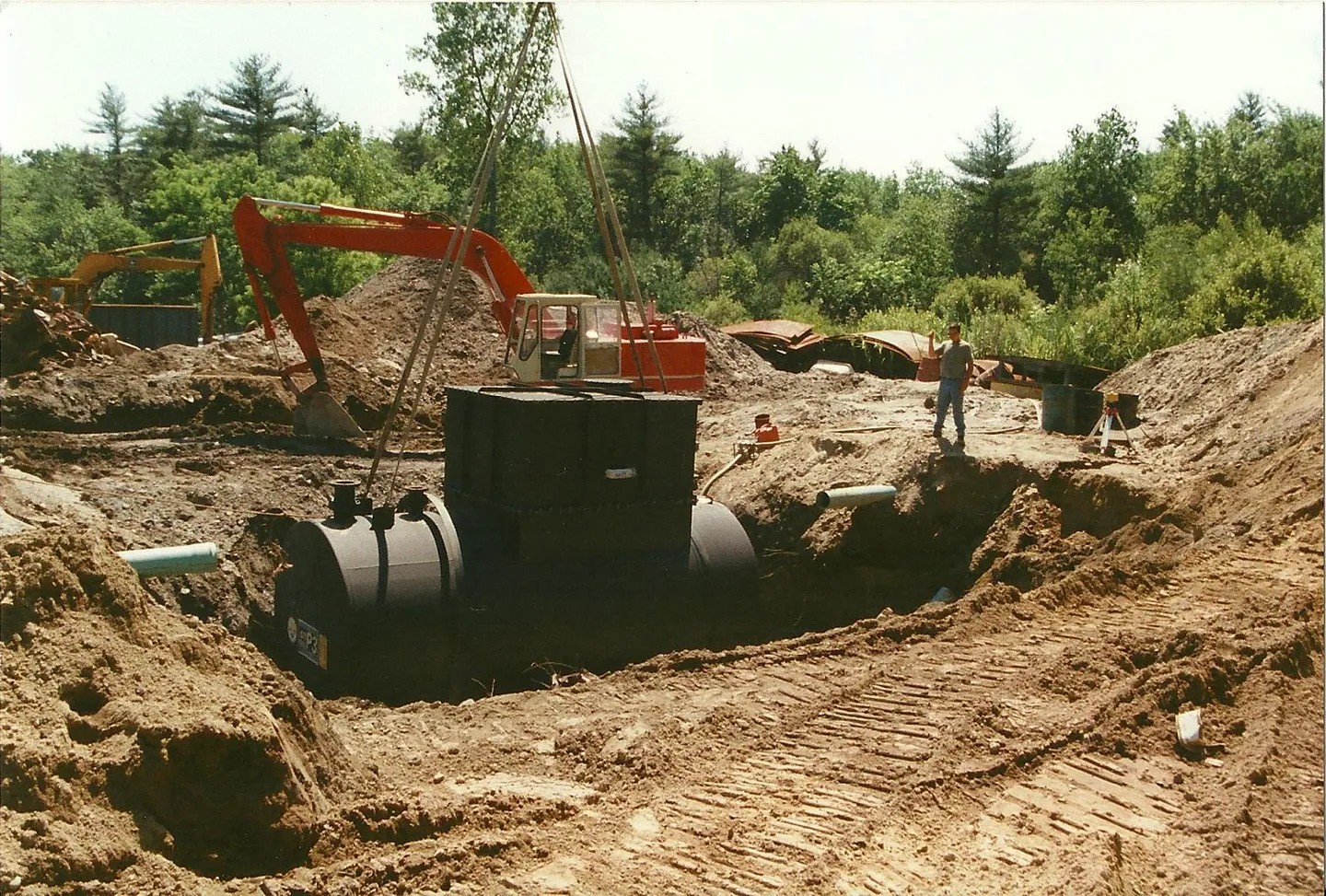
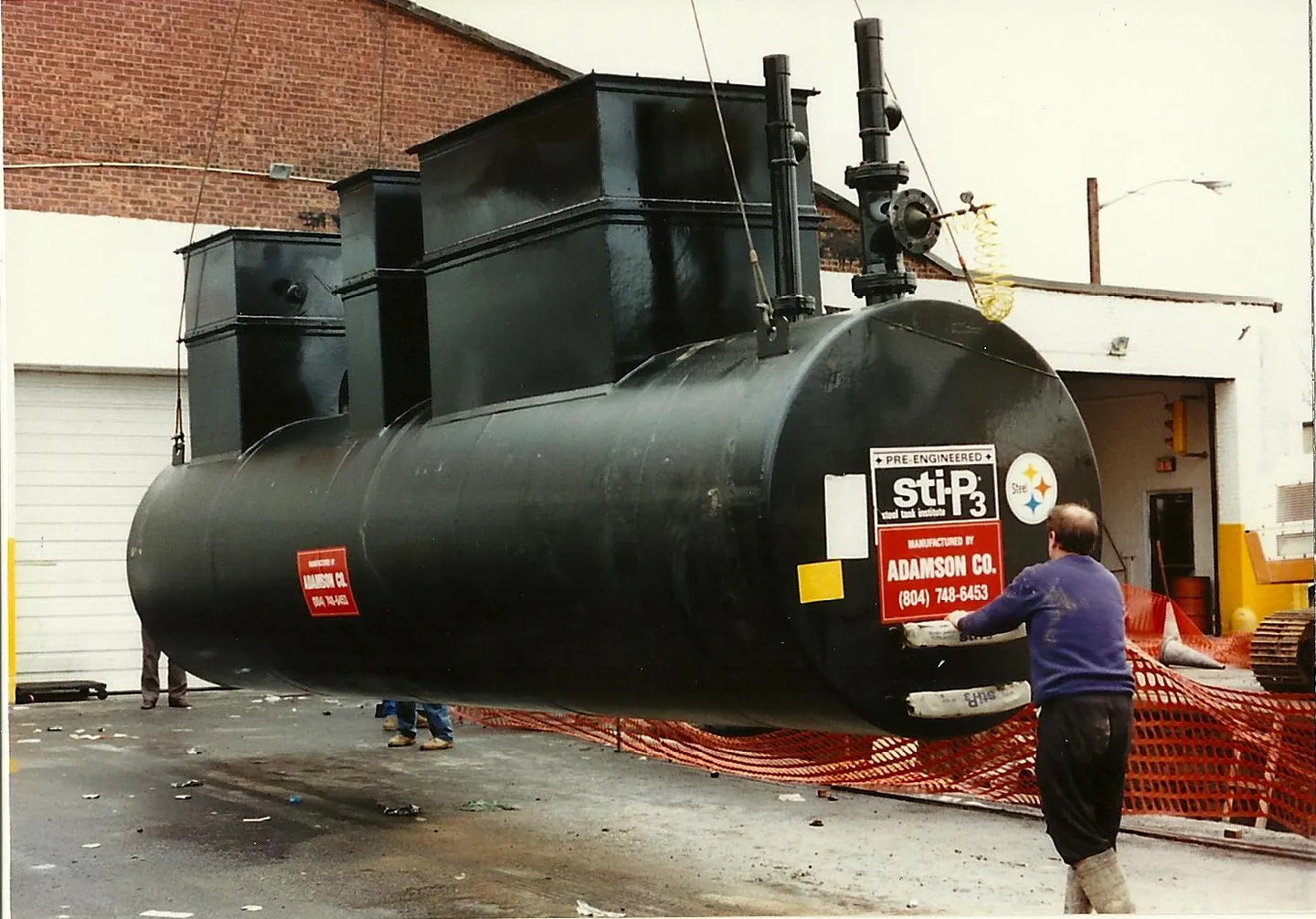
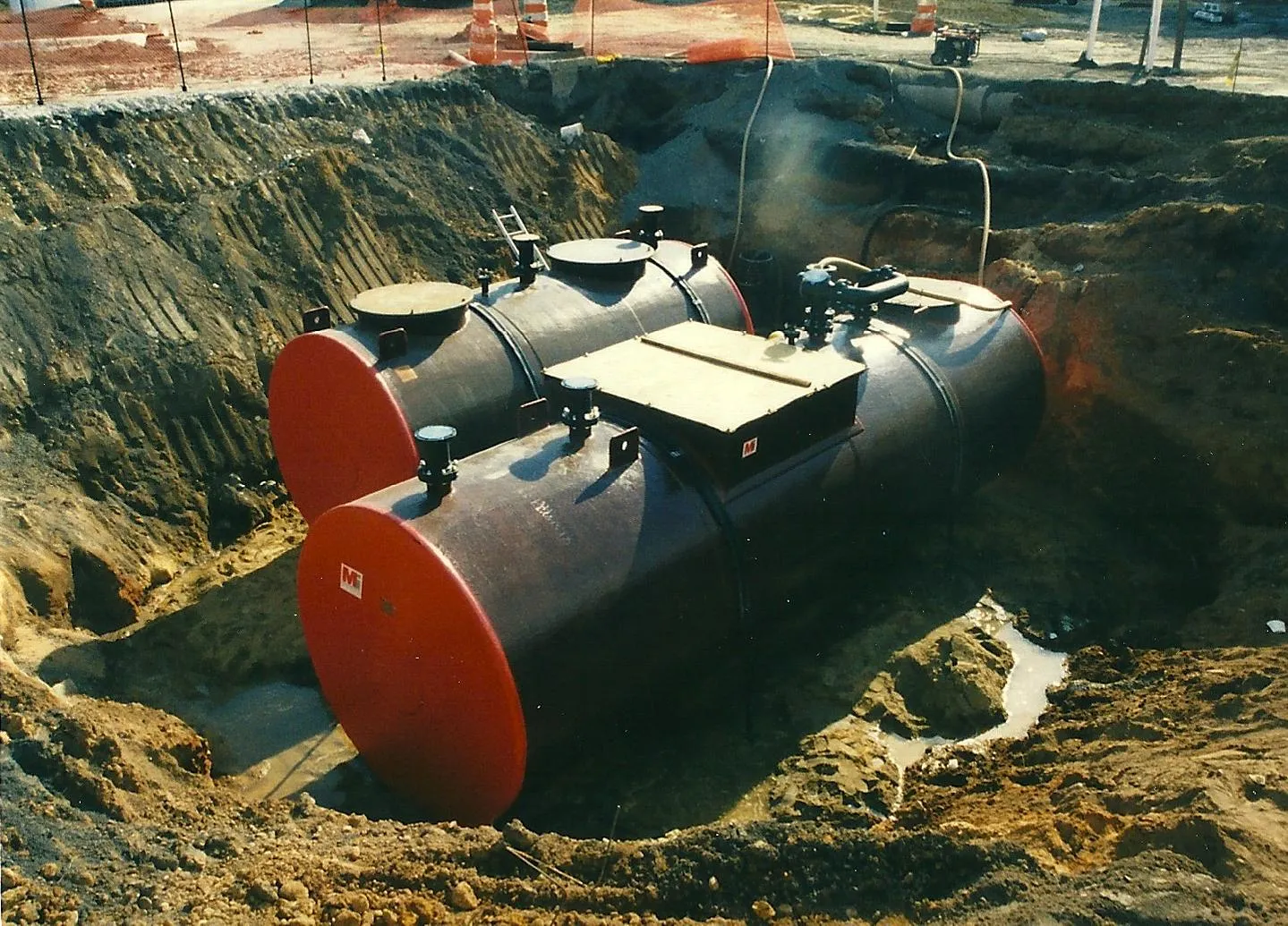
Mercer’s steel below-ground cylindrical oil-water separators are engineered for industrial, municipal, and transportation applications where burial is required and wastewater conditions exceed the practical limits of plastic coalescing systems. Using the same proven separation principles as Mercer’s above-ground units, these systems are purpose-built for below-grade installation with careful attention to structural integrity, access, and long-term serviceability. Available in both single-wall and double-wall configurations, Mercer separators are designed to manage higher oil loading, elevated temperatures, and variable operating conditions while delivering dependable gravity separation performance.
Designed for influent flows ranging from 50 GPM to 6,000 GPM, Mercer’s below-ground separators support projects ranging from small maintenance facilities to large centralized treatment systems. Tanks are fabricated to recognized standards such as API 12F, AWWA D100, UL 58, and UL 1746,(where applicable) with custom designs available to meet site-specific codes and regulatory requirements. Long-term durability is ensured through robust coating systems, including abrasive blast preparation, high-build internal epoxies, polyurethane or coal-tar epoxy exterior coatings, and optional cathodic protection for aggressive soil environments—providing reliable, corrosion-resistant performance over decades of service.
Built To Scale
FIELD-PROVEN SYSTEMS
Below-Ground
200 GPM
BelowGround
600 GPM
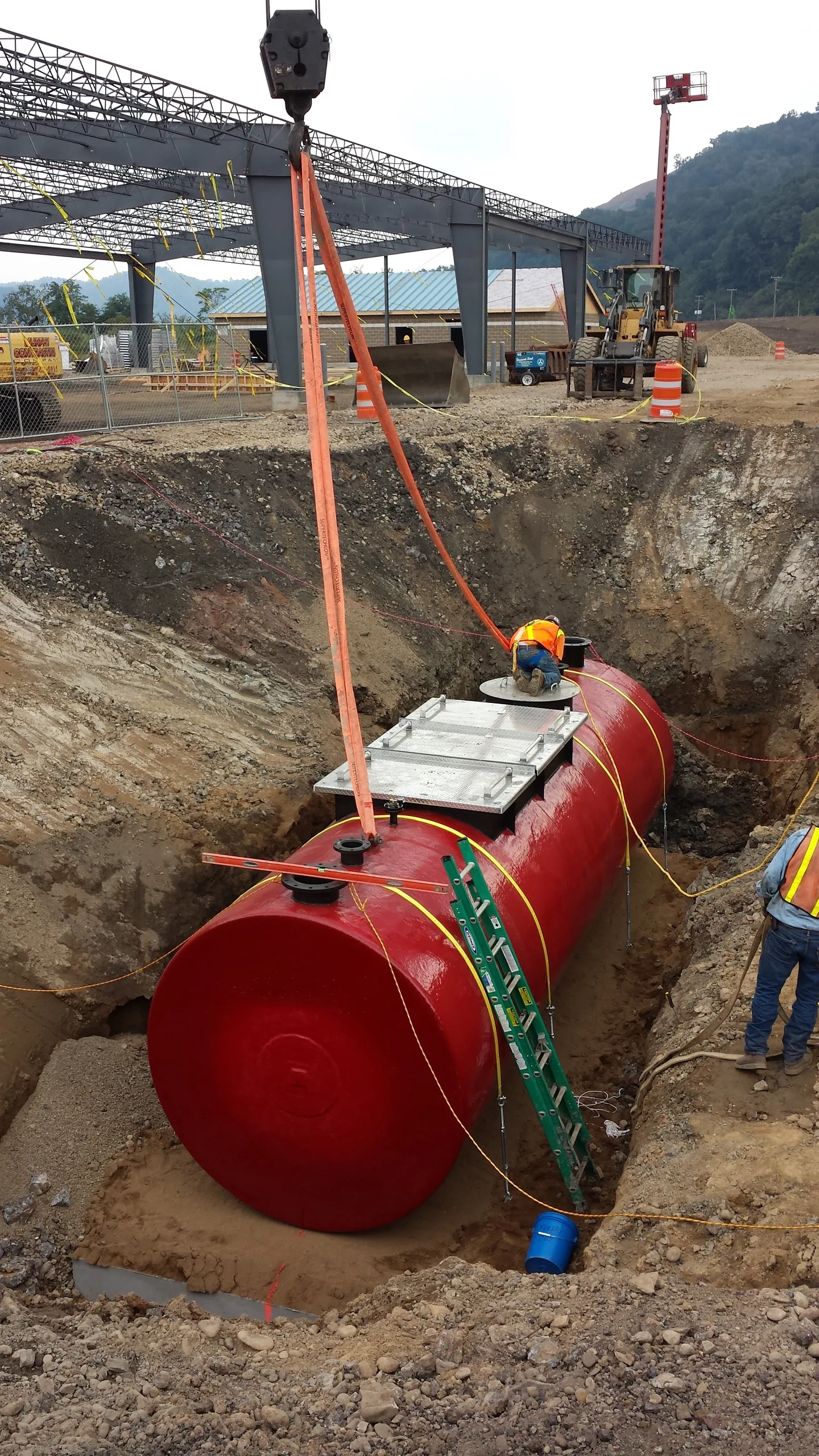
Below-Ground
325 GPM
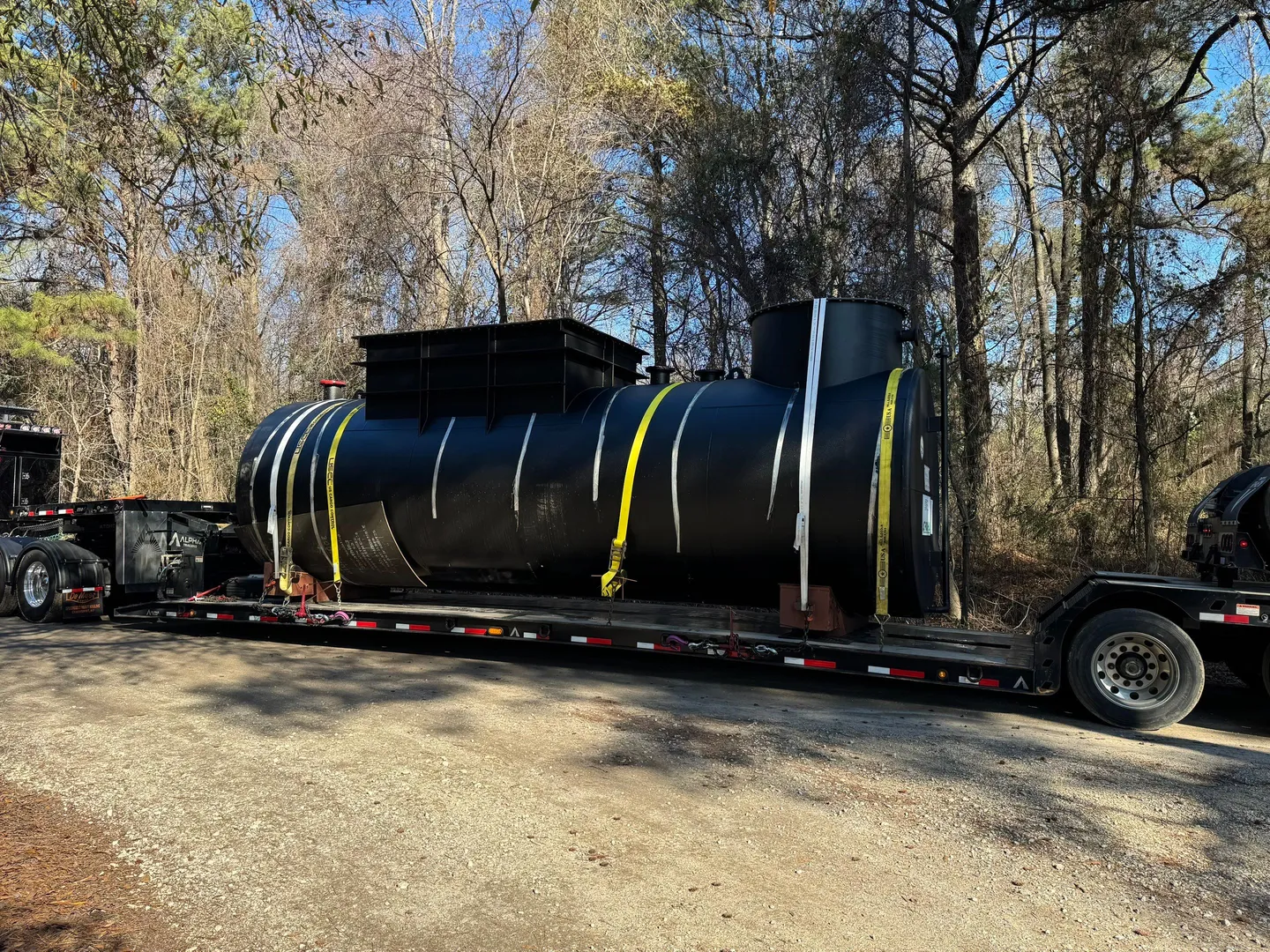
Below-Ground
1000 GPM
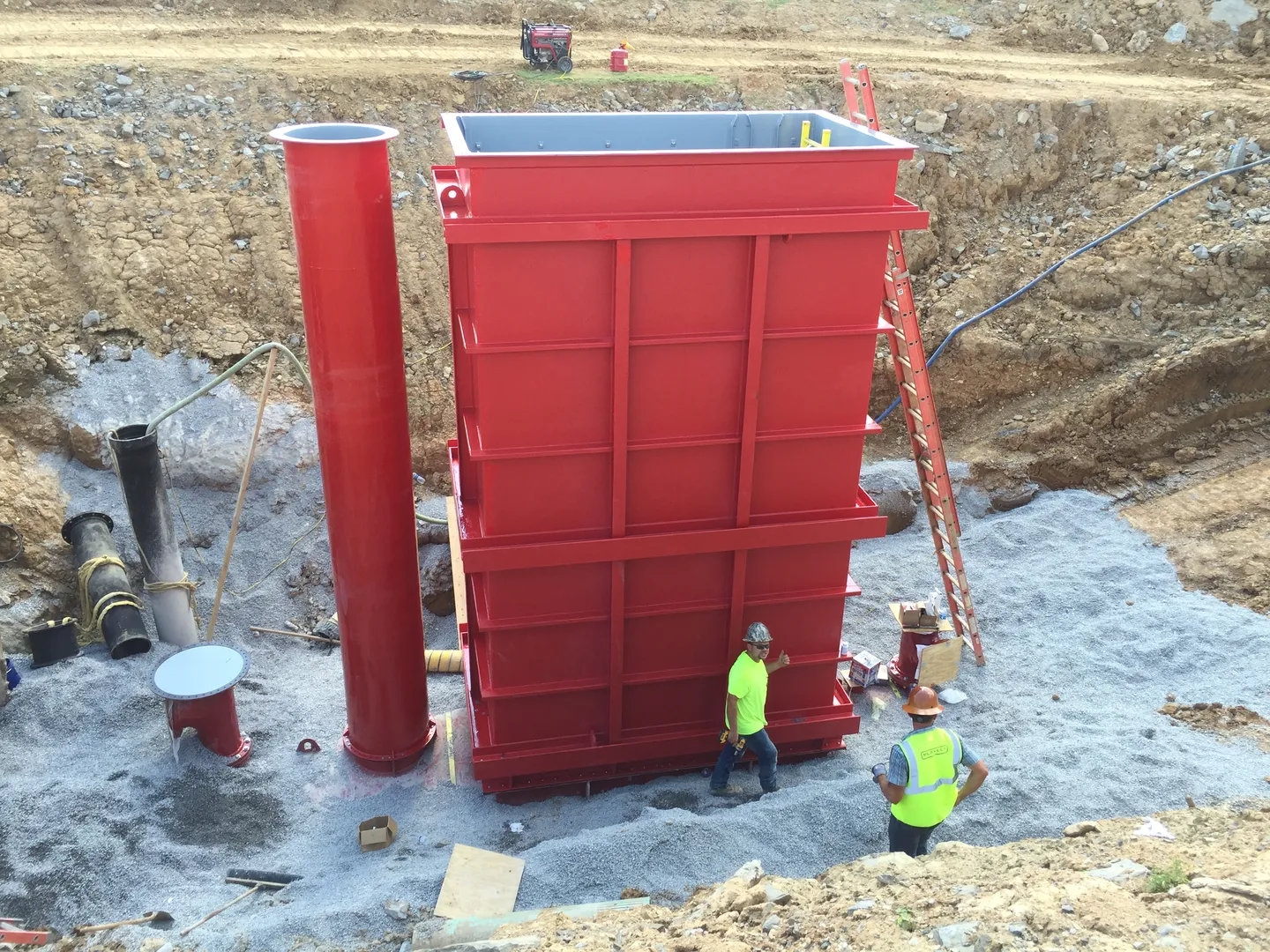
Below-Ground
1200 GPM
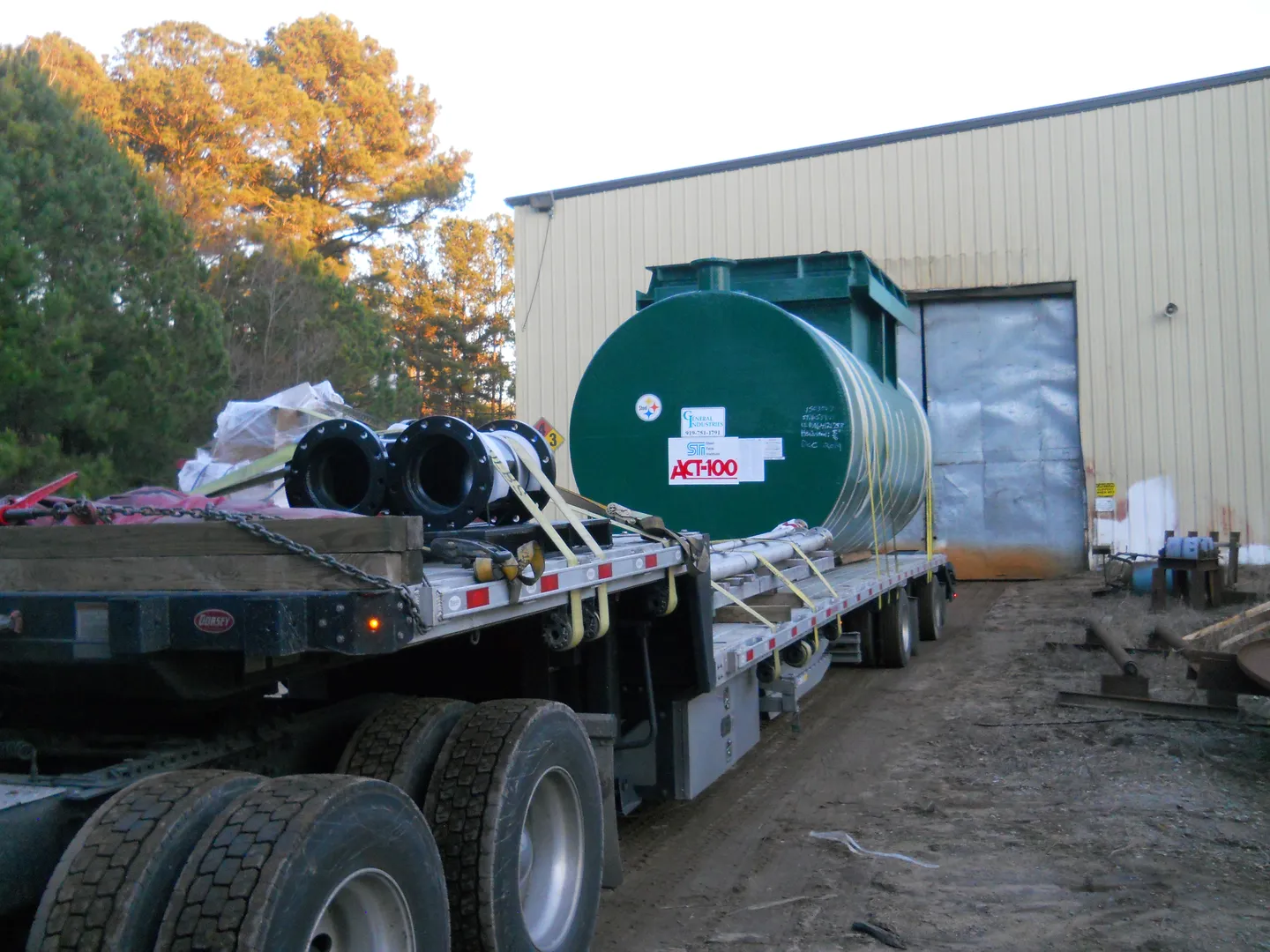
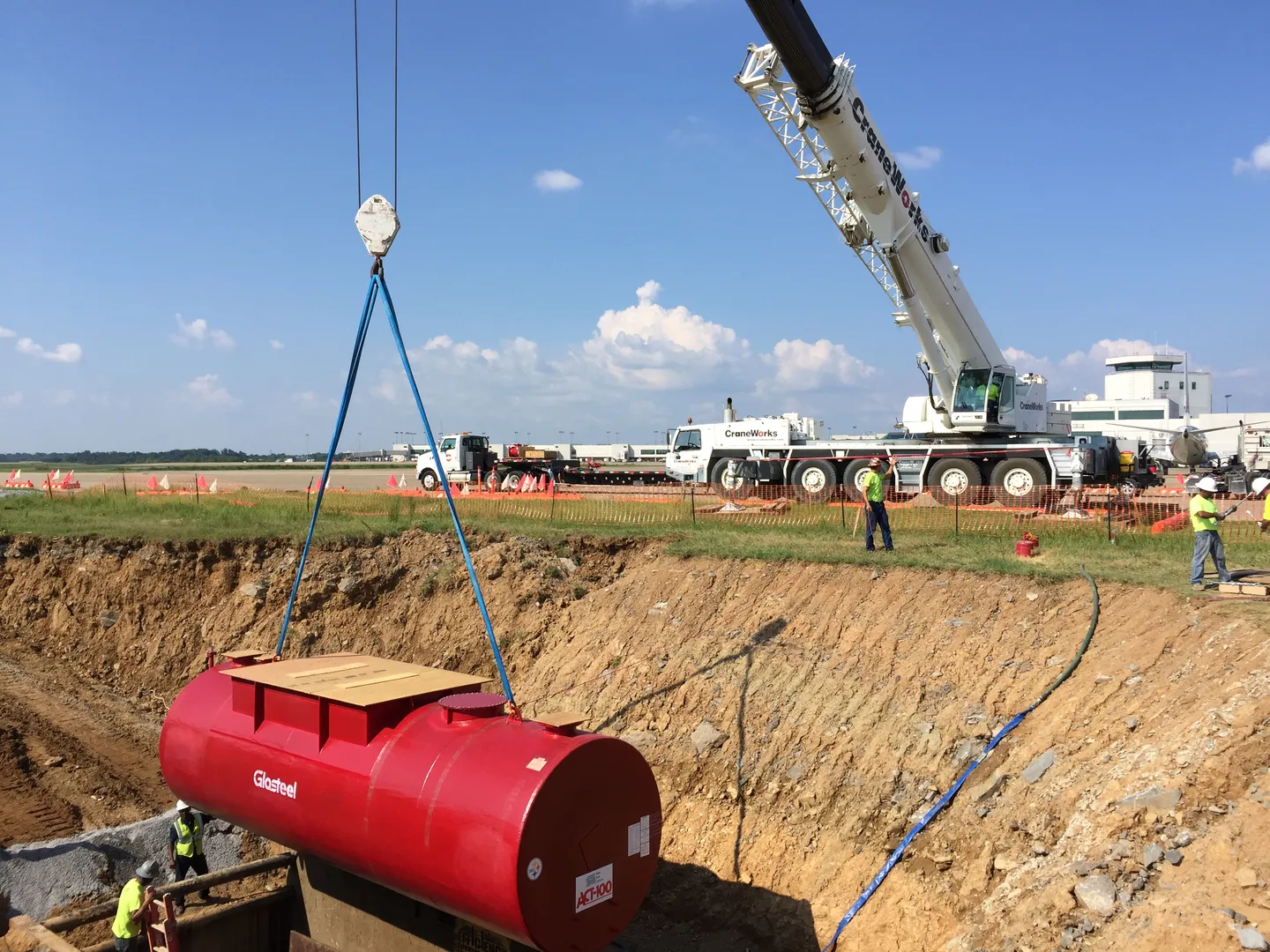
Below-Ground
600 GPM
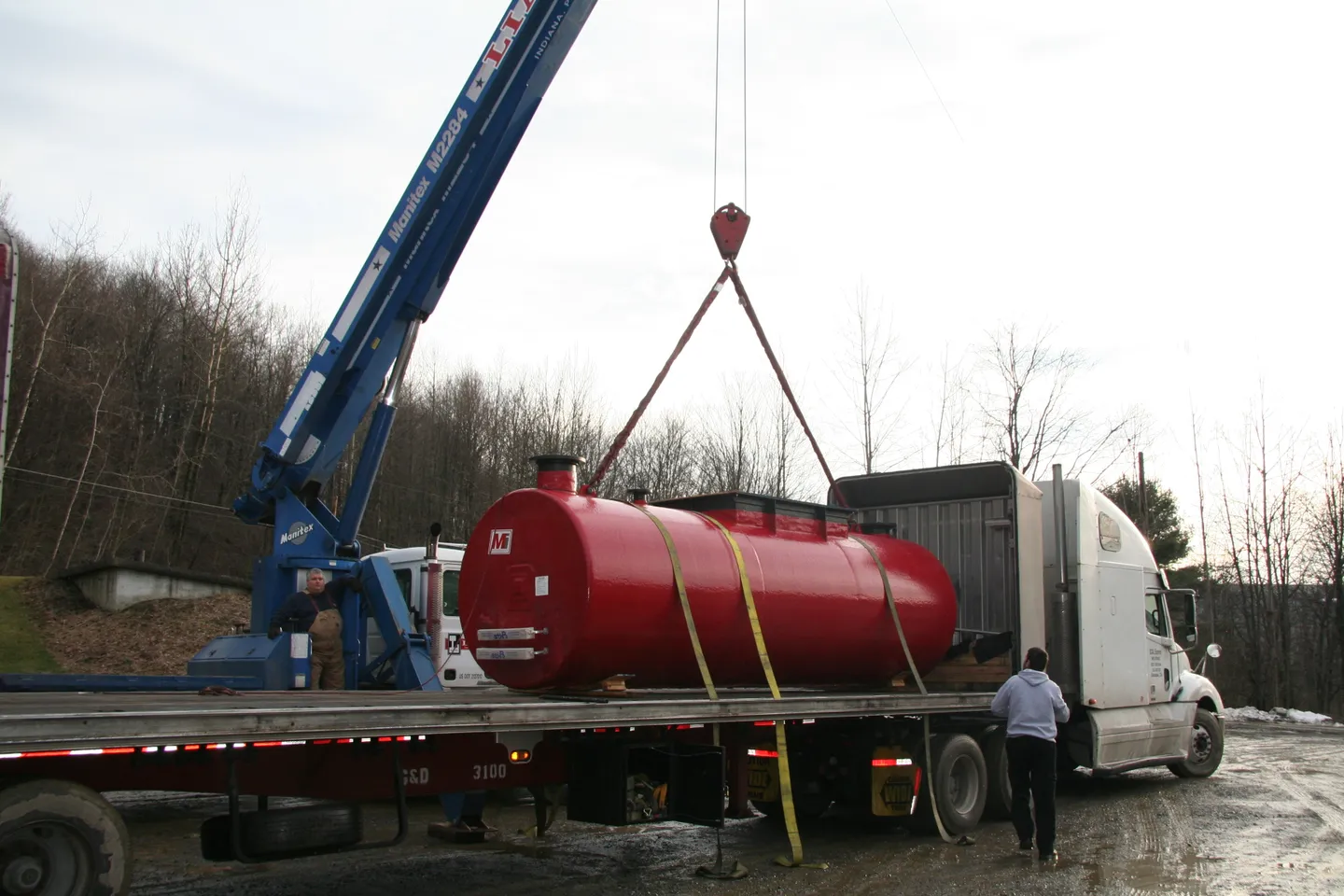
Below-Ground
1200 GPM
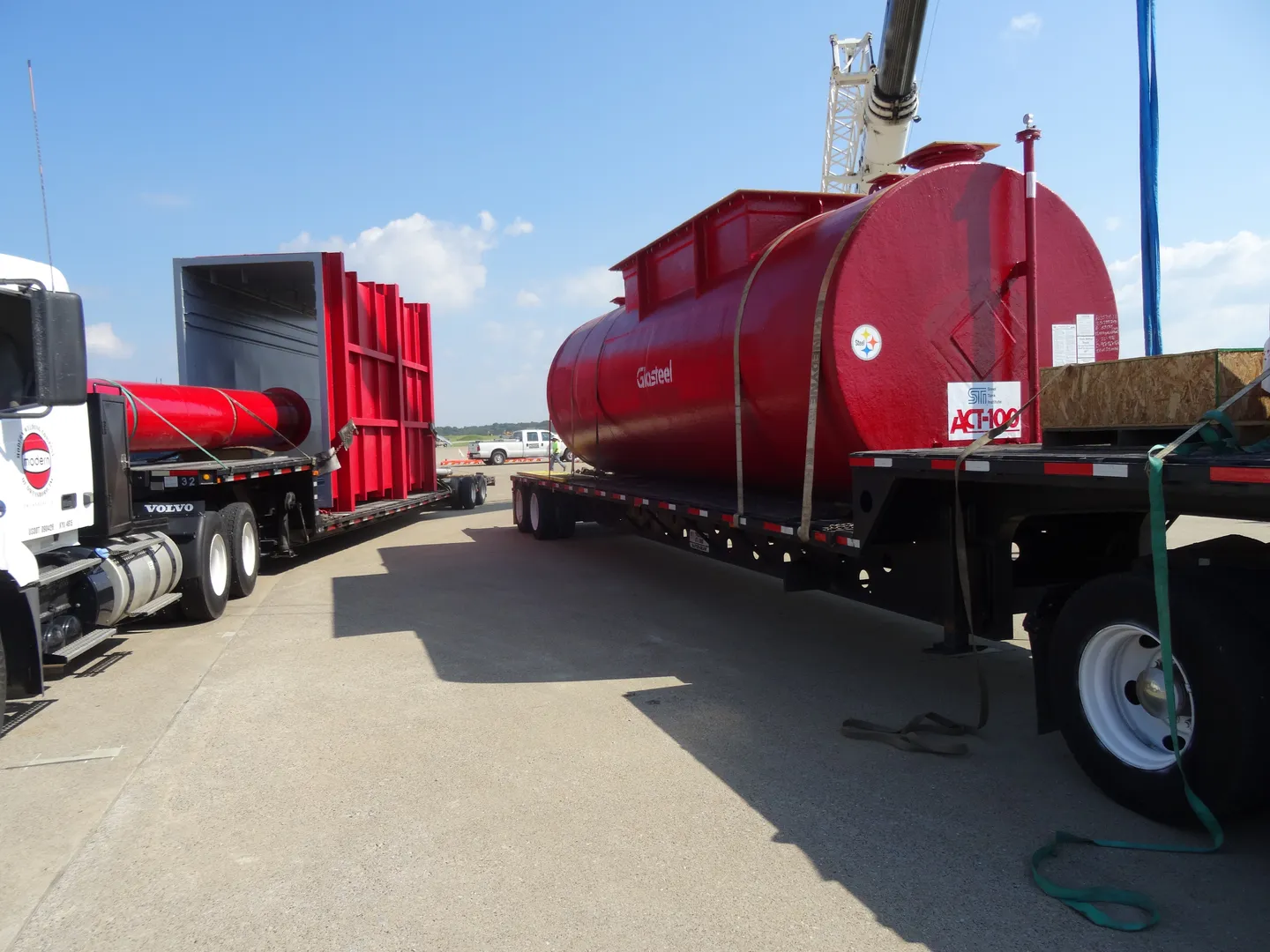
Below-Ground
500 GPM
Below-Ground
600 GPM
TRUSTED BY INDUSTRY LEADERS
A small sampling of companies with Mercer separators

































































ENGINEERED TO SOLVE
CORE TECHNOLOGY
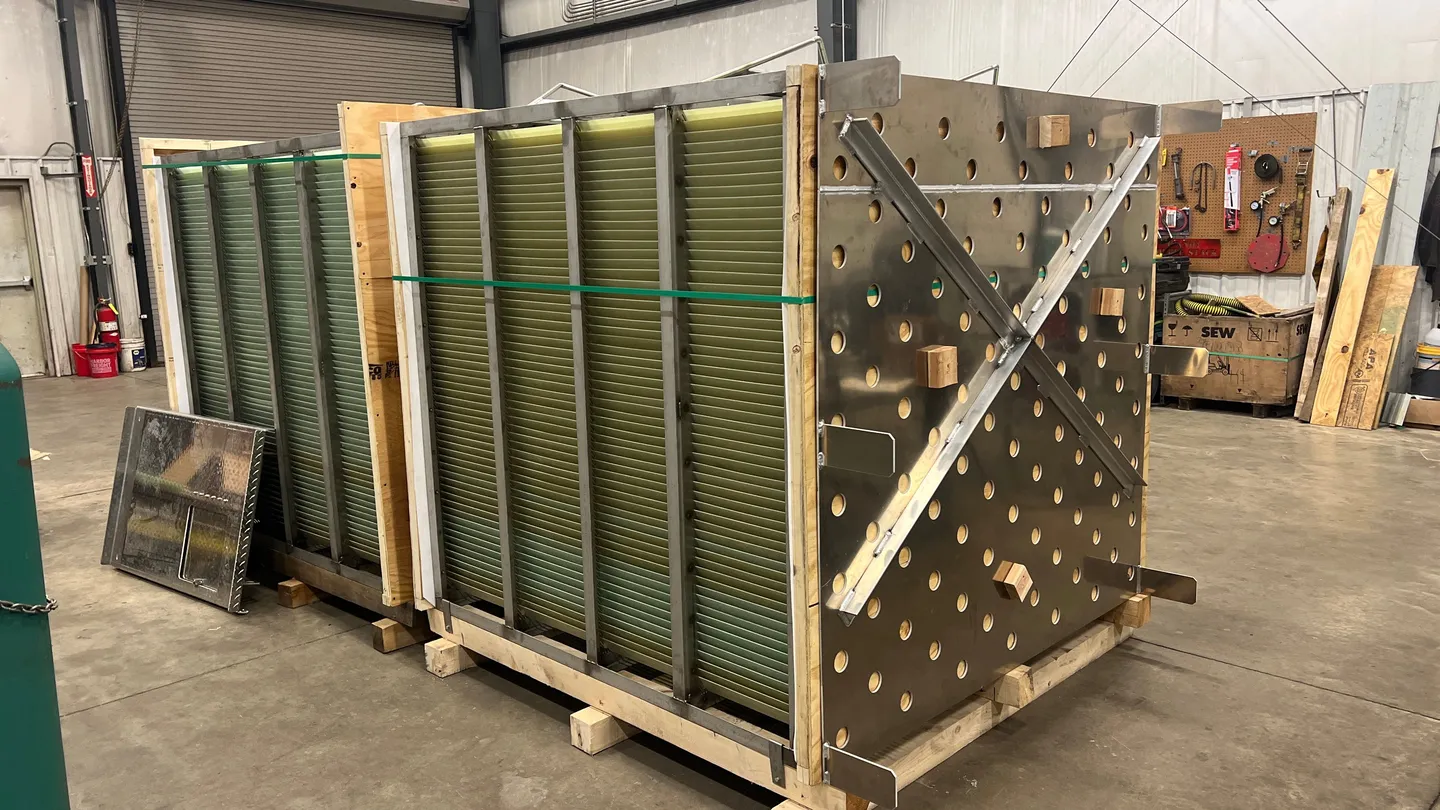
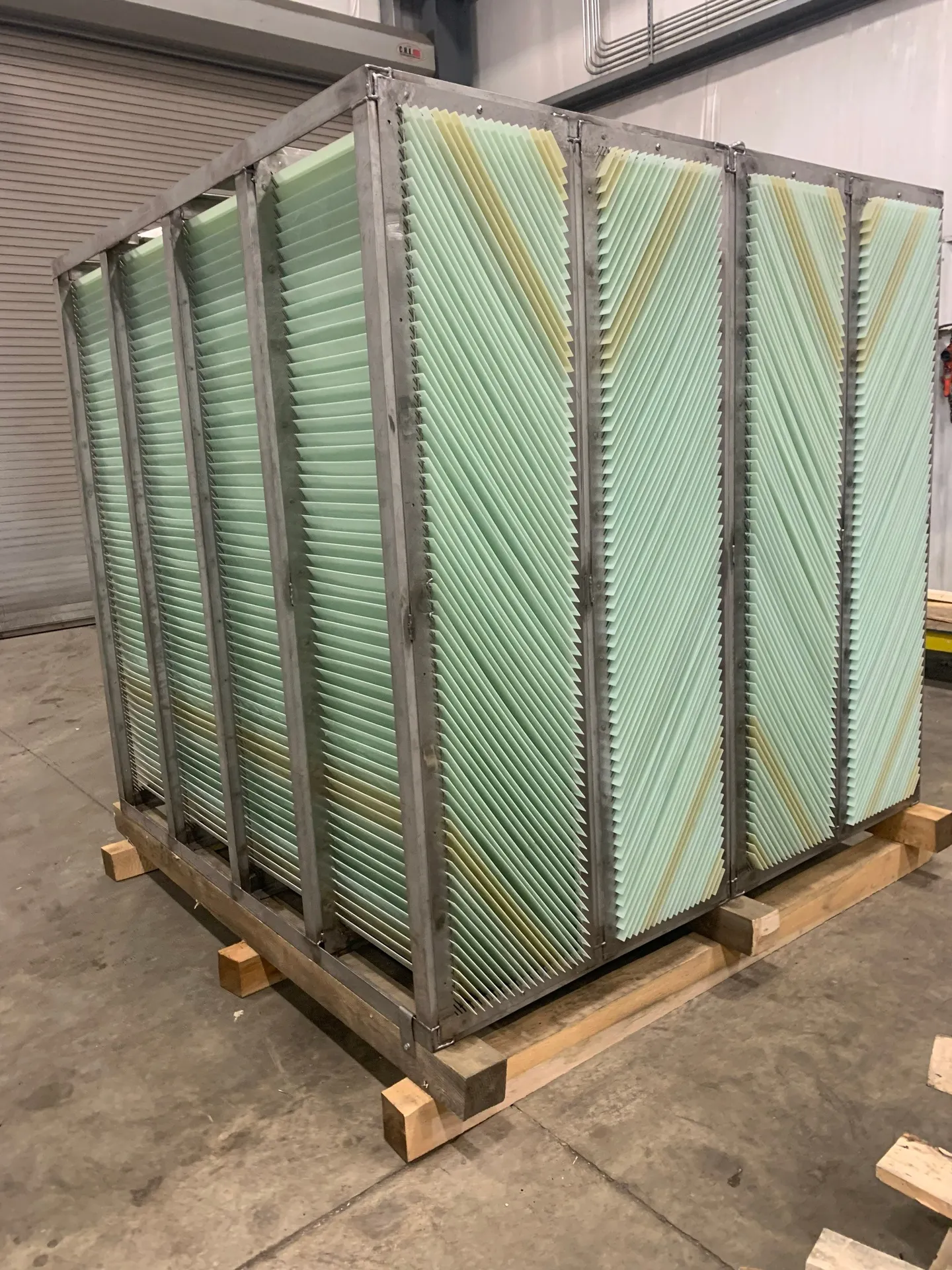
The Multi-Pack™ uses flat, steep-angled plates rather than corrugated or honeycomb media. Flat plates support predictable droplet capture while allowing solids to shed cleanly instead of lodging in pockets that quietly choke performance over time.
Learn MorePlate spacing can be adjusted beyond or below standard spacing to tune separation performance to actual conditions—oil type, temperature and viscosity effects, solids behavior, and desired maintenance intervals.
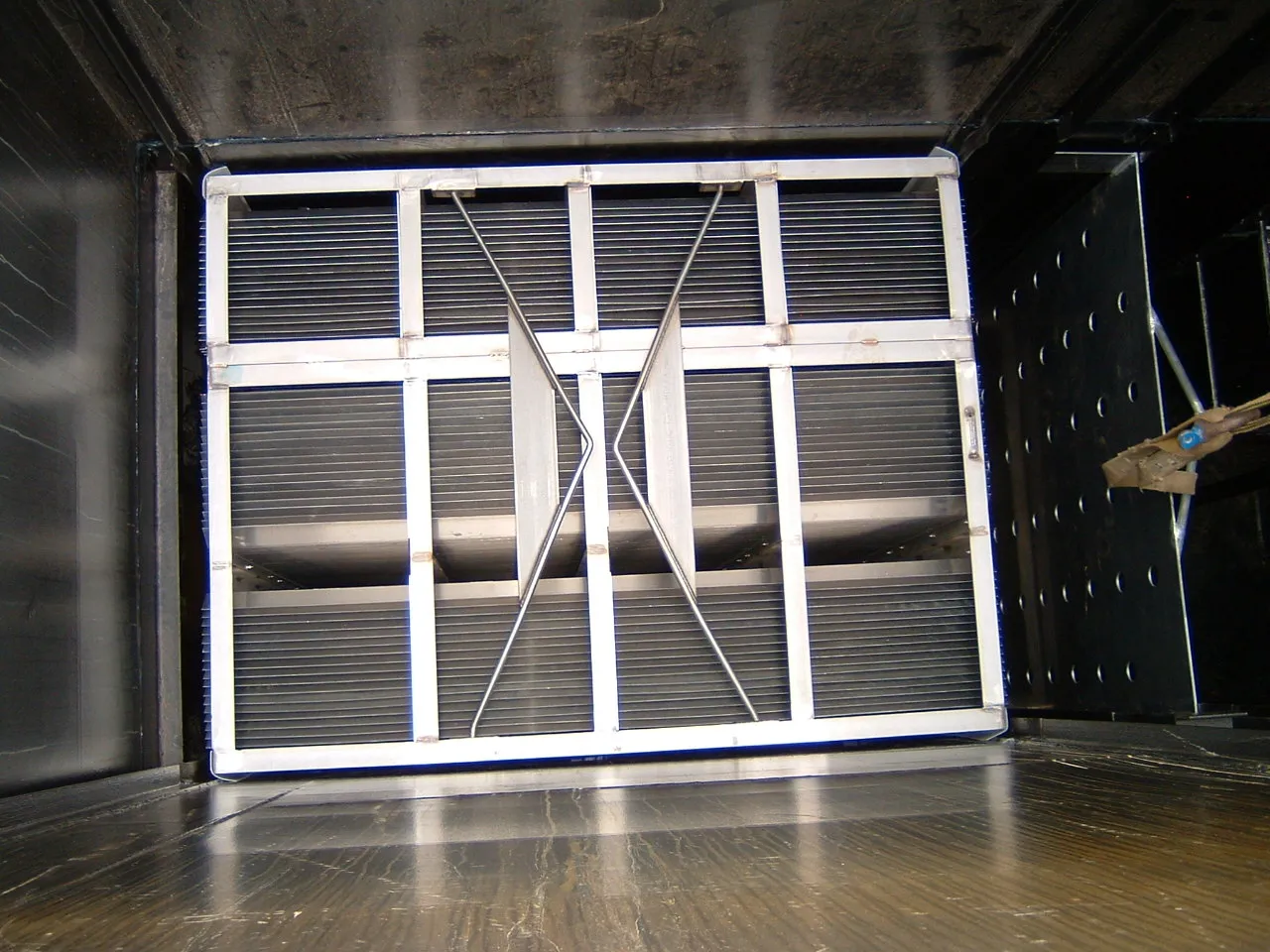
Learn MorePlates are arranged in a herringbone configuration that organizes internal flow paths and segregates areas where oils rise from areas where solids settle. This stabilizes hydraulics when flows cycle on and off, which is common in low-GPM applications.
Learn MoreAs oil coalesces and solids shed from the plates, they enter dedicated Chimney Zones™ designed for separation—not turbulence. These quiescent chambers allow oils to rise and solids to settle without re-entrainment, even during solids spikes.
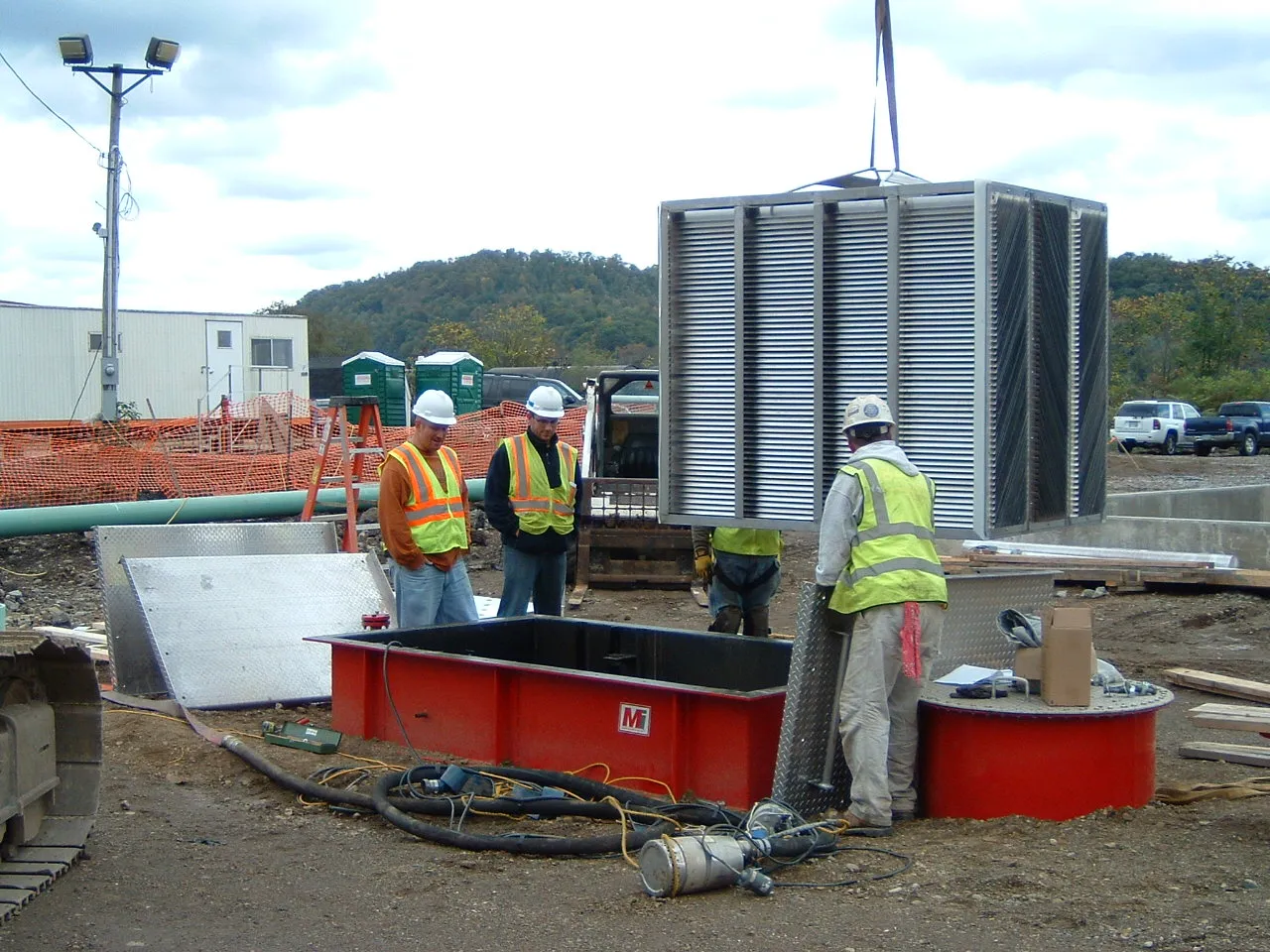
Learn MoreThe Multi-Pack™ is fully removable as a single assembly. Operators can remove the pack, visually inspect it, clean it, and return it to service without dismantling internals or replacing disposable media.
There has never been a Multi-Pack™ removed from a tank where operators could not see through to the opposite side before cleaning begins. Surface films may be present. Clogged pockets are not.
Learn MoreOptions
All at no cost to you.
We walk your site, capture real influent data if needed, engineer a custom separator from your worst-case scenario, and validate performance before fabrication. Only after the data confirms it do we issue a written guarantee. That’s how risk is removed.
PROVEN LONGEVITY
Built to Stay in Service
Many of the systems shown below were installed years ago and remain in continuous operation today. These are not retired assets—they are active separators still managing oil and solids under real operating conditions.Longevity at this scale reflects internal designs that can be inspected, cleaned, and maintained over time rather than replaced.
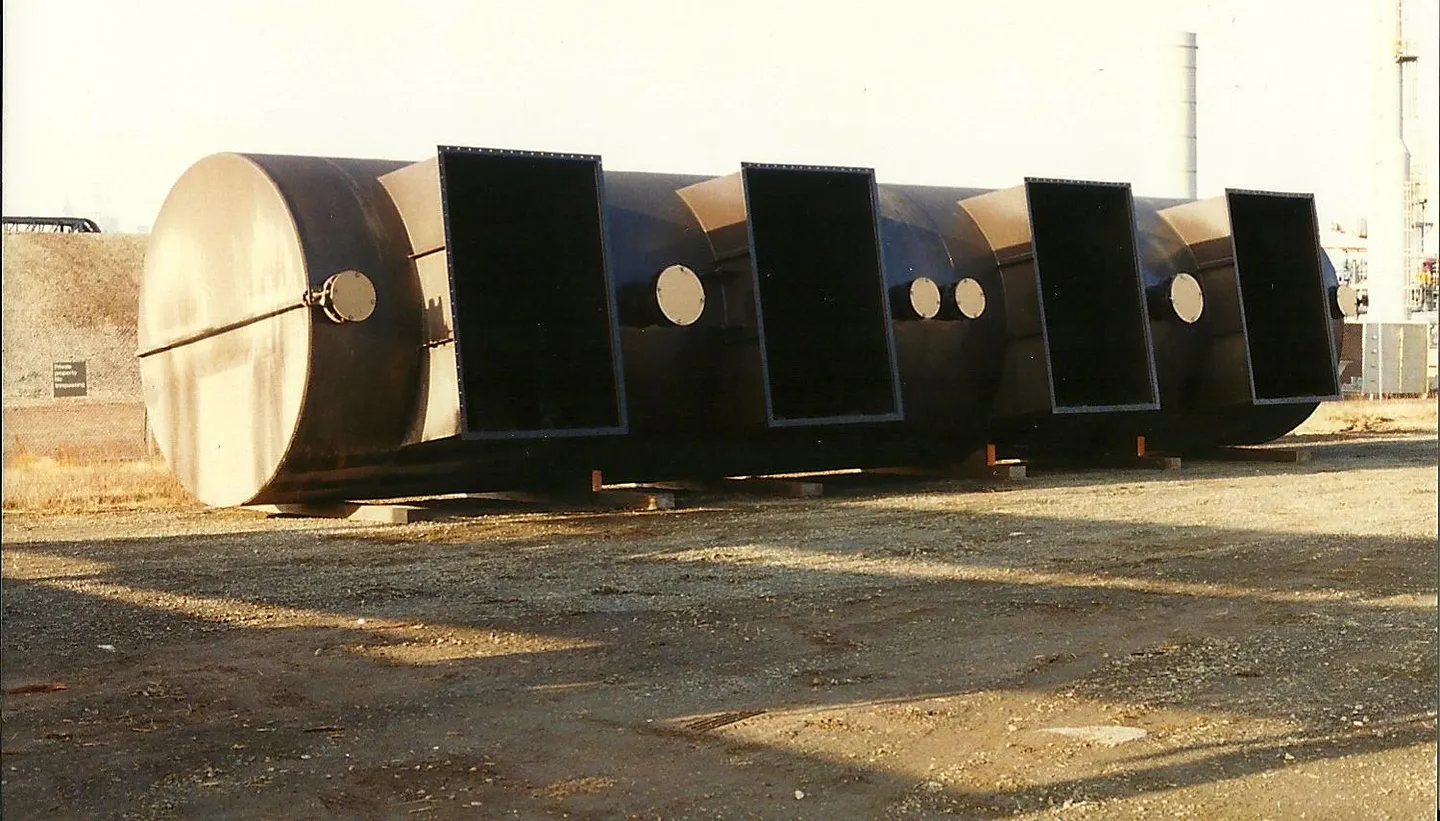
Below-Ground
5000 GPM
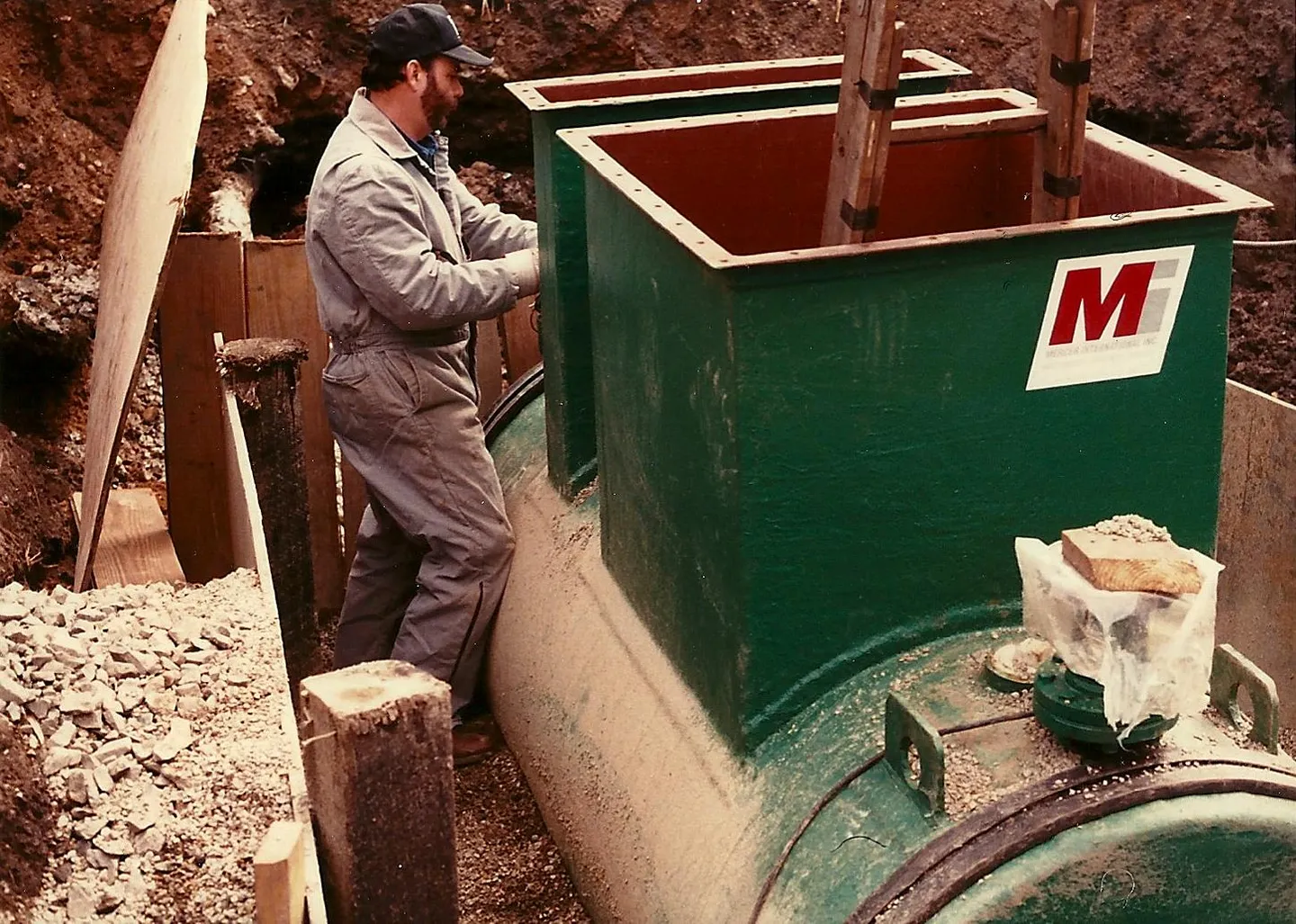
Below-Ground
100 GPM
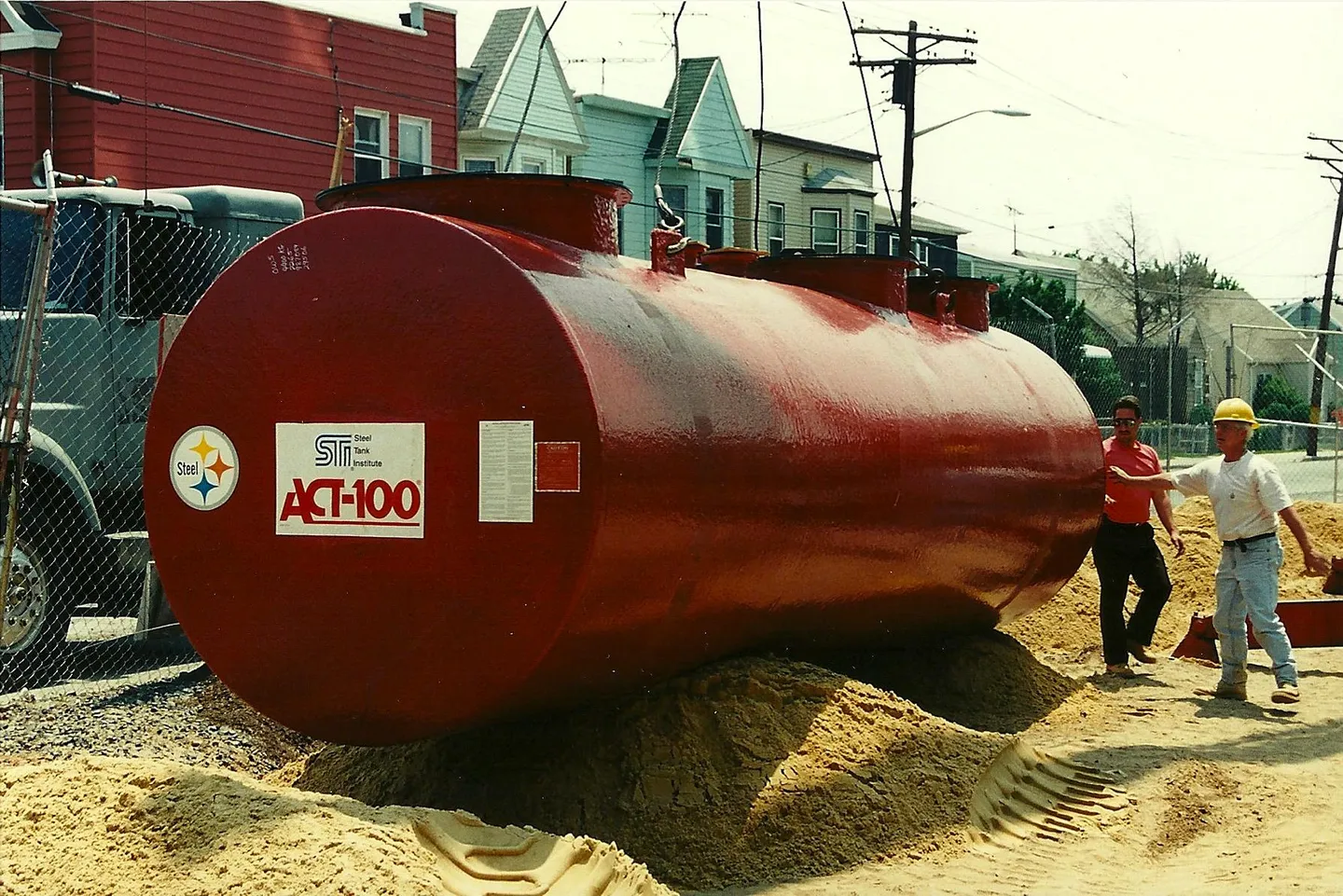
Below-Ground
300 GPM
Below-Ground
200 GPM
Below-Ground
300 GPM
Below-Ground
300 GPM
INDUSTRY APPLICATIONS

If burial is required and wastewater conditions are demanding, Mercer can help evaluate a steel below-ground solutio
Speak to a specialistThey use the same separation principles. The key difference is access and maintenance planning.
Yes, when properly engineered and maintained.
