
OPERATING TIER
Built To Scale
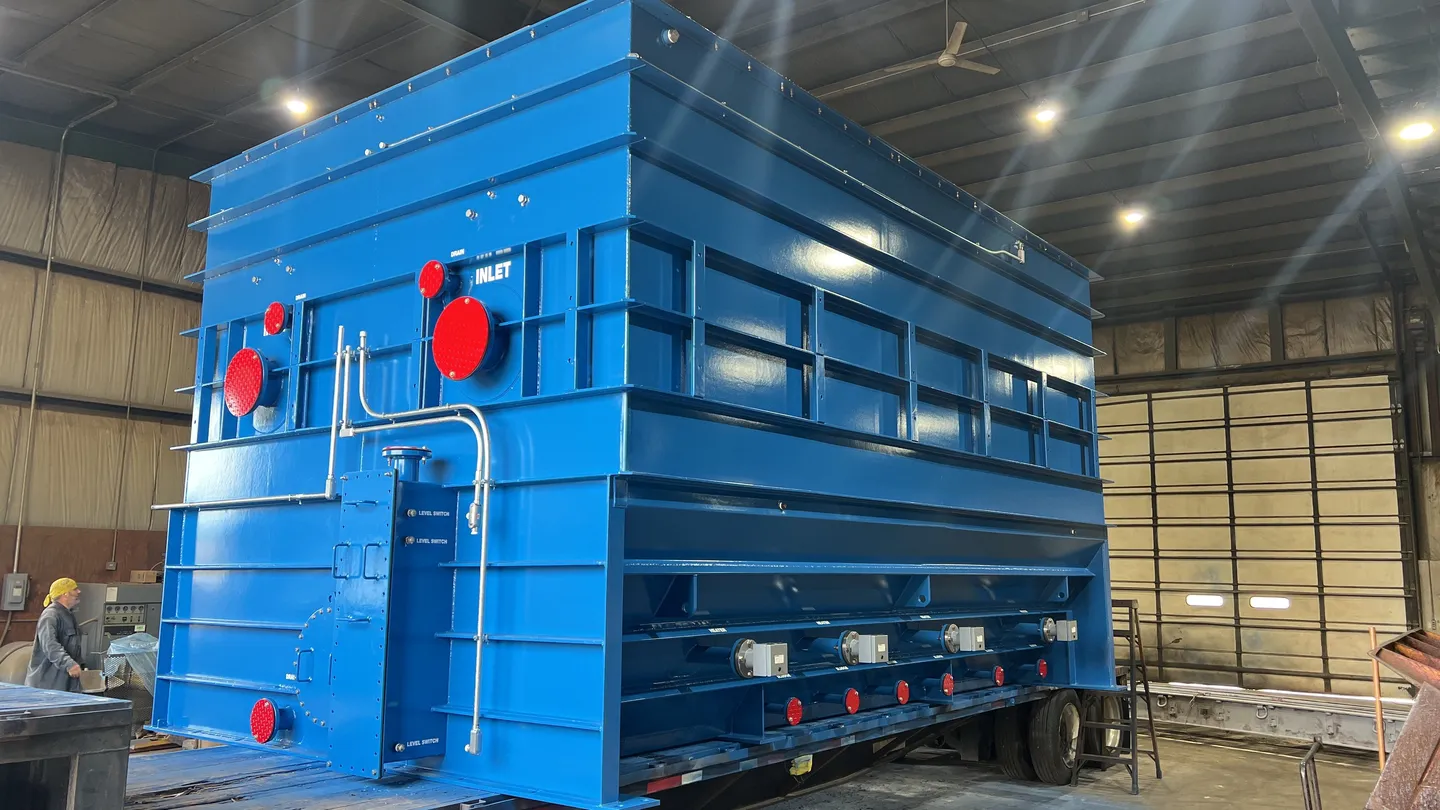
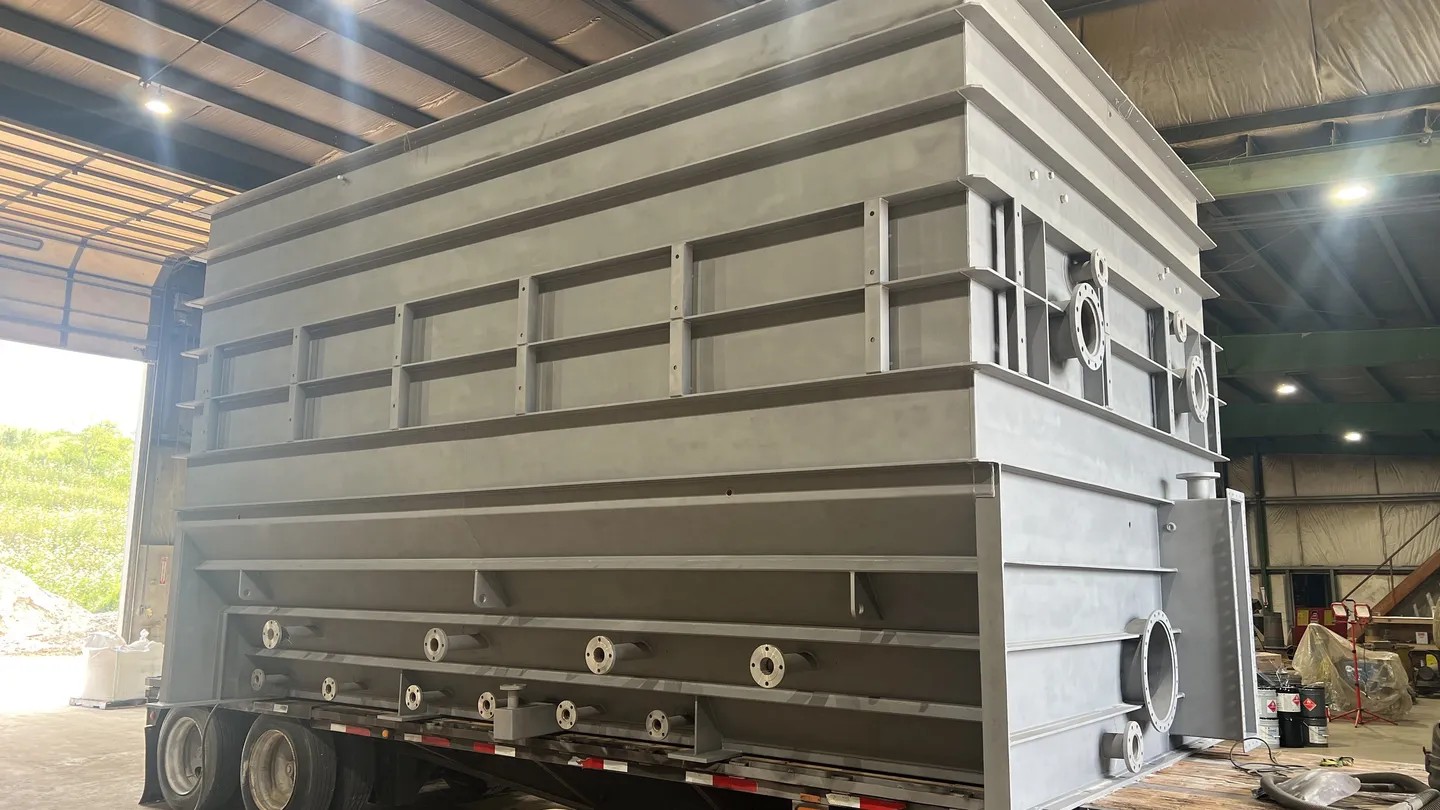
Please Note: Exact materials, dimensions, and configurations vary by application. Carbon steel construction is typically introduced at higher flow ranges where structural requirements dictate.
FIELD-PROVEN SYSTEMS
At this scale, separators are part of core plant infrastructure.
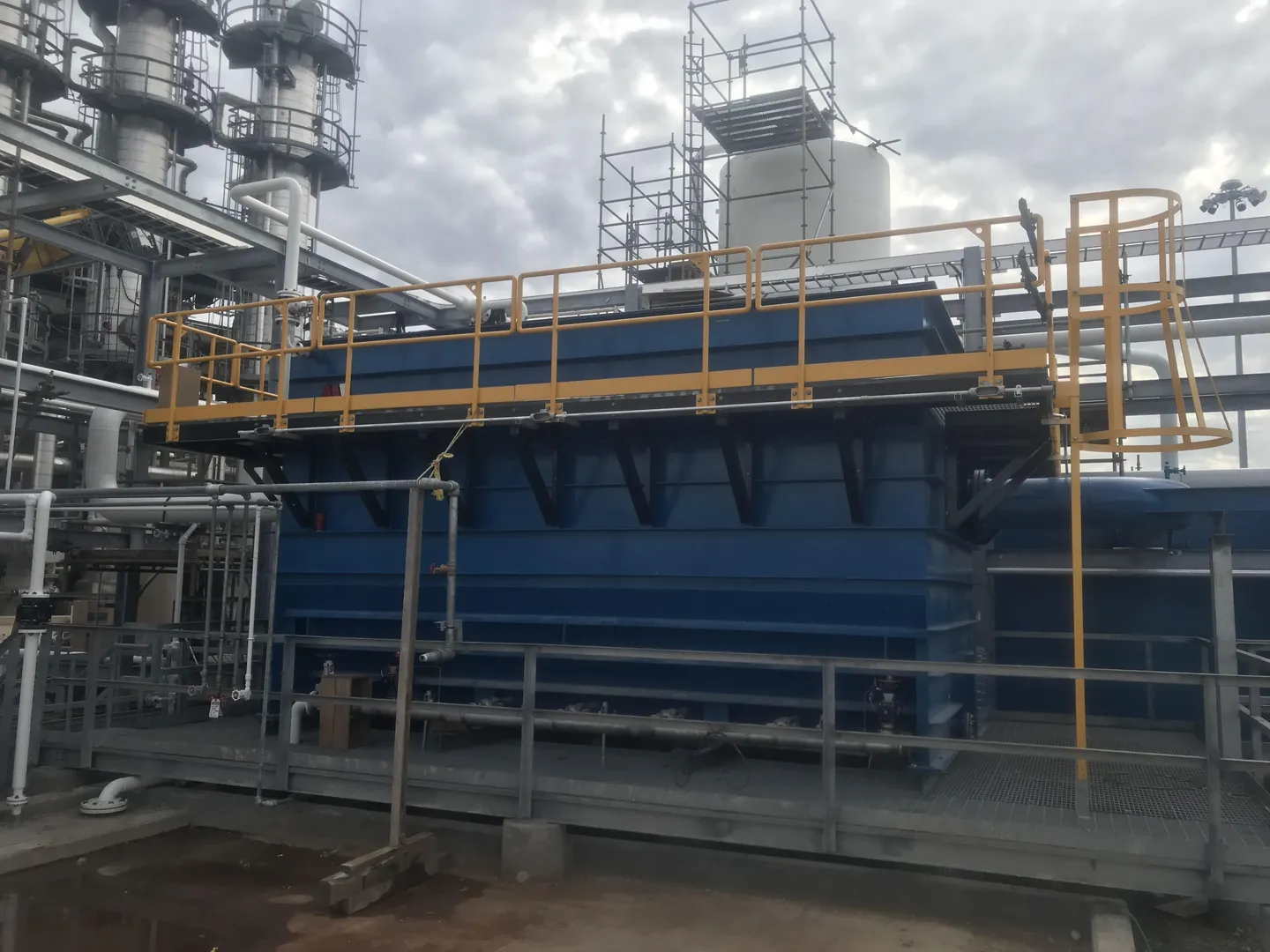
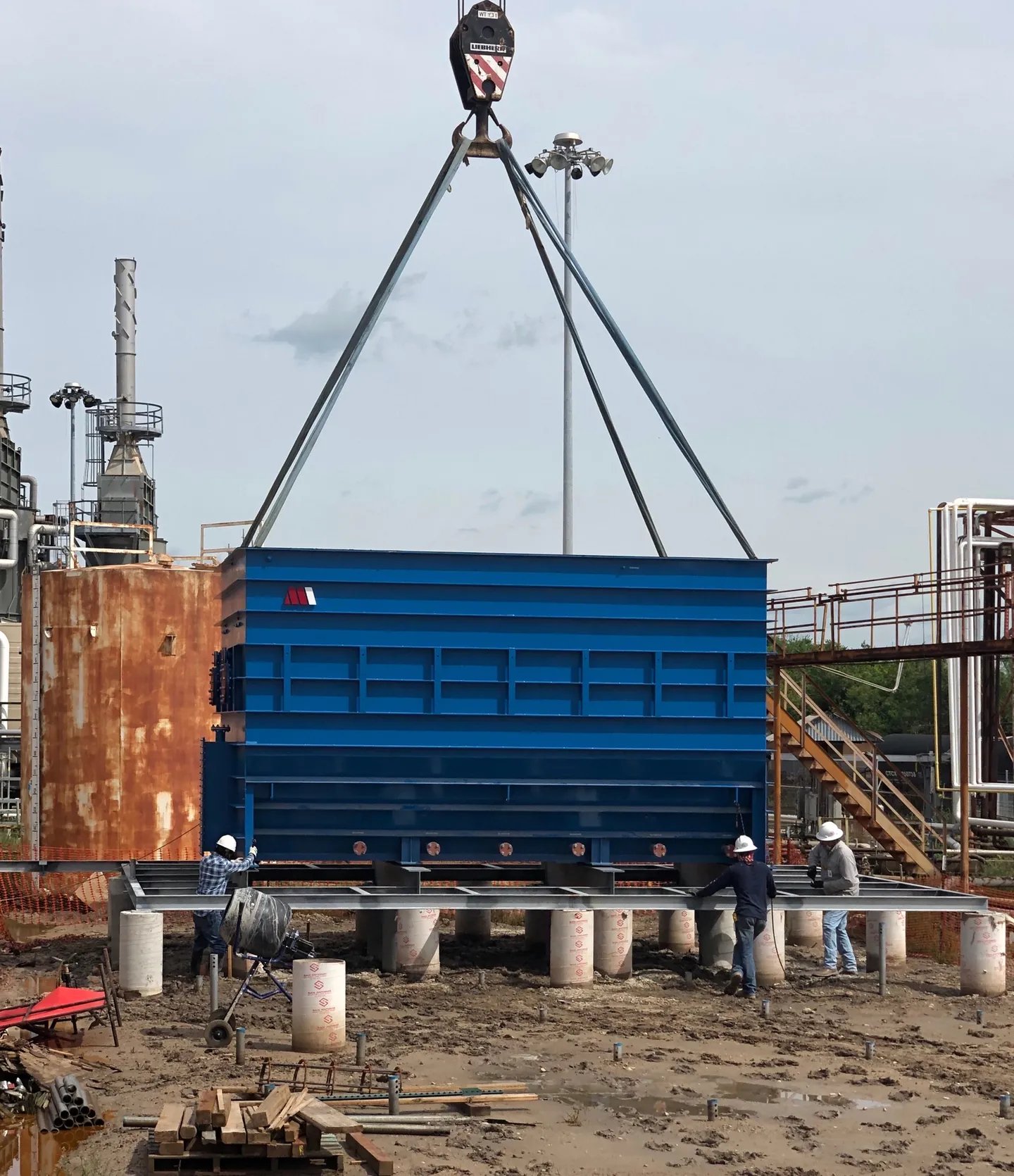
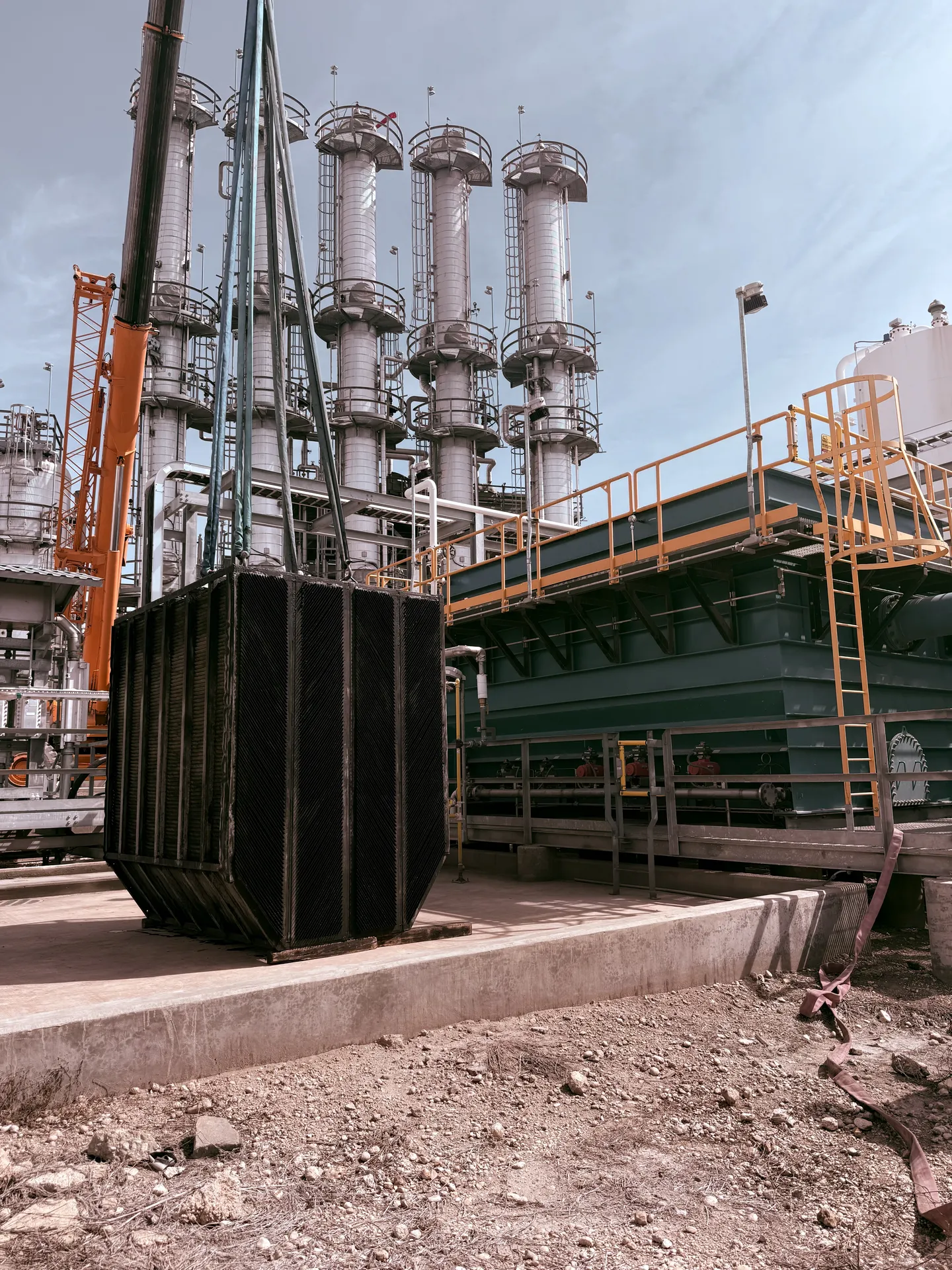
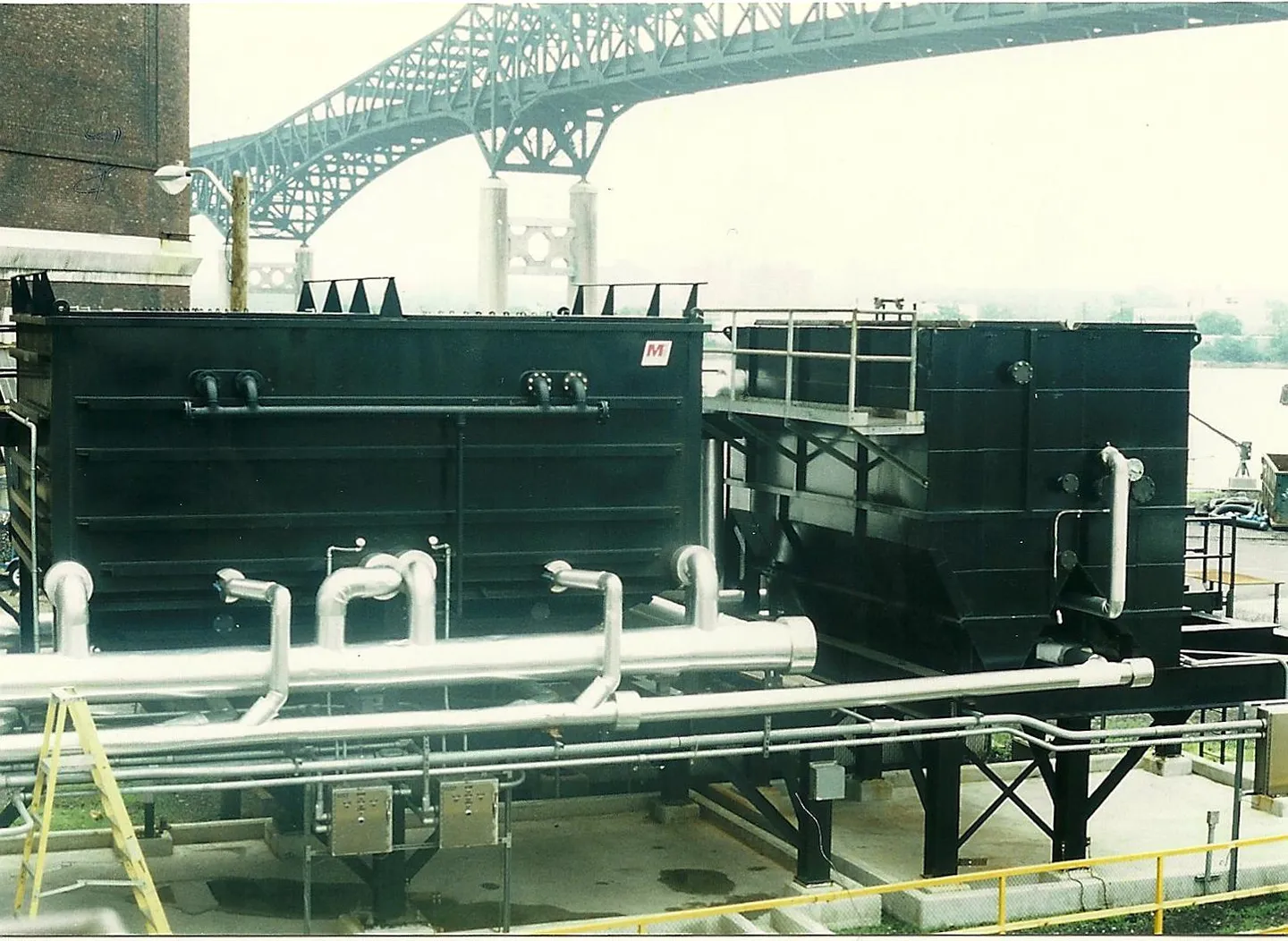
The installations shown represent Mercer systems operating at or near the 2,000 GPM class in environments where downtime, fouling, or performance uncertainty is unacceptable.
Above Ground
2000 GPM
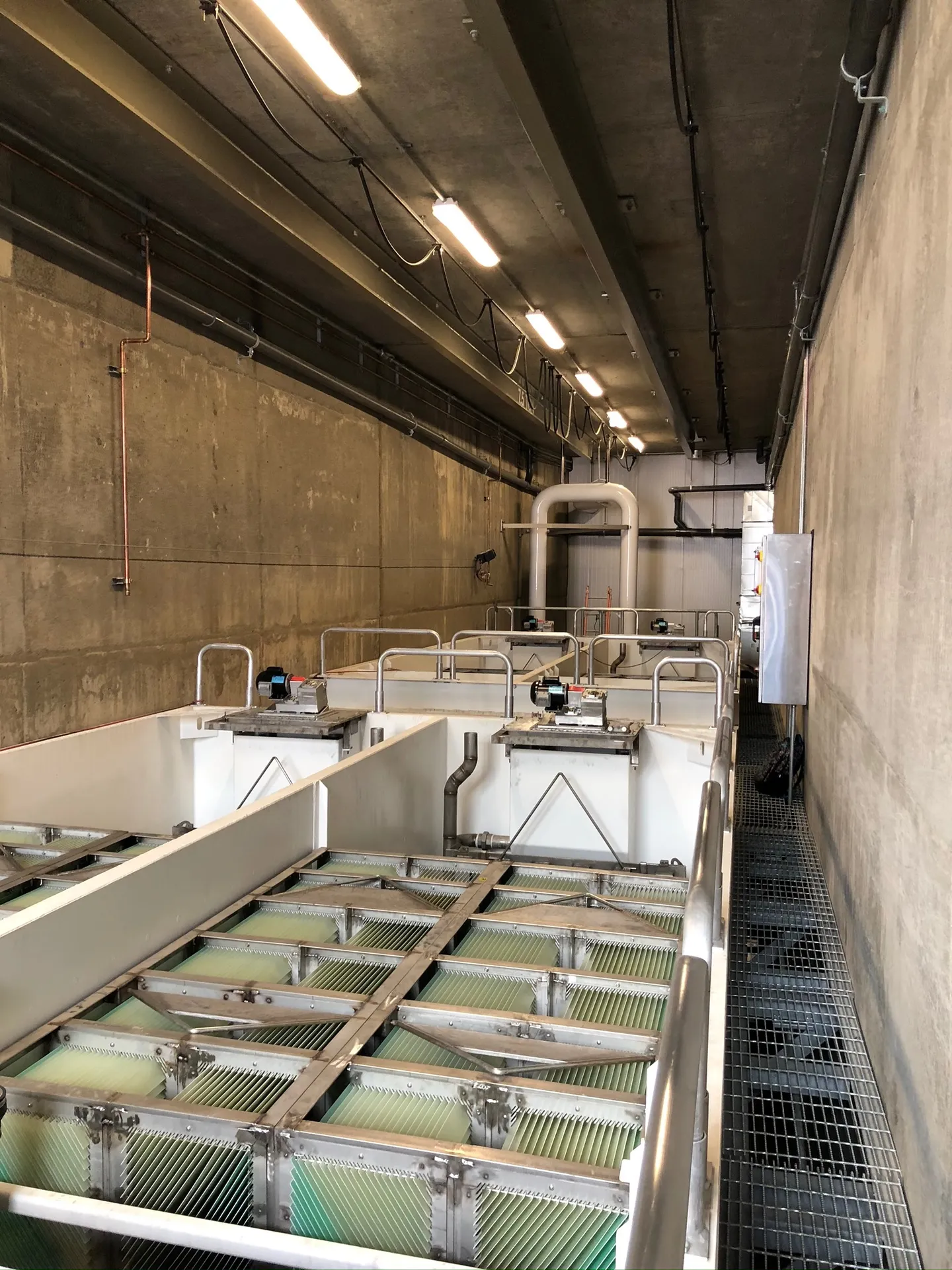
Above Ground
1350 GPM
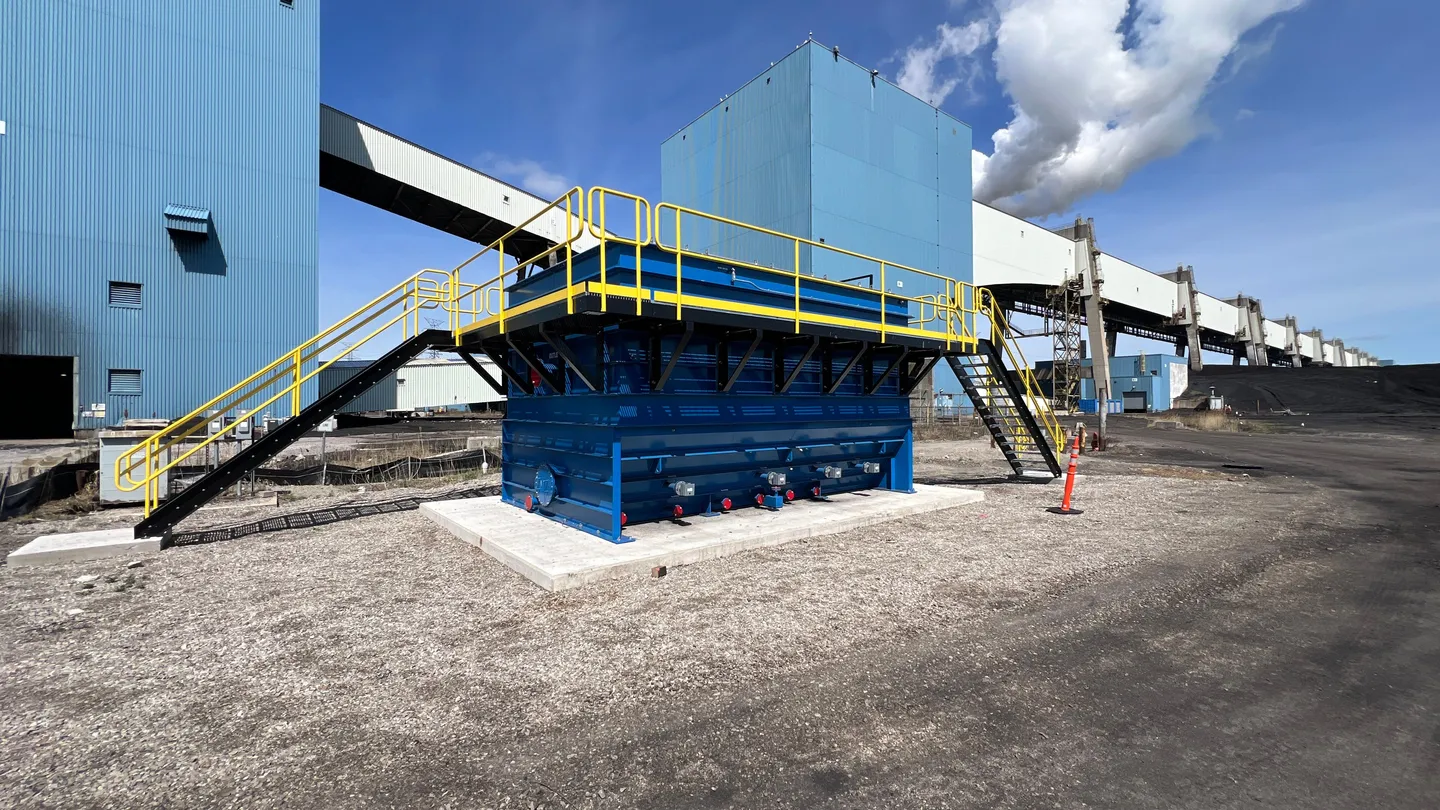
Above Ground
2000 GPM
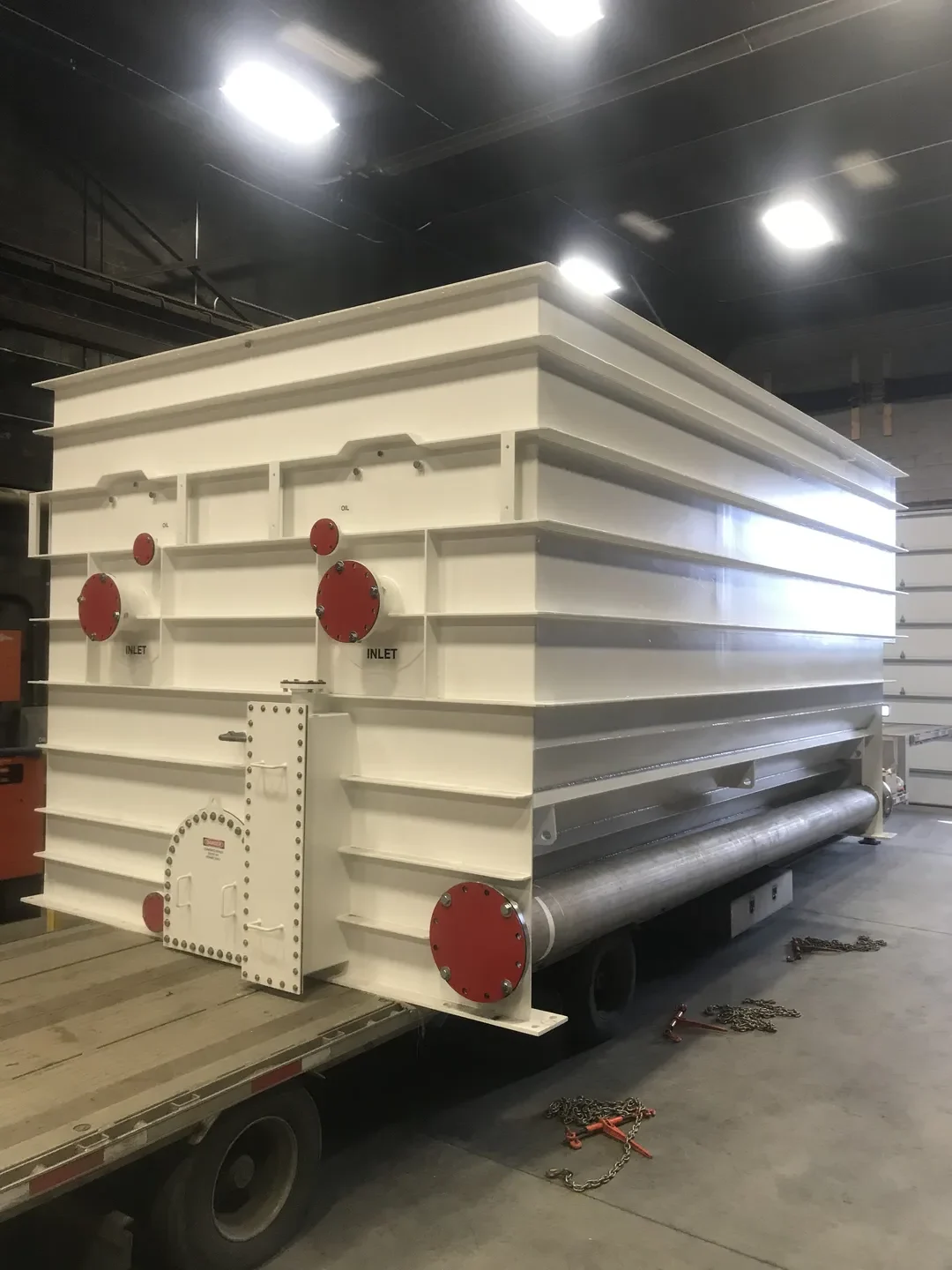
Above Ground
2000 GPM
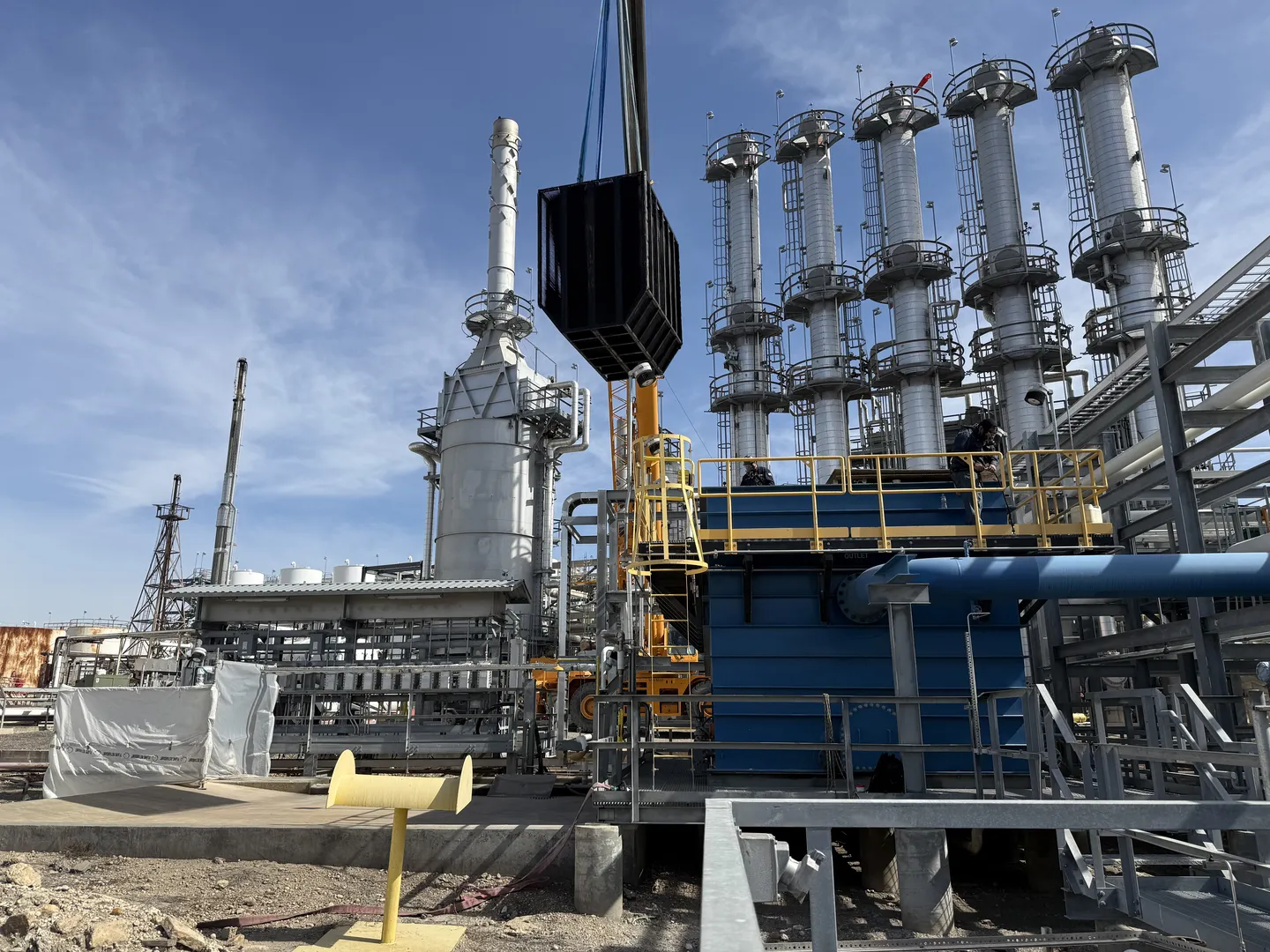
Above Ground
2000 GPM
Above Ground
2000 GPM
TRUSTED BY INDUSTRY LEADERS
A small sampling of companies with Mercer separators operating at or near the 2,000 GPM class.





































































CORE TECHNOLOGY
A tank provides residence time.
Mercer’s Multi-Pack™ coalescer is a purpose-engineered separation system designed to remain effective, adjustable, and serviceable under sustained high-flow operation typical of large parallel systems.
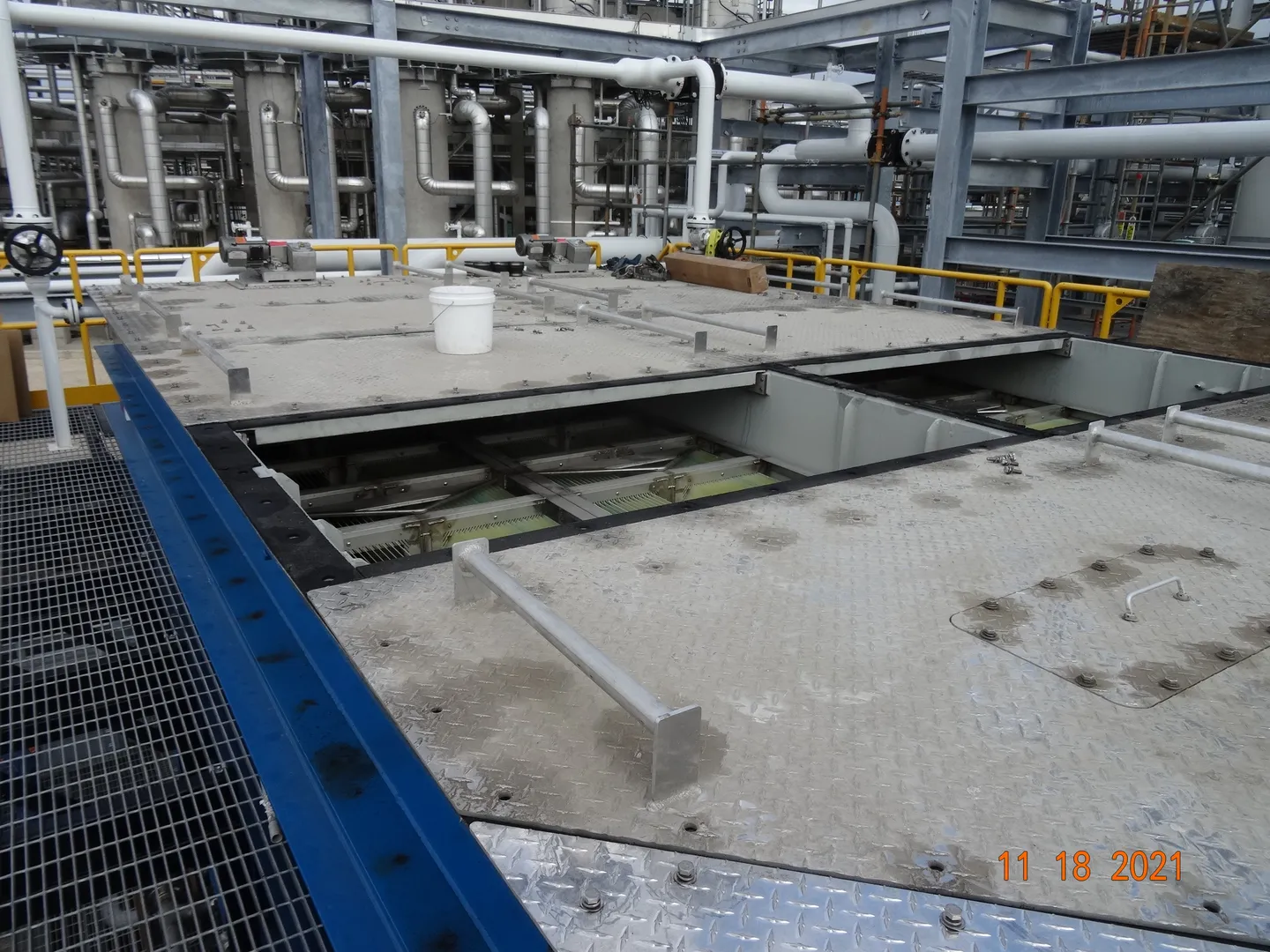
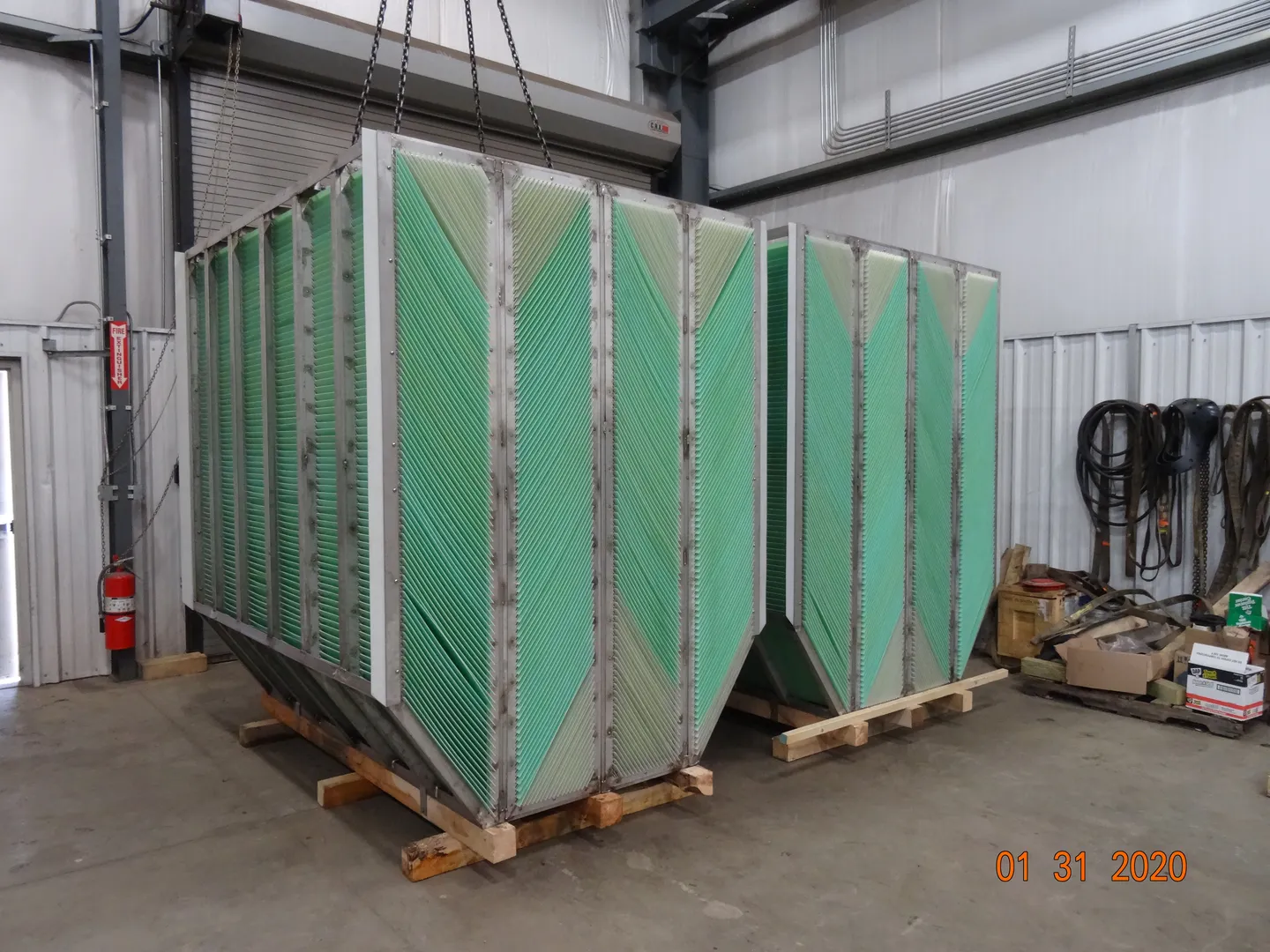

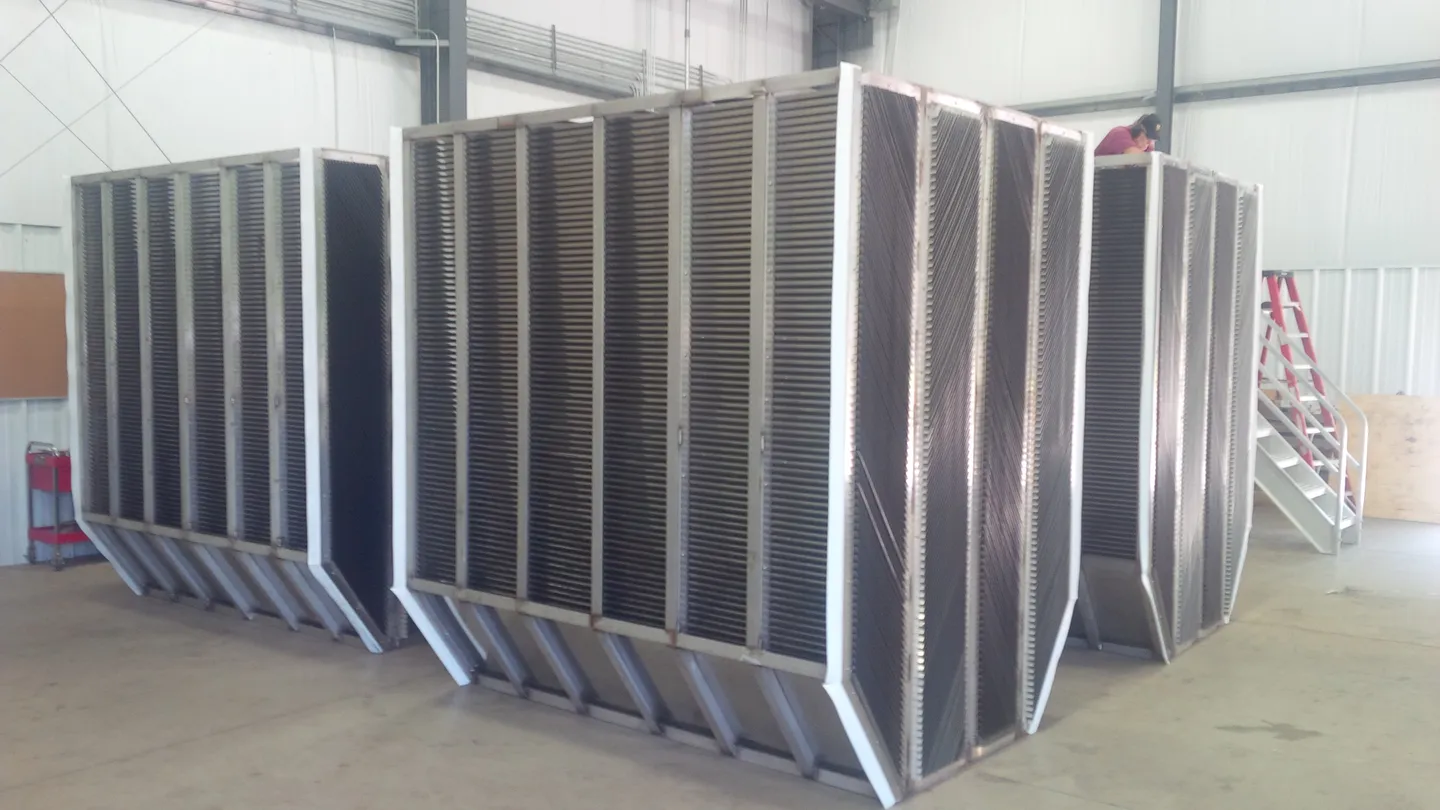
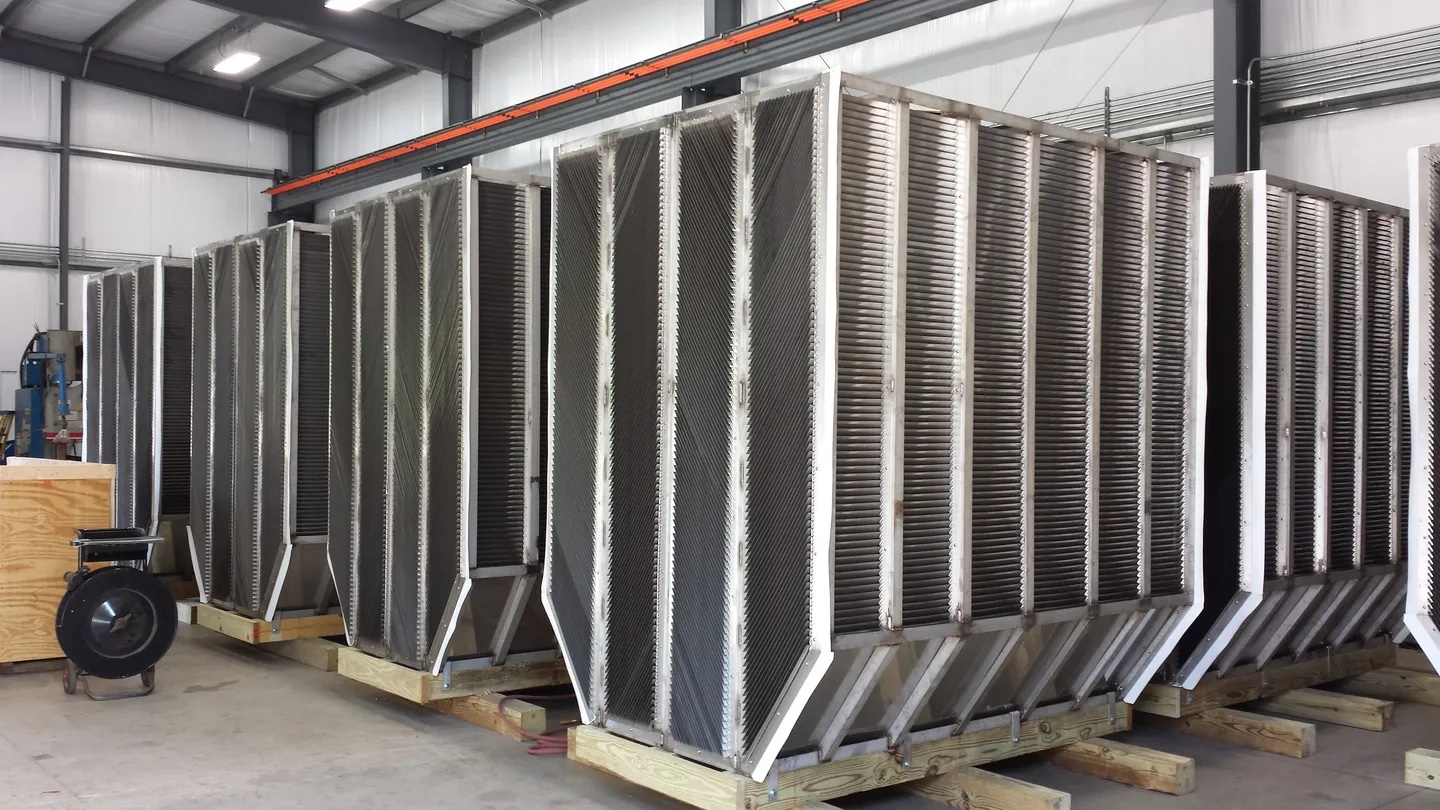
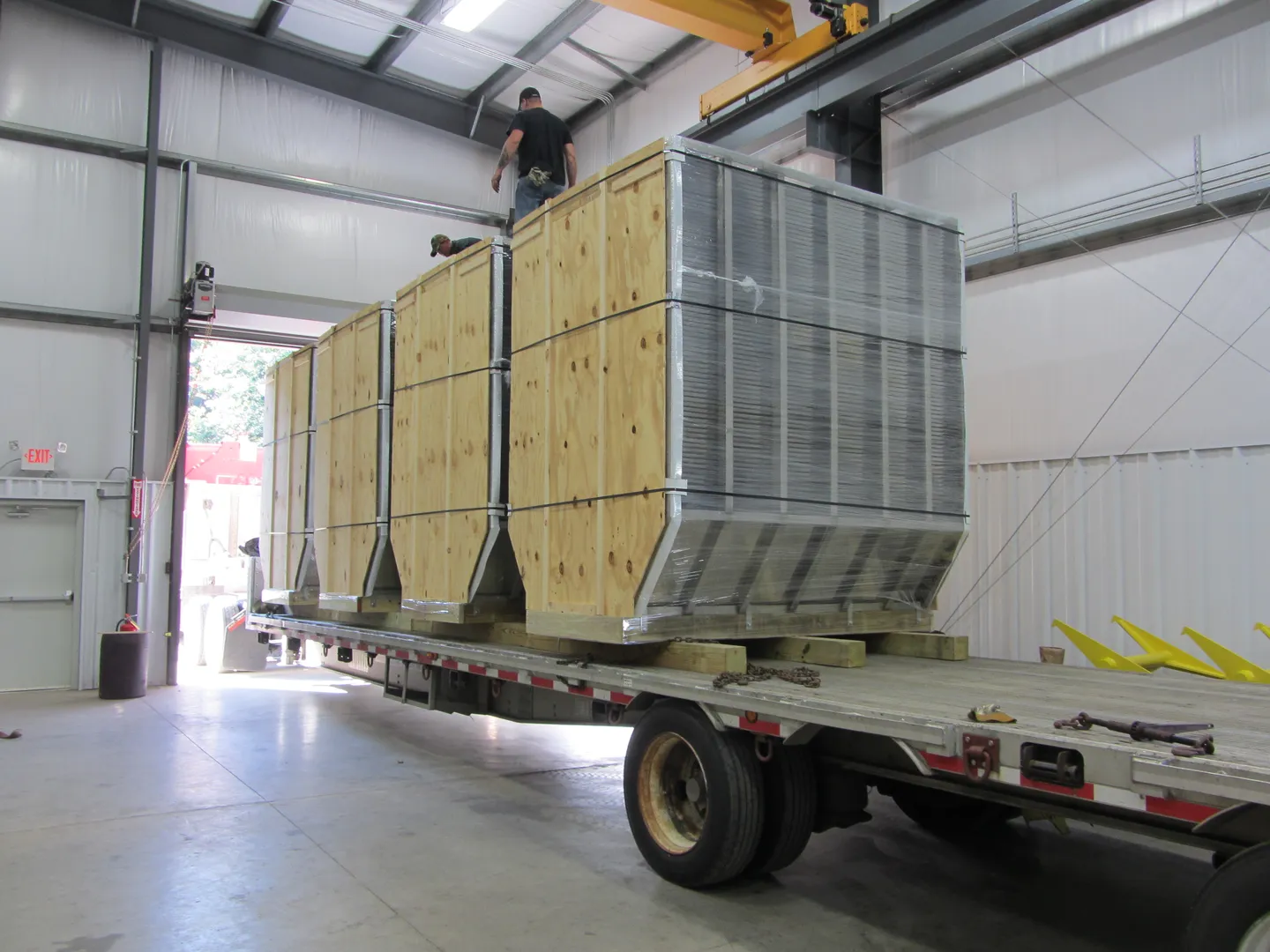
The Multi-Pack™ uses flat, steep-angled plates rather than corrugated or honeycomb media. Flat plates support predictable droplet capture while allowing solids to shed cleanly instead of lodging in pockets that quietly choke performance over time.
Learn MorePlate spacing can be adjusted beyond or below standard spacing to tune separation performance to actual conditions—oil type, temperature and viscosity effects, solids behavior, and desired maintenance intervals.
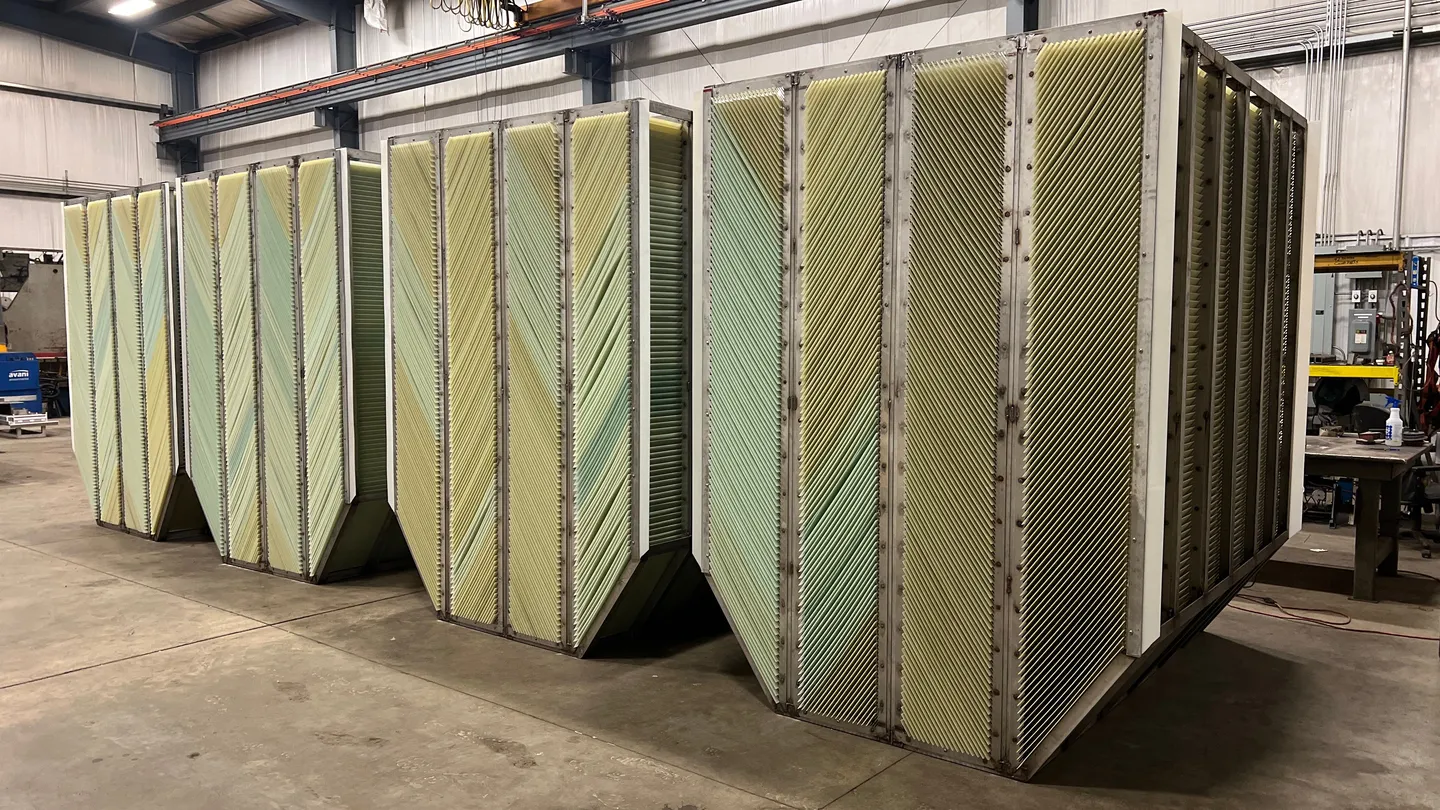
Learn MorePlates are arranged in a herringbone configuration that organizes internal flow paths and segregates areas where oils rise from areas where solids settle. This stabilizes hydraulics when flows cycle on and off, which is common in low-GPM applications.
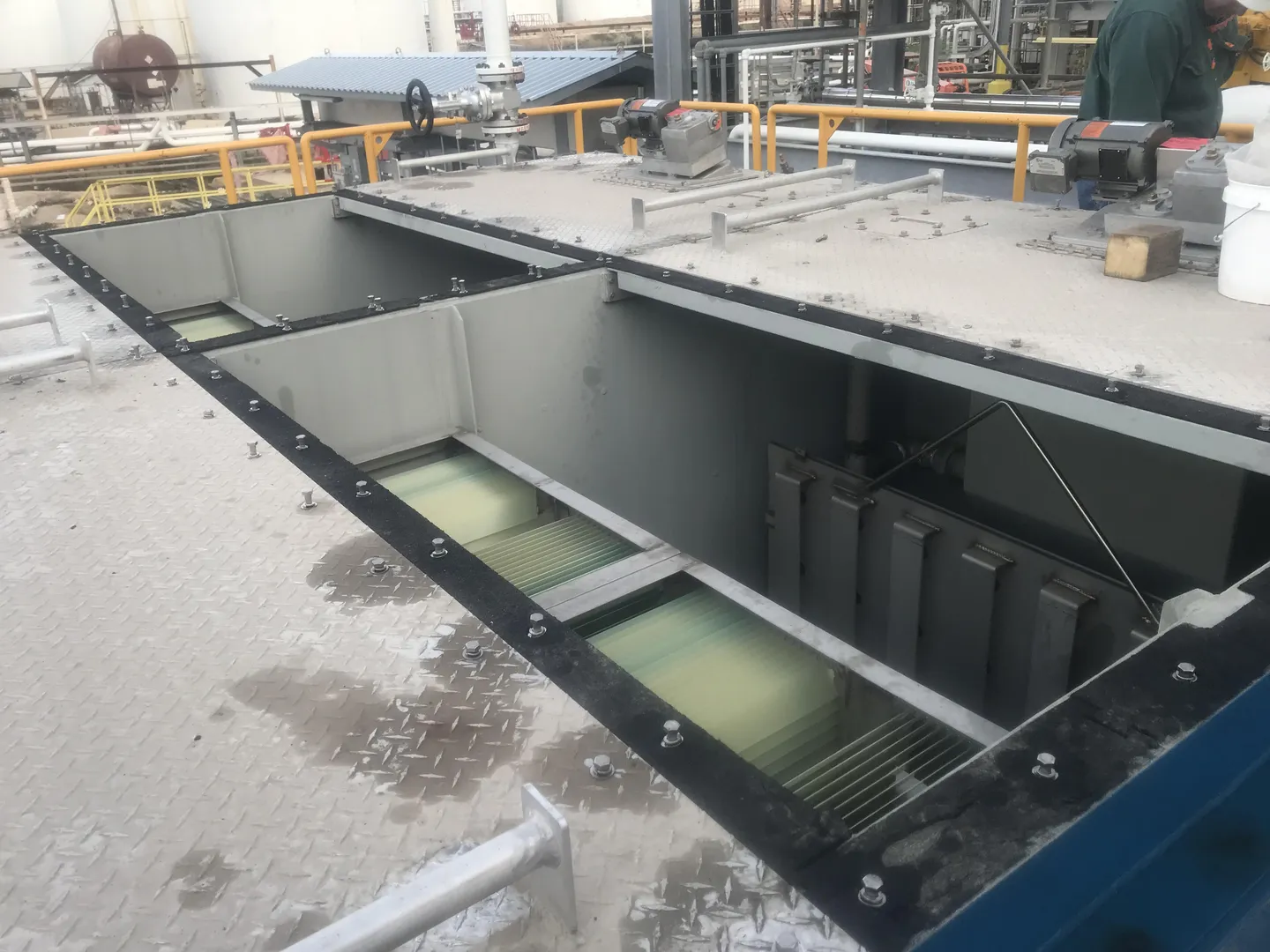
Learn MoreAs oil coalesces and solids shed from the plates, they enter dedicated Chimney Zones™ designed for separation—not turbulence. These quiescent chambers allow oils to rise and solids to settle without re-entrainment, even during solids spikes.
Learn MoreThe Multi-Pack™ is fully removable as a single assembly. Operators can remove the pack, visually inspect it, clean it, and return it to service without dismantling internals or replacing disposable media.
There has never been a Multi-Pack™ removed from a tank where operators could not see through to the opposite side before cleaning begins. Surface films may be present. Clogged pockets are not.
Learn More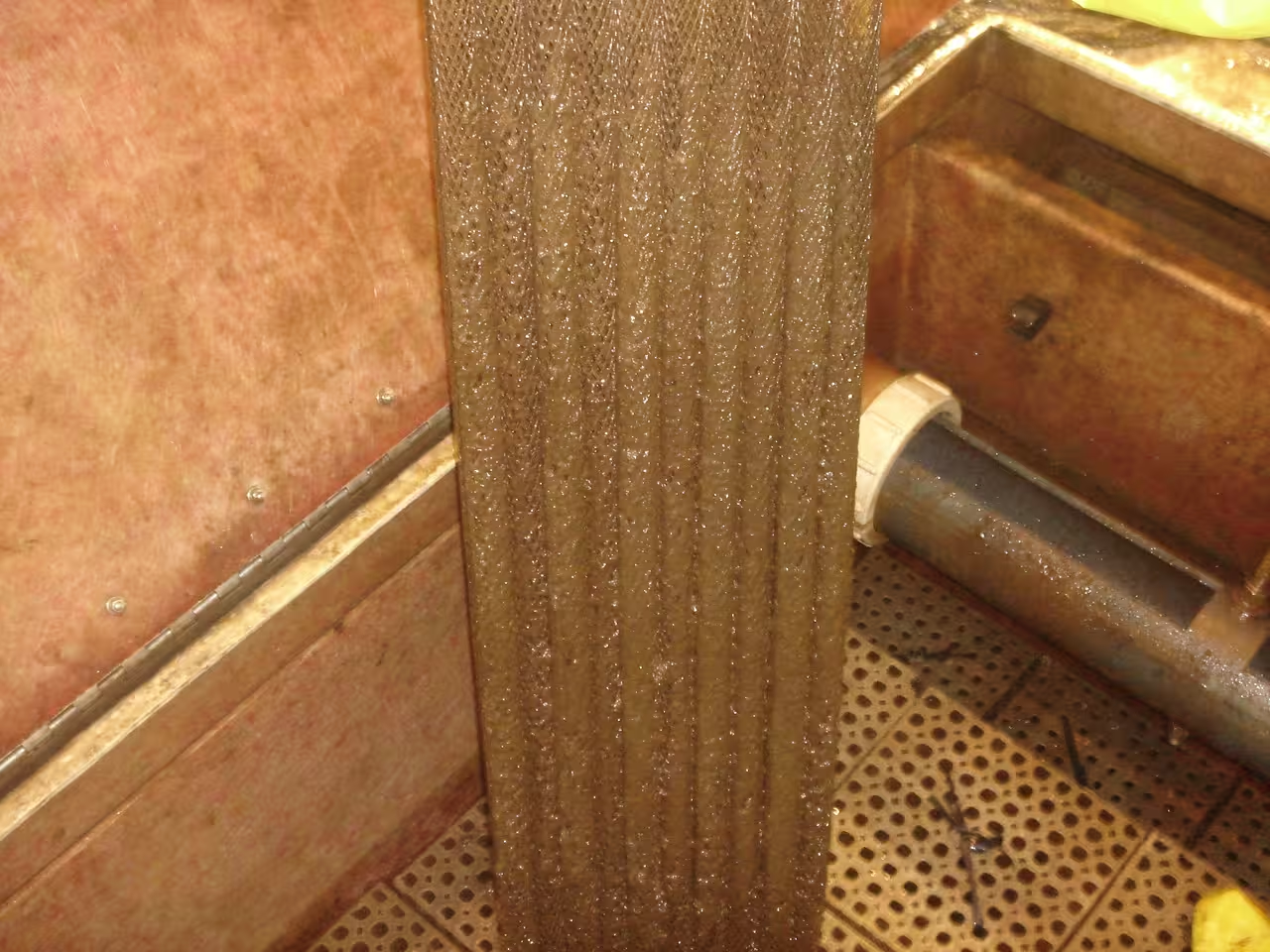
PROVEN LONGEVITY
Built to Stay in Service
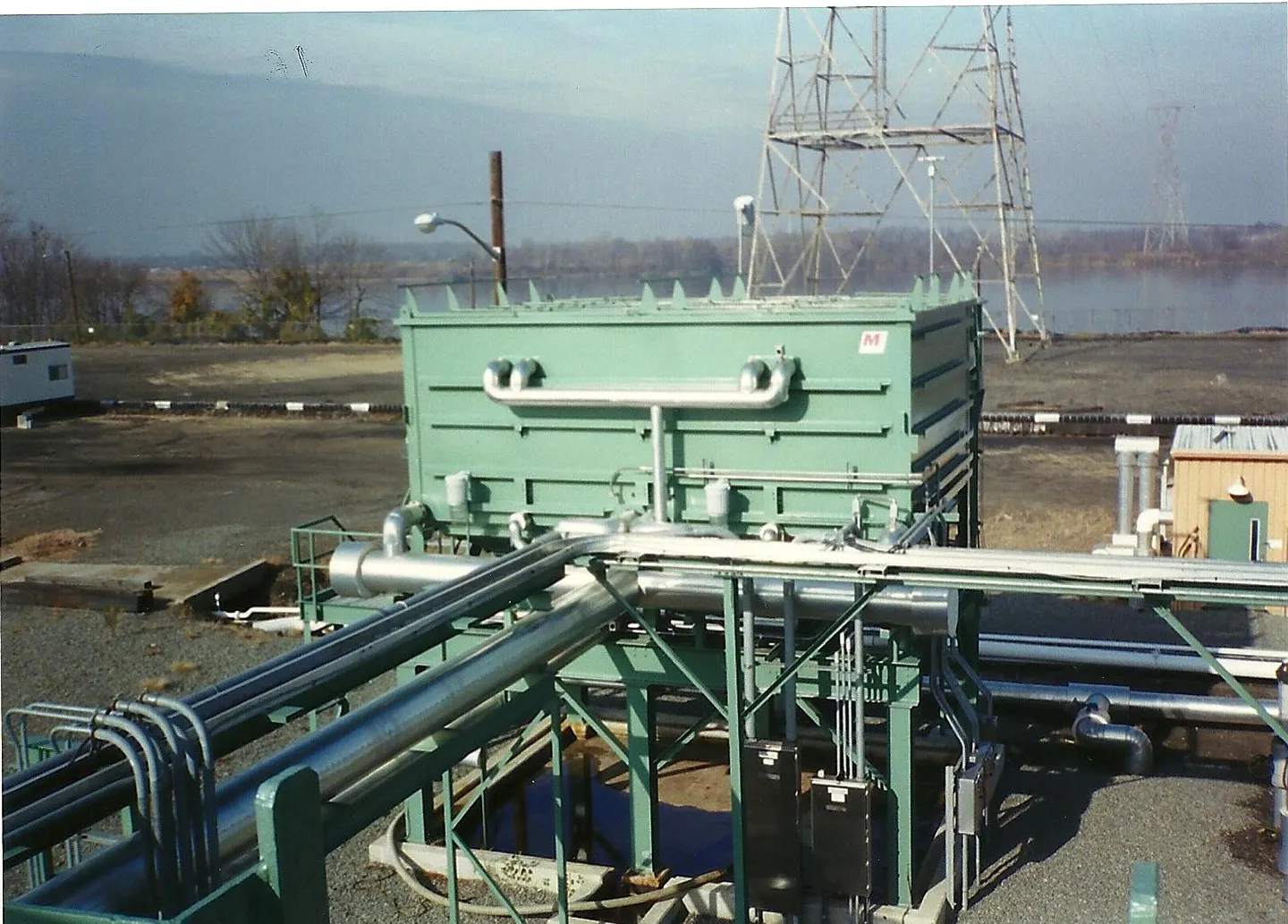
Many Mercer systems operating near this capacity class were installed years ago and remain in continuous operation today. These are not retired assets—they are active separators still managing oil and solids under real operating conditions.
Longevity at this scale reflects internal designs that can be inspected, cleaned, and maintained over time rather than replaced.
Above Ground
2000 GPM
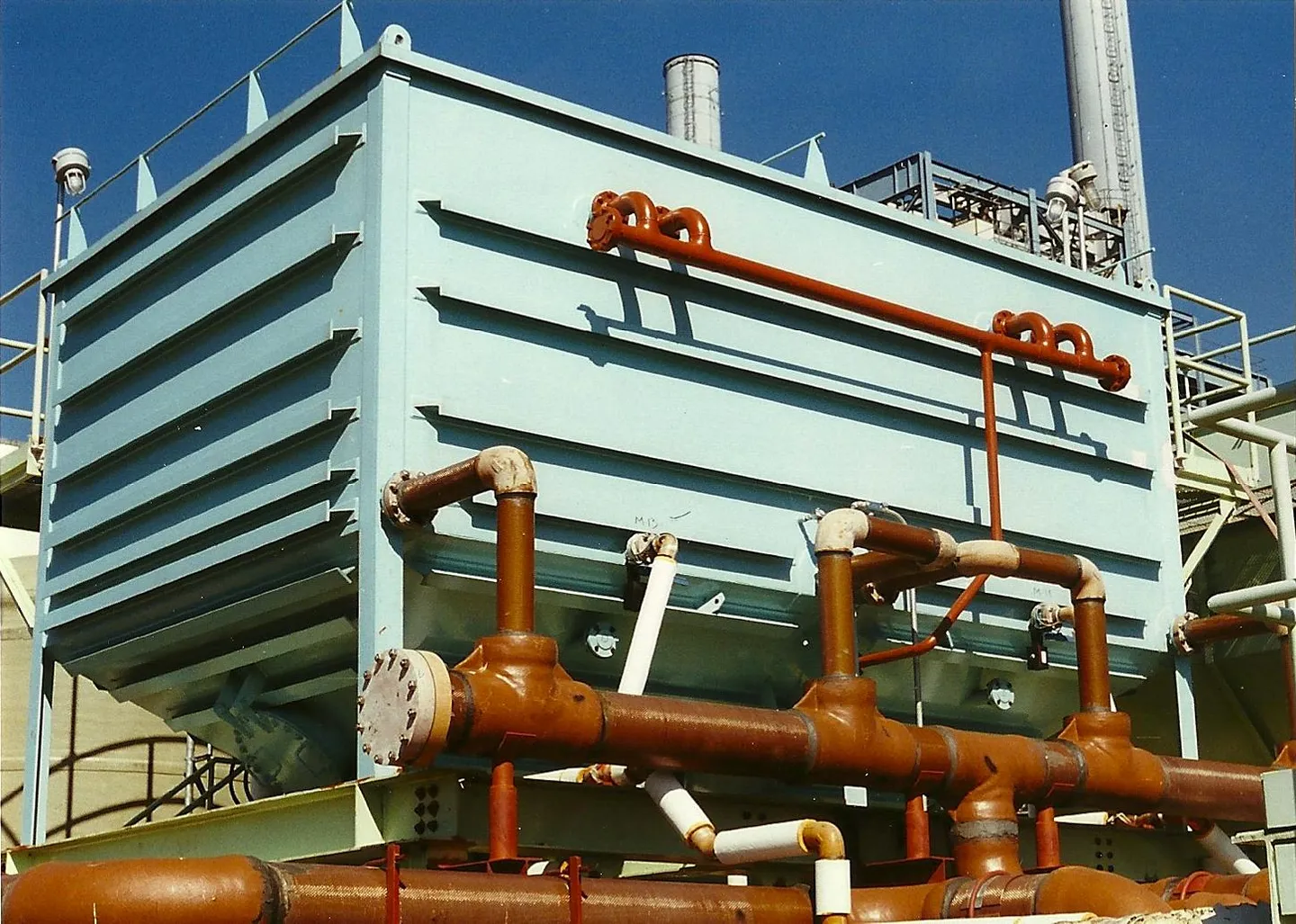
Above Ground
2000 GPM
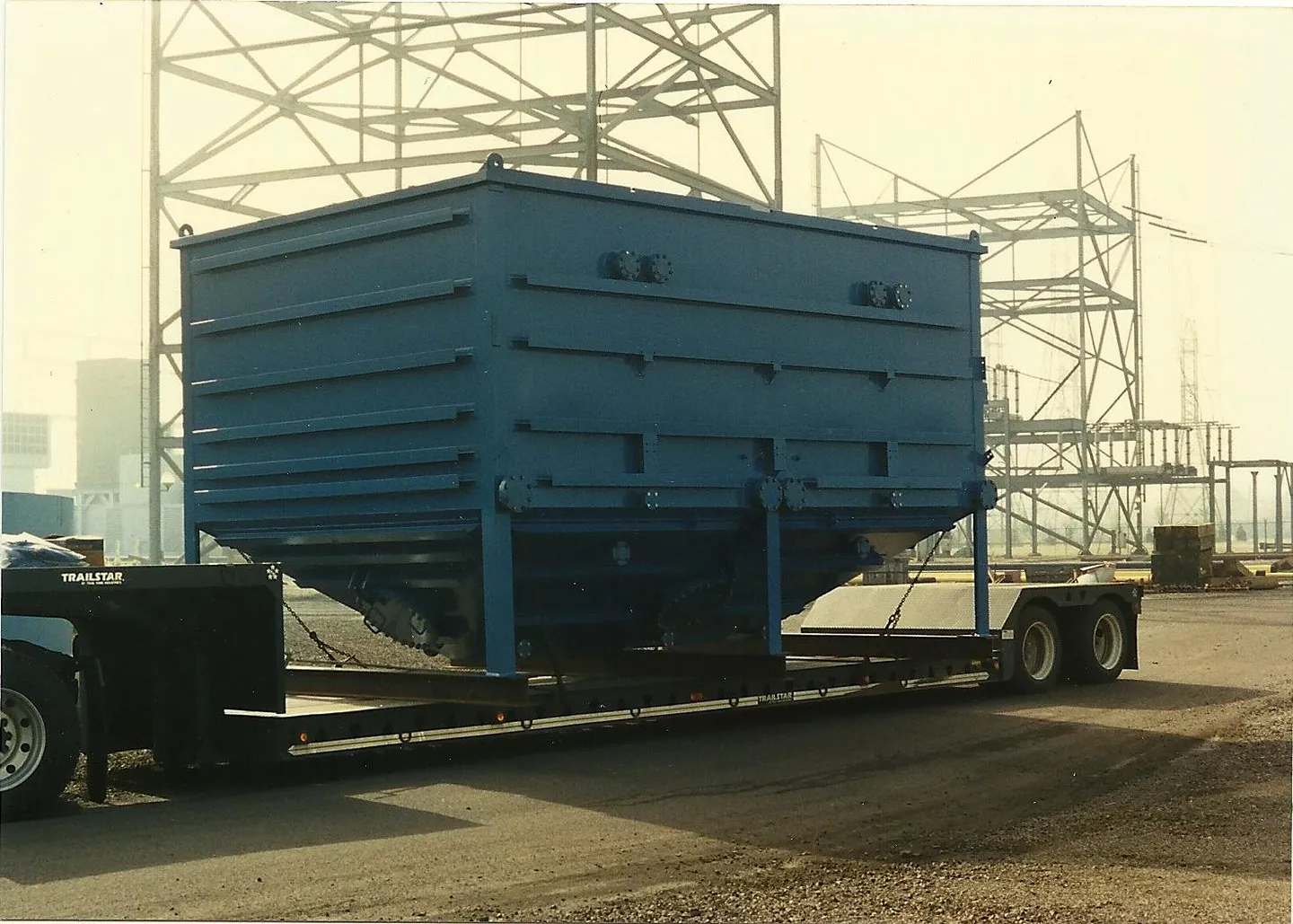
Above Ground
2000 GPM
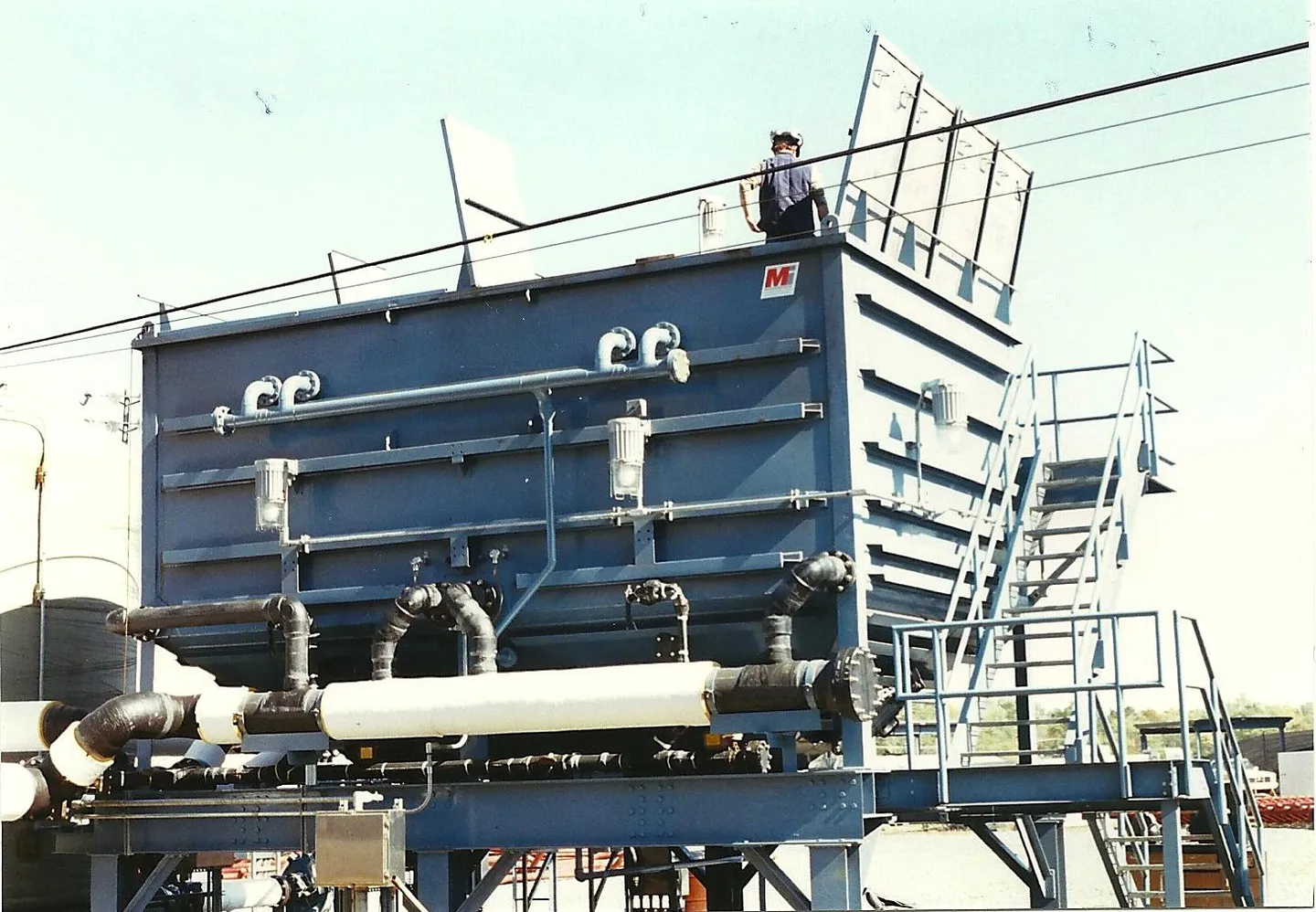
Above Ground
2000 GPM
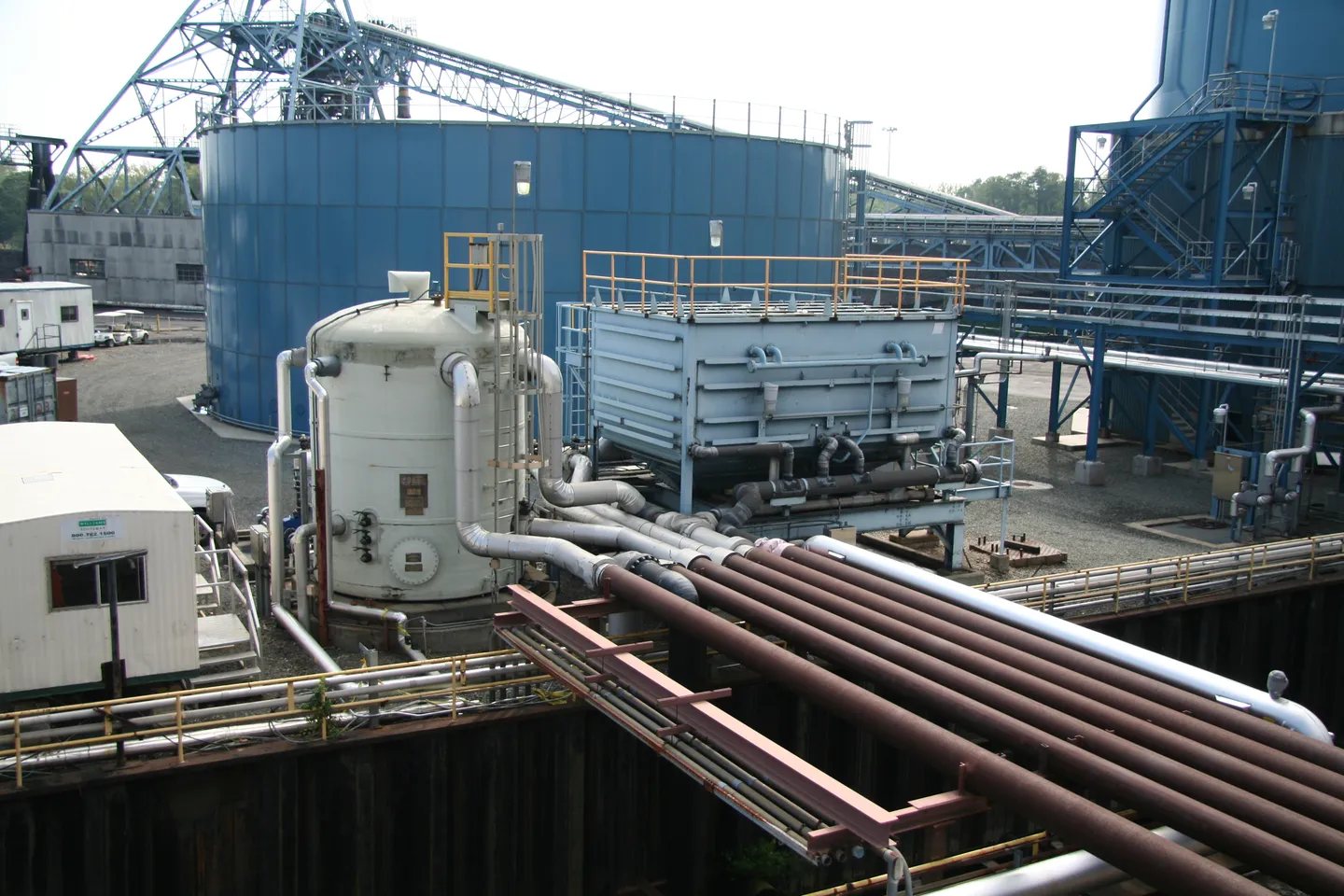
Above Ground
2000 GPM
Above Ground
2000 GPM
INDUSTRY APPLICATIONS
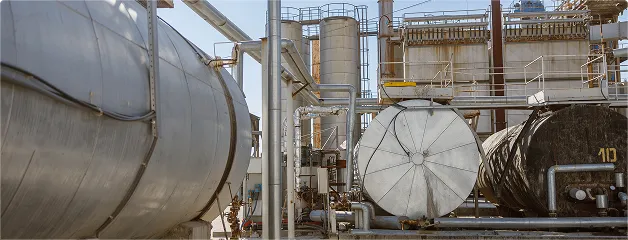
Continuous oil-bearing wastewater with sustained solids loading from production, washdown, and process support activities.
Learn more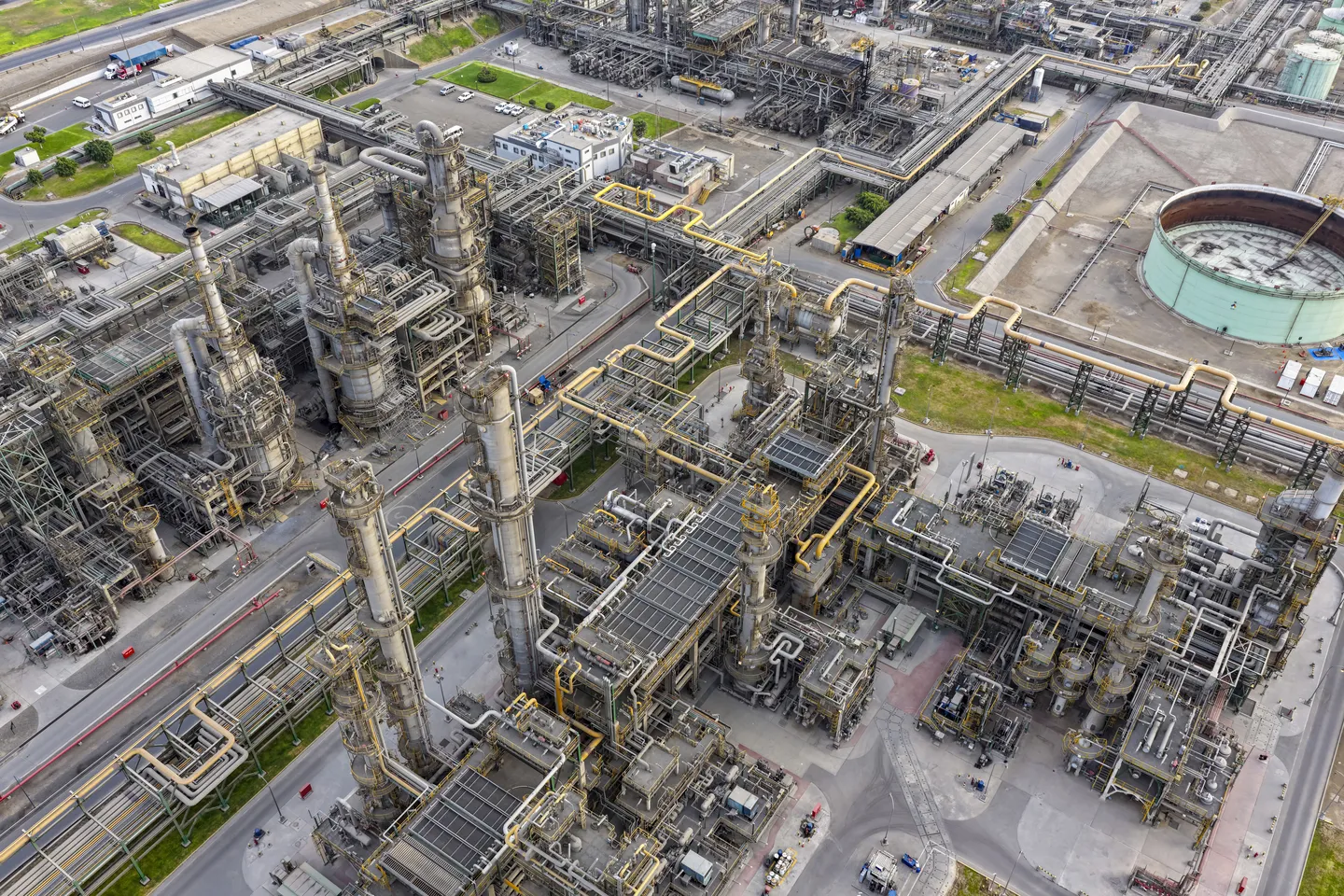
Produced water and oil-handling environments where oil type, temperature, and solids vary across operating cycles.
Learn more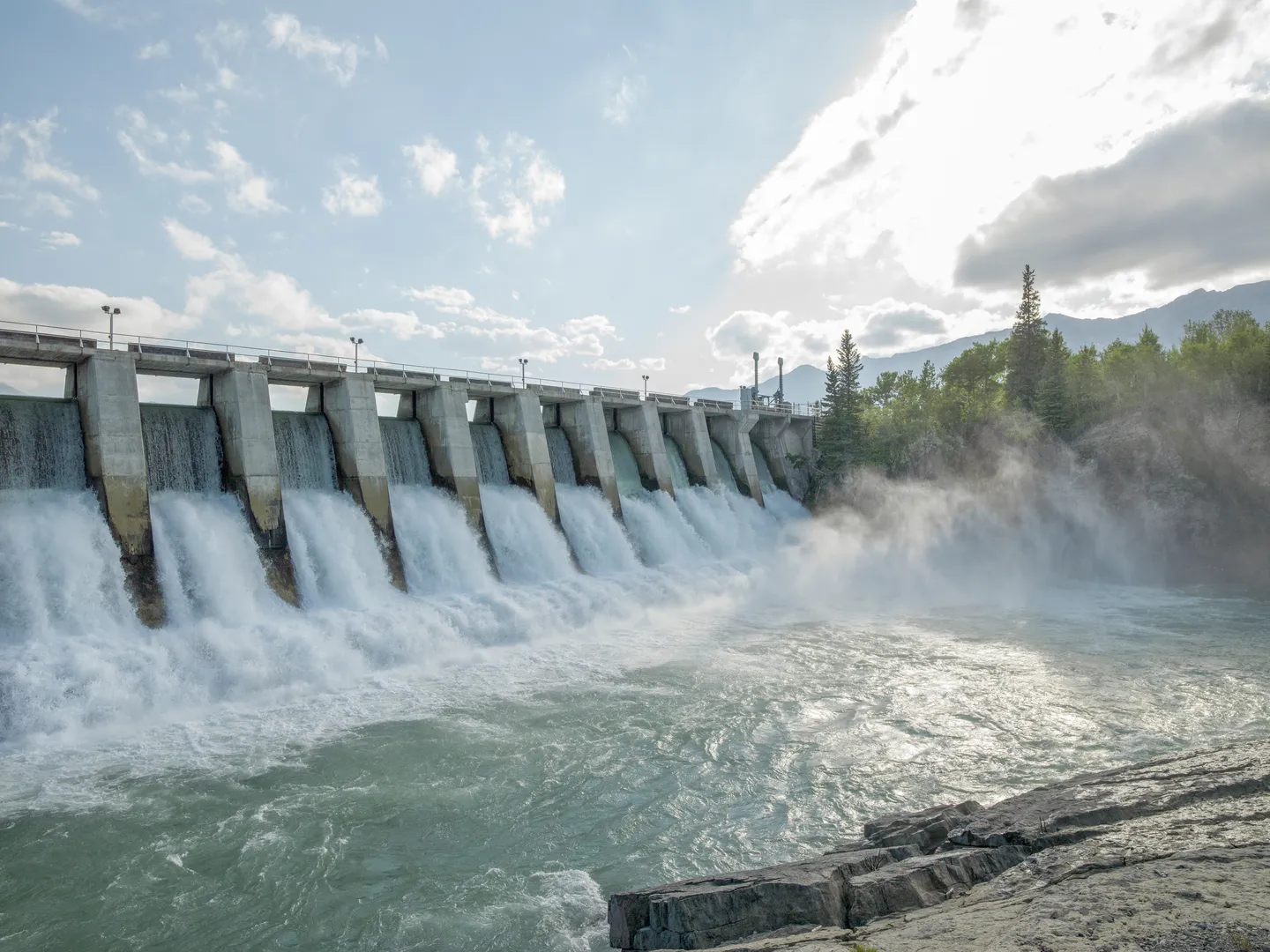
Major utility sites requiring continuous duty with predictable inspection and cleaning access.
Learn more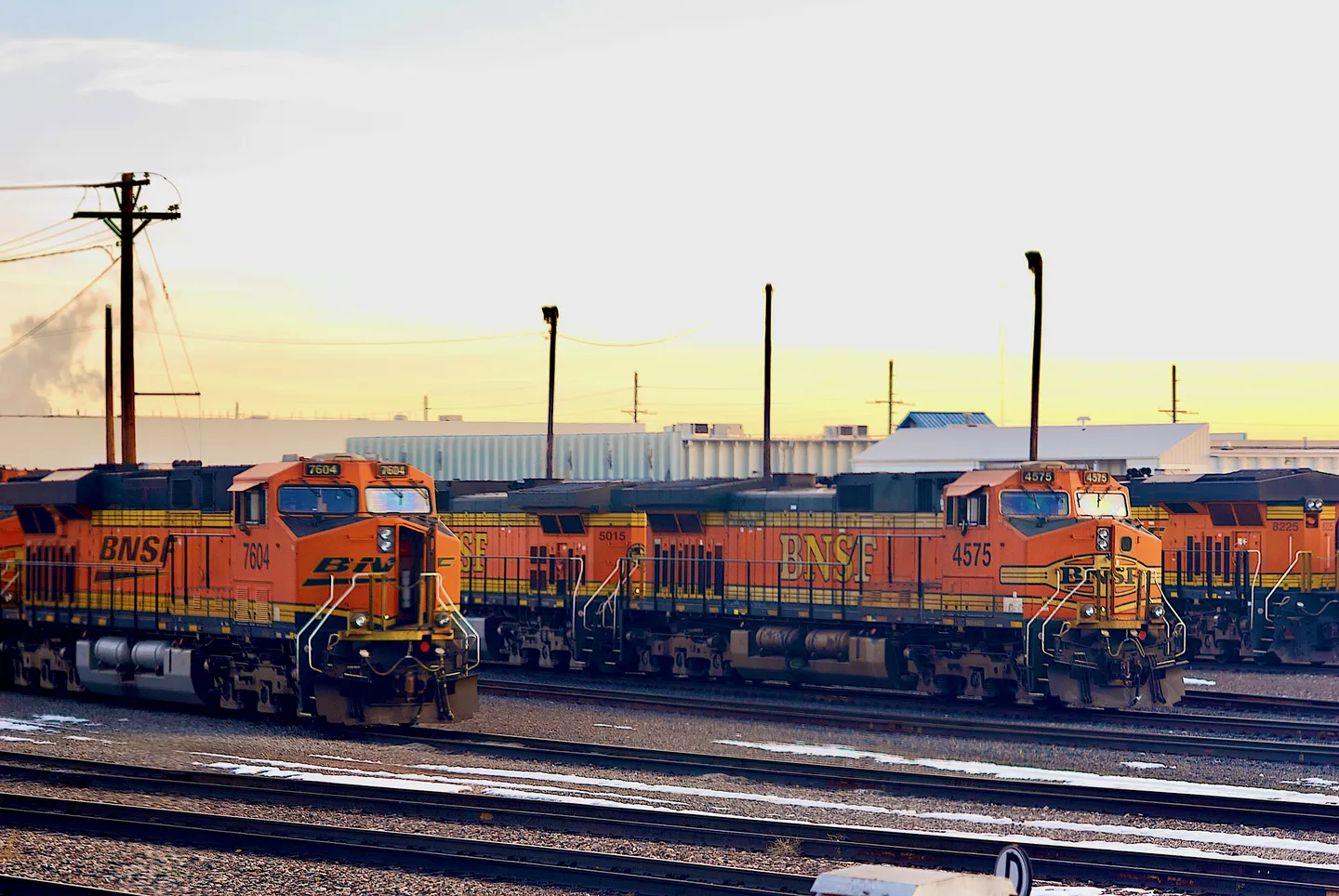
Large terminals, fueling operations, and hubs generating high-volume wastewater with operational uptime requirements.
Learn moreAt up to 2,000 GPM, oil-water separation becomes part of the facility’s long-term operating license. Mercer collaborates with owners and project teams to ensure the system is not only capable at startup, but governable, maintainable, and defensible throughout its service life. Engage Mercer during layout and system planning to avoid irreversible design decisions and protect the facility for decades to come.
Talk to Mercer about your application.At flows approaching 4,000 GPM, oil-water separation stops being an isolated treatment function and becomes a governing constraint on site layout, drainage strategy, and operational sequencing. Decisions made here influence how the entire facility manages water for decades.
Single-path solutions at this scale concentrate risk. Mercer approaches large-capacity systems with modular logic so treatment capacity can be distributed, isolated, or expanded without placing the entire operation at risk during maintenance, modification, or future upgrades.
Facilities operating at this scale will outlive original project teams, operators, and even ownership structures. Mercer designs systems that remain understandable, controllable, and defensible long after institutional knowledge has changed.
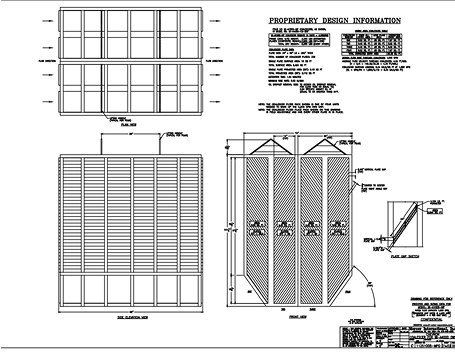
Tell us about your project and we’ll provide the right configuration drawings for your site and flow conditions.
Head to the design center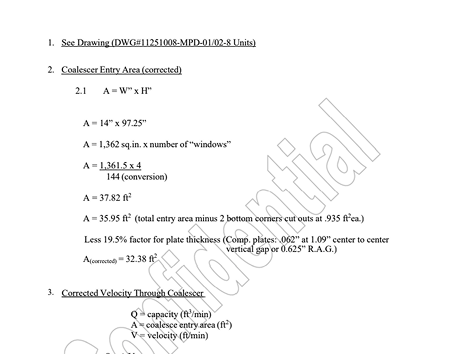
Provide your project details and we’ll share the full technical specs relevant to your operating conditions.
Head to the design center