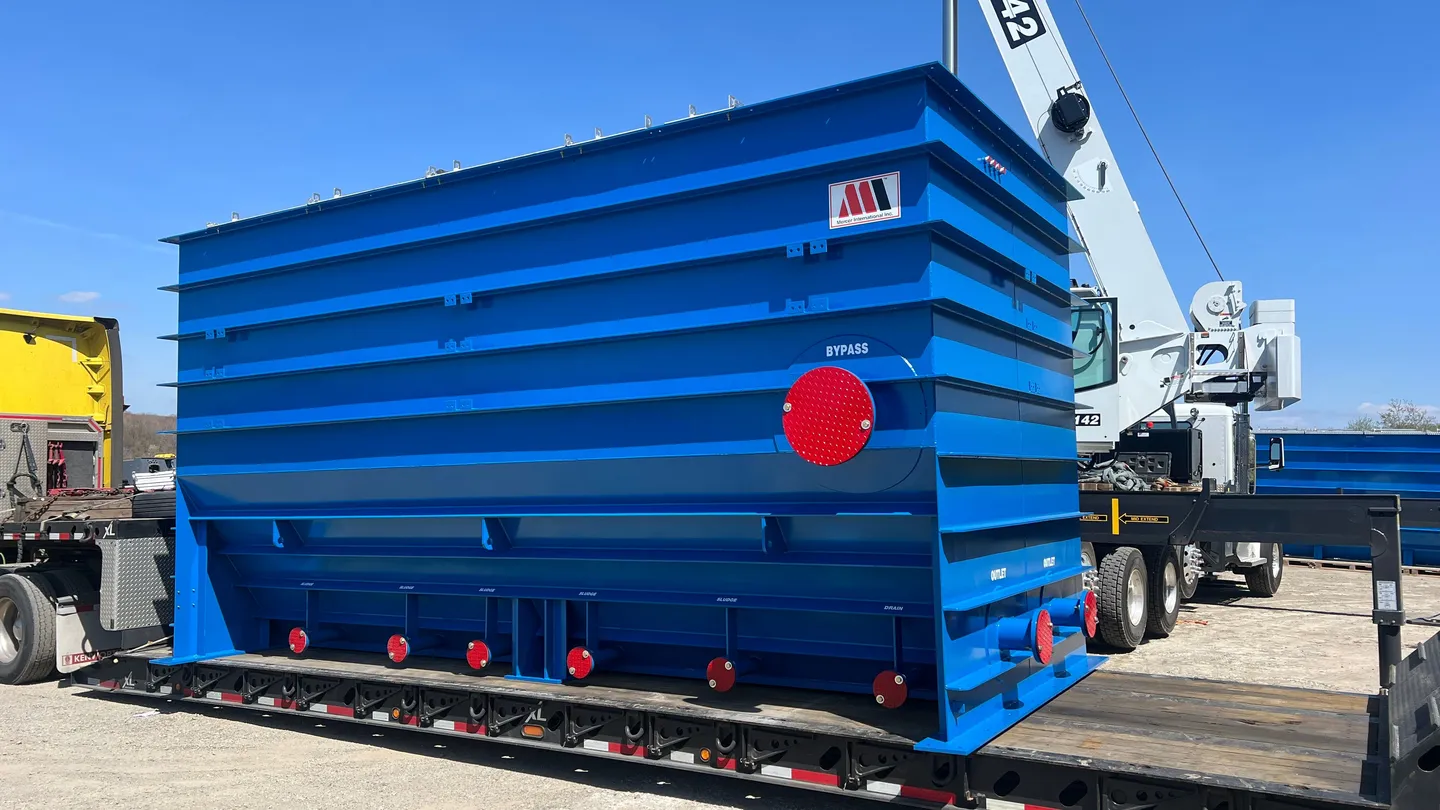
OPERATING TIER
Above-ground oil-water separators in the up to 1000 GPM class are used in applications where wastewater treatment is continuous and operationally critical, including rail maintenance facilities, centralized wastewater terminals, mining operations, and large industrial sites. These environments are defined by sustained high flows, solids loading, and variable oil content.
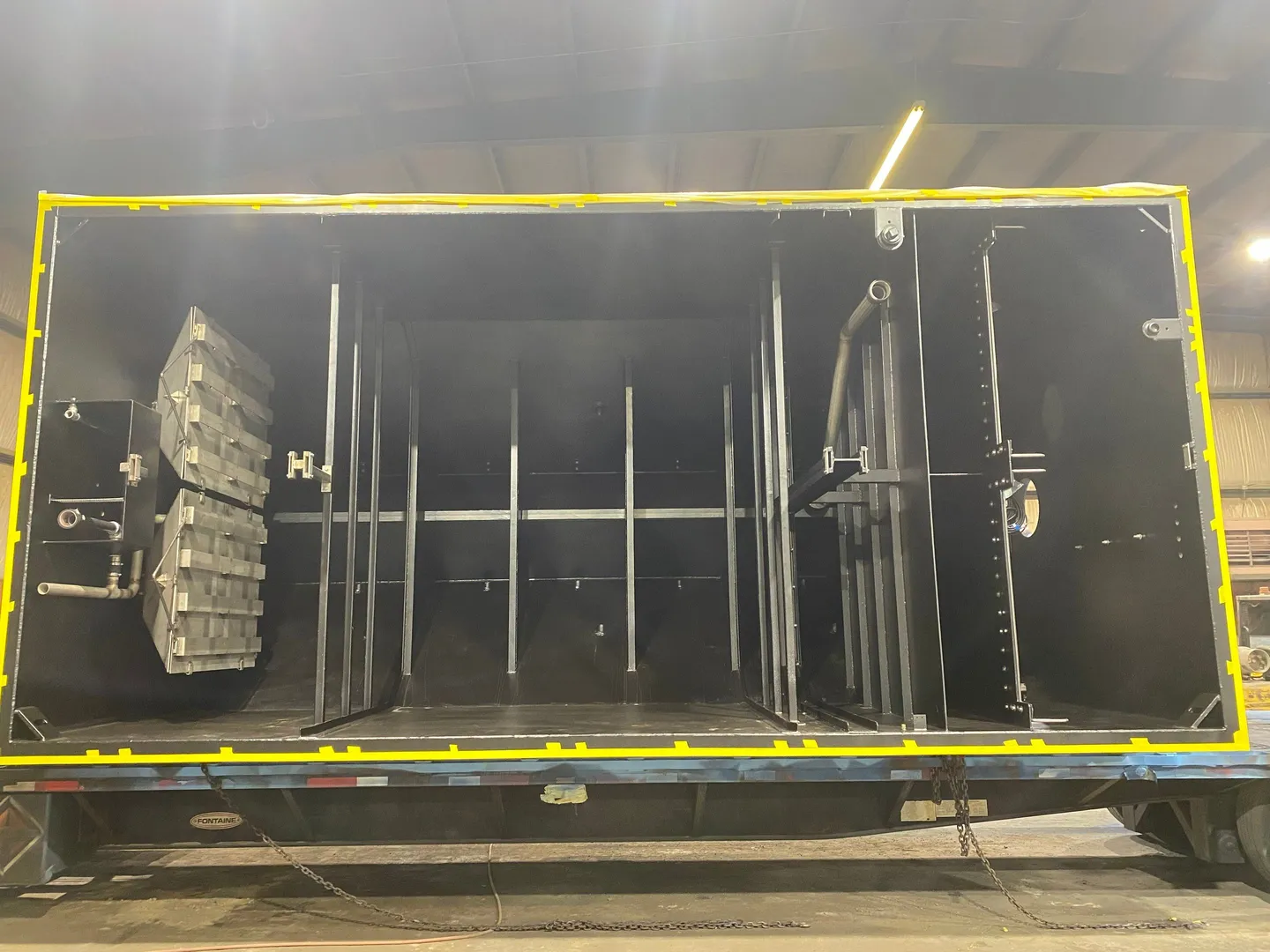
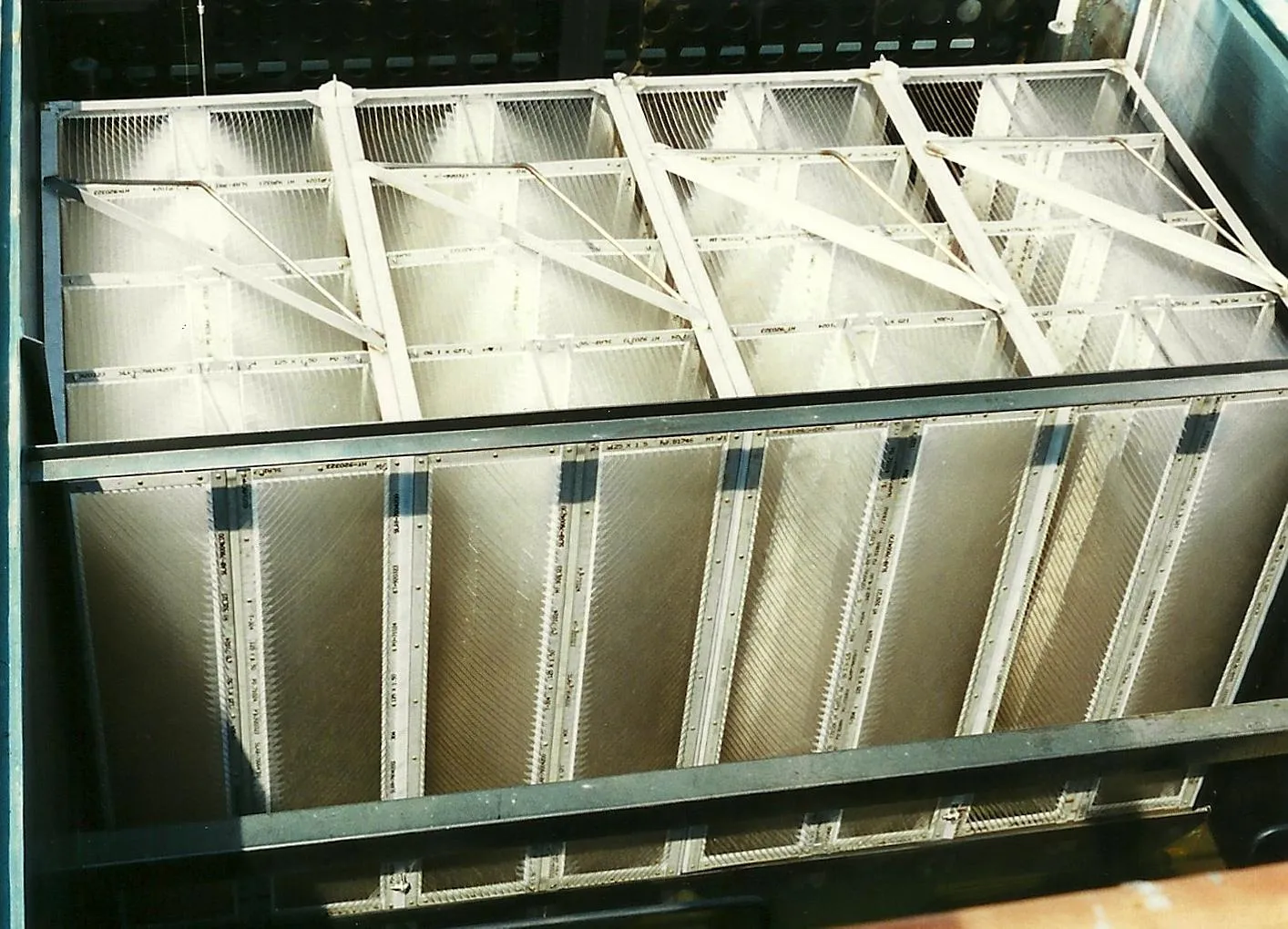
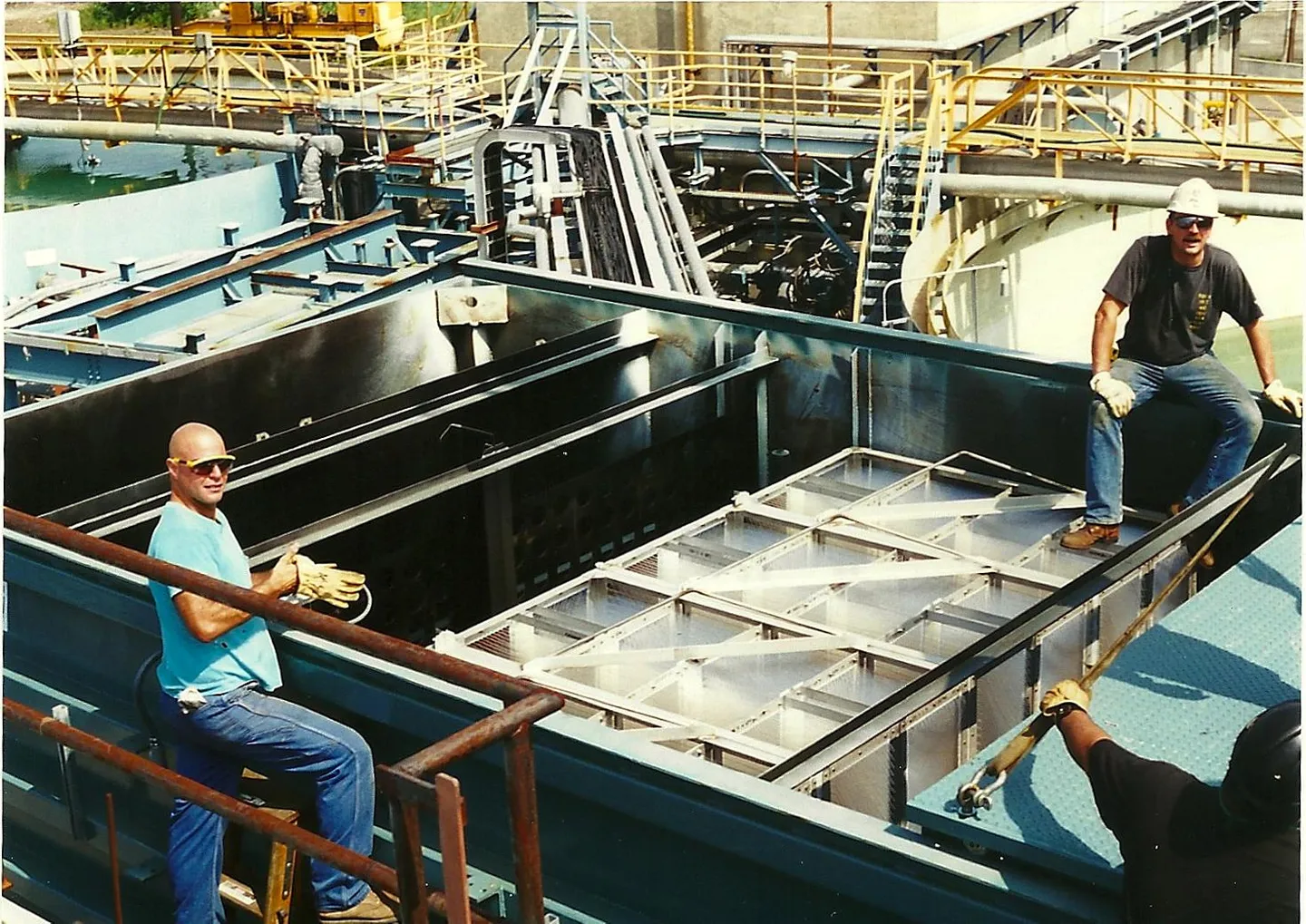
At this scale, performance depends on internal hydraulics and access rather than theoretical efficiency. Mercer systems employ a split-flow internal configuration that divides influent into parallel treatment trains within a single vessel, reducing hydraulic loading through each coalescer. This approach maintains superficial velocities within API 421 guidance, promotes effective droplet coalescence, limits re-entrainment, and allows one train to remain operational while the other is serviced—preserving uptime where shutdowns are not an option.
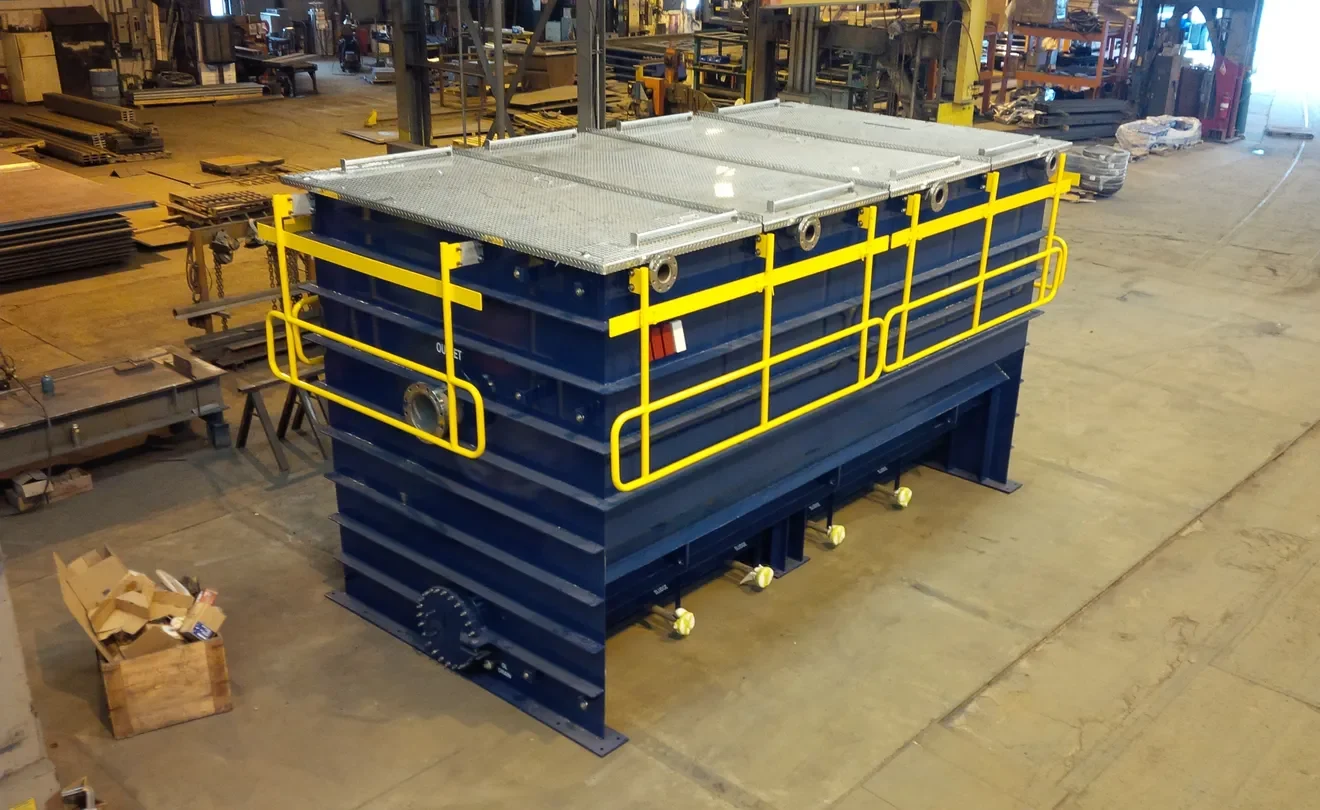
Built To Scale
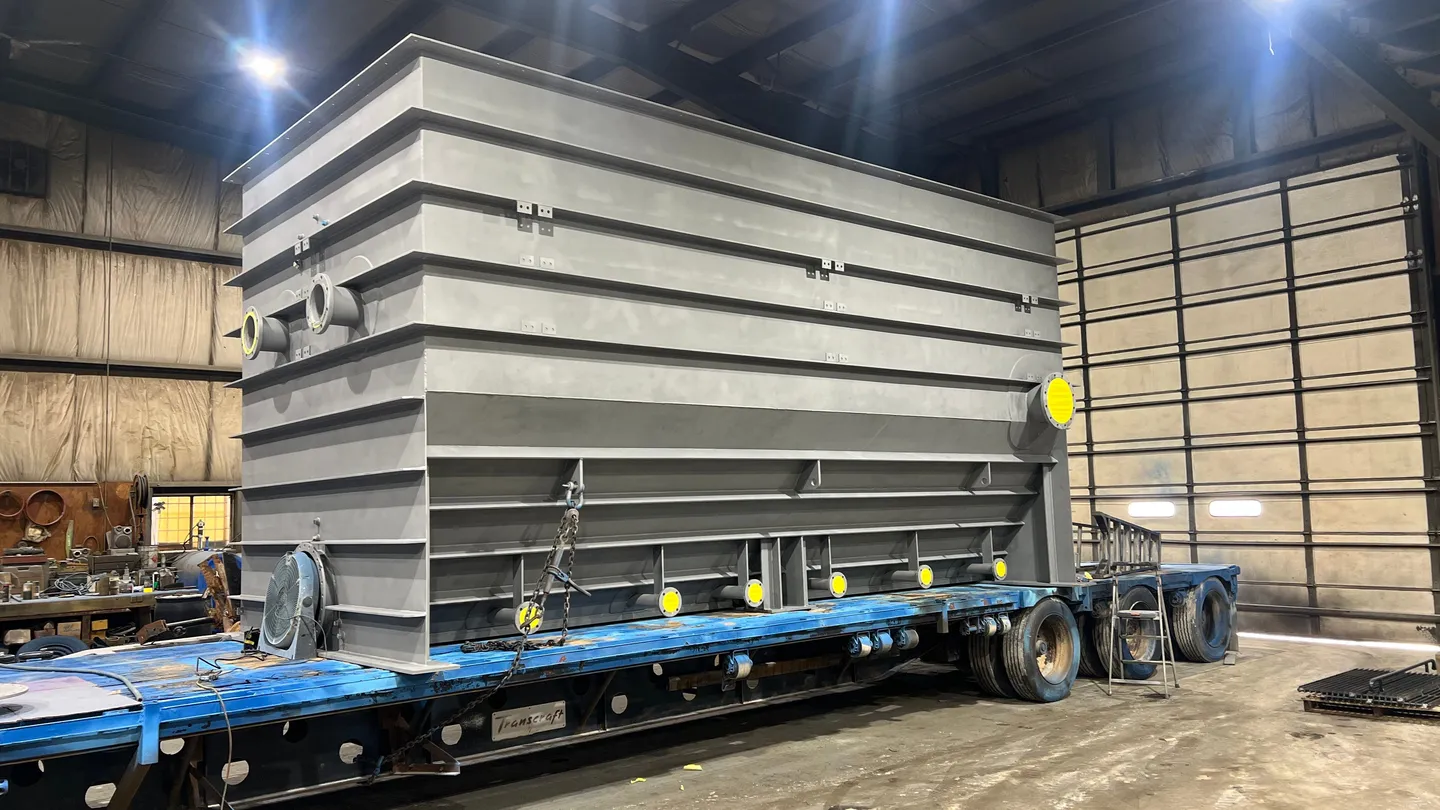
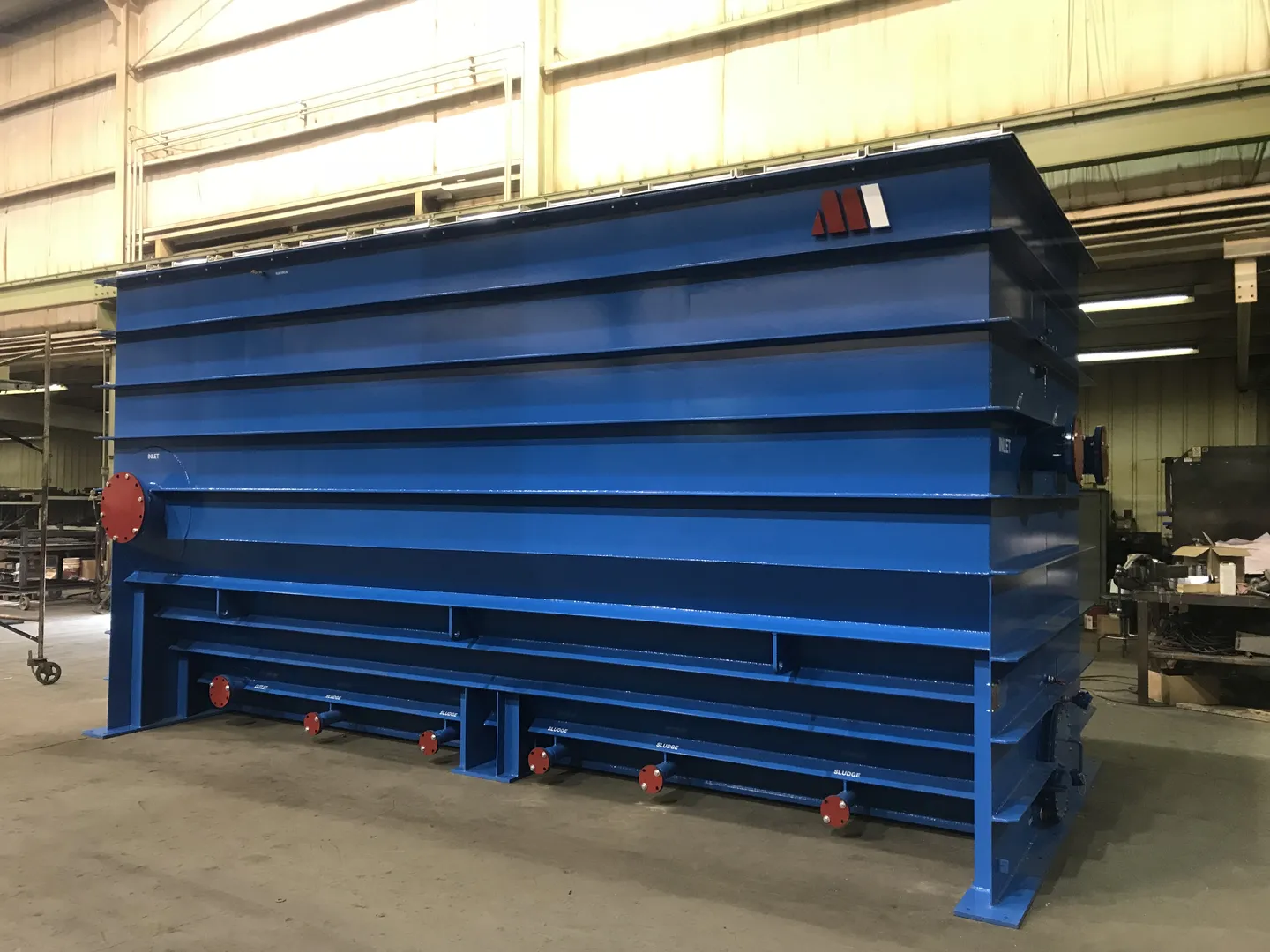
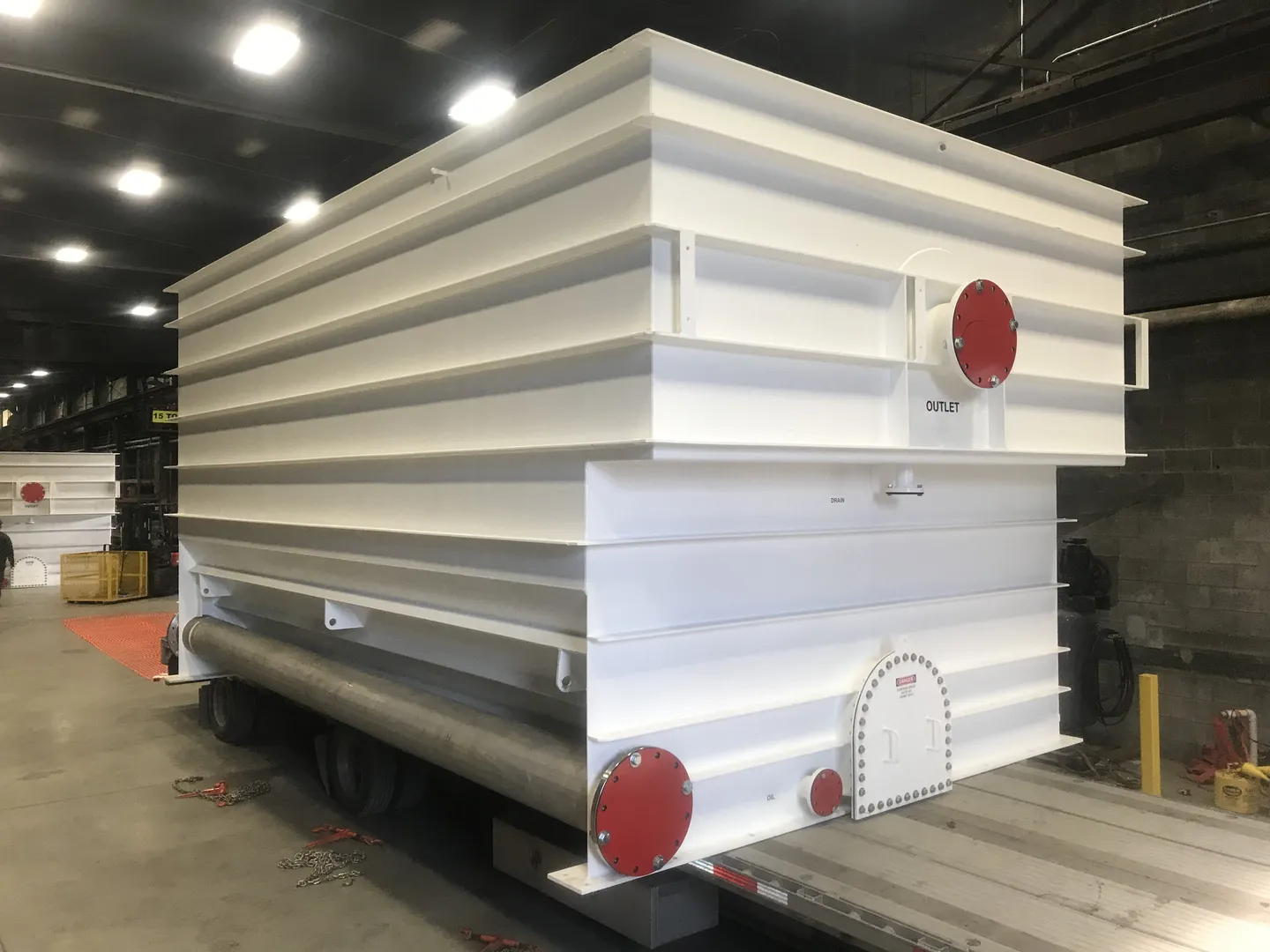
Please Note: Exact materials, dimensions, and configurations vary by application. Carbon steel construction is typically introduced at higher flow ranges where structural requirements dictate.
FIELD-PROVEN SYSTEMS
At this capacity, theoretical performance is irrelevant.
What matters is whether a system can be accessed, cleaned, and kept online.
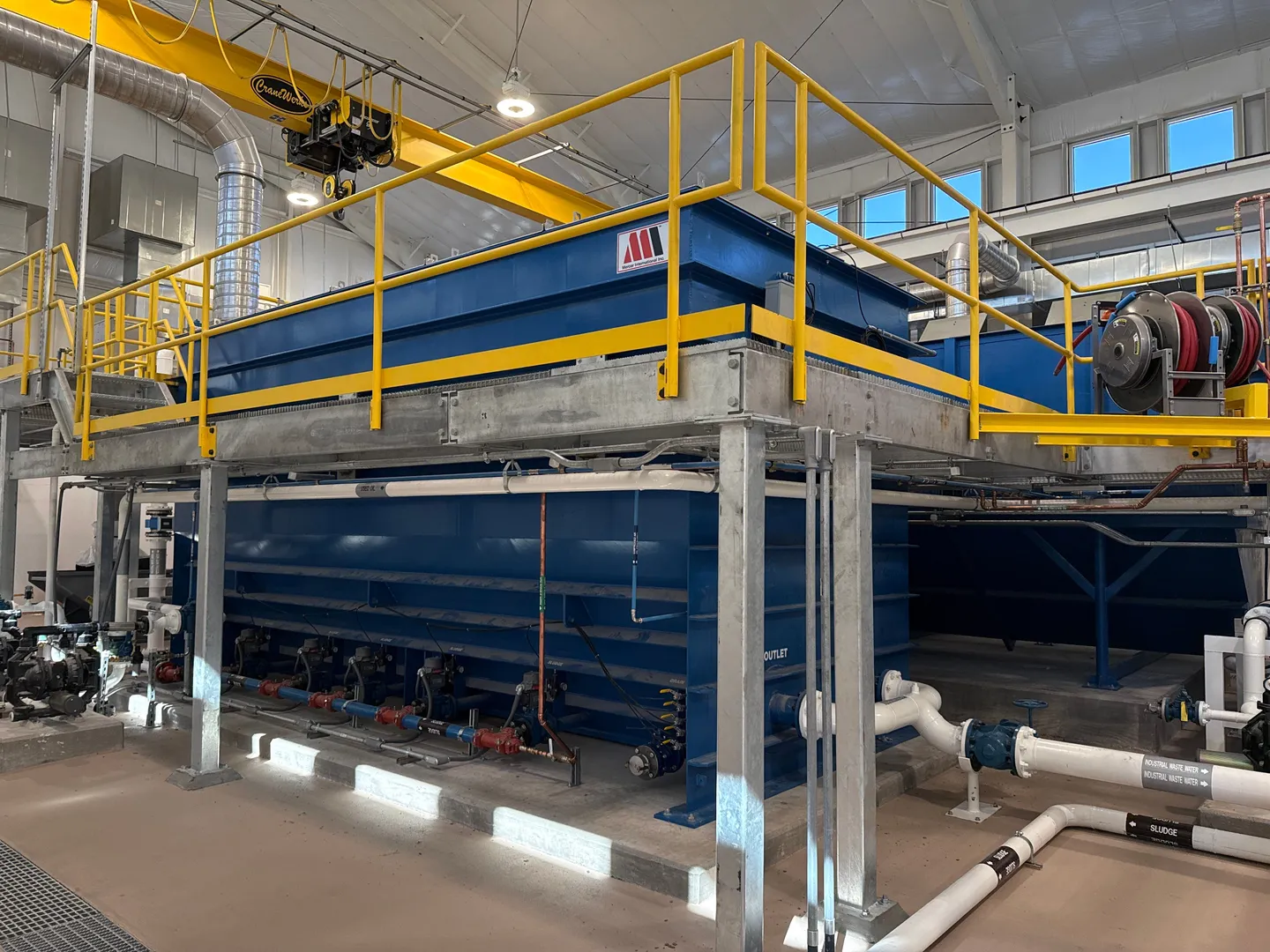
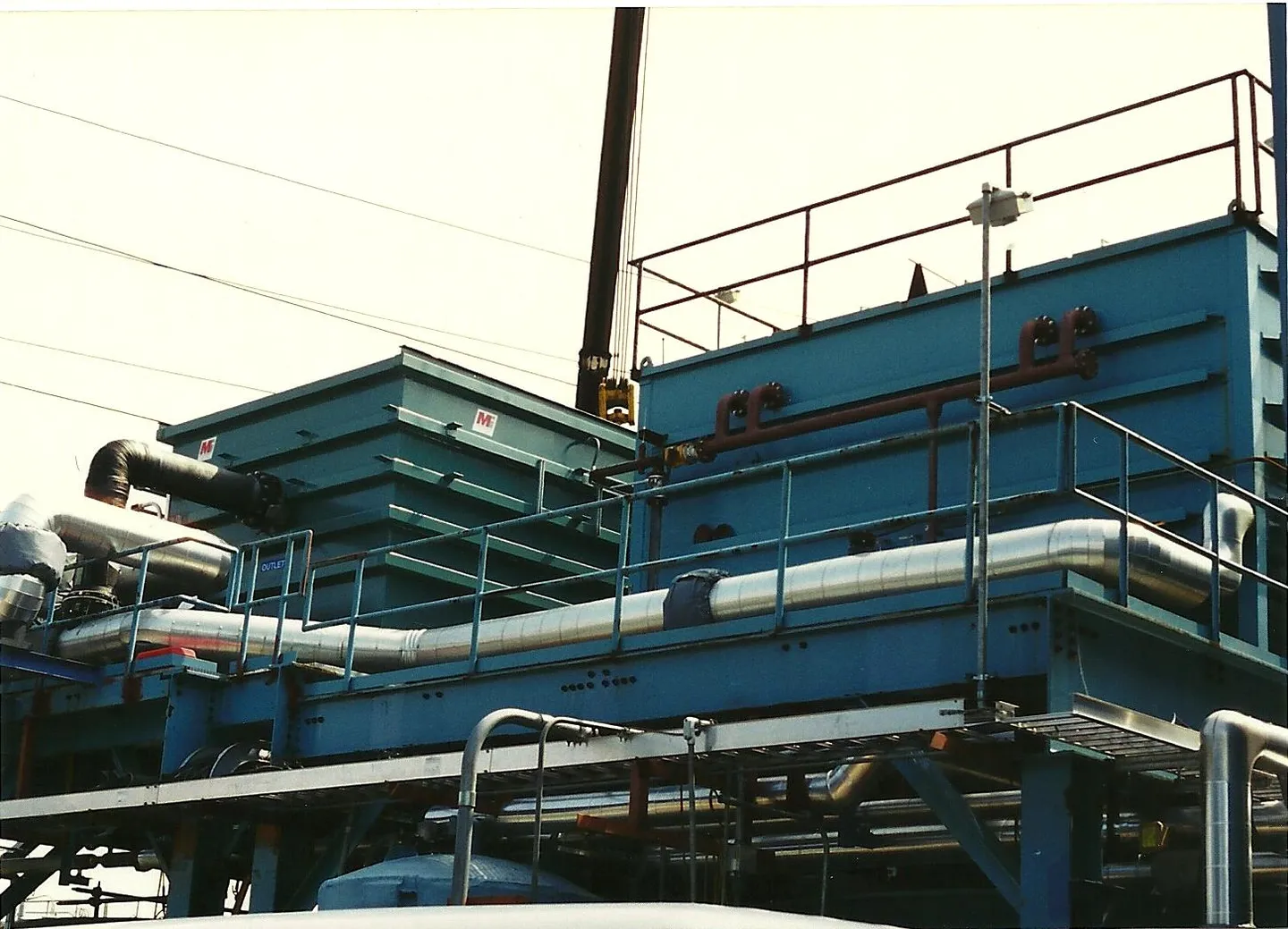
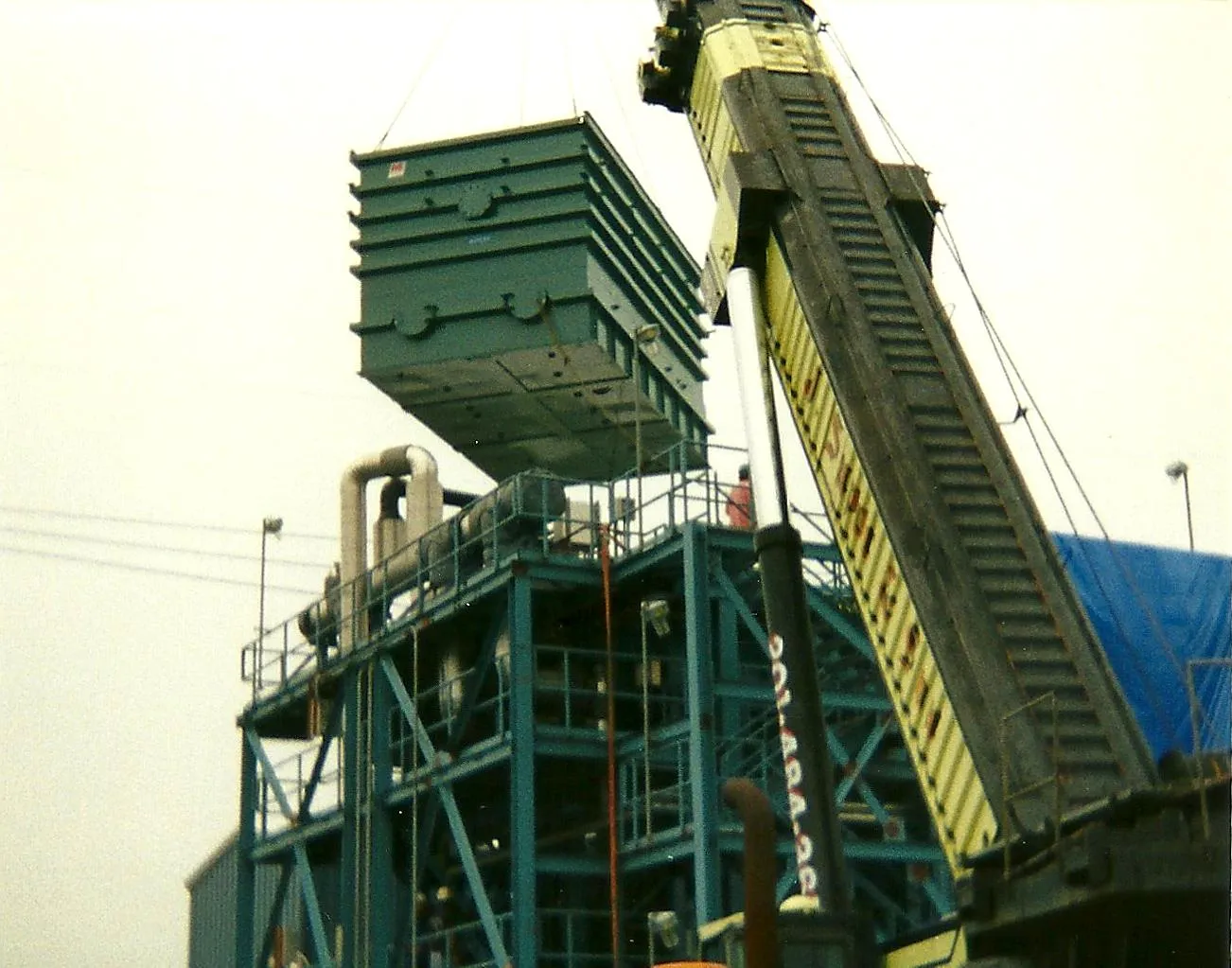
The installations shown represent actual Mercer systems operating at very high flow rates, deployed in environments where solids loading, oil variability, and continuous duty are the norm—not exceptions.
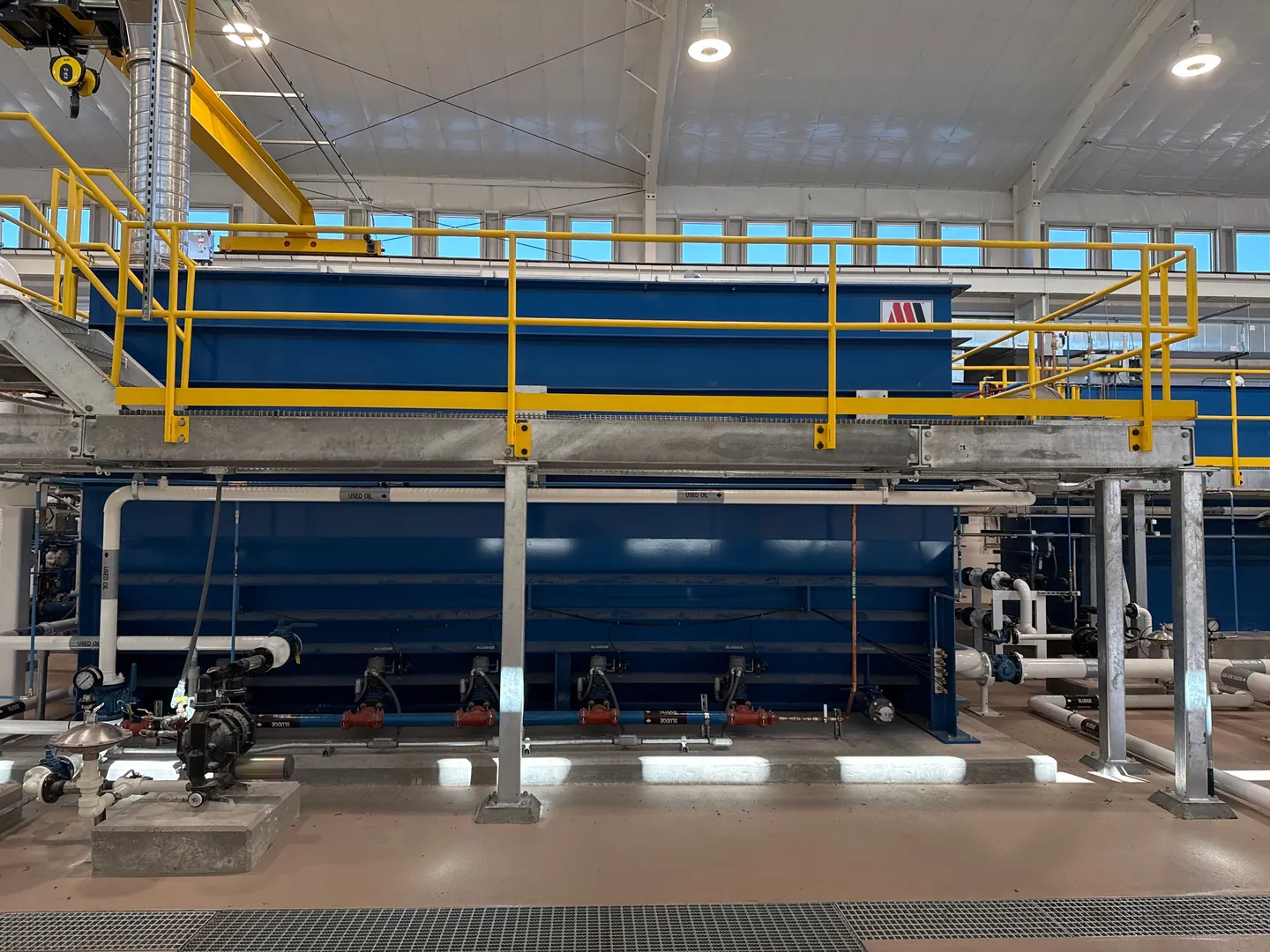
Above Ground
800 GPM
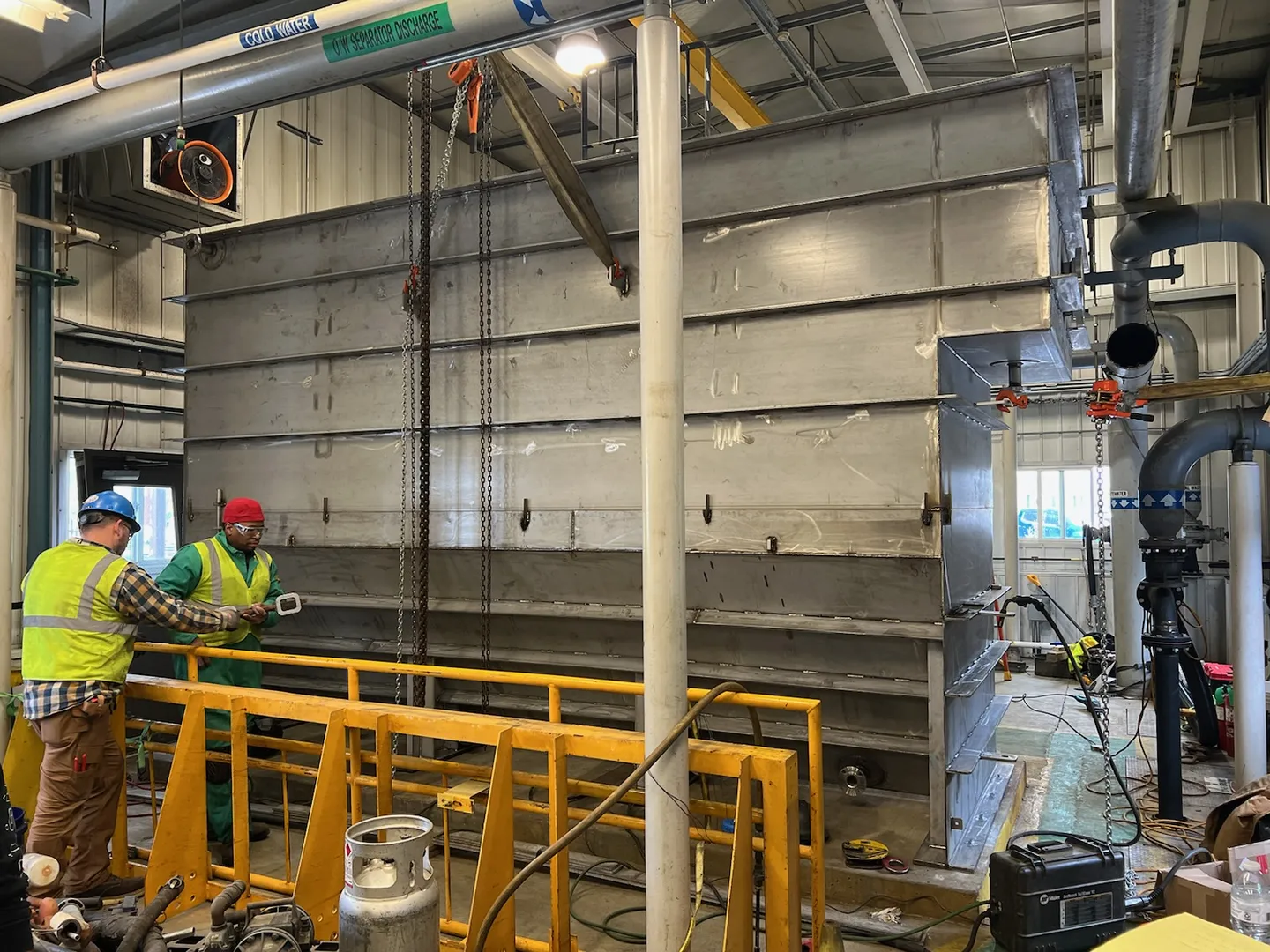
Above Ground
750 GPM
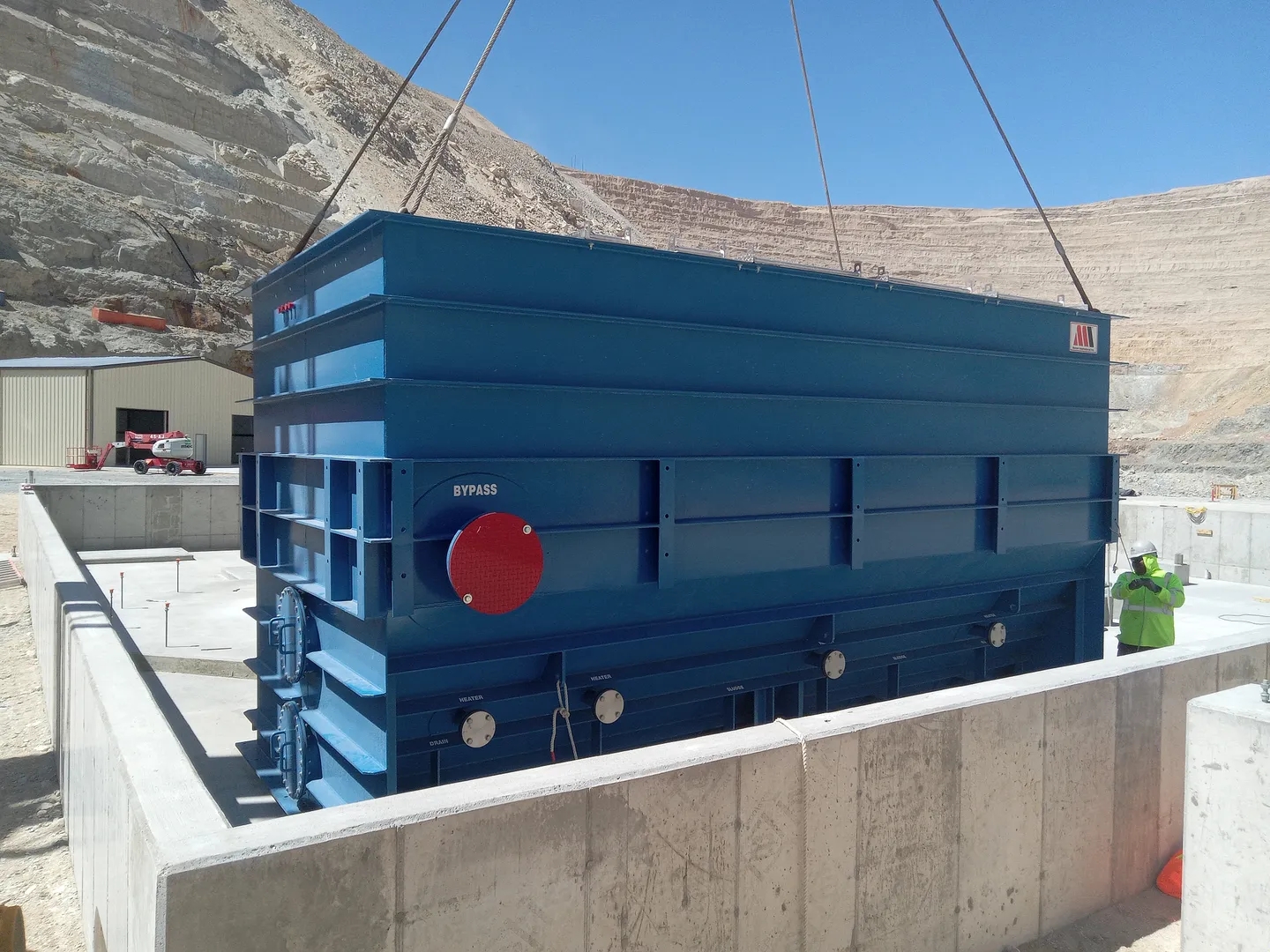
Above Ground
800 GPM
Above Ground
800 GPM
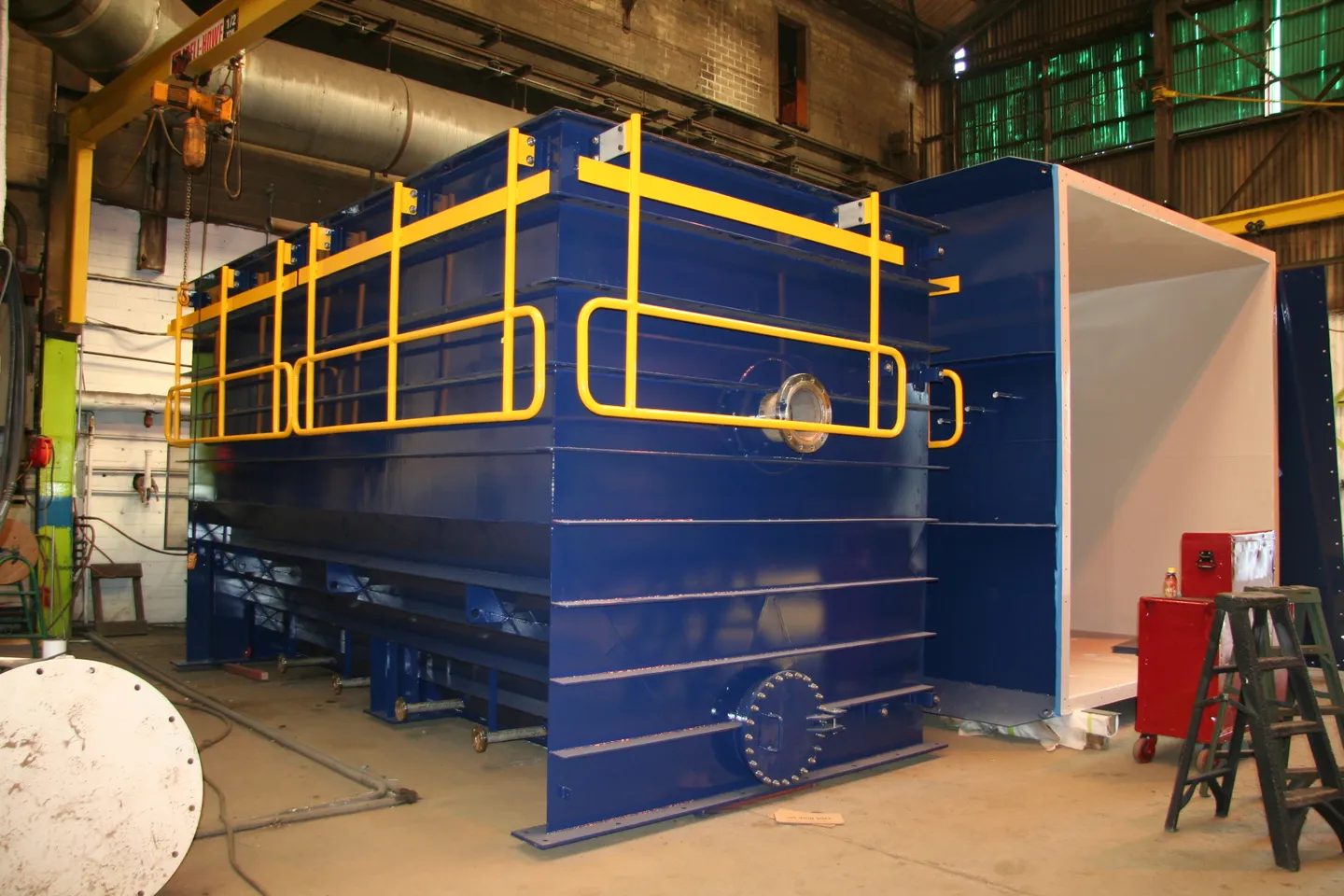
Above Ground
800 GPM
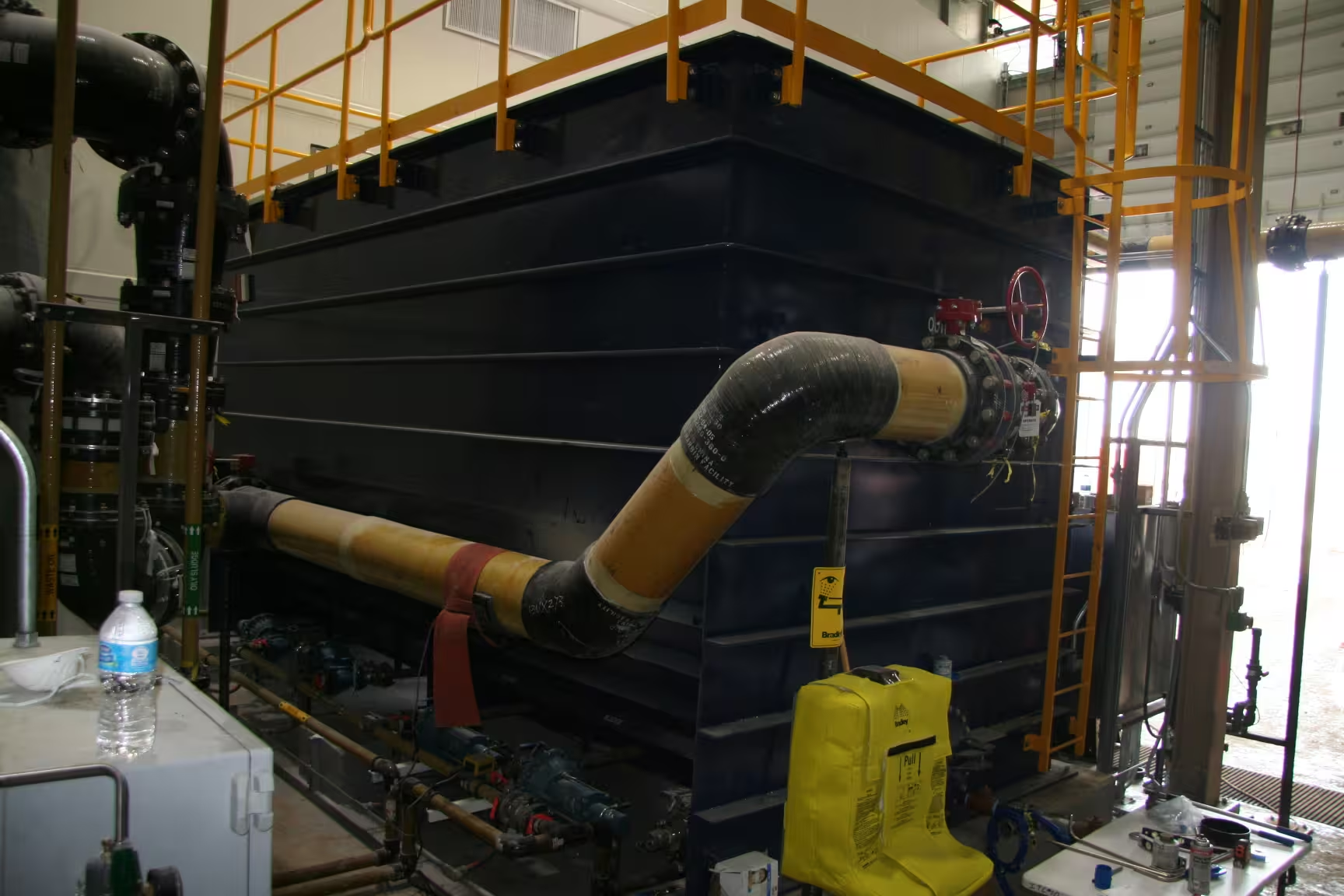
Above Ground
800 GPM
TRUSTED BY INDUSTRY LEADERS
A small sampling of companies with Mercer separators operating at or near the 1,000 GPM class.

































































CORE TECHNOLOGY
A tank provides residence time.
Separation performance is determined by what happens inside the coalescer.
Mercer’s Multi-Pack™ is not generic media. It is a purpose-engineered separation system built around five core design elements that control oil rise, solids shedding, hydraulic stability, and long-term serviceability—especially critical at extreme flow rates.
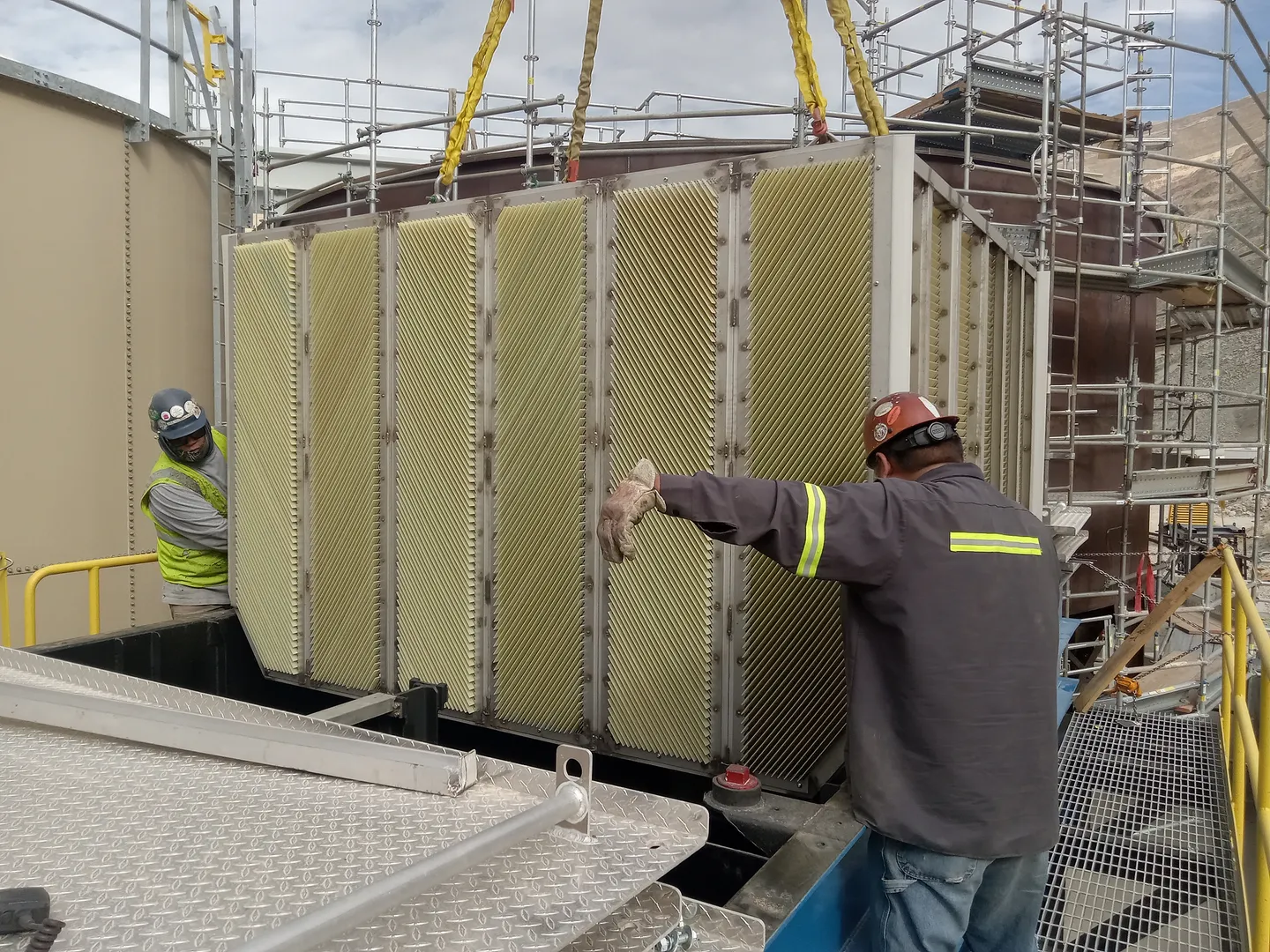
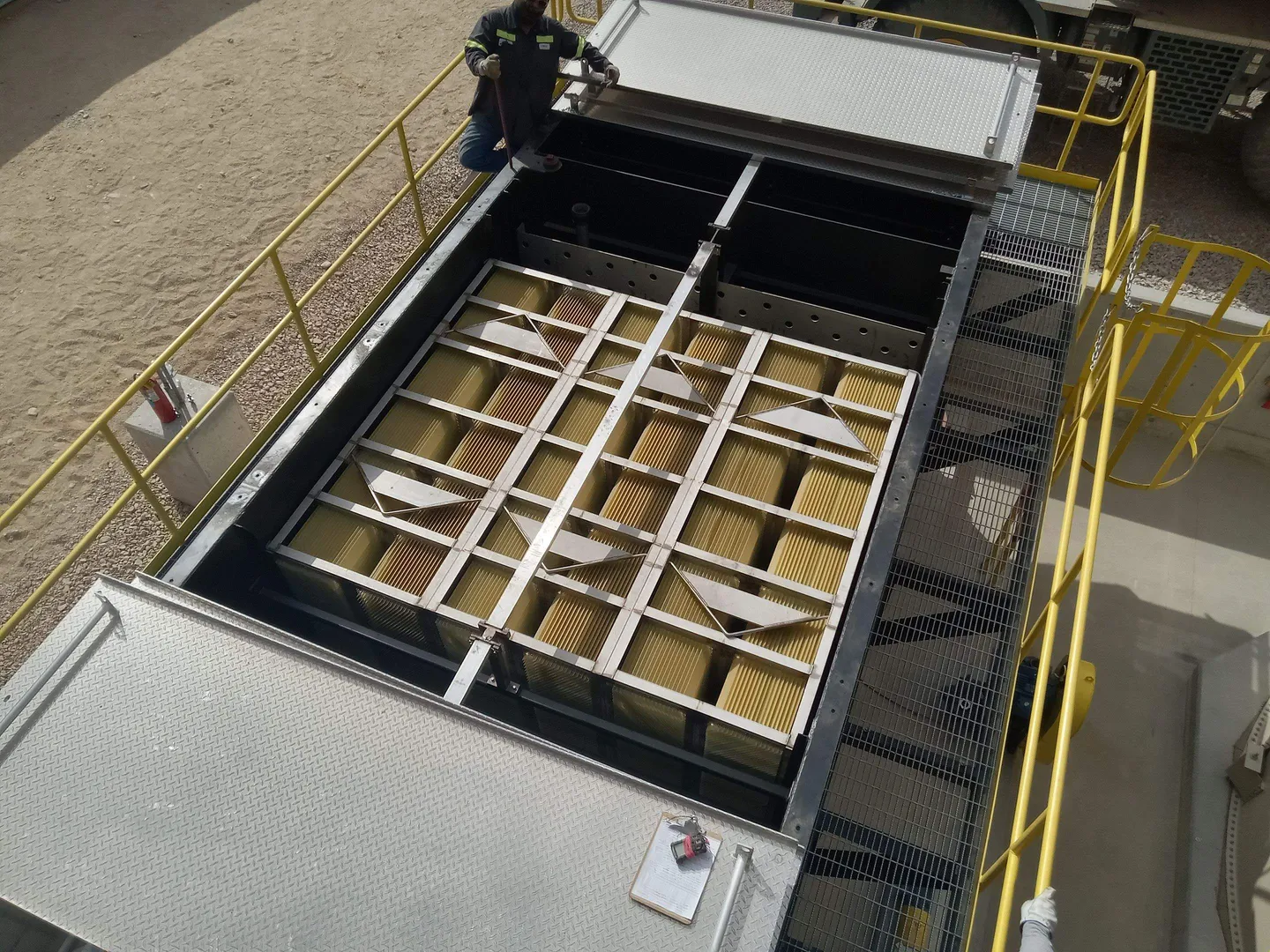
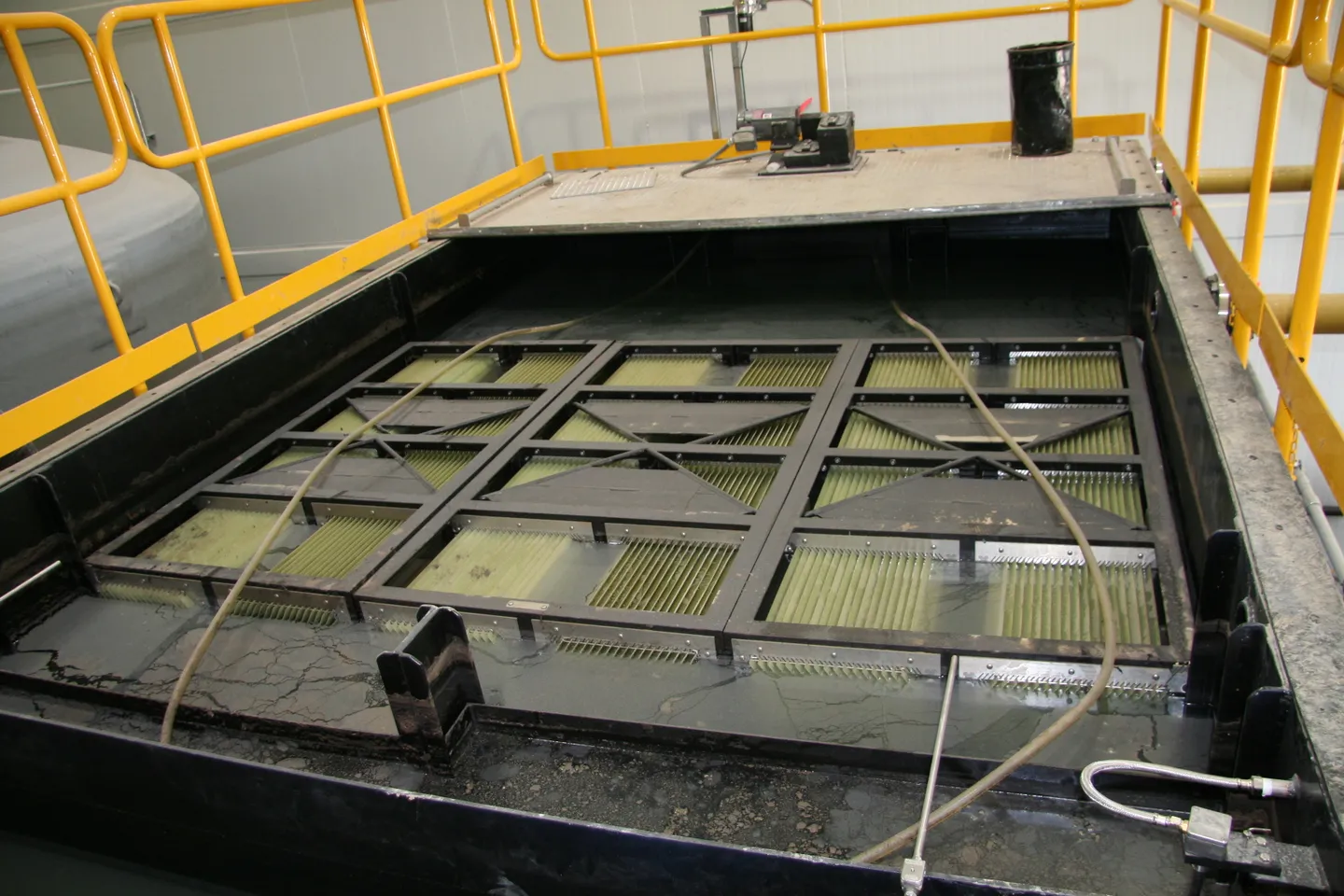
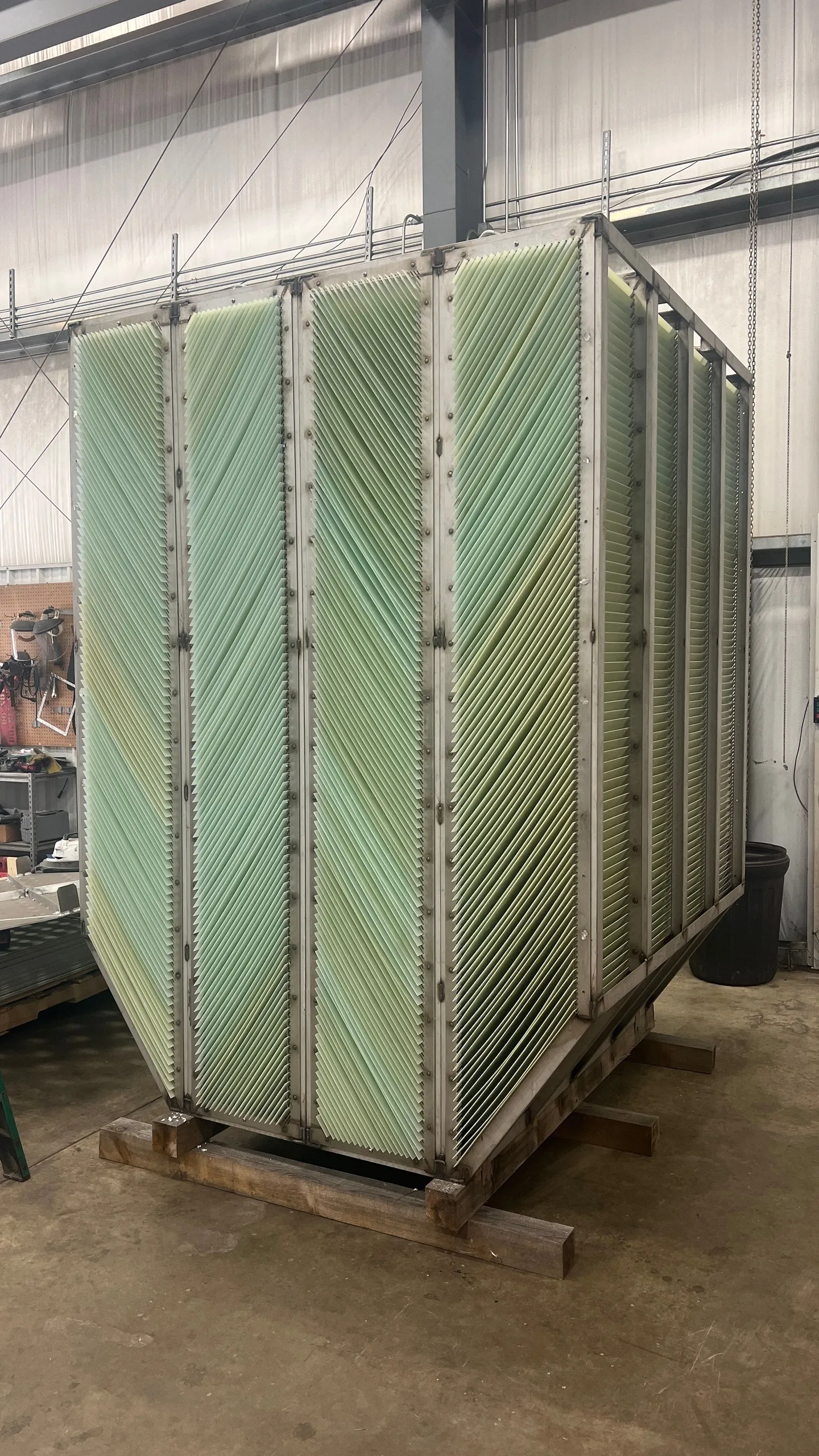
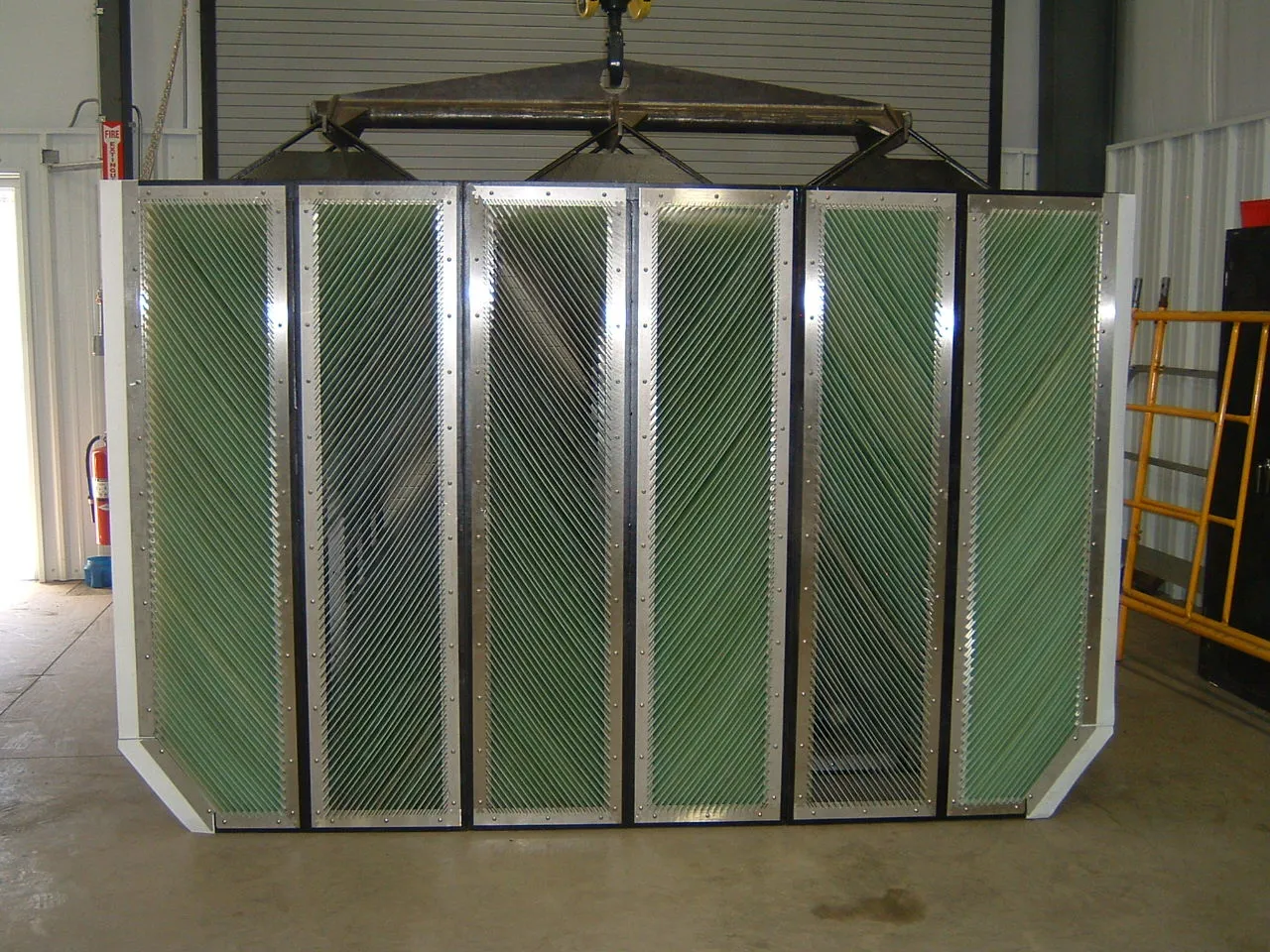
At very high flow rates, separators fail not because enhanced gravity separation is flawed, but because internals foul and cannot be realistically cleaned. The Multi-Pack™ is engineered to remain accessible, adjustable, and effective over the operational life of the system.
PROVEN LONGEVITY
Built to Stay in Service
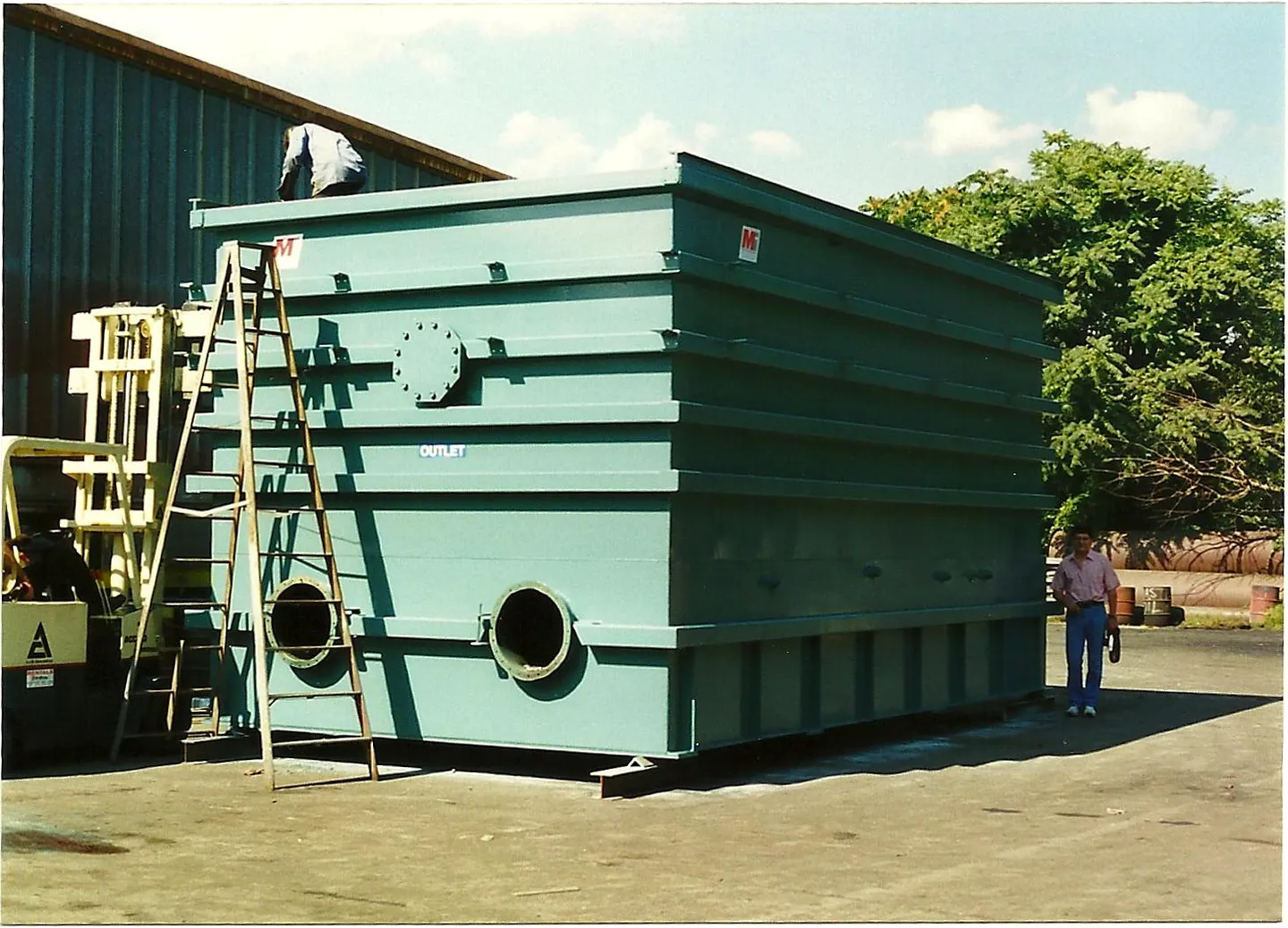
Many Mercer systems operating near this capacity class were installed years ago and remain in continuous operation today. These are not retired assets—they are active separators still managing oil and solids under real operating conditions.
Longevity at this scale reflects internal designs that can be inspected, cleaned, and maintained over time rather than replaced.
Above Ground
1000 GPM
Above Ground
1000 GPM
Above Ground
1000 GPM
Above Ground
1000 GPM
Above Ground
1000 GPM
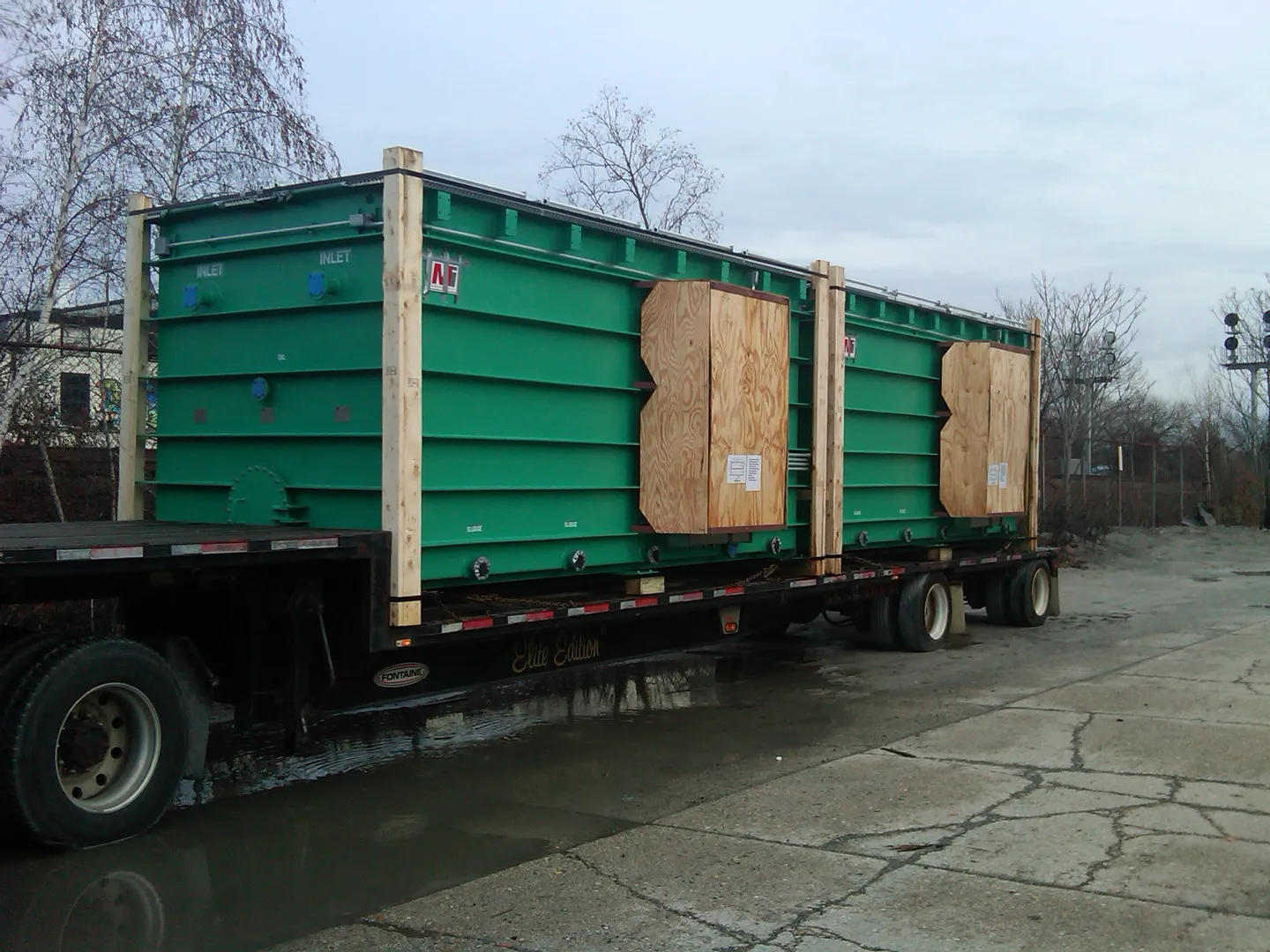
Above Ground
800 GPM
INDUSTRY APPLICATIONS
Above-ground oil-water separators in the 1000 GPM range are deployed in operations where wastewater treatment is continuous, not intermittent, and where solids loading, oil characteristics, and maintenance access determine long-term performance more than nominal flow rate.
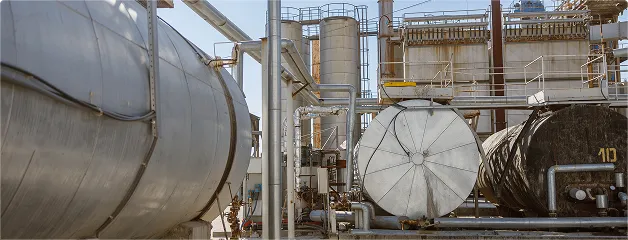
Large industrial plants generate continuous oil-bearing wastewater with sustained solids loading. Mercer systems are selected for durability, access, and predictable long-term operation.
Learn more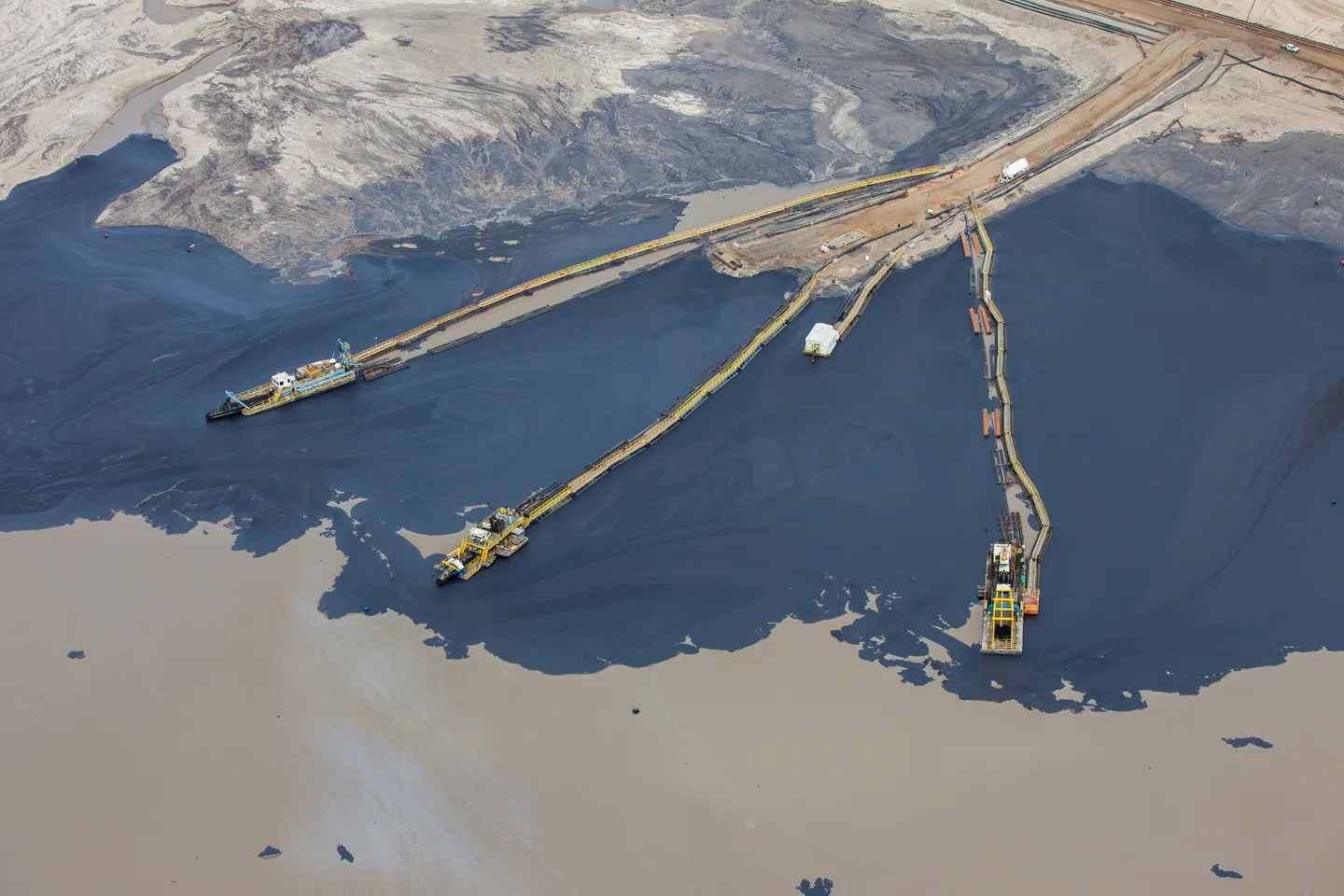
Upstream, midstream, and downstream operations rely on Mercer separators to manage high-volume wastewater where oil type and temperature fluctuate over time.
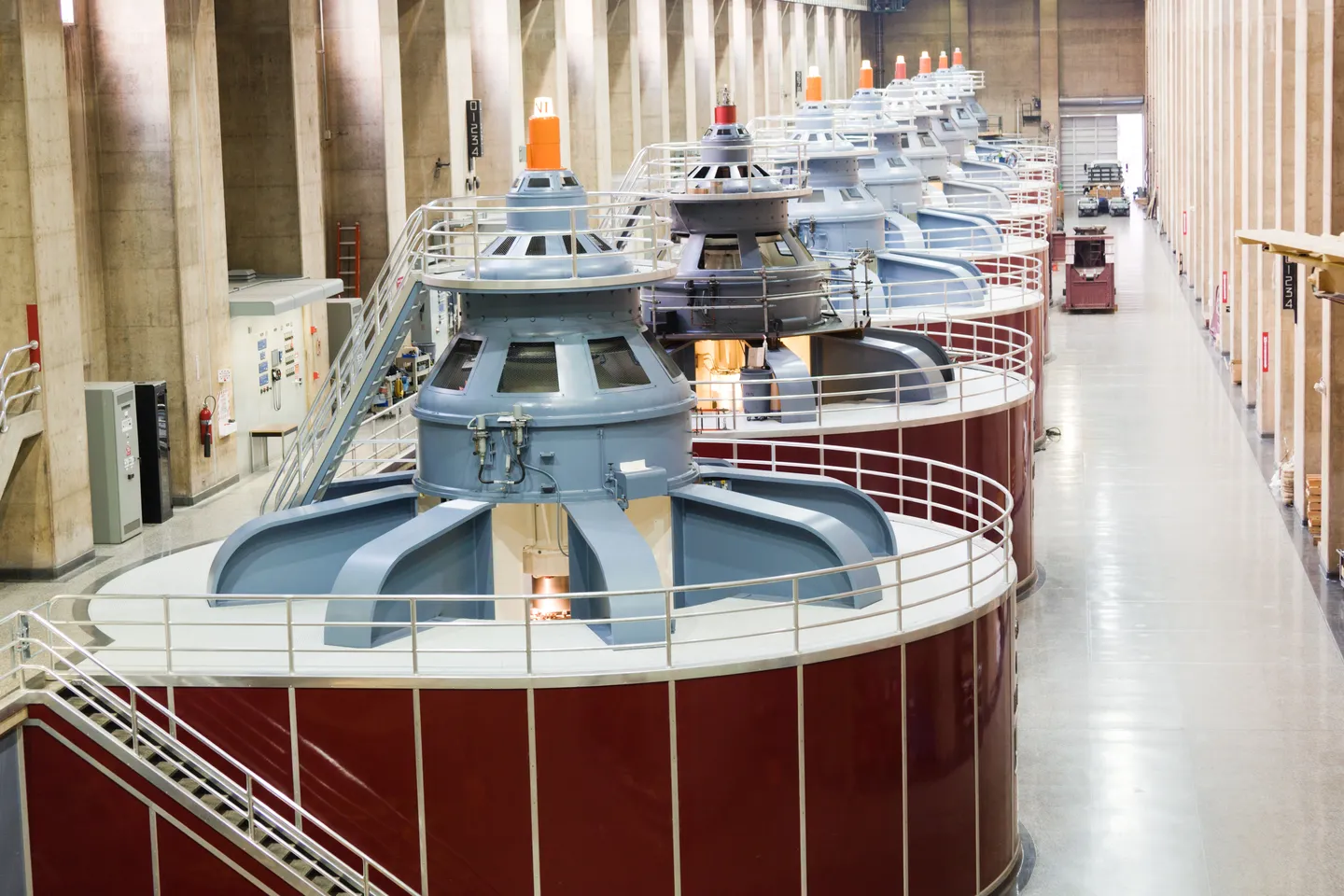
Power plants and major utility facilities require separators capable of continuous operation with minimal downtime and straightforward maintenance access.
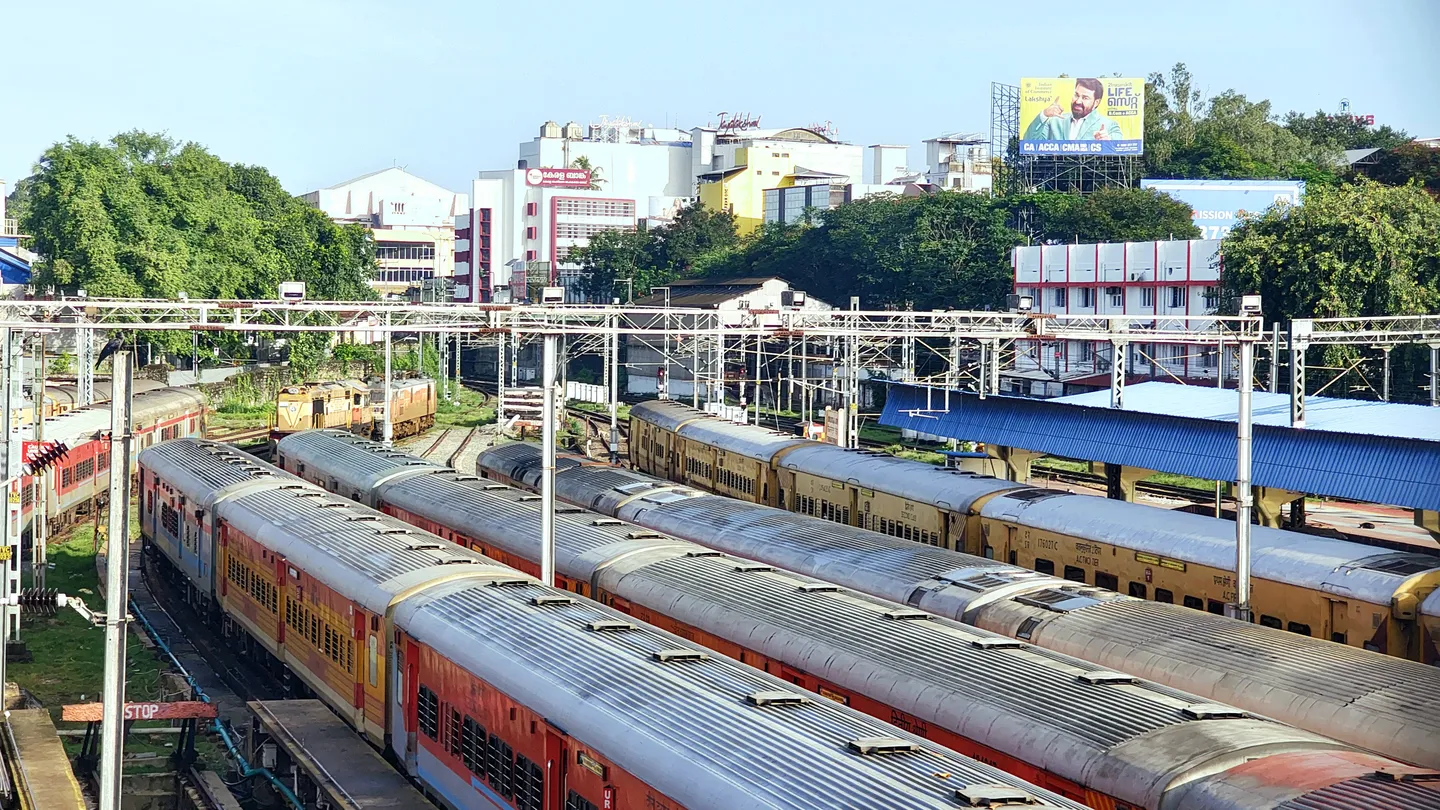
Large fueling terminals, maintenance depots, and logistics hubs generate high-volume wastewater requiring reliable separation at scale.
At up to 1,000 GPM, separator decisions carry long-term operational and compliance consequences. Mercer works with owners, engineers, and EPC teams early to evaluate real operating conditions, confirm treatment strategy, and determine whether a single-stage separator, staged treatment, or supporting technologies are required.Engage Mercer early to reduce project risk, avoid performance erosion, and ensure the system continues to work long after commissioning.
Talk to Mercer about your application.Most failures at this scale are not design errors — they are assumption errors. Real flows vary, solids behave unpredictably, and operating conditions drift over time. When these factors are not accounted for, performance degrades quietly until compliance is lost.
Specifications often describe ideal conditions. Real facilities experience surge flows, intermittent solids loading, maintenance delays, and changing influent chemistry. Systems that are not designed to tolerate these realities may technically “meet spec” while failing operationally.
Mercer treats separators in this range as engineered treatment systems, not standalone equipment. Internal zoning, hydraulic control, serviceability, and integration with upstream and downstream processes are addressed together to protect long-term performance.
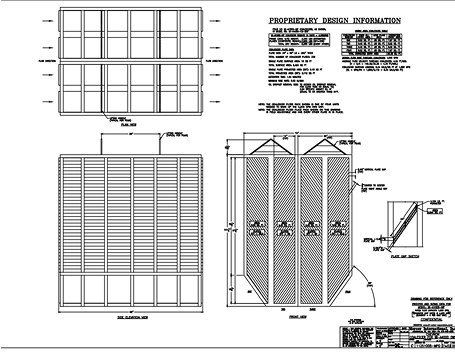
Tell us about your project and we’ll provide the right configuration drawings for your site and flow conditions.
Head to the design center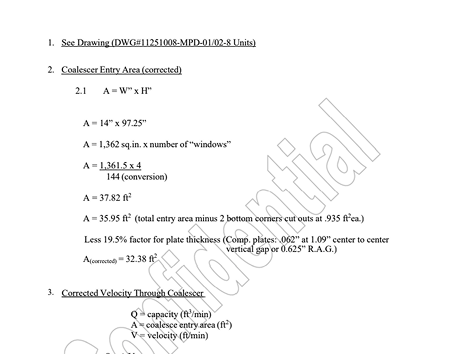
Provide your project details and we’ll share the full technical specs relevant to your operating conditions.
Head to the design center