
OPERATING TIER
Above-ground oil-water separators in the 400–600 GPM range occupy a critical operating tier. At this scale, wastewater treatment is no longer intermittent or peripheral. It is a continuous part of core operations, often tied directly to production uptime, environmental compliance, and downstream system protection.
Facilities selecting separators in this range are typically managing sustained flows, recurring solids loading, and variable oil characteristics over long operating cycles. Small design compromises that might be tolerated at lower flow rates become operational liabilities here, showing up as shortened maintenance intervals, unstable effluent quality, or forced shutdowns.
Mercer’s 400–600 GPM above-ground separators are built for this reality. They are designed to operate continuously under changing conditions, with internals sized and configured to manage solids, temperature effects, and hydraulic variability without relying on idealized influent assumptions.
Mercer has deployed systems at this scale in demanding industrial, utility, and energy environments where access, inspectability, and long-term serviceability determine whether a separator remains an asset or becomes a maintenance problem.

Built To Scale
400 / 500 / 600 GPM
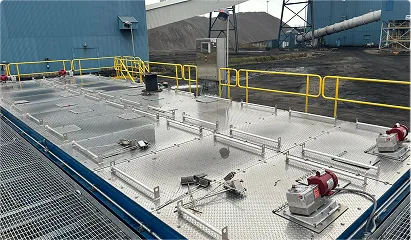
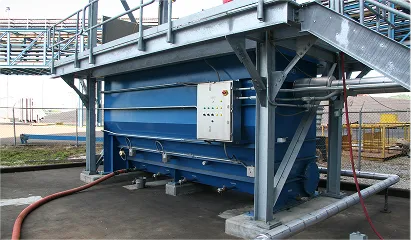
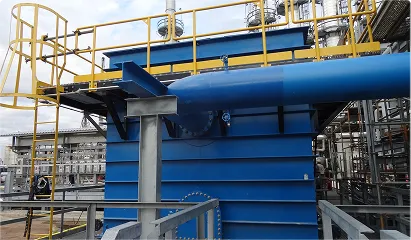
Please Note: Exact dimensions and configurations vary by application.
FIELD-PROVEN SYSTEMS
At this capacity, scale is visible and experience is not optional.
The installations below represent actual Mercer systems operating in the 400–600 GPM range, deployed in facilities where solids, oil variability, and continuous duty are part of normal operation.
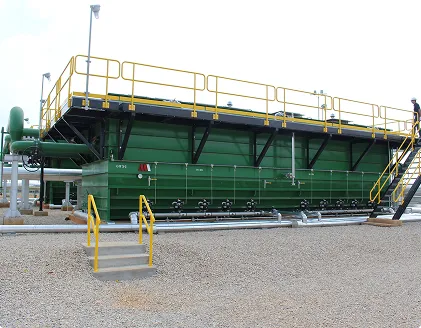
Above Ground
400 GPM
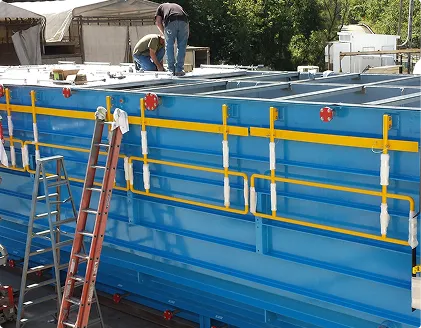
Above Ground
400 GPM
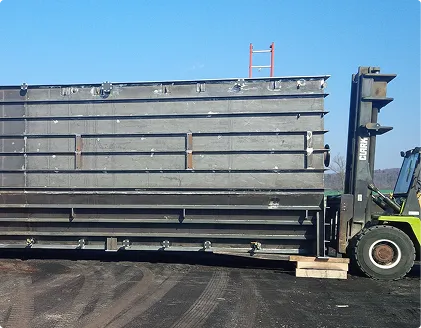
Above Ground
400 GPM
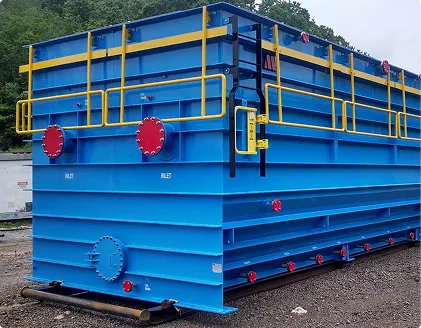
Above Ground
400 GPM
Above Ground
400 GPM
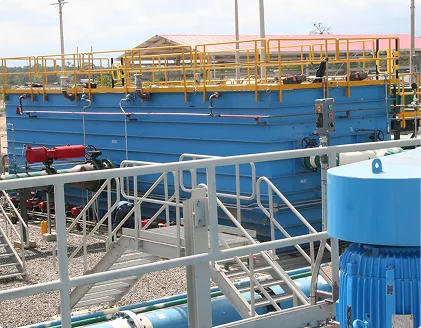
Above Ground
400 GPM
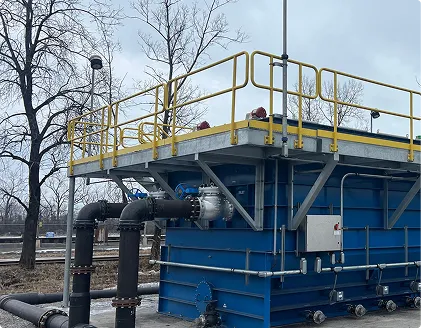
Above Ground
400 GPM
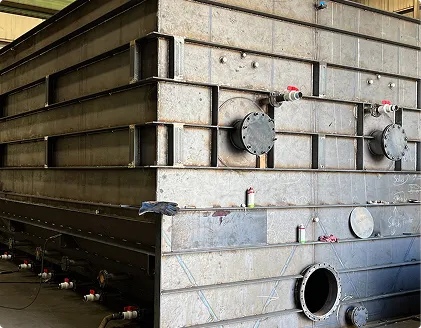
Above Ground
400 GPM
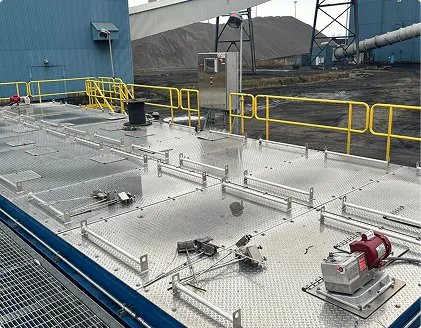
Above Ground
400 GPM
TRUSTED BY INDUSTRY LEADERS
A small sampling of companies with Mercer separators within the 400–600 GPM family range.





ENGINEERED TO SOLVE
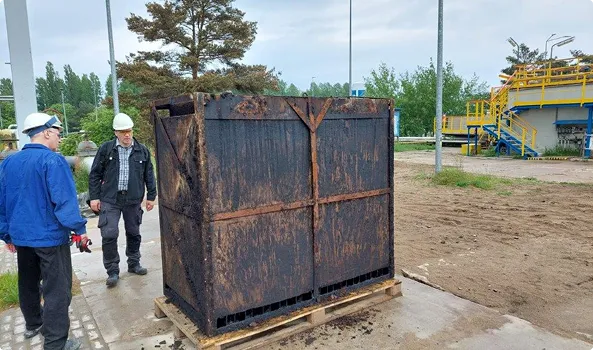
At sustained high flows, conventional corrugated plastic or tube-style coalescers foul rapidly as solids accumulate within internal pockets. Fouling reduces oil removal efficiency and often renders cleaning impractical.
Large systems that cannot be easily accessed or cleaned force extended shutdowns, confined space entry, or full media replacement to restore performance.
Separators specified strictly by flow rate without accounting for solids behavior, oil type, temperature, viscosity, and maintenance constraints often underperform in continuous industrial service.
CORE TECHNOLOGY
A tank provides residence time. Separation performance is determined by what happens inside the coalescer.
Mercer’s Multi-Pack™ coalescer is not a generic media bundle. It is a purpose-engineered separation system built around five core design elements that control oil rise, solids shedding, hydraulic stability, and long-term maintainability.
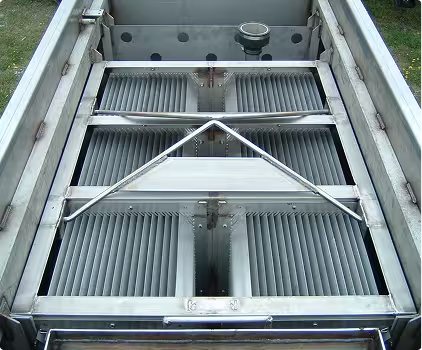
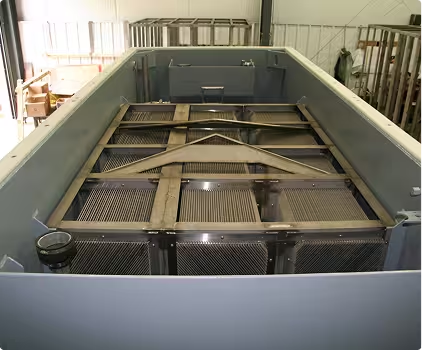
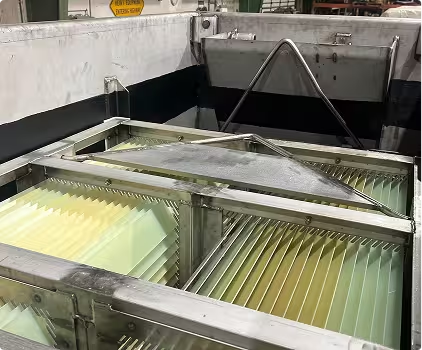
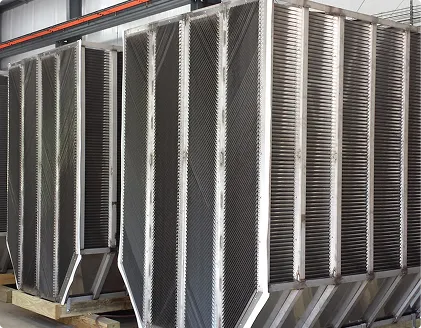
The Multi-Pack™ uses flat, steep-angled plates rather than corrugated or pocketed media. This geometry promotes predictable oil rise while allowing solids to shed cleanly from plate surfaces instead of lodging within the pack. Flat plates eliminate dead zones and prevent solids accumulation that leads to fouling in conventional designs.
Learn MoreUnlike fixed media packs, the Multi-Pack™ offers field adjustability beyond or below the standard 1-inch spacing. Plate spacing can be configured to match actual wastewater conditions, including oil type, temperature, viscosity, and solids behavior.
This adjustability allows Mercer to tune separation performance instead of relying on one-size-fits-all assumptions.
Plates are arranged in a herringbone configuration to align the bottoms of the plates in one channeled frame differently from the tops of the plates coming together in the adjacent window.The result is the segregation of areas where oils are rising separately from solids settling
Learn MoreAll at no cost to you.
We walk your site, capture real influent data if needed, engineer a custom separator from your worst-case scenario, and validate performance before fabrication. Only after the data confirms it do we issue a written guarantee. That’s how risk is removed.
PROVEN LONGEVITY
Built to Stay in Service
Many of the systems shown below were installed years ago and remain in continuous operation today. These are not retired examples or decommissioned assets. They are active separators, still managing oil and solids under real operating conditions.
Longevity at this scale is not accidental. It is the result of internal designs that can be inspected, cleaned, and adjusted over time rather than replaced.
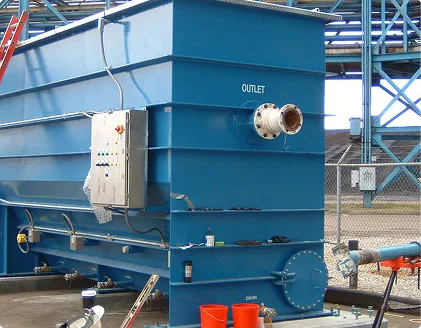
Above Ground
400 GPM
year: 2003

Above Ground
400 GPM
year: 2003
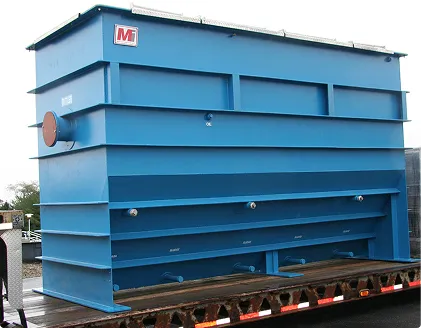
Above Ground
400 GPM
year: 2003
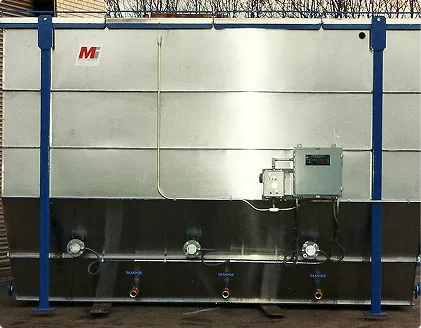
Above Ground
400 GPM
year: 2003
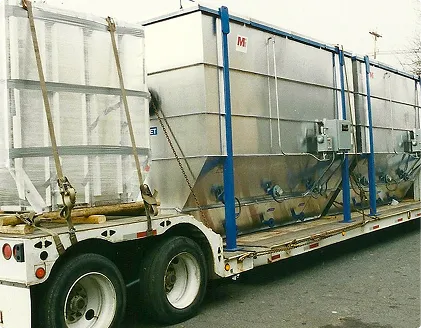
Above Ground
400 GPM
year: 2003
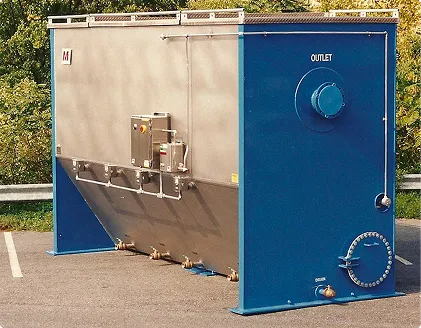
Above Ground
400 GPM
year: 2003
INDUSTRY APPLICATIONS
Above-ground oil-water separators in the 400–600 GPM range are deployed in operations where wastewater treatment is continuous, not intermittent, and where solids loading, oil characteristics, and maintenance access determine long-term performance more than nominal flow rate.
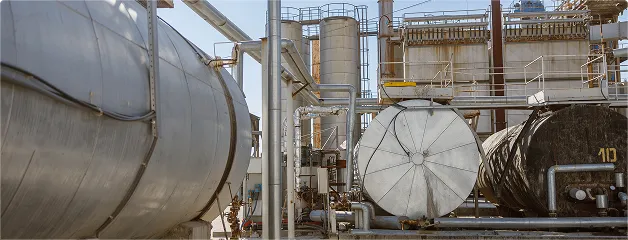
Large industrial plants generate continuous oil-bearing wastewater with sustained solids loading from production, washdown, and process support activities. At this scale, Mercer systems are selected for durability, full access to internals, and predictable long-term performance under non-ideal operating conditions.
Learn more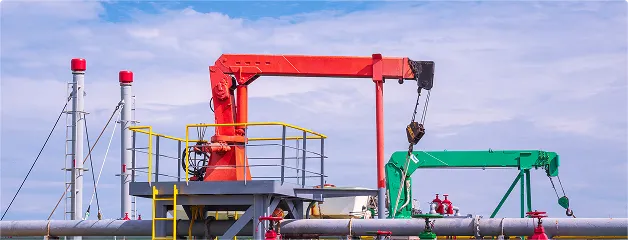
Upstream, midstream, and downstream facilities rely on Mercer separators to manage high-volume wastewater where oil type, temperature, and solids vary over time. These applications demand stable separation performance through changing operating cycles and extended run times.
Learn more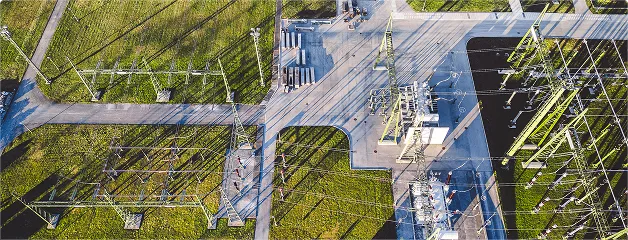
Major utility facilities, maintenance yards, and infrastructure hubs require separators capable of continuous operation with minimal downtime. Mercer systems are applied where access for inspection and cleaning is critical to maintaining compliance and protecting downstream assets.
Learn More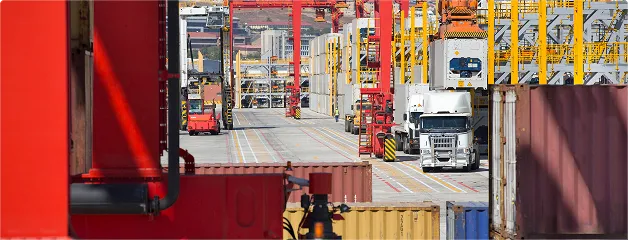
Large transportation hubs, fueling terminals, and logistics centers generate high-volume wastewater from fueling, equipment washing, and maintenance operations. Reliable separation and serviceability are essential to sustaining operations and avoiding unplanned shutdowns.
Learn MoreCleaning frequency depends on solids loading and operating conditions. The removable design allows rapid inspection and cleaning without extended downtime.
Yes, when solids loading and site conditions are properly evaluated.
In many applications, Mercer systems achieve 5–10 ppm free hydrocarbons. Performance depends on influent characteristics.
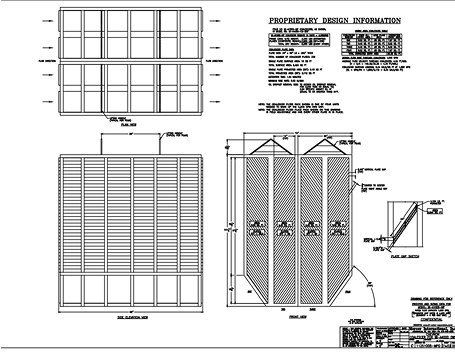
Tell us about your project and we’ll provide the right configuration drawings for your site and flow conditions.
request a free audit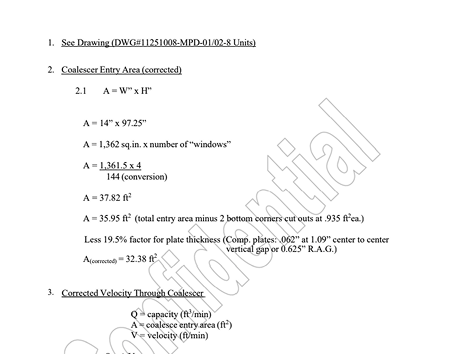
Provide your project details and we’ll share the full technical specs relevant to your operating conditions.
request a free audit