design center

Electrical Utilities: Hydroelectric

Reliable Oil & Solids Separation for Turbines, Powerhouses & Dam Infrastructure

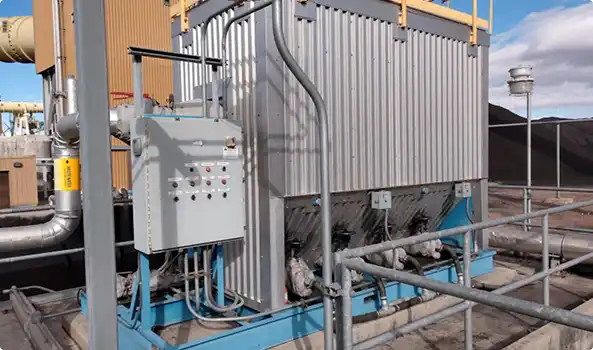
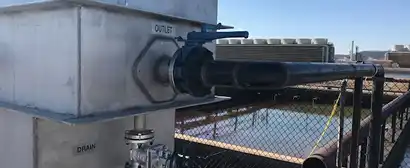
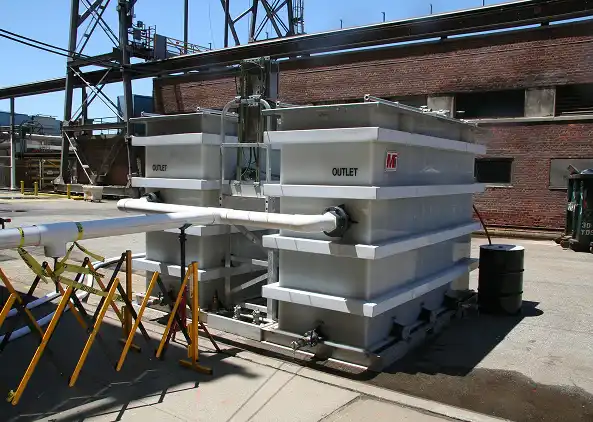
Mercer’s enhanced-gravity separators bring automated, compliance-ready performance to hydroelectric drainage systems, from turbine bays and draft tube sumps to gatehouse mechanical rooms and powerhouse floor drains.

Talk to an Electrical Utility Specialist
INDUSTRY INSIGHT

Overview

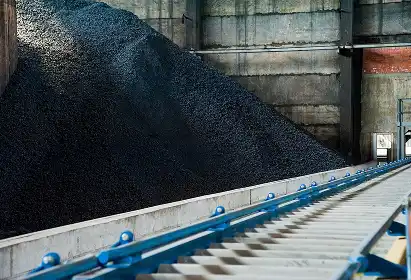
Electrical utilities face some of the most complicated oily-water challenges of any industrial sector. Transformer leaks, lube-oil drainage, turbine washdowns, fuel-handling runoff, stormwater, coal pile leachate, and equipment-bay containment all produce oily wastewater that must be captured, treated, and kept out of the environment. 


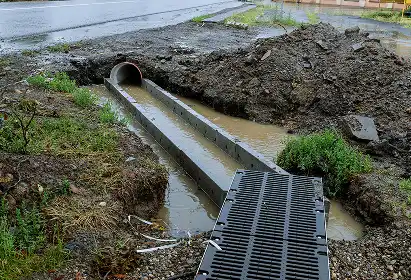
Many facilities still rely on outdated concrete vaults, undersized skim pits, CPI units, slotted-pipe “skimmers,” or makeshift trenches originally installed decades ago. These systems clog, blind, and overflow — especially when solids, emulsions, or fuel-oil sheens enter the mix. The result is unpredictable discharge quality, heavy maintenance, and regulatory exposure.

Mercer eliminates that cycle.

Our enhanced-gravity separators with Multi-Pack™ coalescer technology deliver consistent removal of oils and solids in real time — automatically, without operator intervention, and with airtight emissions control. From aging hydro plants to modern gas turbine facilities, Mercer equips utilities with predictable separation performance, reduced labor, and compliance confidence.

Request Consultation or Build Your Design
INDUSTRY CHALLENGES
Common Hydroelectric Challenges

Aging Drainage Infrastructure

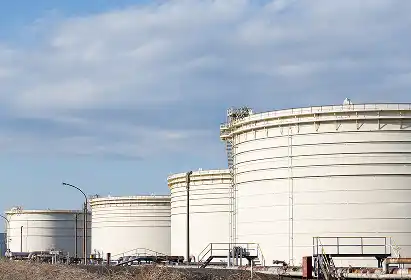
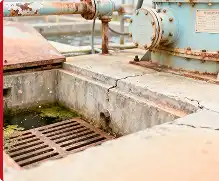
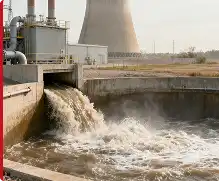
Many hydro stations still operate with 40- to 80-year-old pits that were never designed for modern environmental requirements. Undersized weirs, plugged slots, and uneven floors disrupt separation and cause short-circuiting.
Oil Layer Collapse & Solids-Induced Sinking

Lube-oil that sits too long mixes with fines and rapidly sinks, becoming bottom sludge that rarely gets removed until a full outage.

Grit, Silt & Turbine Fines

Unlike refinery or pipeline sites, hydro plants deal with riverborne debris — sand, silt, leaves, algae, and fines. These rapidly blind CPI media, clog slotted pipes, and bury skim trenches.
NPDES Compliance Pressure

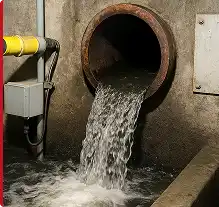
Regulators increasingly monitor sheen control and hydrocarbon discharge limits at hydro outfalls. Legacy systems can’t document or sustain performance.

Shock Loads & Variable Flows

Turbine starts/stops, washdowns, or seasonal runoff create rapid surges that overwhelm old separators and send sheens to the outfall.

Open Pits = Vapor & Odor Issues

Uncovered oily pits contribute to odor, aerosol, and operator-exposure concerns — now a rising priority in utilities.

Solution
Mercer’s Solution

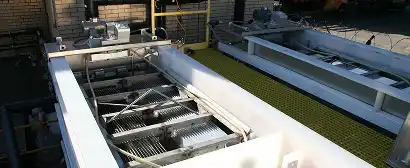
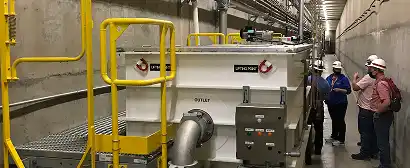
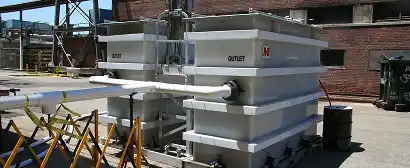
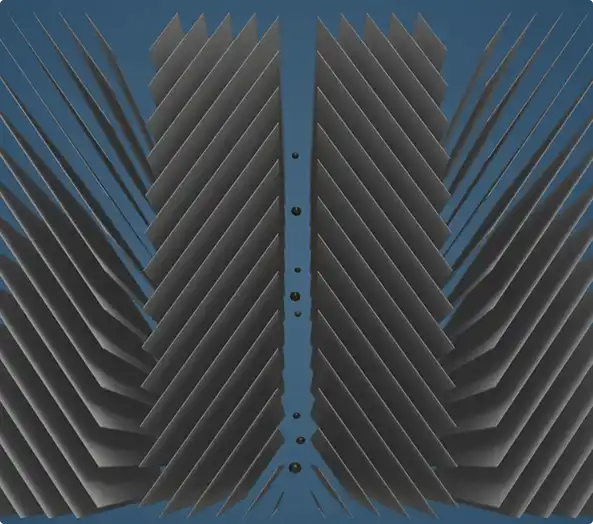
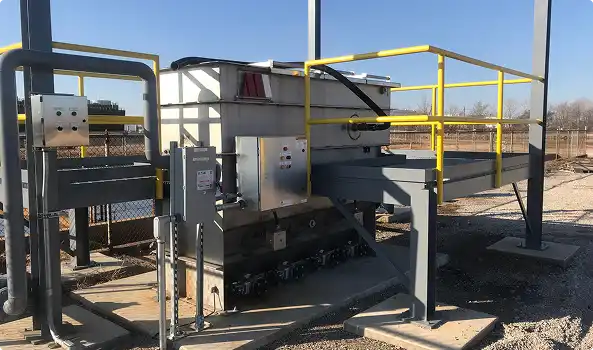
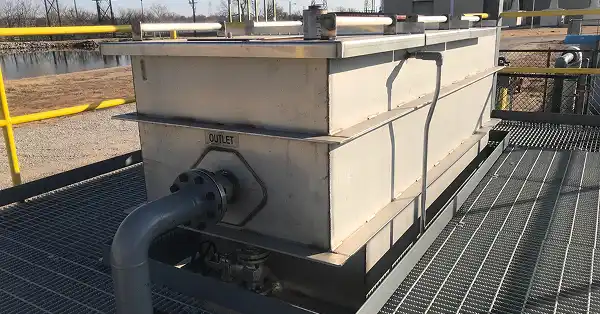
Hydropower facilities demand separators that work in tight powerhouse footprints and fluctuate with turbine loading. Mercer’s enhanced-gravity design meets those requirements without the chronic blinding and headloss issues seen in tight-packed coalescers. Wide-gap plates maintain clear rise paths even in grit-heavy sump conditions, and the compact footprint replaces the massive concrete pits traditionally used for oil collection in turbine halls — delivering reliable separation without adding complexity to plant operations.

Electromechanical skimmers remove oil the moment it rises, preventing collapse, sinking, and re-suspension. Decanting stages consistently produce <1% BS&W recovered product.

Hopper-bottom designs with multiple automated sludge valves prevent solids accumulation, ending the cycle of buried trenches and hand-dug pits.

Controlled-velocity flow geometry preserves rise paths even during turbine washdowns or storm events that would overwhelm CPI units.

Airtight covers eliminate vapor seepage, keep debris out, and maintain clean hydraulics. Coatings resist river sediment abrasion and mechanical-room chemical exposure.

Multi-Pack™ modules can drop into existing pits or concrete vaults, upgrading performance without shutting down major station operations.

APPLICATION AREAS

Typical Hydroelectric Applications

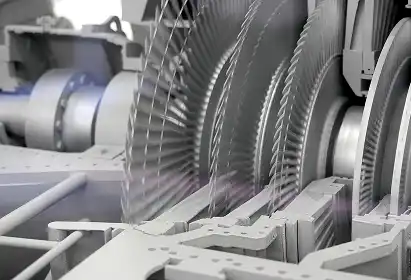
Turbine Bay Drainage & Lube-Oil Leakage

Capture bearing and governor oil, sheen, and particulate before they reach the sump or powerhouse outfall.

Draft Tube & Tailrace Sump Water

Stabilize performance even with high solids, silt, or algae loadings.

Gatehouse & Intake Equipment Rooms

Treat lubricating oil drainage from hoists, mechanical equipment, and spillway gate actuators.

Powerhouse Floor Drains & Washdowns

Prevent sheens from bypassing during cleaning or maintenance operations.

Dam Spillway & Spill Gate Drainage

Manage hydrocarbon-laden runoff during spill events or seasonal high-flow periods.

Stormwater Around Turbine & Generator Areas

Handle intermittent flows with consistent oil removal and solids evacuation.

SYSTEM PERFORMANCE

Performance Highlights

Oil Removal

Up to 99.9% of free and dispersed hydrocarbons

Footprint

Typically ¼ the space of legacy CPI/API or skim-pit designs

Maintenance Interval

6–12 months vs. weekly attention for old pits or CPI units

Automation

Oil skimming, solids purging, alarms & SCADA integration

Compliance

Meets/exceeds SPCC, NPDES, 40 CFR 112, and state utility regulations

Design Life

25+ years with corrosion-resistant fabrication


99.9%

Oil Removal Rate

75%

Space Reduction

25+

Year Lifespan

MERCER ADVANTAGE

The Mercer Difference

Reliable Oil & Solids Removal + Airtight Emission Control

Power plants demand predictable performance and Mercer delivers systems that remain stable regardless of load, solids, or weather.

API-Level Performance Without the Footprint

Enhanced-gravity separation that exceeds the 150-micron limitation of open-weir devices.

Automated, Safer Operations

No confined-space skimming, no manual desludging, no “fishing for oil.”

Low Lifecycle Cost

Extend maintenance intervals, eliminate sludge buildup, and reduce hauling frequency.

Regulatory Confidence

Repeatable performance for SPCC, NPDES, and state discharge requirements.

Emission Containment Built-In

Sealed lids and vapor-control packages tackle VOC/odor issues and operator exposure, a growing mandate in utility operations.
We Take the Risk. Not You.

Free testing. Guaranteed performance.

Instead of asking you to trust a brochure, we test first. We measure actual removal capability under your toughest conditions. When the results meet the standard, we stand behind them contractually.

Learn How

Frequently Asked Questions

Q.

 How are Mercer separators different from utility sump pits or CPI units?

A.

Mercer systems capture 3× smaller droplets, maintain stable hydraulics, prevent media blinding, and automate oil/solids removal.

Q.

Can Mercer retrofit existing pits or vaults?

A.

Yes. Multi-Pack™ modules drop into many existing structures, turning non-compliant pits into automated separators.

Q.

How do systems handle storm surges or variable flows?

A.

Enhanced-gravity designs maintain performance even under shock loads, unlike CPI tanks that flood or short-circuit.

Q.

Are Mercer systems suitable for transformer oil leaks?

A.

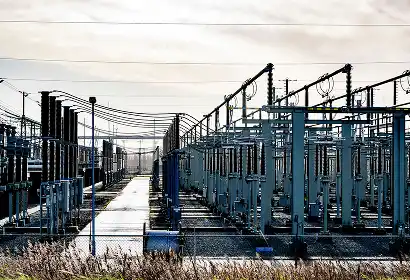
Absolutely. They capture dielectric oils efficiently and can integrate with substation containment plans.

Q.

What emissions controls do Mercer systems offer?

A.

Airtight covers, vapor-capture options, and sealed skimming prevent VOC/odor release and improve plant safety.

Q.

Will solids plug the coalescer packs?

A.

No. Mercer’s controlled-flow geometry and plate spacing resist blinding and maintain clean rise paths.