design center

Plastic Below-Ground Oil-Water Separators

Request A Free Site Audit

OPERATING TIER

Overview

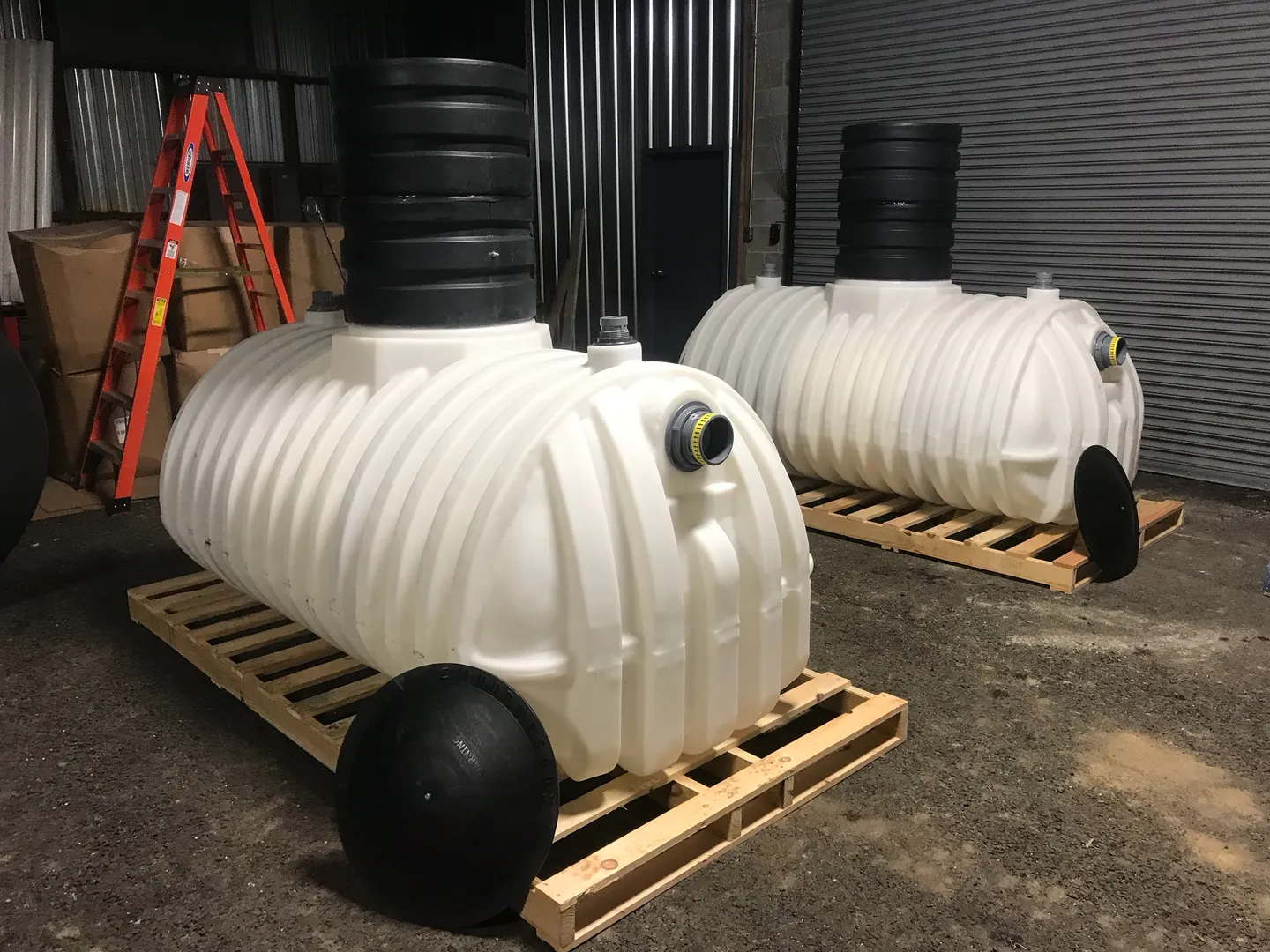
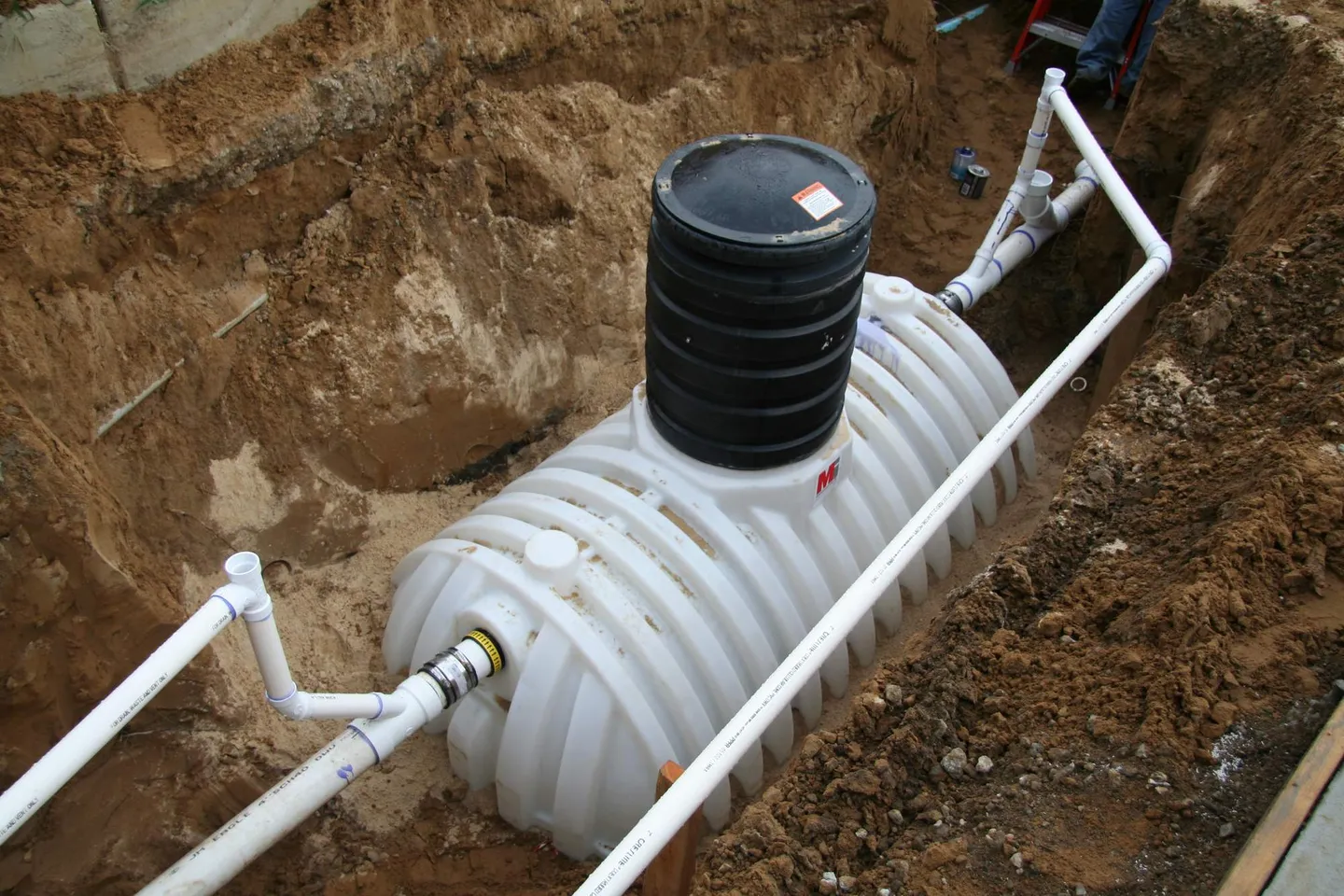
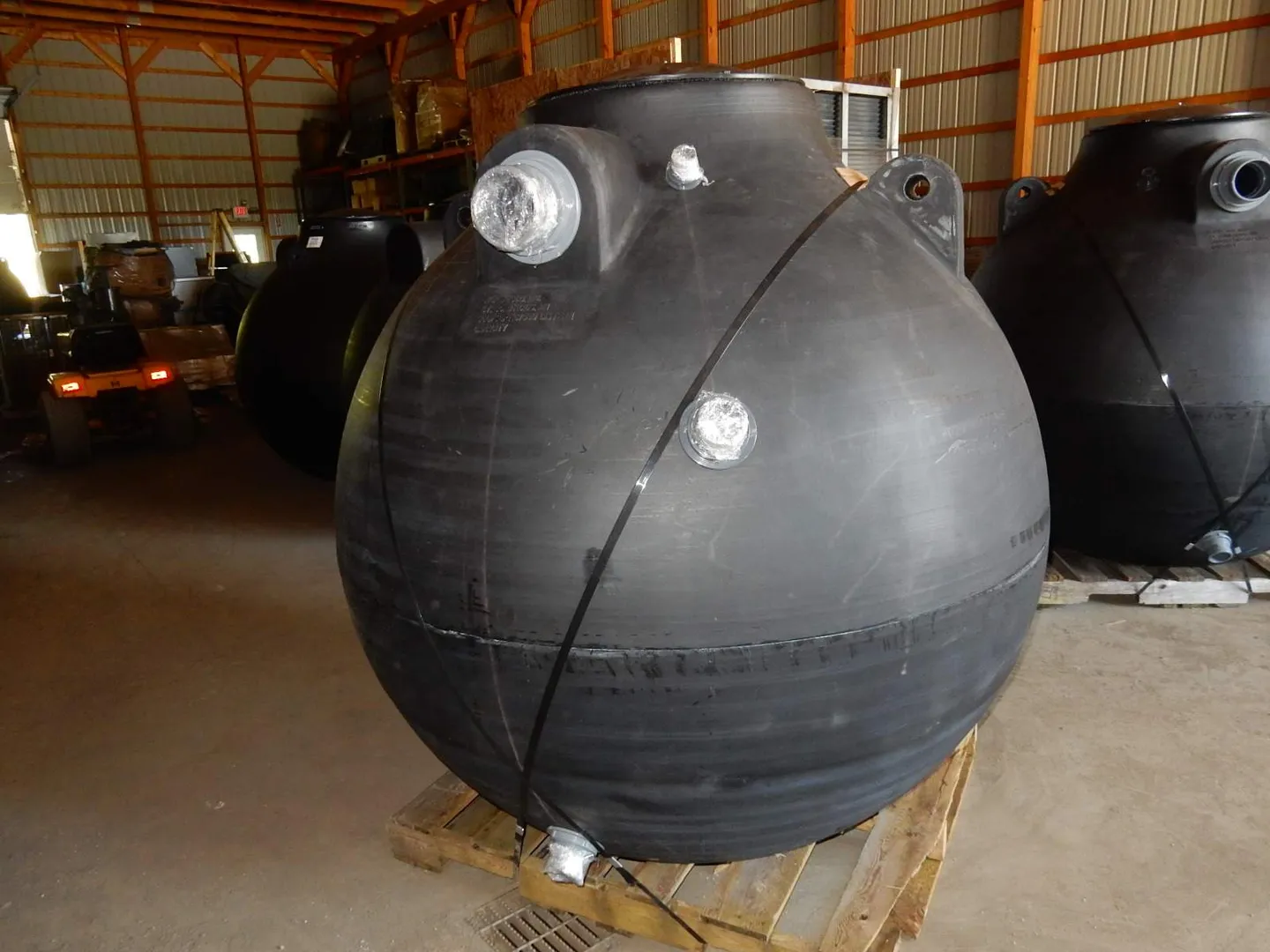
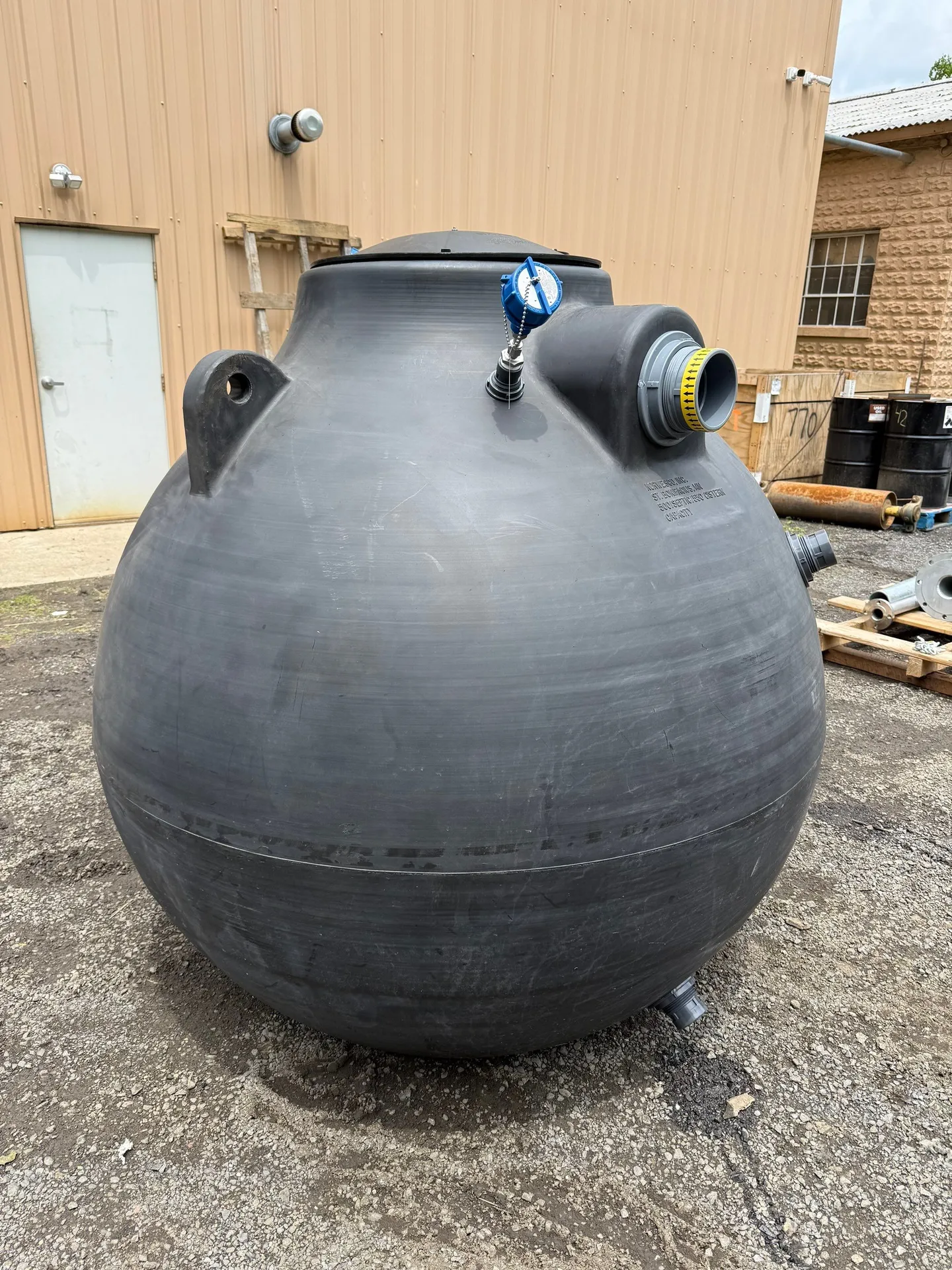
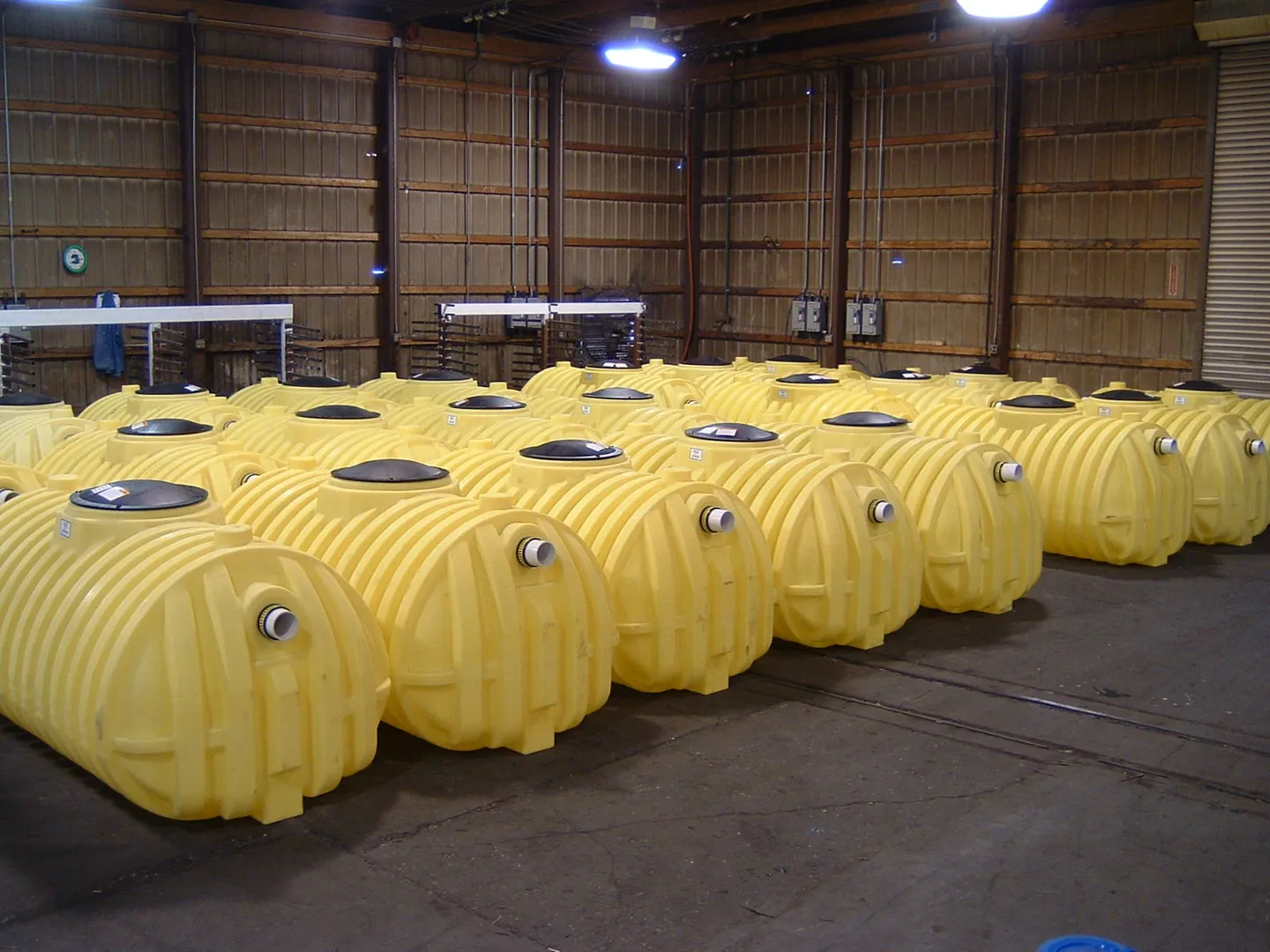
Plastic below-ground oil-water separators are selected for light-duty applications where burial is required and wastewater conditions are predictable. These systems are commonly installed beneath paved areas, fueling islands, and service zones where above-ground equipment is not permitted due to site constraints or regulatory requirements.

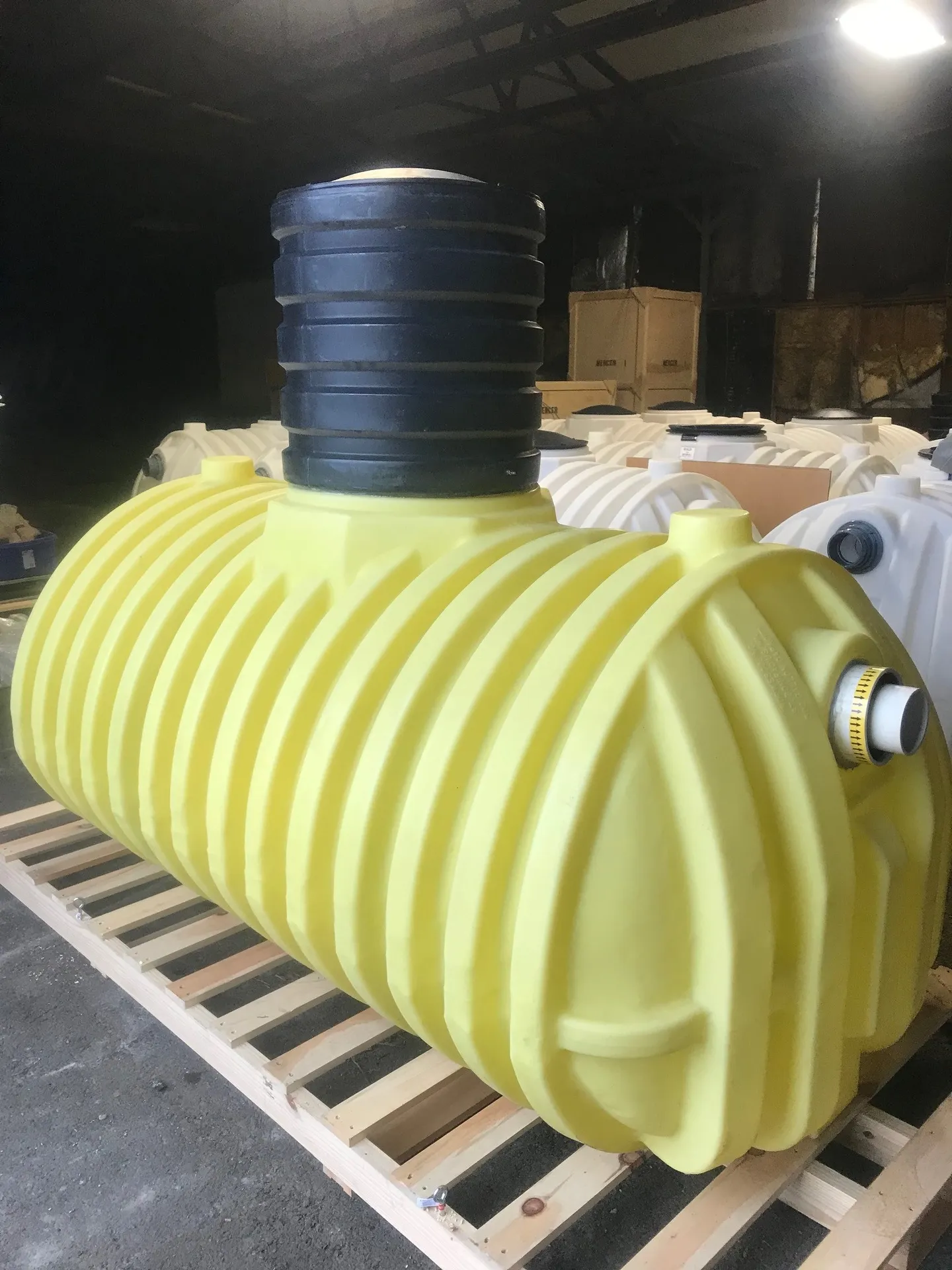
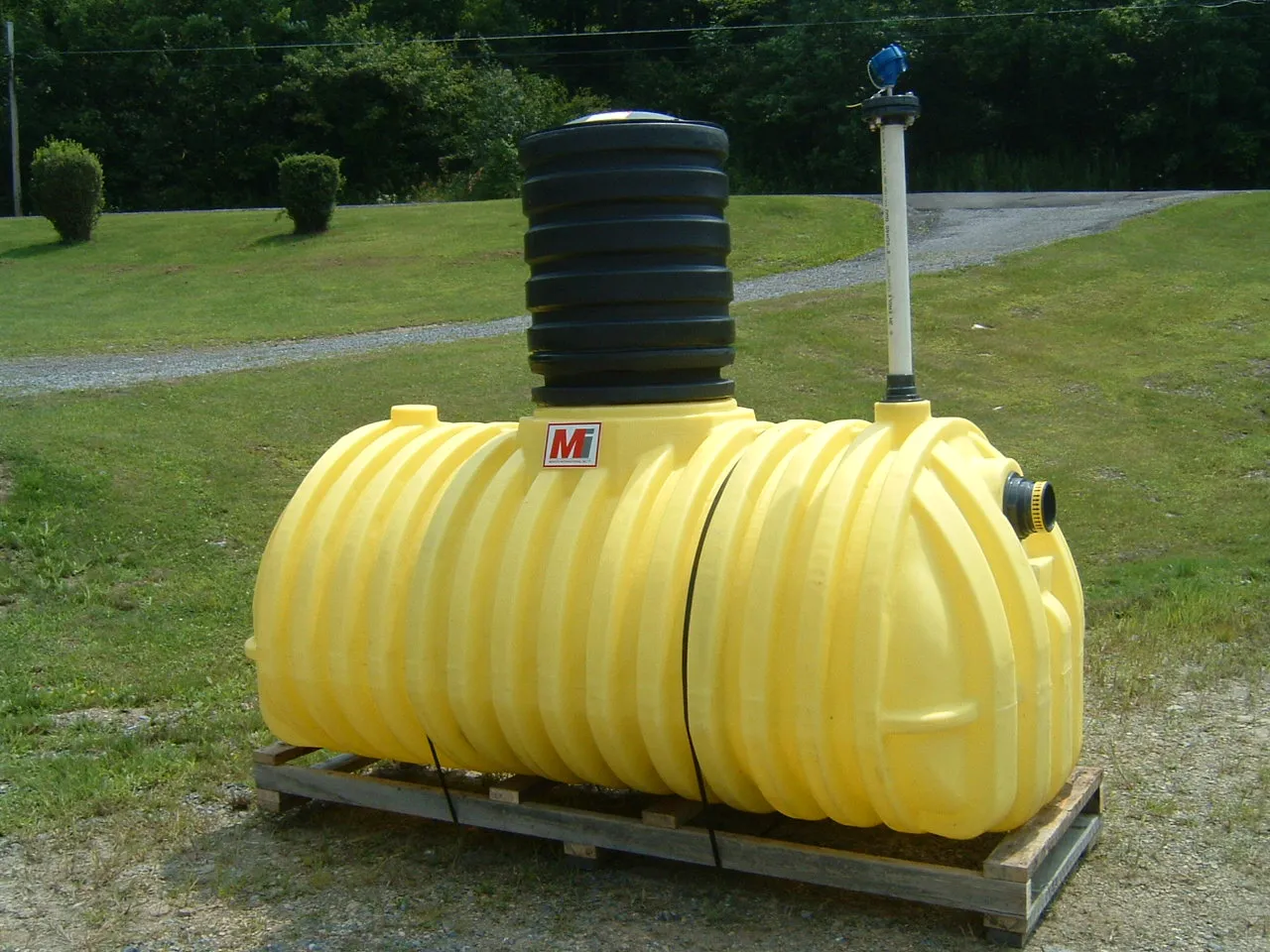
Mercer’s plastic below-ground separators are constructed from corrosion-resistant polyethylene and are designed specifically for low-solids, free-oil wastewater streams. When properly applied, they provide a compact and cost-effective compliance solution for facilities with modest and consistent operating conditions.
Built To Scale
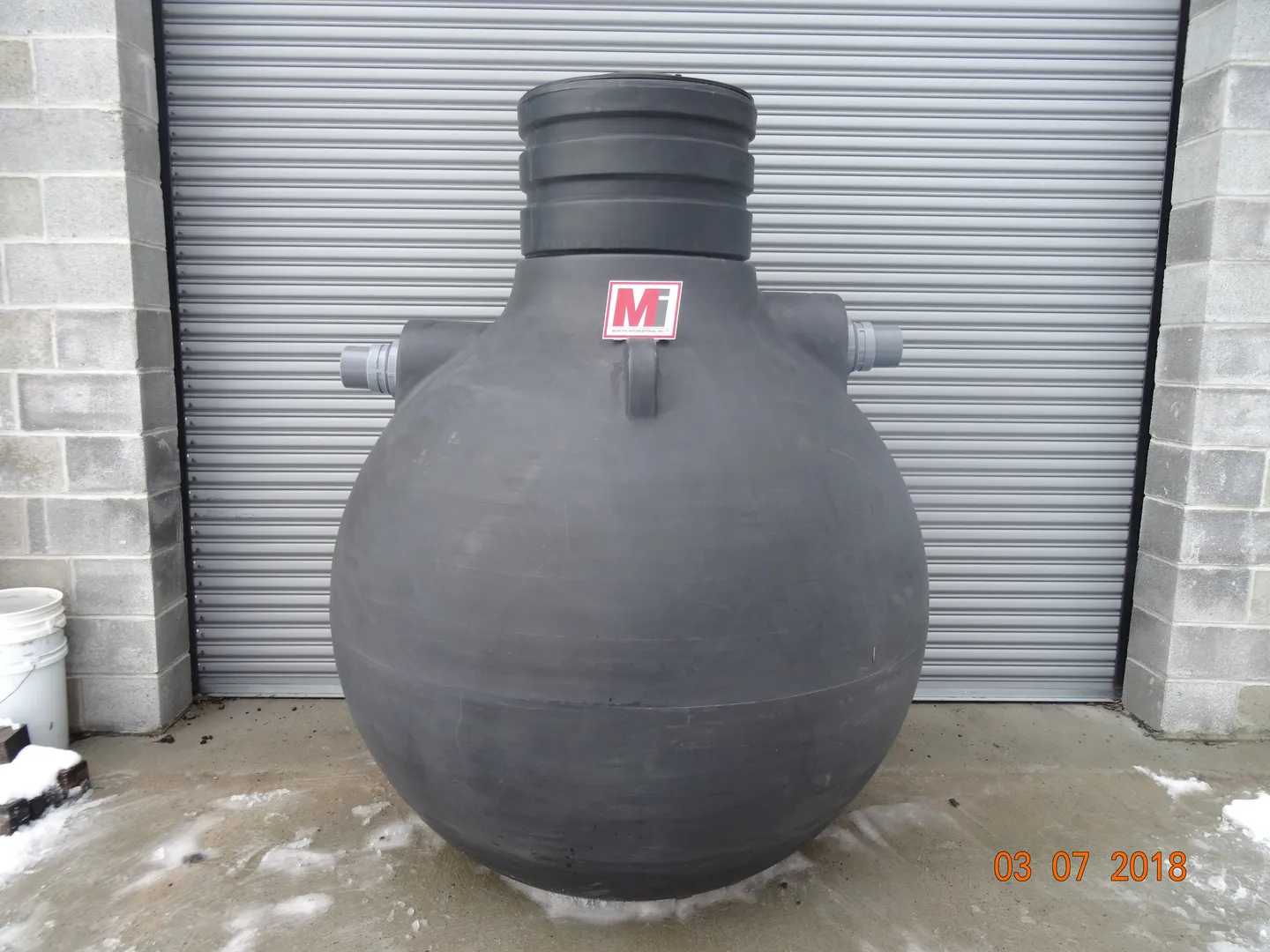
Family Configurations

Plastic below-ground systems are offered in standardized configurations sized by flow rate and burial depth. These configurations are intentionally limited to reduce misuse and simplify installation.

Typical characteristics include:

  • Polyethylene tank construction
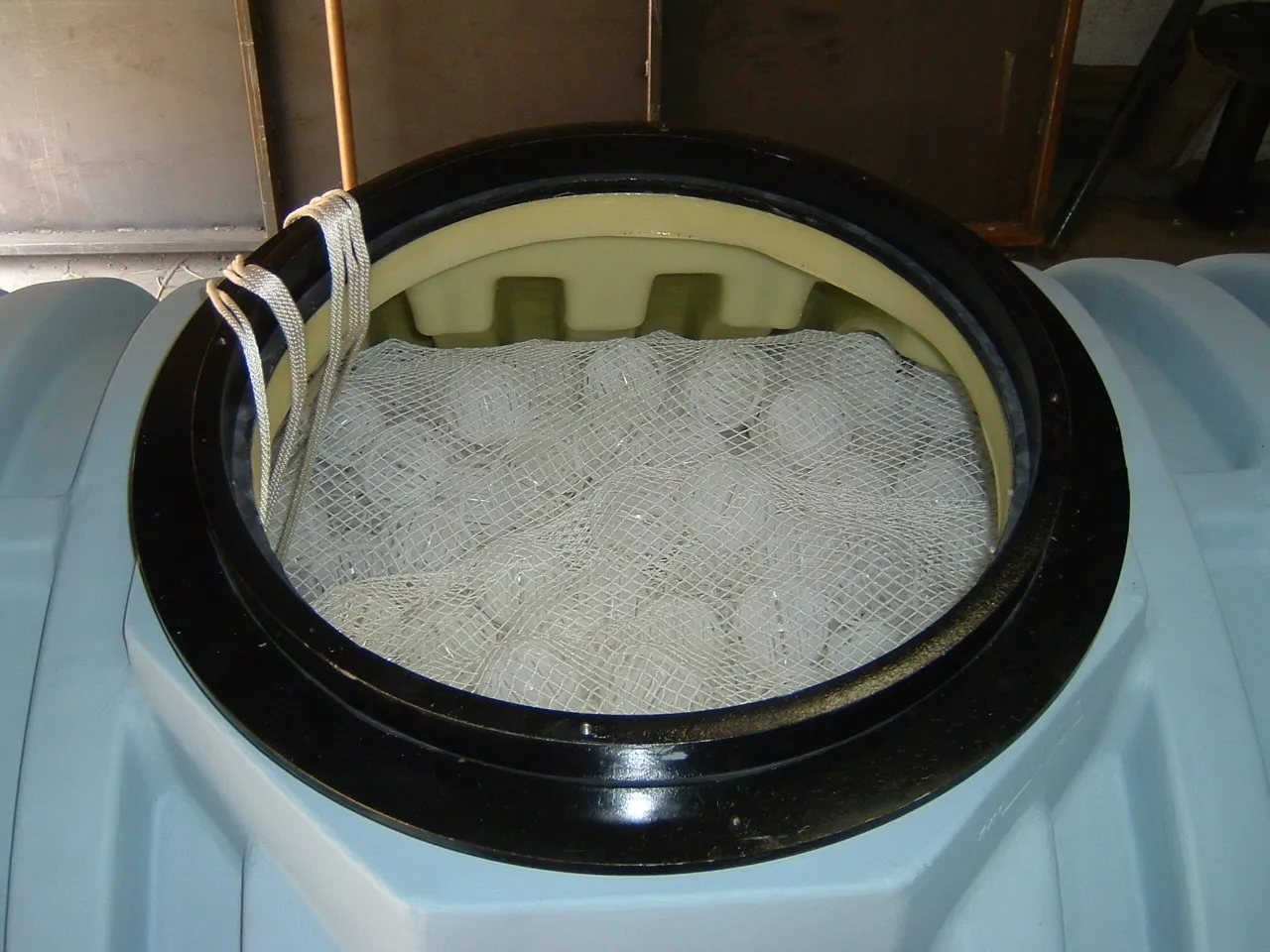
  • Removable coalescer media
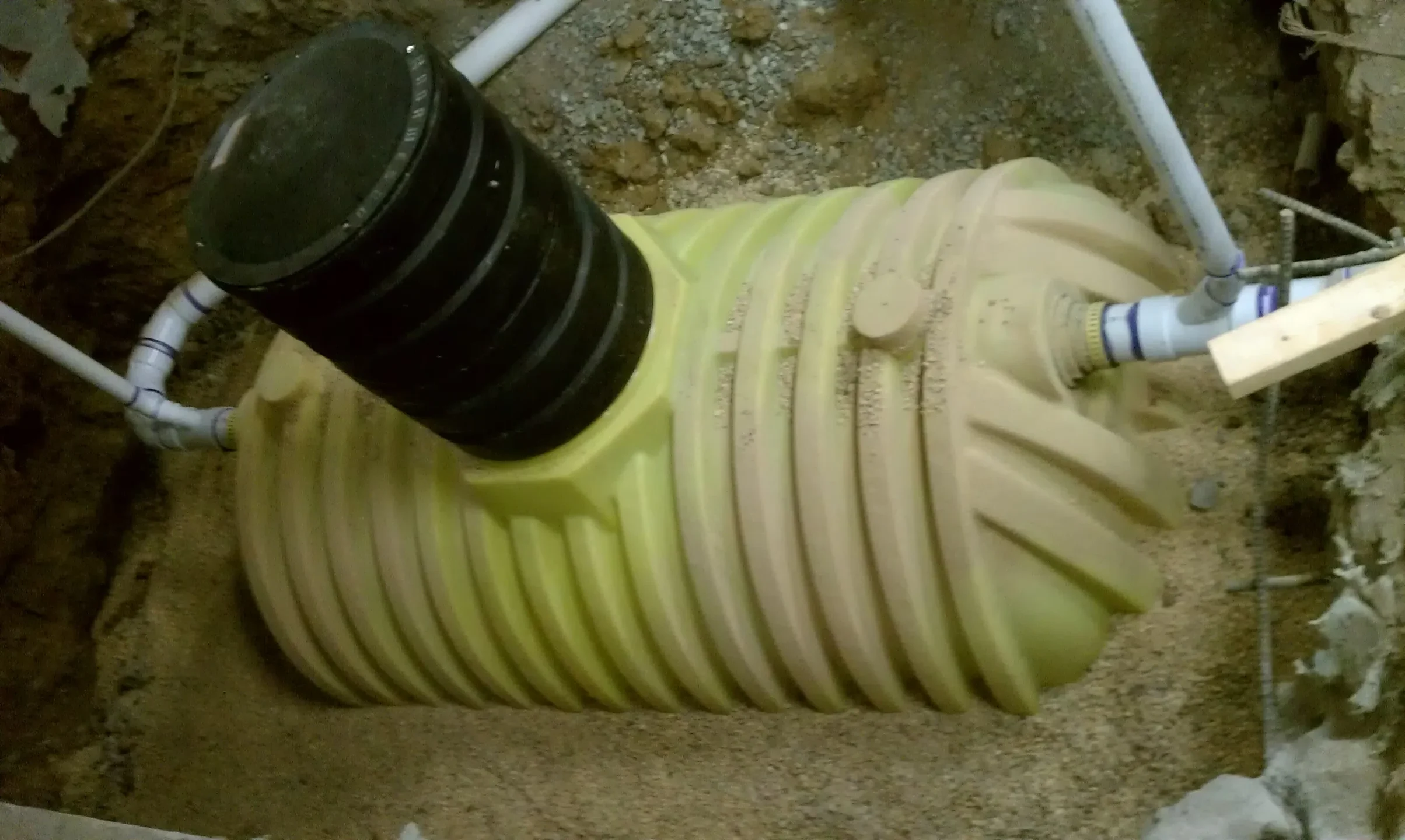
  • Burial up to approximately 30 inches below grade
  • Compact footprint for tight sites

Plastic

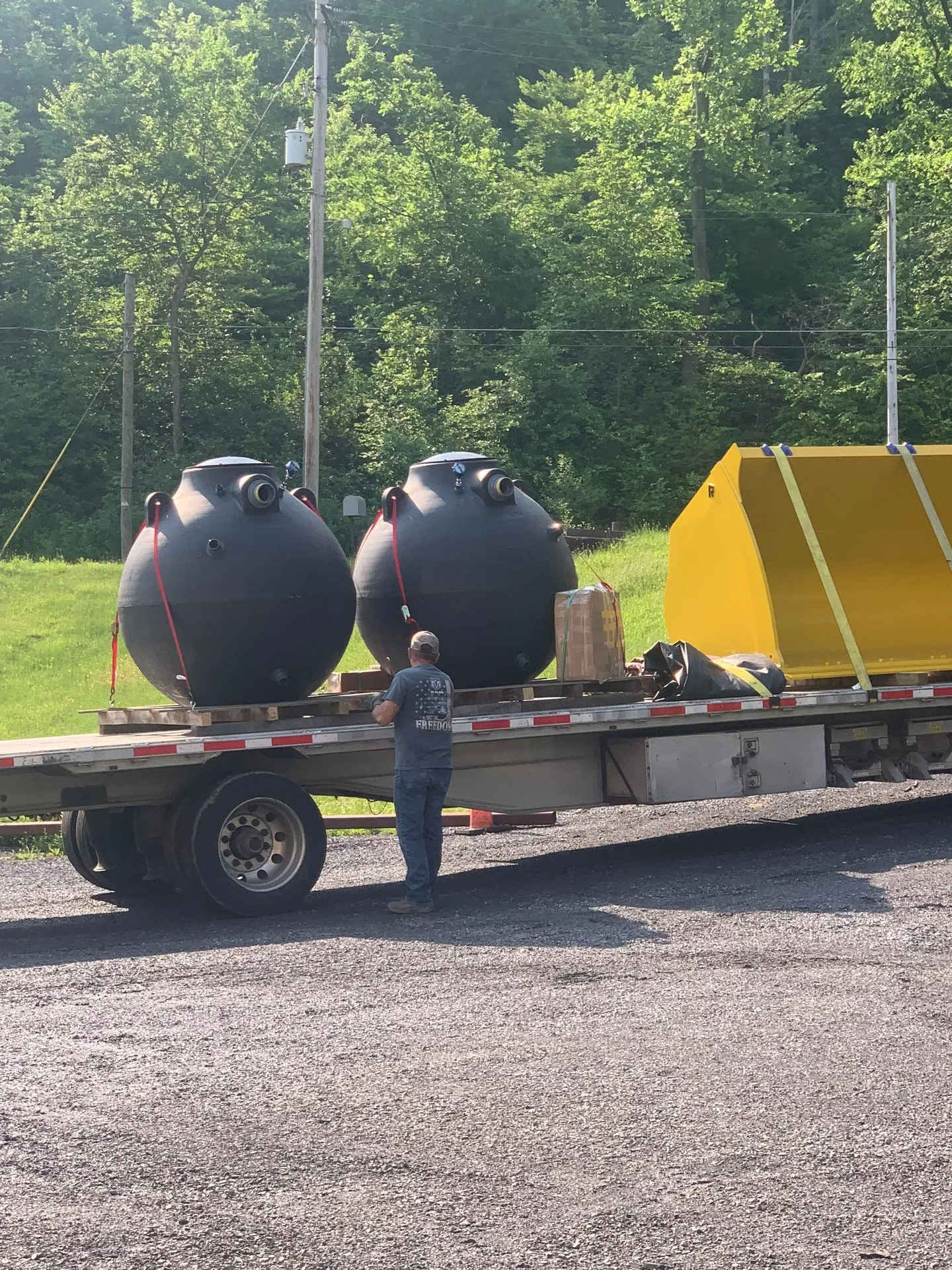
Spherical

Please Note: Exact dimensions and configurations vary by application.

FIELD-PROVEN SYSTEMS
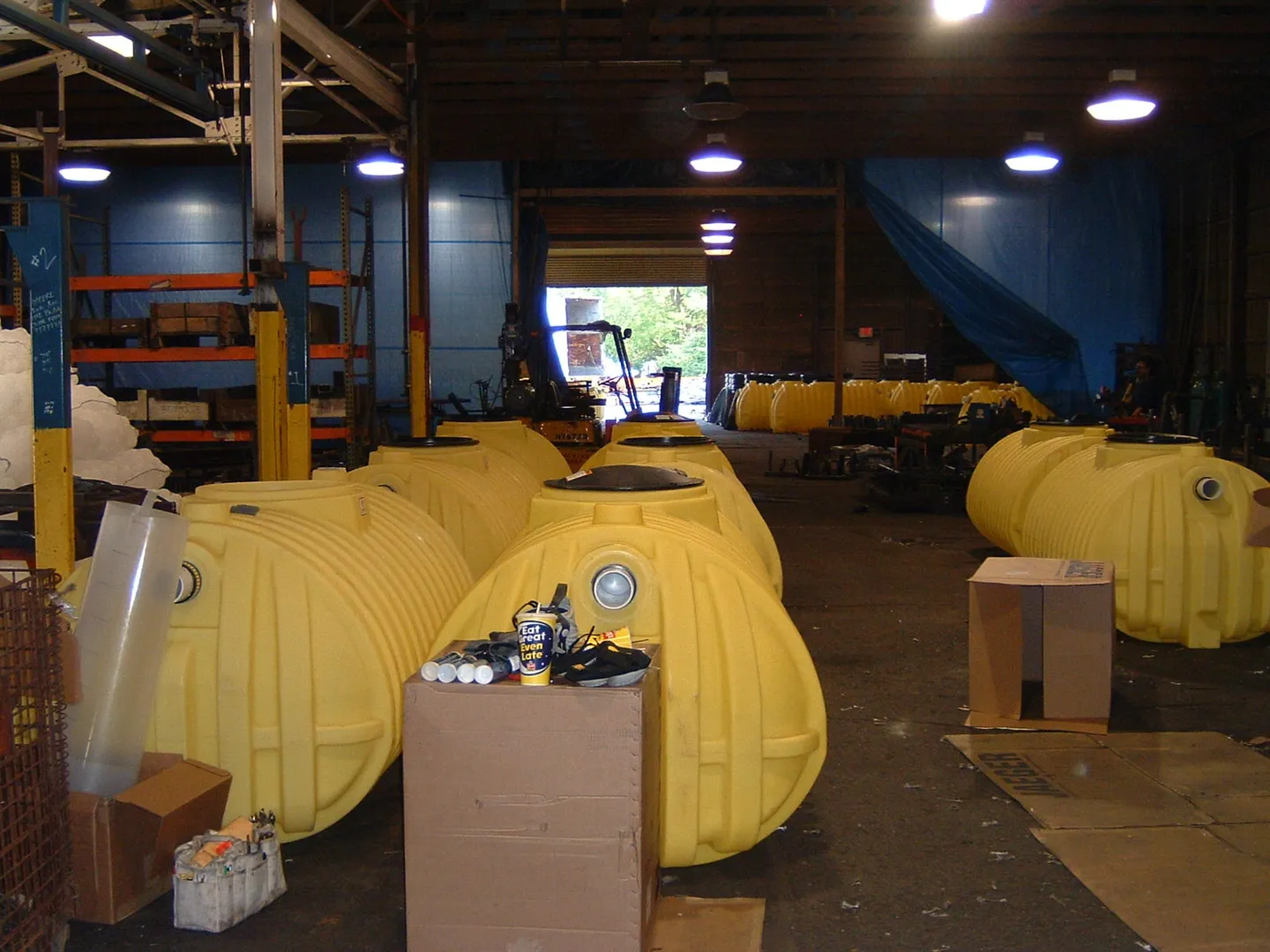
Installed in Real Operating Environments

Plastic below-ground separators are widely used in commercial and light industrial facilities where corrosion resistance, shallow burial, and lower upfront cost are priorities.

Typical installations include:

  • Gas stations and fueling facilities
  • Auto dealerships and service bays
  • Aircraft hangars and wash racks
  • Department of Transportation sites

Installations must be designed with deliberate attention to vault access, traffic loading, pavement interfaces, and long-term maintenance visibility. Buried systems that cannot be accessed and serviced reliably introduce unnecessary compliance risk.

NCDOT

North Carolina

Below-Ground

30 GPM

OHDOT

Ohio

BelowGround

50 GPM

Commonwealth Utilities

Saipan

Below-Ground

1000 GPM

Linden

New Jersey

Below-Ground

4000 GPM

Chevron

Venezuela

Below-Ground

400 GPM

Next Era Energy

Louisiana

Below-Ground

300 GPM

BWC Terminals

California

Below-Ground

200 GPM

Dept of Homeland Security

New Mexico

Below-Ground

50 GPM

Superfund Site

Northern Mariana Islands

Below-Ground

1200 GPM

TRUSTED BY INDUSTRY LEADERS

Installed at Facilities Operated By

A small sampling of companies with Mercer separators

ENGINEERED TO SOLVE

What This Family Represents at Scale

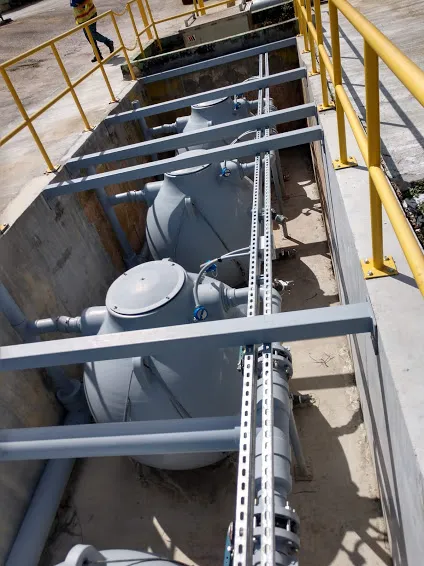
Plastic below-ground separators are typically applied at flow rates up to 100 GPM. Where larger flows are required, multiple units are often configured in parallel.

At higher flow rates, however, plastic systems begin to lose their cost and serviceability advantage. Parallel installations increase footprint, complicate maintenance, and elevate operational risk—often eliminating the perceived savings that made plastic attractive in the first place. In these cases, Mercer commonly recommends alternative designs.

CORE TECHNOLOGY

The Heart of the System: Coalescer Media

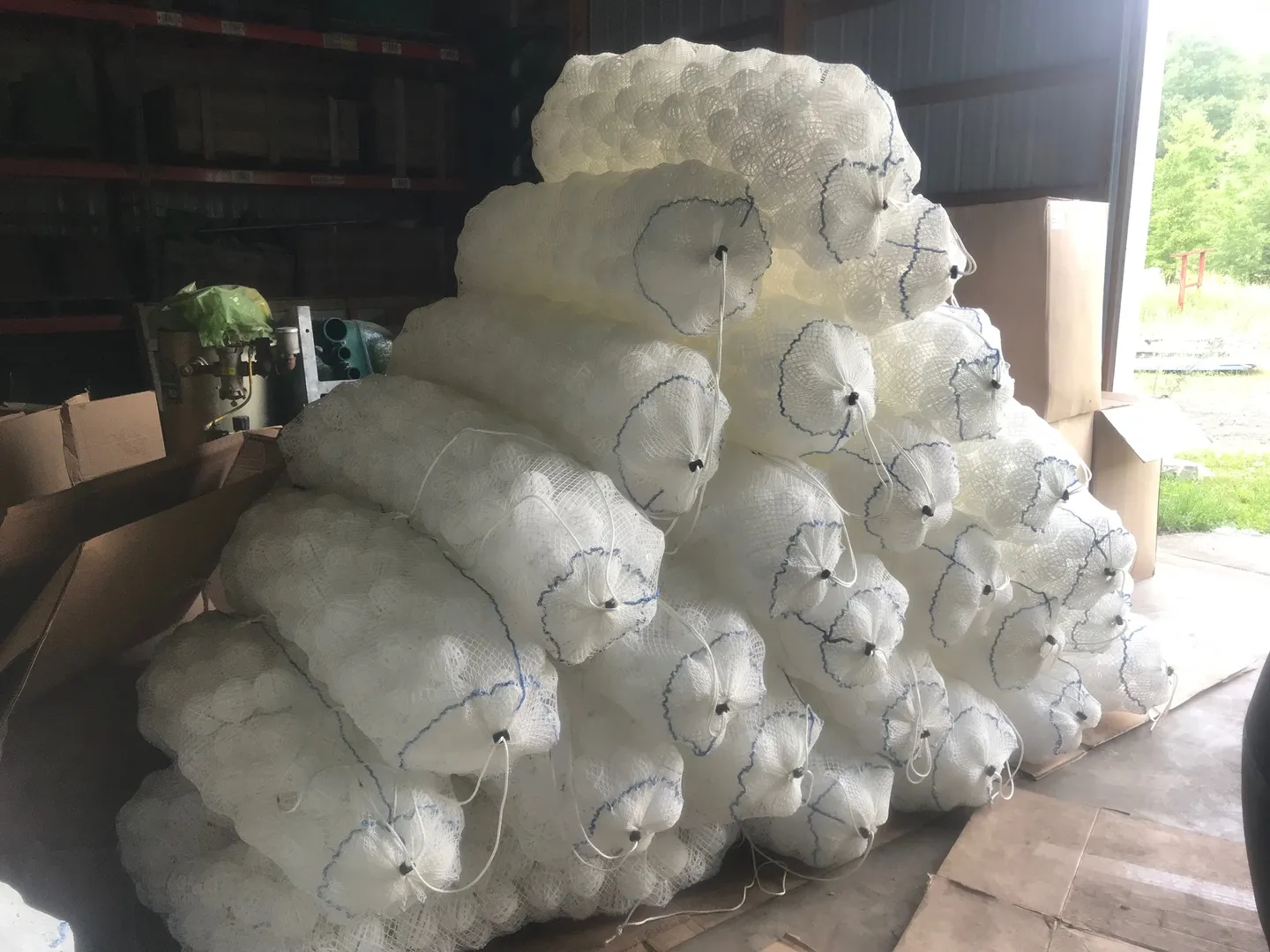
Plastic below-ground separators in this family use Mercer’s coalescer ball technology, selected specifically for light-duty, low-solids applications where simplicity and corrosion resistance are priorities.

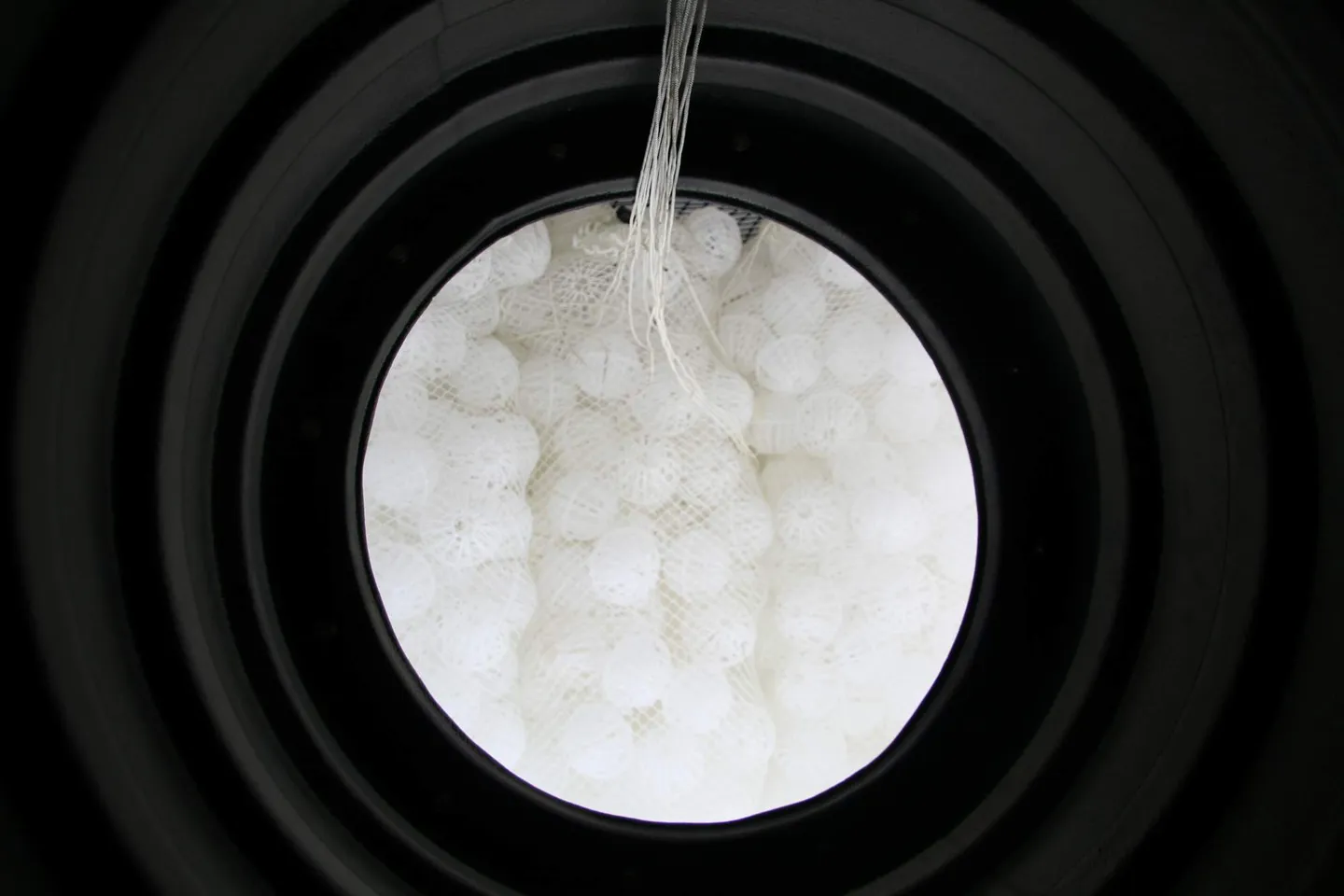
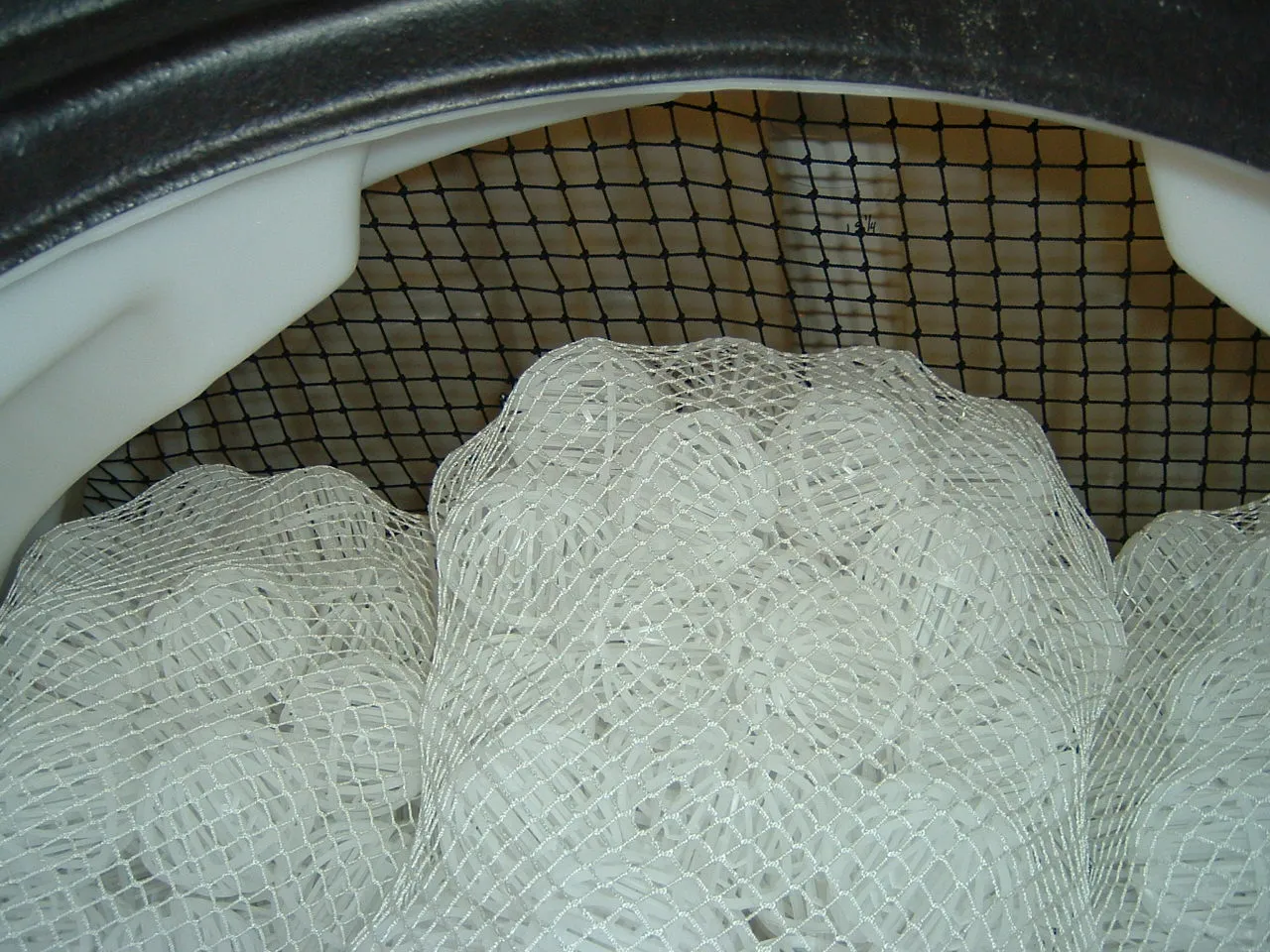
The coalescer consists of high-surface-area polypropylene balls contained within removable netted bags. As oily water flows through the media, free oil droplets contact and adhere to the ball surfaces, coalescing into larger droplets that rise by gravity for removal.

This media design is intentionally open and non-fouling, allowing the bags to be removed, cleaned, and reused during routine maintenance. Unlike tightly packed plate or corrugated media, the coalescer balls tolerate light debris without immediate blinding. However, they are not designed to manage heavy solids loading, sludge accumulation, or highly variable wastewater conditions.

Because these systems are buried, Mercer limits the use of this coalescer technology to applications where wastewater characteristics are stable and maintenance access is planned from the outset.

Problems This Family Is Designed to Solve

Corrosion in Buried Environments

Polyethylene construction eliminates corrosion concerns commonly associated with buried steel tanks.

Space and Visibility Constraints

Plastic below-ground systems enable oil-water separation where above-ground equipment is not feasible due to site or permitting limitations.

Cost-Sensitive Compliance

For regulated sites with predictable wastewater conditions and modest loading, plastic separators offer an economical compliance solution.
These advantages diminish quickly when solids loading increases, wastewater characteristics vary, or maintenance access is underestimated.

Audit. Measure. Design. Test. Guarantee.

All at no cost to you.

We walk your site, capture real influent data if needed, engineer a custom separator from your worst-case scenario, and validate performance before fabrication. Only after the data confirms it do we issue a written guarantee. That’s how risk is removed.

Start With Confidence

PROVEN LONGEVITY

Legacy Installations in Active Service

Built to Stay in Service

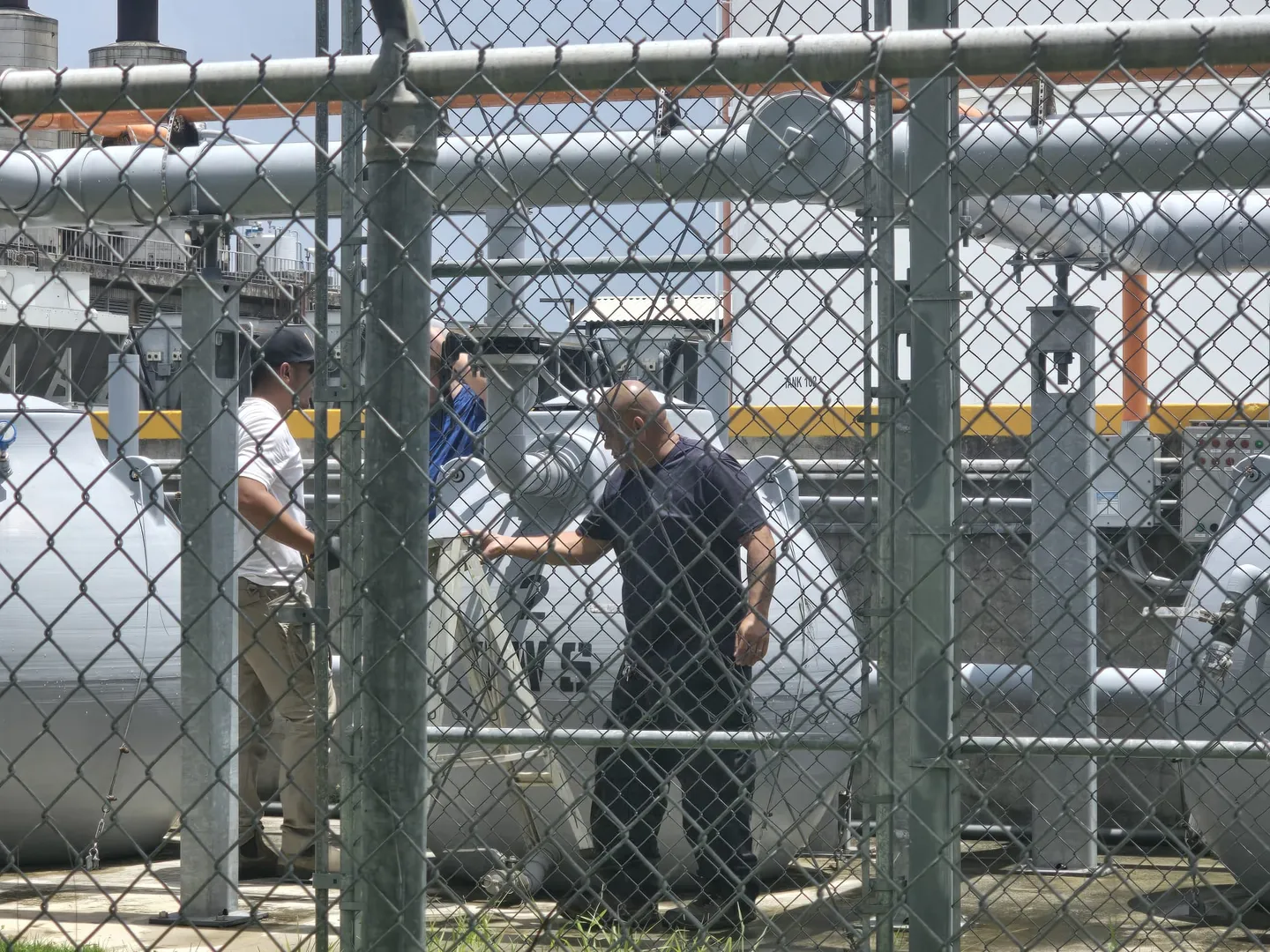
Many of the systems shown below were installed years ago and remain in continuous operation today. These are not retired assets—they are active separators still managing oil and solids under real operating conditions.Longevity at this scale reflects internal designs that can be inspected, cleaned, and maintained over time rather than replaced.

Con Edison

New York, US

Below-Ground

4000 GPM

Keyspan

Pennsylvania

Below-Ground

4000 GPM

PSEG

New Jersey

Below-Ground

4000 GPM

PSEG

New Jersey

Below-Ground

4000 GPM

PSEG

New Jersey

Below-Ground

4000 GPM

Con Edison

New York, US

Below-Ground

4000 GPM

INDUSTRY APPLICATIONS

Applications Where This Family Is Used

  • Fueling stations
  • Auto dealerships
  • Light vehicle maintenance facilities
  • Commercial stormwater treatment
  • Aviation support facilities

Next Step

If your application requires burial and involves low solids loading with predictable wastewater conditions, Mercer can help determine whether a plastic below-ground oil-water separator is appropriate—or if another solution would better protect long-term performance and compliance.

Speak to a specialist

Drawings and Specifications

Mercer can provide representative drawings and base specification guidance to support early planning and FEED-stage design efforts.

Final engineering review is recommended to confirm suitability based on actual site conditions, traffic loads, burial depth, and wastewater characteristics.

Plastic

Spherical

Frequently Asked Questions

Q.

Are plastic below-ground separators suitable for industrial wastewater?

A.

No. These systems are intended for light-duty applications with limited solids and predictable operating conditions.

Q.

Can these systems be cleaned and maintained?

A.

Yes. Access must be planned during installation to allow routine inspection, removal, and cleaning of the coalescer media.

Q.

What happens if conditions change after installation?

A.

If solids loading, flow variability, or oil characteristics increase beyond design assumptions, plastic below-ground separators may no longer perform adequately. In those cases, Mercer typically recommends upgrading to a steel or above-ground system.


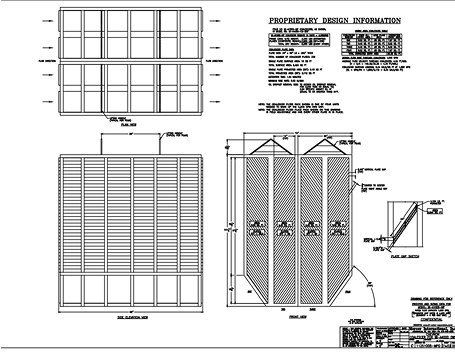
Need Detailed Drawings?

Tell us about your project and we’ll provide the right configuration drawings for your site and flow conditions.

Head to the design center
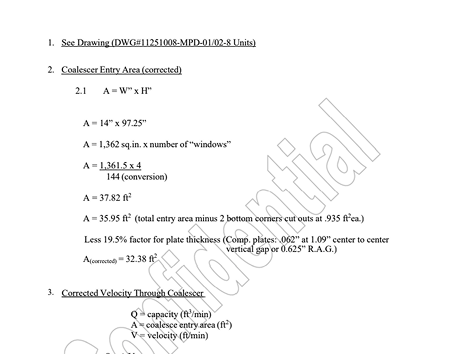
Unlock Detailed Specifications

Provide your project details and we’ll share the full technical specs relevant to your operating conditions.

Head to the design center