In Theory:
Free-floating coalescing balls are designed to increase oil-droplet contact by gently rolling and shifting with the flow. In light-duty applications where solids are minimal, the spherical geometry promotes droplet collisions, helps break surface tension, and encourages coalescence without requiring complex structures or tight channel spacing.
Manufacturers position them as a low-cost, low-profile option for improving removal efficiency in compact separators.
In Reality:
When used in the right wastewater profile—light oils, low solids, and relatively clean influent—coalescing balls can provide a modest improvement over an empty chamber. They tolerate uneven flow better than honeycomb blocks or mesh packs, and they don’t create the deep, inaccessible fouling layers that cripple densely packed media.
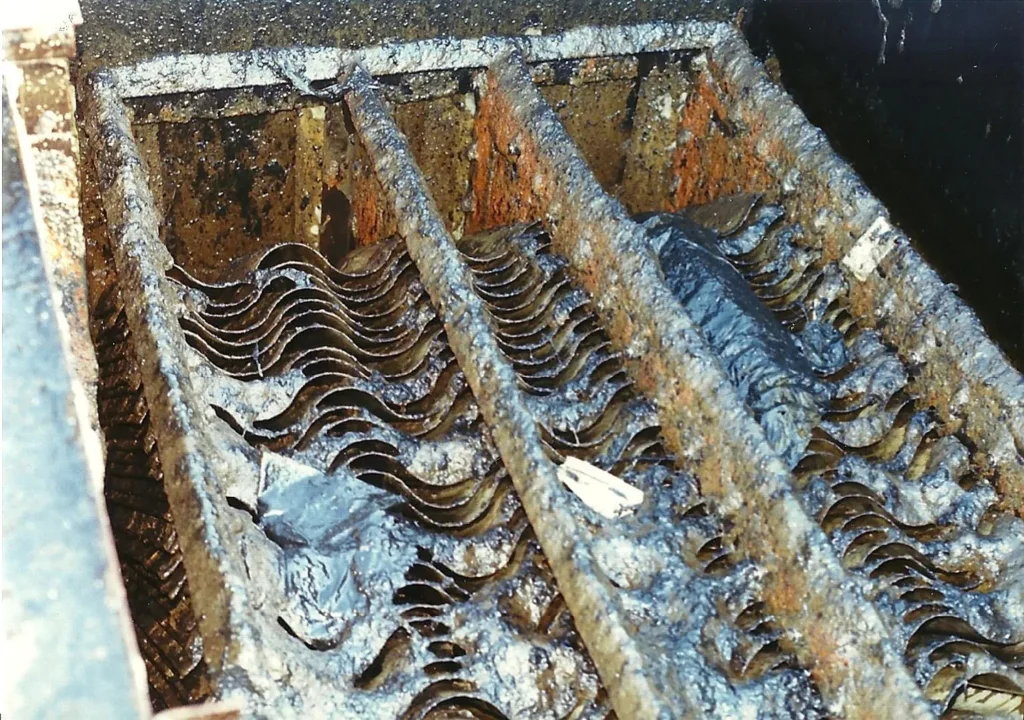
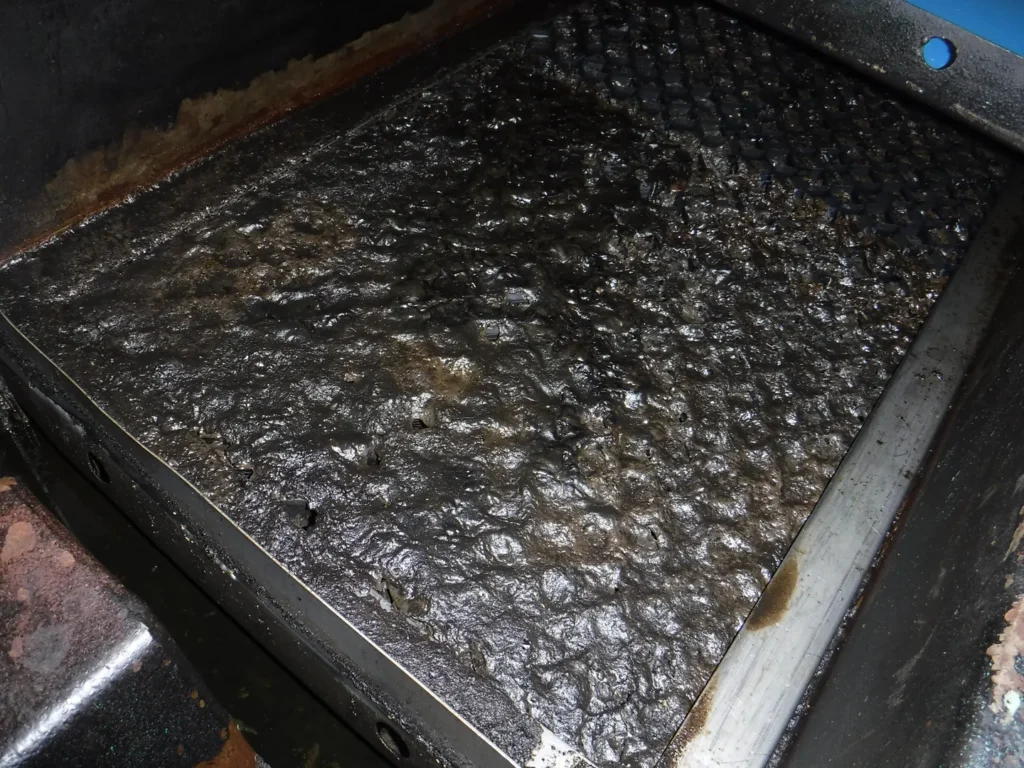
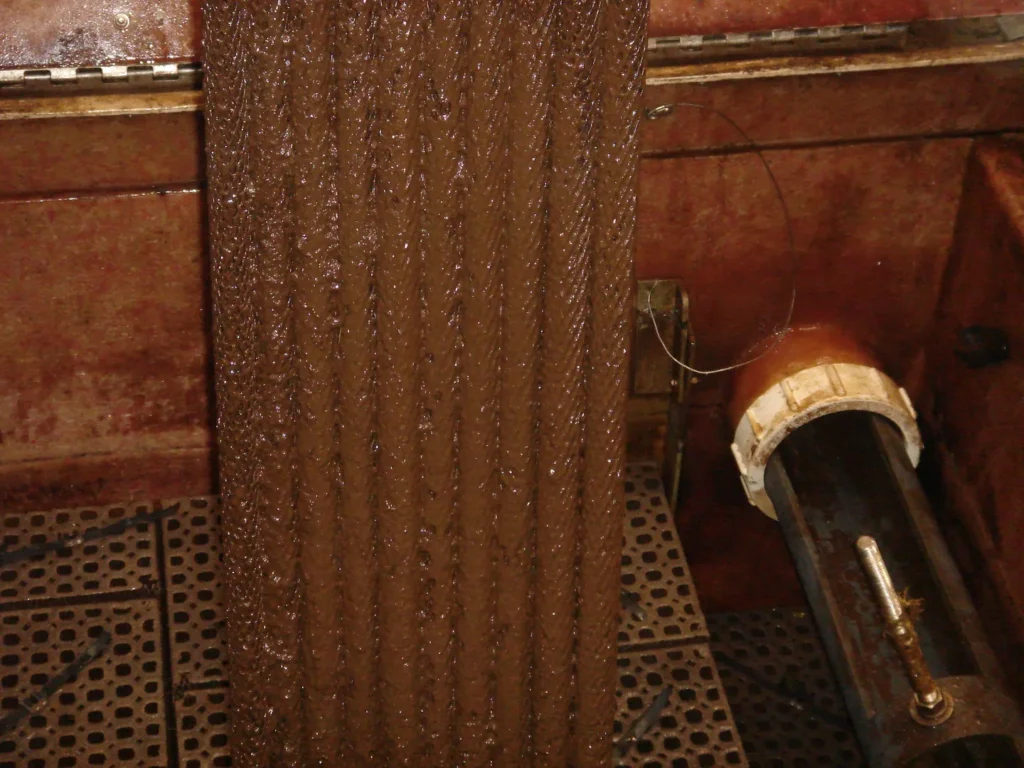
However, they are not a magic solution. In higher-solids service, the balls can accumulate sludge films or tangle together in low-velocity zones. Periodic removal and rinsing is still required, though the process is generally simpler and more forgiving than cleaning stacked plates or blinding honeycomb cells.
Result:
Predictable performance within their intended range, better resilience than most low-cost media options, and easier maintenance for operators—especially in budget-sensitive or light-duty applications. In the economy segment, they represent one of the few configurations that provide value without locking facilities into constant replacement cycles.