Protecting Treatment Plants, Infrastructure and Operations From Uncontrolled Oils and Solids
Talk to an Expert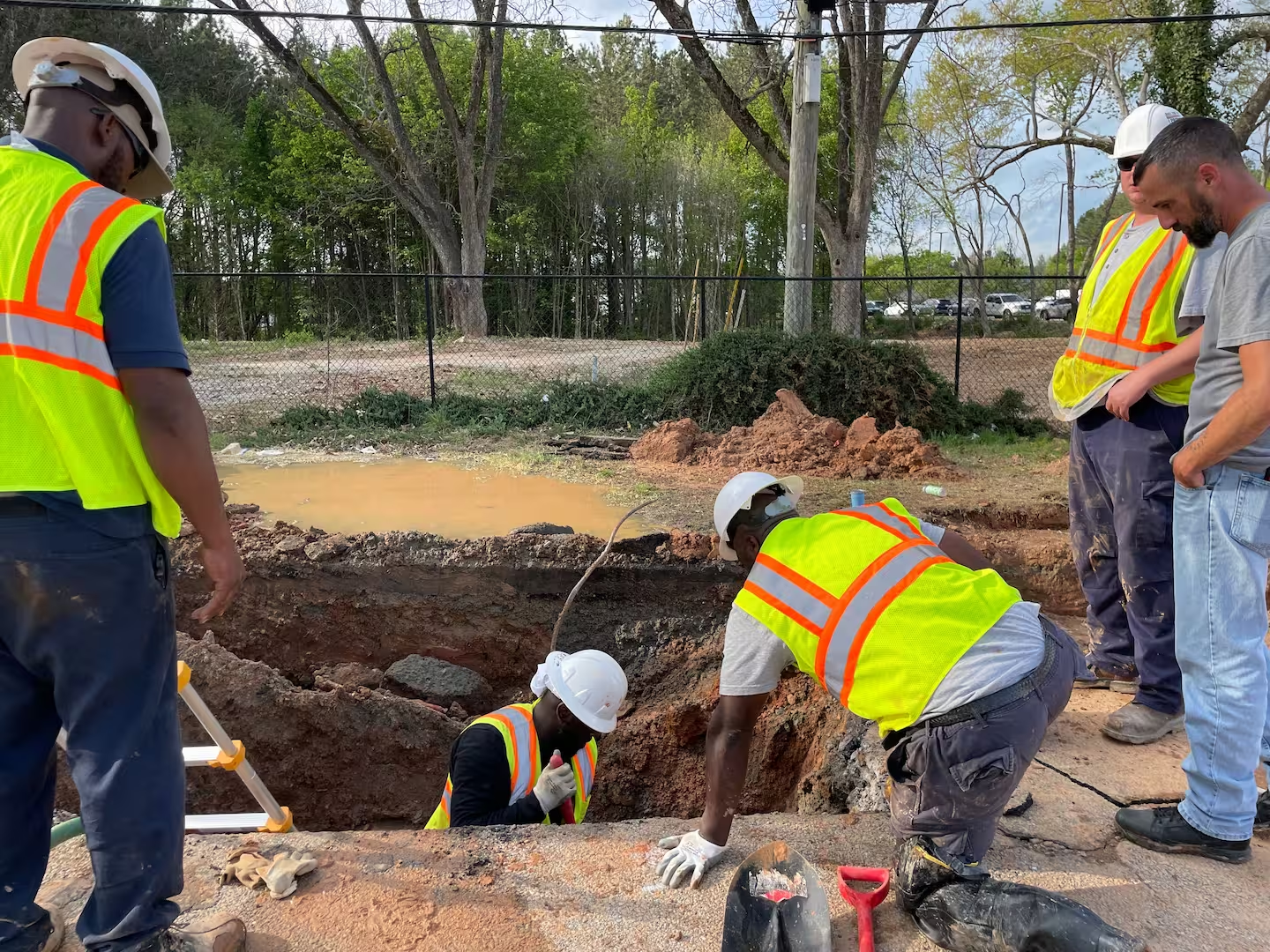
INDUSTRY INSIGHT
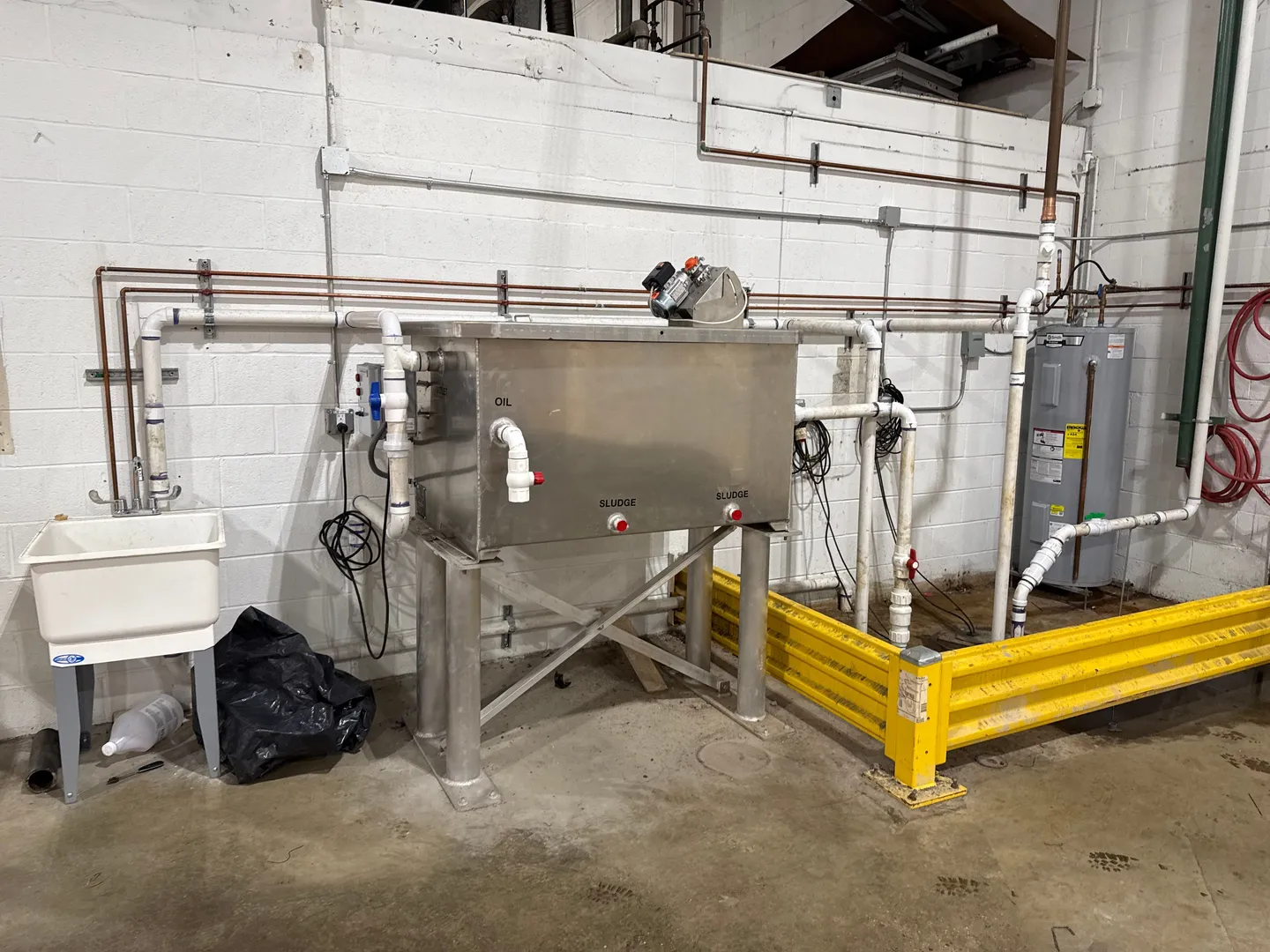
Municipal systems deal with everything the community sends their way. Lift stations, headworks, trucked waste, industrial discharges, food service grease and street runoff all contribute to oily, solids-laden wastewater that must be handled before it reaches sensitive equipment or downstream processes.
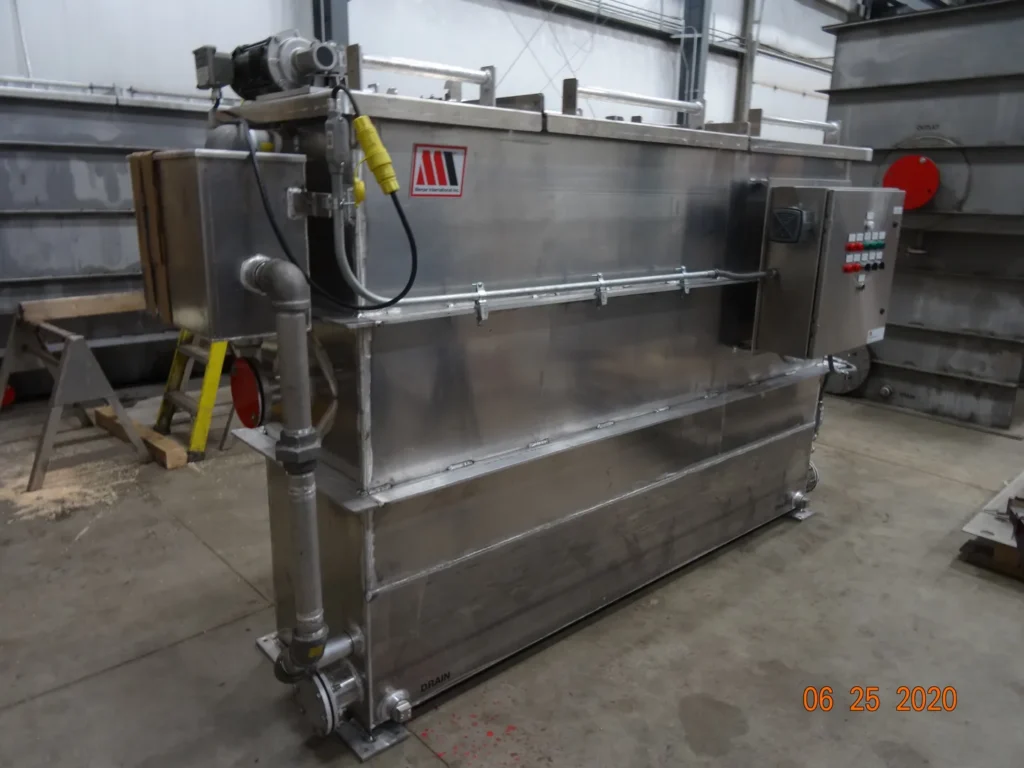
When free oil, fats, grease and grit make it past the front end, the impact is felt everywhere. Pumps foul, screens bind, clarifiers lose efficiency and the plant becomes more expensive to operate. Mercer separators remove the bulk of this material at the point it enters the system, cutting down on nuisance maintenance and protecting critical municipal assets.
Municipal wastewater contains a wide variety of contaminants, many of which include oils or grease. Typical contributors include:
Each source contributes differently, but they all create operational stress when oil and solids are allowed to scatter across the rest of the plant.
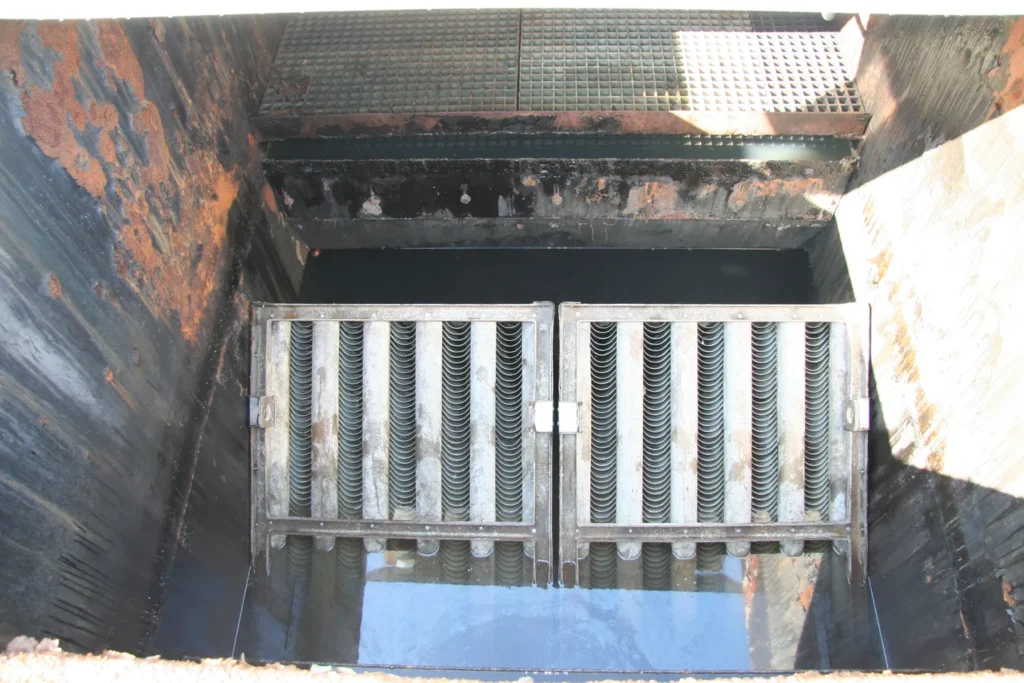
Municipalities often inherit infrastructure built decades ago. Many rely on basic scum pits or generic coalescers that are not designed for today’s mix of food-service FOG, industrial residuals and high-solids influent. Tightly spaced plastic coalescers foul quickly, which increases velocity through the plates and causes sudden drops in performance. Operators then face cleaning tasks that are labor intensive and unpleasant.
Without reliable primary removal, the problems continue downstream. Pumps experience more ragging and grease accumulation, primary clarifiers collect thick scum layers, DAF or mechanical systems run harder and the plant sees more chemical use and higher disposal costs. Small inefficiencies at the front become larger operational headaches throughout the facility.
Why Mercer
Mercer systems are commonly used:
Placement depends on flows, loading and infrastructure layout, but the role remains the same: capture oils and solids early to protect downstream municipal assets.
By removing free oil, grease and settleable solids before they reach pumps, screens or clarifiers, Mercer reduces equipment fouling, improves flow consistency and lowers the frequency of manual cleaning tasks.
Yes. Mercer systems capture free oils and grease before they move deeper into the treatment process, which helps mitigate the impact of upstream food-service contributors.
Yes. Dedicated settling zones and purge features keep solids out of the coalescer pack, improving long-term reliability.
Many CPI-style units have narrow plate spacing that blinds quickly with municipal FOG and solids. Mercer uses wider, open flow geometry that stays online longer and maintains separation efficiency.
In most cases, yes. By removing a significant portion of free oil and floatables early, the scum load on primary clarifiers decreases, improving overall plant efficiency.
