Above-Ground Oil-Water Separators
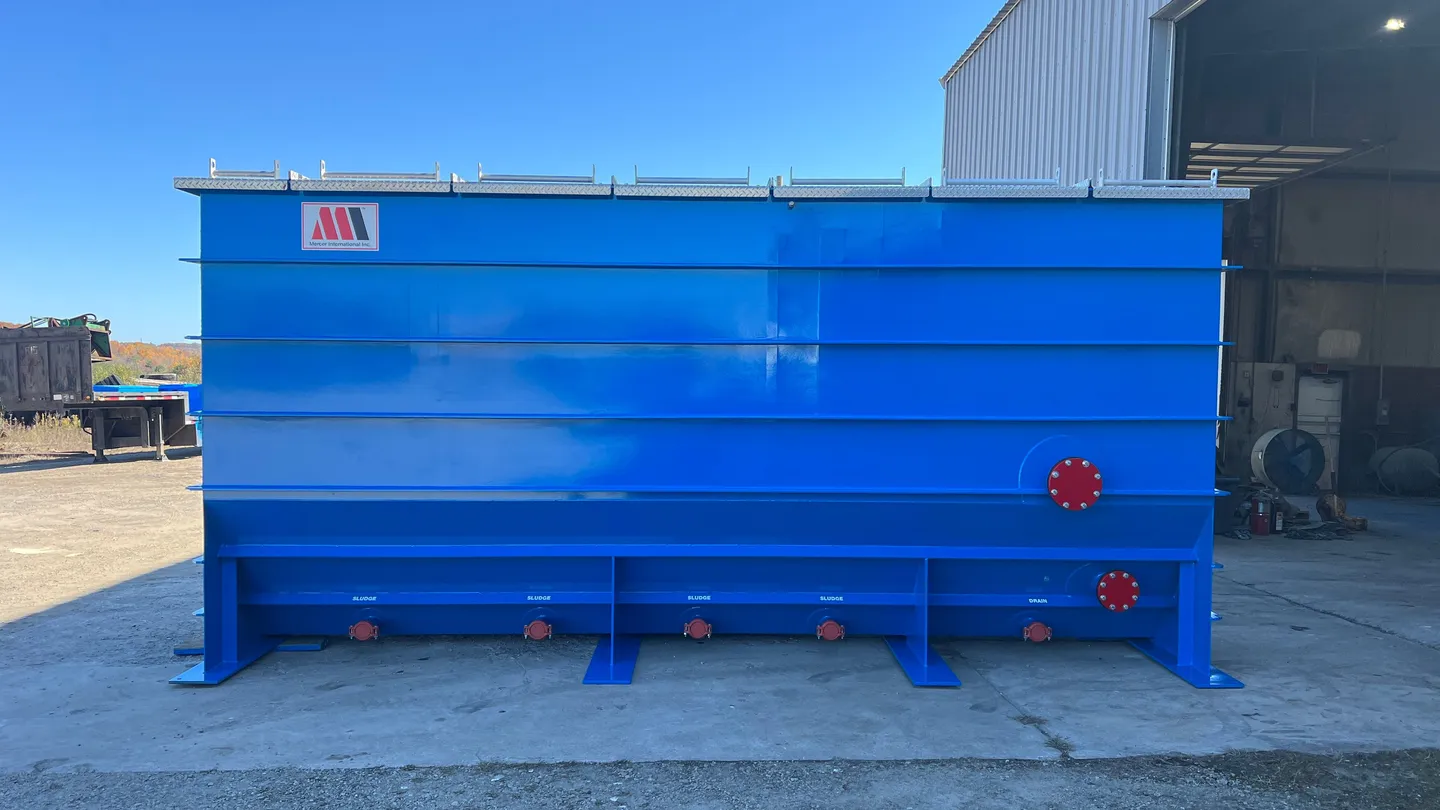
OPERATING TIER
Above-ground oil-water separators in the 150, 200, 300 GPM range are typically selected for continuous industrial and utility applications where solids, fouling, and maintenance realities quickly expose weak designs.
At this flow range, separators don’t fail because gravity separation “doesn’t work.” They fail because internal components foul, cleaning becomes impossible, and systems are sized or specified without regard for predictable and modeled wastewater behavior.
Mercer’s 150–300 GPM above-ground separators are designed for wastewater that contains various oils, solids, temperature variation, and flow variability — not idealized influent assumptions.
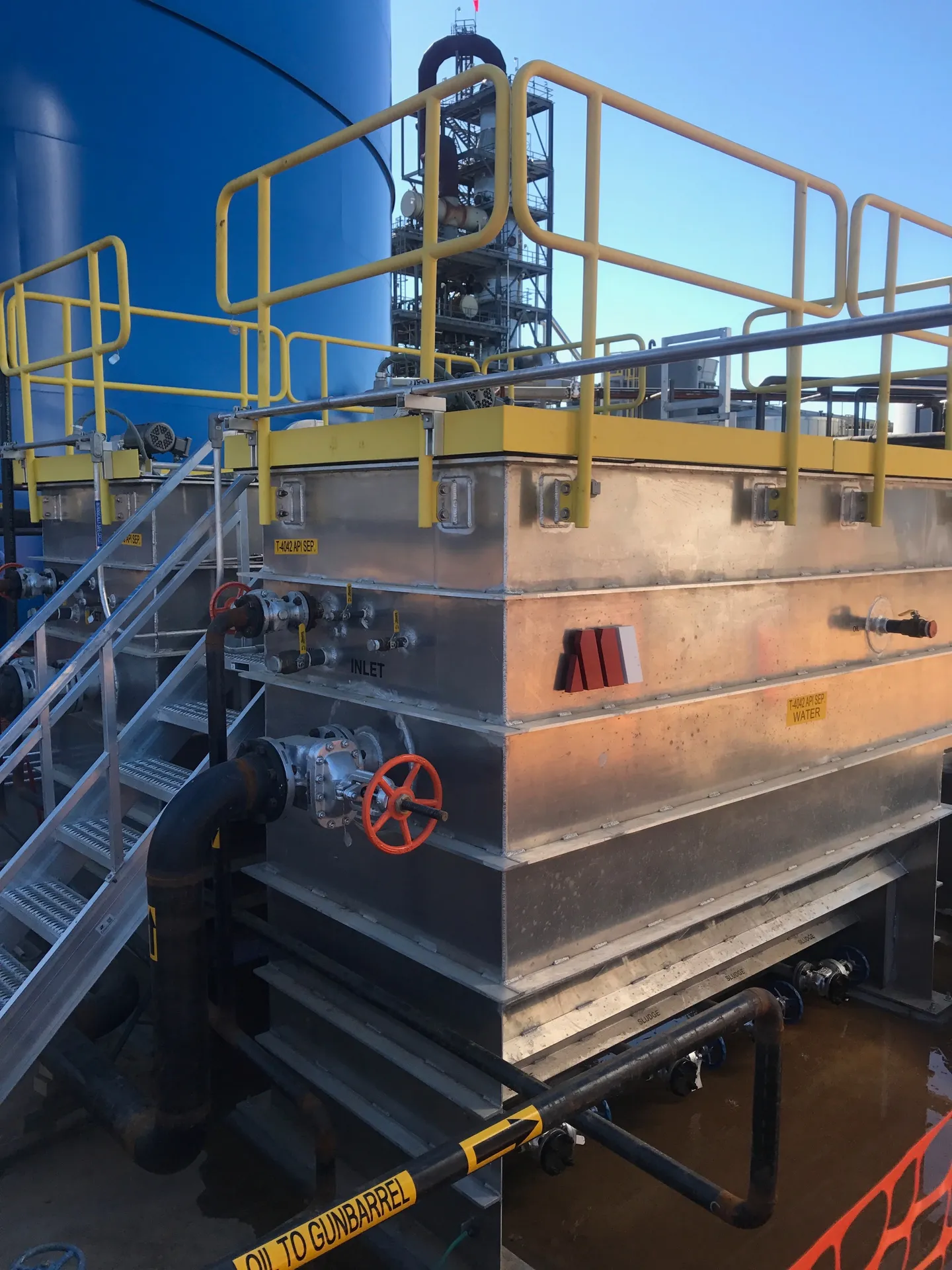
Mercer has built, installed, and supported separators in this size range — repeatedly, across real operating environments.
Built To Scale
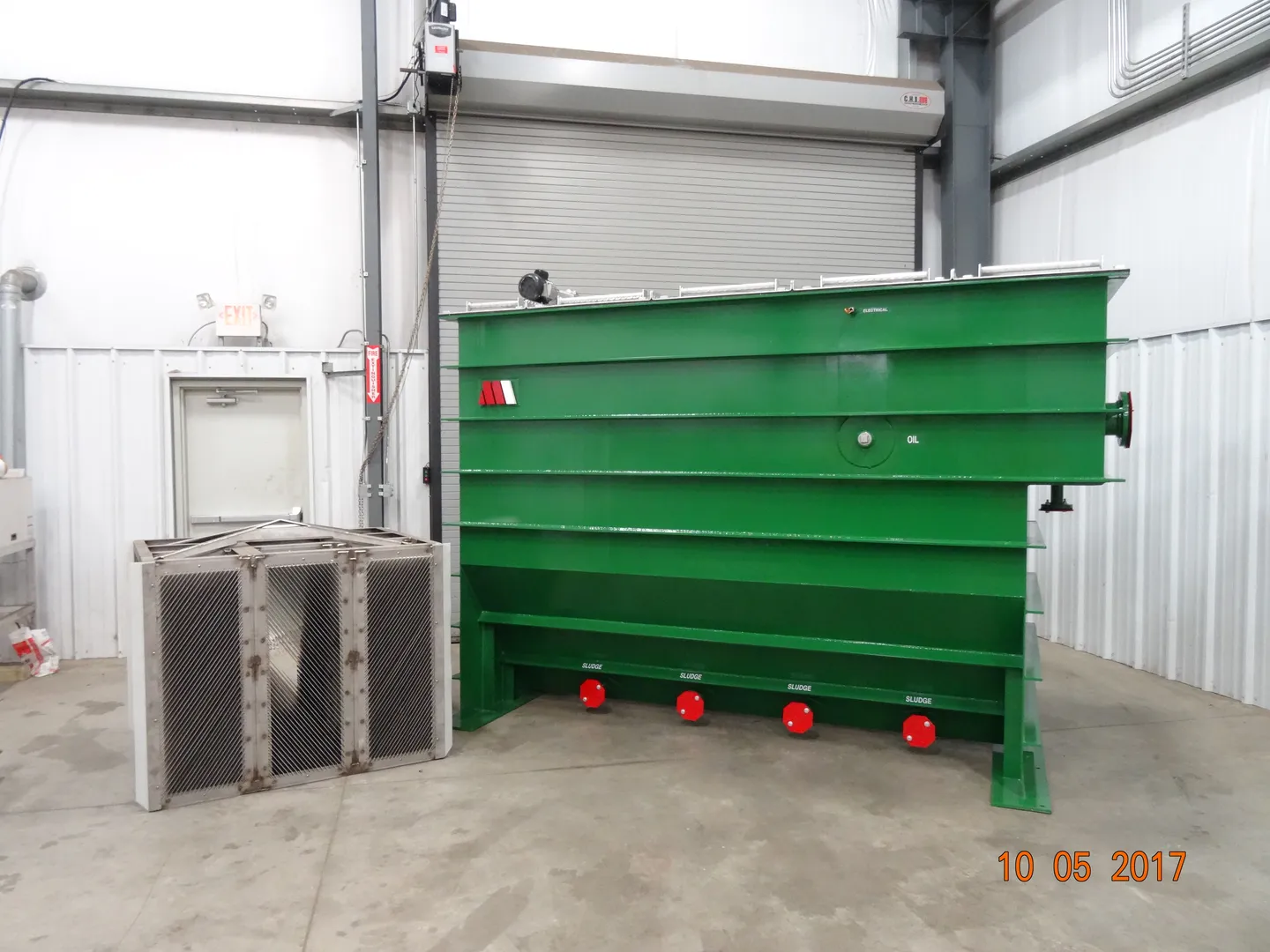
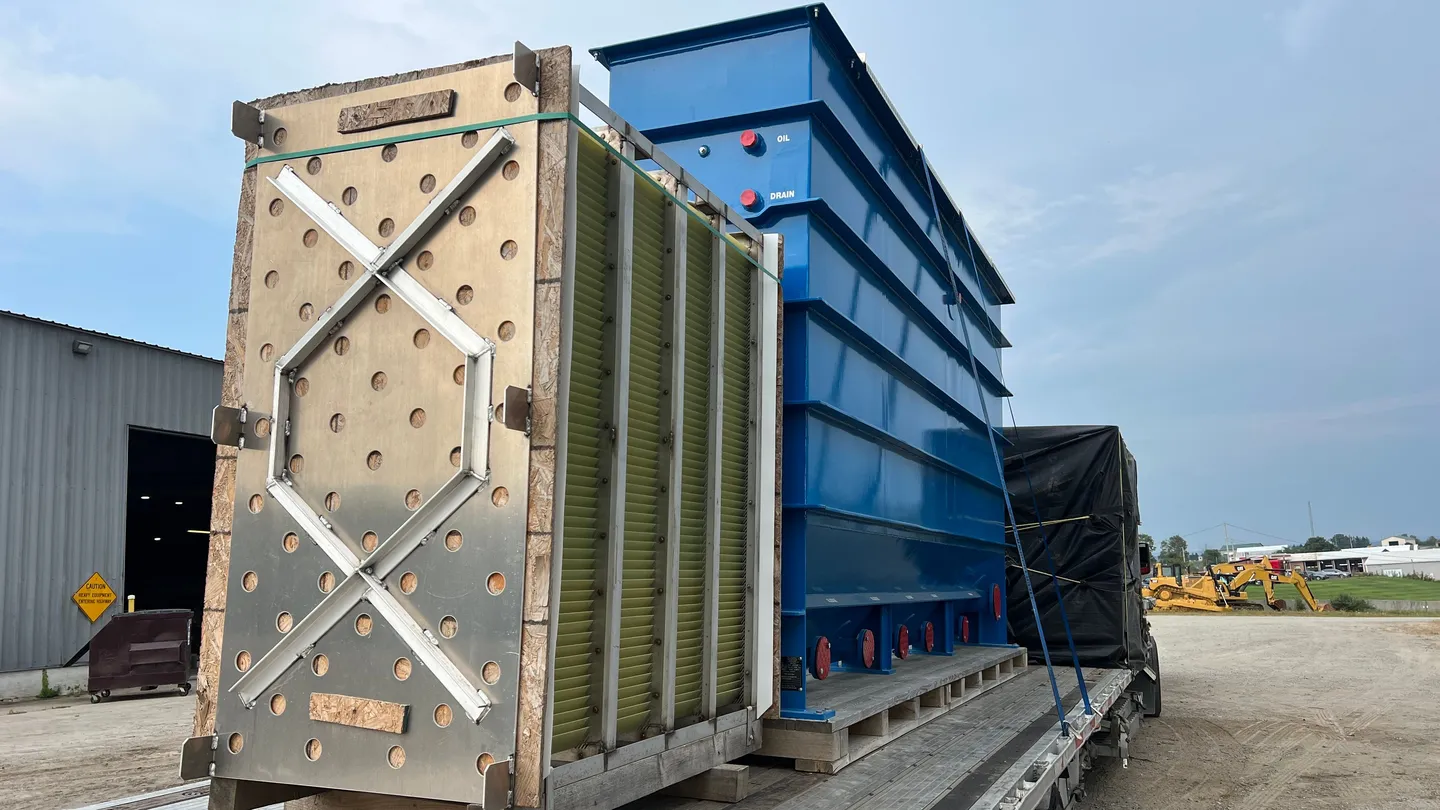
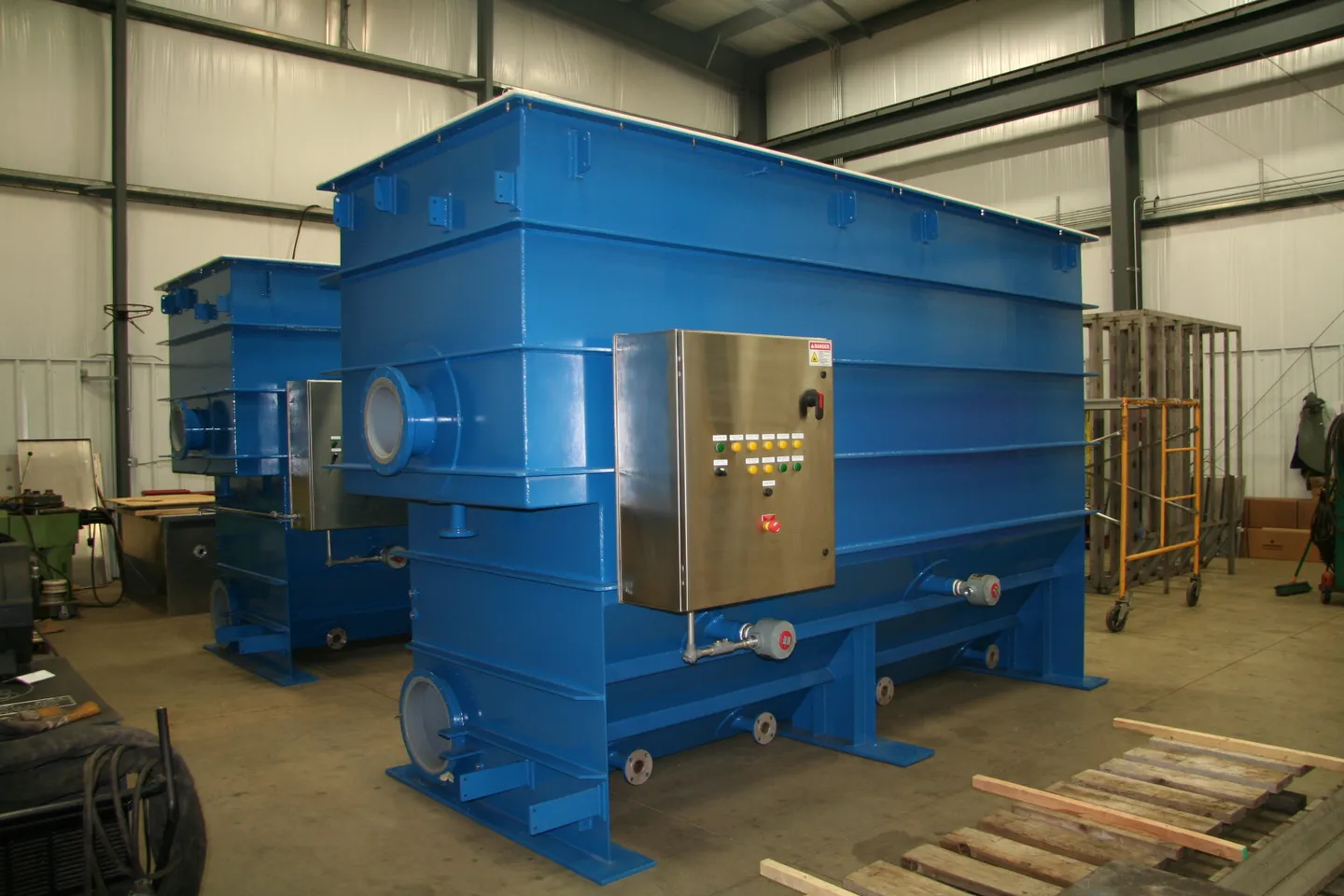
Please Note: Exact materials, dimensions, and configurations vary by application. Carbon steel construction is typically introduced at higher flow ranges where structural requirements dictate.
FIELD-PROVEN SYSTEMS
You should not have to click through galleries to determine whether a manufacturer has experience at this scale.
The installations below represent actual 150–300 GPM Mercer systems, deployed in diverse operating conditions.
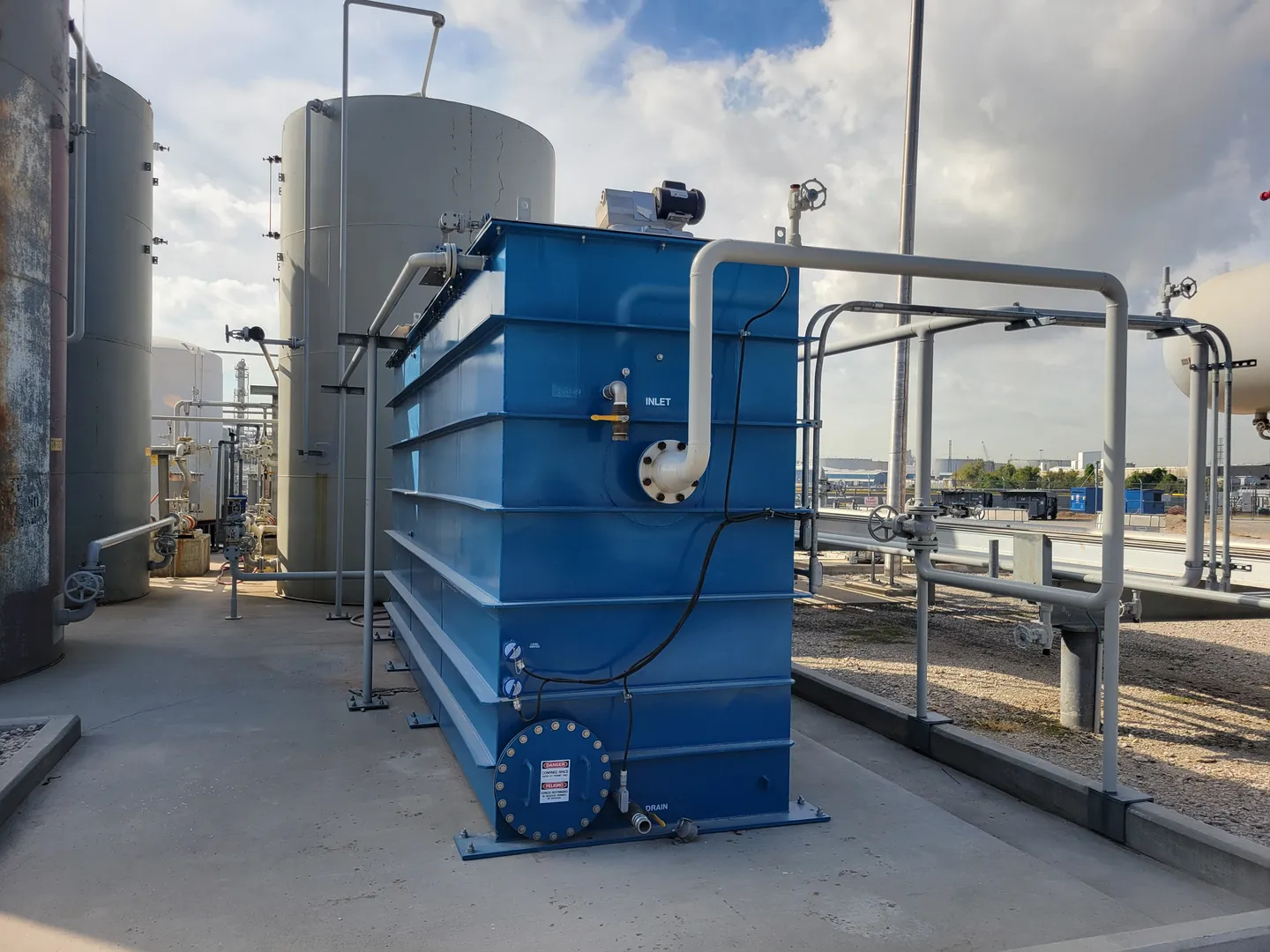
Above Ground
150, 200, 300 GPM
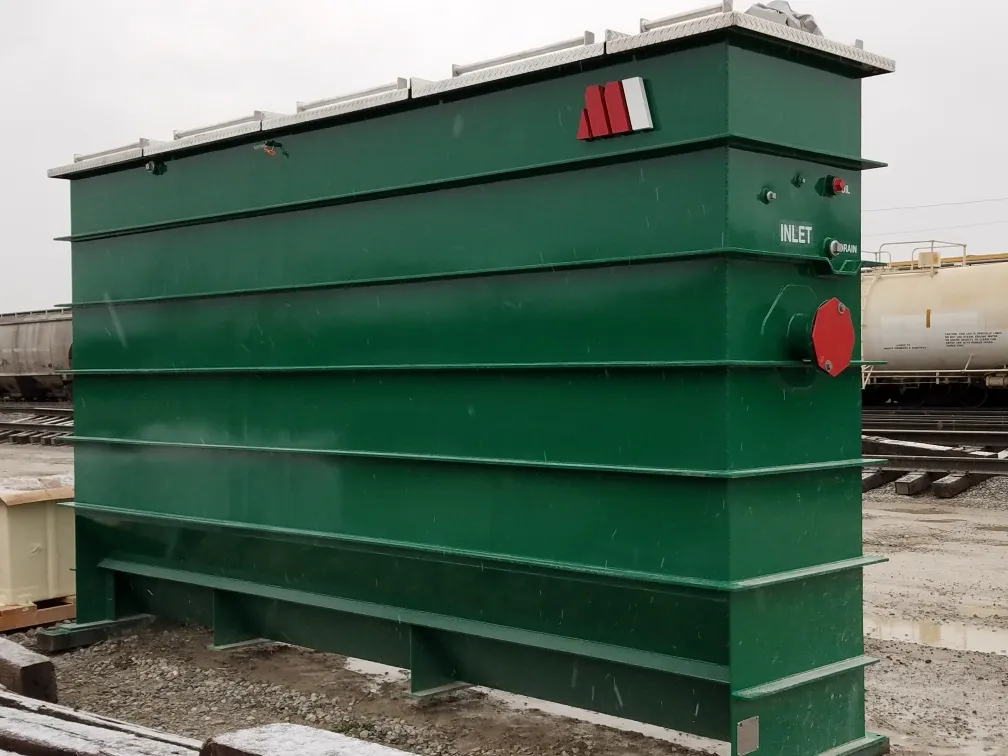
Above Ground
150, 200, 300 GPM
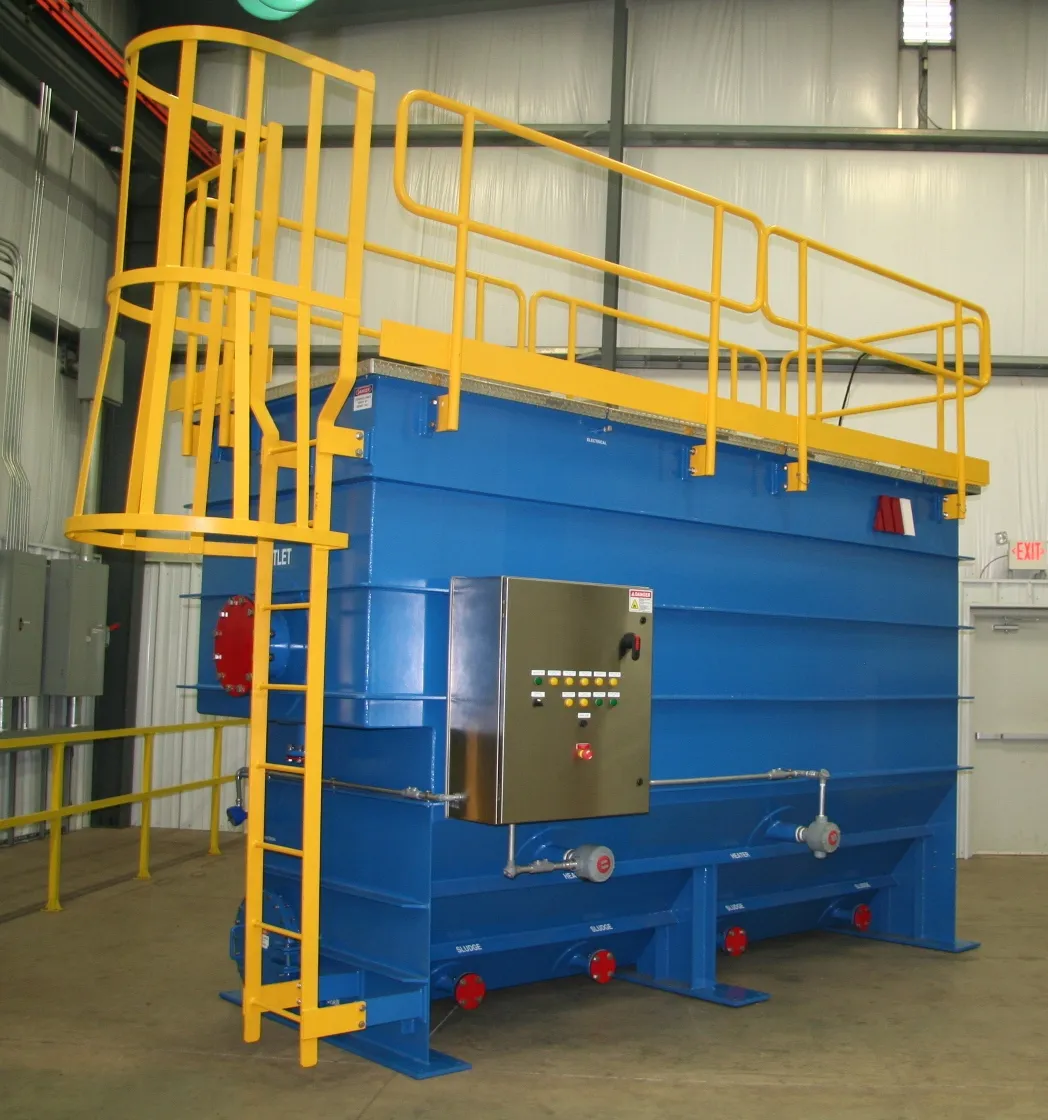
Above Ground
150, 200, 300 GPM
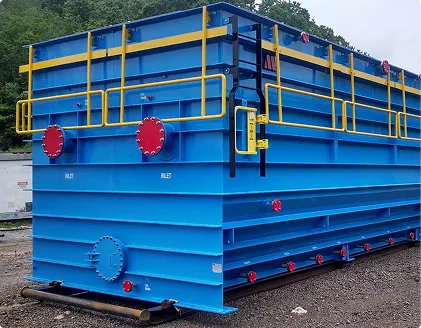
Above Ground
150, 200, 300 GPM
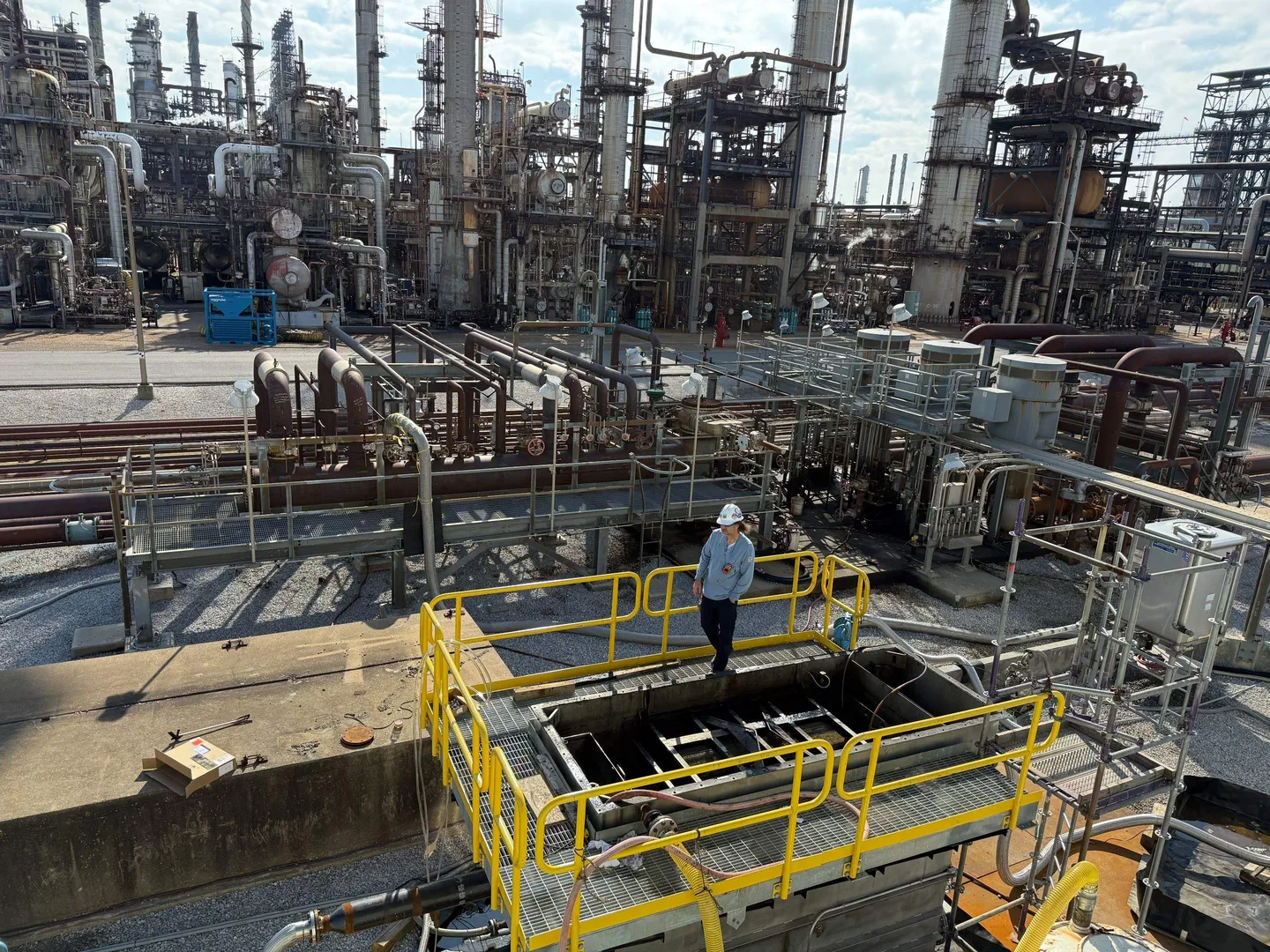
Above Ground
150, 200, 300 GPM
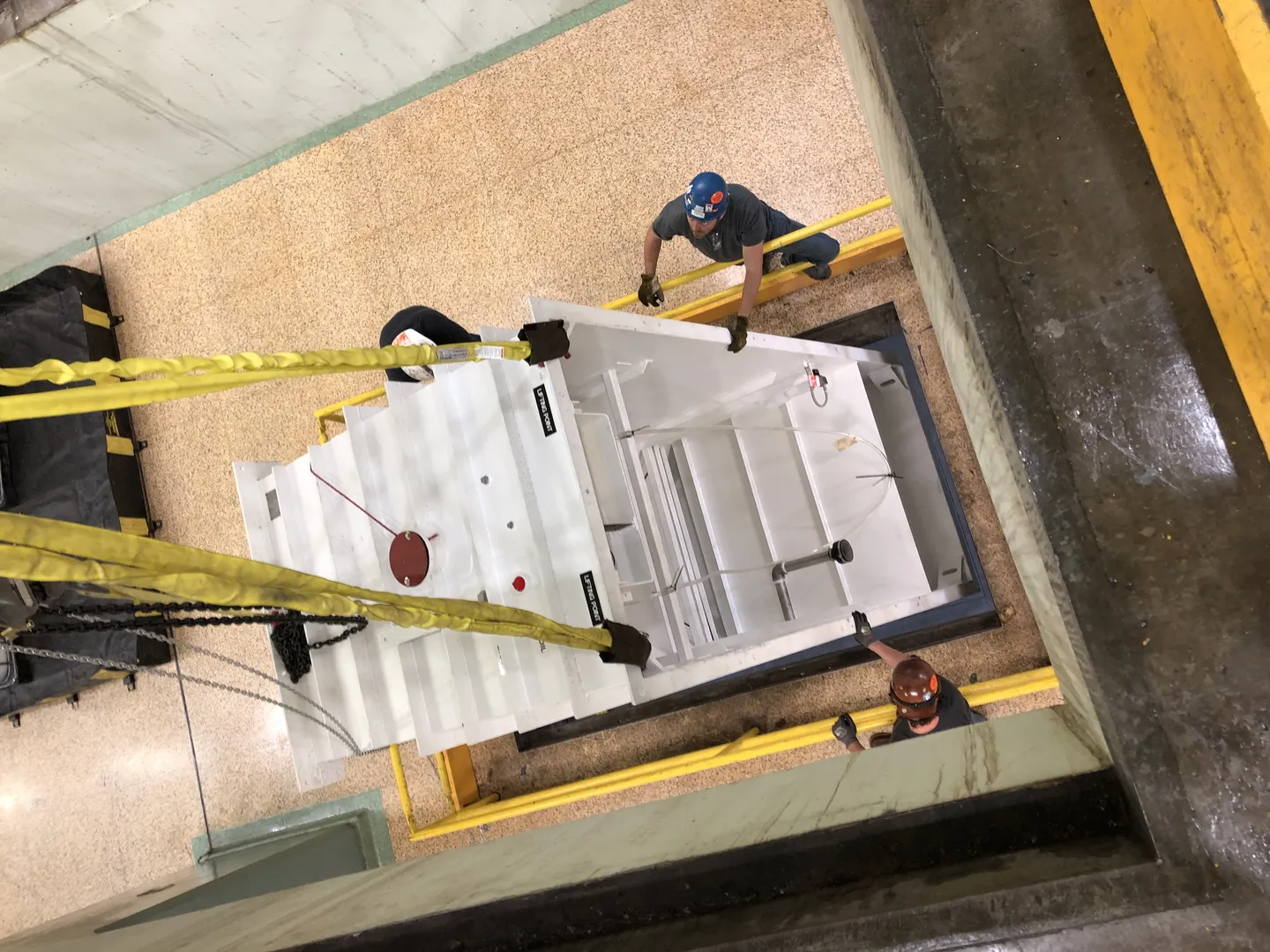
Above Ground
150, 200, 300 GPM
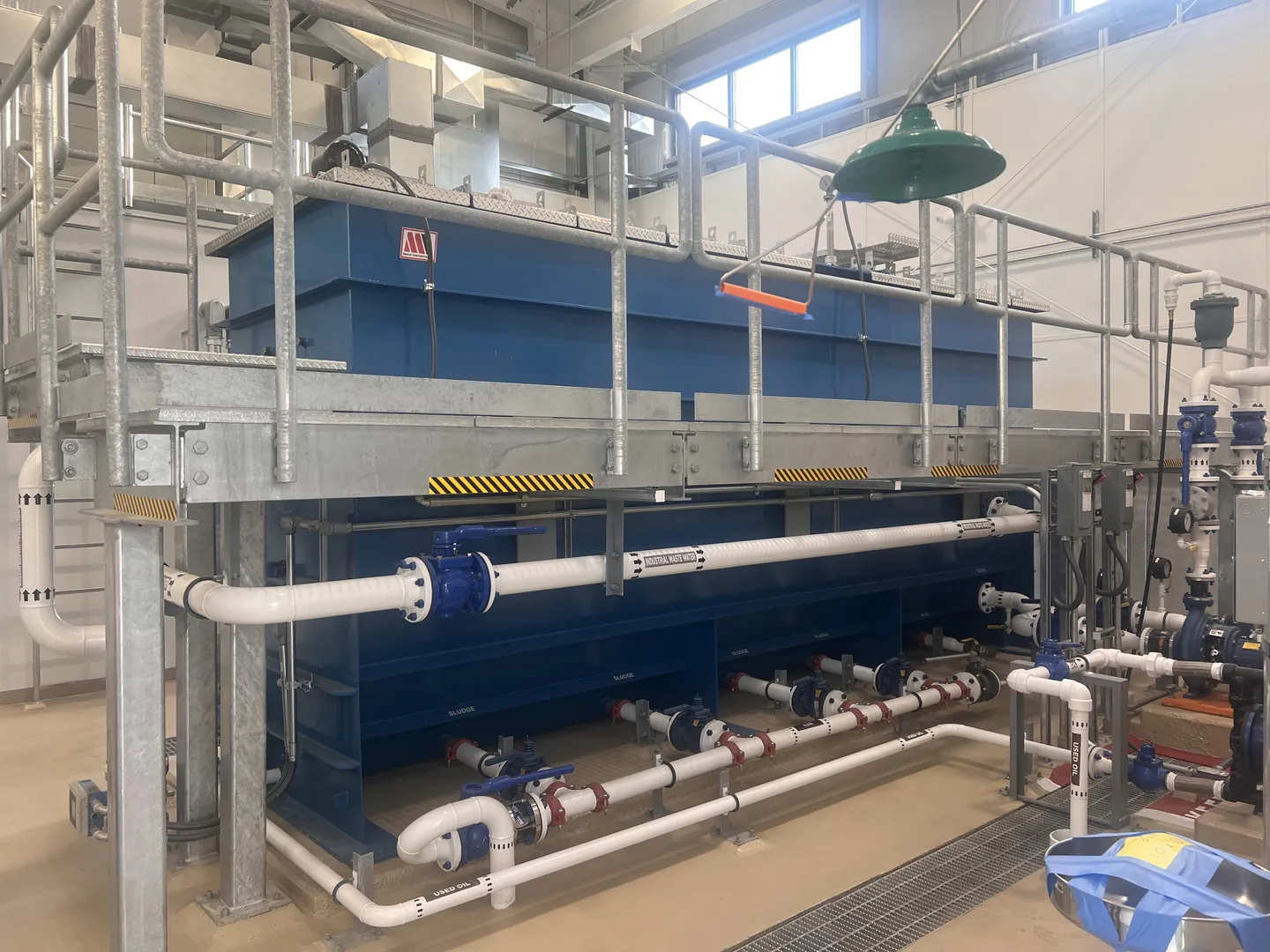
Above Ground
150, 200, 300 GPM
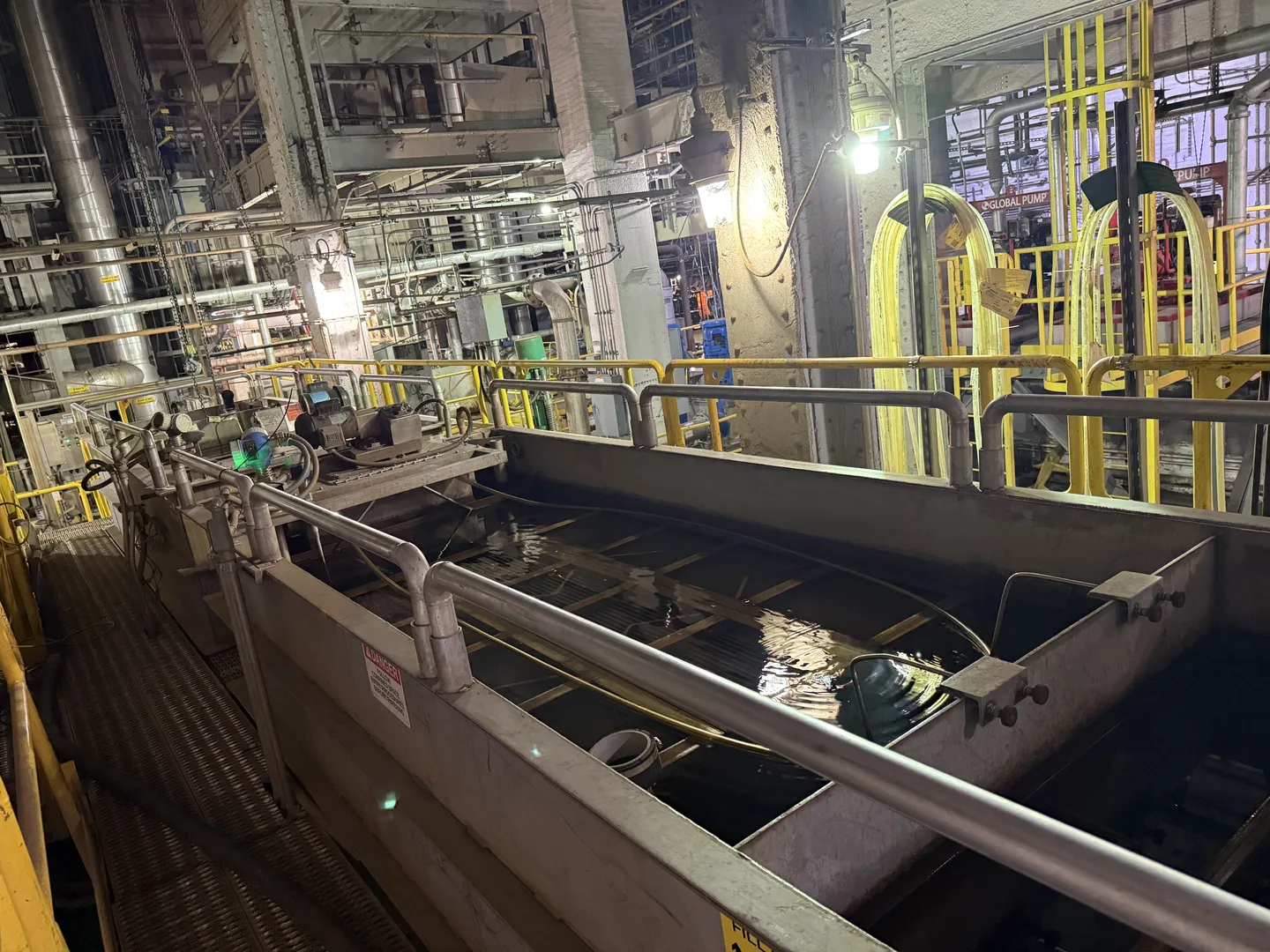
Above Ground
150, 200, 300 GPM
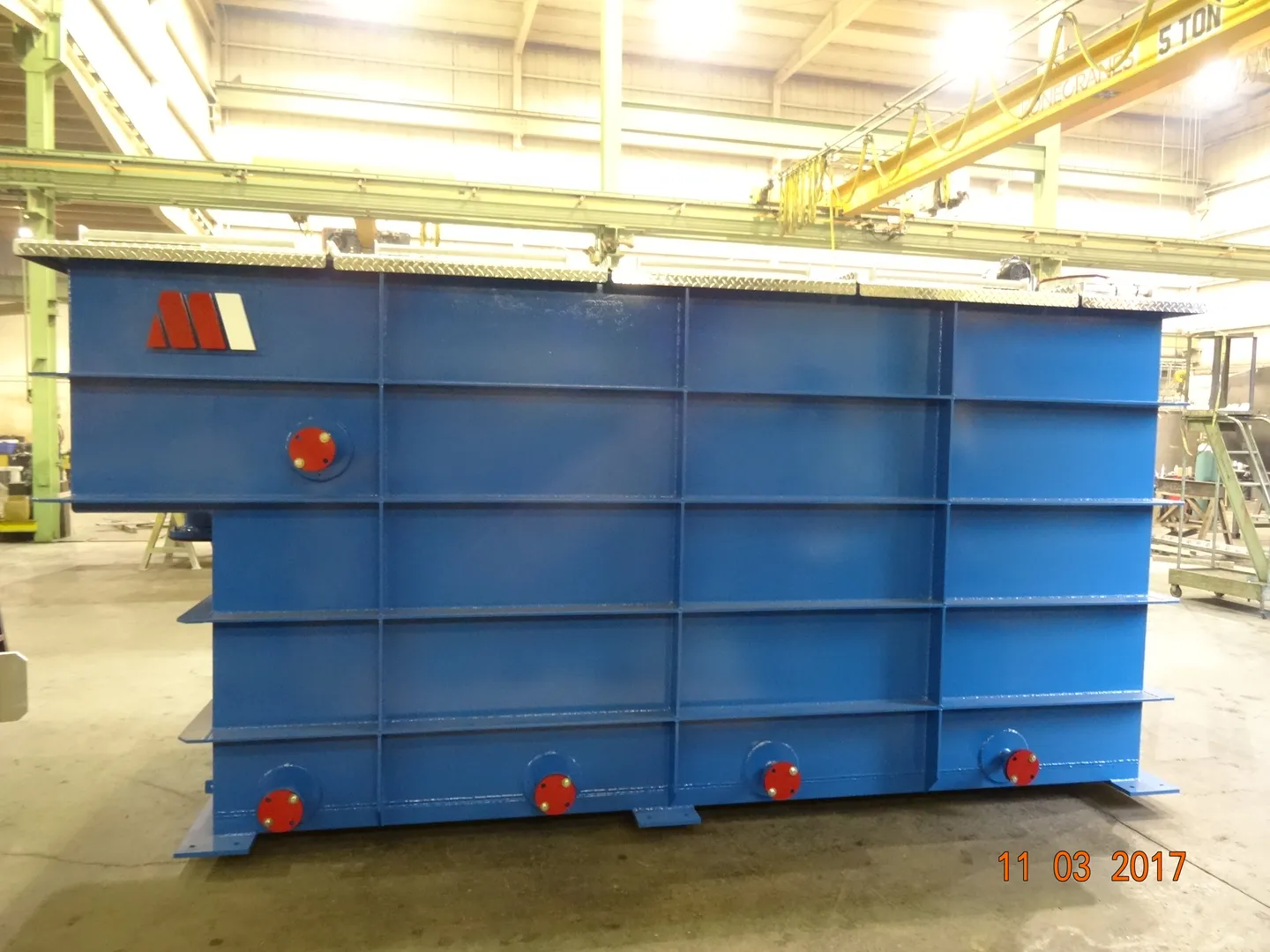
Above Ground
150, 200, 300 GPM
TRUSTED BY INDUSTRY LEADERS
A small sampling of companies withThe following organizations have operated Mercer separators within the 150–300 GPM family range.





































































ENGINEERED TO SOLVE
Flow rate is a label. Operating scale is the reality.
CORE TECHNOLOGY
A tank provides residence time.
Separation performance is determined by what happens inside the coalescer.
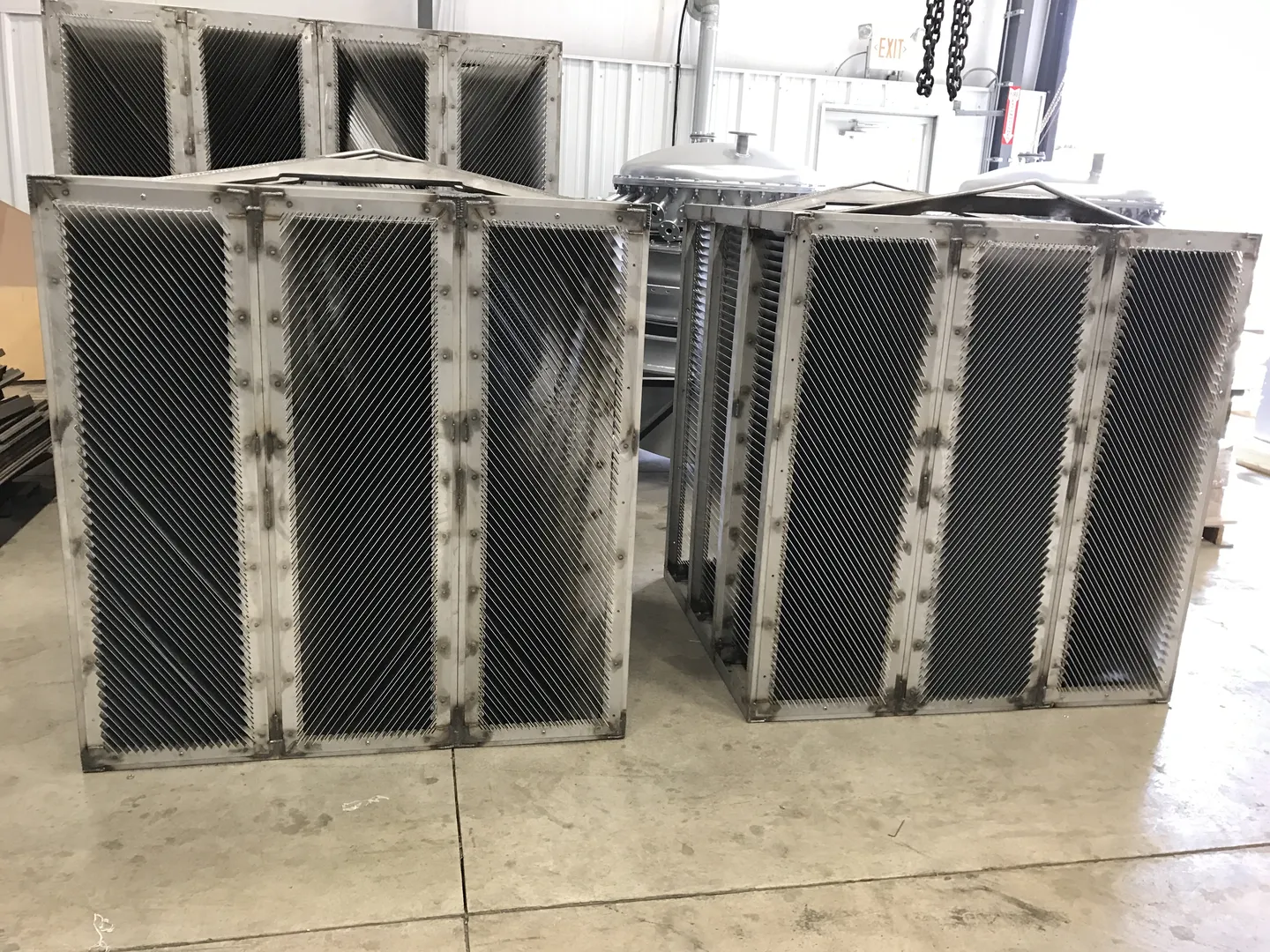
Mercer’s Multi-Pack™ coalescer is not generic media. It is a purpose-engineered separation system built around five core design elements that control oil rise, solids shedding, hydraulic stability, and real-world maintainability—especially in applications where small systems are easy to ignore until they fail.
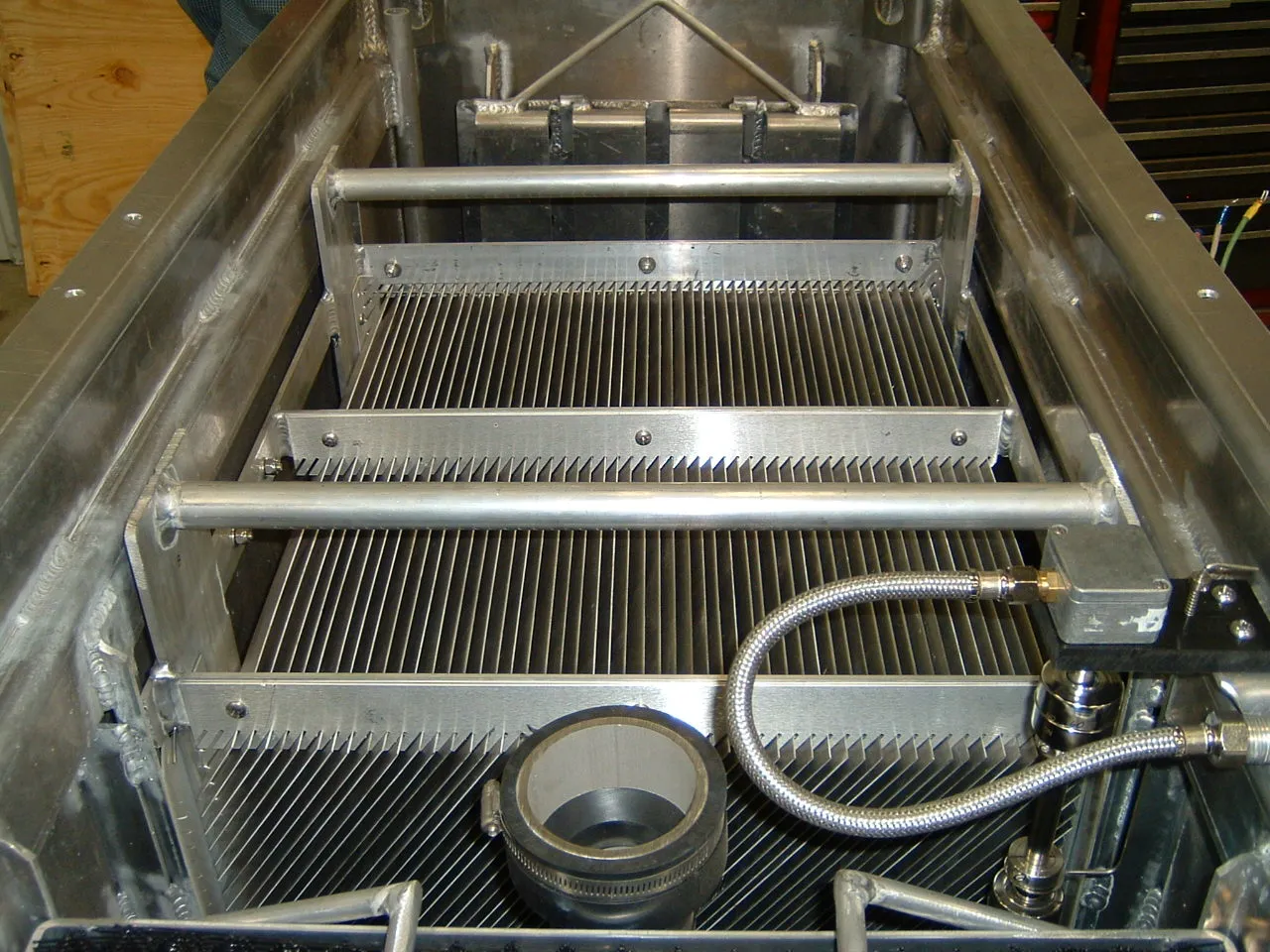
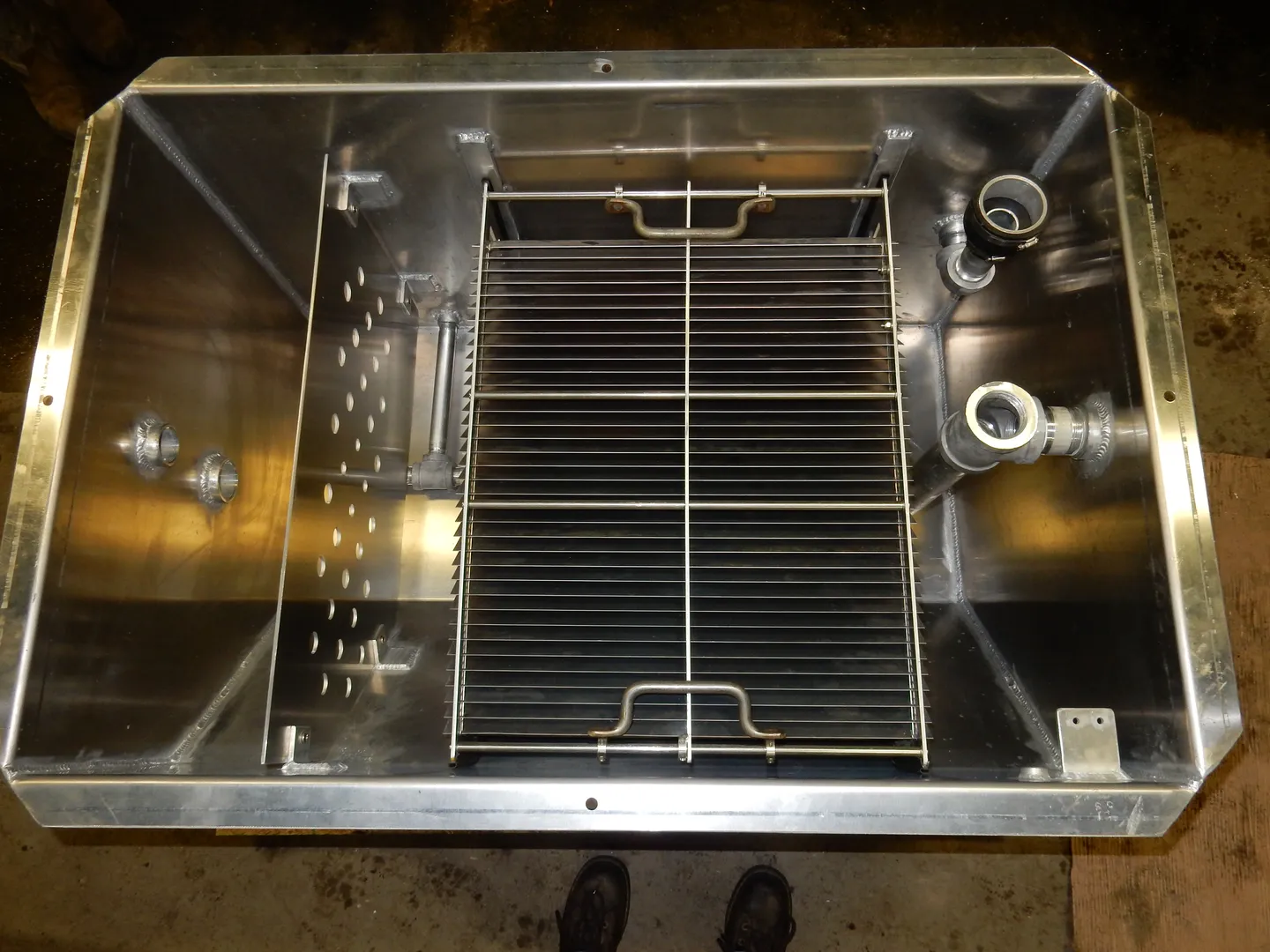
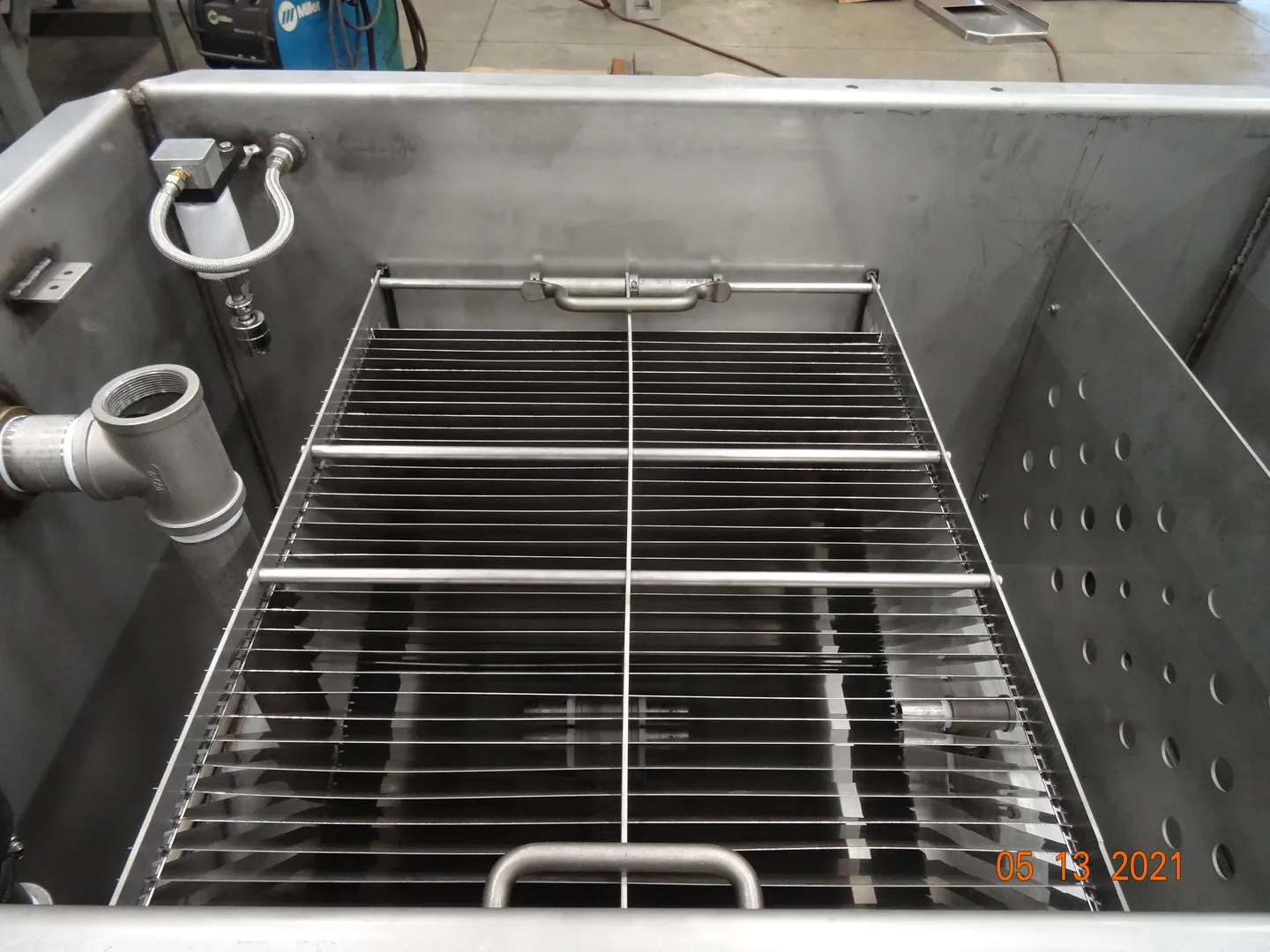
The Multi-Pack™ uses flat, steep-angled plates rather than corrugated or honeycomb media. Flat plates support predictable droplet capture while allowing solids to shed cleanly instead of lodging in pockets that quietly choke performance over time.
Learn MorePlate spacing can be adjusted beyond or below standard spacing to tune separation performance to actual conditions—oil type, temperature and viscosity effects, solids behavior, and desired maintenance intervals.
Learn MorePlates are arranged in a herringbone configuration that organizes internal flow paths and segregates areas where oils rise from areas where solids settle. This stabilizes hydraulics when flows cycle on and off, which is common in low-GPM applications.
Learn MoreAs oil coalesces and solids shed from the plates, they enter dedicated Chimney Zones™ designed for separation—not turbulence. These quiescent chambers allow oils to rise and solids to settle without re-entrainment, even during solids spikes.
Learn MoreThe Multi-Pack™ is fully removable as a single assembly. Operators can remove the pack, visually inspect it, clean it, and return it to service without dismantling internals or replacing disposable media.
There has never been a Multi-Pack™ removed from a tank where operators could not see through to the opposite side before cleaning begins. Surface films may be present. Clogged pockets are not.
Learn MoreAll at no cost to you.
We walk your site, capture real influent data if needed, engineer a custom separator from your worst-case scenario, and validate performance before fabrication. Only after the data confirms it do we issue a written guarantee. That’s how risk is removed.
PROVEN LONGEVITY
Built to Stay in Service
Many Mercer systems in this flow range were installed years ago and remain in continuous operation today. These are not retired units—they are active separators still managing oil and solids under real operating conditions.
Longevity at this scale reflects internal designs that can be inspected, cleaned, and maintained over time rather than replaced.
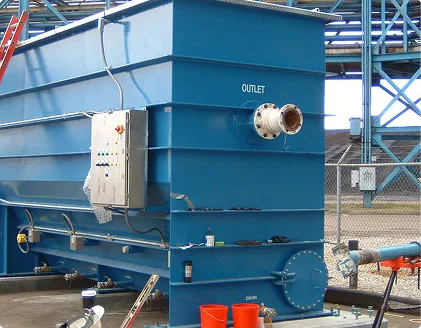
Above Ground
400 GPM

Above Ground
400 GPM
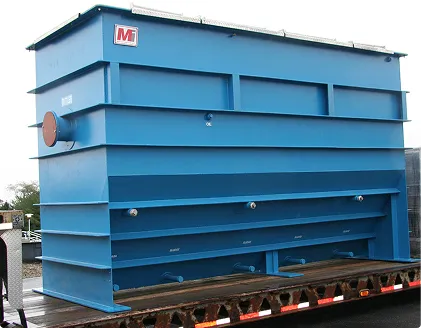
Above Ground
400 GPM
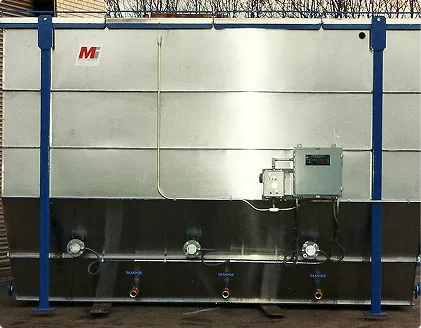
Above Ground
400 GPM
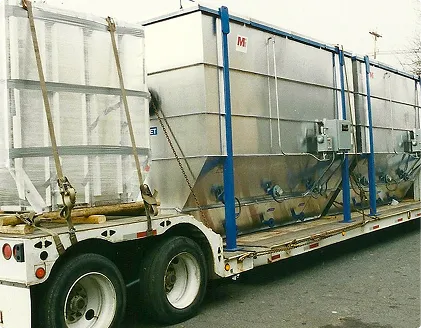
Above Ground
400 GPM
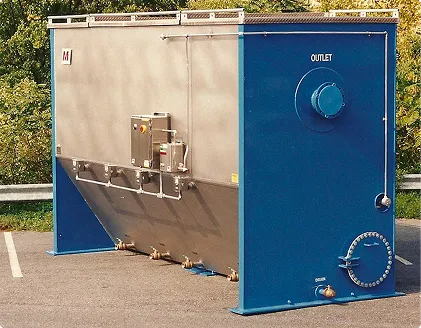
Above Ground
400 GPM
INDUSTRY APPLICATIONS
Above-ground oil-water separators in the 150–300 GPM range are deployed in operations where wastewater treatment is continuous, not intermittent, and where solids loading, oil characteristics, and maintenance access determine long-term performance more than nominal flow rate.
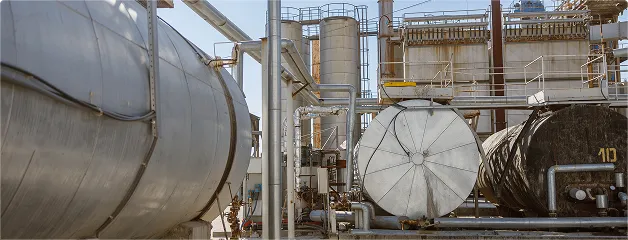
In power generation facilities using heated oils and heat exchanger systems, leaks combined with solids-bearing environments create fouling conditions that overwhelm conventional separators. Mercer systems have been selected to reduce maintenance frequency while maintaining discharge compliance.
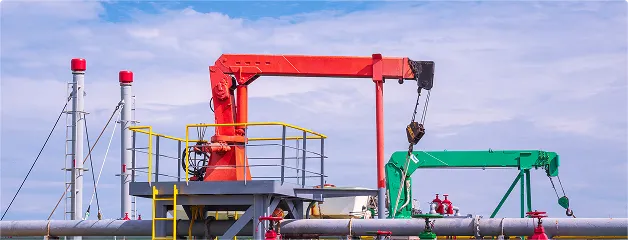
Large oil and gas operators have used Mercer separators in this range to manage high-solids wastewater from the well head, through the pipeline, and on through the distillation columns.Solids plague this journey, and the Multi-Pack™ is the only coalescer that can stand up to these sticky, viscous, and clustered solids.
Systems in this flow range are rarely “plug-and-play.”Before equipment is finalized, Mercer evaluates real operating data, discharge expectations, and compliance exposure to determine whether a single separator, staged treatment, or supporting technologies are required.Talk to Mercer early in the process to prevent downstream performance gaps, retrofits, or permit-driven surprises.
Talk to Mercer about your application.Most failures at this scale are not design errors — they are assumption errors. Real flows vary, solids behave unpredictably, and operating conditions drift over time. When these factors are not accounted for, performance degrades quietly until compliance is lost.
Mercer designs systems in this range to tolerate variability, not just steady-state operation. Inlet control, internal zoning, and conservative hydraulic loading are used to maintain separation performance during peak flows, washdowns, and transient events.
At 150–300 GPM, theoretical performance is not enough. Mercer emphasizes field testing, auditability, and verifiable operating conditions so owners are not relying solely on design intent or vendor claims.
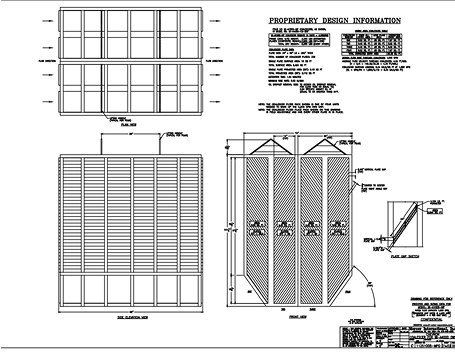
Tell us about your project and we’ll provide the right configuration drawings for your site and flow conditions.
request a free audit
Provide your project details and we’ll share the full technical specs relevant to your operating conditions.
request a free audit