OPERATING TIER
Above-ground oil-water separators in the 50–100 GPM range are often selected for applications where wastewater volumes appear modest, but operating realities quickly expose weak separator designs.
At this flow range, separators do not fail because gravity separation “doesn’t work.” They fail because internal components foul, access for inspection is limited, and systems are selected by nameplate flow rather than real wastewater behavior.
Mercer’s 50–100 GPM separators are engineered for wastewater that includes free oil, suspended solids, temperature variation, and fluctuating flow conditions—not idealized influent assumptions. These systems are designed for continuous or high-frequency operation where uptime, serviceability, and predictable performance matter.
Built To Scale
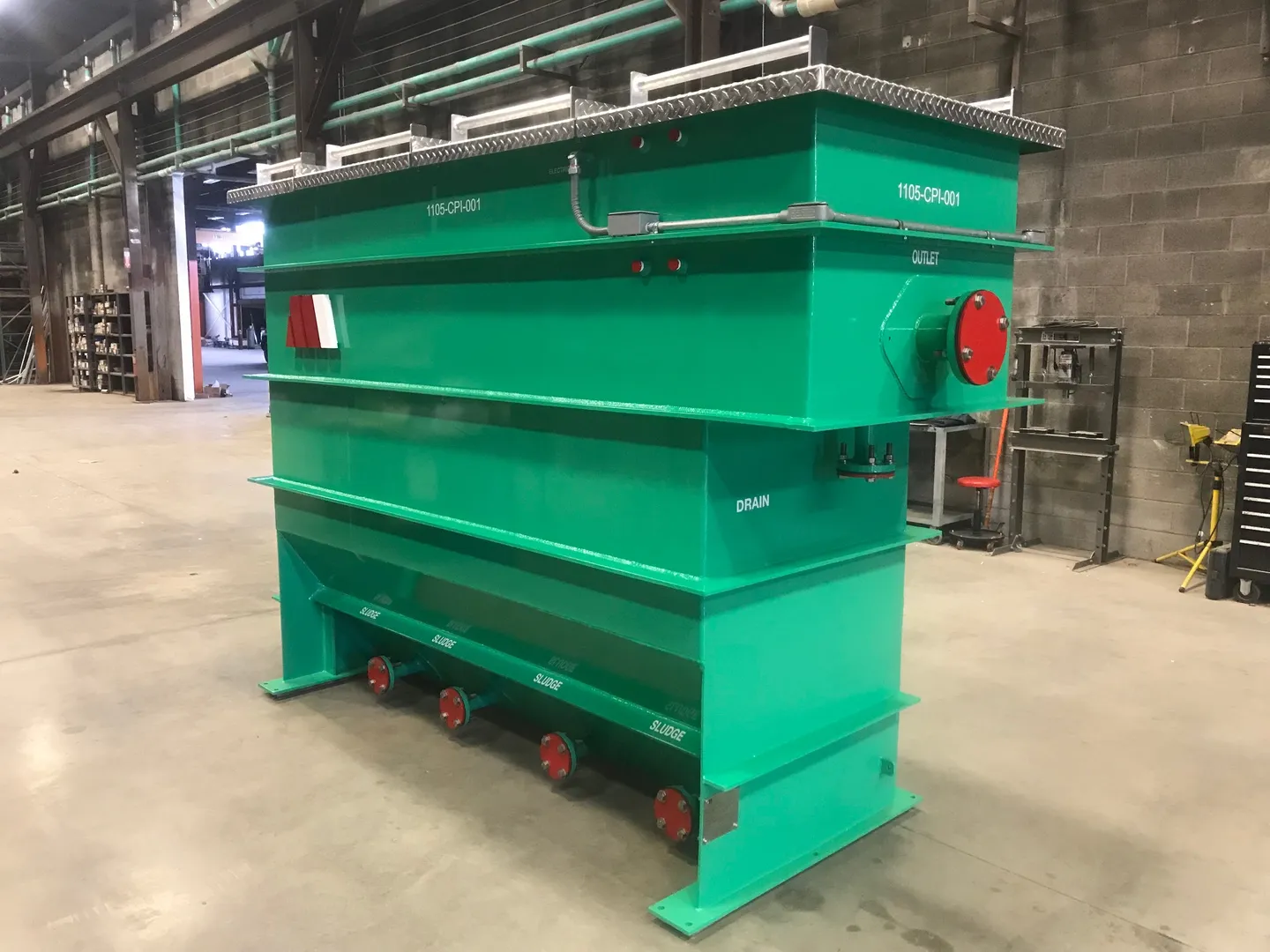
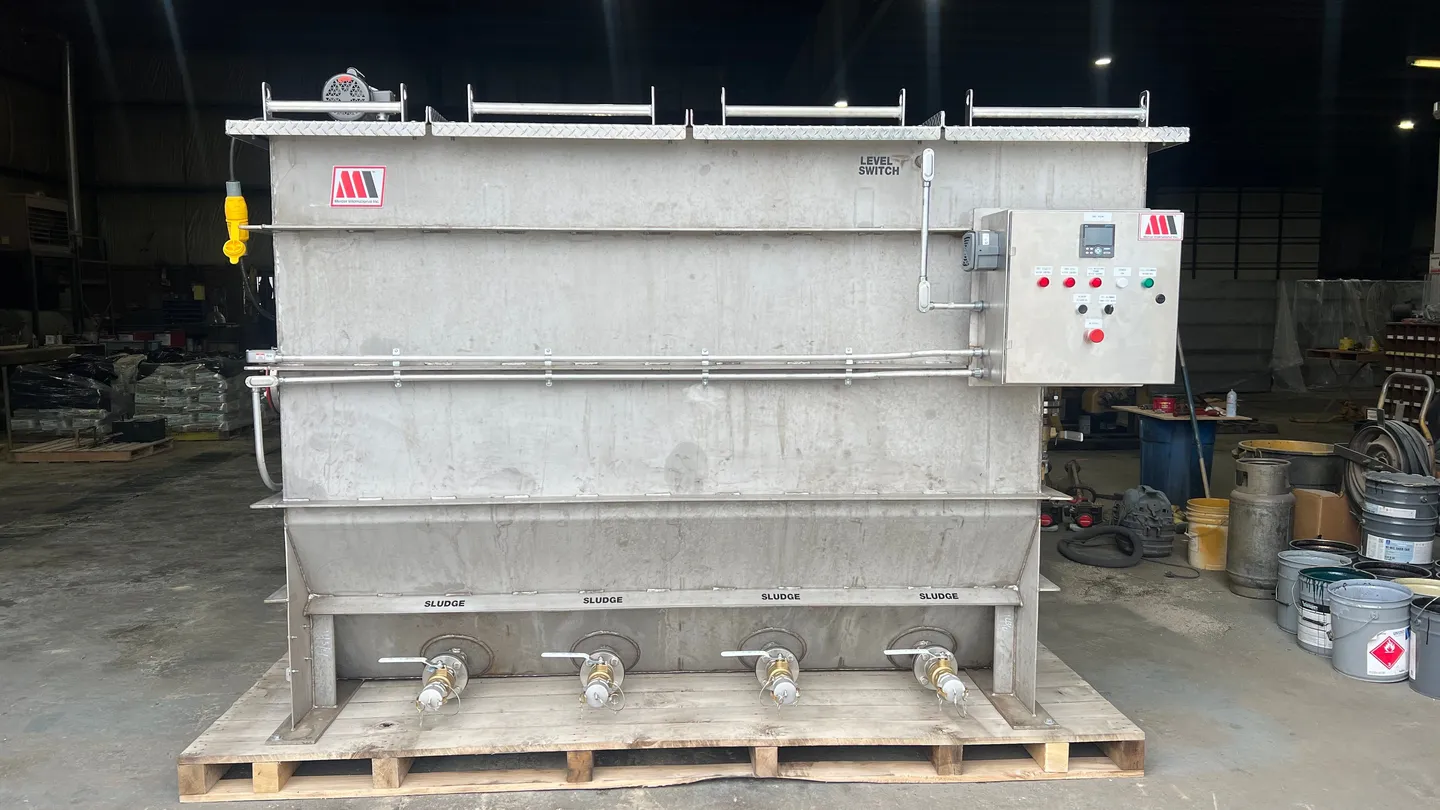
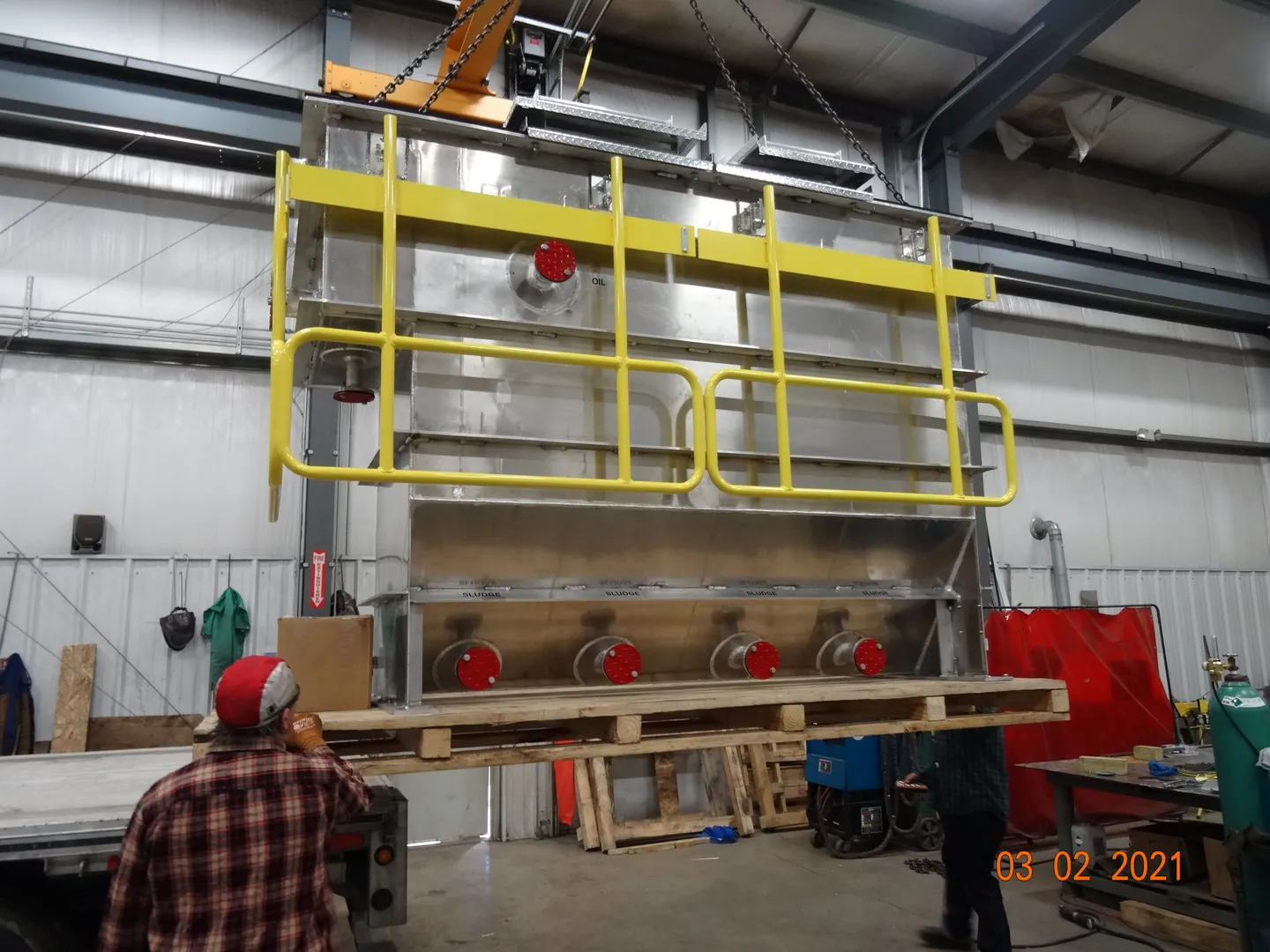
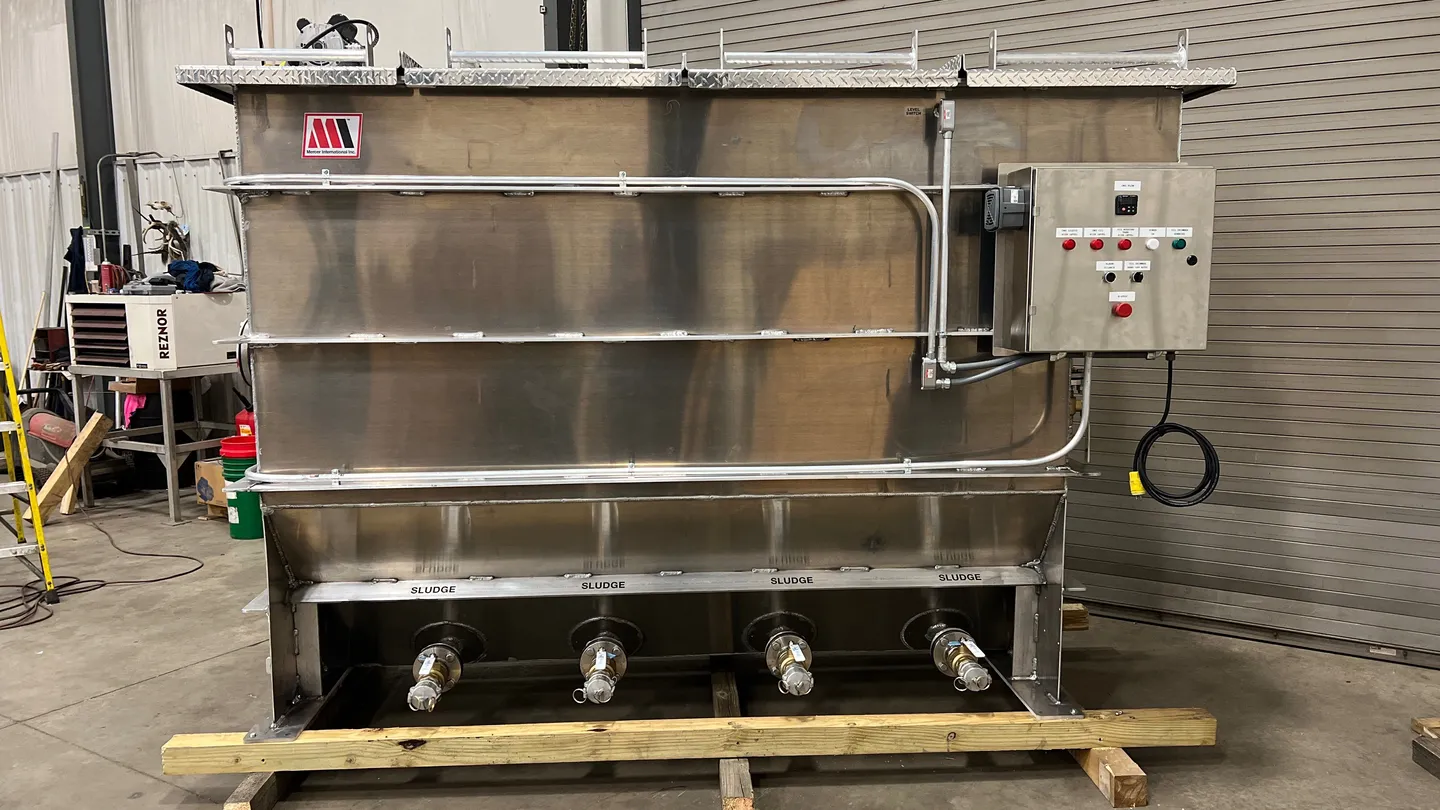
Please Note: Exact materials, dimensions, and configurations vary by application. Carbon steel construction is typically introduced at higher flow ranges where structural requirements dictate.
FIELD-PROVEN SYSTEMS
At this scale, experience is visible—or it isn’t.
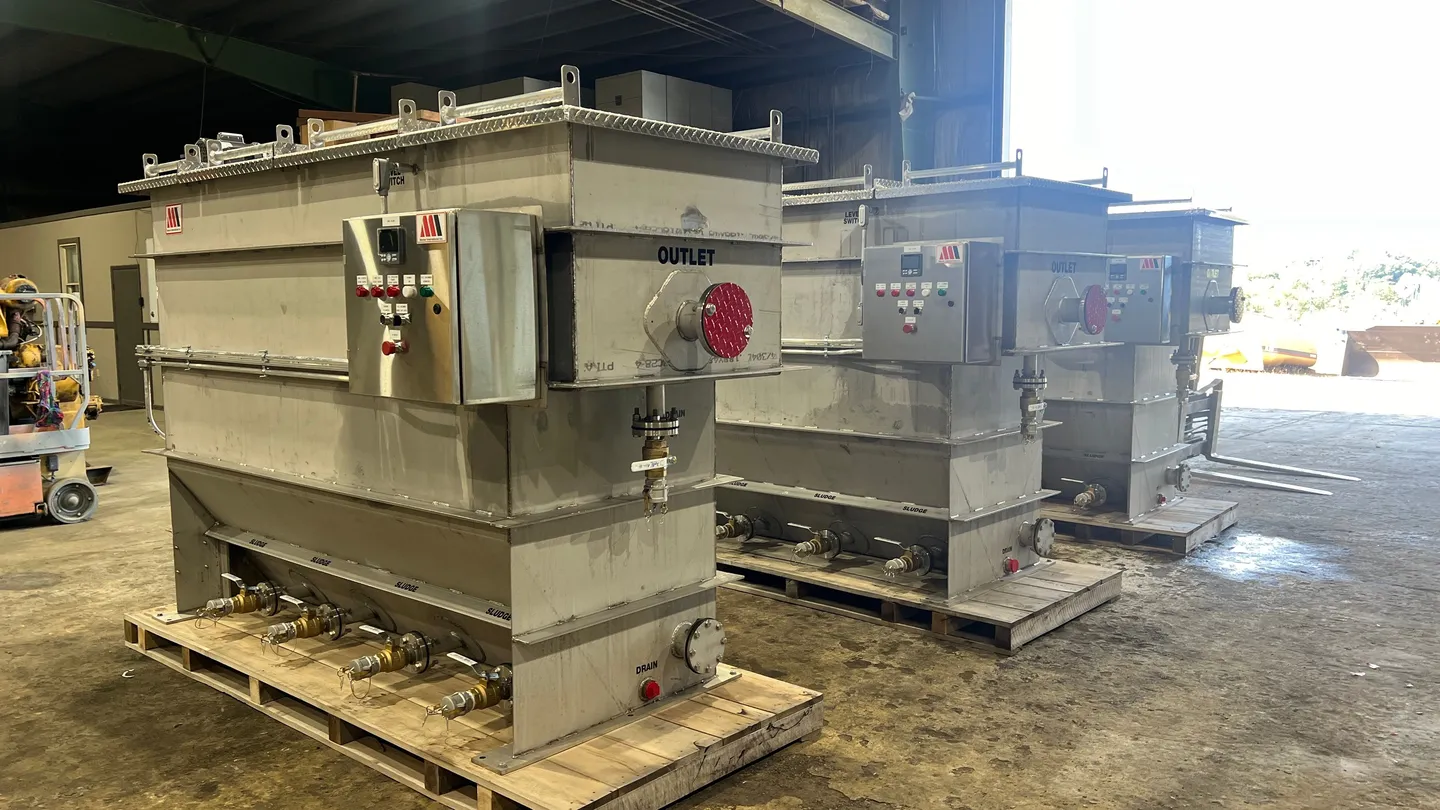
The installations shown represent Mercer systems operating in the 50–100 GPM range, deployed in facilities where solids loading, oil variability, and maintenance access are part of daily operation.
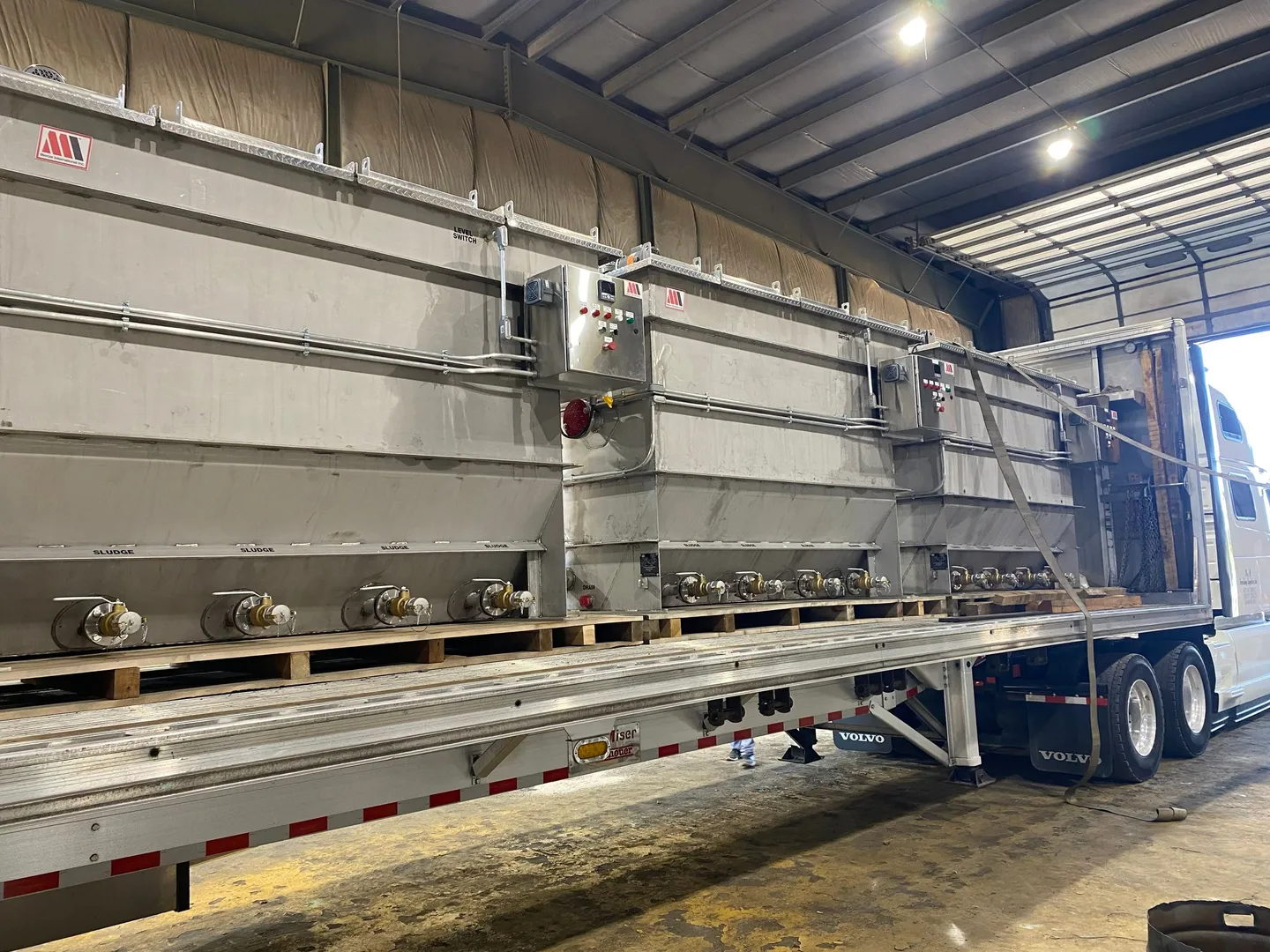
Above Ground
50, 75, 100 GPM
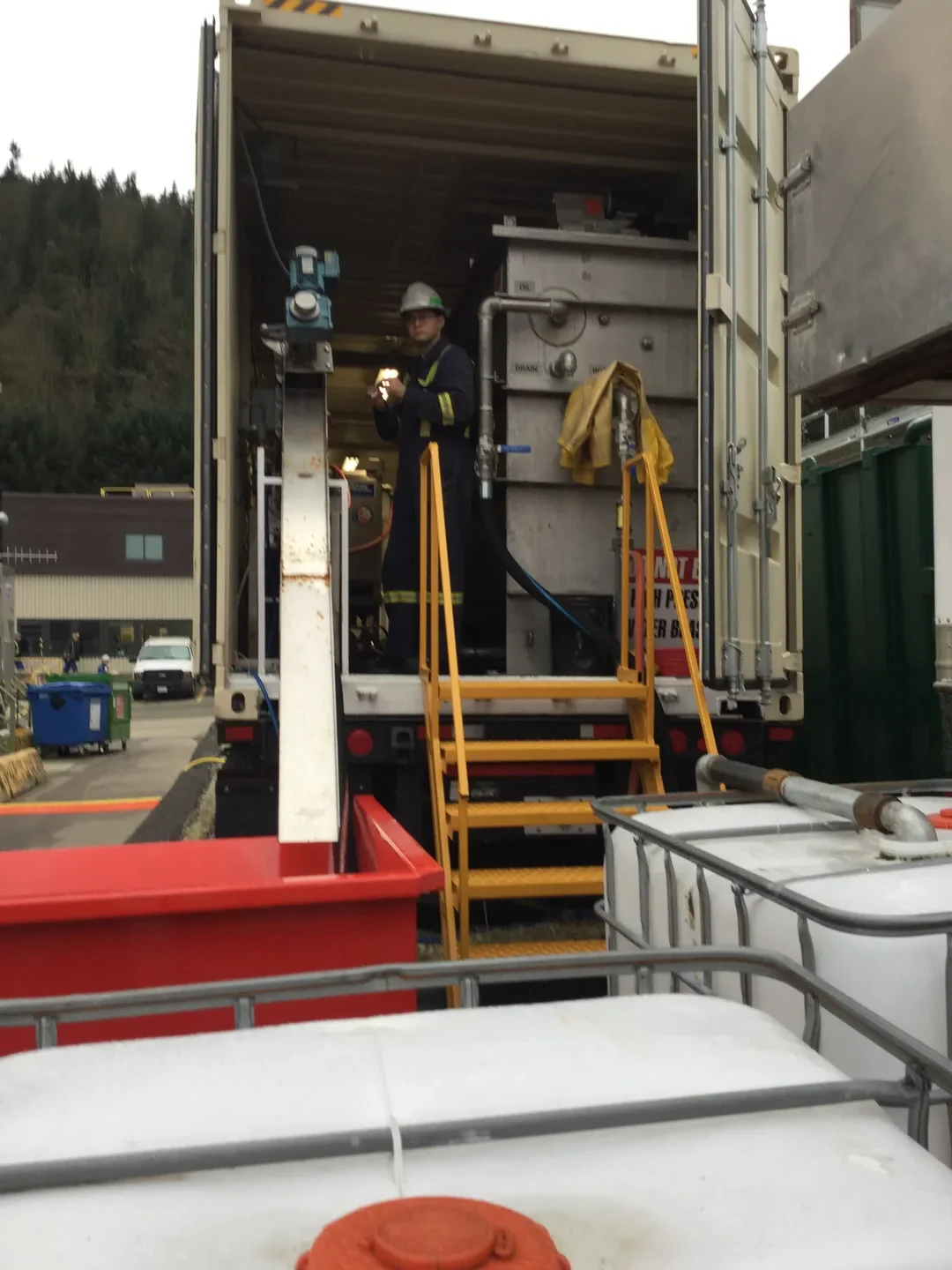
Above Ground
50, 75, 100 GPM
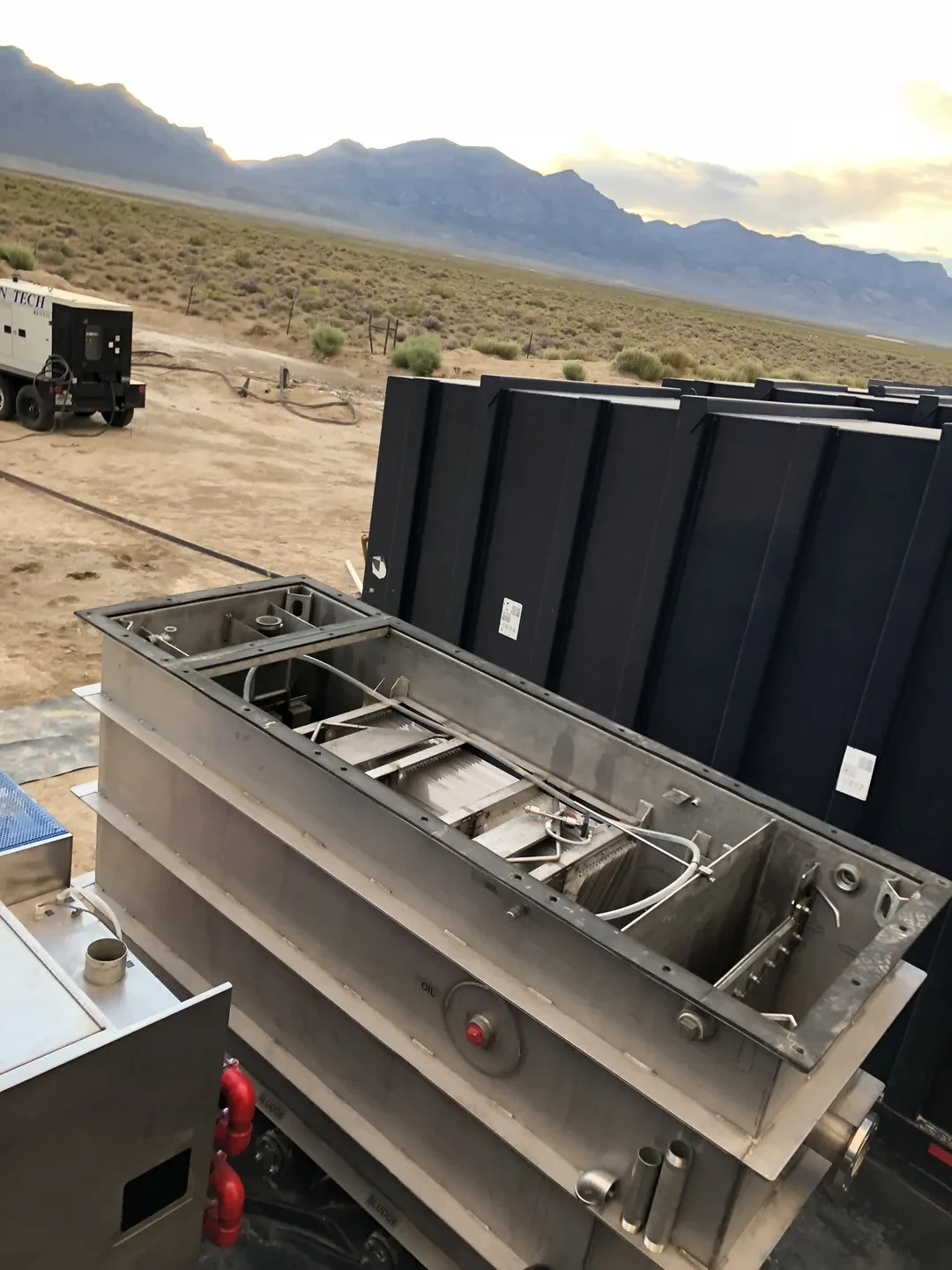
Above Ground
50, 75, 100 GPM
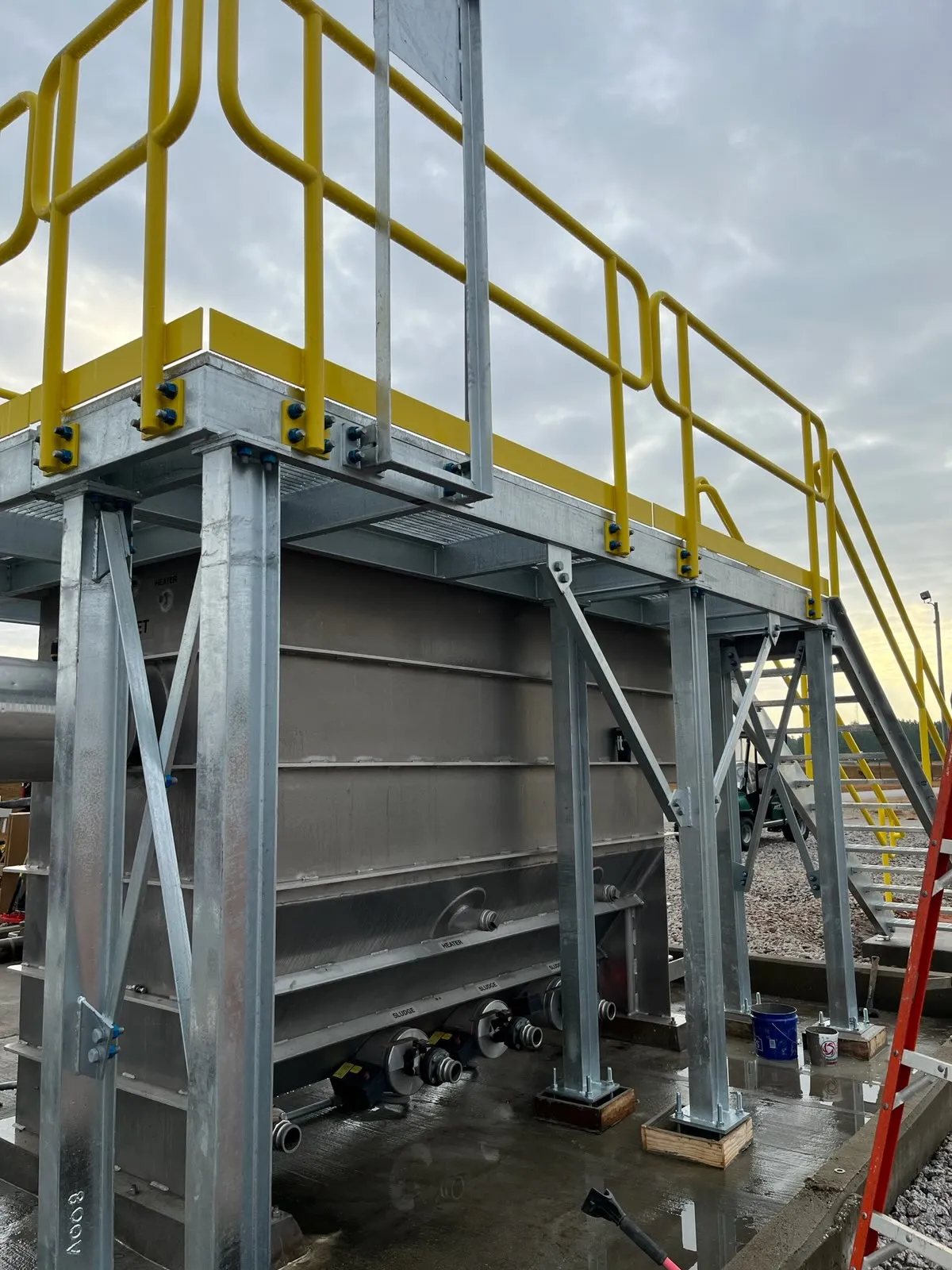
Above Ground
50, 75, 100 GPM
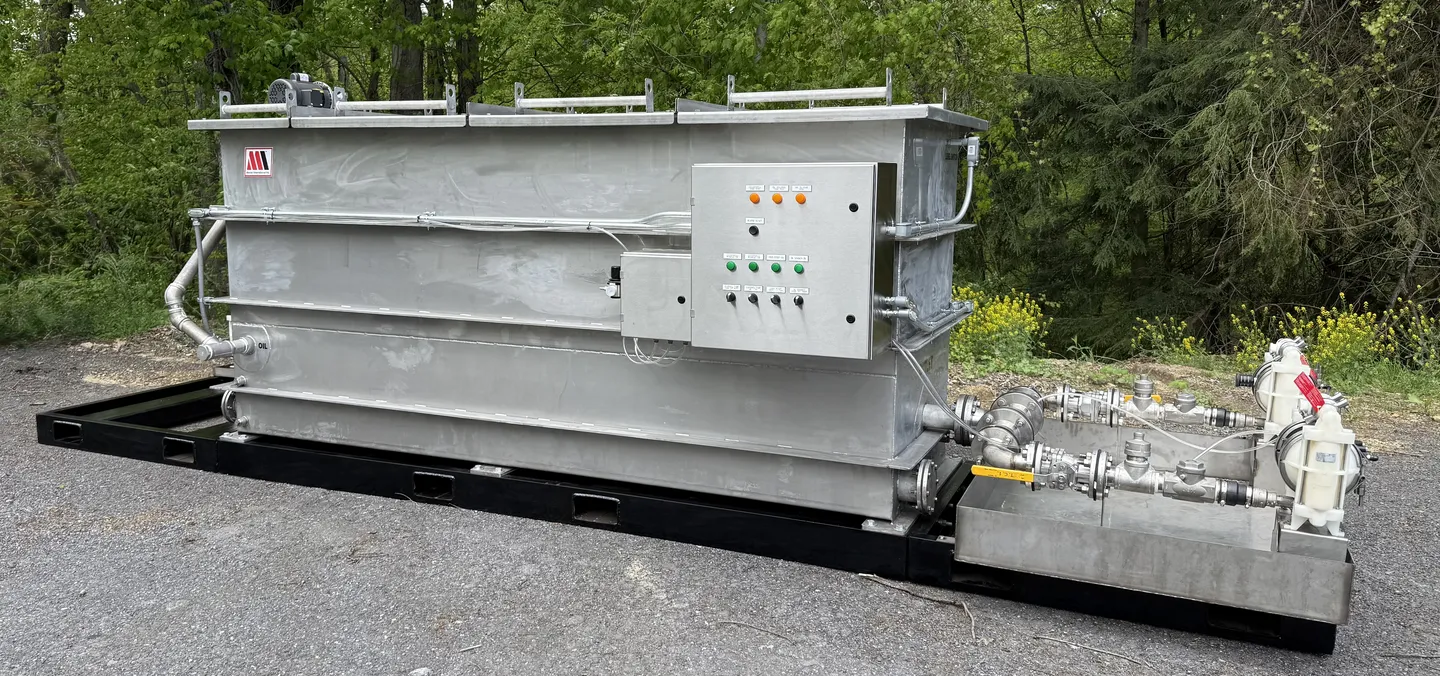
Above Ground
50, 75, 100 GPM
Above Ground
50, 75, 100 GPM
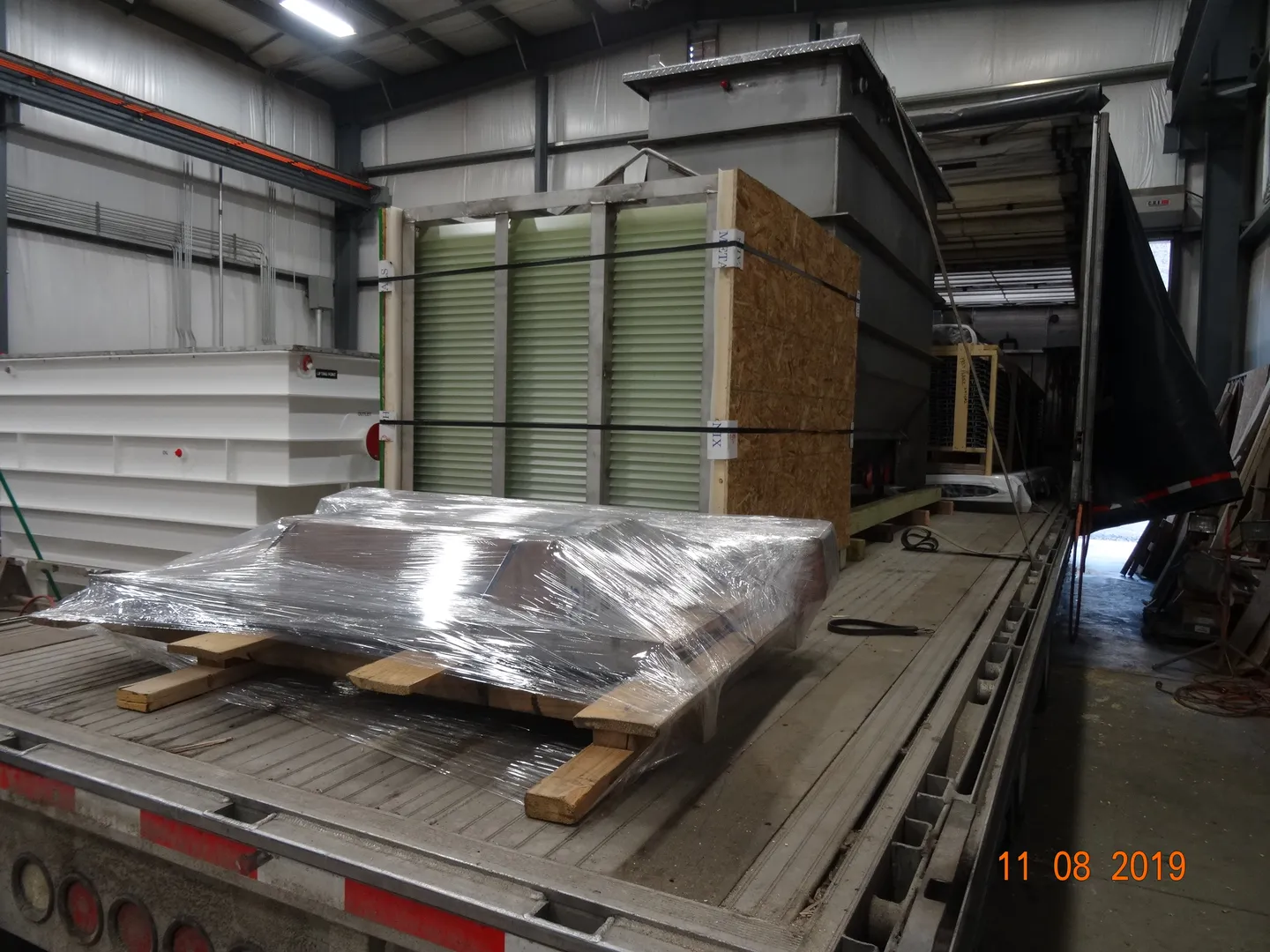
Above Ground
50, 75, 100 GPM
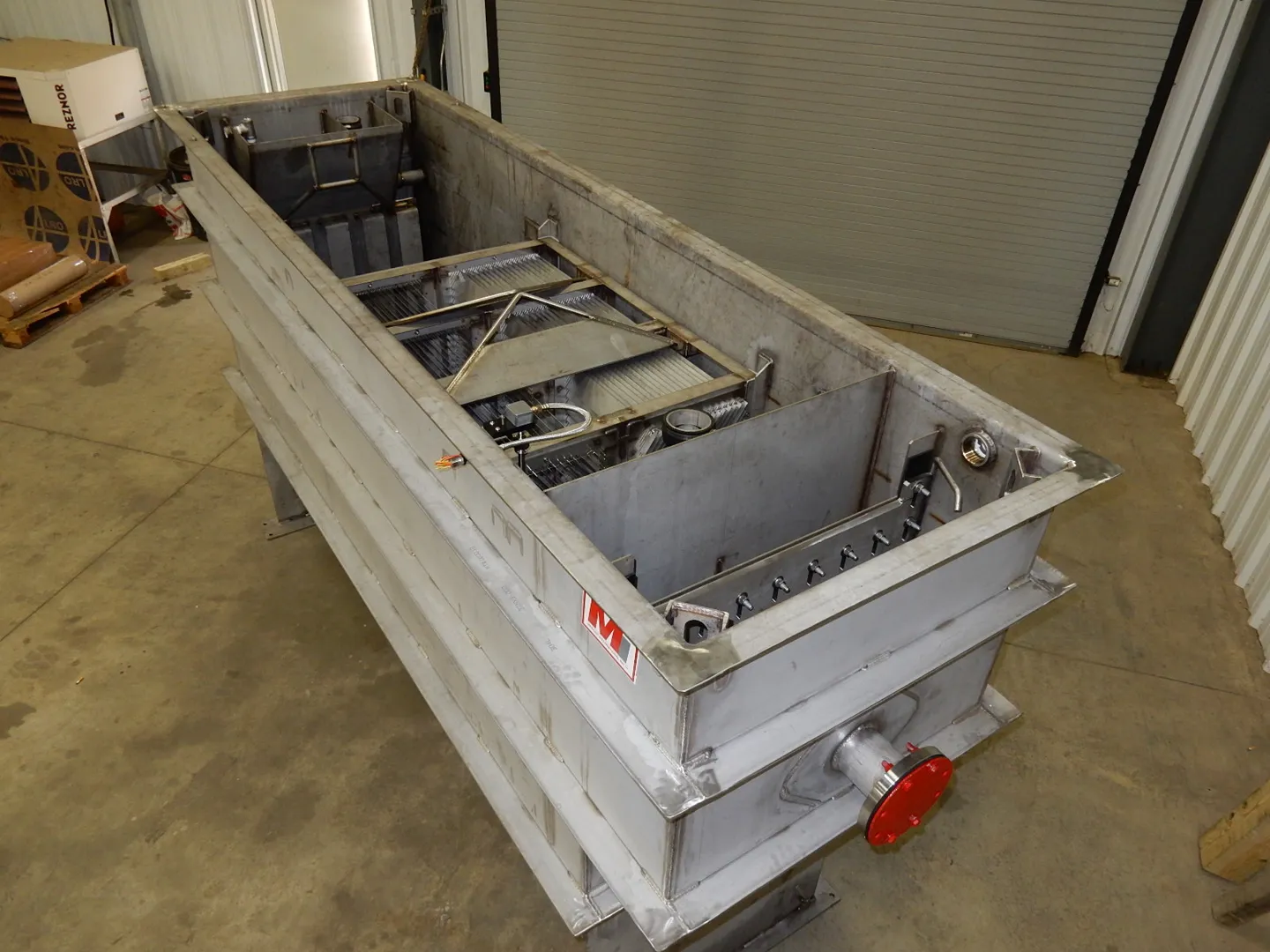
Above Ground
50, 75, 100 GPM
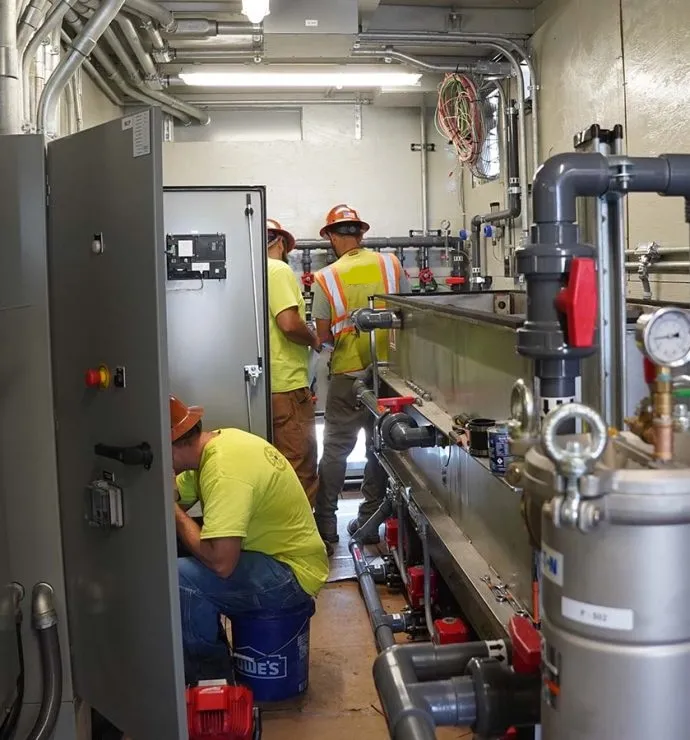
Above Ground
50, 75, 100 GPM
TRUSTED BY INDUSTRY LEADERS
A small sampling of companies with Mercer separators.




































































CORE TECHNOLOGY
A tank provides residence time.
Separation performance is determined by what happens inside the coalescer.
Mercer’s Multi-Pack™ coalescer is a purpose-engineered separation system designed to remain effective, adjustable, and serviceable even in compact separators operating under sustained solids loading.
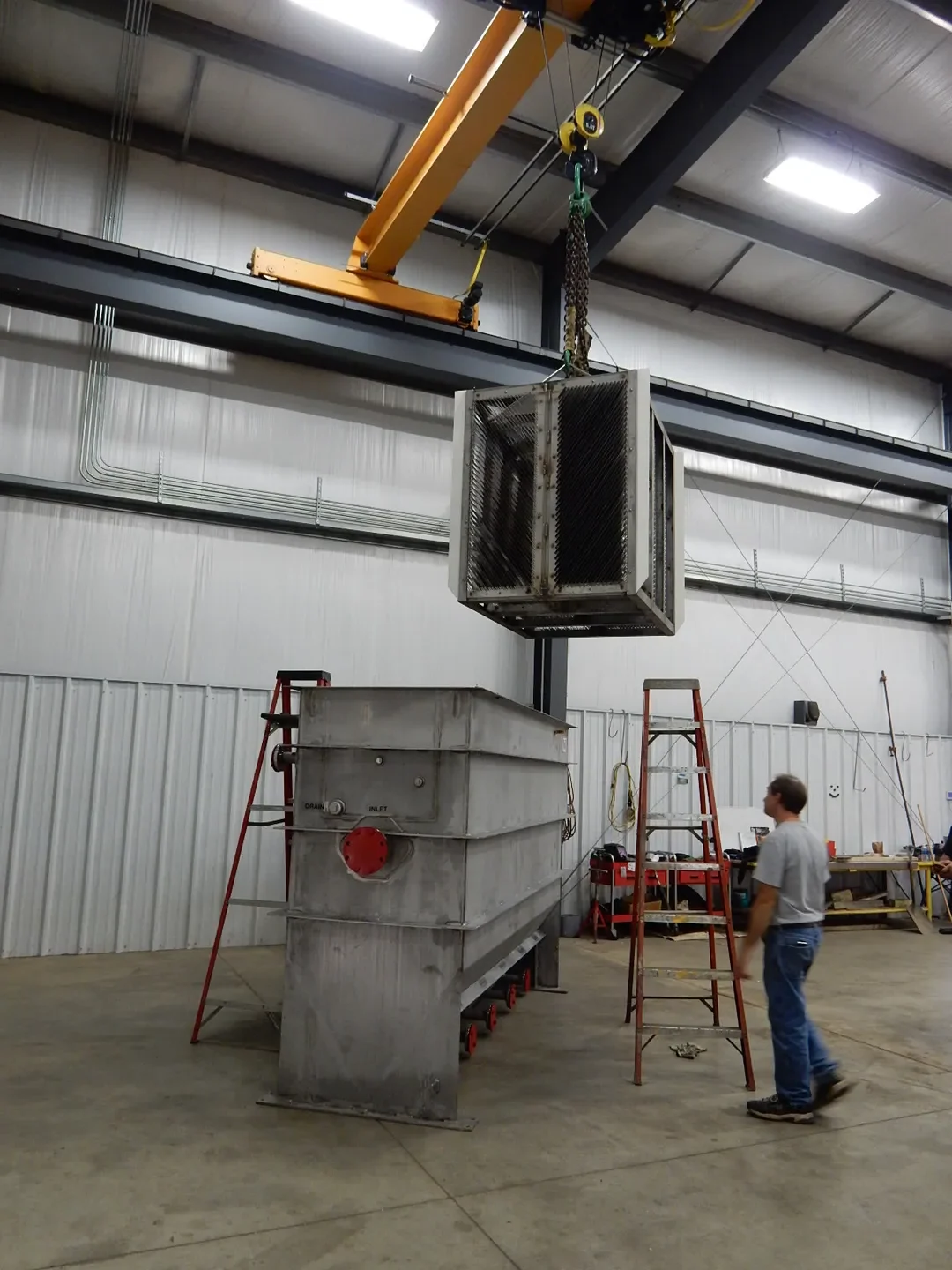
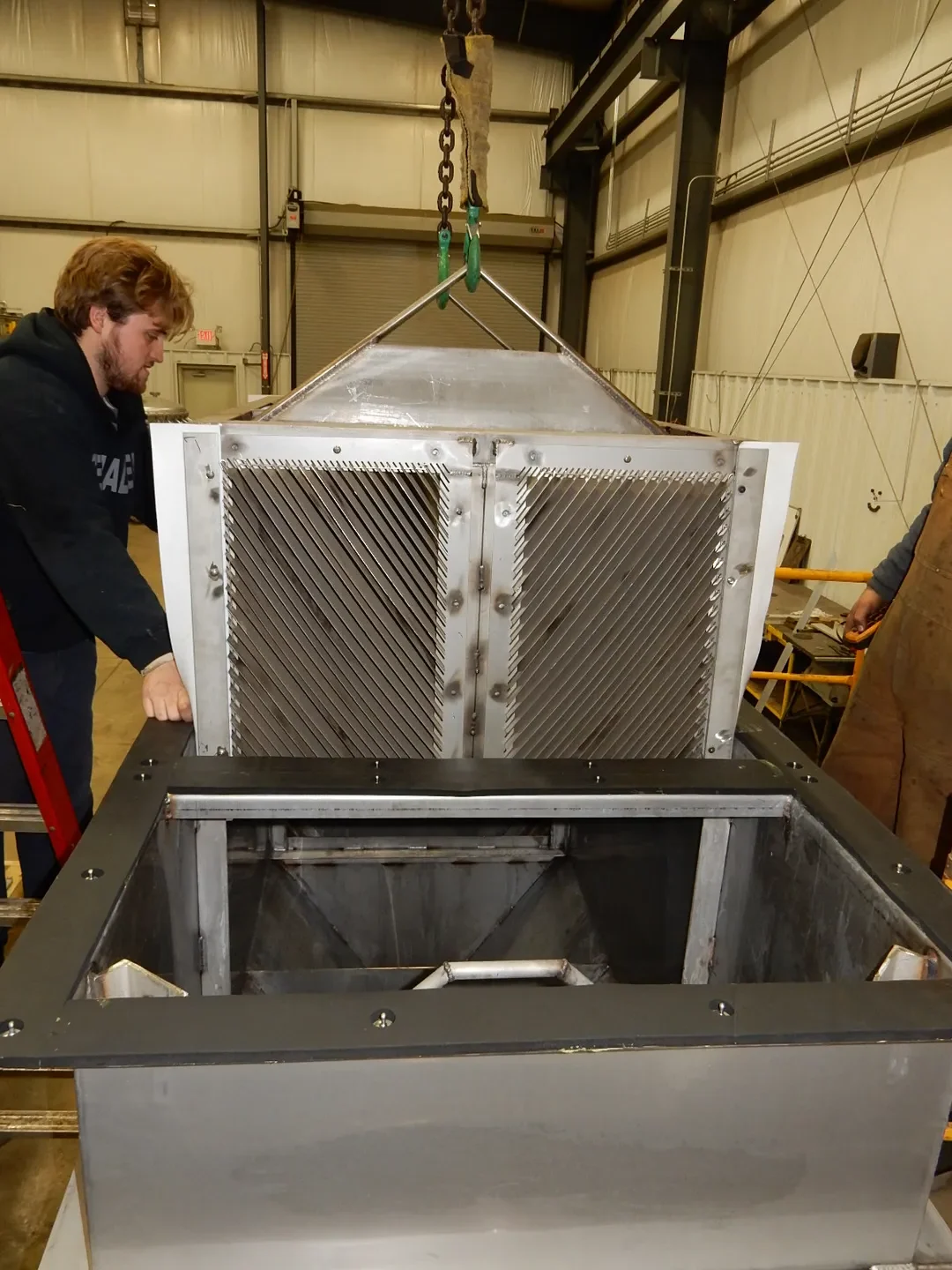
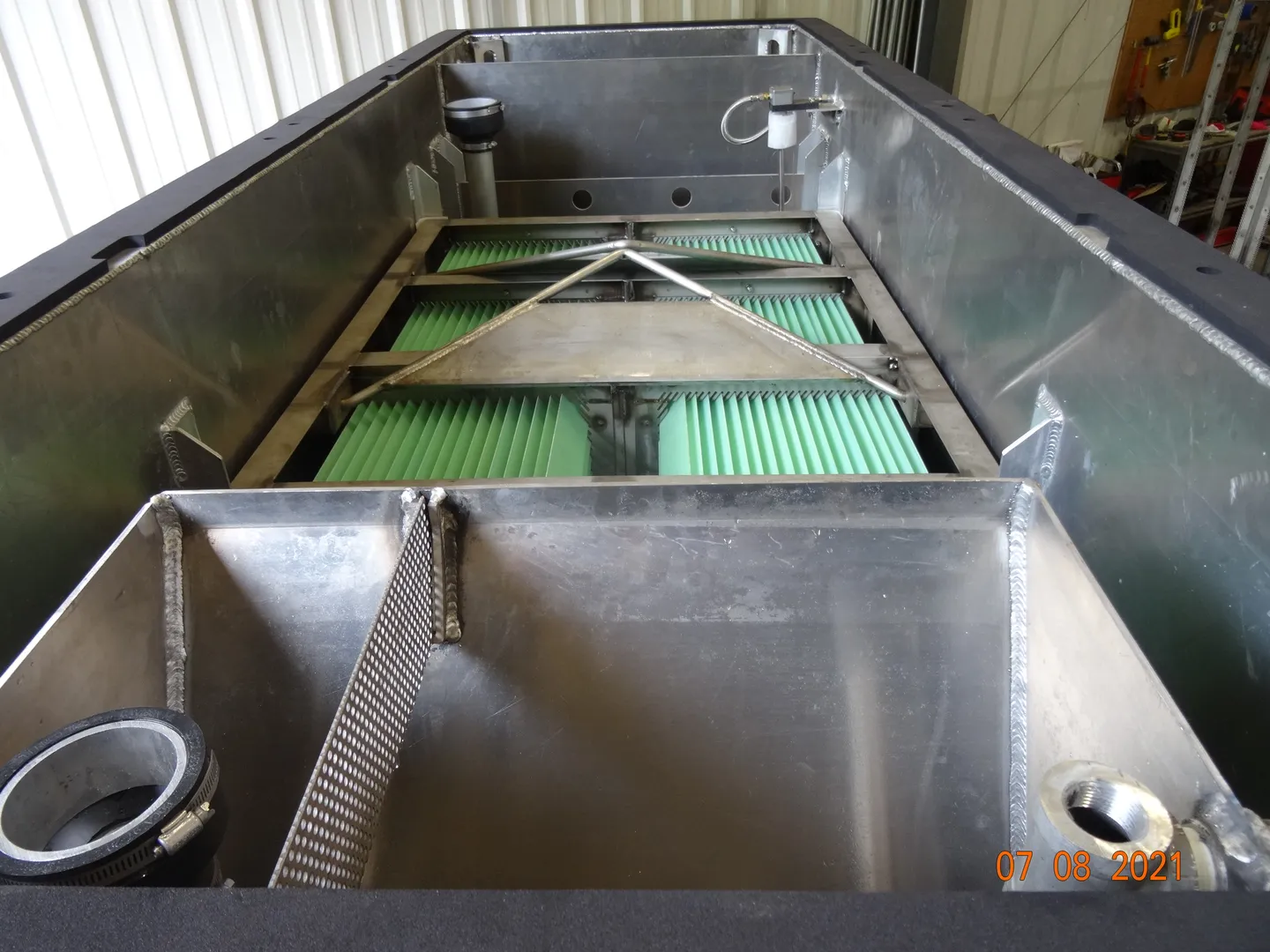
The Multi-Pack™ uses flat, steep-angled plates rather than corrugated or honeycomb media. Flat plates support predictable droplet capture while allowing solids to shed cleanly instead of lodging in pockets that quietly choke performance over time.
Learn MorePlate spacing can be adjusted beyond or below standard spacing to tune separation performance to actual conditions—oil type, temperature and viscosity effects, solids behavior, and desired maintenance intervals.
Learn MorePlates are arranged in a herringbone configuration that organizes internal flow paths and segregates areas where oils rise from areas where solids settle. This stabilizes hydraulics when flows cycle on and off, which is common in low-GPM applications.
Learn MoreAs oil coalesces and solids shed from the plates, they enter dedicated Chimney Zones™ designed for separation—not turbulence. These quiescent chambers allow oils to rise and solids to settle without re-entrainment, even during solids spikes.
Learn MoreThe Multi-Pack™ is fully removable as a single assembly. Operators can remove the pack, visually inspect it, clean it, and return it to service without dismantling internals or replacing disposable media.
There has never been a Multi-Pack™ removed from a tank where operators could not see through to the opposite side before cleaning begins. Surface films may be present. Clogged pockets are not.
Learn MoreAll at no cost to you.
We walk your site, capture real influent data if needed, engineer a custom separator from your worst-case scenario, and validate performance before fabrication. Only after the data confirms it do we issue a written guarantee. That’s how risk is removed.
PROVEN LONGEVITY
Built to Stay in Service
Many Mercer systems in this flow range were installed years ago and remain in continuous operation today. These are not retired units—they are active separators still managing oil and solids under real operating conditions.
Longevity at this scale reflects internal designs that can be inspected, cleaned, and maintained over time rather than replaced.
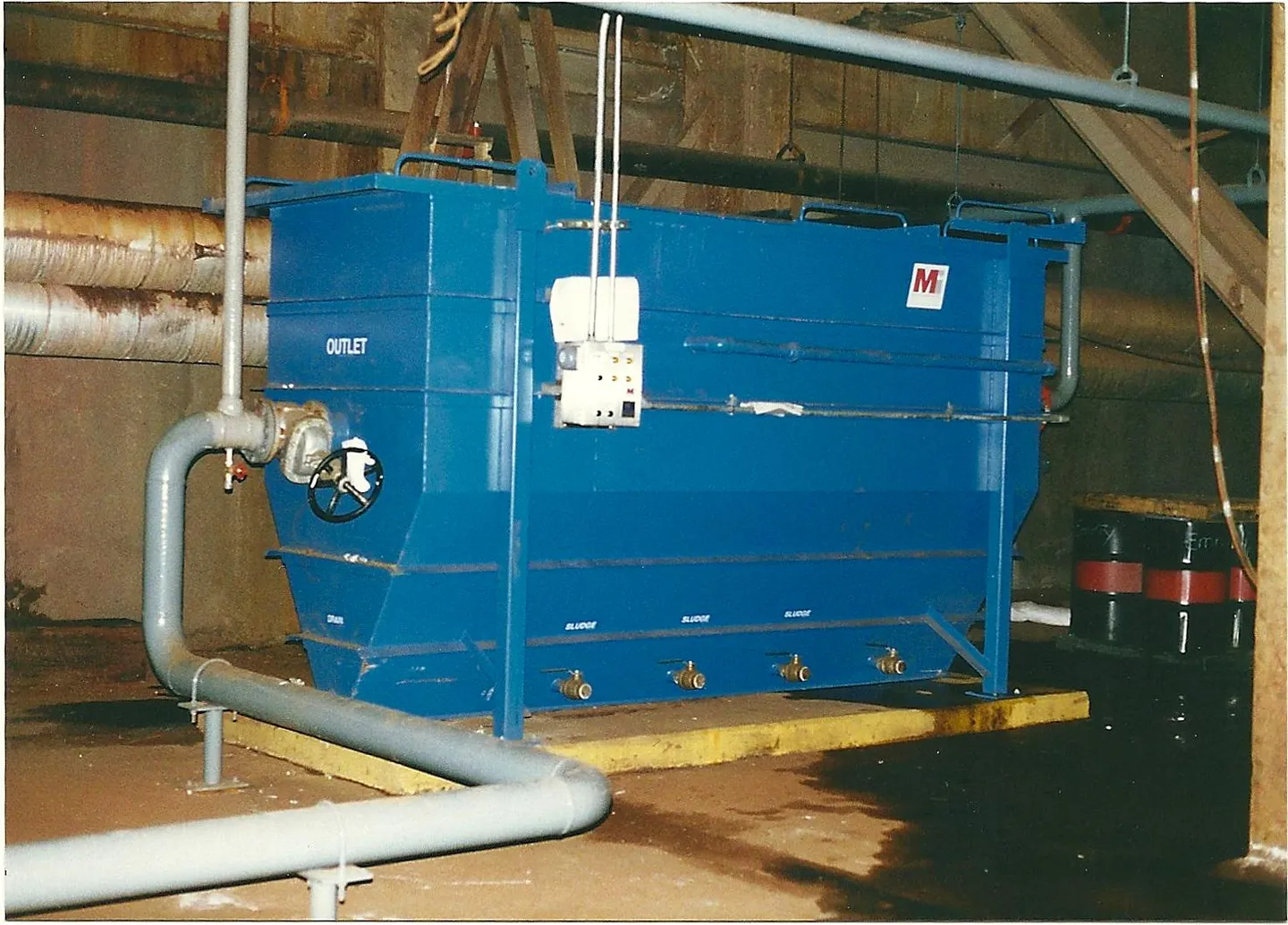
Above Ground
100 GPM
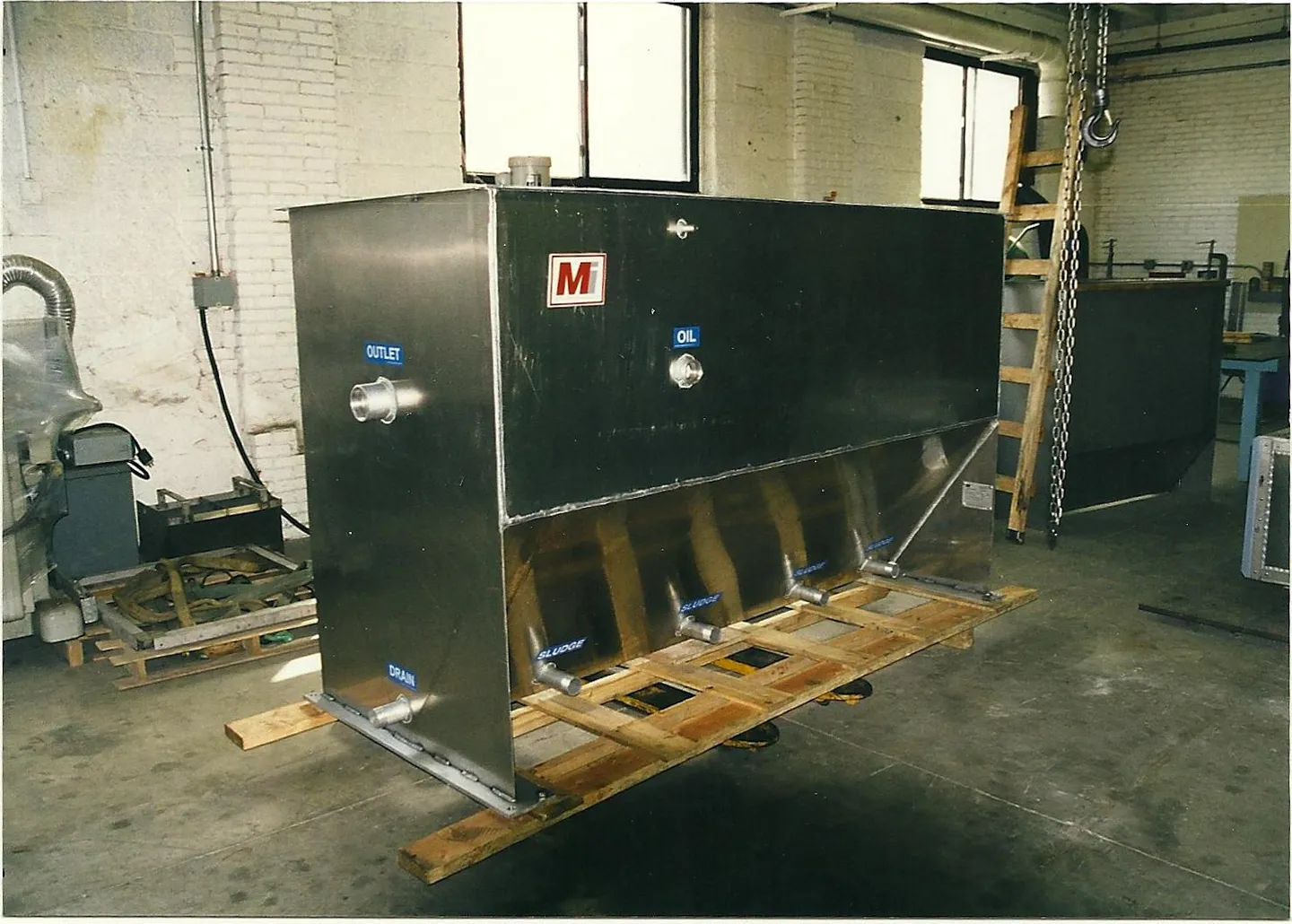
Above Ground
50 GPM
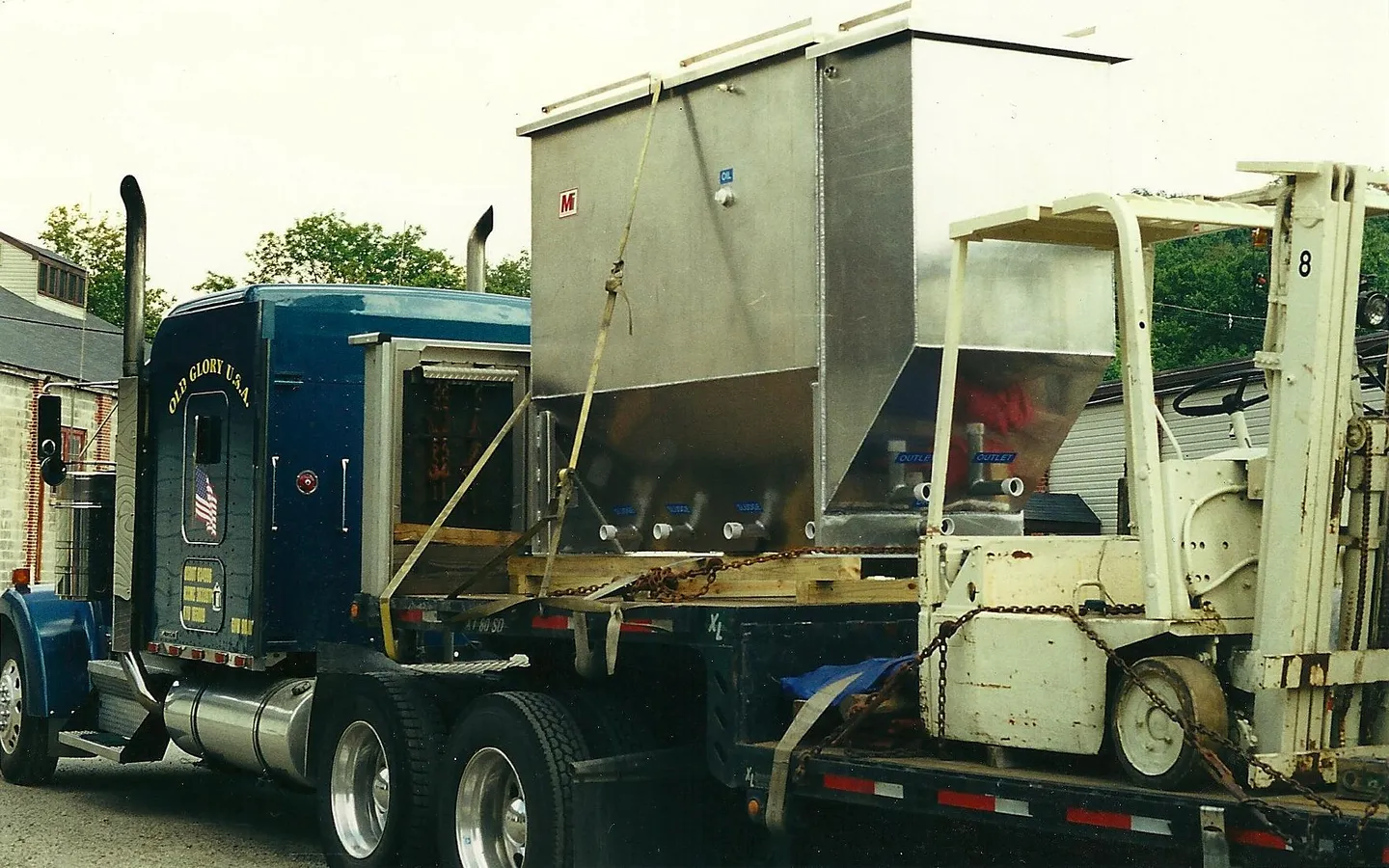
Above Ground
100 GPM
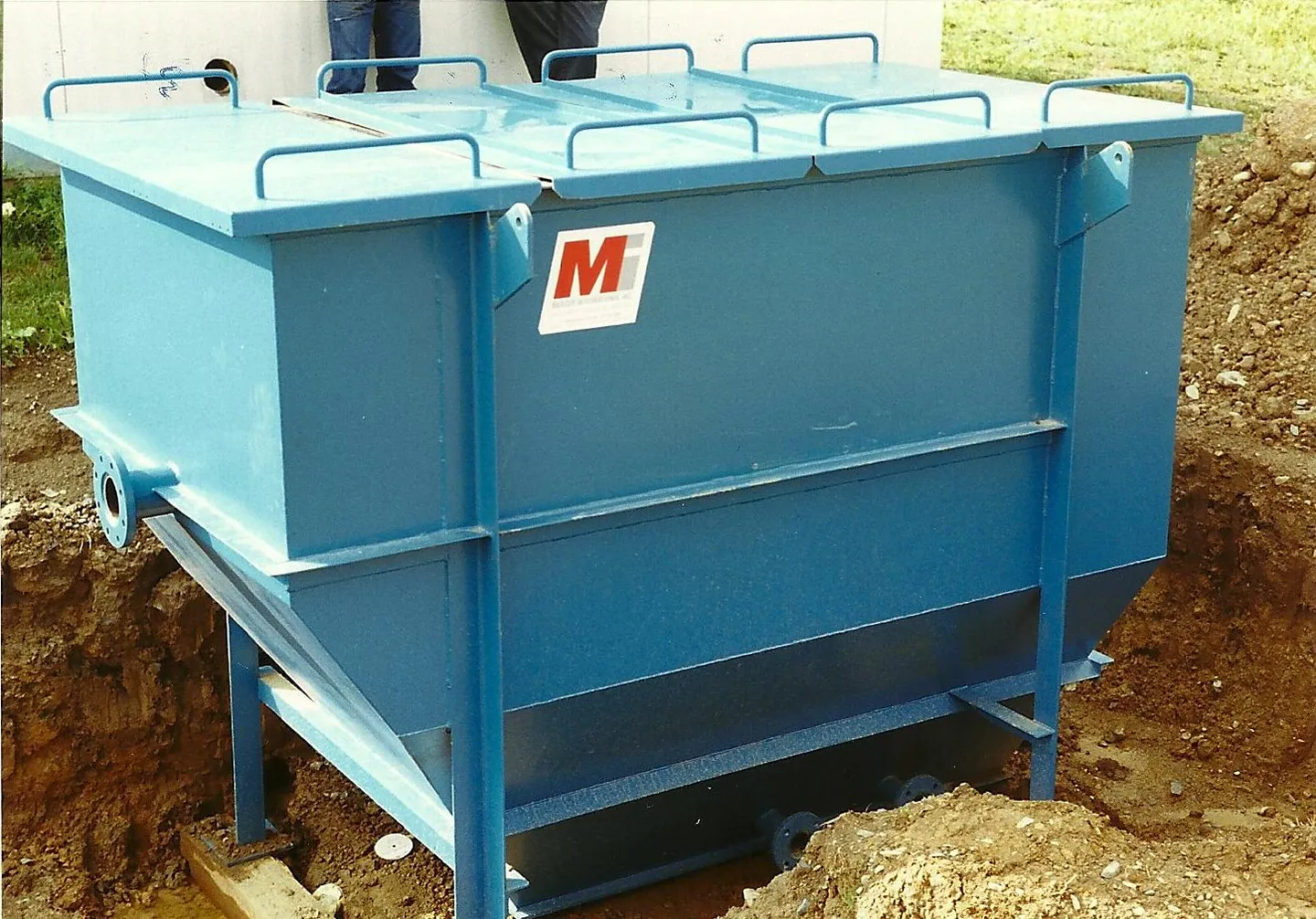
Above Ground
50 -100 GPM
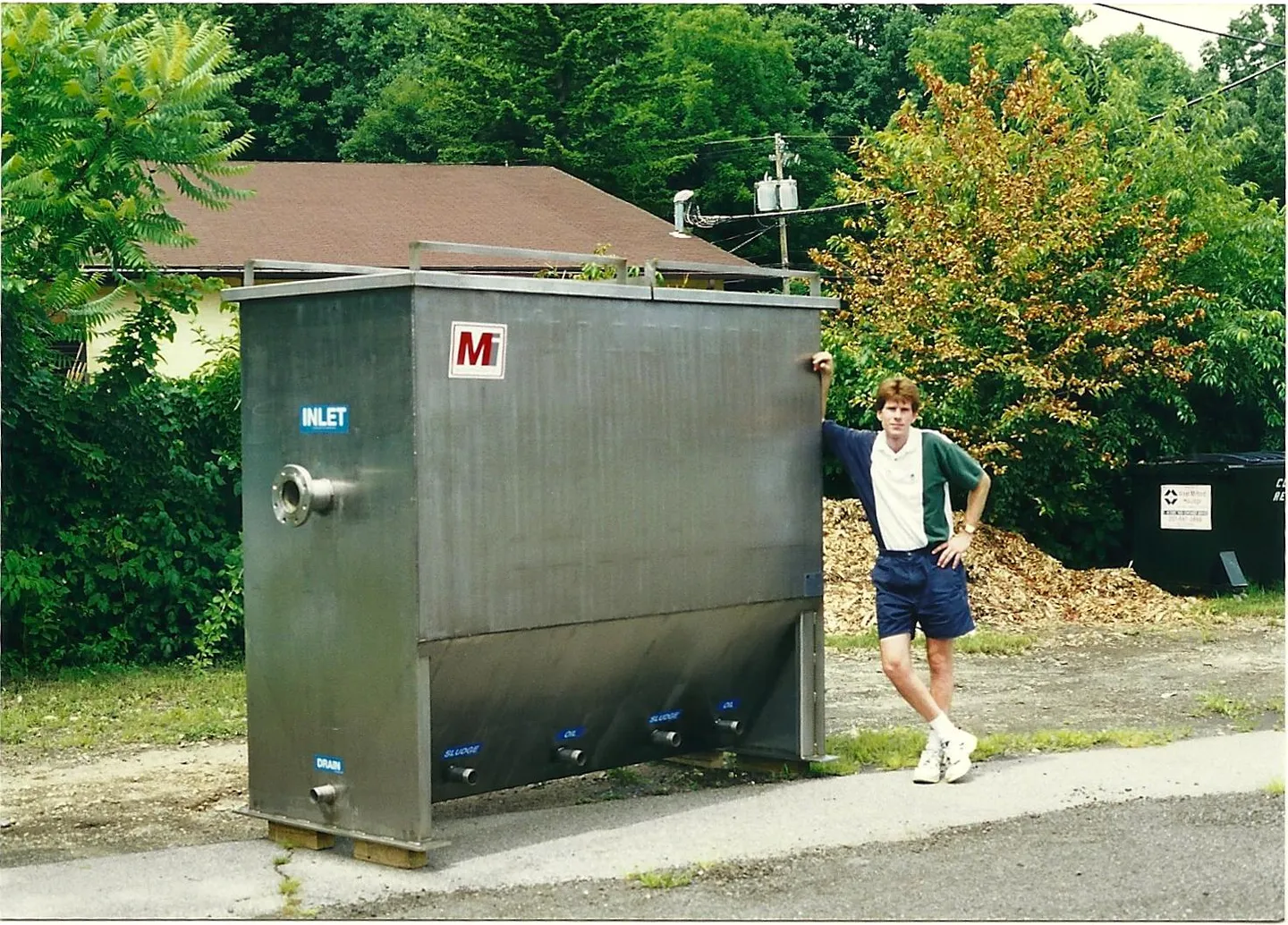
Above Ground
50 - 100 GPM
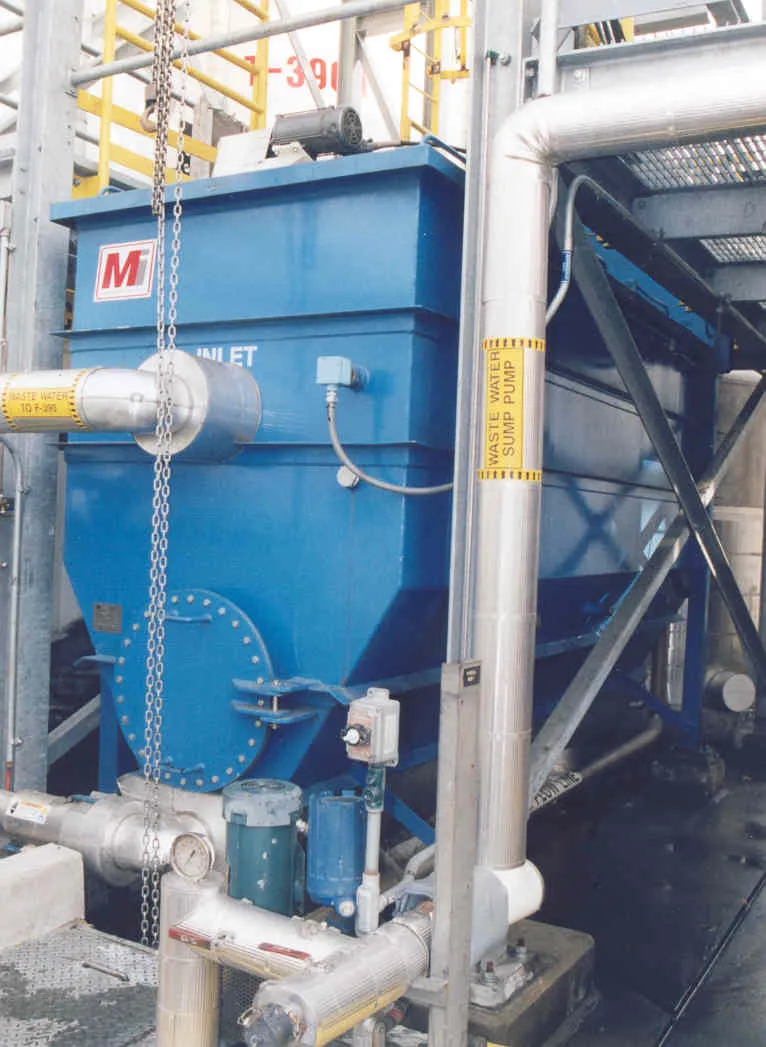
Above Ground
50-100 GPM
INDUSTRY APPLICATIONS
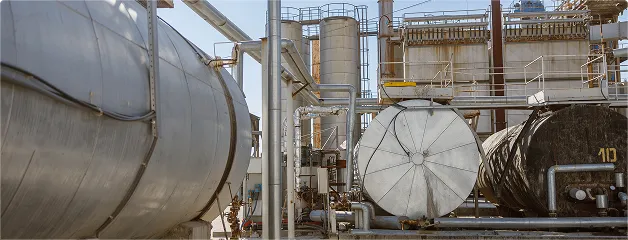
Food processing operations—including bagel, potato chip, sugar, fragrance, and flavor production—generate wastewater containing fats, oils, grease, organics, and suspended solids. Mercer separators are used where washdown cycles, temperature variation, and solids require non-fouling internals and consistent long-term performance.
Learn more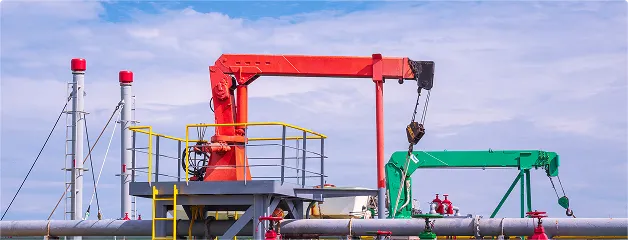
Oil and gas water management (frac, flowback, and produced water), chemical manufacturing, tank farm cleaning, fuel handling, and spill recovery introduce wide variability in oil types, solids loading, and temperature. Mercer systems are selected in these environments for predictable separation, “next to nothing” maintenance, and internals that can be inspected and maintained under demanding conditions.
Learn more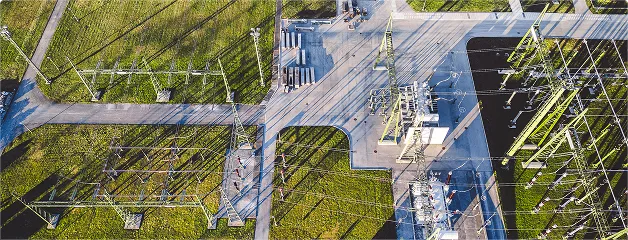
Utility yards, basement sumps, pump-and-treat systems, and consultant-designed treatment trains rely on oil water separators that operate reliably with minimal oversight. Mercer systems are incorporated where compliance, uptime, and long-term maintainability are required across varied operating conditions.
Learn More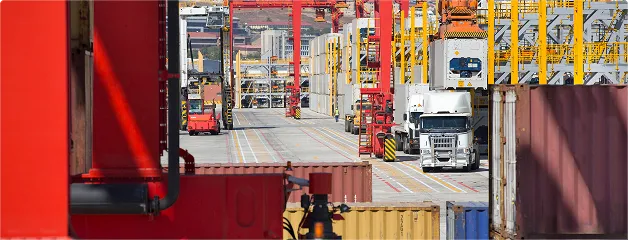
Airline wash-down facilities, truck washing operations, fleet maintenance areas, and transportation support facilities produce oil-laden wastewater with detergents and intermittent flow patterns. Mercer systems are deployed where cycling flows, solids carryover, and serviceability are critical to maintaining compliance.
Learn More
Garbage collection sites, transfer stations, junkyards, and scrap operations generate heavily contaminated runoff with grit, debris, and hydrocarbons. Mercer separators are applied where robust solids handling and maintainable internals prevent gradual fouling and performance loss.
Learn MoreAt 50–100 GPM, separators stop being a line item and start being a liability if misapplied.
Mercer engineers evaluate flow variability, solids behavior, and operating constraints to confirm that the separator will perform in real conditions, not just on paper.Talk to Mercer before finalizing equipment selection to reduce operational risk and protect long-term compliance.
At this scale, performance is rarely limited by coalescing media alone. Inlet energy control, flow distribution, and residence time determine whether the plates see uniform loading or spend their life fighting turbulence and channeling. This is why Mercer treats these systems as hydraulic devices, not tanks with plates dropped inside.
As flow increases, so does the consequence of unmanaged solids. Sludge buildup changes effective volume, disrupts flow paths, and quietly degrades separation efficiency. Mercer systems are designed to make solids visible, accessible, and removable so performance does not erode between maintenance intervals.
Yes. Systems in this range are often subject to inspections, audits, or discharge verification. Mercer designs for post-installation validation, including stable sampling conditions, predictable hydraulics, and repeatable performance rather than one-time acceptance testing.
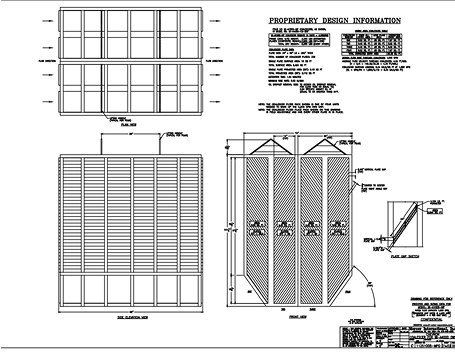
Tell us about your project and we’ll provide the right configuration drawings for your site and flow conditions.
Head to the design center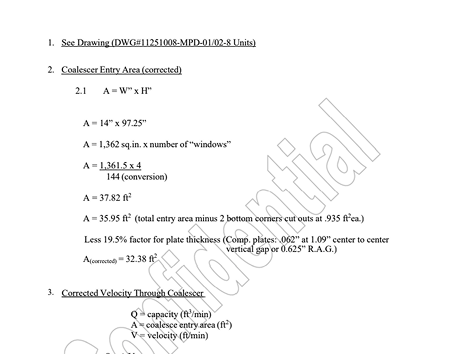
Provide your project details and we’ll share the full technical specs relevant to your operating conditions.
Head to the design center