INDUSTRY INSIGHT
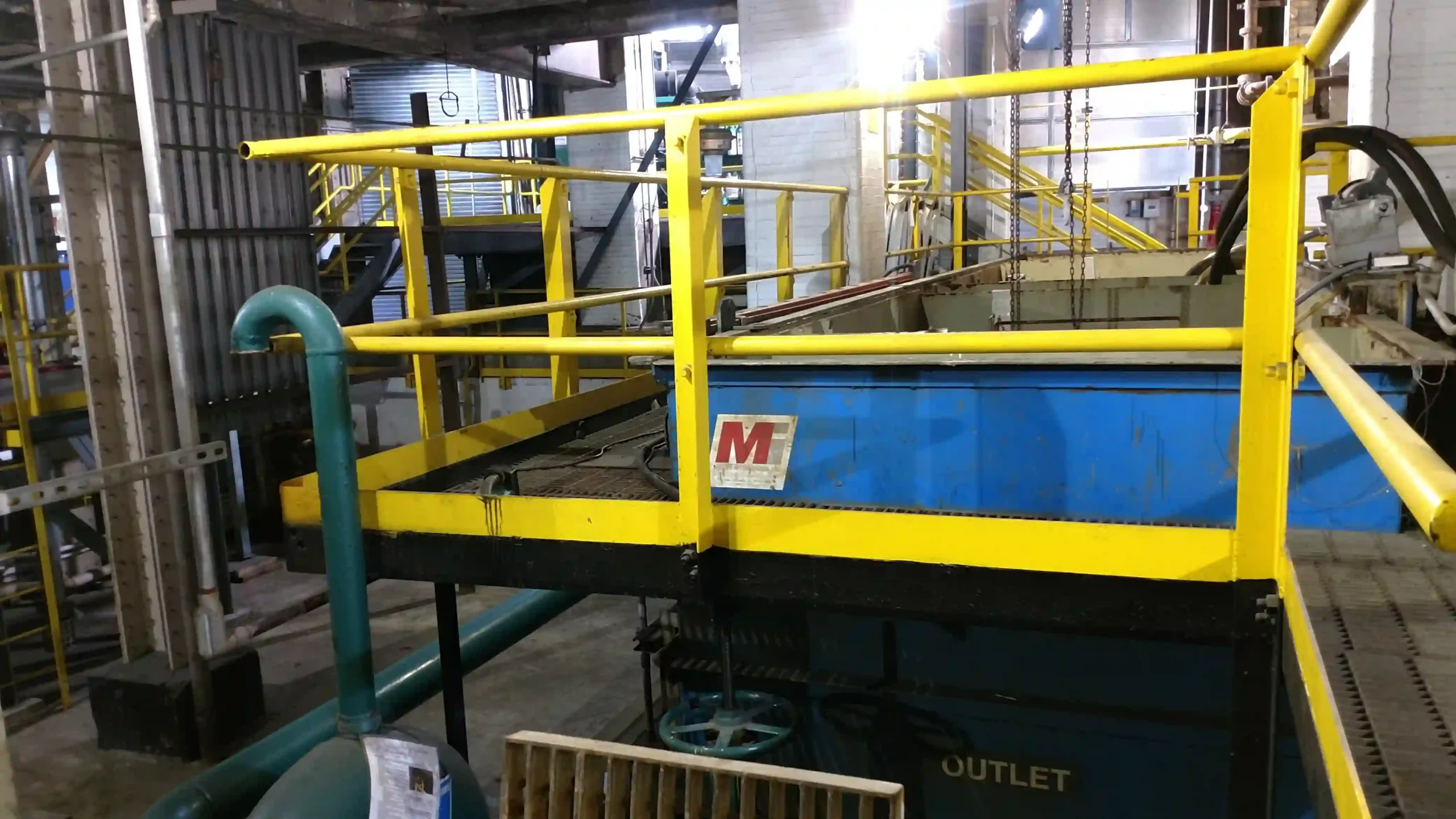
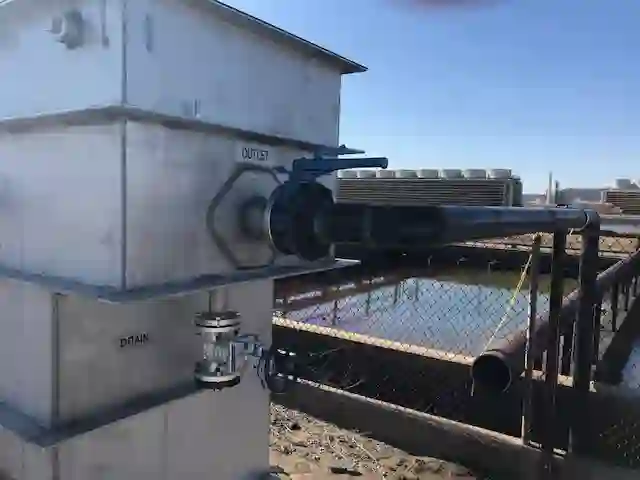
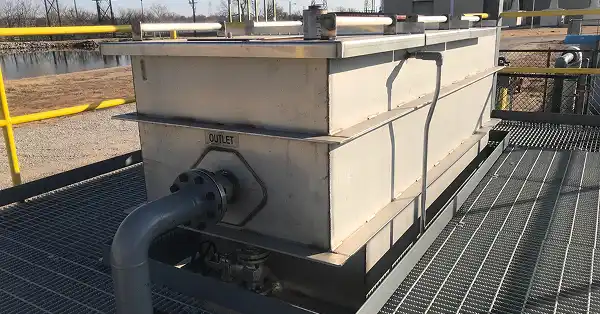
Mercer delivers automated, enhanced-gravity separation systems purpose-built for natural-gas–fired power generation, from turbine lube-oil drainage to compressor skids, HRSG washdowns, and auxiliary equipment sumps.
Challenges
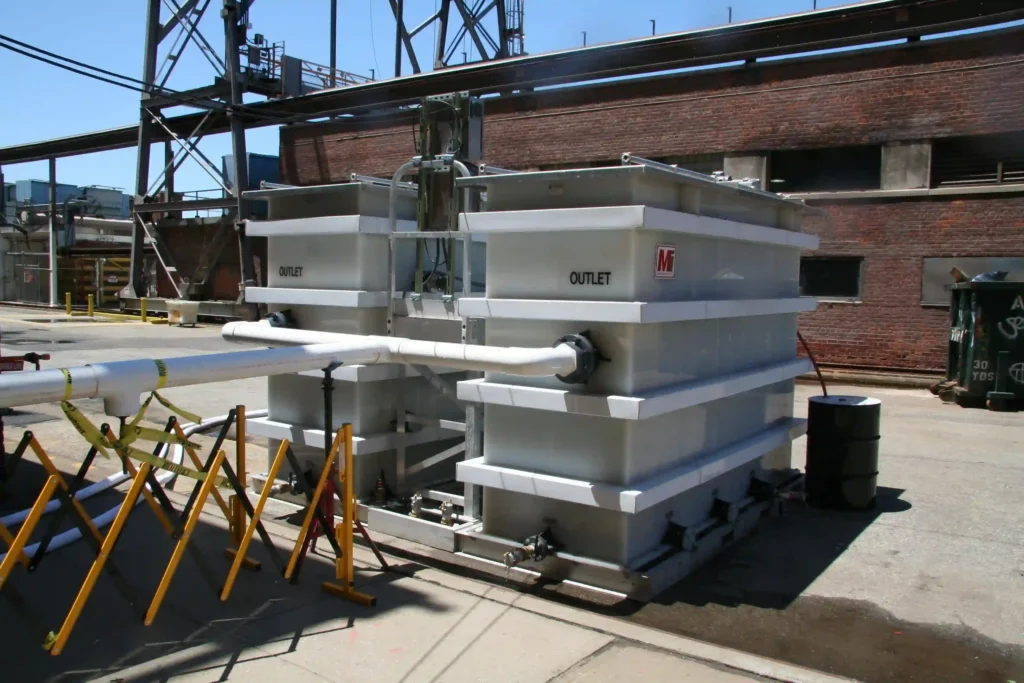
Hot lube-oil drainage and warm condensate accelerate fouling in legacy separators and disrupt rise times.
Turbine start-ups, washdowns, and fuel system purges produce unpredictable flow spikes that defeat conventional separators.
Bearing wear particles, gasket fragments, rust scale, and compressor fines sink oil into the sludge layer and choke removal systems.
Open pits release VOCs from lube oil, solvents, and cleaning fluids, now a growing air-quality priority.
Turbine halls offer limited access for pits or large concrete structures, making retrofit-friendly solutions essential.
Solution
Mercer brings predictable, automated performance to natural-gas fired generation by stabilizing hydraulics, controlling velocity, and removing oil and solids before they can foul downstream systems.
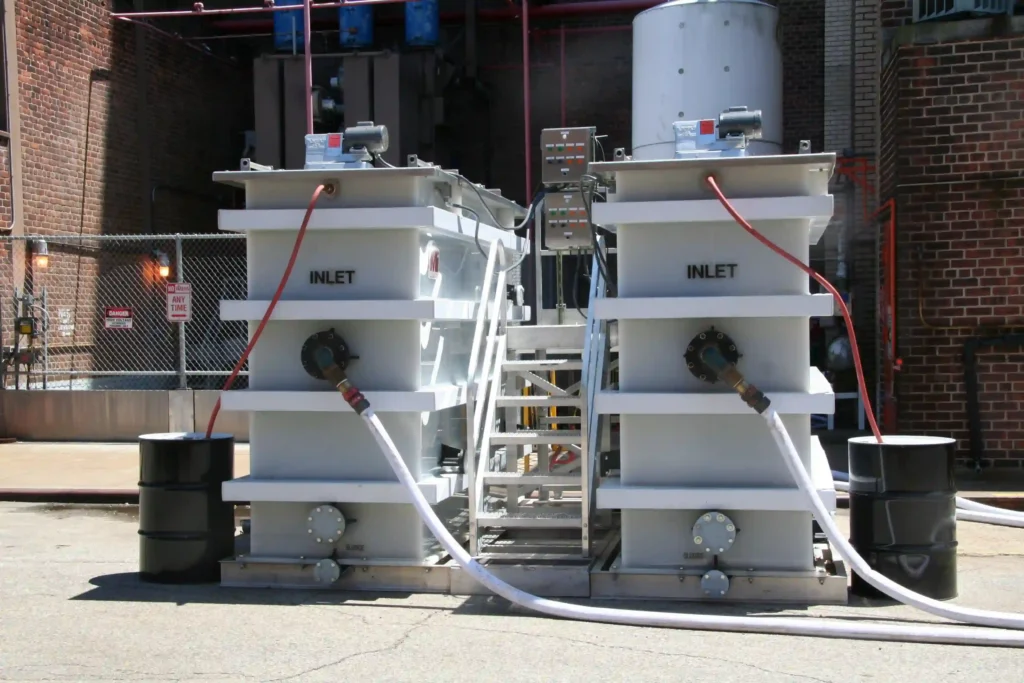
Mercer units capture 3× smaller droplets than simple gravity systems in a footprint typically ¼ the size of legacy separators.
Electromechanical skimming removes oil the moment it forms a layer, preventing collapse, sinking, and emulsification.
Automated sludge valves timed to solids buildup prevent accumulation of fines, metal shavings, and gasket debris.
Airtight covers reduce VOC seepage, eliminate odor issues, and keep debris out, all critical in indoor turbine settings.
Multi-Pack™ modules drop into existing vaults and pits, upgrading performance without large civil modifications.
APPLICATION AREAS
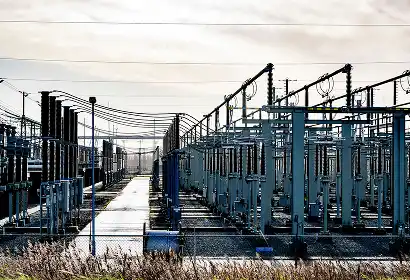
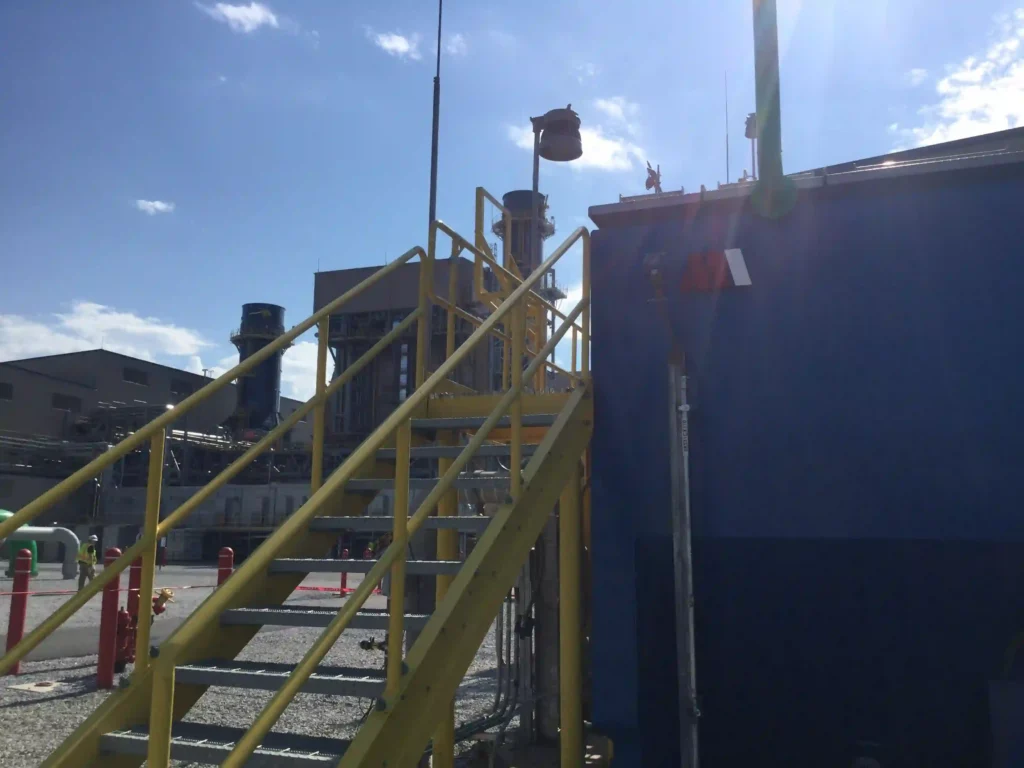
Capture and remove lubricating oil from bearings, seals, and failsafe drains with high efficiency.
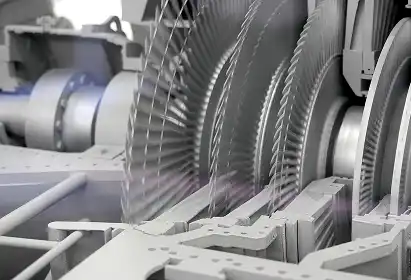
Handle compressor lube-oil leakage and washdown water without solids buildup.
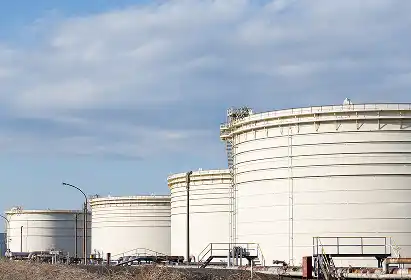
Treat oily water mixed with cleaning agents, silt, and metal fines.
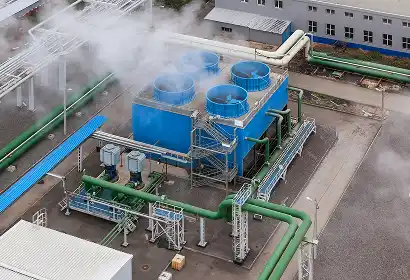
Manage pump seal leakage, fuel-oil residue, and general facility drainage.
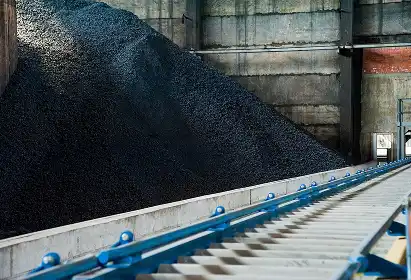
Control hydrocarbon runoff during transfers and maintenance operations.
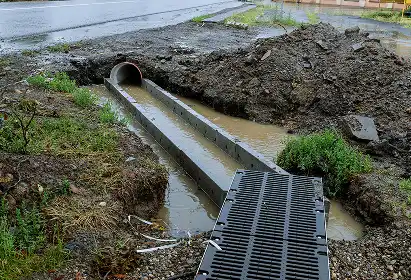
Handle first-flush loads during storm events with consistent, documented oil removal.
MERCER ADVANTAGE

Yes. Controlled-flow geometry and optimized plate spacing maintain separation when CPI units collapse.
Absolutely. Materials and coatings are selected for high-temperature performance.
Typically every 6–12 months, versus the weekly attention CPI and pits require.
Often yes. Multi-Pack™ modules drop into many existing structures with minimal modification.
Yes. Full SCADA/PLC connectivity, alarms, and telemetry are available.
Yes, especially where HRSG washdowns and condensate systems introduce variable flows and chemicals.
